Published July 31, 2018 12:00AM
Canyon Brings Online Bike Sales to the Masses
Cycling brands are delivering quality rides right to your doorstep
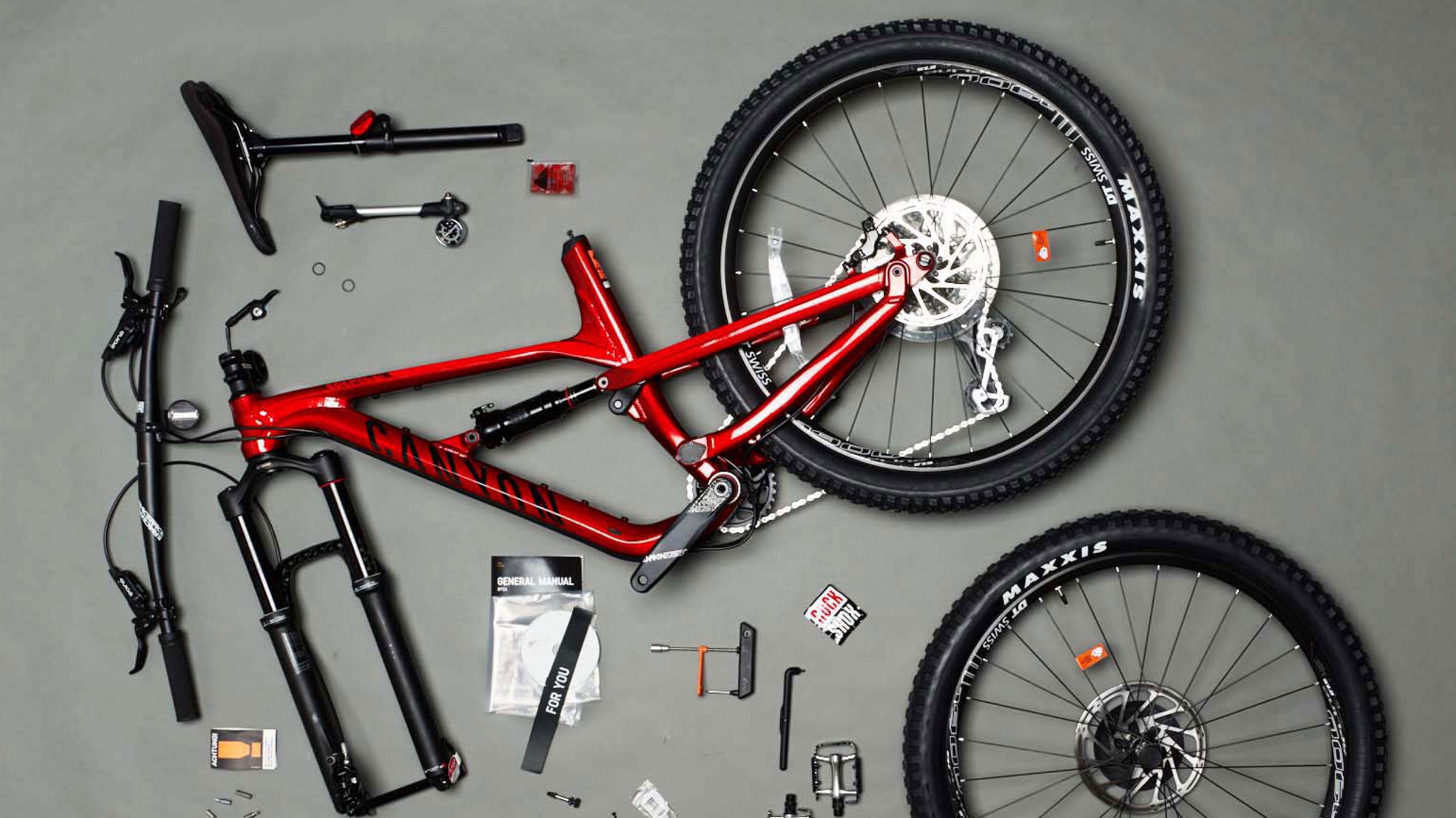
German brand Canyon, which has been selling directly to consumers in Europe since 2003, began U.S. distribution last year, a development that could cause a major industry shift. (Photo: Inga Hendrickson)
In a world where we can buy everything from prescription drugs to groceries with our phones, it’s been nearly impossible to purchase a quality bicycle online. That’s changing fast. German brand Canyon, which has been selling directly to consumers in Europe since 2003, began U.S. distribution last year, a development that could cause a major industry shift. The company’s bikes are equal to those from other major brands—and Nairo Quintana and his Movistar squad ride Canyon at World Tour races, including the Tour de France—but because Canyon cuts out the middleman, its prices are 10 to 40 percent less than the competition. Now makers including Eminent Cycles, Franco Bicycles, and YT Industries are following suit and selling exclusively online. Here are five ways that Canyon and other direct-to-consumer brands are saving people money and reducing the cost of their bikes, like the Spectral AL 6.0 ($2,500).
- Canyon is committed to using complete group sets, like this SRAM GX Eagle drivetrain. That translates into buying power: the company says it is the largest purchaser of Shimano Dura-Ace in Europe, and it passes along savings to customers.
- The brand also pursues innovations that improve the ride while simplifying assembly. The integrated bash guard and cable system on the bottom of the Spectral’s down tube offer all the benefits of internal cable routing and also cut down on build time.
- One of Canyon’s best selling points is better components for the money. The RockShox Pike RC fork and DT Swiss M1900 wheelset are a level or two higher than what you find on a comparable bike.
- Canyon replaces an in-shop fitting session with a simple online system. Plug in a few easy measurements (shoulder width, arm and torso length, inseam), and the calculator spits out model-specific size recommendations. Should your bike not fit, you can exchange it for another size (or even model), and Canyon covers the shipping.
- By sending its bikes directly to buyers, Canyon cuts out the labor cost of assembly. Its heavy-gauge box doubles as a workstand, and bikes arrive 95 percent prebuilt. Because you put the bike together yourself, you also get a shock pump, a hex set, and torque wrenches. It took us just 30 minutes to put together the Spectral.
The end of bike shops? Not so fast.
Will direct-to-consumer bikes spell the death of heritage brands and the end of local shops? Probably not, says Lynette Carpiet, editor of Bicycle Retailer and Industry News. “Consumer-direct sales have accelerated the process of other brands trying to figure out what to do online,” she says. Meanwhile, there’s still comfort in buying through a store. “These brands might put pressure on some shops,” says Matt Adams, president of the regional chain Mike’s Bikes. “But bikes are getting more complicated, and we’ve heard from customers that they value our expertise.”
