Published February 17, 2020 12:00AM
How to Spot an Impostor Parka
Stop trying to trick us, gear companies. We know a parka when we see one.
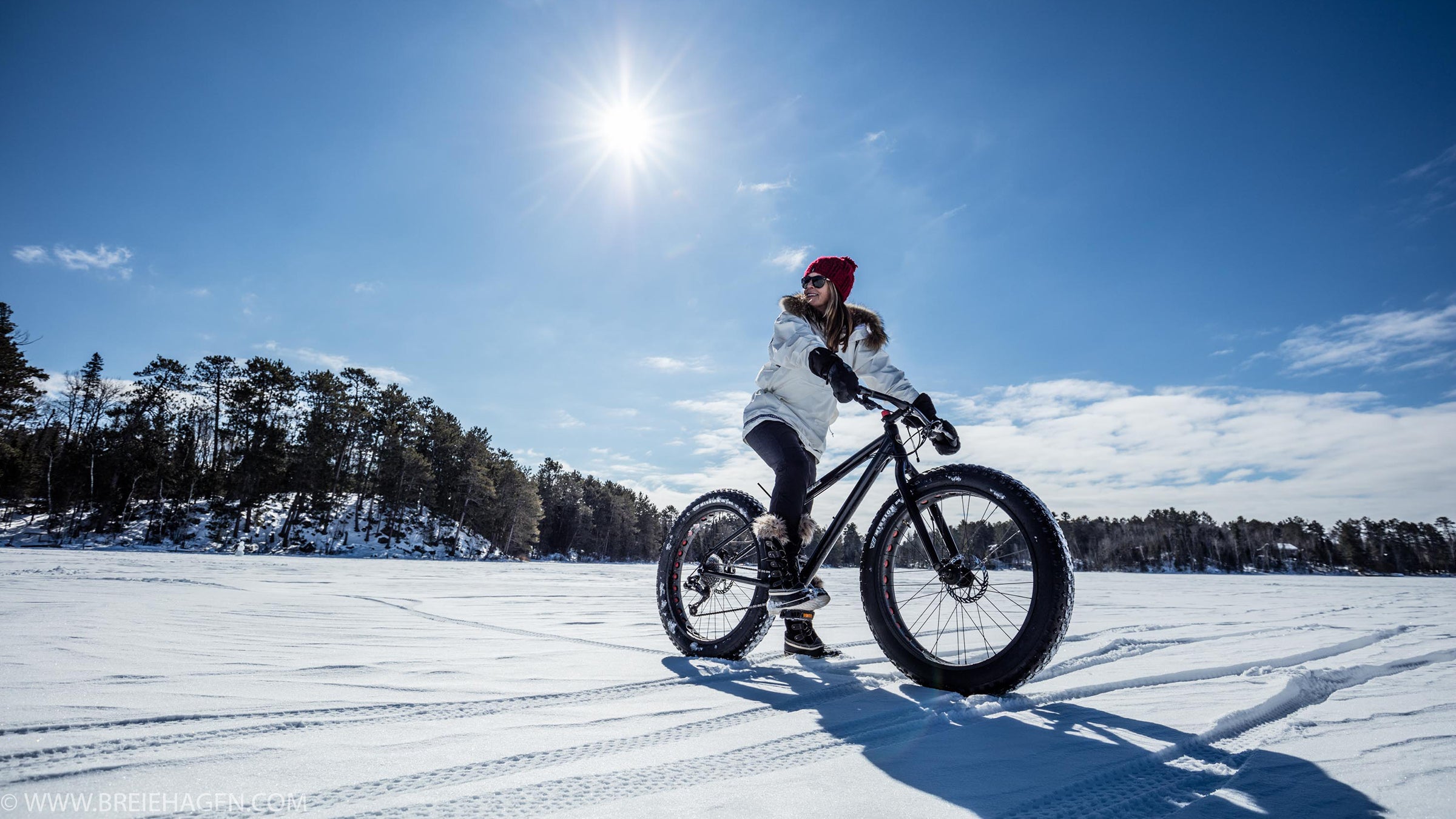
I’d like to propose a return to traditionalism, or at the very least, a return to the intention behind parkas themselves.
When I first moved to the Arctic after high school, my parents bought me a parka. Or at least, we thought it was a parka. It was from a popular company I won’t name, lest this seem like a critique of them when in fact it is a critique of the jacket industry as a whole. But it cost about $200 and was baby blue with a fake fur ruff and, at the time it arrived at our house in California, it seemed like the biggest, warmest garment I had ever seen. Then I got to the Arctic and promptly realized that this parka was a joke. It was too short, it didn’t have enough pockets, and—worst of all—it was fitted with princess seams, as if to remind everyone that I had a waist, thank you very much, even as I tromped through the backcountry. I’m opposed to most princess-seamed winter outerwear on both practical and philosophical levels, but the biggest reason is this: when you’re out in deep cold, you want a lot of bulk around your torso, and snug hourglass-shaped “parkas” make it difficult to move freely and stay warm at the same time.
It doesn’t help that most outdoor brands use the term parka for any puffy that covers the top of your butt. Most of these coats are intended, fundamentally, for walking between buildings. But I’d like to propose a return to traditionalism, or at the very least, a return to the intention behind parkas themselves. The term comes from the Canadian Inuit, and refers to a caribou-fur coat. It shares characteristics with other traditional northern winterwear, like the Sami pesk (and cape-like luhkka) and the Nenet yagushka. What do they have in common? They’re long and they’re big—and they’re warm. The size is the point. A well-designed winter parka isn’t made for going outside and then going in again; it is, quite simply, its own indoor space.
It’s no accident that small parka brands have sprouted up across the North, and that adventurers who spend real time in the cold are devoted to them. Dogsledders know. Go to a dogsled race and you can tell exactly where in the country you are by the parkas people are wearing. If you’re in Fairbanks, you’ll see a lot of Apocalypse Design and Non-Stop. If you’re on Minnesota’s north shore, they’re wearing Wintergreen Northern Wear—and if you’re in Bayfield, they’re wearing Wolfsong. It’s not because dogsledders are hipsters, although, on an individual basis, this may or may not be true. It’s because they need things that function, and small brands exist because there’s a function vacuum in the parka department. They pick up where commercial parka makers leave off.
When I asked Justin High of High’s Adventure Gear—a dog gear and parka maker based on Michigan’s Keweenaw Peninsula—why he and his wife, Jaimee, started making and selling their own parkas in 2016, he answered without hesitation: “Because commercial parkas don’t work for us.” The reason? “They’re either designed for cross-country skiing, where you’re doing aerobic exercise the whole time, or ice fishing, where you’re sitting on a bucket. And companies have existing contracts with textile manufacturers, but those textiles don’t work in real cold.” They wanted something that prioritized function for cold-weather fun.
Let’s say your community doesn’t have its own cult parka, but you want one. What’s a winter-lover to do?
ADVERTISEMENT
How to Choose Your Parka
First off, let’s not outerwear-shame here: the best coat is the coat that works for you, period. If you’re comfortable in a puffy, or even a hoodie, then that’s what you should wear. But if you’re cold, if you’re limited in your ability to enjoy winter but you want to be warm enough to get the most out of it, here are some parka tips to keep in mind.
- Think of a parka as a wearable bivvy sack. It doesn’t need to be particularly thick (although it can be), but it needs to contain all your inner layers comfortably. I like my parka sized to fit over a thick sweater or fleece, bibs, and a down puffy if I need one.
- The longer, the warmer. A parka should reach at least to your hips, but it’s not uncommon to see one that’s thigh- or even knee-length. If you go for a longer parka, look for a two-way zipper or side-zip option for mobility.
- Anorak styles, which have only a partial zipper and pull on over your head, are warmer than full-zip coats, but can be unwieldy to put on. They’re a good option for long hours outdoors, but can be unwieldy for short jaunts.
- Look for large outer pockets (for easy access) and inner pockets (to keep snacks and electronics warm).
- Real fur ruffs serve a purpose: they block wind and shed ice from condensed breath. Performance parkas often come without a ruff, so that you can add the kind you want. An attached faux-fur ruff, which can collect ice, may be a sign that a coat is designed more for style than function.
- Avoid anything advertised with the word “sleek.”
Blair Braverman’s Picks
Wintergreen Northern Wear Combo Anorak, $394 (size XS-XXL)
Easy to recognize for their Scandinavian-inspired trim, these old-school anoraks were originally designed for Will Steger’s expeditions to the North Pole and across Siberia, and they’re great for intermittent activity in deep cold. The fleece-lined nylon is made for layering over a variety of mid-layers, depending on the temperature and your level of activity. For even more flexibility, consider Wintergreen’s separate Expedition Fleece Anorak ($289) and Expedition Shell ($345).
ADVERTISEMENT
Duluth Trading Company Alaskan Hardgear Ice Fog Parka, $279-399 (M-XXL)
This is the only commercial parka I recommend to my friends, and it’s no coincidence that the company’s based in frigid Belleville, Wisconsin. This durable parka has a fleece-lined hood and collar, enormous pockets, and I’ve been very comfortable in it (with the right pants) in temperatures down to -30F. If you’re looking for a whole outfit, the matching Ice Fog Bibs ($324) are another great bet, although I did have to sew up a ripped crotch seam after roughly three years of heavy use.
Non-Stop Polar Jakka, $499 (XS-XXL)
Norwegian brand Non-Stop makes excellent performance dog coats, and now they make excellent human coats, too. The Jakka has box-wall down baffles, making it the most insulated option on this list, even though it’s not particularly long. It also has large inner pockets to keep a water bottle and Camelback thawed, plus neoprene cuffs and a fluffy hood.
ADVERTISEMENT
High’s Adventure Company Willow Tuff Parka, $399 (size S – XXL, custom for any size)
This long parka makes a great outer shell for long hours in the snow. It features deep zip-up pockets, a cinchable waist, a durable water-repellent shell—and much of the rest is up to you, particularly when it comes to fit. The original cut has fairly long sleeves, but High’s makes custom variations of any length and width to fit your dimensions perfectly. You can even get a matching jacket for your dog.
