Published August 27, 2024 02:36PM
Sponsor Content: Rambler Sparkling Water
If you buy through our links, we may earn an affiliate commission. This supports our mission to get more people active and outside.Learn about Outside Online's affiliate link policy
10 Tips for Your Best Road Trip Yet
Expert travelers share their advice on packing, route planning, and more
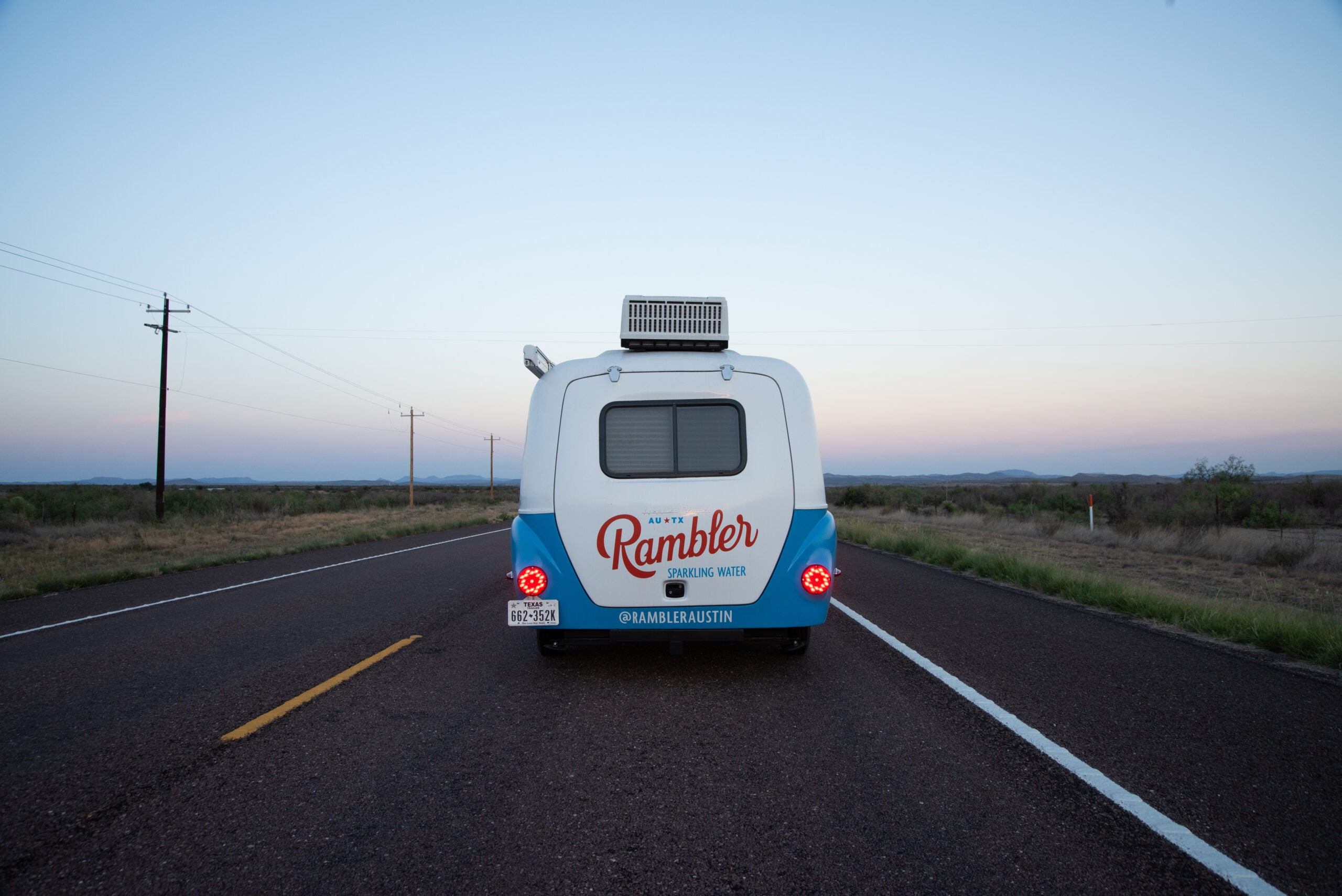
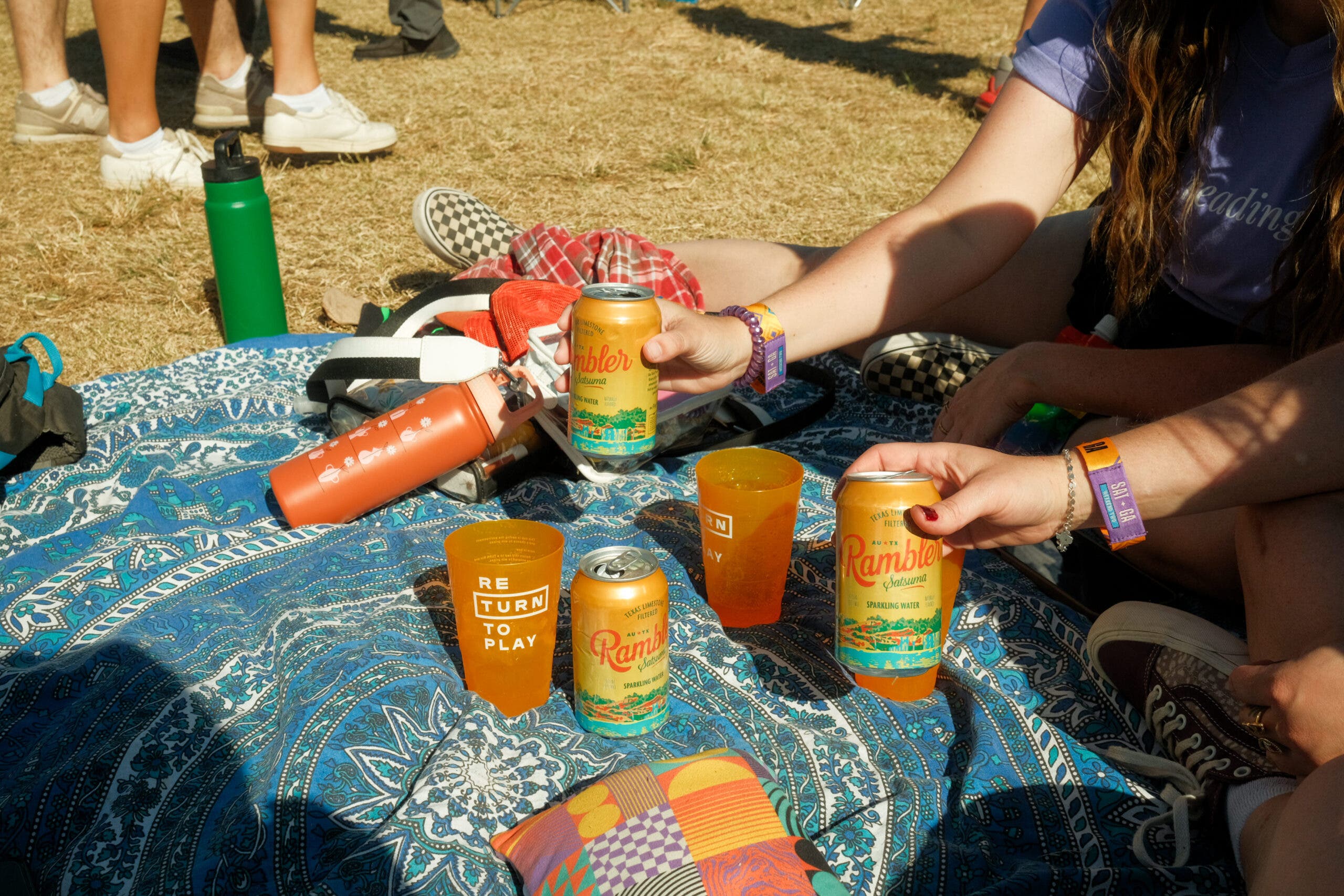
Keep an eye out for Rambler's HC1 camper trailer at music festivals and events near you. (Photo: Rambler Sparkling Water)
Sometimes, the journey really is the destination. That’s definitely the case with a good, old-fashioned road trip. The freedom of the road is the whole point. You can go anywhere, stop anywhere you want, and travel at your own pace. Schedules are loose, and wrong turns are just reroutes to something new and exciting. But even the chillest road trippers know that planning and preparation make every trip a smoother ride. Outside tapped expert travelers for their advice. These road-trip pros have zigged and zagged all over the United States in search of adventure and family-friendly camping spots. Use these tips to make sure your next road trip is your best yet.
Where to Go
The perfect ingredients for a great road destination are scenery, adventure, friendly small towns, great camping or lodging, and uncrowded backroads. These can be found all over, but are especially in abundance in these three favorites.
Southern Utah
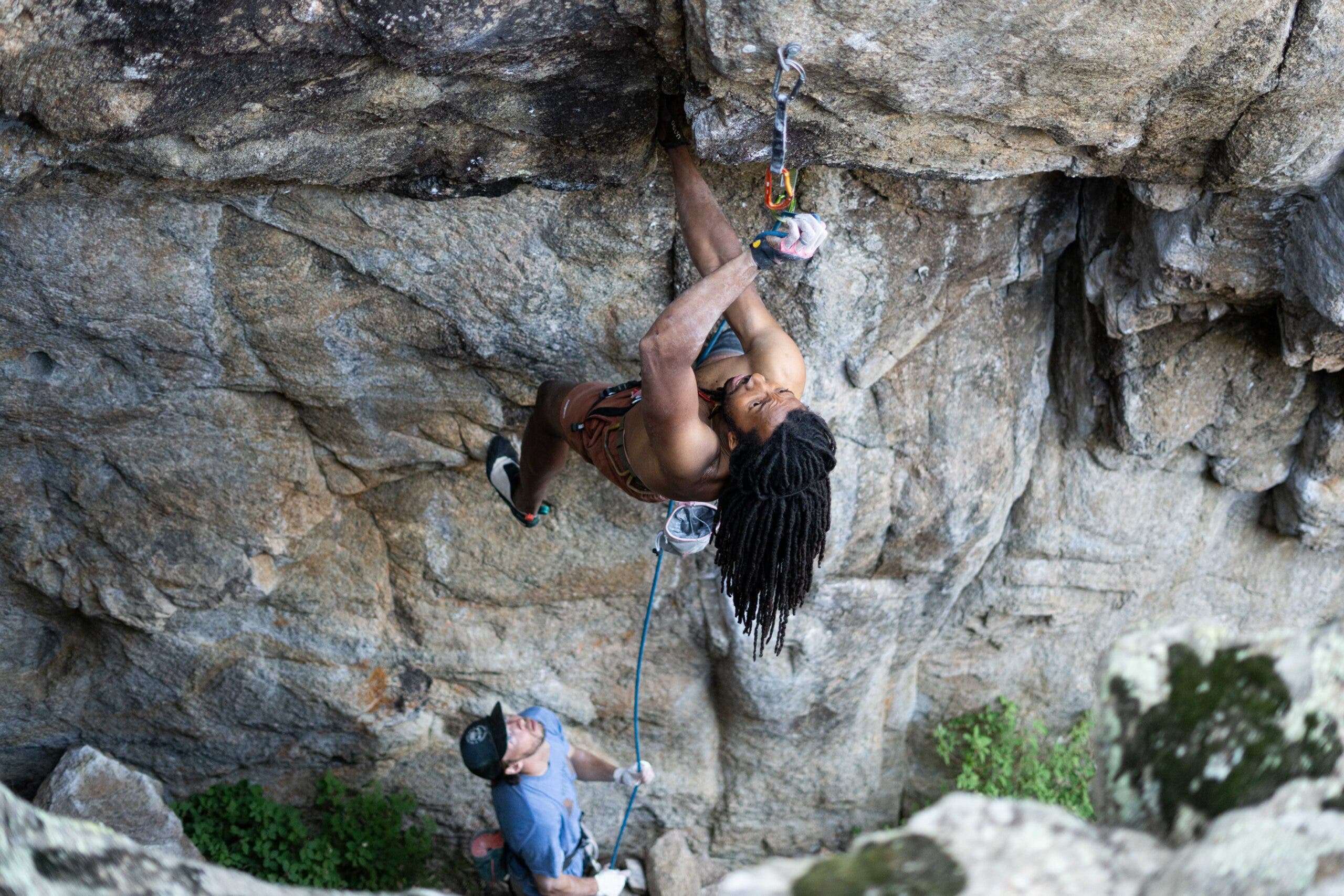
Seasoned road trippers tout the Southwest as a perpetual favorite, thanks to its diverse landscapes and endless opportunities for adventure. You could drive across Utah a thousand times, and the light will make the peaks, spires, canyons, and hoodoos seem different every single trip. Climber Eddie Taylor, who travels around the country to explore the best climbing crags, recommends Indian Creek in southern Utah, near Moab. “I love the camping there, and the weather,” he says. “There’s so much to see and do outside there, with beautiful scenery. It’s the kind of fun that builds you up to go back to your normal working day.”
Central Idaho
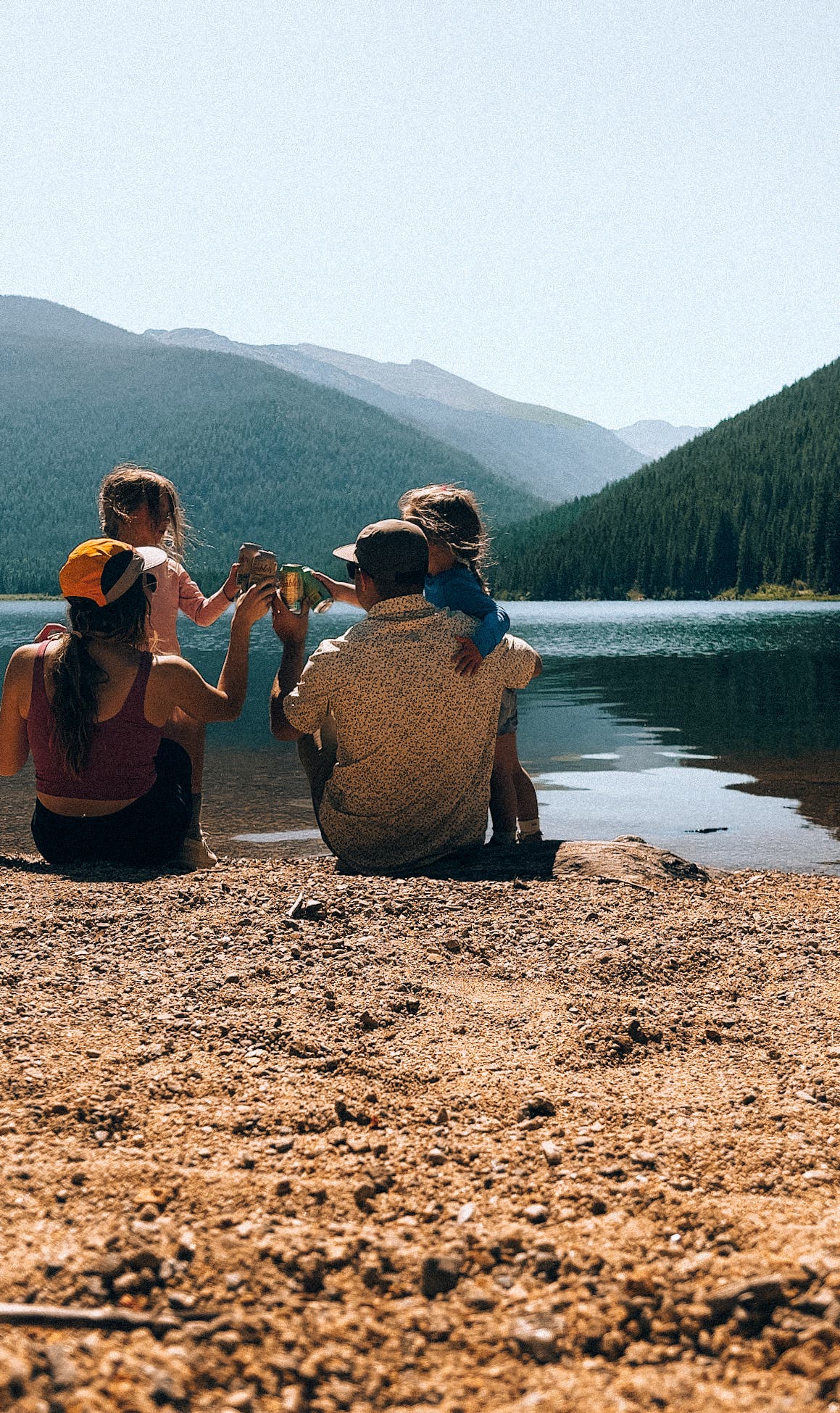
Eddie and his family—a partner and their toddler who often comes along for the adventure—also recently drove from his home in northern Colorado to The Fins, a climbing area in central Idaho. This part of the state is filled with interesting places to explore, including alpine lakes, hiking trails with stunning mountain scenery, and historic mountain towns. Along the way, they visited Soda Springs, where a small, hourly geyser eruption made for an entertaining, family-friendly pit stop.
Southwestern Colorado
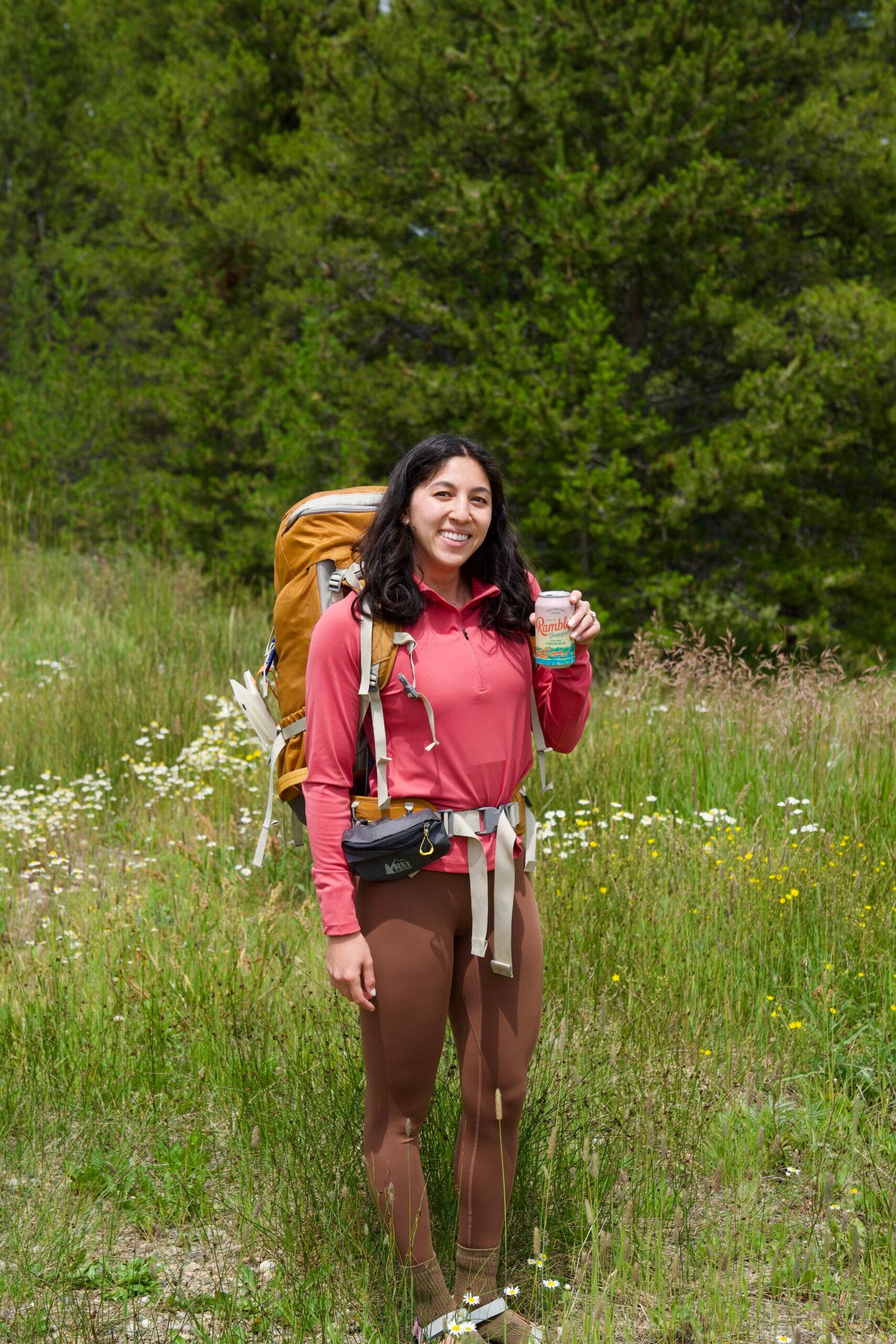
Julia, the creator behind Julia Takes a Hike, recommends heading deep into the San Juan mountains of southwestern Colorado. “You truly can’t go wrong hiking and exploring around Telluride, Ouray, or Ridgway,” she says. “Some of my favorite hikes, the bluest alpine lakes, and epic wildflower meadows are out here, all with a stunning backdrop of huge mountains. It’s also very dog friendly and the mountain towns are beautiful.”
What to Pack
When it comes to road trips, the right gear goes a long way, because the best routes are often the most remote ones. This packing list will help you be self-sufficient and minimize detours to town, so you can spend more time playing outside.
Equipment for roadside emergencies
If you’re driving alone or in remote areas where car trouble will really ruin your day, a portable jump starter like the NOCO Boost and portable air compressor to pump up tires are game changers, says Rachel Engen, a Colorado-based adventurer who travels regularly with her two small children. “We’re constantly going to places with no service,” she says. “Having these in the car is pretty big for us.”
A first aid kit
This is especially important if you’re planning to hike or climb in areas that are far from medical services. Always make sure to replace anything you’ve used before the next time you hit the road.
All your favorite snacks and sparkling water flavors
It’s the most important element of any successful road trip: good snacks. “You don’t want to get stuck in the middle of nowhere and your only option is gas station food,” says Rachel. A stocked cooler and driver-friendly snacks can be the difference between feeling great on a long drive and making emergency stops in a hanger-induced haze.
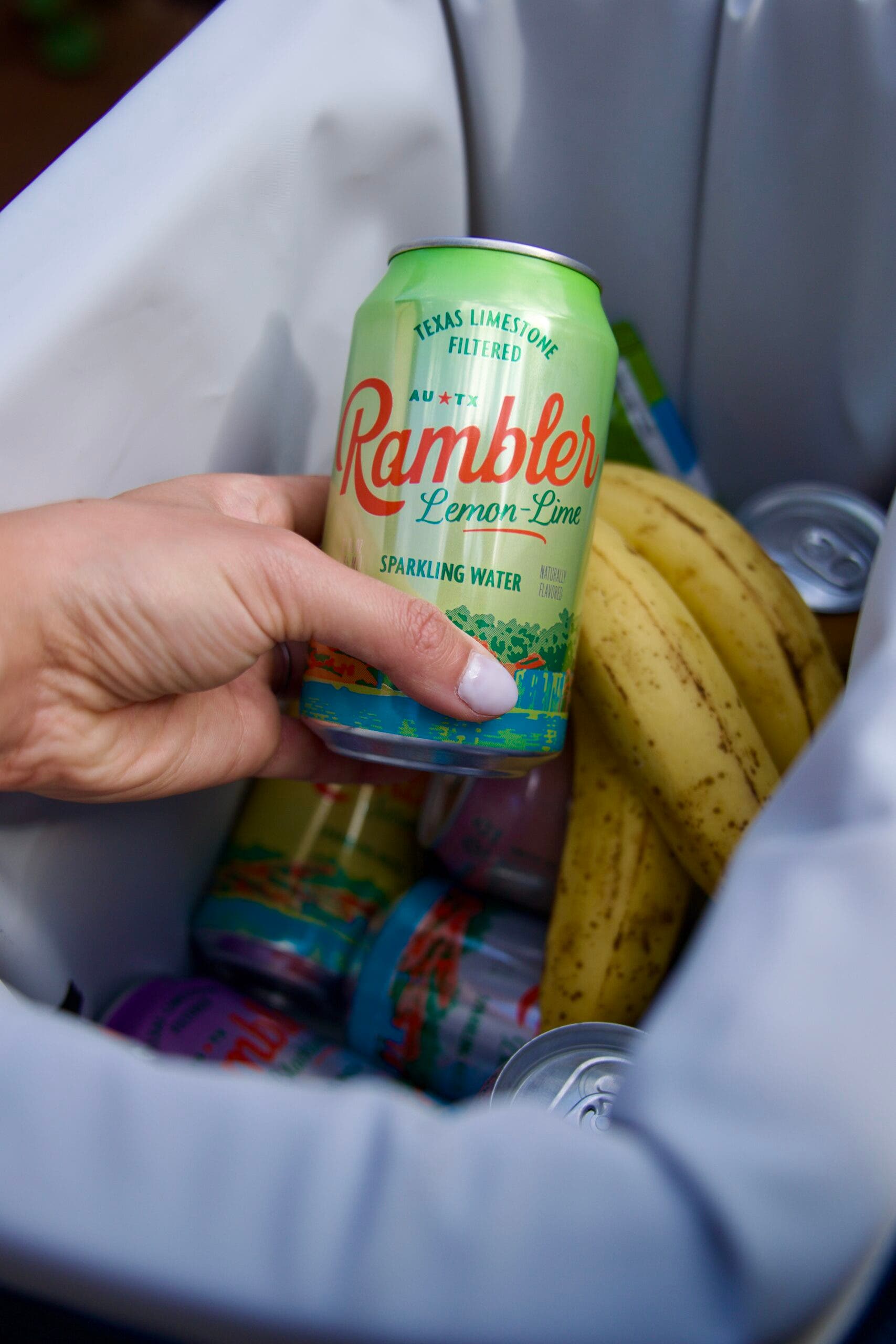
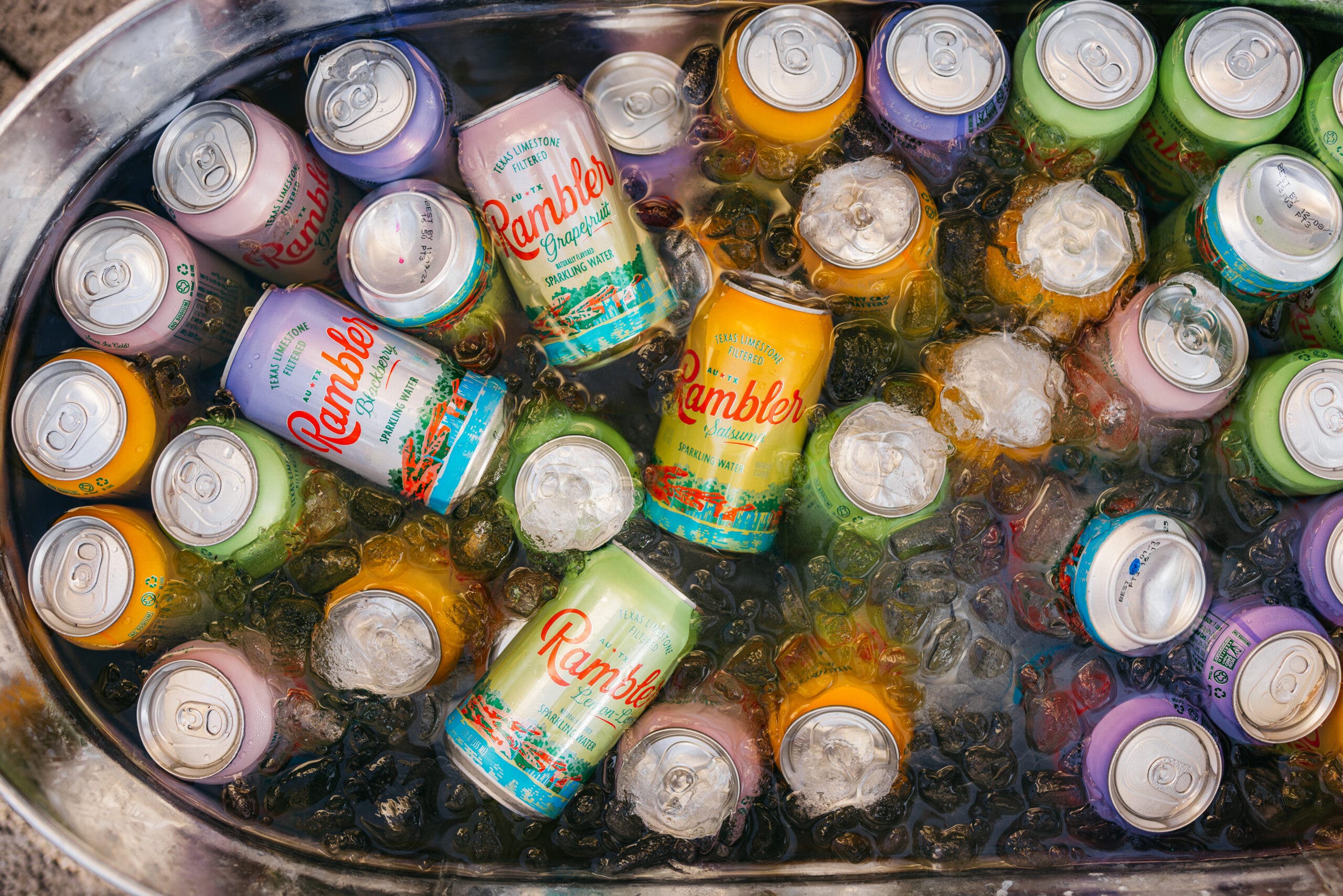
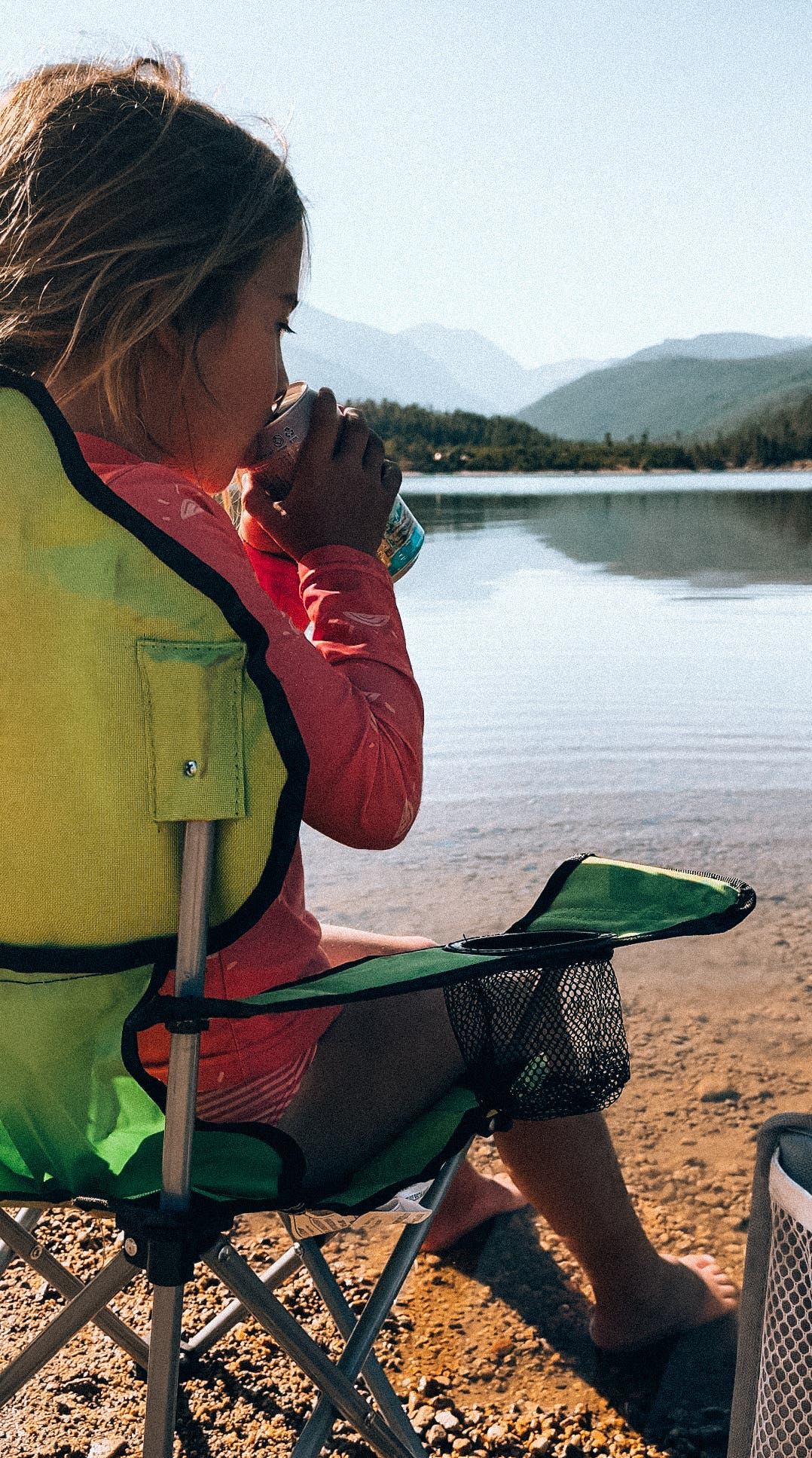
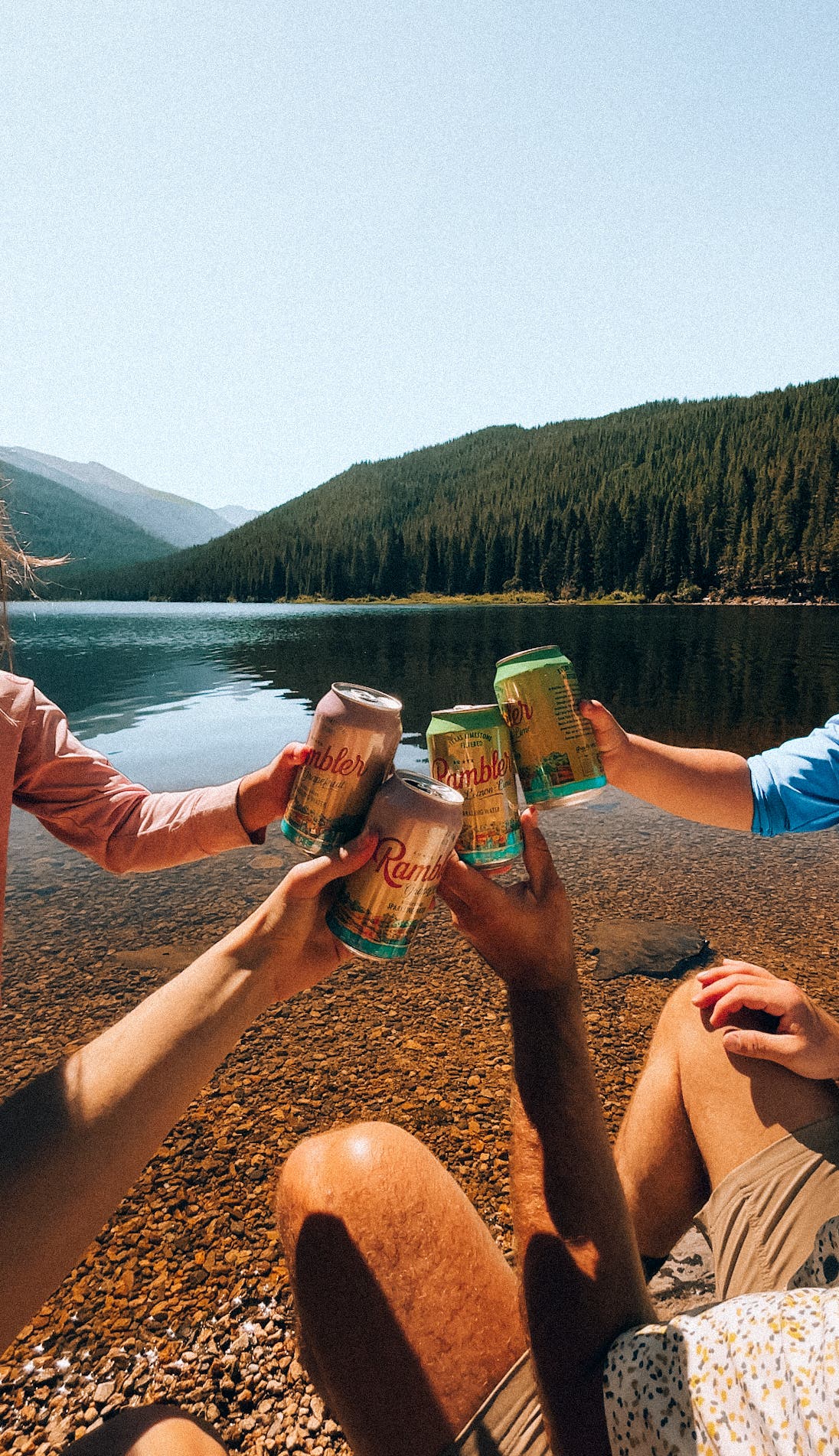
As for drinks, “sparkling water is a must-have on a road trip,” Eddie says. “The flavors and carbonation makes them a fun choice over regular water, without resorting to sugar-filled sodas.” Rambler’s limestone mineral blend is a particularly refreshing choice for long-distance drives. It’s full of electrolytes, sodium-free, non-GMO and has no detectable microplastics. Choose from five flavors, including blackberry, grapefruit, lemon-lime, satsuma, and original.
Pro Trip Tips
You’ve scouted your destination and dialed your packing list, great. But a little extra preparation can help keep your trip on track when things don’t go as planned—because they rarely do.
Slow down
This is especially important with kids. Now that Eddie and his partner have a young child, they road trip differently than they used to. Instead of pushing through to get somewhere as fast as possible, they look for parks and playgrounds so they can make sure they get some play time along the way. Rachel does the same, and uses Google Docs and the Notes app on her phone to keep track of possible activities, camp sites, hikes, rainy day activities, and more. Turns out, what’s good for kids is good for everybody.
Survey your route on Google Maps before you leave
You’ll be surprised by the incredible places you can find on Google Maps that haven’t yet been the subject of a thousand different top 10 lists. Rachel recommends surveying your route on Google Maps before you hit the road, and using it as your own travel guide. “You can find great free camping on Google Maps,” she says. You can also look for parks, monuments, lakes, and rivers along your route.
Save everything for offline use
Cell service can come and go with no warning, especially in mountainous regions of the West. So download absolutely everything you need for offline use. “This means saving Google Maps, trails, campsites, and itineraries for offline use, and you can still plan different routes if you need to make alternate plans,” says Julia. “It really comes in handy when you need a plan B. You can still find those hidden gems by having your maps saved offline and looking at topographical features to find spots that look scenic.”
Rachel also recommends taking screenshots of your hotel or campsite reservations so you don’t struggle to dig through email without wifi, and screenshot any Airbnb contact info. Make sure your music or audiobooks are downloaded, too.
Slow down even more
Dave Mead, Rambler’s CMO and co-founder, is always on the road bringing the brand’s HC1 pull-behind camping trailer all over the country to keep festival goers hydrated. But speed is never what motivates him on his drives. “I absolutely am not trying to get there as fast as I can,” he says. “I’m often looking for the most scenic route, and I often will build in some extra time for exploration.” Mead is partial to scenic routes that include river adventures. “If I have the opportunity to camp or lodge near a river, that’s ideal,” he says. “Rambler is proudly partnered with American Rivers and it’s important that we not only enjoy our country’s beautiful waterways, but that we also take care of them.”
Stay somewhere with character
When he’s not sleeping in the Rambler camping trailer, Mead puts effort into seeking out hotels and lodges that have a similar brand ethos. He loves El Rey Court in Santa Fe, the High Country Motor Lodge in Flagstaff, and Hotel June in Malibu. They’re more than just a place to sleep—”They all really have the same adventurous spirit,” he says. They also offer a sense of place, grounding you in the local mindset and aesthetic, unlike placeless chain hotels that have little more to offer than cardboard waffles for breakfast.
Make at least one planned stop per day
Flexible schedules are the name of the game on road trips—most of the time. But on long travel days, having at least one planned stop, even if it’s just 15 minutes at a roadside historical marker, or dunking your head in a creek, is a great way to boost the road trip vibe and keep the stoke high.
Rambler’s signature Limestone Mineral Blend and crisp carbonation create a unique flavor profile enhanced with electrolytes for a premium sparkling water without the sodium. Rambler is sustainably sourced, non-GMO, is made in the USA and proudly supports American Rivers. Learn more about the minerals at ramblersparklingwater.com.