Published March 7, 2026 03:05AM
Originally posted onSKI
What European Mountain Guides Wish American Skiers Knew
We spoke with European mountain guides about what they really think of American skiers, plus their tips for having the best day ever.
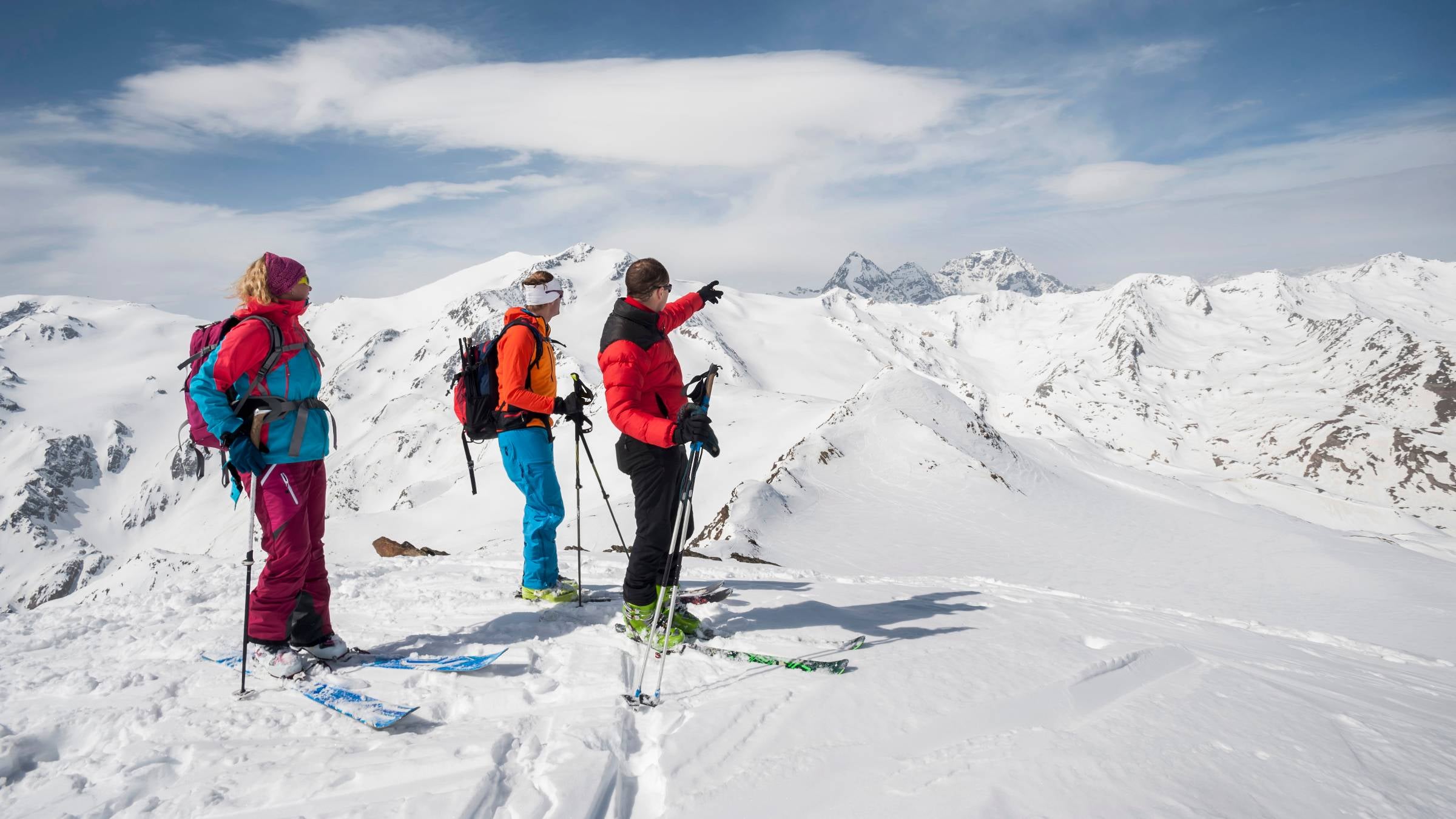
A mountain guide leads skiers in the Alps. (Photo: Robert Niedring / Getty)
I’m about to express an opinion that may be controversial to some of our North American readers: “The Alps are far and away the best place in the world for lift-access skiing.” Let the pandemonium ensue. There may even be some dispute amongst our staff at SKI.
My friends always ask for recommendations about the Alps. What’s the best place to ski? What’s the best time of year to come? What skis should I bring? Usually, there’s no correct answer. I’ve realized that the number one recommendation I can make is the one many Americans overlook: hiring a mountain guide.
Americans may underestimate the value of a guide partly because guiding isn’t integral to our culture. It sounds laughable, but when I first traveled to Europe to ski as a teenager, I didn’t even know mountain guides existed. You just didn’t need one to pick your way around Sugarloaf—or even expert-lauded resorts like Aspen or Palisades Tahoe. I’d simply never conceived of the profession.
ADVERTISEMENT
I’ve got no skin in the game. I’m not a guide, just an American skier in love with the Alps and everything they have to offer. In the years I’ve lived here, I’ve developed a great respect for mountain guides and the Alps’ historic guiding culture. And it’s become apparent to me that, whether you’re an intermediate or the best skier in the world, there’s something you can gain from a guide.
Therefore, I set out to interview several fantastic IFMGA (International Federation of Mountain Guides Associations) guides in the Alps to learn what they had to say about their profession, their clients, their guiding ethos, the future of skiing, and any other tips they might have. I found their answers incredibly illuminating, even after 6 winters in France, which goes to show how much there is to be learned from these professionals.
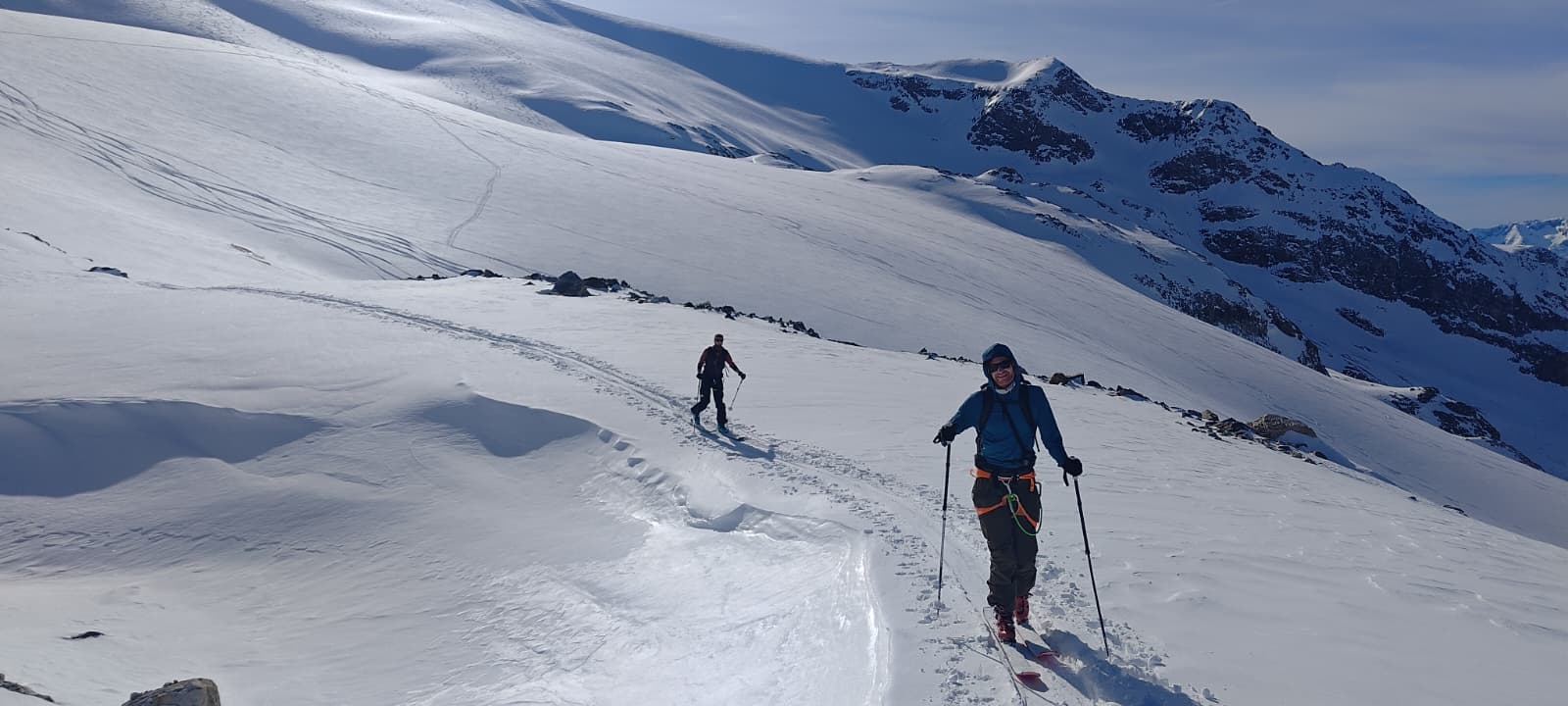
Like any iconic destination, the Alps’ reputation precedes it. And this is indeed a land of extremes. In addition to favorable regulations, guides flock to Europe because it offers a massive playground that requires their skill set. Joe Vallone says it straight: “If I were an American skier—whether on a budget or not—I would look toward Europe before anything in the continental U.S.”
ADVERTISEMENT
Anthony Franklin, a British-born, France-based guide with decades of experience running clients on “ski safaris” around the Alps, is even less inclined to beat around the bush: “Anyone who is a proper skier, I mean, people who really ski, think the Alps are the best place in the world,” he insists. Perhaps anticipating a response from potential naysayers, he also acknowledges that it’s not just about the snow: “In Europe, it’s 50 PERCENT about skiing—but the best parts are the cultural elements.”
Yes, the snow can be terrible, with dry spells sometimes lasting a month as high-pressure systems block storms from the Atlantic Ocean. But it can also snow feet at a time every few days for months on end. In total, the Alps receive far more snow than most areas of North America. The iconic cascading glaciers that define these mountains don’t just materialize out of nowhere. Joe acknowledges this: “Reliability is an issue. But it’s not as bad as heli-skiing in Alaska, where clients are locked up for 6 days, then slammed with a bunch of vertical on their one fly day to meet the quota for the week.”
Yes, the pistes can be scratchy, crowded, whited-out ribbons of death. Frankly, though, you can find even worse conditions on the off-piste, where old ski tracks can set up like frozen railroad ties…for 5,000 vertical feet. But the next day, you could be skiing the same run in frothy, bottomless powder snow. “The Alps are really big with lots of different weather systems,” Anthony says. And he would know; he’s basically a part-time weatherman, keeping an eye on the forecasts as he plans powder chases for clients.
ADVERTISEMENT
And yes, the Alps can be deadly. In just one week this winter, 17 skiers died in avalanches in three countries: France, Switzerland, and Austria. Awareness of hazards is integral to skiing in any big mountain environment. Joe and Anthony both repeatedly stressed the value of a guide for expert (and even pro) skiers as well as for intermediates. “Even the best of the best will use you for local knowledge,” says Joe.
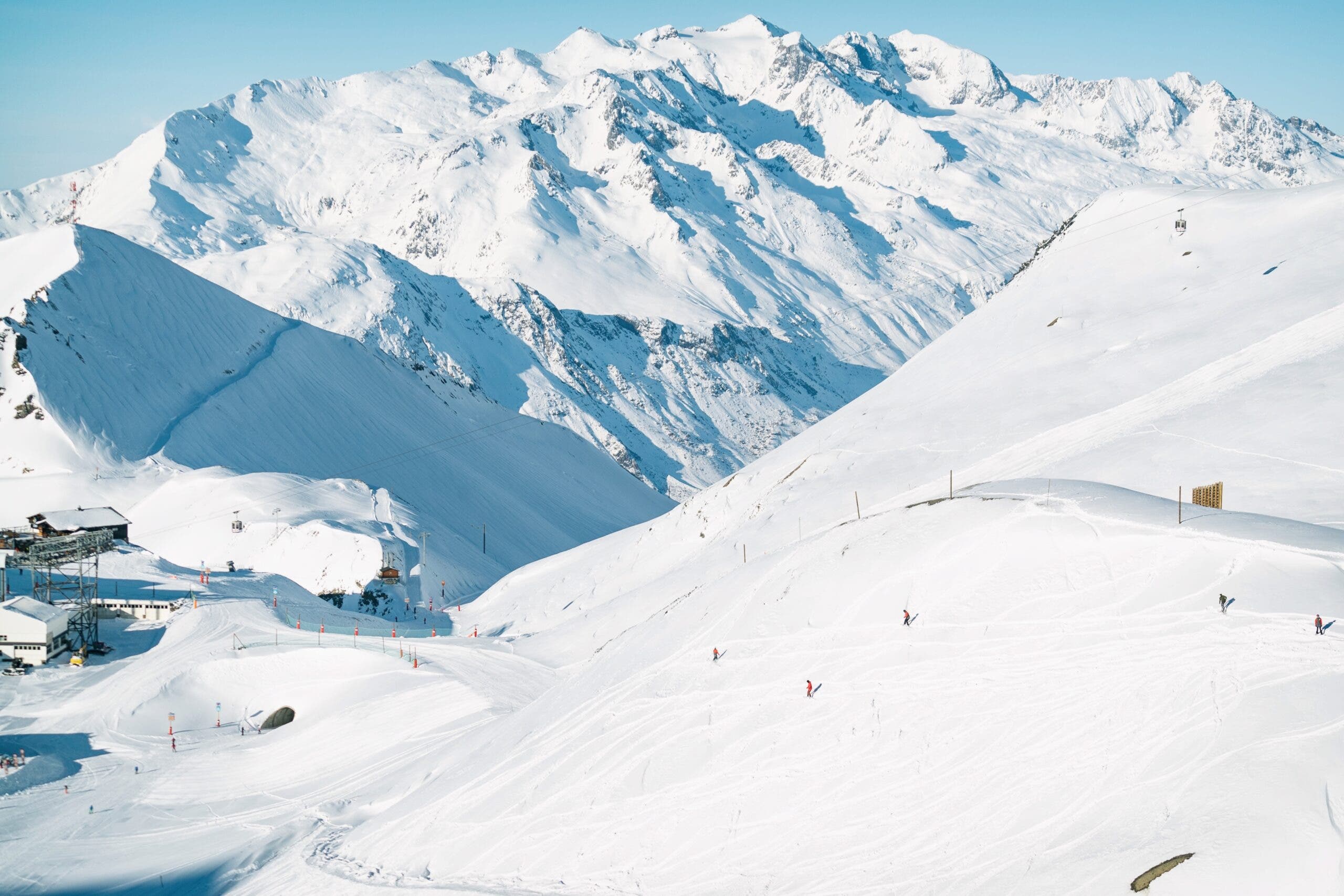
The Alps are massive, much more imposing than any range in the U.S. The elevation gain from Chamonix to the summit of Mont Blanc is equivalent to that from Everest Base Camp to the summit of Mount Everest.
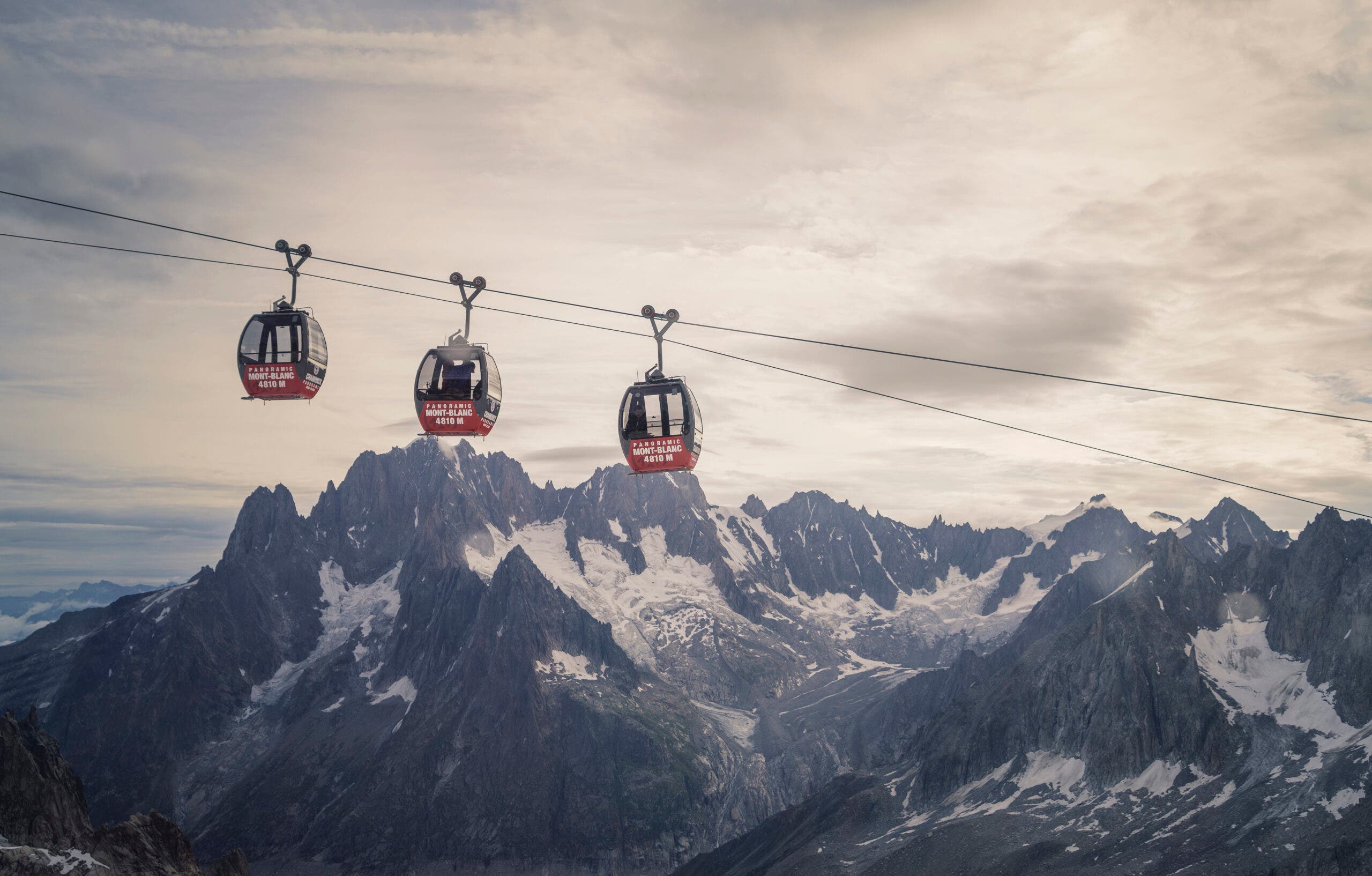
American IFMGA guide Erin Smart is accustomed to these statistics and the reality of this mountainscape. Over the years, she’s developed an enticing pitch: “What’s remarkable is that this scale is paired with infrastructure that makes it accessible. Cable cars put you into serious alpine terrain quickly, and from there, you’re skiing lines that would be multi-day objectives elsewhere. It’s not just about steepness or exposure—it’s about how much terrain is available in a single day, if you know how to read it.”
ADVERTISEMENT
As an American guide living in France, Erin uniquely understands the challenges Americans face when trying to make the most of the Alps: “The Alps are not intuitive if you grew up skiing in North America. The logistics alone—lift systems, valley connections, weather patterns, avalanche forecasting, route finding—can be overwhelming. Much of the best skiing is unmarked and uncontrolled, necessitating decisions that require experience.”
That brings Erin to her conclusion: “Hiring a guide removes that friction. A local guide understands how conditions vary from one aspect or valley to the next, how to move efficiently through big terrain, how to match objectives to a group’s actual skiing ability…Instead of spending your trip figuring out where to go or what’s safe, you get to ski the best possible terrain for that day, with confidence and flow.”
The good news is that this is true not only for expert skiers, but for those who ski for a week or so each year. That’s because Americans tend to be well-trained and responsible skiers, according to French IFMGA guide Benjamin Ribeyre (Erin’s husband): “One thing I’ve often noticed—and this is something I’ve said half-jokingly before—is that American and Nordic skiers tend to underestimate their ability, while French skiers often overestimate it.”
In fact, Benji’s outlook for American clients is overwhelmingly positive: “Americans are usually very solid technically but cautious, respectful of the terrain, and genuinely eager to learn. That humility actually makes them great clients in big alpine terrain.” It’s something I’ve noticed as well, possibly because out-of-control skiers at American resorts are liable for any accidents they cause. Or perhaps bad American skiers don’t bother taking overseas ski trips.
ADVERTISEMENT
Joe, who mostly guides American clients in the Alps, was more direct in his approach: “Many American clients have more money than time. Why waste time looking around for good snow?” To hammer home his point, he notes that the guides themselves are frequently clients: “Often, guides will hire guides when they take their clients away from their home turf. Just learn about a new place, get seasonal knowledge, and discover the spots. Naturally, guides understand the value of hiring a guide.”
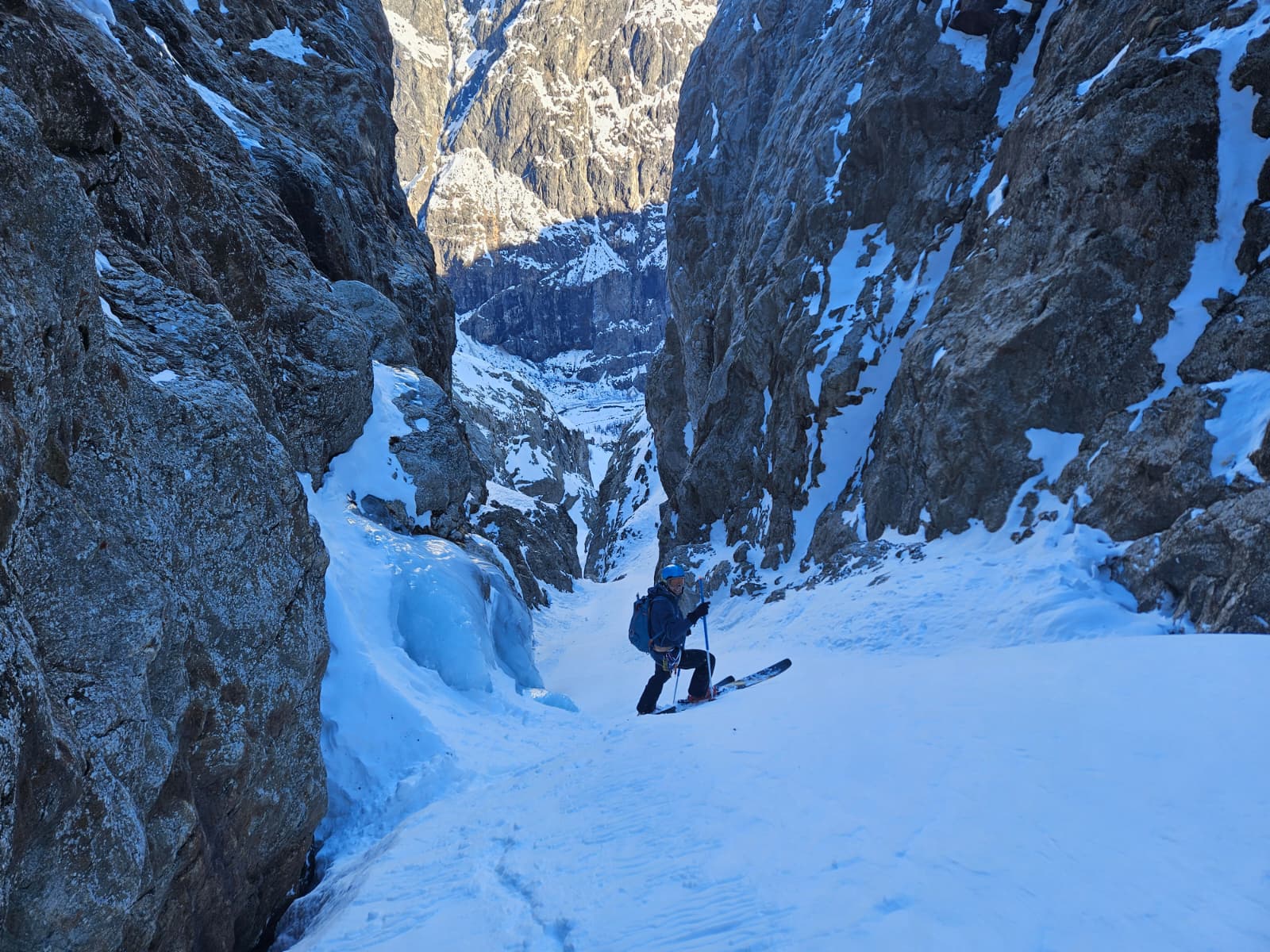
The Birth of the Mountain Guide
So let’s travel back to 1786, to the first ascent of Mont Blanc, Europe’s highest and most iconic peak, located on the border of France and Italy. Jacques Balmat and Michel Paccard were cristalliers: crystal hunters. It just so happened that crystal hunting also involved extensive scrambling in complex terrain, preparing these two men for the adventure of a lifetime. With their daring ascent of Mont Blanc, recreational mountaineering was born.
The product of this history is that the climate for guides is much more favorable in Europe, particularly in terms of permitting and liability, as well as terrain. Twenty-year veteran American IFMGA guide Joe Vallone would never even consider guiding in the U.S. “There’s a ton of friction with guiding there, with permits and insurance and everything,” he laments. The result is far fewer guides in the U.S. and a weaker guiding culture.
ADVERTISEMENT
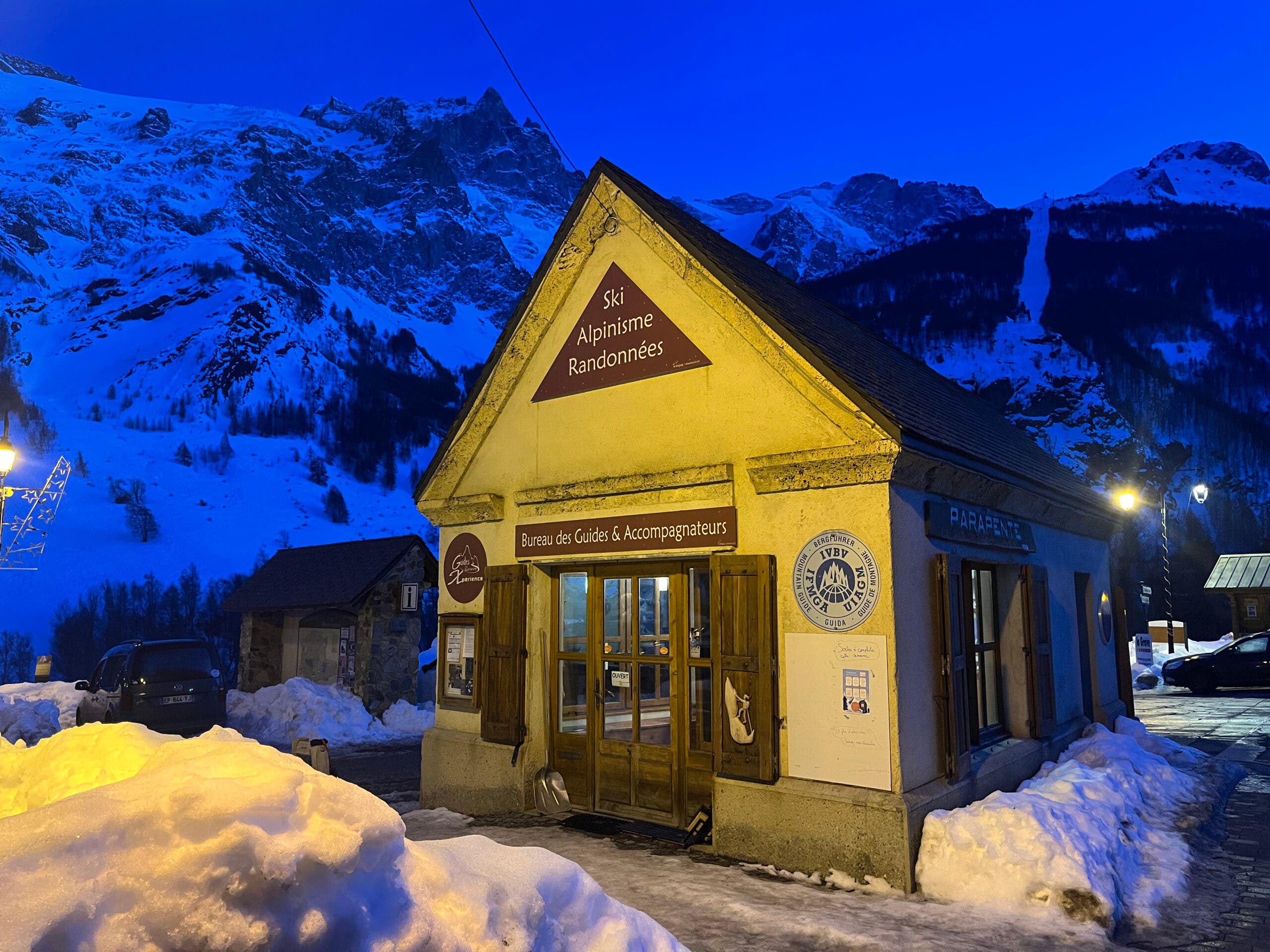
Nowadays, nearly every village with any Alpine tourism is home to a Bureau des Guides, or local guide office. France alone is home to about 1,500 IFMGA guides. Italy, Austria, and Switzerland also boast significant numbers.
Not only are there thousands of certified guides, but it is illegal to guide without certification, which requires at least four years of training in addition to the years spent learning to ski and climb at a high level. Not only will you face criminal punishment if you’re caught guiding without a license, but local guides won’t hesitate to turn in suspected pirate guides if they suspect foul play.
How to Find the Best Guides
Each guide I spoke with focused not only on why you should hire a guide, but also on the importance of finding the right guide.
Joe and Anthony were the most vocal of the guides I spoke with. Joe made it clear that the best guides will work hard to teach you something about the mountains. “There are two types of guides,” he explained, “the kind that will have you follow them down the mountain. And then the kind that strives to make you a better skier…to make you more than just a client, but a partner.”
ADVERTISEMENT
Meanwhile, Anthony was even more direct. “It’s true with all professions,” he says. “Even doctors, lawyers…you have a lot of mediocre people. And some bad ones who slip through the cracks. And a few great ones at the very top. To be really good at something, you’ve got to be passionate. And it’s hard to be passionate, you have to be alive.”
I ask what exactly it takes to “be alive,” and in a nod to his ‘ski safari’ guiding style, he mentions travel. Experiencing new things. Breaking out of the doldrums. “To be alive, you have to be out of your comfort zone and always exploring,” he says, as if it were the most natural thing in the world.
I followed up the exchange, asking for some tips on just how Americans can zero in on the best guides. Anthony shrugged. “Well…to some extent it’s just luck. You can do the research, and that helps, but a lot of it is trial and error. And when you find a good one, it’s so worth it.” He pauses and then adds, “But the best thing to do is to ask a friend. Hey, did anyone use a great guide?”
ADVERTISEMENT
French guide Pol Decelle had a slightly different approach. “Developing a personal relationship is very important.” So the best way to hire a guide may be to hire them for an entire week.”
Tips for a Great Guided Day
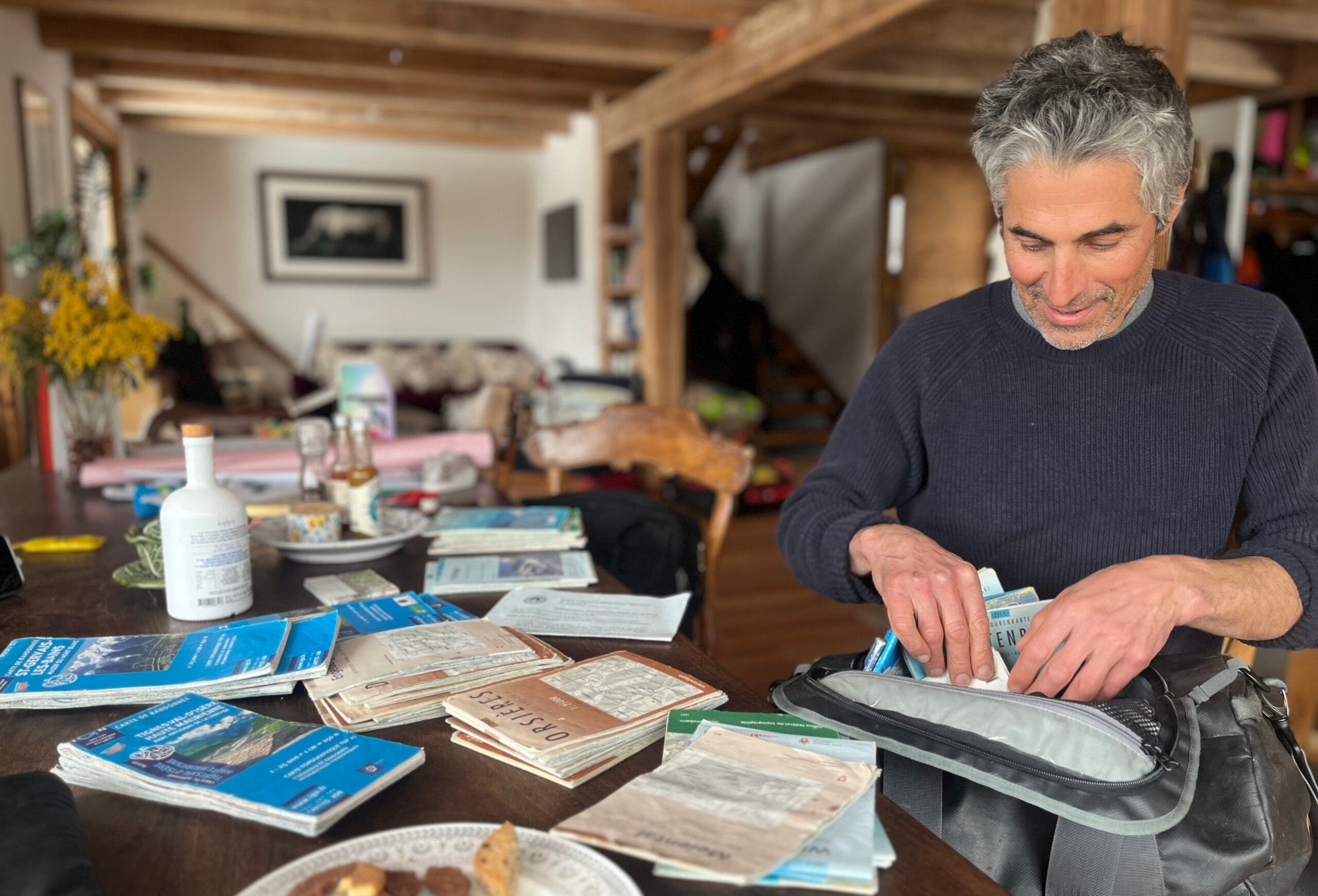
Of course, it’s always prudent to do one’s homework, but guides don’t necessarily want you to show up with a list of potential accomplishments. “The best clients don’t have an itinerary of dream lines or some kind of schedule,” says Joe, “They just trust that I’m going to take them to the good stuff.”
Erin stresses the necessity of experiencing the mountains on their own terms, while Benji is adamant that the Alps have far more on tap than big, steep lines. “I’ve had plenty of American clients finish a day saying “That was one of the best ski days of my life” — and it wasn’t even that steep.”
Anthony, meanwhile, takes spontaneity to another level. “Often, I’ll pick my clients up at the airport, and I’ll have them drive. Then I’ll start booking hotels for where I think the best skiing will be tomorrow.”
ADVERTISEMENT
Pol stresses that every guide is highly knowledgeable about the mountains, but it takes curiosity from clients to share that knowledge. “A guide can tell you about everything from animals to avalanches to crevasses to powder stashes. Be prepared to pick their brains about everything that they know.”
The Financial Factor
Guides generally charge 400-500 Euros a day, and each guide I spoke with was most comfortable managing up to four clients at a time. That’s relatively affordable if you split the cost amongst a group. Off the cuff, Joe stated that “You could take four people on a week-long trip to France and hire a guide every single day and it would still be cheaper than heliskiing for one person.”
Acknowledging Risk
Just as I was finishing this article, La Grave experienced its worst accident in decades. A large avalanche took the lives of two skiers out of a group of four clients; their guide was also severely injured. The village was devastated. Despite its dangerous reputation, accidents in the main La Grave ski domain are extremely rare.
ADVERTISEMENT
This terrible accident was just one of dozens in the Alps this year. A cold, dry spell in early winter favored the development of frictionless “facets,” which were then buried by copious amounts of fresh snow. This persistent weak layer struck again and again, in increasingly unlikely places.
No matter where we are, the mountains always get the last word. Risk is something that we can only mitigate, not remove. But I stand by my recommendation. In the end, the best way to mitigate risk in the Alps is to hire a guide.
Guide Contacts
Looking to mull over some options for a ski adventure in Europe? Feel free to contact any of the guides who contributed interviews for this article.
Erin Smart; erin.g.smart@gmail.com
Benjamin Ribeyre; benjamin.ribeyre@gmail.com
Pol Decelle; pol.decelle@gmail.com
Anthony Franklin; franklin.a@orange.fr
Joe Vallone; guidjoe@provallone.com


