Updated May 20, 2024 11:29AM
The Insider's Guide to the World's Best Beaches
You can hang in Cancun with the rest of the world, or head to one of these less well-known spots for a real ocean adventure.
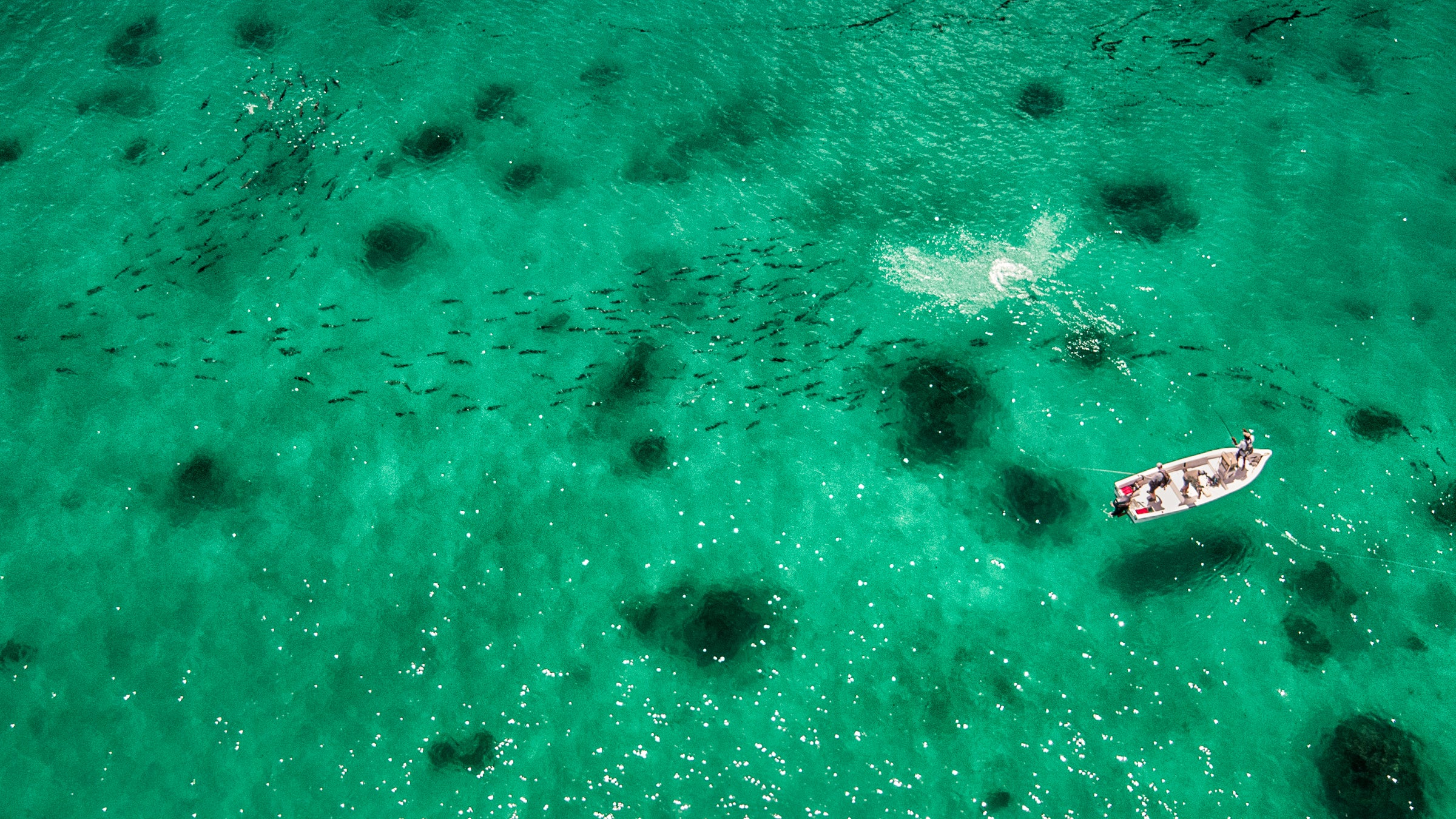
Hooking up off Cosmoledo. (Photo: Talweg Creative/Yeti Coolers)
Ditch the paperback and lounge chair for one of these off-the-beaten-path beach adventures, from surfing rowdy East Coast breakers to fishing among tiny African islands.
Perch Over the Pacific in Mendocino, California
At the Inn at Newport Ranch, the ranch part is meant literally: the new luxury property is part of a 2,000-acre working cattle operation, one that just happens to abut 50-foot cliffs plunging into the Pacific near Mendocino.
Since this is cowboy country, start the day off with a hearty western omelet, then run, mountain-bike, or ride horseback on 30 miles of trails built from a network of old logging roads. Return for an evening soak in the roof-top hot tub as the sun dips into the ocean, then enjoy the ranch’s homegrown vegetables and local Dungeness crab for dinner. There’s an inn with three guest rooms, but you should splurge on the entire Sea Drum House, with four bedrooms and a private deck overlooking the sea. From $300.
ADVERTISEMENT
Knock a Few Back in Douglas, Michigan
Good beachfront dives offer a magic combination of cheap, strong drinks, access to water, and a crowd that transcends demographic categorization. So even if the Red Dock is on Saugatuck Harbor, where the Kalamazoo River enters Lake Michigan amid towering dunes, we say it qualifies.
The yellow shack looks like it could collapse at any second, a condition made worse by the weight of the signs, stickers, and hippie detritus covering every available surface. The patrons are a mix of Chicagoans, kayakers, and the occasional Birkenstock-wearing poet, all ordering the same high-octane rum punch and singing along to whatever band is playing that night. In short, it’s like somebody extracted the best parts of Key West—the mellow vibe, the come-as-you-are attitude—except you’re wasting away on Lake Michigan. So expect more plaid.
ADVERTISEMENT
Go Like the Wind in Squamish, British Columbia
In British Columbia, surfers head to Tofino, skiers drive up to Whistler, and kiteboarders go to Squamish. The town’s name comes from the First Nations word for “mother of the wind,” and nowhere is that more apparent than the Spit. This narrow piece of land juts into the salty water where the Squamish River enters Howe Sound and creates a natural launchpad for wind sports, blasted by strong thermals from downvalley.
It regularly draws hundreds of kiteboarders and windsurfers, their colorful rigs racing through the shadow of Stawamus Chief, the iconic granite dome towering 2,000 feet above the water. Squamish Kiteboarding School will get you going with lessons from $250. They’ll supply all the gear you need, including a wetsuit—this isn’t the Caribbean.
ADVERTISEMENT
Explore the Rowdy Atlantic in North Carolina’s Outer Banks
Drive Highway 12 from top to bottom—from Kitty Hawk to Ocracoke—and you can surf overhead barrels, dive for shipwrecks, explore deserted islands, and wander the East Coast’s most pristine beaches. Here’s how to do it right.
- The local delicacy is the soft shell crab sandwich, and the best one is at I Got Your Crabs, in Kitty Hawk. Be sure to pick up a souvenir T-shirt for your most obnoxious friend.
- The Outer Banks Brewing Station in Kill Devil Hills is the country’s first wind-powered brewery. Get the Lemongrass Wheat Ale and grab some cans to go.
- Get your Wright Brothers on by launching a hang glider from the tallest sand dune on the East Coast at Jockey’s Ridge State Park. Call Kitty Hawk Kites for a lesson (from $99).
- Alligator River National Wildlife Refuge is home to two apex predators. Paddle the marshy inlets by day and you’ll see gators; at night you’ll hear red wolves howl.
- S-Turns, just north of Rodanthe, is the best surf spot on the Outer Banks, with big, powerful barrels that break close to the beach. Rent a board and get advice at Hatteras Island Surf Shop (rentals from $15).
- In the small hamlet of Hatteras, head to the Hatterasman for a pulled-pork sandwich and hush puppies.
- The Graveyard of the Atlantic, off Cape Hatteras, hides more than 2,000 shipwrecks (plus myriad sharks that now call them home). GhostFleet Charters has trips to check out both.
- Ocracoke Island, accessible only by ferry, has the best car camping on OBX. Pitch your tent in the sand at the National Park Service’s Ocracoke Campground ($28), right by some of the emptiest, most wide-open white-sand beaches we’ve ever laid our eyes on.
- Portsmouth Island is home to an eerily preserved ghost town—the last residents left in the 1970s—and the only legal beach camping on OBX. Hearty souls kayak the six miles from Ocracoke. The rest catch the ferry in the town of Atlantic ($14 round-trip).
Stop Overthinking It and Learn to Surf in Santa Cruz, California
To the landlocked, surfing Northern California brings to mind big, cold waves and surly locals. But it’s an ideal destination for beginners. The important thing is to stop making excuses and paddle out.
ADVERTISEMENT
When my boyfriend finally agreed to teach me to surf on a trip to Santa Cruz, everyone we knew warned us that it was a bad idea. An uncannily timed post on the surf website Beach Grit cautioned against schooling one’s significant other. (Headline: “The Dumb Things Surfers Do.”) But Matt was a patient instructor, and when he pushed me onto my first tiny wave, I rode it all the way to the beach. A light rain was falling, a nice Australian woman cheered me on from the lineup, and a rainbow arced over the set.
Book a room at the oceanfront Dream Inn (from $225), fuel up with a sour beer at the Sante Adairius brewery in nearby Capitola, and head out into the sea. Cowell’s offers lessons ($90) at the beginner-friendly break of the same name, but don’t be afraid to play around on your own. Rent a wetsuit and a board at Cowell’s (or invest in an inexpensive foam board like Costco’s $100 Wavestorm) to get started—until the day comes when you graduate to a shortboard, head into bigger waves, and stare down out-of-town kooks like me.
Land a Big One in the Seychelles
The view from the air makes it clear that the Seychelles, an island nation of about 90,000 located 800 miles off the east coast of Africa, are less an archipelago than a sparse collection of outcroppings spanning an area practically the size of the American Midwest.
ADVERTISEMENT
The outer atoll of Cosmoledo—a coral reef that formed on top of a collapsed, seven-mile-wide volcano—has lately become the world’s most coveted spot to fly-fish for giant trevally. A ravenous three-foot-long gangster of a fish, the GT lives in deep water but provides the ultimate sight-casting target when it cruises knee-deep flats on the changing tides hunting for bonefish and other prey. Even the reef’s tiger and lemon sharks won’t mess with it.
Cosmoledo is an untouched wilderness—the same as it was when it emerged from the sea. But development is imminent. The atoll will likely see construction of a small lodge within a few years, making it more accessible and a little less wild. For now anglers pay nearly $15,000 per person for a week to live aboard the Maya’s Dugong, a 150-foot retrofitted research vessel that anchors off Cosmoledo and sends its outboard skiffs into the flats and the jade-colored lagoon. The season runs from about November until April, with no more than a dozen clients booked per week.
