Updated February 4, 2025 02:16PM
Sponsor Content: washington.org
If you buy through our links, we may earn an affiliate commission. This supports our mission to get more people active and outside.Learn about Outside Online's affiliate link policy
Discover the Adventurous Side of Washington, DC
Here’s how to pack a long weekend trip with the District’s most memorable activities, enriching experiences, and exciting adventures
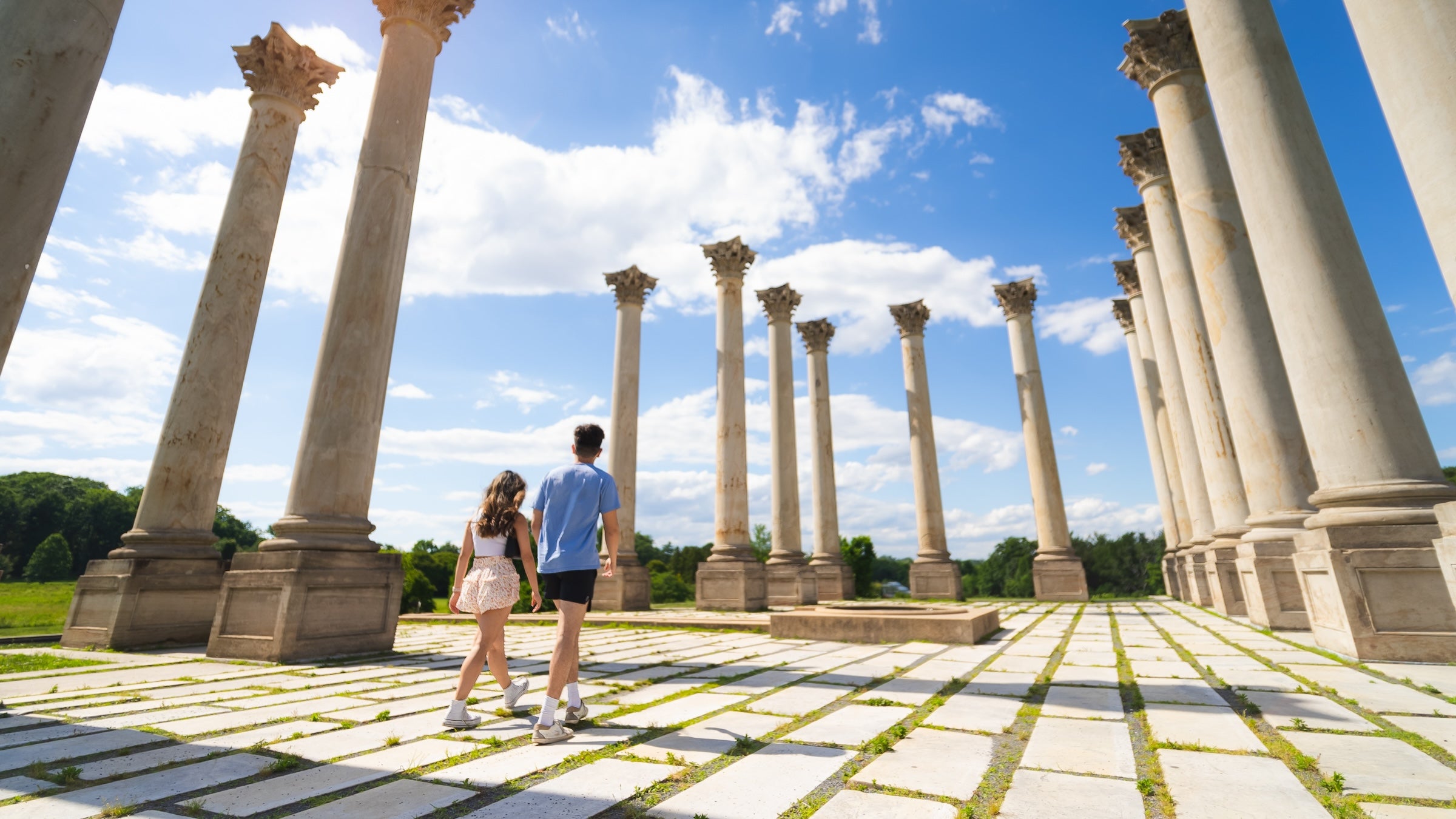
Explore the 22 Corinthian columns transplanted from the Capitol to the U.S. National Arboretum's Ellipse Meadow. (Photo: courtesy of washington.org)
Washington, DC is justly famous as America’s capital city and home to many of the world’s best free museums and monuments. That distinction alone makes it well worth a visit, but those who scratch the marble façade will find a city bubbling with energy and full of surprises. Long celebrated as Chocolate City, DC’s cultural cake is now layered with flavors from every corner of America and the globe, adding breadth to the city’s world-class dining, music, and art. A bright, modern Metro system teleports visitors to dozens of neighborhoods, each with its own history and charm, spread over geography that’s uniquely suited to outdoor adventures. It’s a city of two rivers, crisscrossed with protected bike lanes and trails, and brimming with free attractions, including miles of greenspace plus America’s oldest urban national park. So how would you spend a long weekend in the District? Start with this sample itinerary that includes DC’s most accessible and interesting adventures.
Day 1
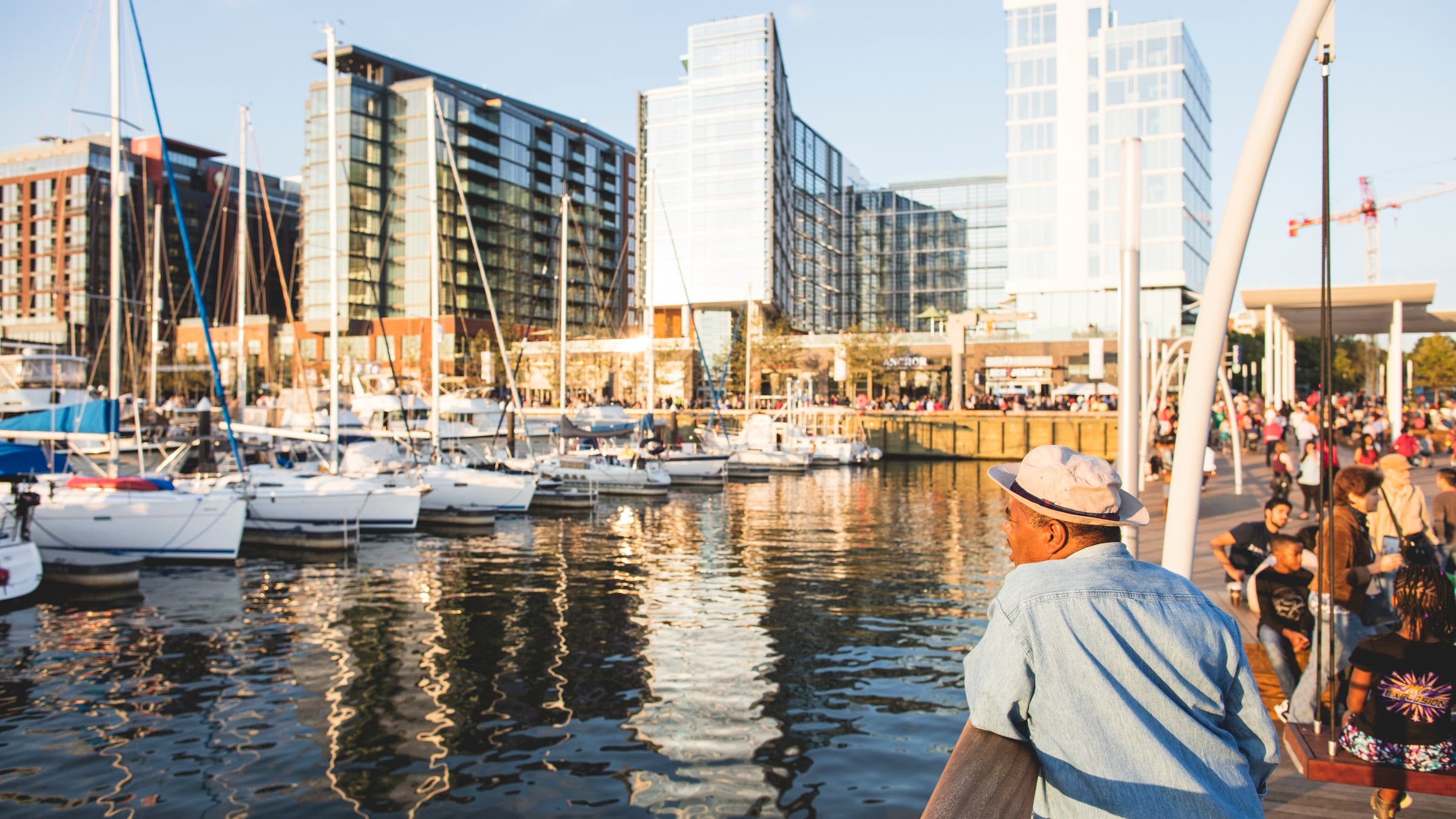
Arrive in the afternoon and check into one of the capital city’s many sustainable hotels. Fairmont Washington, DC, Georgetown exudes an old-line DC vibe with some new twists, including an outdoor courtyard bar and on-site rooftop beehives that supply honey to the hotel kitchens. Canopy Washington DC The Wharf in the vibrant waterfront district features a patio bar atop its sleek LEED-Certified building, plus complimentary bicycles for guests.
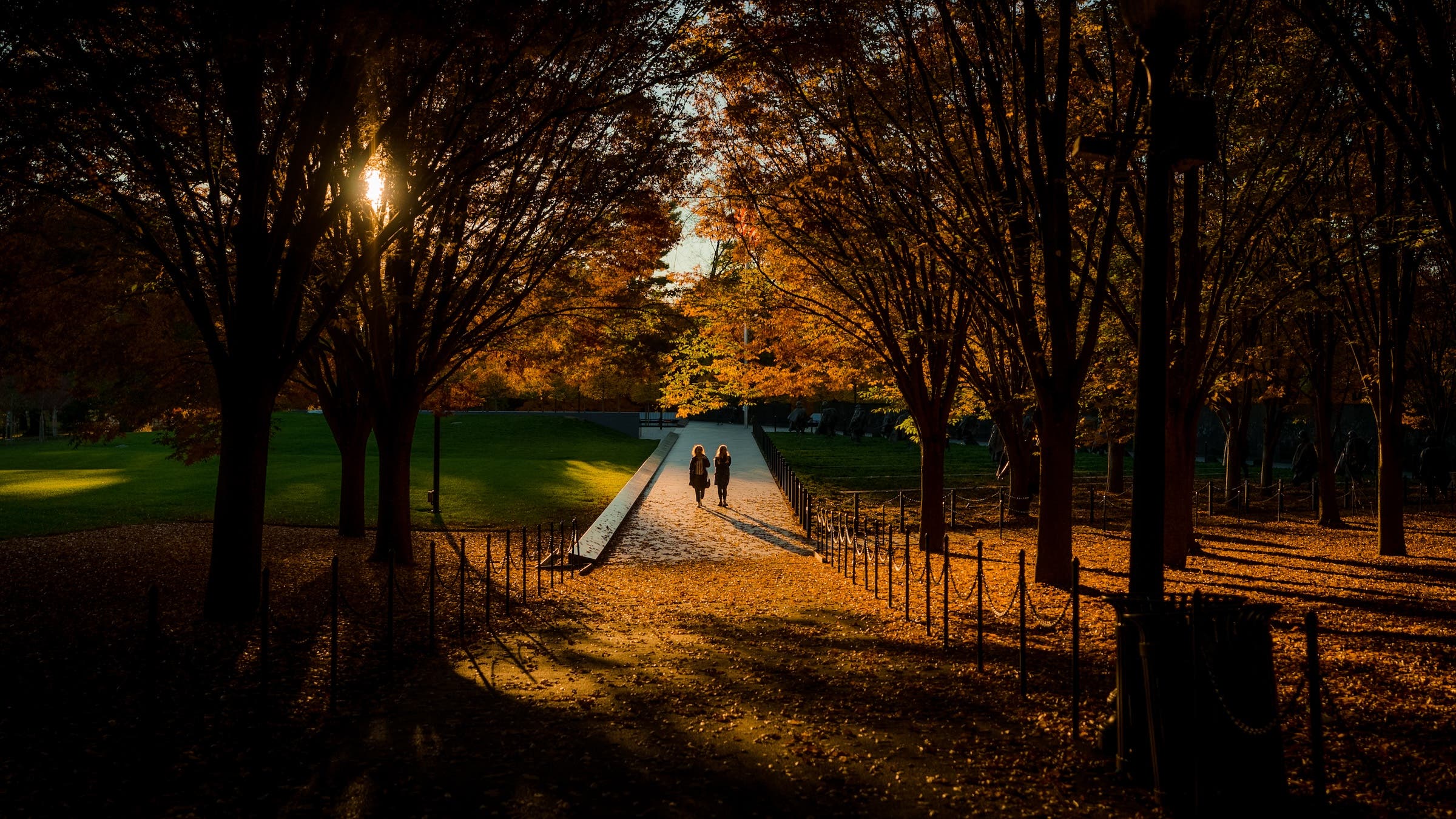
Once settled, there’s no better way to get your bearings than an evening run around the National Mall. From the Smithsonian Metro station it’s a four-mile loop on broad cinder paths to the U.S. Capitol and back around the Lincoln Memorial. If you time it right, you can watch the sun set just as the lights come up on the monuments. The Korean War Memorial’s silent patrol is particularly evocative in floodlit shades of gray, while the National World War II Memorial’s fountain and granite columns glow in the night as beacons to the sacrifice they honor.
Grab a quick hotel shower and metro to U Street, the iconic neighborhood once known as Black Broadway. Start with dinner at Ooh’s & Aahs, where District-born chef Aji Abbott reinterprets such soul-food classics as catfish and grits will fuel your weekend explorations. Next, catch a show at the revitalized Howard Theatre, whose amateur night gave a teenaged Ella Fitzgerald her start, or the historic Lincoln Theatre down the block. The music continues after hours, with more than a dozen U Street bars offering everything from indie-rock to jazz and the District’s homegrown groove, go-go. Stay as late as you like and end the night with a world-famous half-smoke at Ben’s Chili Bowl.
Day 2
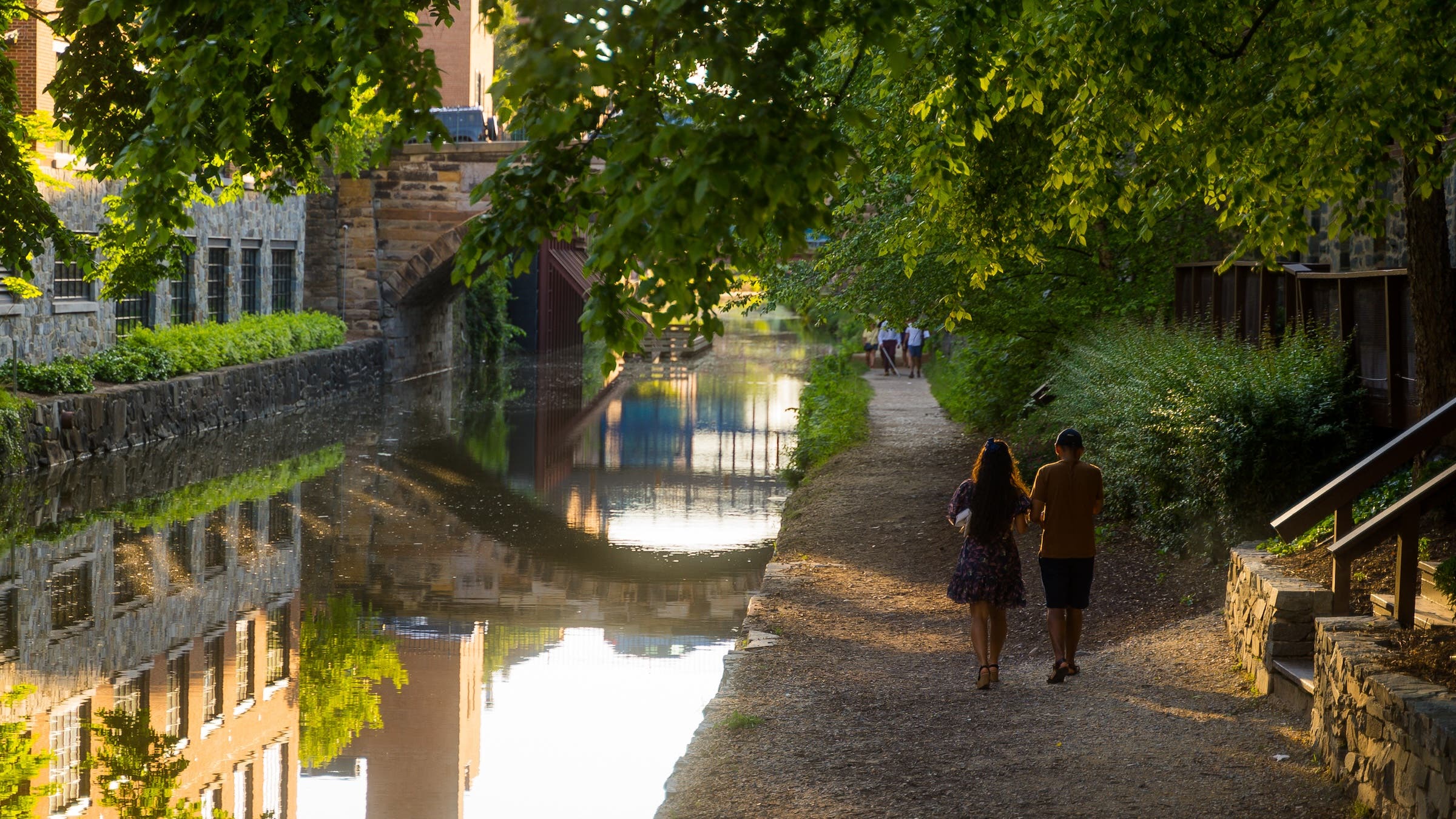
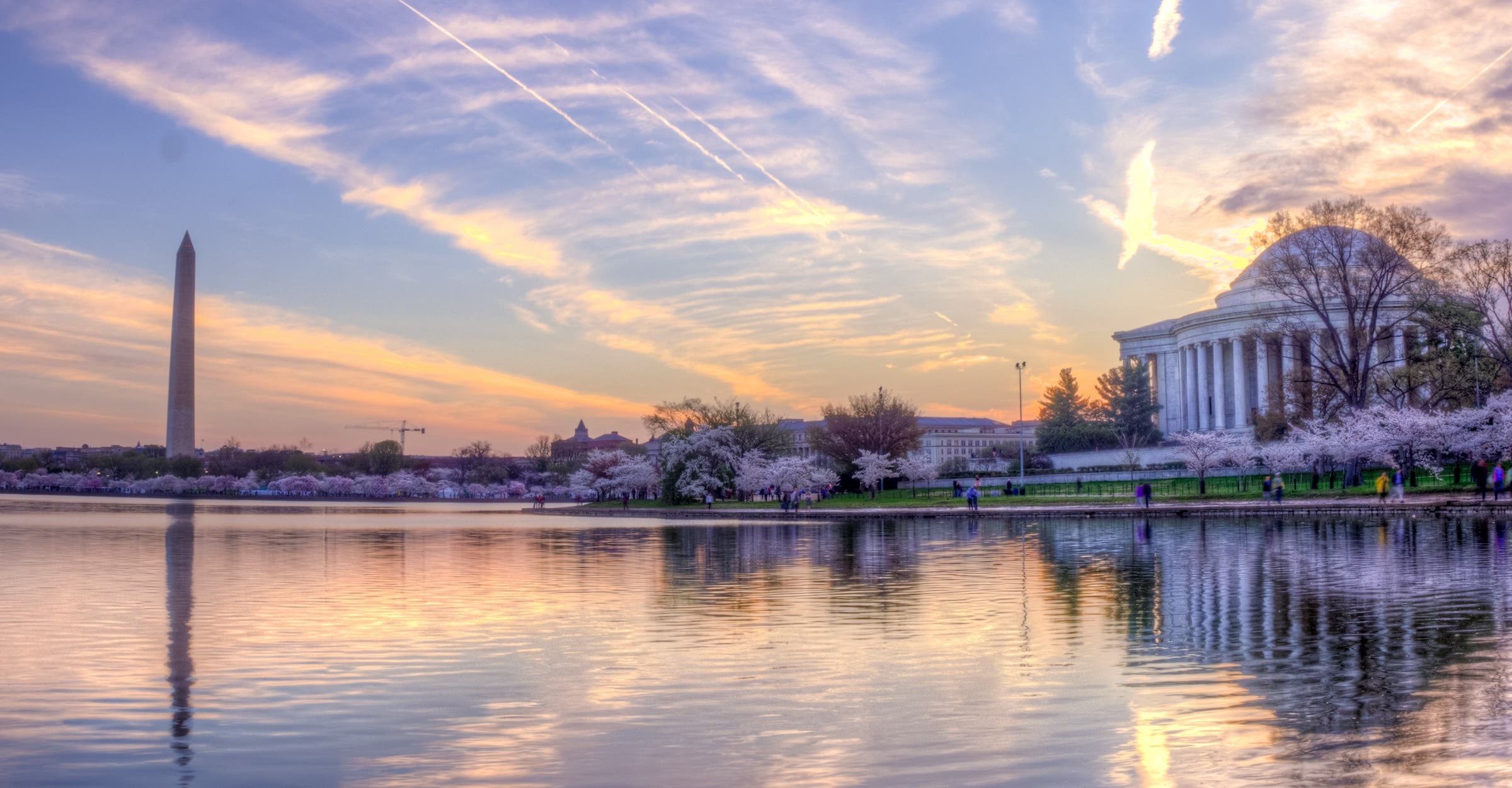
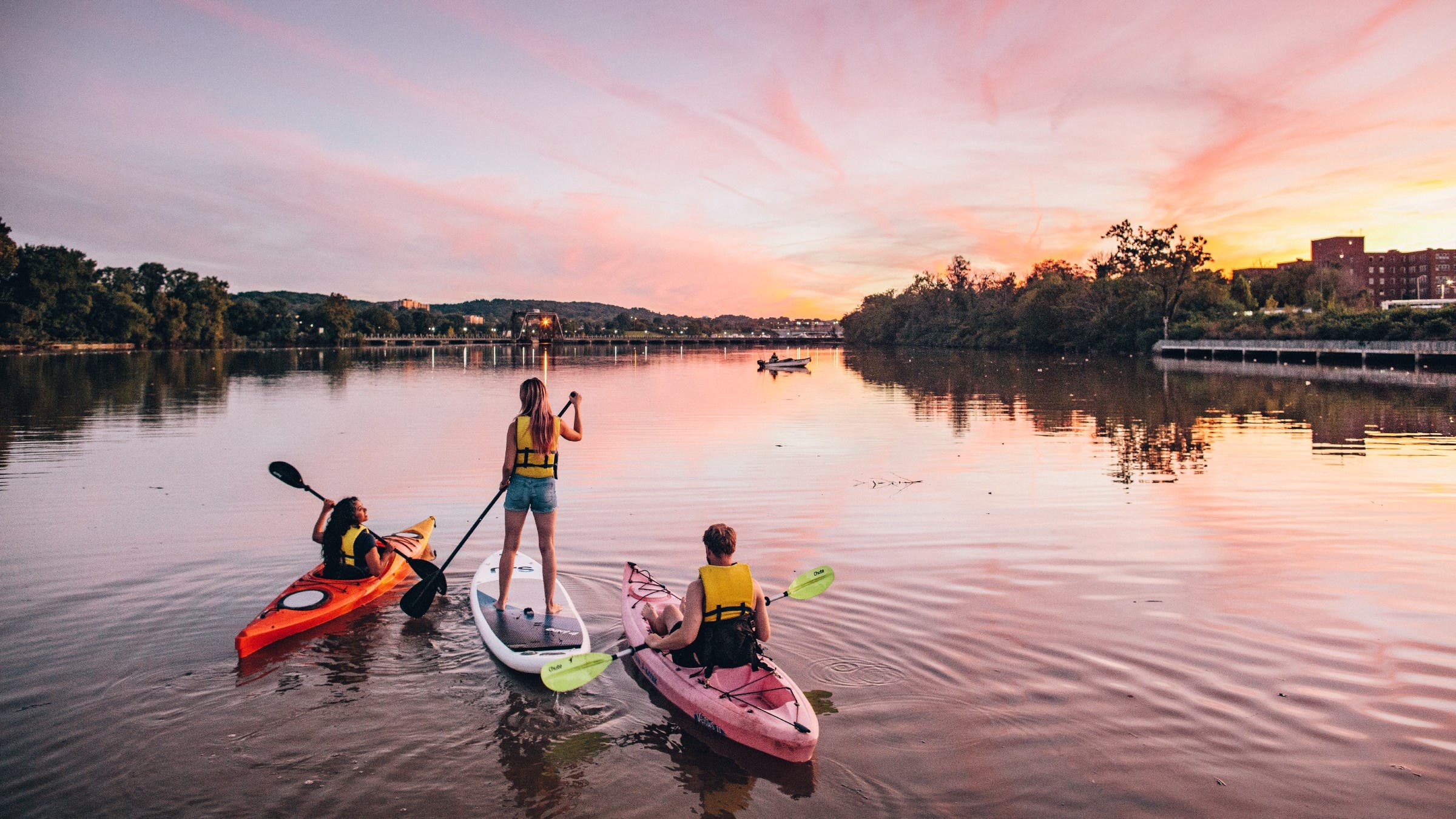
Fortify yourself with the First Bake breakfast at Farmers Fishers Bakers on the Georgetown waterfront, then walk to nearby Thompson Boat Center to rent kayaks, canoes or stand-up paddleboards (in season April-October). It’s a short paddle across the Potomac to Theodore Roosevelt Island and the District’s most secluded presidential monument. Though normally accessed by a footbridge from the Virginia side, the rough-riding Roosevelt would surely approve of a beach landing and short bushwhack to the forested island’s 1.3-mile trail loop and the monument raised in his honor. Back on the river, paddle past the Watergate Hotel and Kennedy Center to gain a unique view of the Lincoln and Jefferson Memorials before returning to the boathouse.
With miles of trails and protected lanes and bike share stands seemingly on every corner, it’s no wonder DC Cycling Concierge Jeff Miller calls DC one of the world’s best biking cities. While he’s happy to guide you on a custom itinerary, Miller says you can’t go wrong with Capital Bikeshare and an urge to roam. (Bikeshare offers sturdy 3-speeds and e-assist bikes at kiosks all over the city; for a sleeker ride, rent from Unlimited Biking near the Mall, which offers everything from hybrids and tandems to carbon road bikes.)
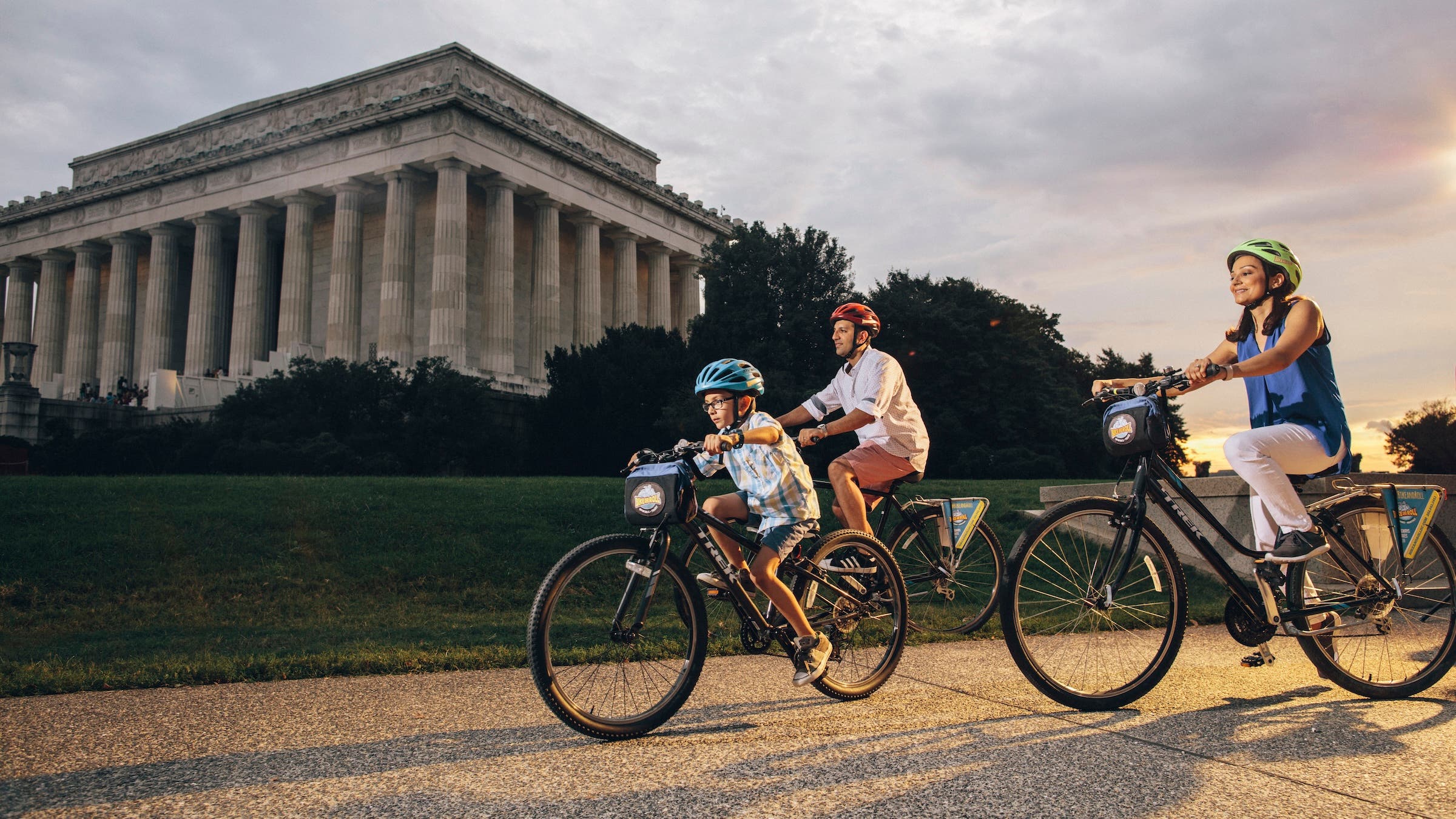
Mount up at the Washington Harbour and ride north on the Rock Creek Trail to the Woodley Park neighborhood. Drop your bike at the Woodley Park Metro and refuel on Open City’s elevated but unpretentious diner fare. From here, it’s a short walk up Connecticut Avenue to the Smithsonian’s National Zoo. Like so much that’s good in DC, entry is free, although it’s a good idea to reserve a timed entry pass. Don’t miss the panda bears, as a new duo returned to the nation’s capital earlier this year.
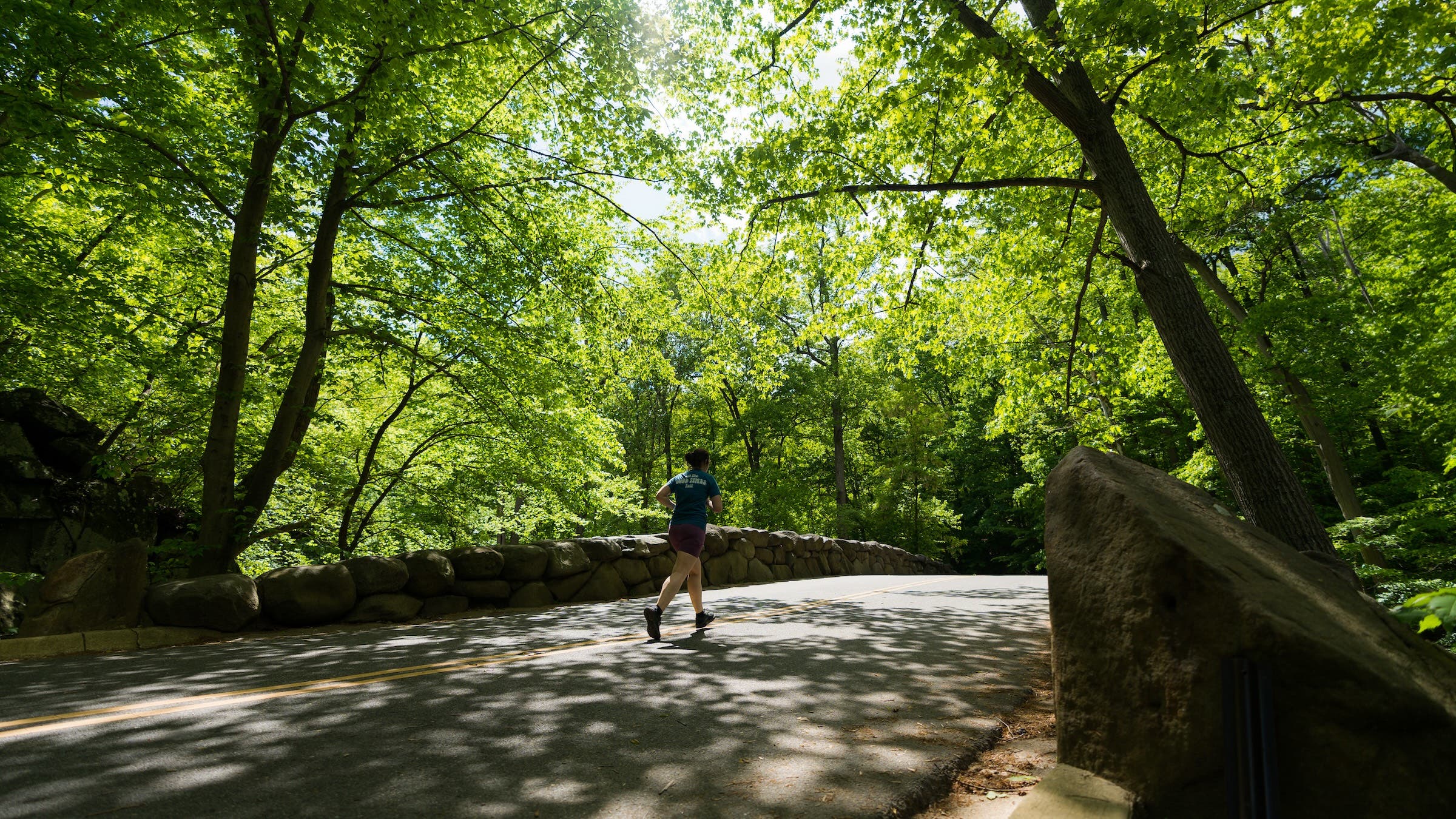
Exit at the Harvard Street gate, where you can pick up a fresh set of wheels to explore Rock Creek Park, America’s oldest urban national park. No cars are allowed on the ribbon of smooth asphalt that follows the creek all the way to the Maryland line, where a leg-burning climb up Oregon Avenue will bring you to one of 40 Boundary Stones. These unassuming sandstone blocks are America’s oldest federal monuments, the first of which was surveyed by the free Black astronomer and mathematician Benjamin Banneker in 1791. Rock Creek Park is full of hiking trails, including the short jaunt to Pulpit Rock, reportedly the favorite bouldering spot of President Theodore Roosevelt. End your ride with a hearty feed at Purple Patch, which makes a phenomenal sizzling sisig, a crispy pork delight that Anthony Bourdain called his favorite Filipino street food.
Day 3
Bike over the stunning Frederick Douglass Memorial Bridge to the Frederick Douglass National Historic Site for a free tour of the abolitionist firebrand’s home and legacy. From there, it’s a short ride to the Anacostia Roller Pavilion, a distinctly local DC experience with free entry and skates for all comers (open May to October; in winter, slide at the National Gallery of Art’s Ice Rink at the Sculpture Garden).
Skate until you’re dizzy, then continue north along the Anacostia River Trail to Kenilworth Park and Aquatic Gardens—a route Miller calls the Washington Wilderness Ride. From here, you can ride back to the hotel for a nap (you’ve earned it), or drop your bike at the Deanwood Metro and hail a taxi or rideshare to the U.S. National Arboretum for a walk through 446 acres of curated woods and gardens. Don’t miss the 22 Corinthian columns that were part of the United States Capitol from 1828 to 1958 and later transplanted in the Arboretum’s Ellipse Meadow.
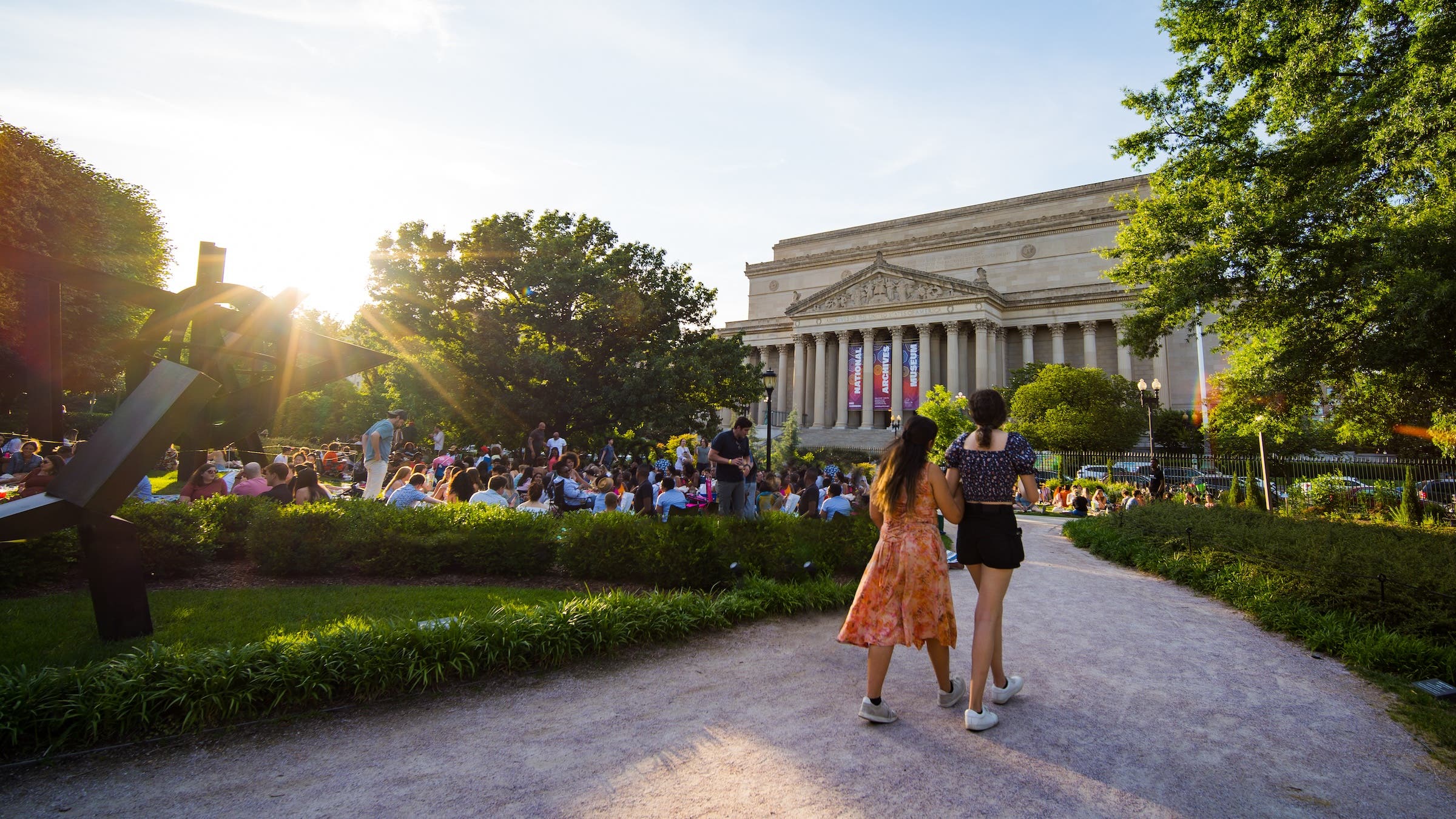
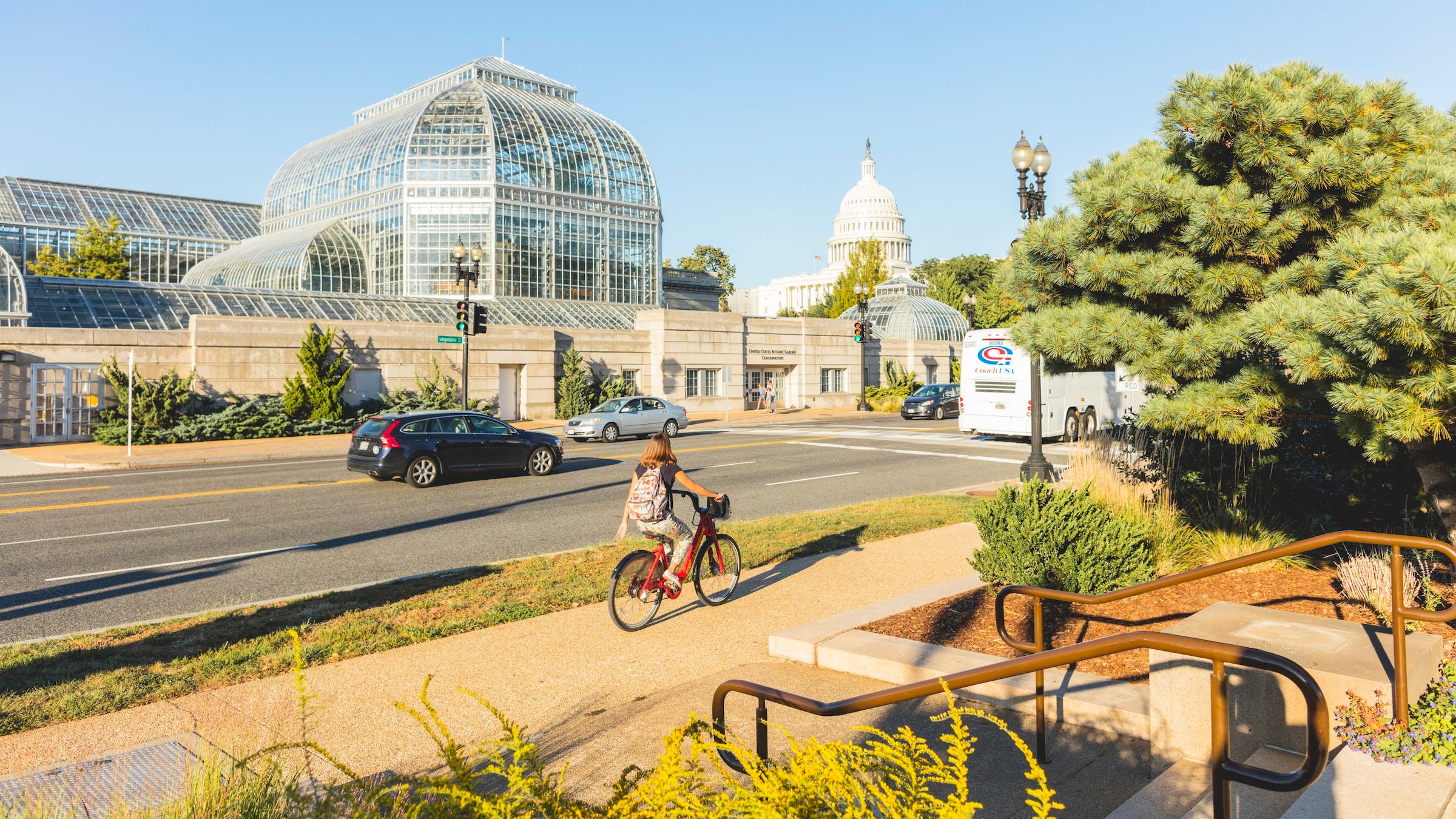
With a few hours of daylight still to burn, it’s back to the National Mall to tick some more must-sees off the list. Start at the U.S. Botanic Garden on the Capitol grounds (don’t miss the Bartholdi Fountain designed by the creator of the Statue of Liberty) then follow your interests to any of the 11 Smithsonian museums and galleries on the Mall. Admission is always free, and you can satisfy your culinary curiosity inside some of the city’s most popular museums. The Mitsitam Native Foods Café in the National Museum of the American Indian features Indigenous foods representing a variety of tribes from the Western Hemisphere, while Sweet Home Café in the National Museum of African American History and Culture is a gourmet destination in its own right. Eat up, because there’s plenty more to see and do. After all, the hardest part of a trip to Washington, DC is deciding what to leave for next time. Or you can just stay a few more days.
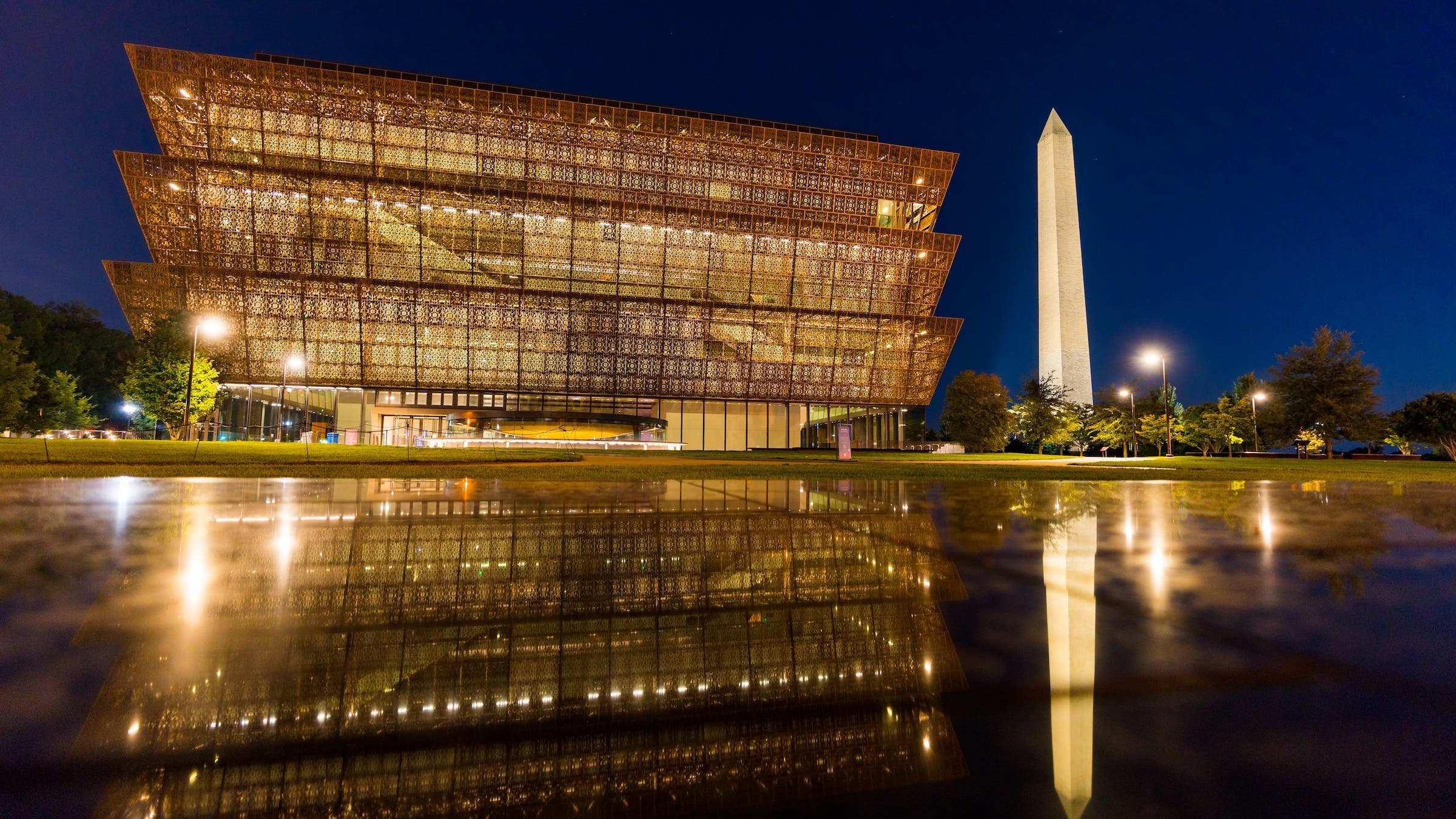
DC matches other world-class cities in dining, nightlife, arts, culture, sports, theater, outdoor activities, green spaces, shopping—the list goes on and on. But no other destination in the country can compete with the number of monuments, museums, memorials, and free things. Add it all up and DC’s diversity of experiences is truly unmatched. Plan your trip: washington.org