Updated March 16, 2026 08:28AM
Why We Need the National Brotherhood of Snowsports More Than Ever
In a time of national tension, the world’s largest gathering of Black skiers is finding power in the powder. This year’s summit wasn't just a ski trip—it was a defiant, unapologetic celebration of resilience and Black excellence.
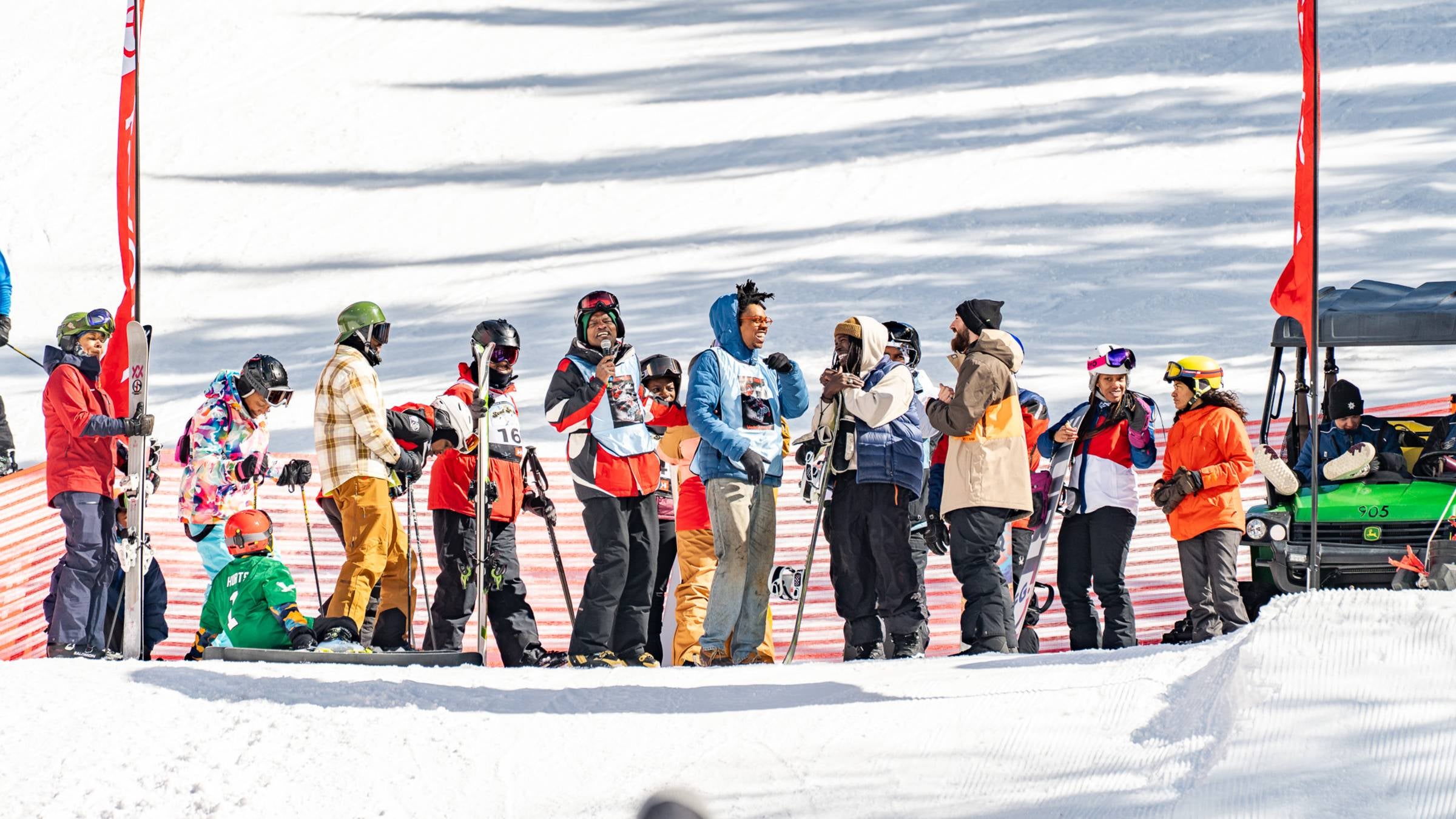
National Brotherhood of Snowsports Summit at Keystone Resort in Colorado. (Photo: KY Young)
On the final day of Black History Month in 2026, February 28th, the National Brotherhood of Snowsports (NBS) gathered at Keystone, Colorado, for its annual week-long Summit. At a time when Black American culture is being reviled and denigrated throughout much of public life, this unapologetic expression of joy in outdoor winter activities is an enduring tribute to the resilience of people whose pursuit of happiness will not be denied.
This year, the organization sent two athletes to the 2026 Winter Olympics in Italy. Now in its 53rd season, as the world’s largest event dedicated to the promotion of skiing and snowboarding among communities of color, the NBS Summit is a vital celebration of Black excellence. And we need that today more than ever.
For years now, my cousin Dr. Marshall Titus has invited me to join him for a week of skiing at the NBS Summit. This winter, I finally took him up on the offer. Though technically not related by blood, we share a common passion for big mountains. His mother and my mom were best friends when they attended college at UCLA in the fifties. During the Civil Rights Movement, these empowered Black women raised their kids together while pursuing careers as educators in Southern California. When we were kids, our parents frequently rented a backcountry vacation house for a week of recreation. So, to do the same with one of my oldest friends 50 years later, was a welcome invitation I couldn’t pass up.
The National Brotherhood of Snowsports 53rd Summit
The NBS Summit is part of a long tradition of community gatherings among Black Americans. Since 1973, the group has brought Black skiers from around the country to Western resorts for a high mountain experience. Toward the end of the Black Power Movement of the sixties, ski clubs from the urban centers of North America began forming to safely gather and learn alpine recreation skills in communities where we were not always welcome. Coming together in large groups provided a sense of security among peers with similar cultural identities and backgrounds. The first NBS Summit was held in Aspen, Colorado.
ADVERTISEMENT
“At first, we were just interested in getting together,” said NBS co-founder Art Clay in Brotherhood of Skiing, a 2019 documentary film chronicling the history of the organization. “By the time enrollment hit a peak, we were getting 5,000 to 10,000 people to show up. It was incredible!”
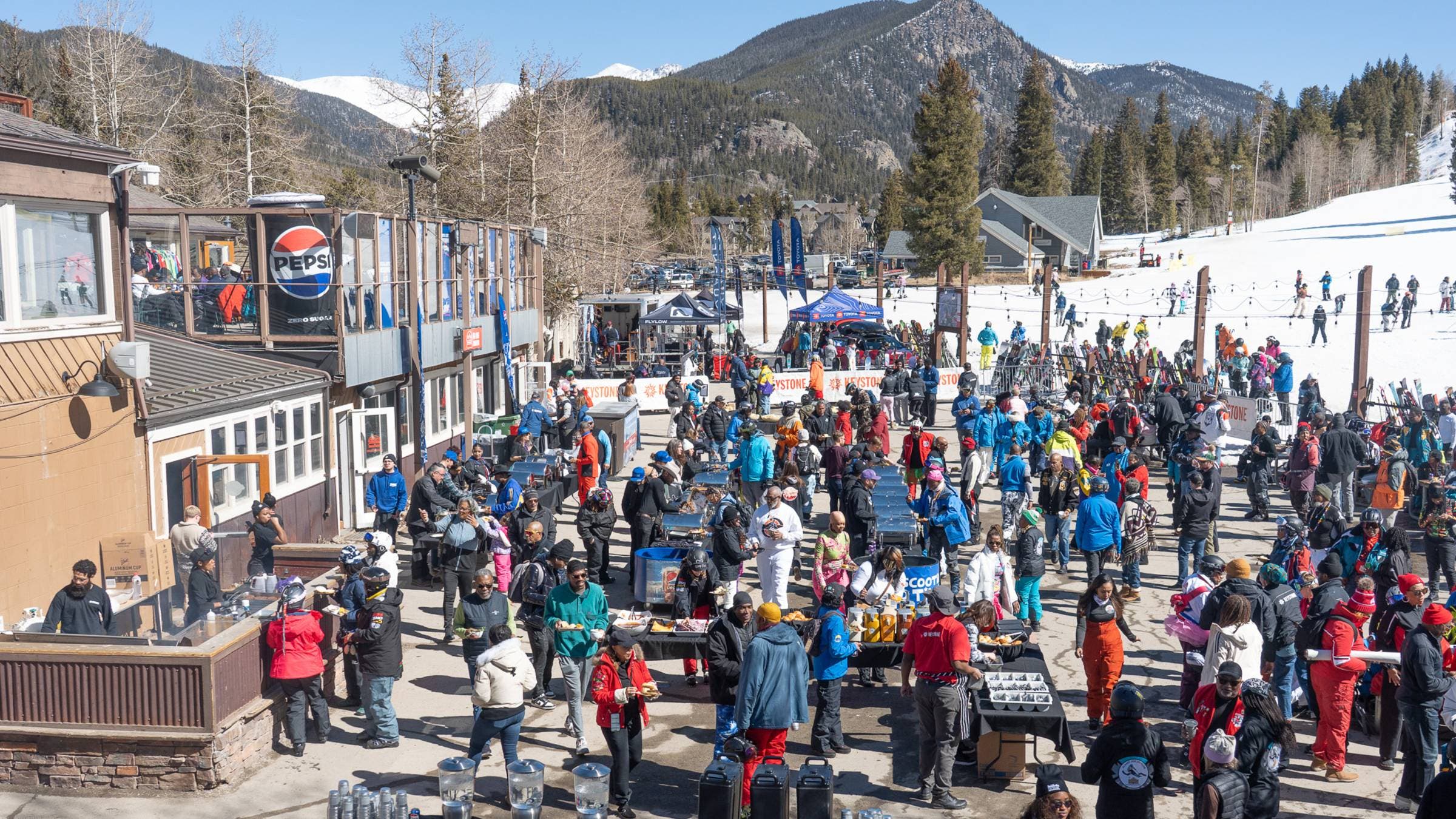
Organizers estimate that more than 1,800 people from about 60 different clubs from around the country came to Keystone this year. During a year of marginal snowfall in other regions, participants in this year’s Summit were thrilled with the opportunity to ski and snowboard across a mountain with full snow coverage. But everyone seemed to agree that this year’s event was about more than just linking turns down the snowy slopes.
Why This Year’s Summit Is More Crucial Than Ever
“This is a family reunion,” said NBS president Henri Rivers III said to me. “When we come together like this, we’re not just skiing. We’re building community and passing the love of the mountains on to the next generation.”
Detroit skier Janice Jackson, who has attended the gathering for decades, summed it up simply: “It’s the camaraderie. The people. I just love being with my people.”
ADVERTISEMENT
For first-time attendees, the experience was just as powerful. “It’s magical,” said Jake Smith, who traveled from Harlem, New York, for his first Summit. “Between the resort and the people I’m meeting, it’s truly a one-of-a-kind experience. Just seeing so many people of color on the mountain together, it’s inspiring.”
“Seeing people that look like me that may or may not have similar life experiences to me on the slopes means everything.”
For athletes and advocates alike, the visibility of hundreds of Black skiers on the slopes carries its own meaning. I was excited to see my friend, ultramarathoner and new skier, Myrna Valerio, at the Summit. She said the most powerful part of the event is its representation.
“Seeing people that look like me that may or may not have similar life experiences to me on the slopes means everything. Being able to be in a community, being able to have conversations with people, sharing a drink, sharing a meal together is incredible,” she told me.
ADVERTISEMENT
For young competitors like alpine racer Tallulah Proulx, that community can also shape a career. She represented the Philippines in the 2026 Winter Olympics. “Being part of Team NBS gives you access to resources and opportunities that help you grow as an athlete,” she said. “But it’s also being around people who support you and believe in what you’re doing makes a huge difference.” For Proulx, the Summit is both a celebration and a reminder that the next generation of skiers is already rising through the ranks.
New Black Ski Clubs Rise Up Across the US
Among the newer ski clubs represented at the Summit was the BIPOC Mountain Collective of Seattle. My cousin Marshall is a member, and they invited me to share their rented house in Keystone. The group’s co-founders, Deanna Teasley and Kimberly Johnson, connected online while searching for other people of color to ski with in the Pacific Northwest back at home. What began as a simple meet-up quickly grew into something much larger.
“I said, ‘How come we don’t have a club?’” Teasley recalled the conversation that sparked the idea during a call with the founder of the BIPOC Mountain Collective in Colorado. “We talked for about twenty minutes, and that was it—he said, ‘Here’s the logo, start it up.’”
ADVERTISEMENT
Johnson said the goal from the start was to make the sport easier to access for newcomers who might otherwise feel shut out of the mountains. “A lot of people get into skiing because a parent or friend introduced them to it. What we’re trying to do is bridge that gap and show people that this space is for them, too.”
In addition to the community–building aspects of the NBS Summit, it’s important not to underestimate its economic impact on the town of Keystone and surrounding Summit County. Over the course of the event, attendees filled resort hotels and vacation rentals for nearly a week. Based on my projections from sources including Inntopia, OnTheSnow.com and the Colorado Board of Tourism, I estimate that the NBS Summit generated $2–4 million in lodging revenue alone. Restaurants, bars, and catered Summit events likely produced more than $1 million in food and beverage spending. On the mountain, lift ticket purchases and pass usage by hundreds of skiers and snowboarders likely added $750,000 to $1.5 million in facilities revenue.
The Largest Gathering of Black Skiers in the World
For the team at Keystone Resort, hosting the gathering represents both a cultural milestone and a significant economic moment for the region. “It really means a lot to our organization to host the NBS Summit here at Keystone,” said Greg Sullivan of Vail Resorts said. “Representation is really important to us because it reflects our values as a company. This group brings a lot of energy to the community, and we’re excited to welcome them here.”
ADVERTISEMENT
Taken together, the direct visitor spending associated with the Summit likely contributes between $4-6 million to the host community in a single week. This influx of cash underscores the event’s growing significance not only as the largest gathering of Black skiers and snowboarders in the world, but also as an important driver of winter tourism in high-country enclaves looking to grow their businesses.
“When the NBS Summit comes to a mountain town, thousands of people show up ready to ski, stay in hotels, eat in restaurants, and support the local economy,” said NBS Sponsorship Chairperson Kim Bailey said. “Resorts sometimes think of this as just a cultural event, but it’s also a major economic driver. These are passionate travelers who come back year after year and bring their families and friends with them.”
At its core, the NBS Summit builds on the enthusiasm of its attendees to expand participation in snow sports as a whole. A week of skiing or snowboarding in a safe and supportive environment will turn the curious into the committed, said NBS President Rivers III.
“What we’re developing here are legacy families,” he explained. “You see the toddlers on snow, the teenagers racing, and the parents skiing together. When families build skiing into their lifestyle, they come back to the mountains year after year.”
ADVERTISEMENT
Building a Legacy at Keystone
With the encouragement of mountain communities, the presence of Black visitors can only increase. During the opening ceremonies at Keystone Resort, county commissioner Nina Waters welcomed participants and emphasized how the Summit can transform her mountain community.
“We are in the business of hospitality, and we are committed to making you feel welcome, safe, and valued here,” Waters said. “This place, these mountains, this resort are different because you are here. Your presence changes the space.”
ADVERTISEMENT
Vail Resorts estimates that it has invested more than $1.3 million in support of NBS programs. In return, they have reaped the benefit of an emerging and excited audience of new customers. But they have also helped to inspire a new generation of athletes with Olympic ambitions.
Few embody that trajectory better than Henri Rivers IV. The son of Henry Rivers III, he has attended the Summit nearly every year of his life with his sisters Henniyah and Helaina. He competed for Jamaica in the 2026 Winter Olympics. What began as childhood trips to ski with family and friends eventually became the launching point for an international career.
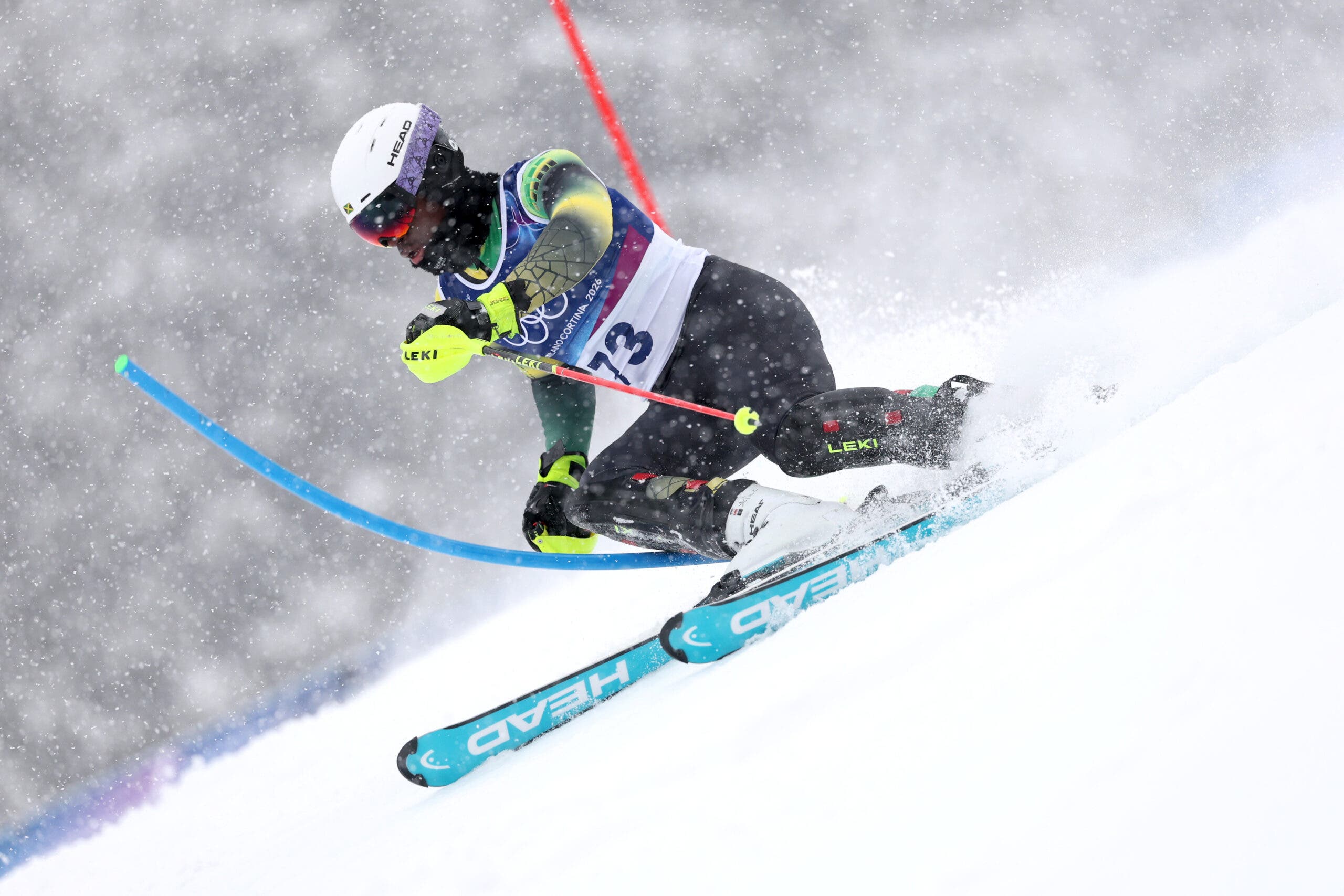
“The support of the NBS, their love, and their unwavering encouragement was just the best thing that I could ask for, especially in my young career,” Rivers IV said. “A lot of people don’t have this, so being able to experience it and have that opportunity just means so much to me.”
ADVERTISEMENT
As he looks toward college, the Europa Cup, and eventually the World Cup circuit, Rivers IV sees the Summit as a reminder of where it all started. Reflecting on his Olympic experience, he said he often thought about “all the people that helped me out on my journey.”
He added, “From day one to now, I have the NBS to thank for every single year being so excited to go to wherever we chose and being able to ski for a week, meet so many people, and have so many fun memories.”
For him and for the next generation of young skiers weaving through the crowds at the NBS Summit, the community gathered here is not just celebrating the sport. Now more than ever, it is building its future.
ADVERTISEMENT
James Edward Mills is an aspiring mountaineer with a special interest in backcountry and lift service telemark skiing. As an Outside contributor he shares stories about outdoor recreation at the intersection of social and environmental justice. His most recent work centers the disparities of access to our National Parks with the rescinding of free admission on Juneteenth and the Martin Luther King Jr. Holiday.


