Updated March 24, 2026 10:57PM
These Are the Best Places for Astrotourism in 2026
From a total solar eclipse to "star-beds" on an African safari, 2026 is shaping up to be a landmark year for travel. These are the destinations I’m watching for the most spectacular views on Earth.
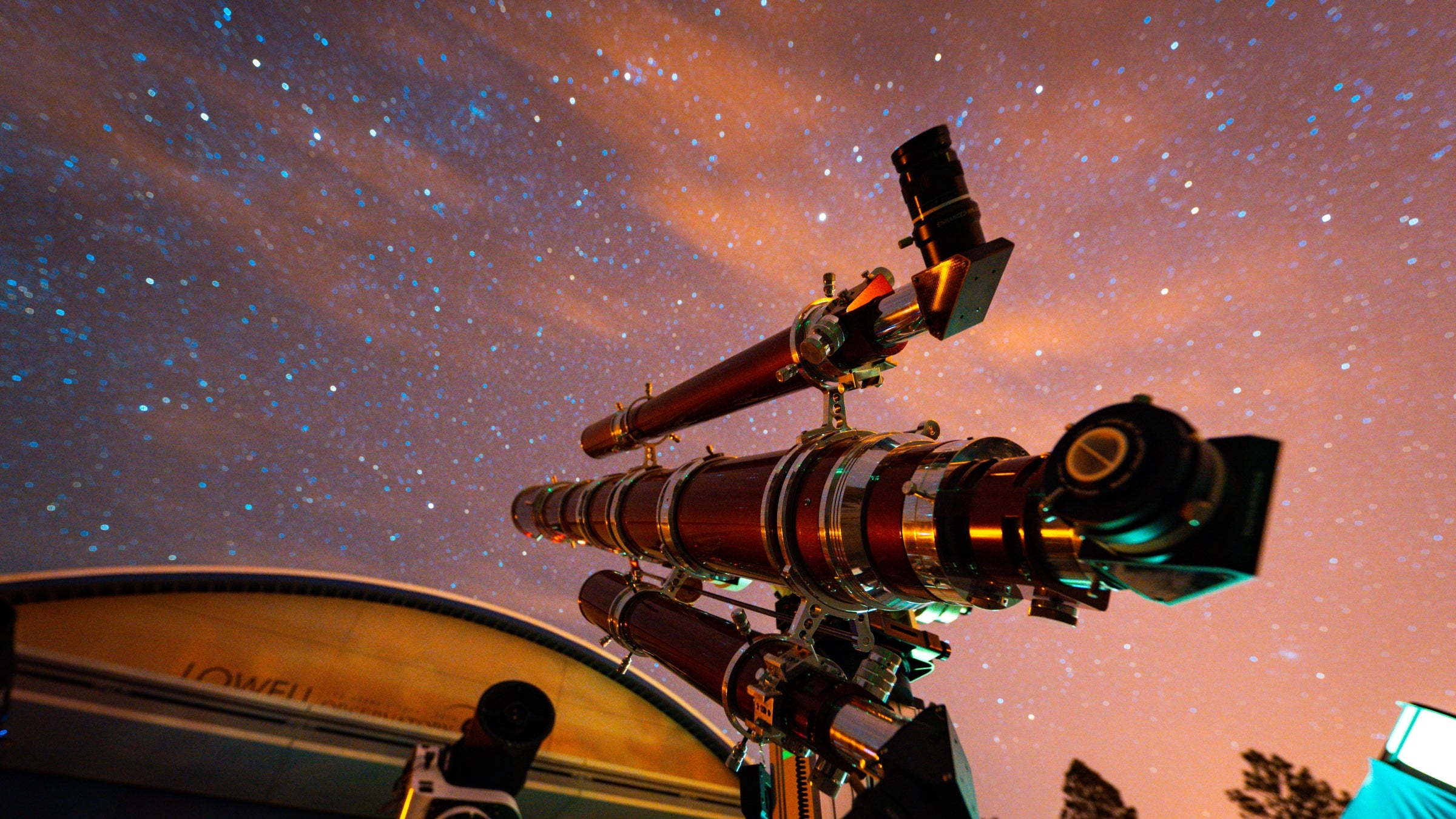
The Moonraker Victorian Refractor telescope at the Lowell Observatory in Flagstaff, Arizona. (Photo: Lowell Observatory)
Astrotourism has become one of the fastest-growing sectors in travel, as more destinations protect their skies and travelers seek experiences that connect nature, science, wellness, and culture. With DarkSky International recently marking its 250th certified International Dark Sky Place, and a new cycle of cosmic events in 2026, it’s shaping up as a landmark year for night sky travel.
Utah
Utah remains an astrotourism leader with 26 DarkSky-certified places, and Bluff—the state’s newest Dark Sky Community—now hosts an annual Dark Sky Festival in November where Diné (Navajo) storyteller Don Mose Jr. shares traditional Indigenous sky knowledge. From here, you can join Indigenous-owned Ancient Wayves for a sunset walk through the Valley of the Gods or stargaze in nearby Goosenecks, Hovenweep, or Natural Bridges Dark Sky Parks.
Arizona
Flagstaff, Arizona, is celebrating its 25th anniversary this year as the first International Dark Sky Place. Here you can visit the telescope where Pluto was first observed at Lowell Observatory, which also recently opened a new wing with a dark sky rooftop observatory. Don’t miss a pint at Dark Sky Brewing while you’re in town. Also in Arizona, the International Dark Sky Discovery Center in Fountain Hills is slated to open mid-year as the world’s first visitor center dedicated to dark skies, with an observatory, planetarium, and research facilities.
North Carolina
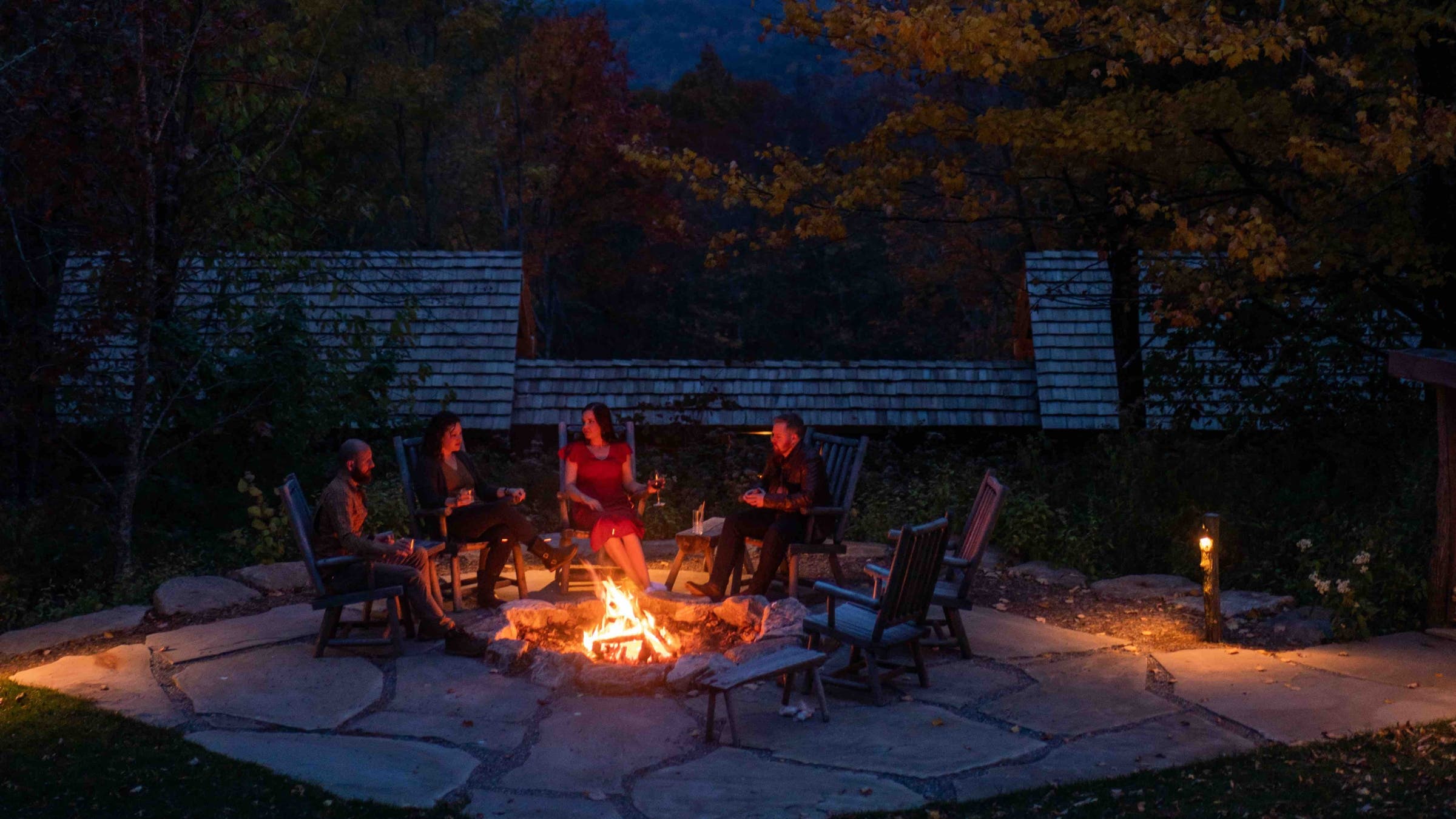
Cataloochee Ranch and The Swag in North Carolina recently became the first DarkSky Approved Lodgings on the East Coast. These luxury Appalachian escapes pair low-impact lighting, stargazing, and mountain activities like horseback riding and hiking.
ADVERTISEMENT
Canada
The Mont-Mégantic Dark Sky Reserve in Québec has been renovating its ASTROLab visitors center. When it reopens this fall, travelers will find bigger telescopes, an expanded observatory deck, and a multimedia theatre.
Spain
For those looking overseas, Spain will be in the spotlight in August, when a total solar eclipse crosses the north and east of the country. The path of totality will pass through Galicia, Asturias, Aragon, and the Basque region, where towns and accommodations are offering special packages and viewing experiences.
Arctic Circle
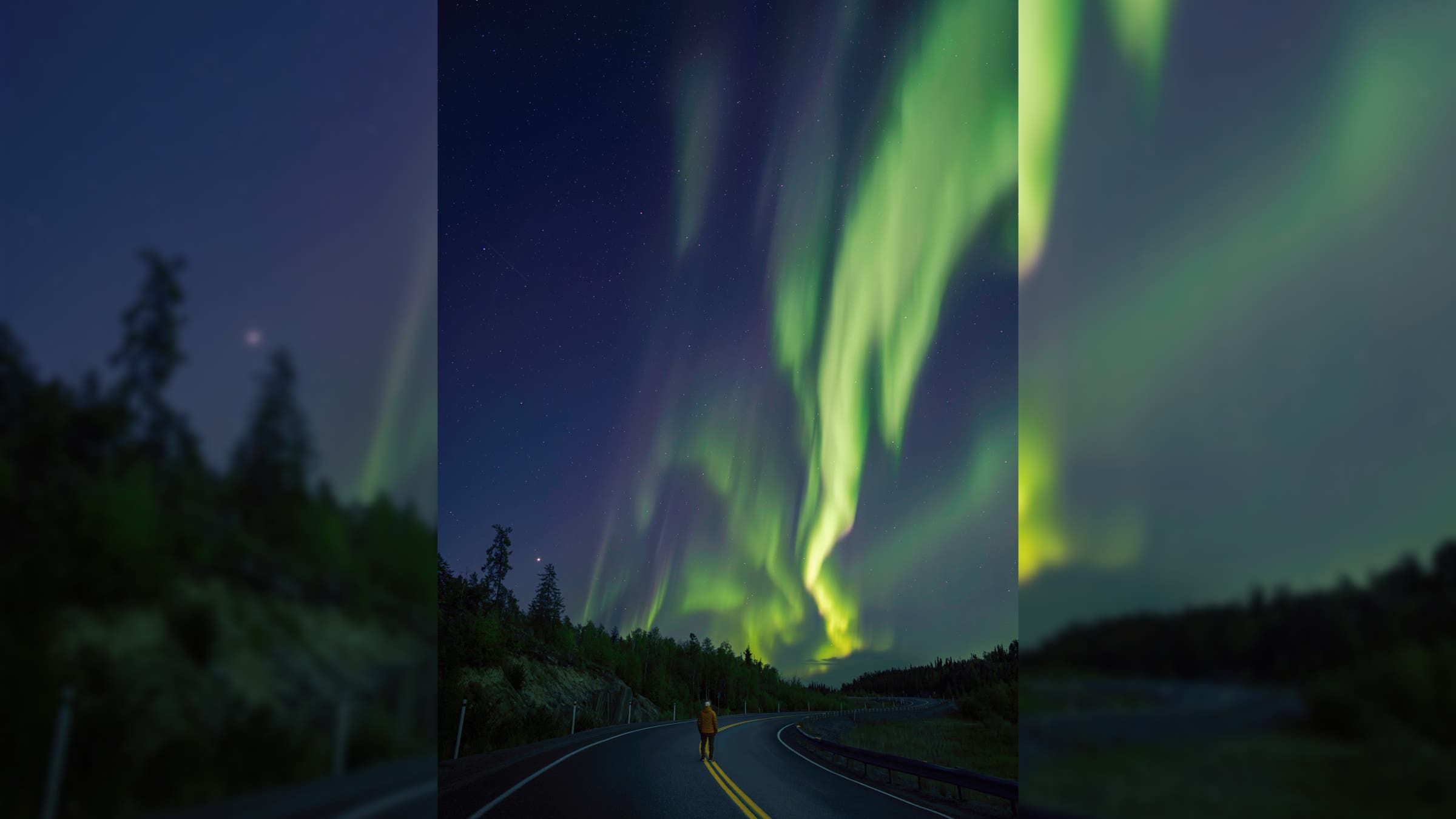
This year, the sun also reaches its solar maximum in an 11-year cycle, resulting in more auroras. The Arctic Circle is the best place for northern lights viewing; vivid auroral shows are expected in Alaska, Canada, Scandinavia, and Iceland. Many astro-lodges in these places combine aurora viewing with guided stargazing and nighttime activities like dog-sled tours and hot springs.
ADVERTISEMENT
Africa
Lapalala Wilderness in South Africa recently became DarkSky’s 250th International Dark Sky Place and the first big five wildlife reserve to be certified, allowing you to stargaze and spot rhino on the same trip. Next door, Namibia’s NamibRand Nature Reserve remains the continent’s only Dark Sky Reserve, home to desert lodges where you can sleep beside dunes among howling jackals. New initiatives in Kenya, supported by a DarkSky chapter there, are introducing night sky safaris and “star-bed” accommodations that blend astronomy and safaris.
Chile
Chile continues to be the benchmark for astrotourism in the Southern Hemisphere, centered in the Elqui Valley (a Dark Sky Sanctuary) and the Atacama Desert, home to world-class scientific observatories. The Nayara Alto Atacama resort has expanded its observatory and added private stargazing terraces and sessions with astro-guide Pía Urbano Mena, while Explora Atacama Lodge has a private observatory with nightly sessions on a high-powered smart telescope.
Pakistan
Astrotourism is also reaching new frontiers in Pakistan, where dark sky advocate Muhammad Riaz, founder of Dark Sky Tourism, offers guided itineraries through the Karakoram region, linking local culture and mountain landscapes with stargazing in remote valleys such as Hunza and Shigar.
Several tour operators have started offering astro-themed group tours; check out New Scientist Discovery Tours led by expert scientists in places like Sweden, Spain, Australia, and Greenland; Smithsonian Journeys’ “Earth and Sky” tour through Chile; or Responsible Travel’s astronomer-led tour of Finland.
ADVERTISEMENT
This article is from the Spring 2026 issue of Outside magazine. To receive the print magazine, become an Outside+ member here.