Updated March 10, 2026 10:32PM
Is Costa Rica as Safe as Its Reputation?
After a well-known California surfer was killed in a violent home invasion, travelers are questioning if the “pura vida" paradise is still the safe haven it’s long been considered. We talk to Costa Rican travel experts about what travelers should know.
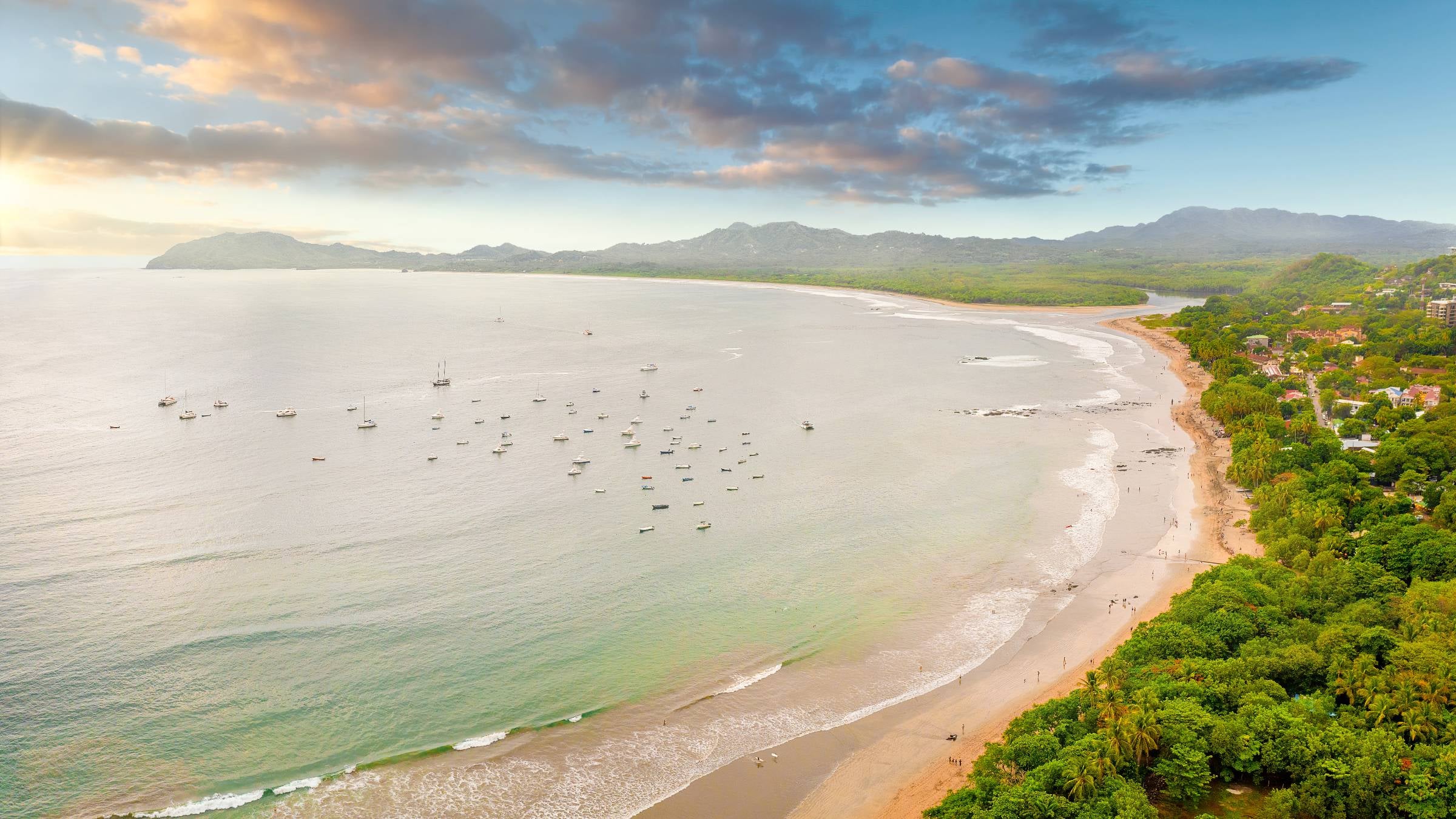
Aerial view of Tamarindo Beach and Estuary. The town of Tamarindo is the largest developed beach town in Guanacaste, known for its surfing and eco-tourism. (Photo: Caroline Brundle Bugge / Getty)
When it comes to countries with squeaky clean images, Costa Rica has consistently ranked high alongside Finland, the world’s happiest country, and Iceland, a bastion of tranquility, according to the Global Peace Index. The poster child for ecotourism since the 1990s, Costa Rica attracts millions of visitors annually thanks to its rich biodiversity, laidback beach culture, and pura vida (pure life) vibes. It’s long been considered one of the safest tourist destinations in Latin America.
But in recent years, headlines of both violent and petty crimes have raised concerns among some travelers. Last month, California surfer Kurt Van Dyke was murdered at his home near Puerto Viejo de Talamanca, on Costa Rica’s southern Caribbean coast, during an apparent robbery. Van Dyke was considered a pioneer of surfing in Northern California and the incident left many in the surfing community reeling. “Kurt’s passing has deeply affected many of us in the surf community here,” says Andrea Diaz, a Costa Rican surf guide and coach in the Guanacaste area. “I knew him, and it’s been a heavy moment for people who have shared waves in Costa Rica for years.”
I’ve visited Costa Rica more than 20 times myself, including the waves of the Caribbean coast around Puerto Viejo, where Van Dyke owned a hotel, and have always felt incredibly safe. But is Costa Rica’s “safe haven” reputation changing?
US Issues Travel Warnings for Costa Rica
Last November, the United States Embassy in Costa Rica issued a country-wide security alert, warning travelers about a rise in crime, citing “recent property crimes, financial crimes, and robberies that have impacted foreigners in Costa Rica, including U.S. citizens. Tourists have reported break-ins and armed robberies at Airbnbs and other rental properties,” the embassy wrote.
In December 2024, the U.S. Department of State updated its travel advisory for Costa Rica to Level 2, cautioning Americans to “exercise increased caution” when traveling there. “Petty crime is common throughout Costa Rica,” the State Department wrote in its advisory. “Violent crime also affects tourists. This includes armed robbery, homicide, and sexual assault.”
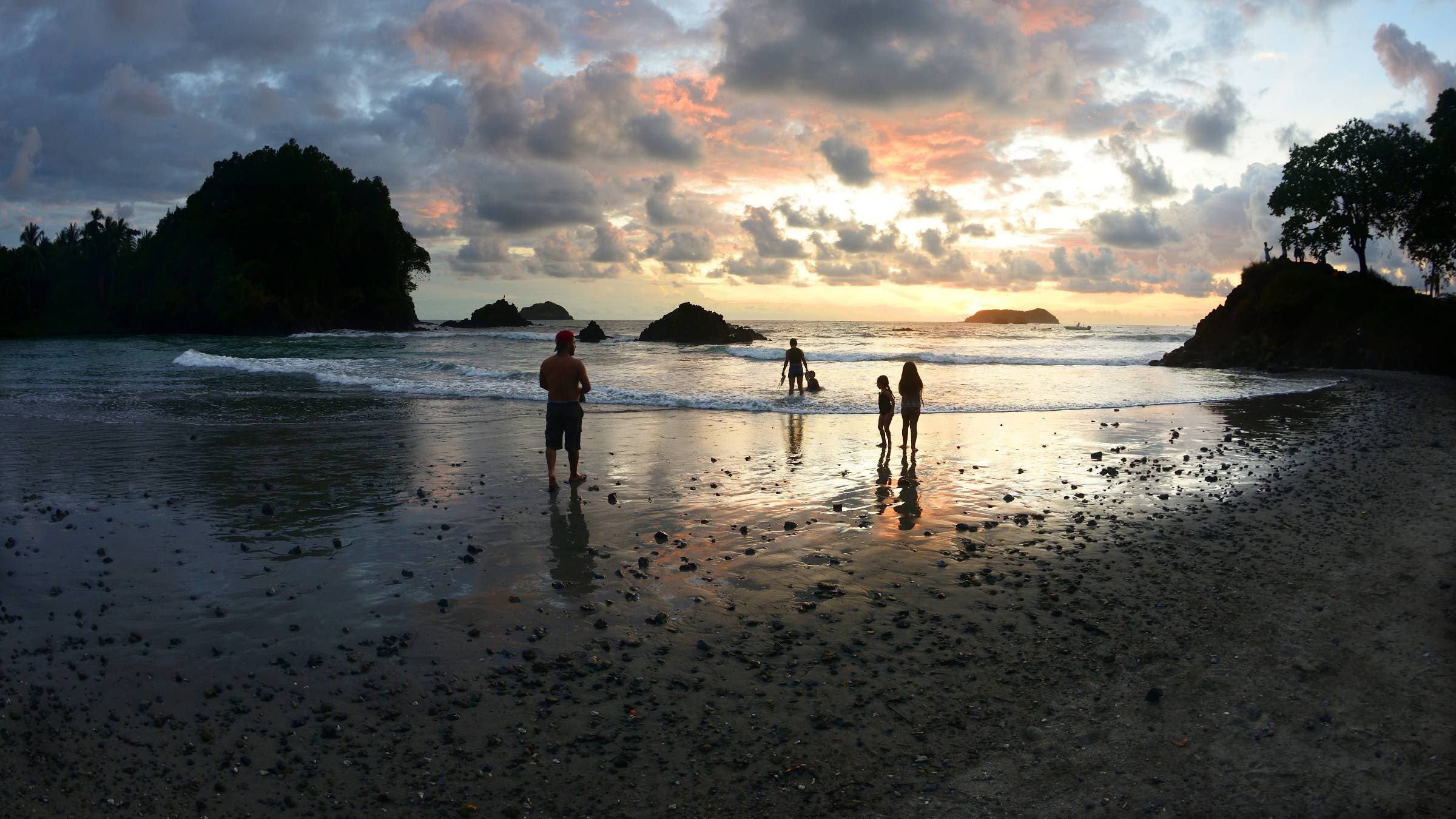
Although Costa Rica closed out 2025 with a 1% increase in tourist arrivals, tourism took a hit in the first half of last year, in part due to safety concerns, but also as a result of the depreciation of the U.S. dollar against the Costa Rican colón. By the end of the third quarter of 2025, the country saw 50,000 fewer tourists compared to the previous year. A survey conducted by the Center for Tourism Studies, found that 50% of businesses and organizations connected to the tourism industry identified public insecurity and the sharp appreciation of the colón as top concerns. With the colón up more than 20% since 2022, Costa Rica is no longer the affordable backpacker destination it was in the 1990s. An increase of gated luxury communities and resorts has brought in a wealthier clientele that have left some locals disgruntled as they feel the price squeeze.
Back in 2024, the New York Times reported that the Caribbean coast of Costa Rica was being “infiltrated by drug cartels seeking new trafficking routes to evade the authorities.” This is the region in the country’s southeast corner where Van Dyke was killed.
A half dozen locals I interviewed for this story told me they believed Van Dyke had enemies. His brother, Peter Van Dyke, told New York Post: “There are people who like him and there are people who don’t. It was more nefarious.” Van Dyke, blamed an influx of crime, telling reporters: “With the cartels and all the drug trafficking and El Salvador cracking down and now Venezuela’s leader got ousted, a lot of these countries are cracking down on crime and cartels. So they’re leaving those countries and going to the neighboring countries where they can operate freely.”
ADVERTISEMENT
Should Travelers Be Worried?
“The death of Kurt Van Dyke was a tragic criminal incident involving a longtime U.S. citizen and Costa Rican resident at his private home on the Caribbean coast,” Javier Echecopar, co-founder of travel company Journey Costa Rica and a Costa Rican resident, tells Outside. “It is not representative of the travel experience in Costa Rica. The country’s tourism infrastructure, professional guiding community, and commitment to visitor safety are well established.”
Surfer Holly Beck, whose retreat company, Surf With Amigas, runs trips in Costa Rica, as well as Nicaragua, Mexico, Indonesia, and Peru, tells concerned clients, “statistically, you are much more likely to be shot and killed in the U.S.” She lives in Costa Rica with her family and says, “I feel much safer here than going to a mall, a concert, or a school in the U.S.”
During my travels throughout the country, the biggest threats I’ve faced are from rip currents, while surfing, and poisonous wildlife on the trails. “You have to be mindful and aware at every turn [of the wildlife],” cautions Carolyn Werry, who has curated nearly a dozen trips to Costa Rica as director of travel at active travel specialist Gray & Co. She notes there are plenty of poisonous critters—snakes, frogs or even bullet ants with an awful sting. “I was on a nocturnal walk with my son and he looked down and there was a viper right beside him,” she says.
Costa Rica is still a very wild place in many areas. There are little jungle roads that lead to unbelievably beautiful beaches and waves — places that feel untouched and empty — but they can also be quite isolated. “That’s part of the magic of this country, but it also means being smart,” says Diaz. “Don’t make yourself an easy target by doing things like leaving belongings in your car.”
ADVERTISEMENT
Petty Crime on the Rise
Marco Zárate, the Costa Rican COO of DMC Travel Excellence, a specialist in travel to the country, notes that overall, Costa Rica is still generally considered one of the safest countries in Latin America. His company facilitates travel for around 13,000 visitors a year. In the last five years, he says they have seen almost zero cases of crime, with the exception of three robberies in San Jose.
“We as a company and the government take action to offer a safe experience to all our visitors,” he says. “We work with the tourist police and national authorities. Our drivers are not allowed to leave the vehicle unattended when there is luggage or personal belongings inside and we tell the same to clients when they are self-driving.”
ADVERTISEMENT
Hans Pfister, founder of Cayuga Collection, a group of hotels in Costa Rica, Nicaragua, Panama, and Guatemala, says the U.S. Embassy warning in November 2024 about robberies at vacation rentals is real; however, most of those incidents have taken place in remote areas. “If you stay in an isolated AirBnB with no staff, no gardener, no restaurant buzzing with people until 10 p.m. , you become a much easier target,” he notes. But overall he says the country remains safe, especially compared to other destinations.
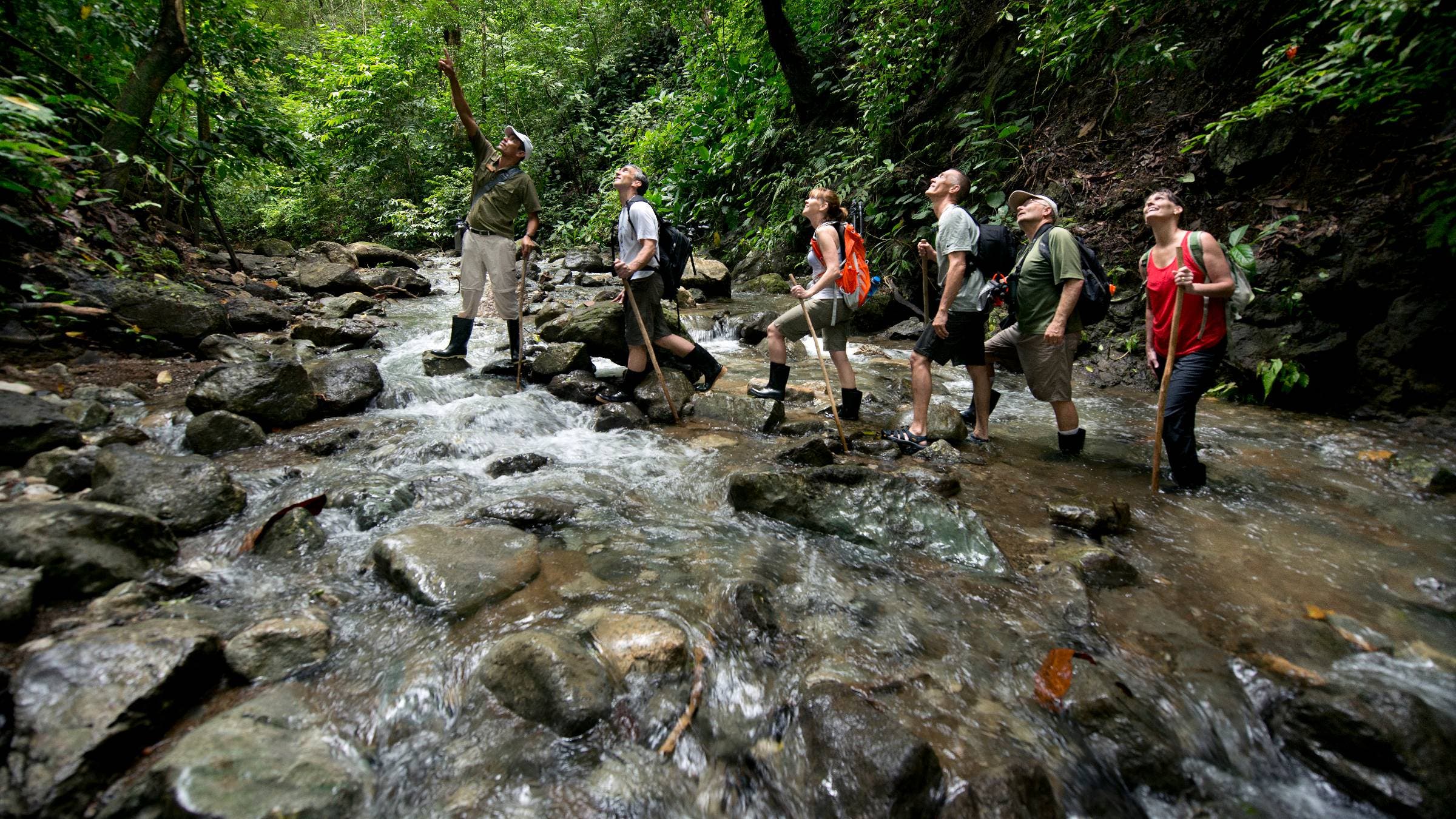
On the other hand, Andrés Meneses Ovares, general manager of UrriTrek, a Costa Rican travel company specializing in hiking trips, says many treks the company runs, including the coast-to-coast El Camino de Costa Rica, are quite remote and different from typical tourism settings. “The world is changing, and like many international destinations, Costa Rica has seen some increase in petty crime in certain urban or highly touristic areas,” he says. “This is quite different from the experience on long-distance trails and in rural communities.”
The Benefits of Local Guides
I’ve completed the Camino myself, a trail that passes through rural communities, Indigenous territories, protected forests, and small family-run lodges. “One of the most unique aspects of the Camino is the strong community involvement along the route, which creates a welcoming and supportive environment for hikers,” says Ovares. “In our experience, hikers on the Camino consistently report feeling very safe. Travelers are received by local families, community projects, and small rural businesses that actively participate in the experience.”
ADVERTISEMENT
In the early aughts, I started traveling to Nosara, a surf and yoga-centric beach town on the Nicoya Peninsula. It’s become a huge expat hub. I heard more English than Spanish on my most recent visit last summer. And I sensed that many locals were being priced out. The pura vida spirit was still there, however when I came in from a sunset surf, my flip flops were missing. The owner of the surfboard rental shop just shook his head when I told him of the loss. “Can’t leave anything on the beach anymore,” he said. “It will get snatched and sold, even flip flops.” Considering I just had both of my bikes stolen at home in Boulder, Colorado, I hardly consider flip flop theft a crime.
My lesson was that even in Costa Rica, you need to act with the same mindfulness you would traveling anywhere else: don’t be out alone at night; lock your hotel room door; don’t leave belongings on the beach or valuables on display in your car.
Would I go to Costa Rica right now? In a heartbeat, and with zero concerns.
Diaz says the best thing visitors can do is connect with Costa Ricans. “Talk to people in the community, hire local guides or surf coaches, ask questions,” she says. “Ticos are incredibly proud of who we are and of the country we get to share with the world. That spirit of pura vida is real—it’s about community, respect, and looking out for each other. When visitors experience Costa Rica through the people who grew up here, the trip becomes deeper, more authentic, and naturally a lot safer, too.”
ADVERTISEMENT
Jen Murphy has visited Costa Rica dozens of times and trekked the coast-to-coast El Camino Trail. She is a regular contributor to Outside, where she has reported on the beginner’s guide to adventure travel in Costa Rica as well as the country’s best beaches.


