Published January 4, 2026 03:17AM
These Are the Sunniest Cities in the Contiguous U.S.
Snag some much-needed vitamin D in these bright American getaways—including the Guinness World Record-holder for sunniest city on Earth.
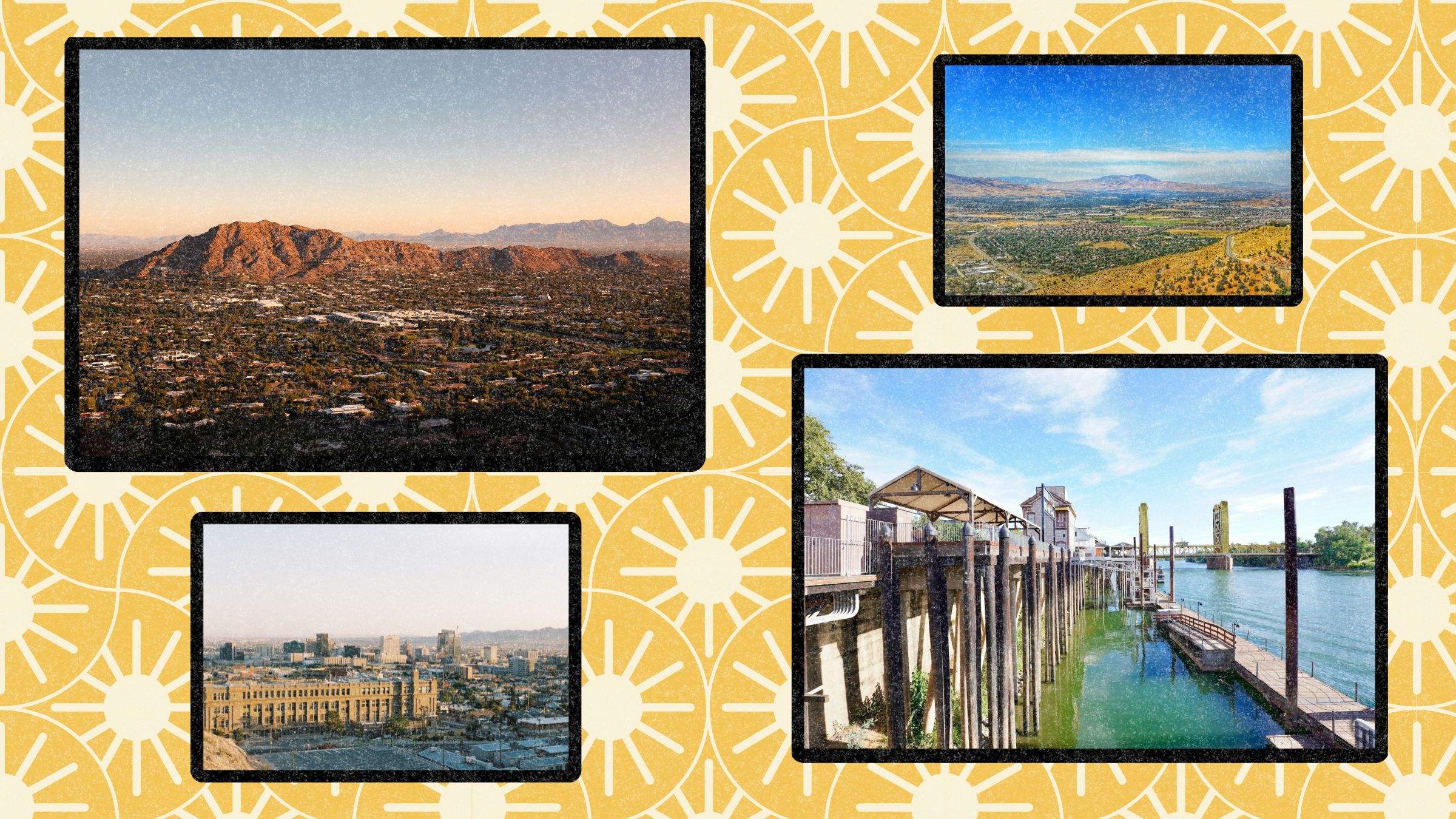
(Photo: Brett Wharton/Unsplash; Shawn Powar/Unsplash; Chris Carzoli/Unsplash; Matthew Hamilton/Unsplash)
Winter’s grey doldrums have many of us seeking sunshine. And it’s not just a nice-to-have. Lack of sunlight and intense cloud cover can invoke varying degrees of seasonal affective disorder, better known as SAD.
In fact, an American Psychiatric Association report shows that one in four Americans struggles with a declining mood come wintertime. Sure, happy lamps are an option, but there’s nothing like soaking up vitamin D in the flesh—and you can do without leaving the lower 48 states.
The Sunniest Cities in the Contiguous U.S.
Here are 12 of the sunniest cities in the contiguous U.S., ranked by average hours of that bright light per year.
12. Pueblo, Colorado
Average hours of annual sunshine: 3,265
Historic and sun-drenched Pueblo lies 30 miles south of Colorado Springs. Roughly 300 annual days of rays make these southern Colorado excursions even more enjoyable. Go boating, birding, or paddleboarding in Lake Pueblo State Park. For hiking, hit the 611-acre Pueblo Mountain Park, then admire golden hour’s glow from the bustling Arkansas Riverwalk.
ADVERTISEMENT
11. Key West, Florida
Average hours of annual sunshine: 3,413
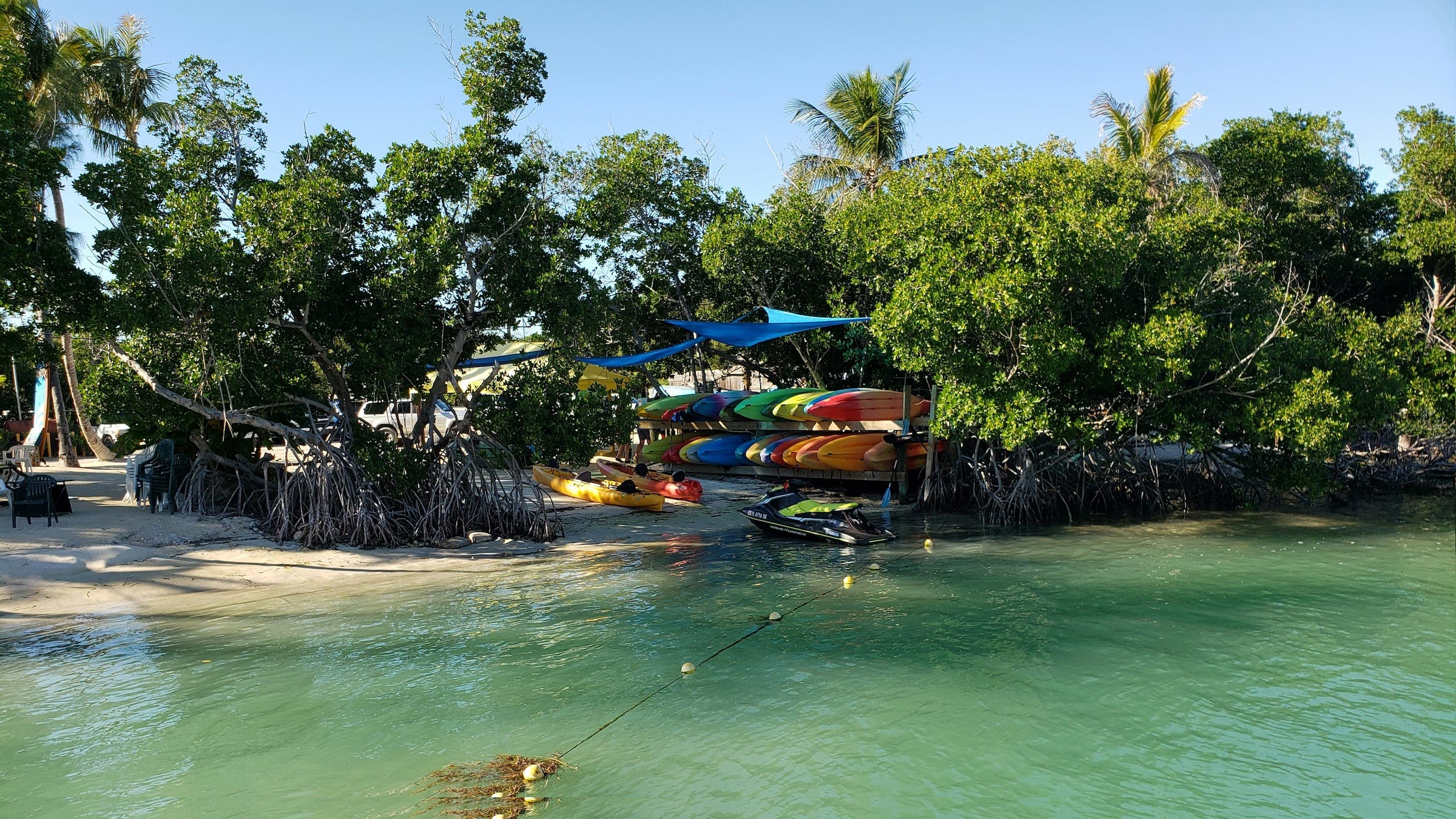
Reliable sunshine is among the many allures of paradisiacal Key West. The southernmost city offers around 260 days of shining skies each year, not to mention average temperatures in the 80s and 90s degrees Fahrenheit. Revel in the rare winter sunshine by scuba diving, cycling, or celebrating the setting orange orb on Mallory Square.
10. Albuquerque, New Mexico
Average hours of annual sunshine: 3,420
Arid, high-desert Albuquerque gets up to 310 days of sun per year. A web of over 400 miles of urban bike trails helps visitors take it in. Hit the 16-mile Paseo del Bosque Trail for a cottonwood-lined jaunt along the Rio Grande, or take a ride in the Sandia Mountain foothills. For the ultimate sunlit view, take the tram up to 10,378-foot Sandia Peak.
ADVERTISEMENT
9. Flagstaff, Arizona
Average hours of annual sunshine: 3,475
There’s a reason astronomers chose Flagstaff for one of the industry’s most important facilities, Lowell Observatory. The high-altitude city boasts hundreds of sunny days per year, and roughly as many clear, cloud-free nights. Optimize Flagstaff’s plentiful daylight with skiing at the Arizona Snowbowl or hiking in Coconino National Forest’s Walnut Canyon National Monument. After dark, spy on space with one of the Lowell Observatory’s many public telescopes.
8. Red Bluff, California
Average hours of annual sunshine: 3,542
For California adventures, the coordinates don’t get much better than Red Bluff, an exceptionally sunny escape squished between four national forests—Trinity, Mendocino, Plumas, and Lassen—plus Lassen Volcanic National Park. While there’s plenty to keep you busy, squeeze in a Vitamin D-packed paddle on seven-mile Black Butte Lake while you’re here.
ADVERTISEMENT
7. Fresno, California
Average hours of annual sunshine: 3,564
On average, Fresno enjoys some 280 days of sun basking. It’s also the perfect basecamp for many of California’s beloved nature escapes. Sierra National Forest, Sequoia and Kings Canyon National Parks, and Yosemite National Park are all within 100 miles. The Millerton Lake-view Pincushion Mountain Trail is within 30 miles of town, too.
6. Sacramento, California
Average hours of annual sunshine: 3,607
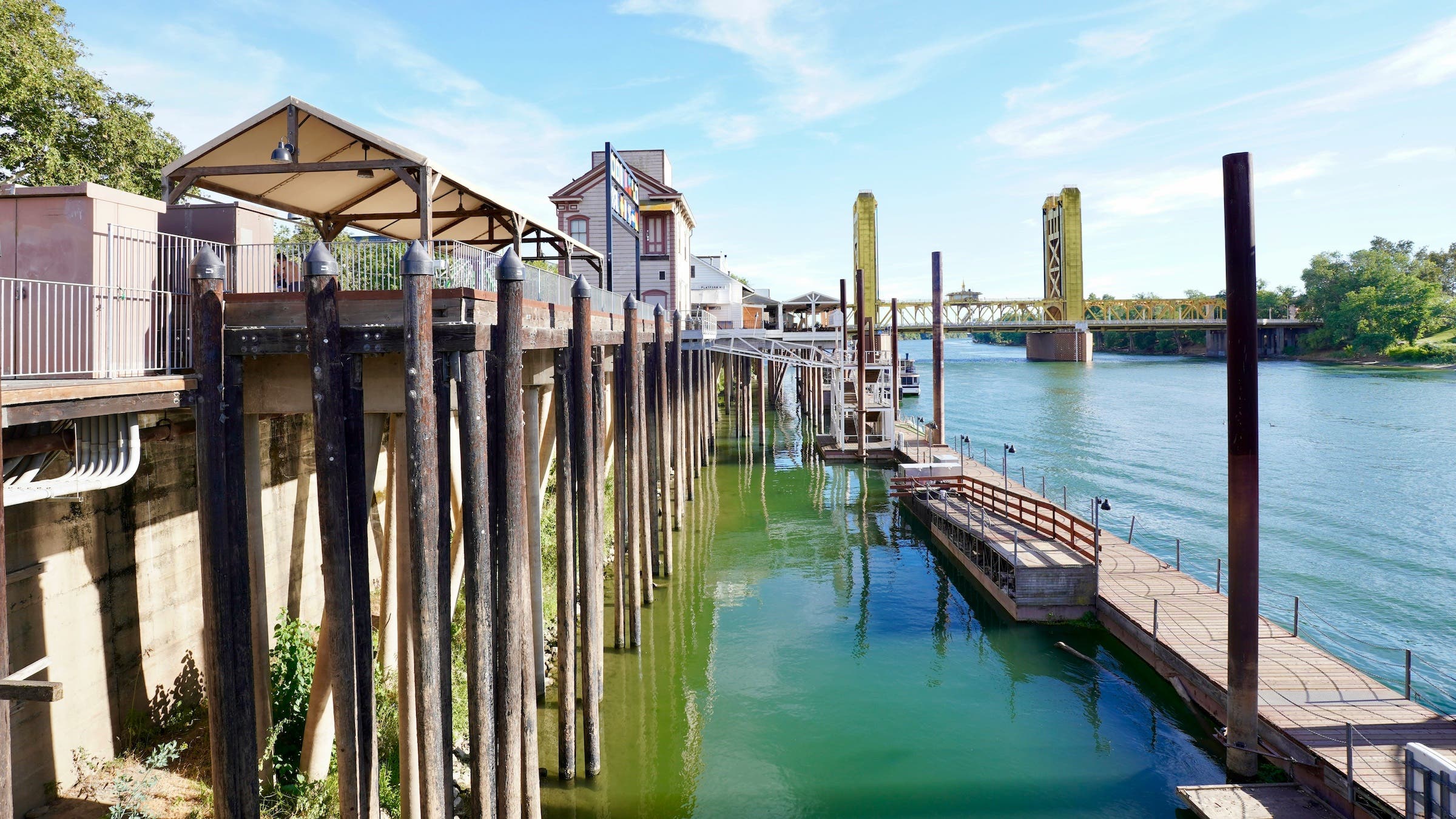
California gets its fair share of bright skies, especially in Sacramento. The Central Valley city basks in around 265 days of sunshine. Make the most of the climate with whitewater rafting on the American River, or pair Vitamin D with a dose of fresh fare. The agriculturally rich city and neighboring Yolo County are considered the farm-to-fork capital of the U.S.
ADVERTISEMENT
5. Reno, Nevada
Average hours of annual sunshine: 3,645
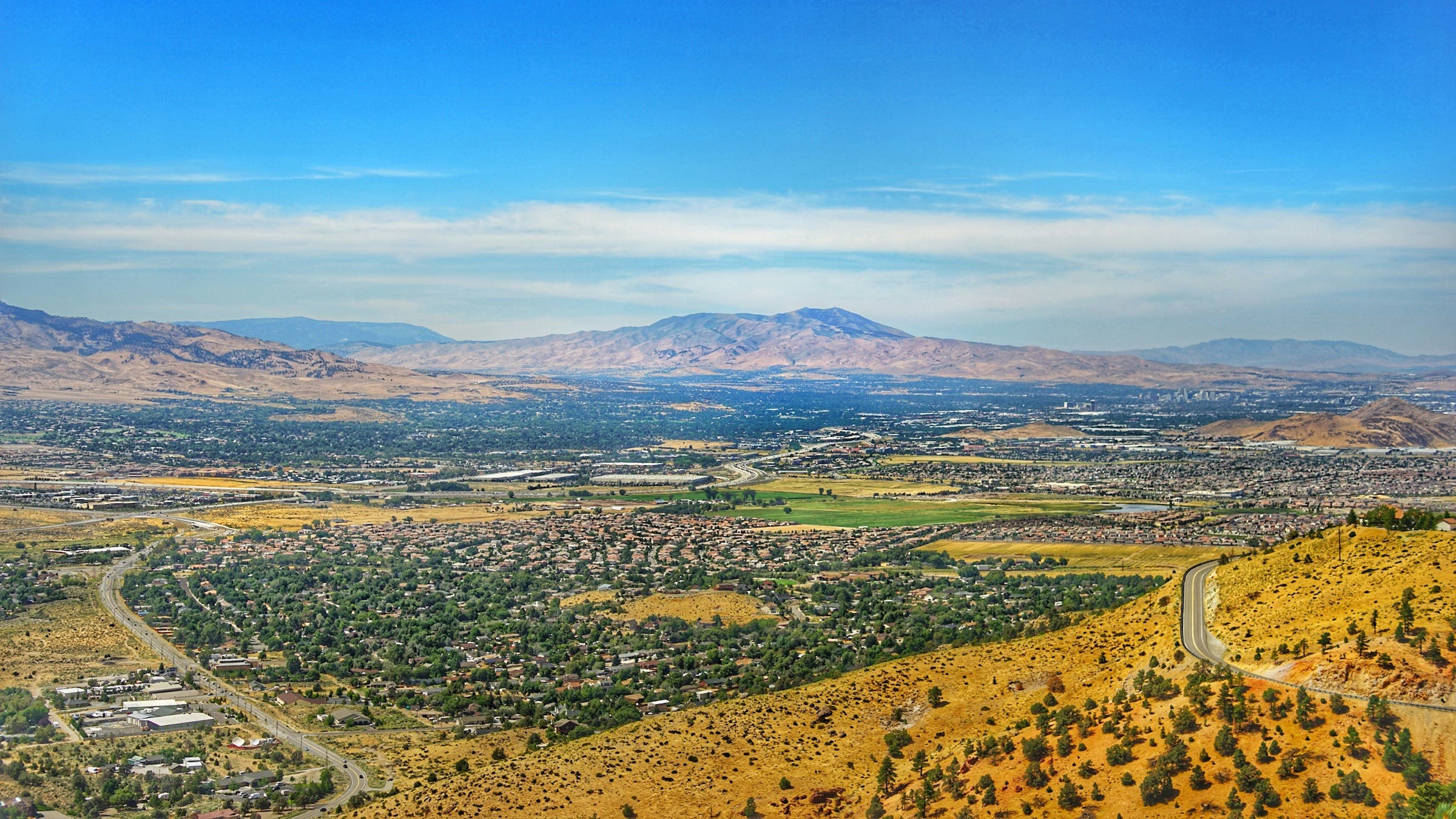
Northern Nevada’s largest city is also its sunniest. Reno residents enjoy nearly 300 days of bright rays each year. The downtown Riverwalk, which recently underwent a $9 million facelift, provides a scenic helping of Vitamin D. This Lake Tahoe gateway is also an exceptional spot for winter sports, with over 12 ski resorts within an hour’s drive.
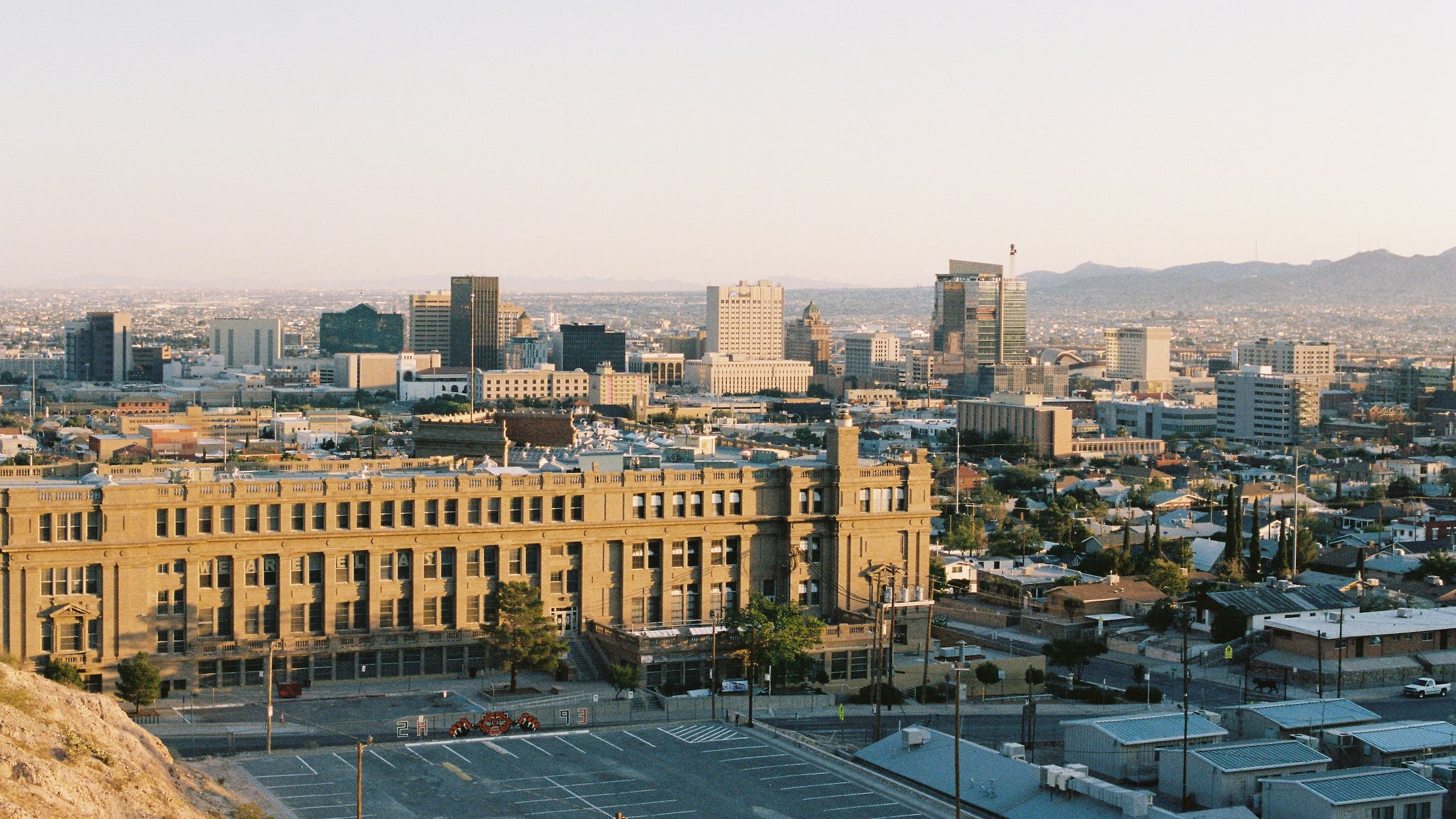
4. El Paso, Texas
Average hours of annual sunshine: 3,762
Texas is another unbeatable state for sunny skies, especially down south. El Paso, tucked along the U.S.-Mexico border, logs almost 300 days of the warm glow per year, with a host of venues to relish it. Head to Franklin Mountains State Park, among the largest urban wilderness areas in the U.S., for hiking, biking, or climbing. Or join a guided Rio Grande paddling trip to gawk at the raw Chihuahuan Desert backdrop.
ADVERTISEMENT
3. Tucson, Arizona
Average hours of annual sunshine: 3,806
In case the Grand Canyon State’s sunshine potential isn’t clear, here’s an Arizona spot rich with rays: Tucson. The southern border city welcomes up to 350 days of sunshine per year. Enjoy a winter reprieve with a hike in Saguaro National Park or go horseback riding at a guest ranch. Sunny skies by day often bring clear nightscapes after dark, so soak up the starry splendor on the Tucson Astro Trail, which links 12 area observatories and dark-sky parks.
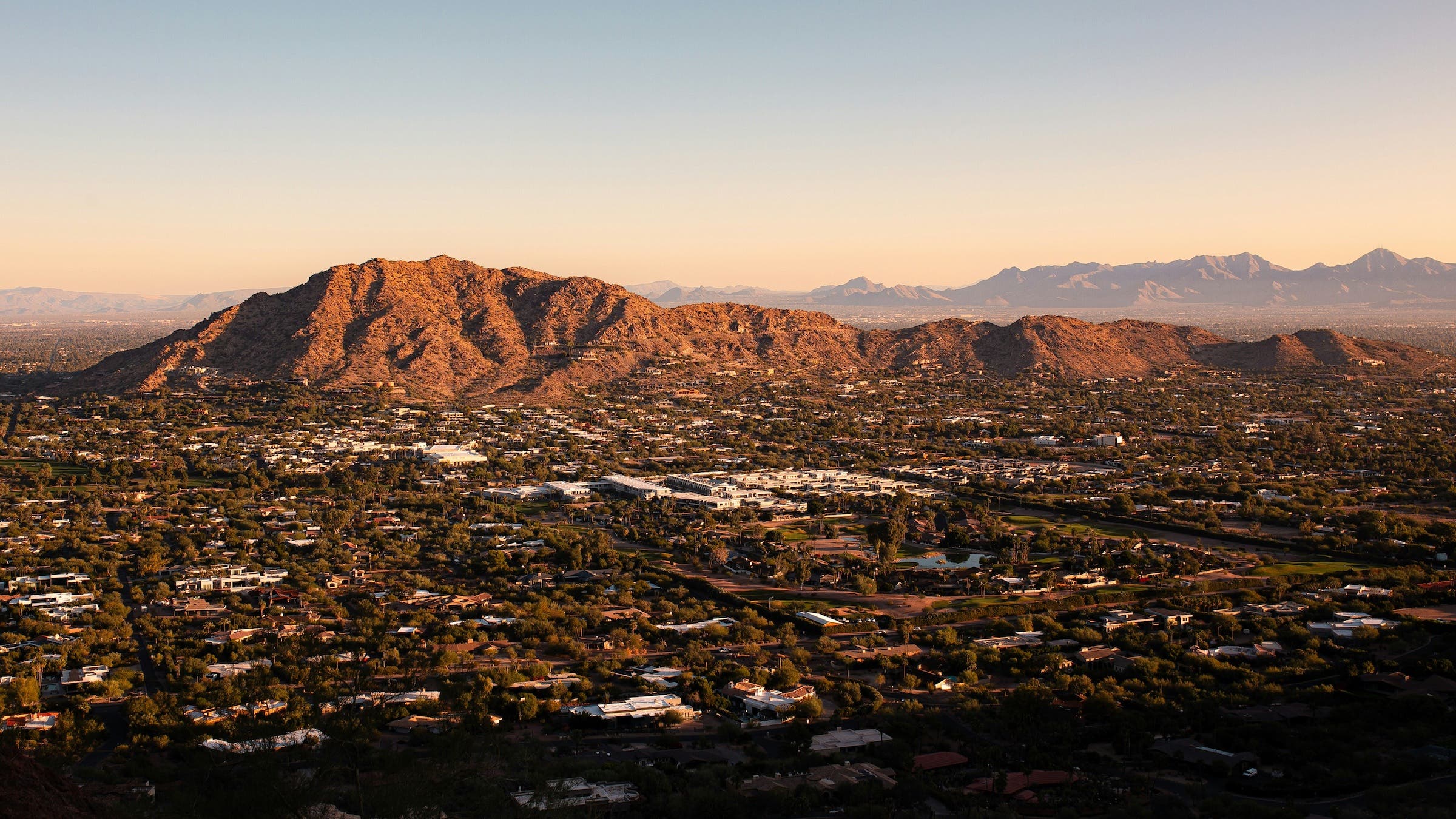
2. Phoenix, Arizona
Average hours of annual sunshine: 3,871
Sunshine abounds in Phoenix, an easily reachable destination with serious Vitamin D. The Sonoran Desert city draws sun-seekers outside all year with treks up Camelback Mountain and hundreds of miles of biking and cycling trails nearby. Options for canyoneering and climbing are plentiful in the Greater Phoenix area, too.
ADVERTISEMENT
1. Yuma, Arizona
Average hours of annual sunshine: 4,015
The sprawling desert town of Yuma isn’t just sun-dappled; according to Guinness World Records, this southwest Arizona escape is the sunniest city on Earth. It sees bright skies up to 91 percent of the year, with a host of ways to soak up the glow. Try canoeing the Colorado River, ATV riding on the Imperial Sand Dunes, or sample fresh produce because Yuma delights with plentiful agritourism, too.
