Published March 13, 2026 09:00AM
Sponsor Content: Ford Bronco
Why Ford Donated a Bronco® SUV to This First-Response Team
When this California fire department got called on for backcountry rescues, just reaching those in need was a challenge. Until now.
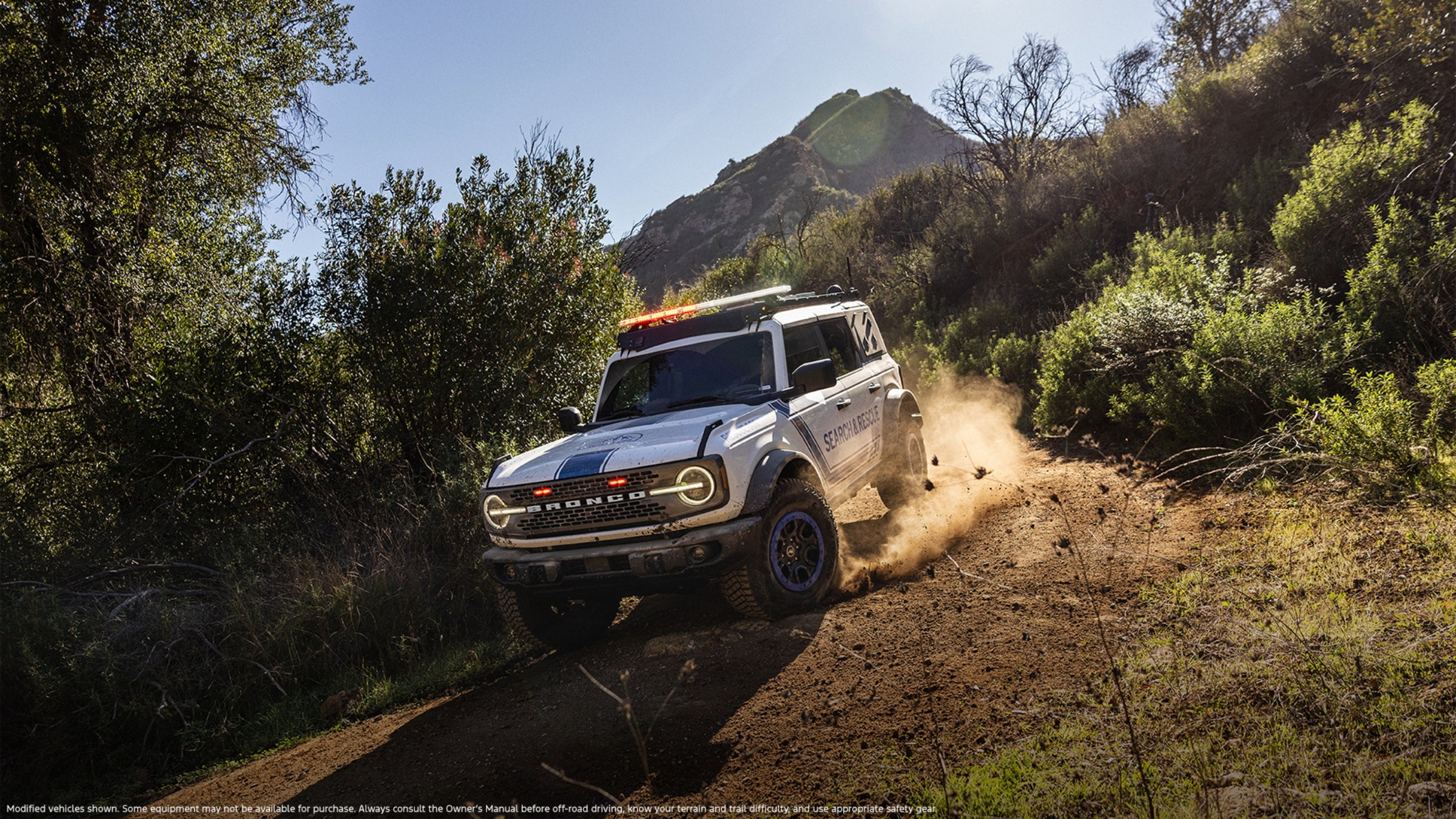
A Ford Bronco® SAR vehicle. (Photo: Ford)
If you think being a firefighter is all about battling flames, think again. In many communities, the local fire department also responds to nearly all emergencies—everything from urban medical crises to backcountry accidents. The challenge? Most departments have only unwieldy fire engines and heavy trucks, which can hamstring their ability to reach remote accident sites.
No one is more familiar with this problem than the firefighters of Kern County, California. Wedged between the sun-seared deserts of Death Valley and the dense old growth of Sequoia National Forest, Kern County encompasses more than 8,000 square miles—and some of California’s most extreme terrain. These rolling hills and plunging valleys attract all kinds of recreationists. Overlanders and horseback riders wander the endless dirt roads. Backpackers pitch tents along the Pacific Crest Trail, and peakbaggers target the county’s nearly 200 mountain summits.
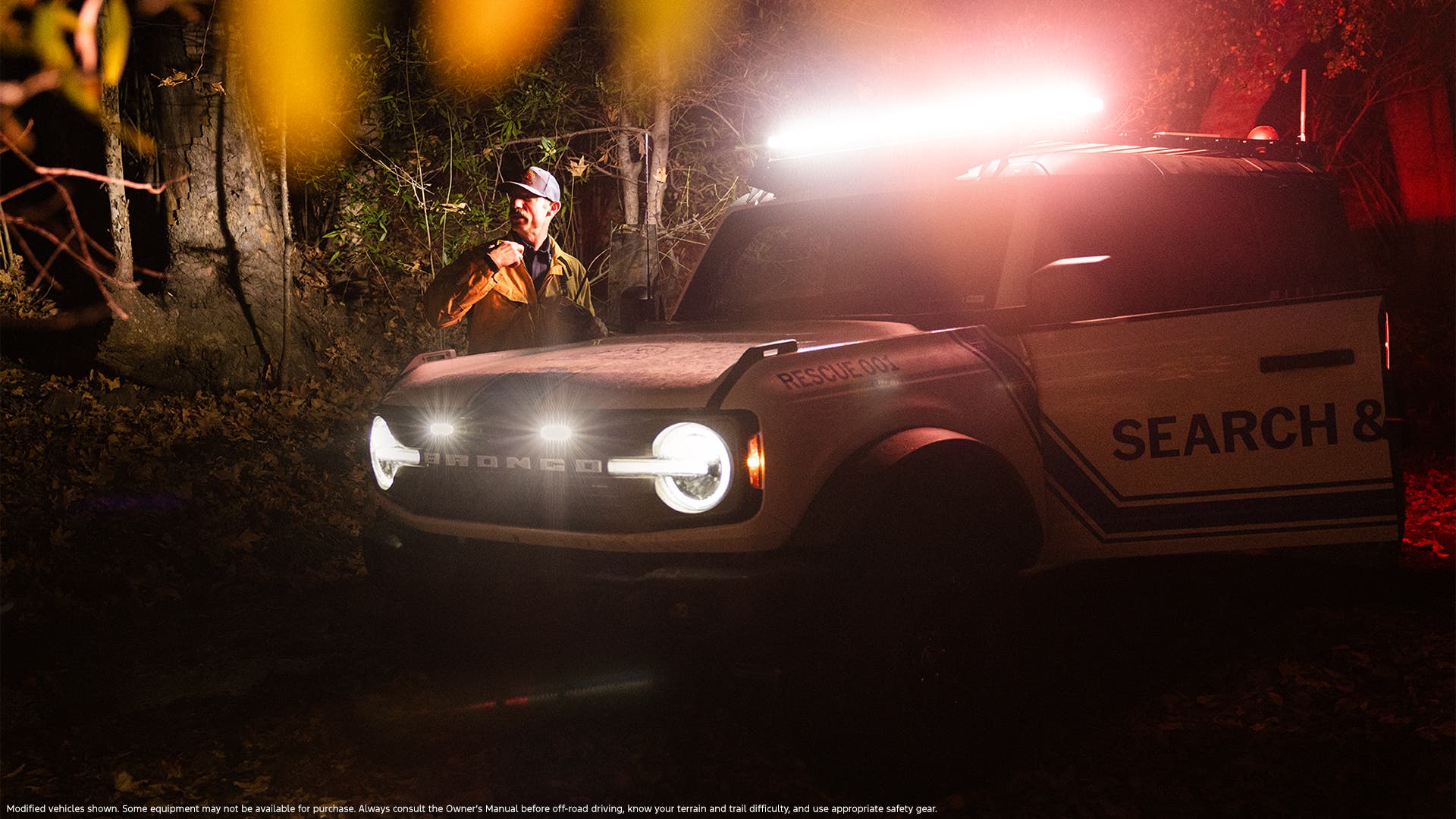
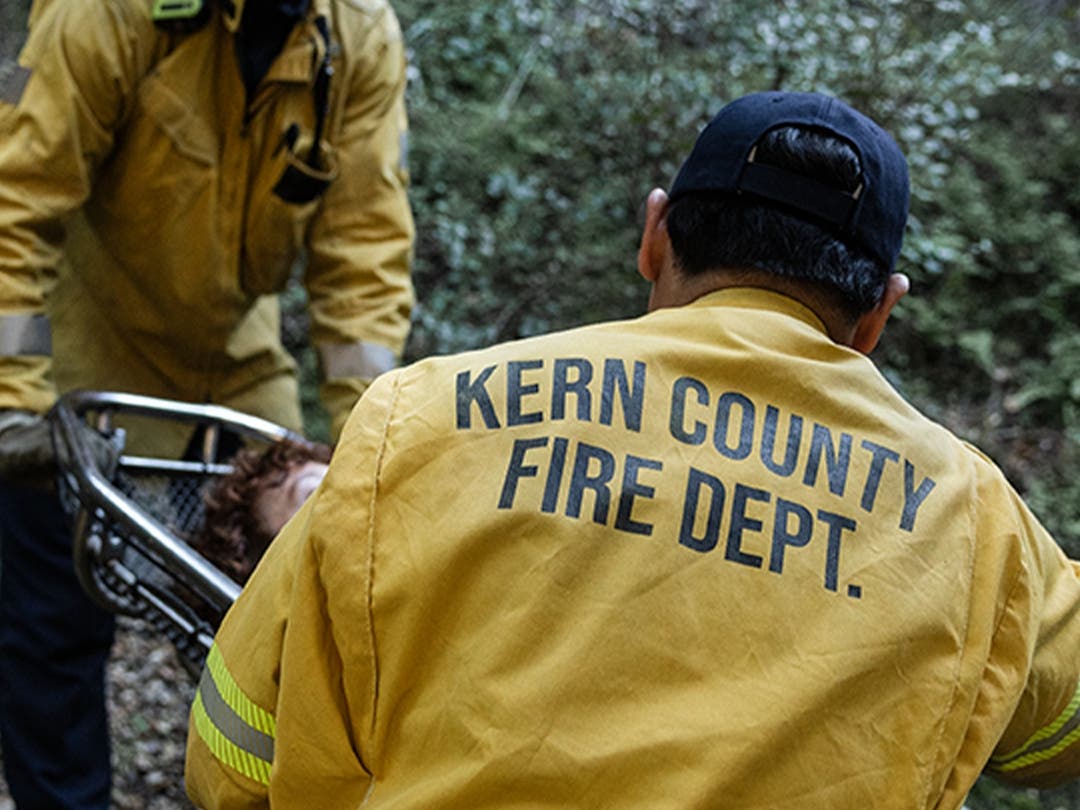
As in many adventure epicenters nationwide, the number of people enjoying this outdoor paradise—and hence the number of people experiencing backcountry accidents here—is increasing. So who’s in charge of responding when things go wrong? Enter the Kern County Fire Department (KCFD). Headquartered in Bakersfield, KCFD manages 48 individual fire stations strategically placed throughout the county—and responds to a stunning variety of crises every year.
“We are an all-hazard fire department,” explains fire captain and public information officer Andrew Freeborn. “This is an agency that does everything, and we do it in cities, forests, mountains, lakes, rivers, and deserts.” After 13 years with KCFD, he’s pretty much seen it all.
The Missing Piece in the KCFD Fleet
Some of KCFD’s missions take place in incredibly remote areas with zero cell service. That makes their choice of vehicle absolutely critical.
In the past, this choice hasn’t always been clear. Traditional firefighting vehicles are cumbersome and difficult to turn. Meanwhile, smaller vehicles rarely have the clearance or power to get deep into the backcountry. That leaves rescuers in a bind: Drive a less-capable vehicle to the site, or risk getting a larger engine stuck.
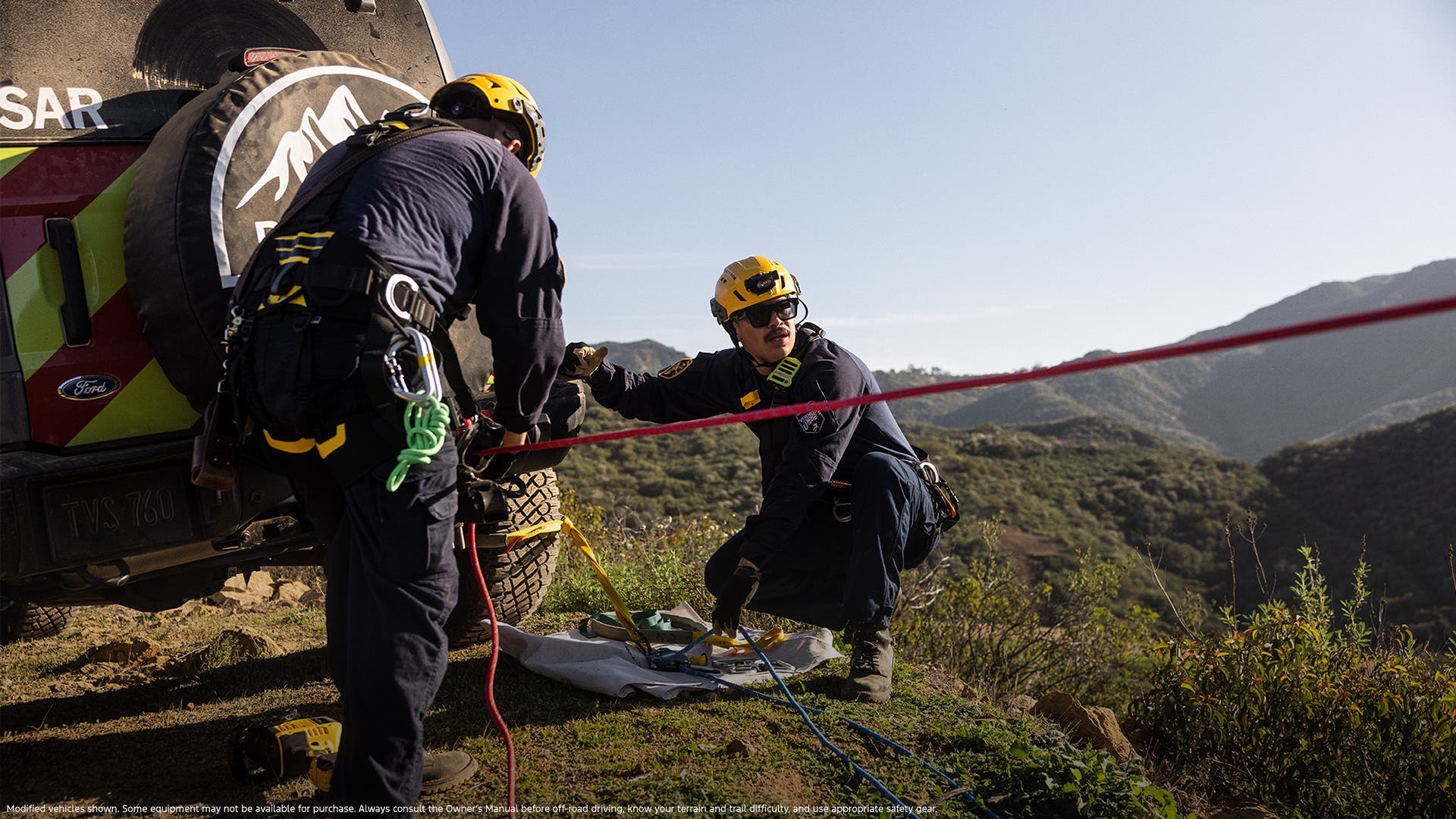
KCFD firefighters struggled with the compromises. Then, in 2025, Ford launched a new grant program—Answer the Call—to donate Bronco® SUVs to search and rescue organizations in need.
The automaker started scouring the country for hardworking rescue organizations. KCFD was grateful to be selected; its firefighters knew a Bronco® would be the perfect solution. Last July, the department received a brand-new vehicle, complete with a custom storage system and off-roading equipment to fit their exact needs.
“When you look at the Ford Bronco®, a big thing for us is that it’s very nimble,” Freeborn says. “It has a good turning radius, off-roading capability, and multiple terrain modes.”
Test-Driving the Rescue Bronco® SUV
Firefighters immediately put the new Bronco® to use—and they were blown away.
“A good example is a recent training mission we had,” Freeborn says. It had been raining for two days, and the network of backcountry roads around Bakersfield had turned into a treacherous mud pit.
“We have really nasty mud around here—slick, slippery, and sticky,” Freeborn says. Add to that steep slopes, off-camber grading, and deep ditching along the shoulders, and you’ve got a situation that would unnerve even the most experienced off-road drivers.
In other words, it was the perfect setting for a training mission.
“In the fire service, you never stop training,” Freeborn says. “We train every single day, and we try to take on the worst scenarios we can find so we’re prepared for true emergencies.”
Normally, the result is a grueling day filled with endless problem-solving and just the right amount of misery. But in this case, the training mission went off without a hitch.
“The Bronco® has sway bar disconnects, lockers, and all these other features that make it extremely capable,” Freeborn says. “We were able to traverse these rutted-out, sticky, muddy roadways that our other vehicles would not have been able to navigate.”*
The Future of Search and Rescue
The officers were thrilled. If the Bronco® could swiftly deliver first responders to the scene through thick mud, what couldn’t it do? Kern County trails feature everything from loose desert sand to high-altitude forest. Deadfall, deep creek crossings, and boulders often block the way. With the Bronco®, it suddenly seemed like nothing could stand between them and a patient in need.
So far, the partnership between Ford and KCFD has felt like a dream come true, Freeborn says. It’s proof that national and international companies are finally taking serious notice of search and rescue groups. These teams put everything on the line to help accident victims. And while KCFD is composed of paid employees, many rescue teams are entirely volunteer. That makes the new Answer the Call program a life-changing resource for the teams that will benefit from it in the coming years.
Just like the Kern County Fire Department. “You’ll see it on wildfire scenes. You’ll see it on river rescues. You’ll see it in the desert,” Freeborn says. “Now that we have it, we’re just going to keep finding more and more ways to use it—and keep making our emergency response even stronger.”
*Driver-assist features are supplemental and do not replace the driver’s attention, judgment, and need to control the vehicle. They do not make your vehicle autonomous or replace your responsibility to drive safely. Please only use if you will pay attention to the road and be prepared to take over at any time. See Owner’s Manual for details and limitations.
Always consult the Owner’s Manual before off-road driving, know your terrain and trail difficulty, and use appropriate safety gear. Learn more at ford.com.
