

Alex Hutchinson is a National Magazine Award-winning journalist and Outside’s Sweat Science columnist, covering the latest research on endurance and outdoor sports.
His most recent book is the New York Times bestseller Endure: Mind, Body, and the Curiously Elastic Limits of Human Performance. Before becoming a journalist, he completed a PhD in physics at the University of Cambridge and worked as a researcher in the National Security Agency’s Quantum Computing group. He also competed for the Canadian national team in track, cross-country, road, and mountain running. He lives (and runs) in Toronto.
Published
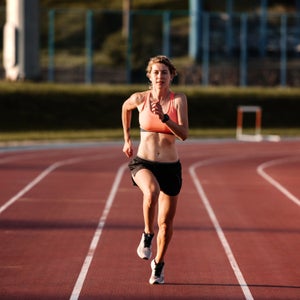
Moving from long to short efforts during a workout maximizes the training stimulus
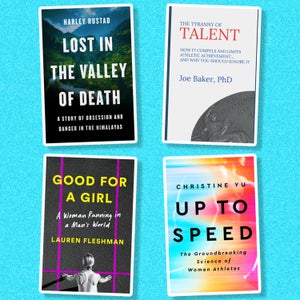
A selection of recent titles to keep you warm by the fire
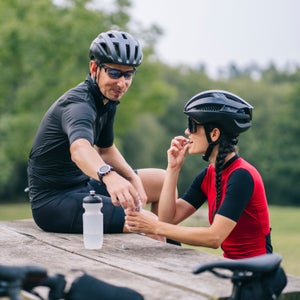
The downside of veggies, the upside of emptying your colon, and more
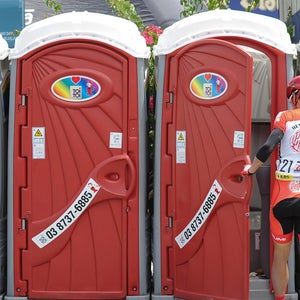
New research finds that, all else being equal, runners don’t have more gastrointestinal problems than cyclists
Research explores the differences between active and inactive twins, and why such pairs are so rare
Replacing lost salt is a pillar of sports nutrition, but new research suggests more isn’t always better
Researchers in Japan try to figure out which miles matter most for long-distance runners
Elite running coaches weigh in on what it means to be talented and how they predict who will run fastest

A pair of experiments find that mice choose to run less after taking antibiotics, even though their endurance is unchanged

New data shows that, unlike a car, you can’t perform well with a half-full fuel tank
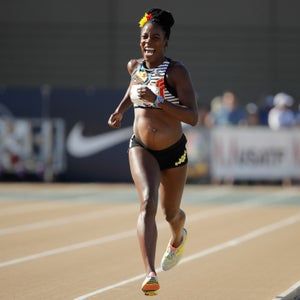
New data outlines how much they run, how long it takes to resume training after giving birth, and how well they return to competition
The unending search for a competitive edge in sports has a cost. It’s called the Red Queen effect.
Runners make bigger improvements following a flexible workout schedule rather than sticking with a predetermined one
A new twist in the old debate about caffeine's performance-enhancing powers suggests it helps maintain oxygen levels in the blood
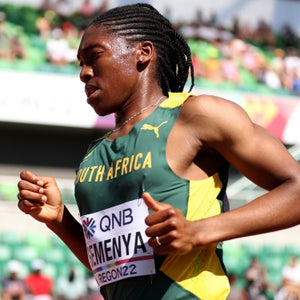
Women are said to be 10 to 12 percent slower than men across distances, but a new analysis finds narrower gaps for sprinters

There’s encouraging new evidence on artery stiffening and the risks of too much exercise
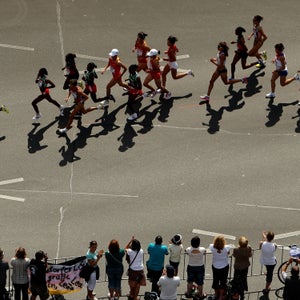
A new study aims to resolve long-standing debates about how much drafting helps runners, and finds that even back-of-the-packers save meaningful time

Mounting evidence suggests that women respond differently to endurance training after menopause. Could donating blood be the solution?

A deep dive into the sports science literature shows why you should be wary of results that seem too good to be true

A small Minnesota company believes it has developed the future of fitness tech. Now it has to teach the rest of us how to use it.

Here’s what the science says about making it to the top as quickly and efficiently as possible
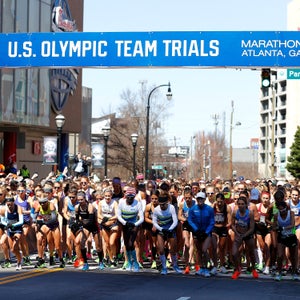
A new study assesses how childbirth altered the career trajectories of the fastest marathoners in history, with encouraging results

New research explores whether the performance-boosting effects of positive self-talk can be attributed to more than just the absence of negativity

Ten great reads for the beach (between workouts) or the airport (between flight delays)
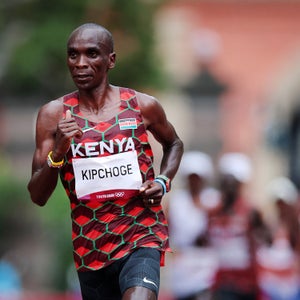
A team of Canadian Olympic sports psychologists tries to nail down the intangible “it”
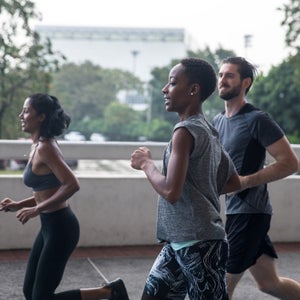
A new study compares active and passive interval recoveries, but physiology isn’t the only factor to consider
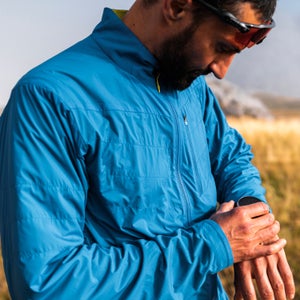
The algorithms used to estimate your training load have some fundamental flaws, scientists say

Most people run the same pace regardless of how far they’re running, according to new research

How well you can see your surroundings matters, but subtle gait changes also burn more energy
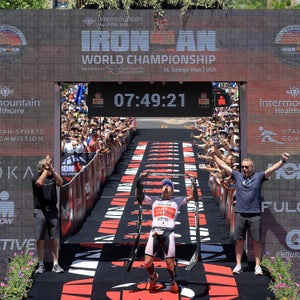
Like the two-hour marathon chase, next month’s assault on the seven- and eight-hour Ironman barriers will require some rule-bending
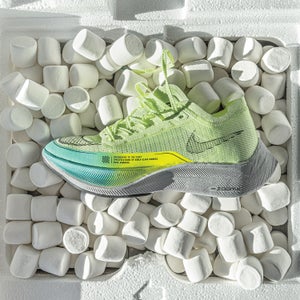
Runners smack the ground harder—but get injured less—in more cushioned shoes. New research explains why.
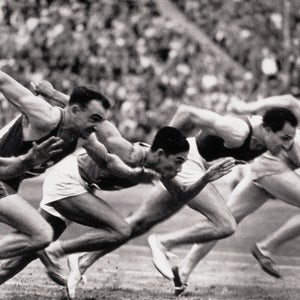
Scientists studying mice found that their competitive efforts depended on their social ranking rather than their strength or speed
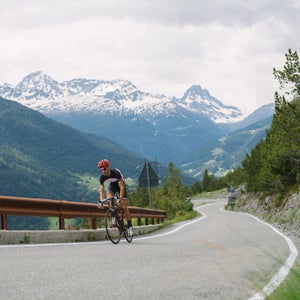
An analysis of power data from pro cyclists quantifies the effects of hot and cold air temperatures on performance

You can’t run fast without using your arms—or can you?

Despite years of research, the athletic potential of Montmorency cherries isn’t as sweet as it sounds
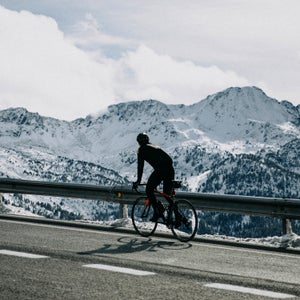
An analysis of pro cycling data finds that altitude-born South American riders race better at high altitudes than their lowland-born rivals
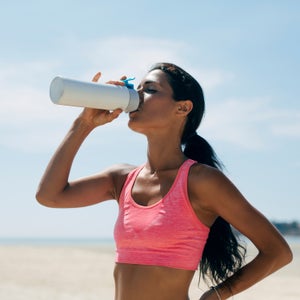
The oral health risks associated with heavy sports-drink use seem clear, but the evidence remains murky
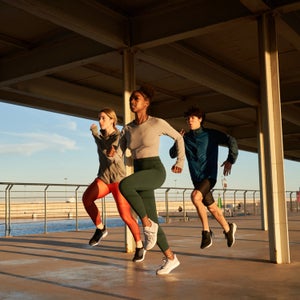
New findings suggest that results from large training studies can’t be generalized to individuals

A new study of identical twins shows that, despite their reputation as inert rubber bands, Achilles tendons adapt to exercise
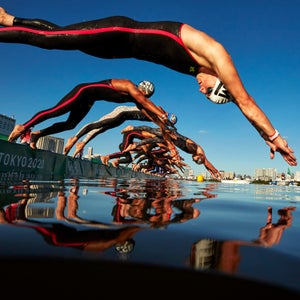
New research explores how physical and mental factors affect how athletes raise their game when it counts
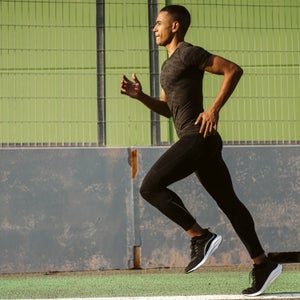
A popular training rule for endurance athletes faces scrutiny from skeptical scientists
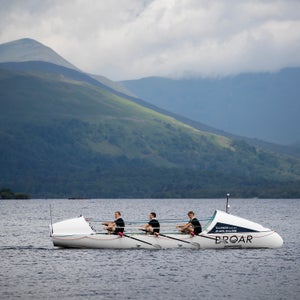
A new study gathers insights from 71 trans-ocean rowers who (mostly) made it to the other side

A new study grapples with a familiar question: How much of athletic success is physical, and how much is mental?
We tend to assume that a nice-looking stride is a fast one, but maybe looking good is its own reward
Scientists have figured out how to make simple exoskeletons that improve running efficiency. Should track and field authorities be worried?
Different workout styles can get you equally fit, but they affect your body differently—which suggests that you should mix it up

A new way of classifying athletes aims to quantify the thresholds that distinguish recreational athletes from their trained, highly trained, and elite brethren
Our Sweat Science columnist spent two months measuring his blood sugar around the clock. Here’s what he found.

The latest “exercise in a bottle” study finds that plasma from exercising mice makes sedentary mice smarter. But don’t throw out your workout gear just yet.

Over the past decade, research into compression sportswear has exploded. Here’s what the results reveal.
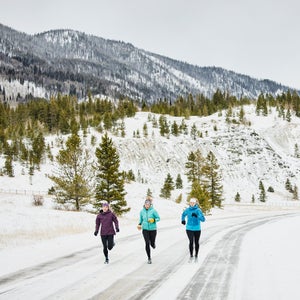
It’s time to break out the merino base layers and the heat-exchange breathing masks

A selection of (mostly) new titles for fans of science, endurance, fitness, and adventure
The genes that make some people vulnerable to a fatal heart stoppage may be the same ones that give them an athletic edge, researchers suggest
Sports medicine physicians are rethinking the relationship between damage to your body and how it feels

As skimo prepares for its Olympic debut in 2026, sports scientists explore the sport’s demands
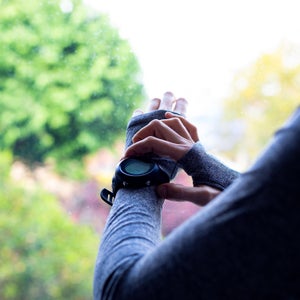
Your GPS watch and other gadgets are great at describing training, but prescribing it is a harder challenge
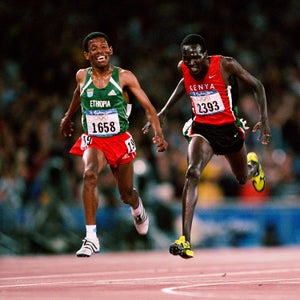
A mathematical model explains how endurance and speed come together to determine who will win a last-lap sprint

A new study quantifies the effects of running on technical terrain
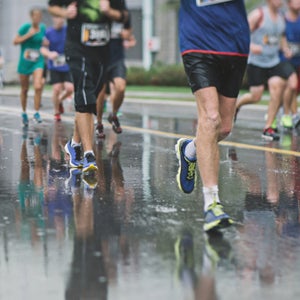
A new study uses machine learning to quantify the effects of temperature, humidity, heat, and sun

Scientists take their equations for the energy demand of hills and rough terrain out into the real world
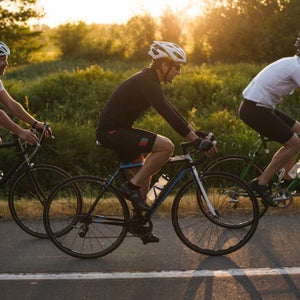
The link between serious cycling and poor bone health is well established, but researchers are still debating what to do about it
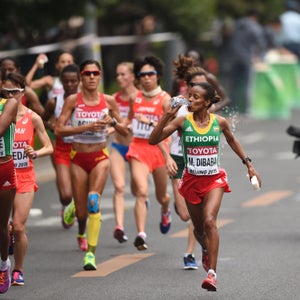
The physiological differences between men and women affect how much fluid they store, how they sweat, and how quickly they heat up. Does that matter?
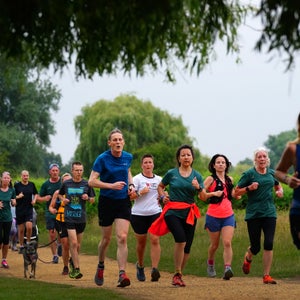
Yes, people sometimes die while running. No, that doesn’t mean running is “dangerous.”

A new study investigates how different types of physical performance are affected by the time of day

The case of 24-year-old Daniel Granberg, who died of high-altitude pulmonary edema earlier this month, highlights the danger of altitudes well below the Himalayan “death zone”
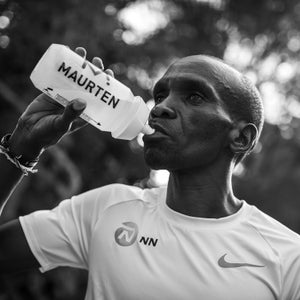
A new study suggests that hydrogels enable you to down more carbs with less digestive distress, and race faster as a result.

A new app called NatureQuant harnesses the latest research to track and rate your time outside. Next up: determining how much you need.

A new study measures the physical and cognitive load of four different treading techniques. The key? Generate lift.
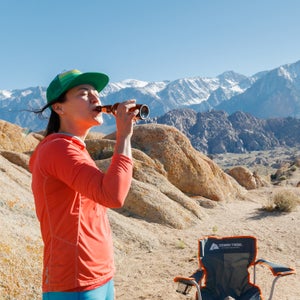
Regular exercisers drink more, a new study confirms, but are less likely to be problem drinkers
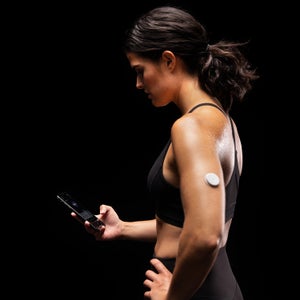
Supersapiens’s new continuous glucose monitor promises to help athletes manage their energy levels. But can it really stave off a bonk?
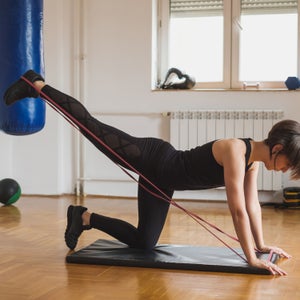
A long-running gym debate about whether to train each limb separately comes to the cycling world

A new study of Western States ultrarunners illustrates the power of looking beyond simple risk factors to predict injury
Scientists have been debating whether muscles contract more slowly as you age, but new data suggests the real problem is a loss of strength

After years of debate on the dangers of “too much exercise,” researchers sum up the state of current knowledge
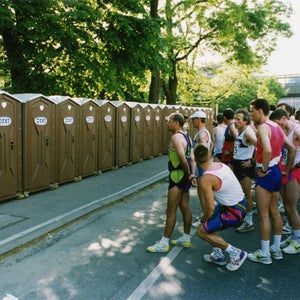
Exercise and digestion often don’t mix well, but scientists are on the case
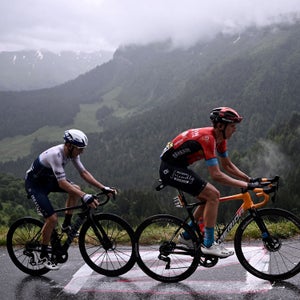
Israel Start-Up Nation’s physiologist Paulo Saldhana explains the data—and the feelings—that determine who attacks when in a cycling race

It’s the simplest and cheapest performance booster available, so why don’t elite athletes take advantage of it?
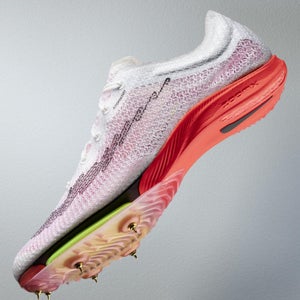
Five years after the Vaporfly upended marathon running, track shoes are set to star in Tokyo
New research fine-tunes the details of heat adaptation
A new study shows measurable gains in strength from a purely imaginary training program