Updated February 24, 2026 11:21AM
I Rewatched the First Season of 'Survivor.' Here’s What You Won’t See When Season 50 Premieres.
Our "Survivor"-obsessed editor re-watched the first season ahead of the Season 50 premiere. She noticed the one element all but abandoned in modern seasons.
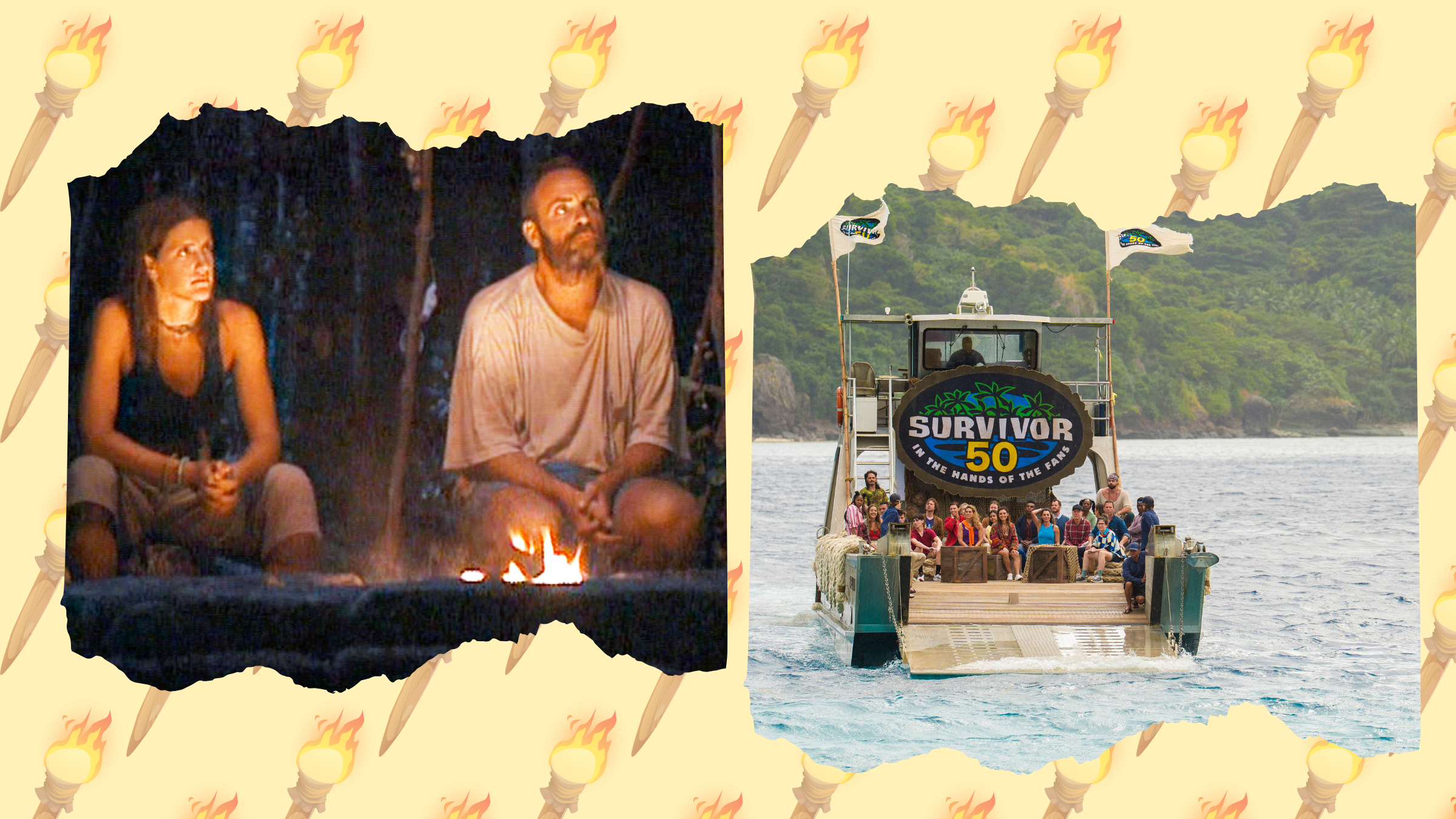
(Photo: CBS ©2025 CBS Broadcasting, Inc. / Canva)
“You are witnessing 16 Americans begin an adventure that will forever change their lives,” a khaki-clad man recites on the deck of a barge. “They’ve been given two minutes to salvage whatever they can off this boat.” Chaos ensues. People hurl wooden crates overboard, tumble off rafts, and frantically don life jackets—sometimes all at once. Survivor has officially begun.
In the 26 years since Survivor premiered, contestants (or “castaways”) have set up camp everywhere from Borneo to Brazil, China to the Cook Islands. They’ve been split into tribes based on age, sex, profession, and—notoriously—race.
I was only ten when Jeff Probst first uttered the words, “The tribe has spoken,” but I’ve since made Survivor part of my personality. I’ve played in multiple fantasy leagues and hosted a Survivor-themed bachelorette party, complete with hidden immunity idols, final Tribal Council, and voting confessionals. I can rattle off my personal Mount Rushmore of castaways (Christian, Coach, Wentworth, and Parvarti), and I have a TED Talk ready to deploy at a moment’s notice on why the Australian version of the show is superior to the American.
But while soaking in the hype preceding Season 50, premiering February 25, I realized I’d never gone back to the beginning. Armed with a Paramount+ login and an empty weekend, I binged the inaugural fourteen episodes of Season 1. Immediately, I noticed the one element all but abandoned in modern seasons: actual survival.
ADVERTISEMENT
In Season 1, Survivor Was Synonymous with Survival
From the first moments of season one, episode one, Survivor sells a fantasy: that these castaways are truly marooned with nothing but the clothes on their backs and the meager supplies salvaged from a shipwrecked barge.
I sat on my couch, rapt, watching as tribes argued over survival priorities. Should they exhaust themselves by making fire or building a shelter? Should they camp on the beach or under the jungle canopy? Are they hungry enough by Day 3 to catch and roast rats? (The answer, famously, was yes.) Even in fuzzy definition, the drama was gripping, and the stakes felt real.
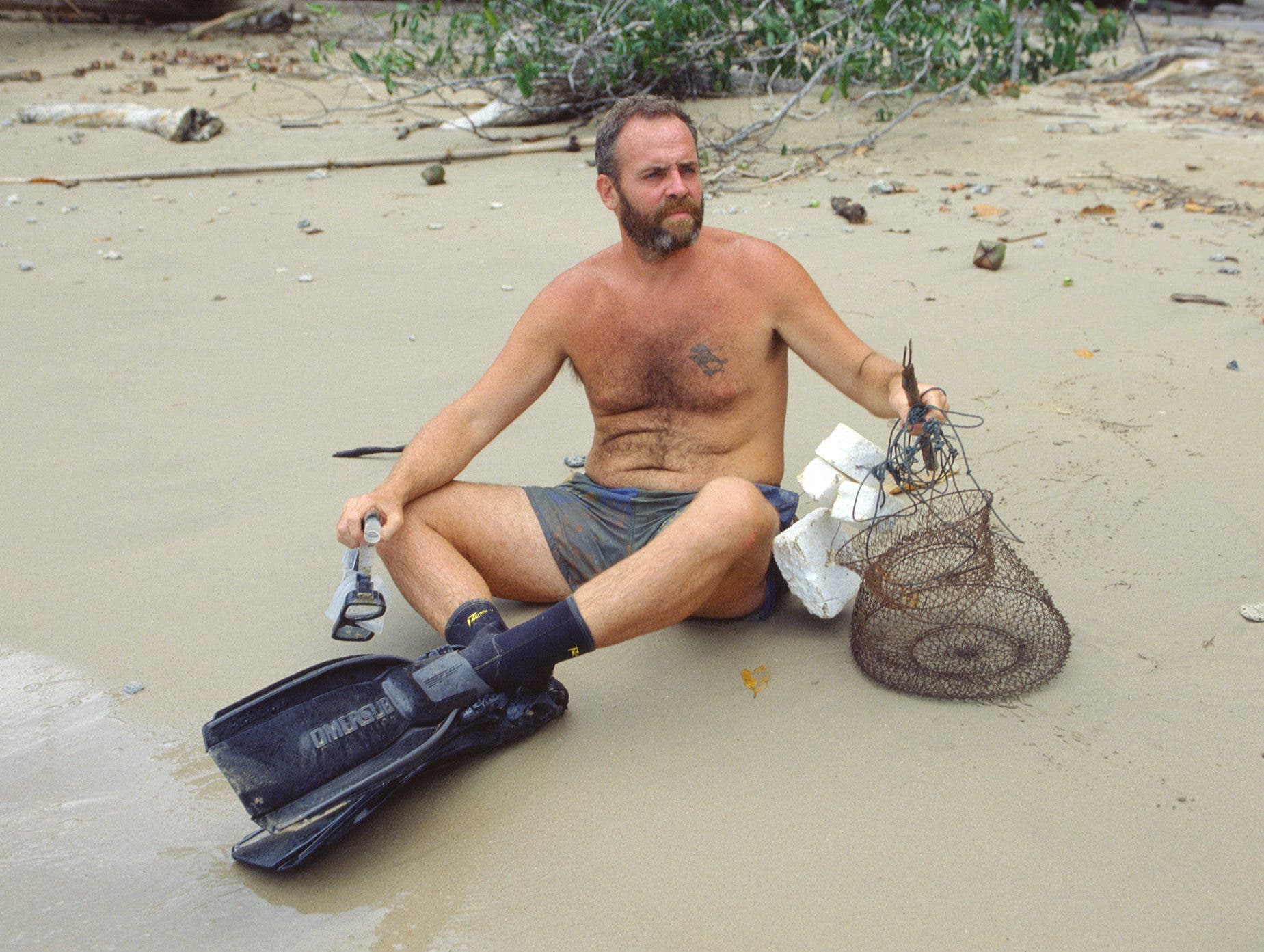
The original challenges even mimicked survival scenarios. Castaways had to build giant SOS signs, rescue a tribemate from a tree, and scavenge abandoned barracks at night. Cheesy? Sure. But the show was called Survivor, after all.
ADVERTISEMENT
Nature Was the Ultimate Villain
Once Sue Hawk delivered her iconic “snakes and rats” speech and Richard Hatch was crowned the winner, production moved to the Australian Outback for Season 2, followed by stints in Kenya, French Polynesia, Thailand, and Panama. The settings and climates shifted, but survival remained a main character.
No matter where castaways were marooned, early episodes followed a predictable, grueling pattern: Build shelter. Make fire. Find a water source—and sanitize it, if necessary. Above all else, avoid the stupid mistakes that lead to injury, illness, and evacuation from the game.
ADVERTISEMENT
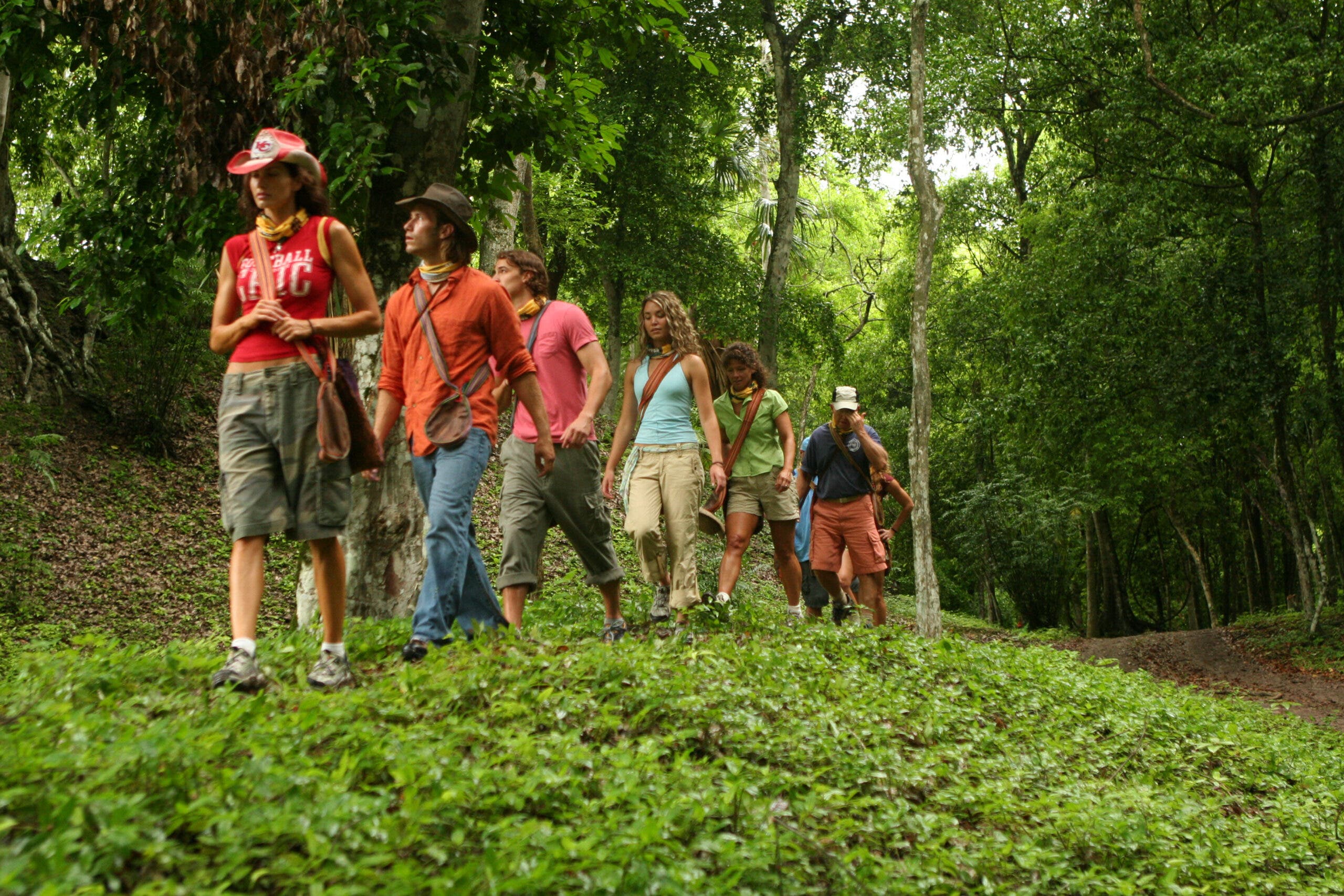
In fact, survival became even more essential as castaways were stranded in increasingly remote locations, rife with dangerous wildlife and harsh conditions. On Day 32 of Season 2, a flash flood washed away an entire camp in the Australian Outback. In Season 3, set in Kenya’s Shaba National Reserve, visibly terrified castaways took overnight shifts to watch for the lions stalking their camp’s perimeter. And in Season 11, before the game even started, castaways hiked 11 miles through the Guatemalan jungle—a 24-hour trek in 100-degree heat that resulted in one collapse, one biceps tear, one vomiting spell, and one puncture wound from a poisonous tree barb.
From Bushcraft to Gamebots
The game of Survivor has evolved over 26 years—it had to; in the face of a global pandemic and new production demands for smaller budgets and consistent filming locations. (Hilariously, Survivor now shares space with the bougie contestants on Love Island. The two sets are close enough that castaways can overhear what’s going on at the villa.)
But the shift away from survival isn’t just a cost-cutting measure. It’s an intentional production choice to prioritize good TV. Starving tribes are often too foggy to make any game-changing decisions or too lethargic to hunt for hidden immunity idols. By shrinking the camp and taking away many of the survival aspects, production trades physical stakes for psychological ones, assuming audiences care more about “Will they find a hidden immunity idol?” than “Will they find water?”
ADVERTISEMENT
Production still puts players through a pre-show survival boot camp. But once tribes hit the beach, the focus immediately turns to strategy, socializing, and whipping up votes, with barely any effort devoted to making camp or fire. Gone are the days of a brawny construction worker or brainy engineer stepping up to build a sturdy shelter, winning the admiration (or the loathing) of their new tribemates.
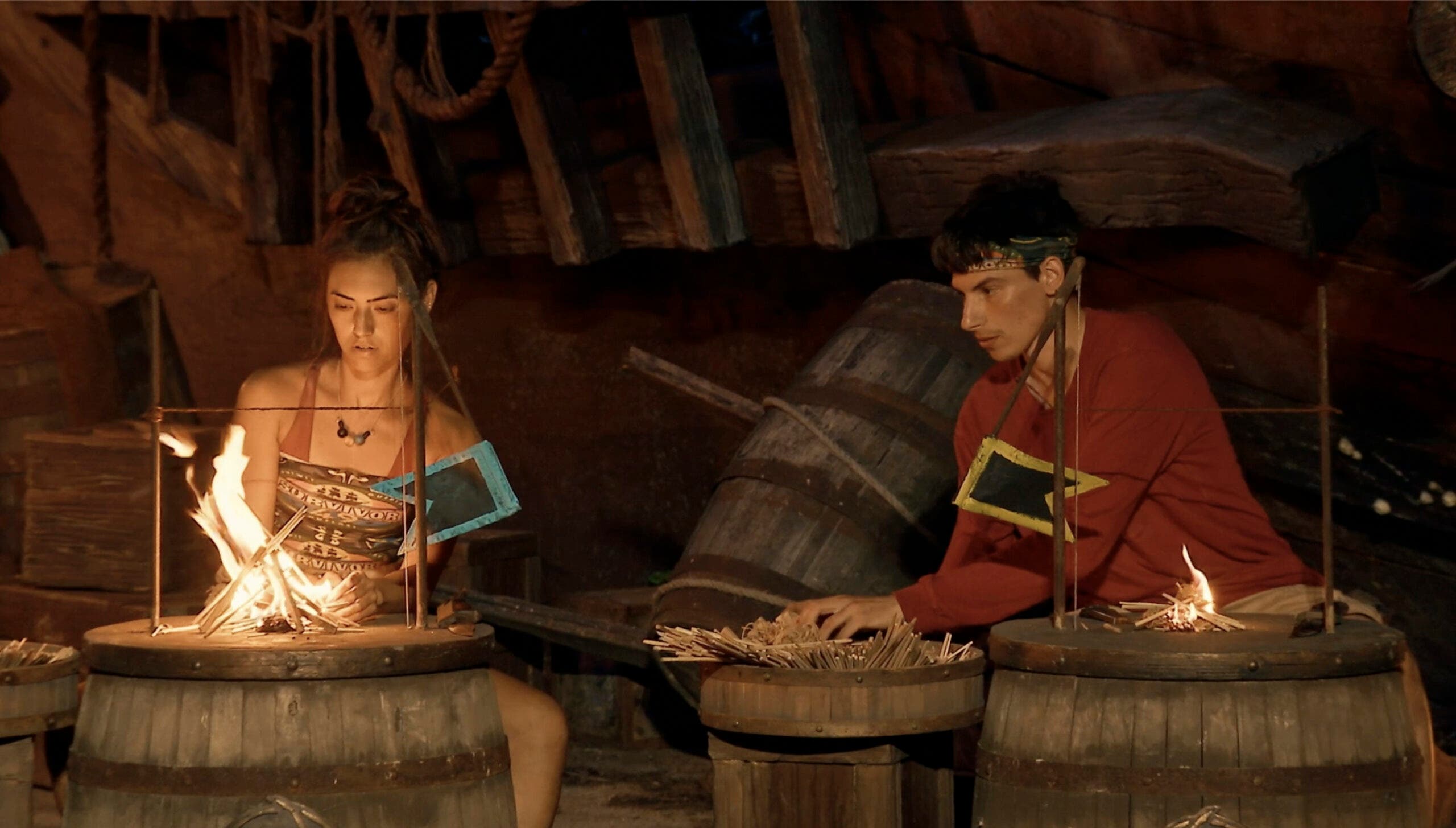
In fact, most players today view making camp as a total waste of energy—a perspective that’s only reinforced by production, who allegedly scatter pre-cut bamboo stalks around “camp” to make building shelter as easy as possible. Camp, by the way, is a small area that former contestant Tyson Apostle describes as “the size of your living room, times four” with “No Cast Members Beyond This Point” signs are at the end of every pathway; exploration beyond that is strictly forbidden.
Building camp isn’t the only survival aspect that’s fallen off the map. In recent seasons, production has cut the “marooning” sequences that allowed castaways to start with basic camp supplies. They’ve lowered rice rations and forced tribes to “earn” their flint by winning a challenge, adding more suffering and physical stress to tempt volatile behavior. Fishing, sure, is technically an option (when gear is provided as a reward), but castaways have calculated that the energy expenditure is a net loss. At any rate, fishing takes you away from the beach, putting your relationships and your game at risk. Plus, the game has been shortened from 39 days to 26—so castaways are content to simply suffer through it, relying on reward challenges for brief respite.
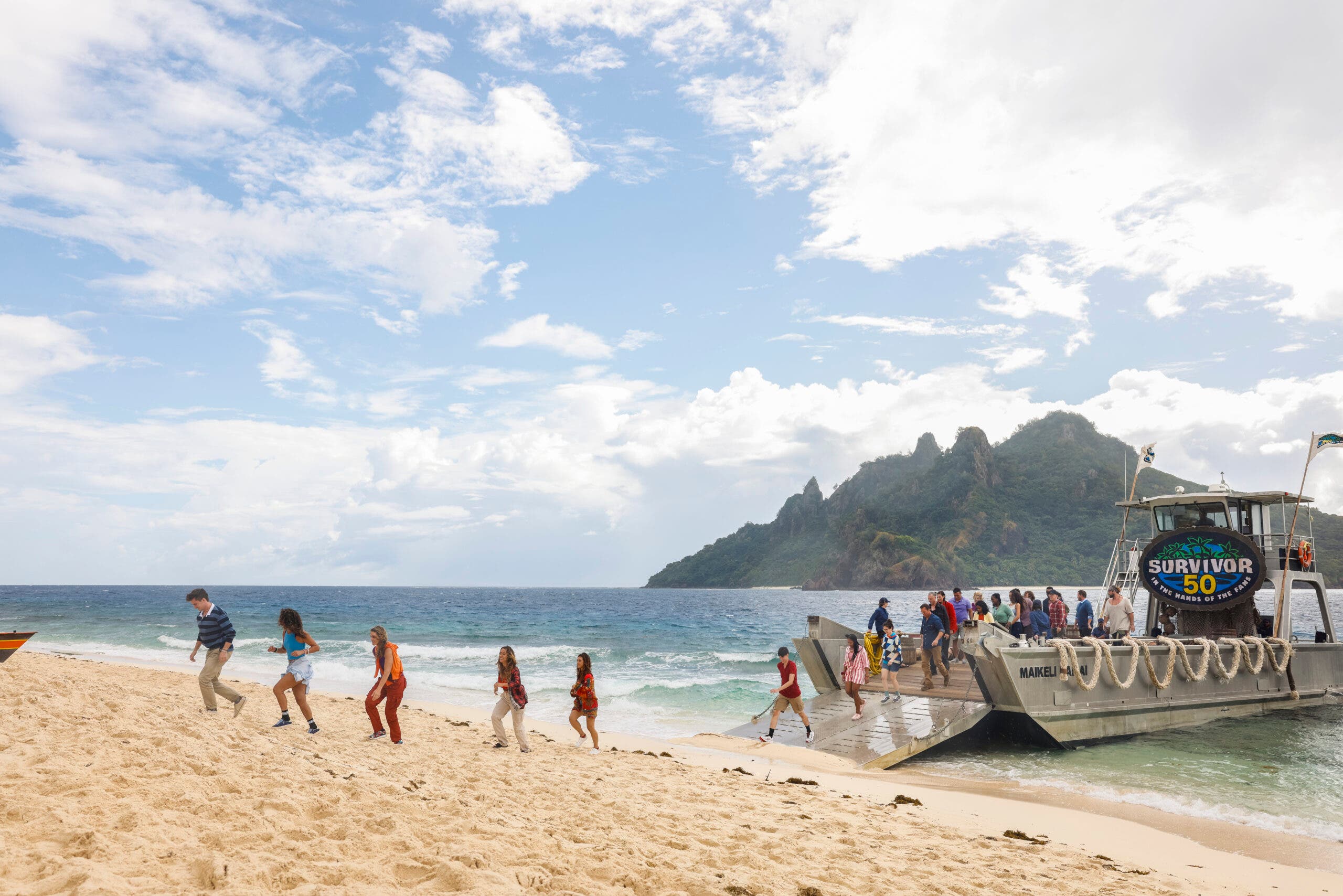
Where true survival enthusiasts like Ozzy Lusth, Colby Donaldson, and Tom Westman used to shine, superfan “gamebots” now flourish. New in-game levers like the shot-in-the-dark and endless advantages have changed the game of Survivor to game theory that rewards probability calculation over spearing fish.
ADVERTISEMENT
Survivor, Go Back to Your Roots
As I closed the books on my Season 1 rewatch, there’s a lot that’s stayed the same about Survivor. Castaways from all walks of life. Grueling immunity challenges. Sumptuous reward feasts. Tribal Council. Jeff Probst heckling contestants during challenges.
And in some ways, the actual content of Survivor has never been better. A 2020 mandate requiring 50 percent BIPOC casting means that today’s castaways look more like “16 Americans,” and blindside vote-offs at Tribal Council are de rigueur.
At its core, the show isn’t about survival anymore. The original conceit—16 strangers were marooned on a deserted island— is so far in the rearview mirror that Richard Hatch would barely recognize the game he won 26 years ago. We’ve perfected the human element of the Survivor social experiment, but we’ve transformed the island from a main character to a mere tropical backdrop.
Season 50 shouldn’t just be a celebration of how far the game has come; it should be a reminder of where it started. It’s time to stop playing “Big Brother on a Beach” and start playing Survivor again.
Fire represents life, as Jeff always says. Let’s see if anyone can still start one without a production-led tutorial.
ADVERTISEMENT
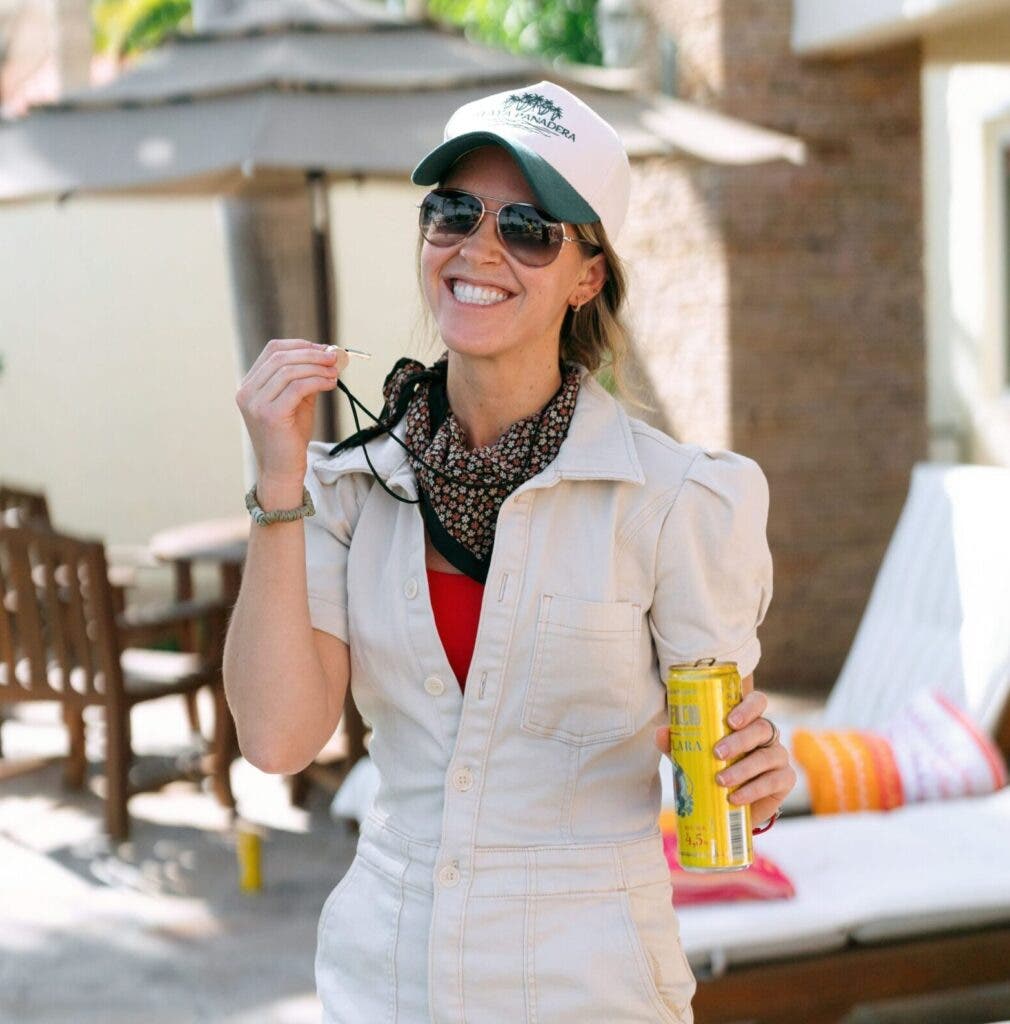
Kristen Geil is a Survivor enthusiast who fondly remembers watching Season 40: Winners at War during the pandemic and calling it “live sports.” She’s available to host Survivor-themed team-building events and bachelor or bachelorette parties, and she’s rooting for Christian and Coach this season.
Survivor fans—let’s chat in the comments! What have you loved/hated about the new era? What are you hoping for in Season 50?


