Published November 25, 2025 03:15AM
If you buy through our links, we may earn an affiliate commission. This supports our mission to get more people active and outside.Learn about Outside Online's affiliate link policy
Outside's Winter 2025 Issue and the Myth of the Comeback
Editor in chief Kevin Sintumuang on how we need to start recognizing that growth doesn’t follow a predetermined arc.
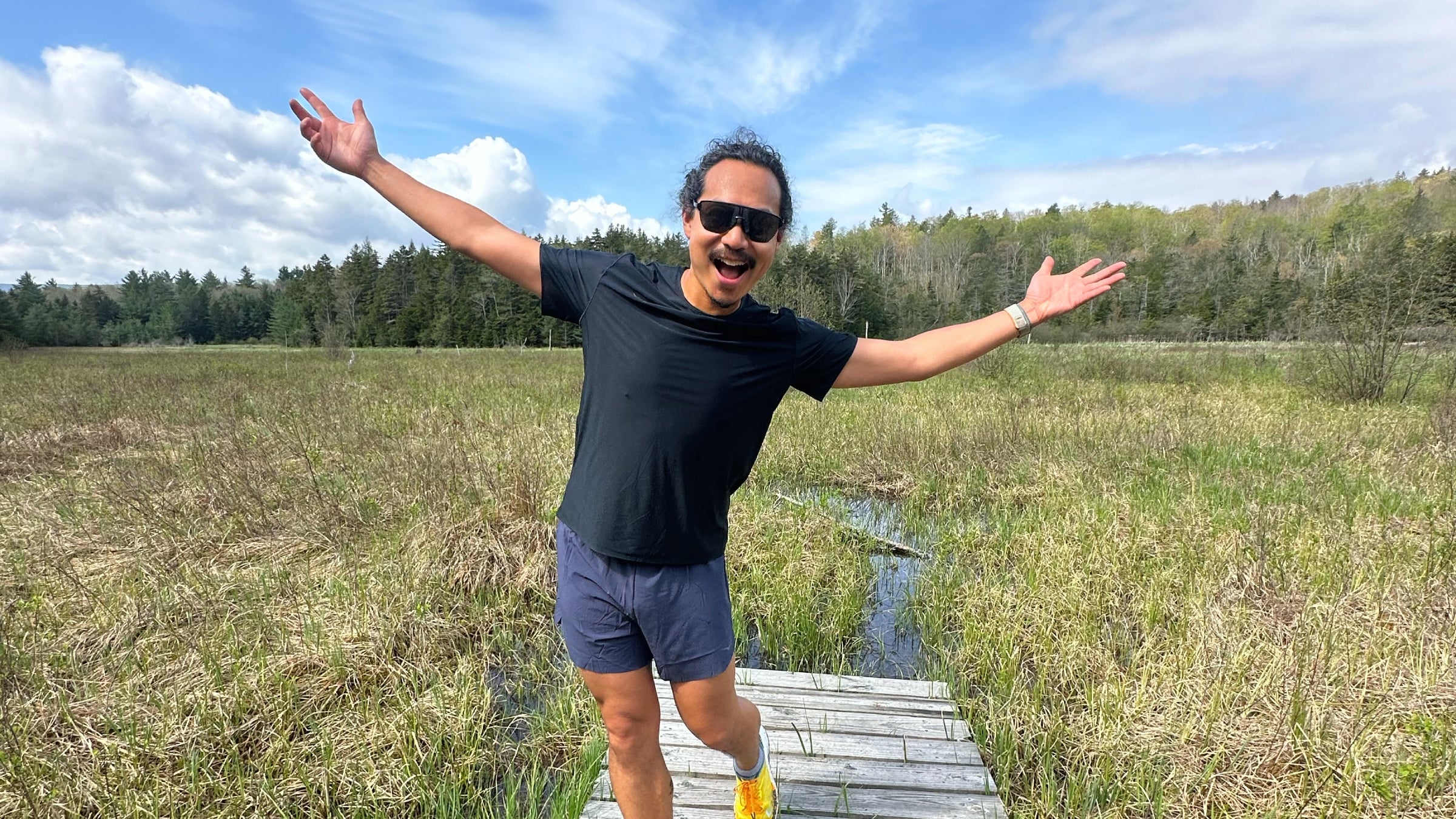
(Photo: Kevin Sintumuang)
People love a comeback story. The athlete returns. The warrior rises. The broken become whole again. It’s satisfying and narratively clean—fall, reckoning, redemption. But I wonder if we’ve gotten the story wrong. Maybe the frame itself is the problem.
Lindsey Vonn retired in 2019, devastated and in pain. Six years later, she’s racing again at 41 with a titanium knee. It’s easy to call it a comeback—we did (makes a nice headline). But Vonn doesn’t see it that simply.
“I have nothing to prove,” she told us. “This isn’t about records.” What she’s actually doing is continuing—healing her body, rediscovering joy in something she loves, and making space for that in her life now. It’s an evolution, not a return.
The comeback narrative suggests a binary where you’re down, then you’re up. You failed, then you succeeded. But that’s not how life actually works, especially not the life lived outdoors. It’s messier. It’s ongoing. It’s a constant renegotiation with your body, your circumstances, your desires.
ADVERTISEMENT
Consider Carl Cocchiarella, featured in our story “40 Years, Zero Kills” by Devon O’Neil. Carl has hunted elk in Colorado for four decades without harvesting a single animal. We could frame this as a tragic failure awaiting redemption—the comeback where he finally gets his elk. But Carl has figured out something that most of us haven’t: the point was never the kill. The point is the predawn hikes, the hours of waiting. The learning. Being outside. He’s not climbing toward some moment of success. He’s living within an ongoing journey.
Maybe we need to stop waiting for comebacks and start recognizing that growth doesn’t follow a predetermined arc. Vonn isn’t returning to her old life, she’s building a new one. Carl isn’t failing to achieve; he’s succeeding at something entirely different than what the narrative demands.
Our Outsiders of the Year have rejected the comeback framework altogether. The Indigenous kayakers didn’t come back to the Klamath—they reclaimed what was always theirs. Faith Kipyegon didn’t return to set a record; she’s continuously pushing at what’s possible. A ten-year-old climber isn’t coming back from anything. She’s just beginning, on her own terms.
Our package on building a better outdoor life follows the similar idea that you don’t need a dramatic turnaround. You need tiny, consistent choices: a walk, a meal outdoors, a moment. Because you’re not recovering from something, you’re living into something.
ADVERTISEMENT
The outdoors teaches this lesson if we listen. Forests don’t stage comebacks after fires; they regenerate. Rivers don’t return to what they were; they carve new paths. You don’t go back to who you were before the injury or the loss or the burnout. You integrate it. You keep moving.
We all love a good comeback story, and that’s OK. It’s convenient to frame chapters of time in that way. Just remember that it’s really about the courage to keep going when the narrative structure demands finality. The best story isn’t the one with a neat ending—it’s the one that keeps evolving. That’s the real invitation: not to come back, but to show up. Again and again.
Scout Report
Cool stuff from my adventures.
Ciele VLVInsulator
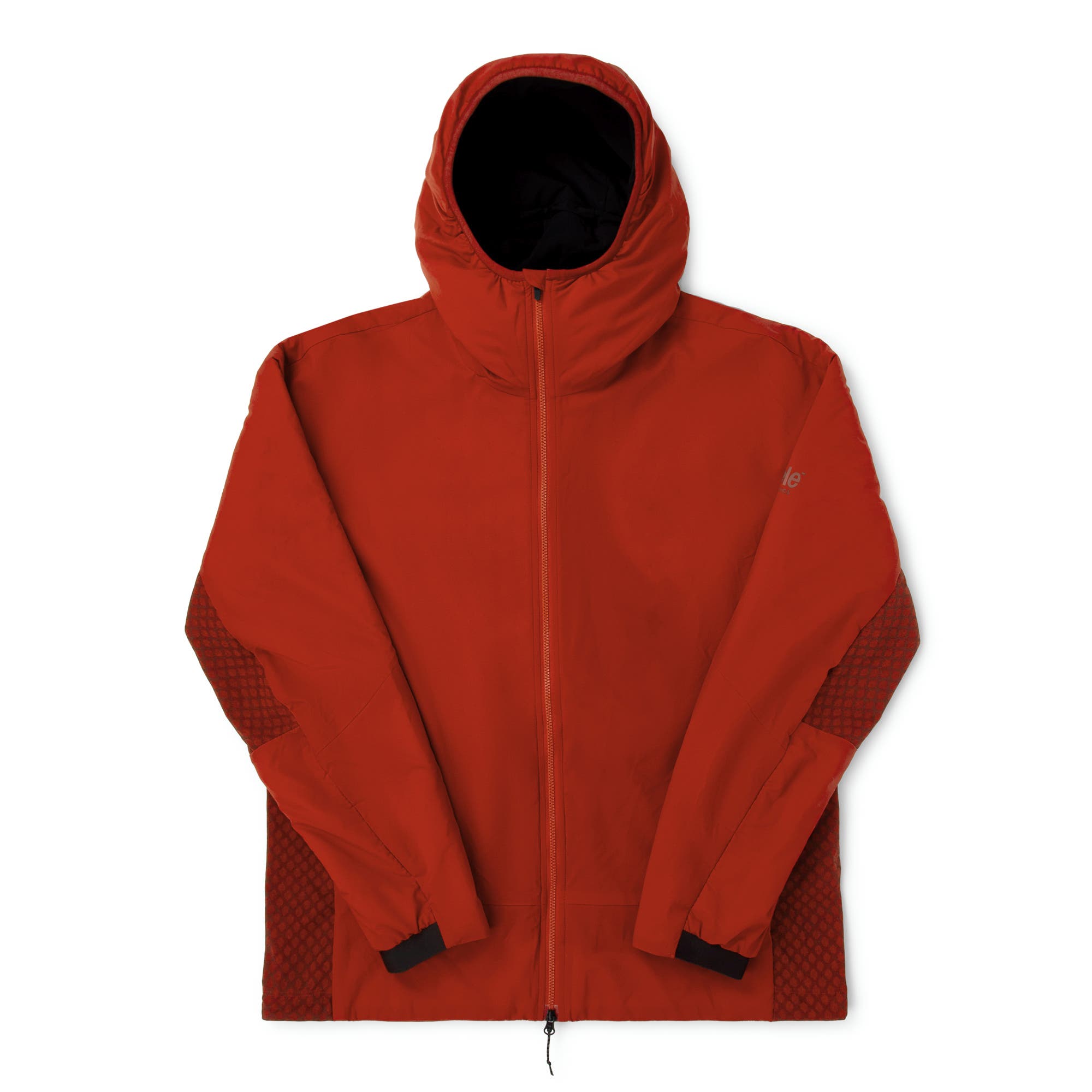
When the mercury dips below 30 degrees, this is my go-to jacket. I grab it for freezing runs, for Trader Joe’s hauls, for coffee—for everything, really. It has a genius combo of wool-silk insulation that breathes like a dream, strategic carbon-infused fleece panels that regulate temperature, and venting that keeps you from overheating. And that texture? Impossibly soft. It’s technical excellence that doesn’t feel technical at all.
Ombraz Refugio
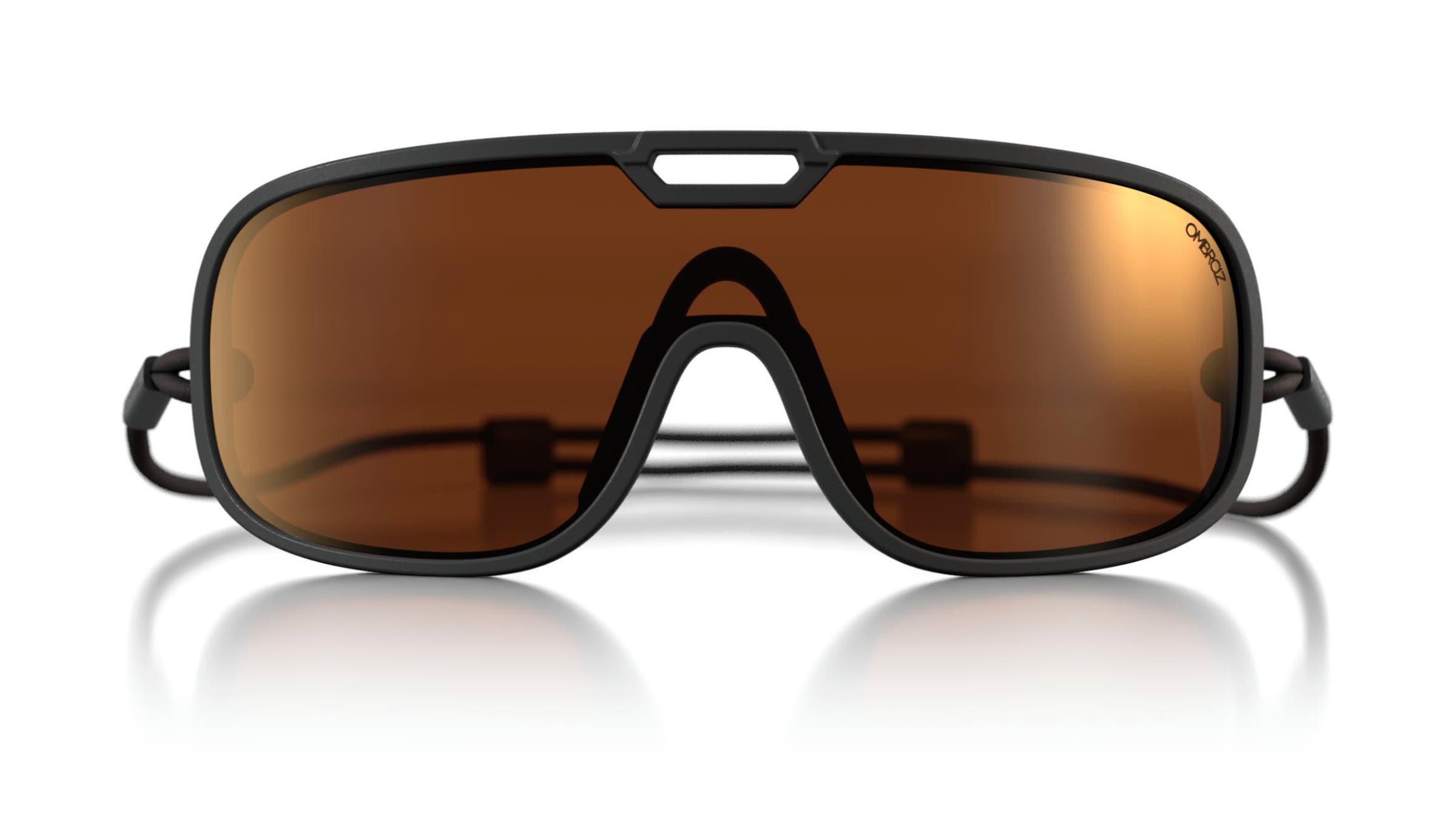
I was deeply skeptical about sunglasses held on by what’s essentially a lanyard. No arms? Just string? Seemed like a gimmick. But these are ridiculously practical—on and off in a second, featherlight, and they take up such little space in a bag for travel. On hikes they stay locked on your face without slipping. Plus, teenagers keep telling me, “Cool glasses!” with actual sincerity in their voices.
This article is from the Winter 2025 issue of Outside magazine. To receive the print magazine, become an Outside+ member here.