Bored of Hiking Trails? Try Slough Slogging Through a Swamp.
A nature walk through the Florida Everglades
“There are no other everglades in the world,” conservationist Marjory Stoneman Douglas wrote in 1947 in The Everglades: River of Grass. “They are, they have always been, one of the unique regions of the earth, remote, never wholly known.” To sisters Melanie and Evie Metz, who grew up in a small town near Everglades National Park, the only way to know this river of grass is to wade through its boggy expanse. “Walking into the swamp brings you off the paved trails and into the canopy of trees, where you’ll hear, smell, touch, and see the Everglades in a much more intimate manner,” Evie says. For the portfolio on the following pages, the two photographers wanted to join as many park-ranger-led “slough slogs,” as they’re called, as possible. During these guided tours, they captured the park’s towering mangroves and thick saw grass, its iconic alligators and long-legged herons. Some of the sisters’ earliest recollections of the Everglades come from elementary school field trips, when they held baby gators and trudged through swampland. “When I got older, what remained with me were physical and spiritual memories of feeling connected to the earth,” Melanie says. “This is a subtly gorgeous place that needs to be protected. We don’t want the pictures to be the only thing left.”
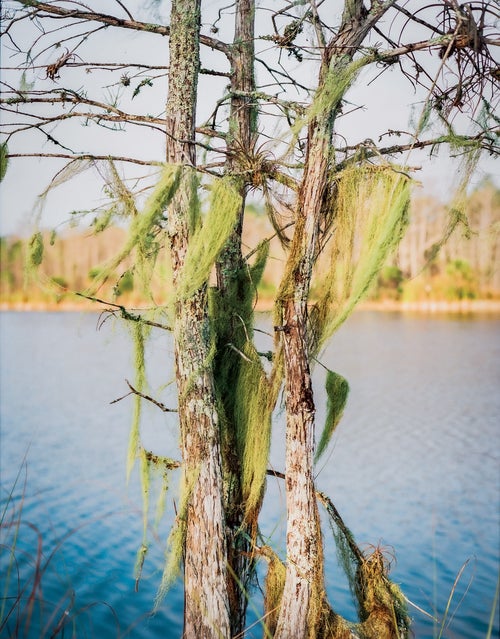
Spanish moss growing on a pine tree in Big Cypress National Preserve
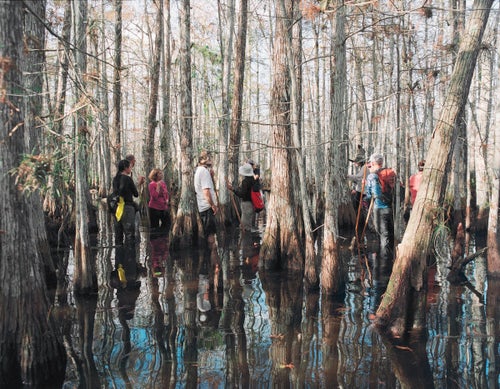
A slough slog near the Ernest F. Coe Visitor Center at Everglades National Park
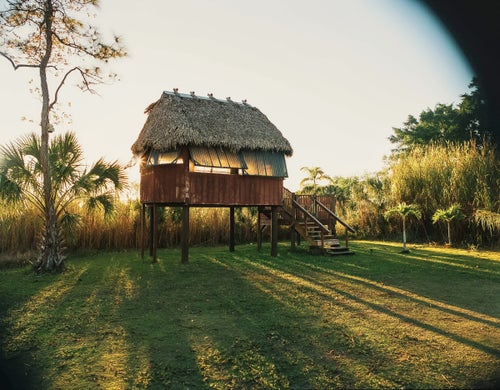
The Chickee hut at Trail Lakes Campground, built from cypress trees by a Miccosukee man. During the Seminole Wars of the 1800s, the Miccosukee Tribe took refuge in the Everglades.
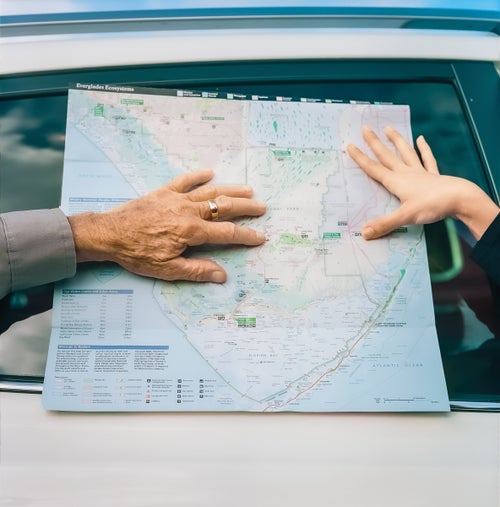
A park ranger sharing a map of the southern Everglades with a visitor
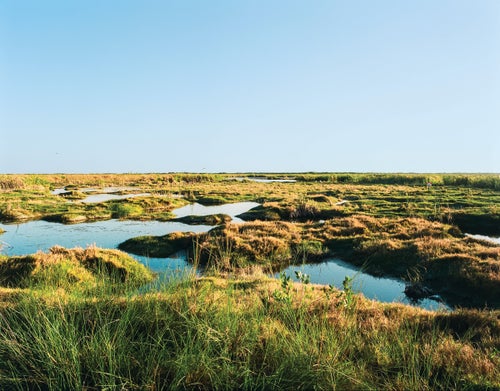
Wetland prairie on the Miccosukee Indian Reservation
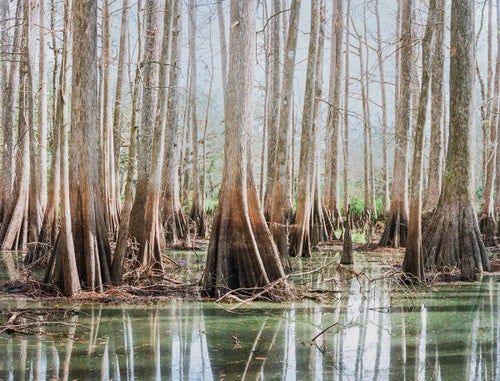
Cypress trees in Highlands County
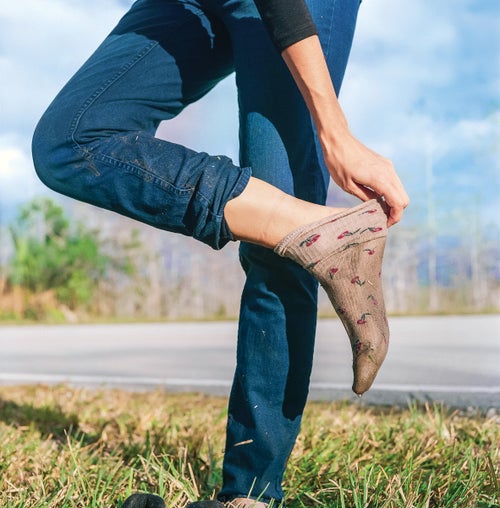
Drying off
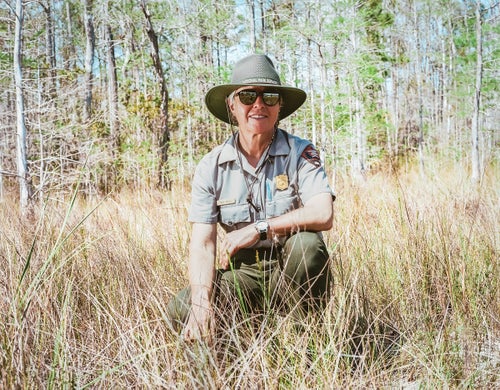
Cindy Kissell, a park ranger and slough slog guide
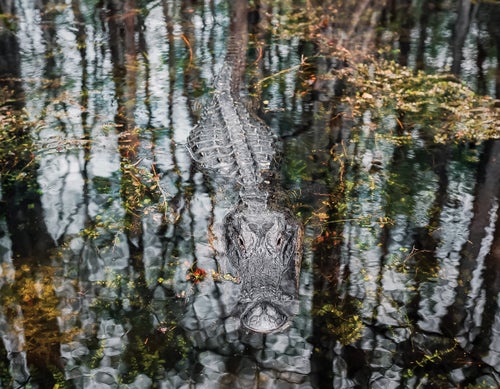
Alligator mississippiensis
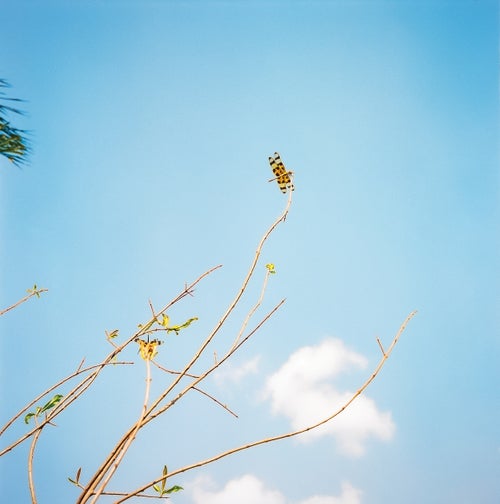
A Halloween pennant dragonfly resting on a tree branch

A ranger touching a blade of native saw grass
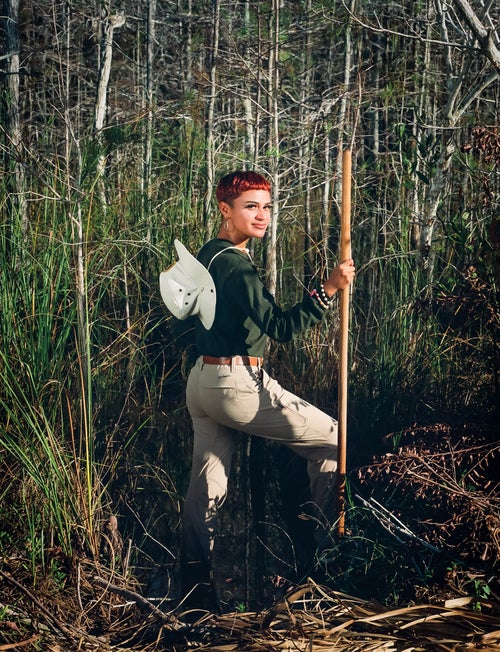
“The Everglades unexpectedly stole my heart,” says Yosselin Aparicio, an intern at Everglades National Park. “As I spent more time learning about this vast river of grass, I realized the reason I was slowly captivated is because it has a beauty that whispers.”
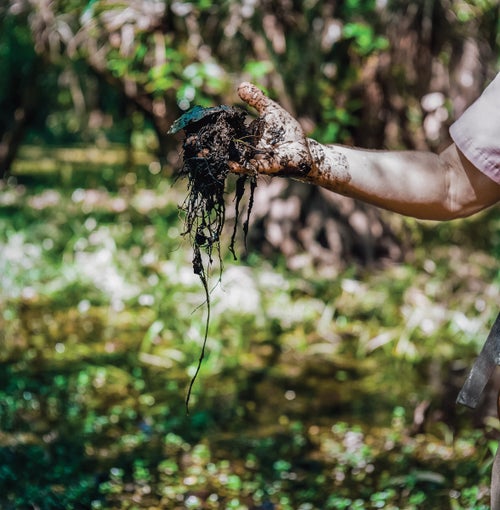
A ranger scoops up a handful of peat, soil that can trap carbon
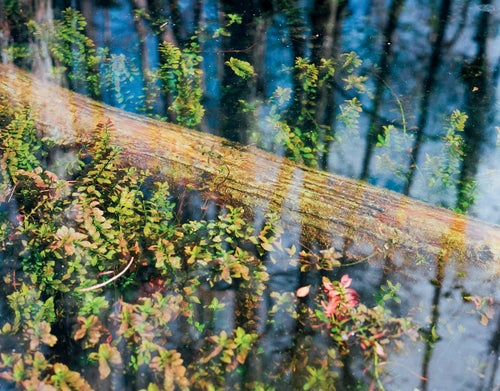
A fallen cypress in Fakahatchee Strand Preserve State Park