Published June 13, 2017 12:00AM
How to Do a Proper Plank
Master this basic move to build a strong core and stabilize your movement
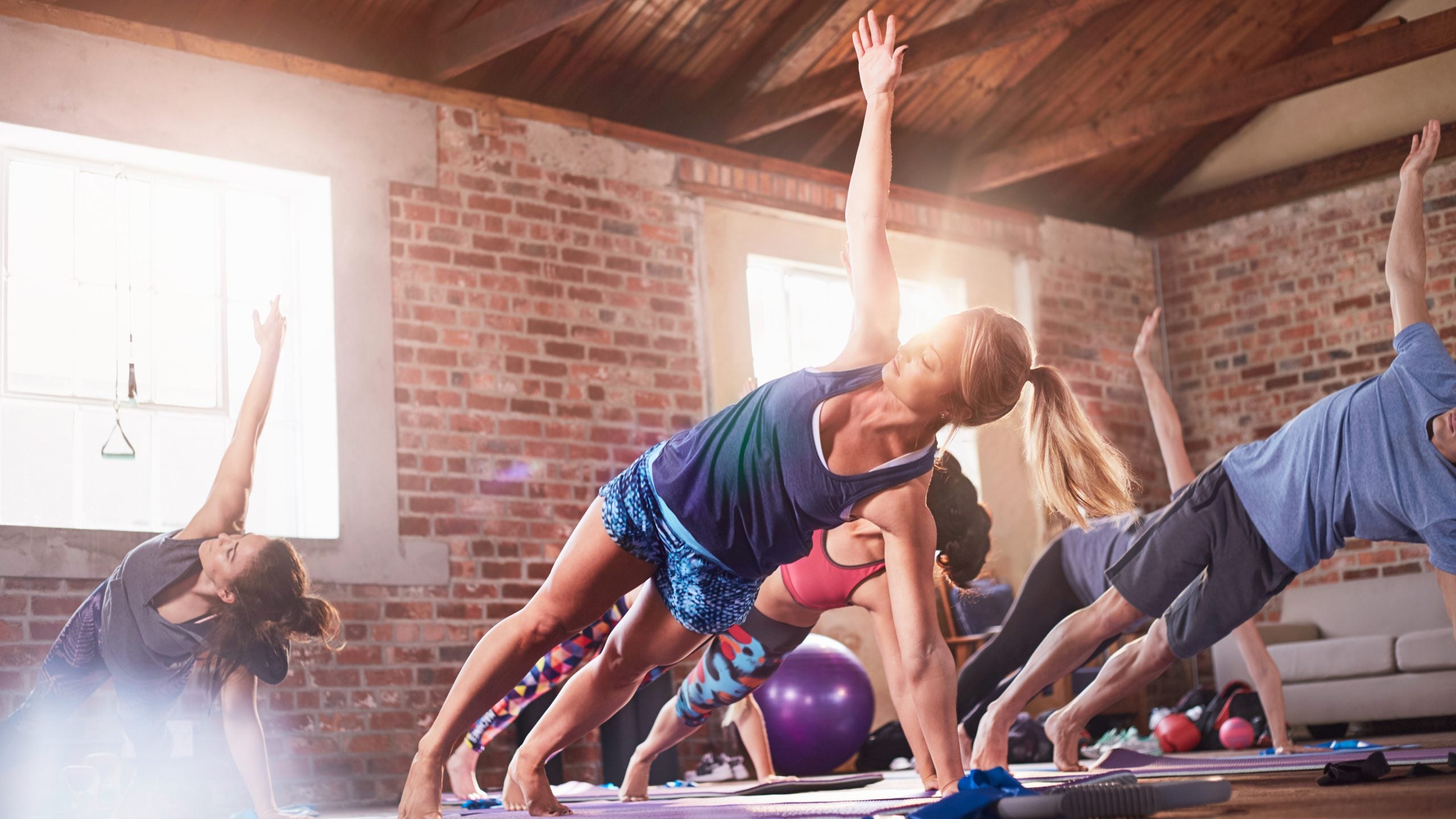
When done correctly, planks engage nearly every muscle in the body.
Although it’s a classic, the plank rarely gets the credit it deserves. Yes, it strengthens your core. But it does so much more than just give you solid abs, says Kimberly Alexander, personal trainer and co-owner of Point Gym and Kitchen in Portland, Oregon. “You can’t hide any weak muscles in a plank. Everything is exposed as you fight the force of gravity by engaging all your muscles at once to keep yourself lifted,” she says. So while you’re definitely working those trunk muscles, you’re also firing up your shoulders, spine, hips, and abs to build head-to-toe strength and stability.
Here, we break the plank into its most basic parts. Then we give you ways to ramp it up as your fitness level progresses.
The Basics
“The most important thing to remember is to push down into the ground with your hands (or forearms) in order to stay lifted,” Alexander says.
Place your palms on the floor, directly under your shoulders. Extend your legs directly behind you, with toes tucked under and abs engaged, forming a straight line from heels to shoulders. Make sure your heels are pushed back, quads are engaged, shoulders are down away from your ears, the crown of your head is lifted so your neck is neutral, and your back is flat. Hold for as long as you wish, remembering to breathe throughout.
ADVERTISEMENT
Scale It Up
Alexander says one of the best ways to increase the intensity of your planks is to add movement. Each of the following variations will improve both your mobility and your core stability. Start in plank position, with hands directly under shoulders, abs engaged, and legs extended behind you. Then move into these variations as you’d like.
- One-Legged Plank: Lift your right leg a few inches toward the ceiling; hold for one breath. Lower, and repeat on left. Continue alternating sides throughout your hold.
- Side Plank: Rotate your torso to the left, opening your chest toward the ceiling until your hips and legs are stacked on top of each other, and lift your left hand overhead, directly over shoulders. Hold for ten seconds, rotate back through center, and repeat on the other side.
- Walking Plank: Slowly walk your feet in toward your hands, lifting your hips toward the ceiling while keeping the legs straight. Then “walk” your hands forward until they’re directly under the shoulders and you’re in plank position again. Repeat.
- Single-Arm Plank: Keeping your core stable, bring your right hand up to your armpit, and then extend it out in front of you. Lower your palm back to floor, directly under the shoulder, and repeat on the left. Continue alternating sides throughout your hold.
- Plank Up-Down: Keeping your core stable, lower your right forearm to the floor, with your right elbow directly under your shoulder. Press back up, switch sides, and repeat on left. Continue alternating sides throughout your hold.
Scale It Down
If you’re looking to make your planks a little easier, simply drop from your toes to your knees and/or from your palms to your forearms. “This reduces the force of gravity working against you. Just make sure that your hips stay as extended as they would be if your legs were straight, and keep your entire core engaged,” Alexander says.
ADVERTISEMENT