Updated July 1, 2025 02:35PM
If you buy through our links, we may earn an affiliate commission. This supports our mission to get more people active and outside.Learn about Outside Online's affiliate link policy
Originally posted onYoga Journal
This Small But Mighty Tool Is the Key to Easing Muscle Tension
The key to flexibility, mobility, and comfort is as effective as it is affordable
(Photo: Canva)
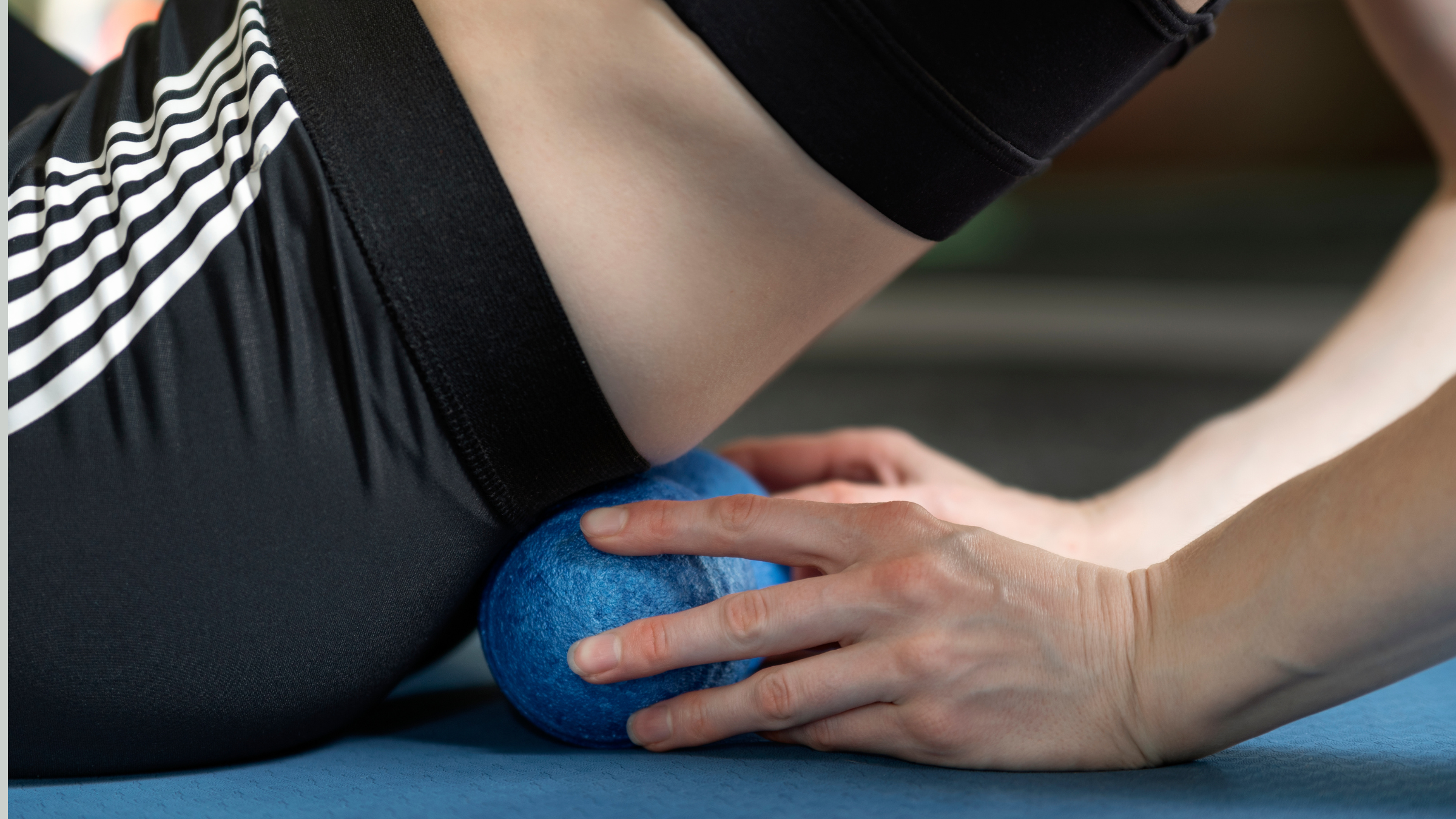
Today, we’re talking about balls. More specifically, myofascial release balls. Whether tennis, lacrosse, or specialized therapy balls, these unassuming helpers can be used to target hyper-specific areas of your myofascial system to release tense muscles, facilitate internal hydration (which helps your muscles and tissues move and contract), and even relieve persistent pain.
Your myofascial system is a network of muscle and connective tissue. It’s also complex, multi-faceted, and likely a bit tight—which is why choosing the right myofascial release tool is a must.
Although tension can be alleviated in various ways (think foam rollers, stretching, and massage therapy), some of the most useful tools are also the most humble.
The Benefits of Myofascial Release
Your fascia is a dense and fibrous webbing that connects and encases every aspect of your internal body, including muscles, ligaments, organs, nerves, and more. It’s inherently tension-based, mobilizing and stabilizing the body everywhere muscle and connective tissue interact.
Your everyday habits (think posture and repetitive movements) cause your fascia to adapt, thicken, and harden, leading to impaired mobility, decreased hydration, and undesirable compensation patterns, explains Diane Malaspina, a yoga teacher and psychologist with an emphasis on myofascial release. This can lead to pain and discomfort.
ADVERTISEMENT
Proponents of myofascial release cite a number of upsides to the (at times uncomfortable) routine. “The immediate effects include alleviating physical tension, freeing up movement, and feeling relaxed,” says Malaspina. And as far as the long-term effects? Increased blood flow, improved posture, reduced inflammation and muscle soreness, quicker recovery, and even enhanced mobility and flexibility.
Dean Pohlman, yoga teacher and founder of Man Flow Yoga, considers any sort of massage ball an invaluable tool for anyone who enjoys an active lifestyle (weekend warriors, we’re looking at you), those with persistent pain, or those who feel they’ve reached a plateau with their overall flexibility.
The correct ball can release overly engaged muscles and facilitate blood flow and hydration by allowing you to compress certain trigger points within soft tissue. “A trigger point is an area that is causing restriction through an entire muscle group,” says Pohlman. “When you find that specific point and get at it effectively with a massage ball, it can be a lot more effective at releasing that muscle tension than if you were just using stretching alone.”
He adds that releasing muscle knots is far easier (and even safer) with the help of a tool, as stretching with a pulled or hyper-tense muscle can lead to injury. It all comes down to the placement of the balls. Malaspina adds that using balls for tissue compressing can stimulate collagen fibers, lending to proper internal alignment and support throughout your body.
ADVERTISEMENT
How to Use Myofascial Release Balls
Before we get into the dos, Malaspina shares some don’ts. Do not use massage balls if you are taking blood thinners. And if this sort of myofascial release veers from discomfort to actual, sharp pain at any point, stop and reassess.
Following are pro tips for a successful myofascial release session.
1. Practice Mindful Placement
“Placement should be on muscle tissue,” says Malaspina. “Start with simple compression by placing the ball and relaxing and breathing into the pressure.”
ADVERTISEMENT
Once you locate your sweet spot—a soft point that elicits sensation but not unbearable pain—you can add subtle movement, such as swaying from side to side or rolling up and down to explore the sensation. Limit each trigger exploration to 30 to 60 seconds.
It’s also worth remembering that the ideal release point may not be directly on the site of tension. Try focusing on adjacent areas instead. “If your glutes are particularly tight, for instance, consider releasing the low back, hamstrings, or hip flexors, working around the tension rather than solely targeting it,” says Malaspina.
Avoid placing the ball on:
- Swollen or bruised areas
- Broken skin
- Bones (directly)
- Blood clots or impaired veins
- Swollen lymph nodes
- Areas of carpal tunnel or high nerve sensitivity
- The trachea
2. Tune Into Your Breath
According to Pohlman, you should be able to maintain a straight face and breath normally while using your massage ball. “If you notice that you’re really tensing up, that your face is grimacing, that you’re really not able to relax, then the ball in question is probably too hard for you,” he says.
ADVERTISEMENT
“You may experience mild discomfort, but it shouldn’t hurt,” adds Malaspina. As with most things in life, the best gauge is the breath. “We want to breathe and relax into the tool versus feeling the urge to retreat from it.”
Never go too deep or try to push past your pain threshold—which, if as a fan of myofascial release, may be high. Too much pressure can lead to bruised muscles and the potential for further harm or injury.
3. Get Up, Stand Up
Rather than laying your body on a ball, which applies your entire weight to the trigger point in question, try different positions.
“Leaning against the wall will provide you with greater control over the amount of body weight you apply to the tool, unlike lying on the floor where your body is more influenced by gravity,” says Malaspina. You can isolate and compress your upper traps, for example, by holding a ball against a wall at shoulder height and moving into it from a standing position.
ADVERTISEMENT
Pohlman also recommends a good standing foot release. Stand and roll one foot very slowly over a lacrosse ball. “This can unlock some truly amazing tension relief,” he says. “It’ll also help release muscle tension in the entire backside of your body.”
4. Get Curious
Mastering the act of myofascial release requires some (safe) experimentation. “You’ll find that certain areas of the body may register minimal sensation with a firmer ball, while in other areas, you’ll feel significant sensation or pain with a softer one,” she says. “I encourage folks to approach the practice as an exploration.”
Depending on your needs, it may be a good idea to curate a collection of balls to address individual issues.
5. Make It a Habit
Building targeted myofascial release into your regular routine is the best way to reap the rewards. “Adding this practice three to four days a week for ten minutes at a time, rotating through different parts of the body, can reduce discomfort from postural habits (like sitting at a desk all day) and can be a great addition to a yoga practice,” says Malaspina.
ADVERTISEMENT
“Be sure to drink a lot of water after (like you would after a massage) to facilitate hydration, he adds”
How to Choose the Best Myofascial Release Ball for You—and 4 Types to Try
Choosing the best ball for you calls for the same self-knowledge and curiosity as using it. Our experts agree that the softness or firmness of a ball matters less than the effect it has on your unique body.
Your myofascial system is a network of muscle and connective tissue. It’s also complex, multi-faceted, and likely a bit tight—which is why choosing the right myofascial release tool is a must.
Malaspina notes that large balls disperse pressure, while small balls address more precise points, such as on the hands and feet, for example. Softer balls create less sensation than firmer options.
1. Melt Foot and Hand Therapy Balls
- Ample give
- The Melt Method features balls that are meant to squish and give, making them a great option for beginners in myofascial release.
2. Massage Balls
- Firm with some give
- Massage balls are designed specifically for myofascial release. In this case, latex rubber and a compressible core allow you to explore sensation gently.
3. Tennis Balls
- Firm with some give
- Tennis balls feature a soft exterior and a hollow rubber shell, allowing for give and even bounce as you experiment with placement.
4. Lacrosse Balls
- Extra firm
- The firmest and thus the most intense option of the bunch, lacrosse balls should be used sparingly and cautiously.
Check in throughout and observe how your body (and breath) responds to the pressure before deciding to use a softer, firmer, smaller, or larger ball. It’s all about determining your personal points of tension and the best way to relieve them—all while breathing through it.
Want more of Outside’s Health stories? Sign up for the Bodywork newsletter.
