Updated March 4, 2026 11:14AM
The Grand Canyon Has a Water Crisis. Here’s How the Feds Want to Address It.
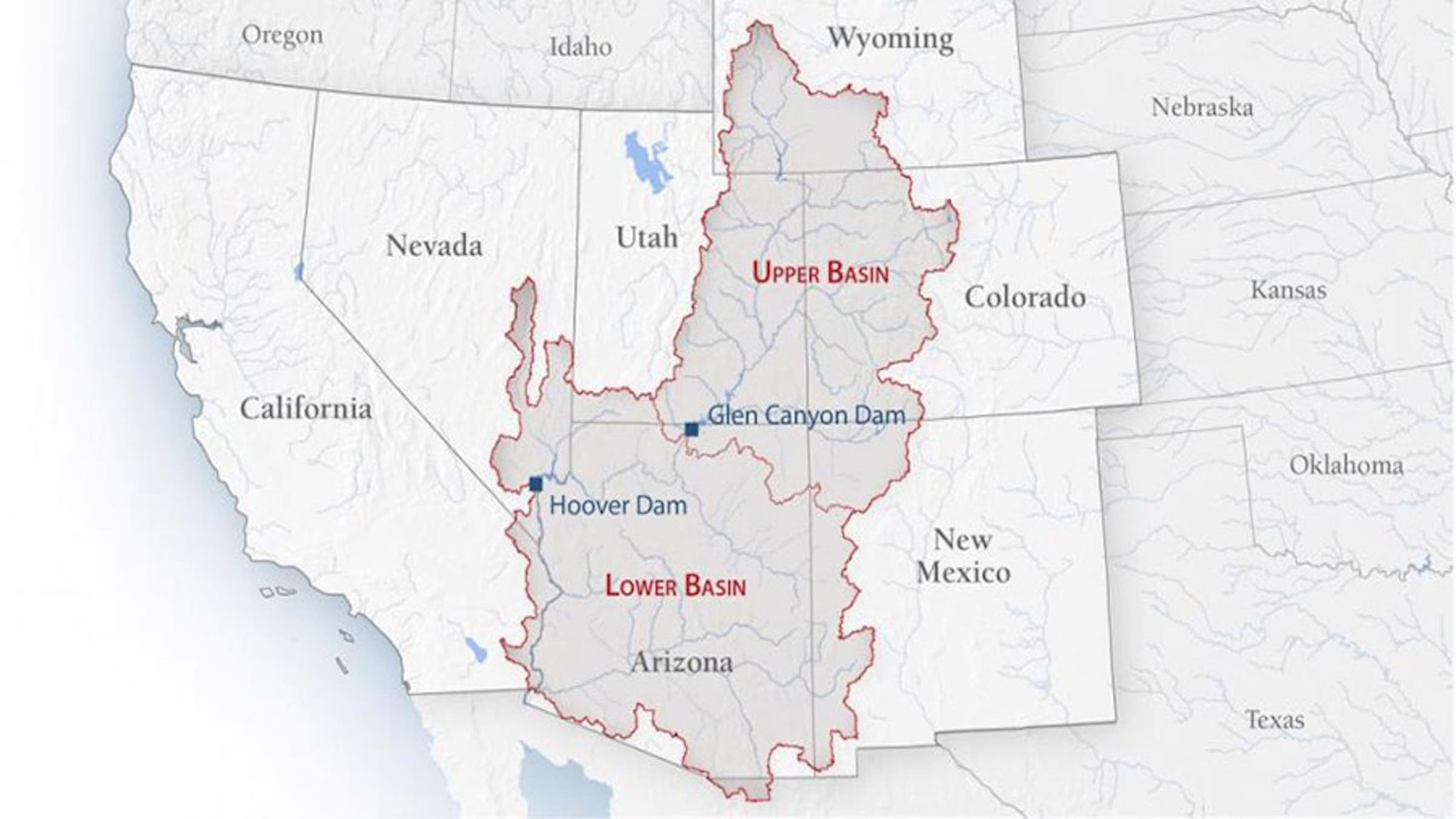
The Grand Canyon is bookended by two dams on the Colorado River, the Glen Canyon Dam upstream and the Hoover Dam downstream. A new set of rules will determine how much water will flow between the two—and through Grand Canyon.
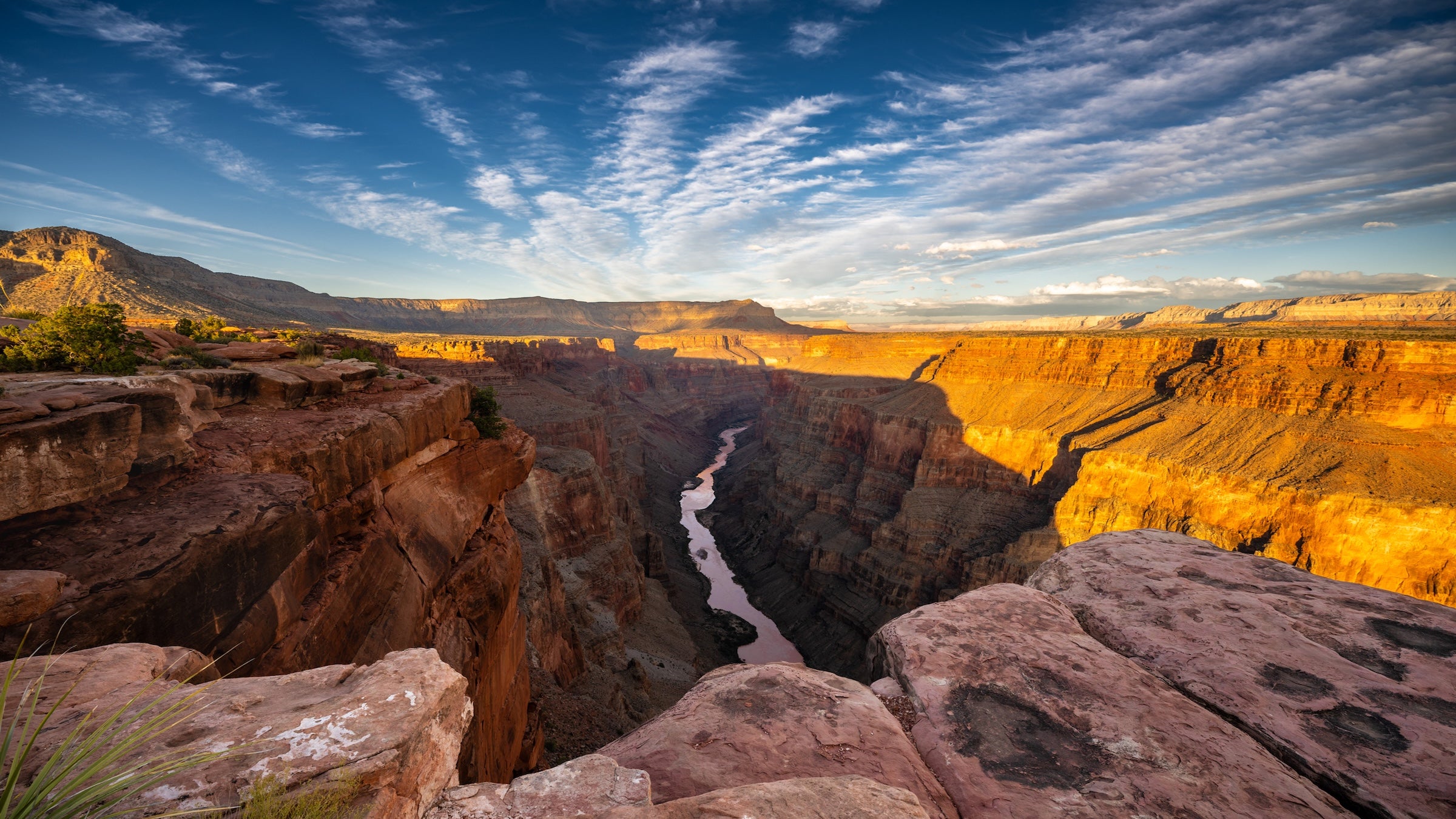
Sunrise at Toroweap Lookout on the North Rim of the Grand Canyon (Photo: tobiasjo/Getty Images)
As the American Southwest faces extreme drought, federal officials have proposed a set of rules governing the water that will flow through the Grand Canyon.
The Bureau of Reclamation, which sits under the Department of the Interior, manages water resources across 17 Western States. In January, the agency outlined five proposals for managing the Colorado River as it flows from Lake Powell, through the Grand Canyon, and into Lake Mead. Once approved, the rules will impact seven states reliant on the river.
All five plans require states to reduce their water consumption from the Colorado River.
The river states have long been divided on how to manage the water supply for 40 million people. The most recent agreement, in effect since 2007, expired on December 31, 2025. And the states missed their February 14 deadline to come to a new one.
With states unable to agree, the federal government has been forced to put forward a new plan.
ADVERTISEMENT
“These rules are really about the management of Glen Canyon Dam and Hoover Dam, how much water they release, and under what circumstances they release water. Another piece of it is the supply and demand—how much water savings can happen,” Jen Pelz, an attorney and water advocate with the conservation organization Grand Canyon Trust, told Outside.
In a desert landscape already transformed by climate change and strained by human activities, changes in the Colorado River’s water flow could reshape the Grand Canyon for generations to come.
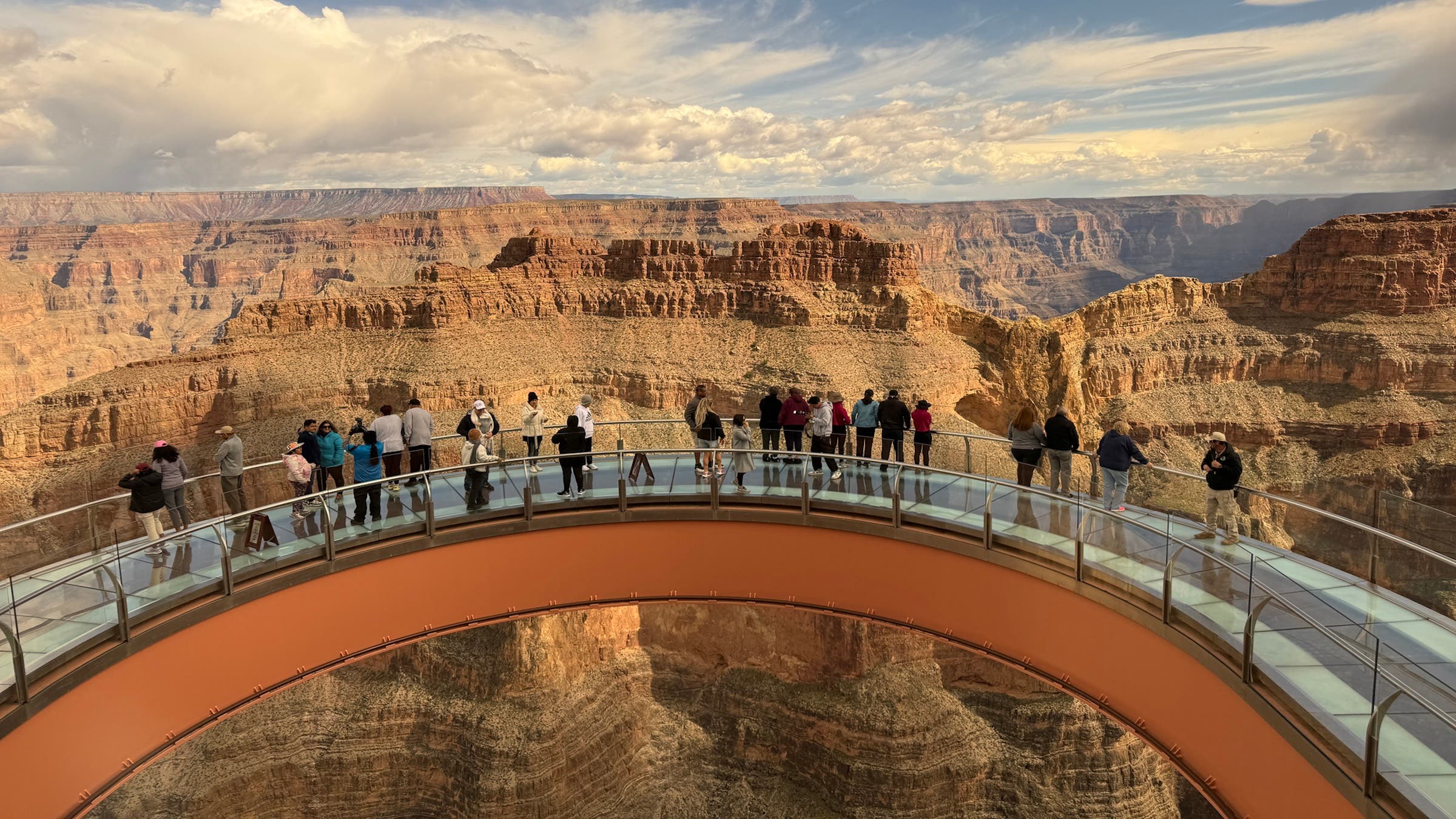
The Five Proposed Plans
The Colorado River is governed by the Law of the River, which also includes a century-old piece of legislation known as the Colorado River Compact of 1922. It sets parameters for how each state allocates water resources, but Pelz said it’s outdated. The proposals will use modern information to determine by how much the lower basin states need to further reduce their water use to balance supply and demand. The rules will also determine whether and how much the upper-basin states need to contribute to the pool.
Water use is outpacing water supply, an imbalance that Pelz said is causing both Lake Powell and Lake Mead to fall below critically low.
ADVERTISEMENT
Revealed on January 16, the Bureau of Reclamation’s five plans all require states to change how they use water. But there are important details that set the proposals apart.
Option 1
If no agreement is reached, the rules will revert to outdated criteria, also known as the No Action Alternative. Some of these guidelines date back to the 1970s. Others were established after one of the Grand Canyon’s worst droughts in the 2000s, when river reservoirs dropped to less than 55 percent of their capacity. Under these rules, the Secretary of the Interior determined how much water use was to be reduced and declared any surplus water available.
Option 2
The most likely plan forward, Pelz said, is known as the Basic Coordination Alternative. It would require each of the lower-basin states to reduce a percentage of its allotted water based on Lake Mead’s water elevation. Set annually, this plan would essentially establish lower water limits for the lower-basin states. How much water each state is granted is determined by priority. California has priority over Nevada and Arizona, for example. Colorado, on the other hand, gets a higher percentage of water than Utah, Wyoming, and New Mexico.
Options 3 and 4
Nonprofit groups and federal agencies such as the Fish and Wildlife Service and the National Park Service helped develop the third and fourth proposals, which are titled the Enhanced Coordination Alternative and the Maximum Operational Flexibility. These options would reduce the water released from Lake Powell to keep the reservoir levels higher. It would also require higher reductions from the lower basin states and some modest contributions from the upper basin states.
ADVERTISEMENT
Option 5
The final option, called the Supply-Driven Alternative, would rely on the river’s annual average flow to determine how much each basin could use. While this plan is based on natural hydrology, Pelz says it does not account for existing or future human diversions.
Grand Canyon’s Wider Landscape
The Grand Canyon is bookended by two dams on the Colorado River, the Glen Canyon Dam upstream and the Hoover Dam downstream. Ninety-two percent of the water that flows through the Grand Canyon is released through the Glen Canyon Dam near the Utah-Arizona border, according to the Grand Canyon Trust. At 710-feet tall, the dam flooded the Colorado River to form Lake Powell, one of America’s favorite tourist destinations.
Lake Powell and Lake Mead, held by Hoover Dam, are both facing critical water shortages. This year, the Bureau of Reclamation estimates that Lake Powell inflow will be 57 percent of its average. Melting snow from the Upper Colorado River basin contributes to refilling the lake each year, but this winter was remarkably dry. Downstream, Lake Mead is on course to fall to the lowest level in recorded history by 2027.
ADVERTISEMENT
Dividing Up the Pie
Seven states split water resources from the Colorado River. Upper Basin States—Colorado, New Mexico, Utah, and Wyoming—contain headwater tributaries and receive much of their water resources through snowmelt and runoff that drain above Lee Ferry. Lower Basin states, Arizona, California, and Nevada, largely pull their water resources from Lake Mead.
“From an ecosystem perspective, what’s between Lake Powell and Lake Mead is the Grand Canyon,” Pelz said. “It’s one landscape in the midst of this giant basin—there are really important things in this landscape that are going to be harmed if we don’t have a plan at a higher level that is equitable and fair.”
ADVERTISEMENT
Water-use authority isn’t equal across all basin states, either; some can take more or less, depending on the priority they are allotted. And because the states receive their water differently and use it for different purposes, Pelz said they see the Grand Canyon through different lenses.
“We need to be thinking not just about fulfilling promises between states, but also about ensuring the river has water, thinking about recreation, and cultural resources,” Pelz said. “The Grand Canyon is a cultural landscape that has been inhabited by more than 13 tribes since time immemorial.”
What’s Next
A proposed rule is set to be finalized by September 30, 2026. New rules, whatever they may be, are set to begin the following day.
