Published March 11, 2026 02:09PM
Hawaii’s Famous Volcano Is Erupting. You Can Watch It from Your Couch.
Massive lava fountains at Hawaiʻi’s Kīlauea led officials to close portions of the park. Just a few months prior, another eruption sent debris and lava straight into an observation camera. Here's what the scene looked like from the ground.
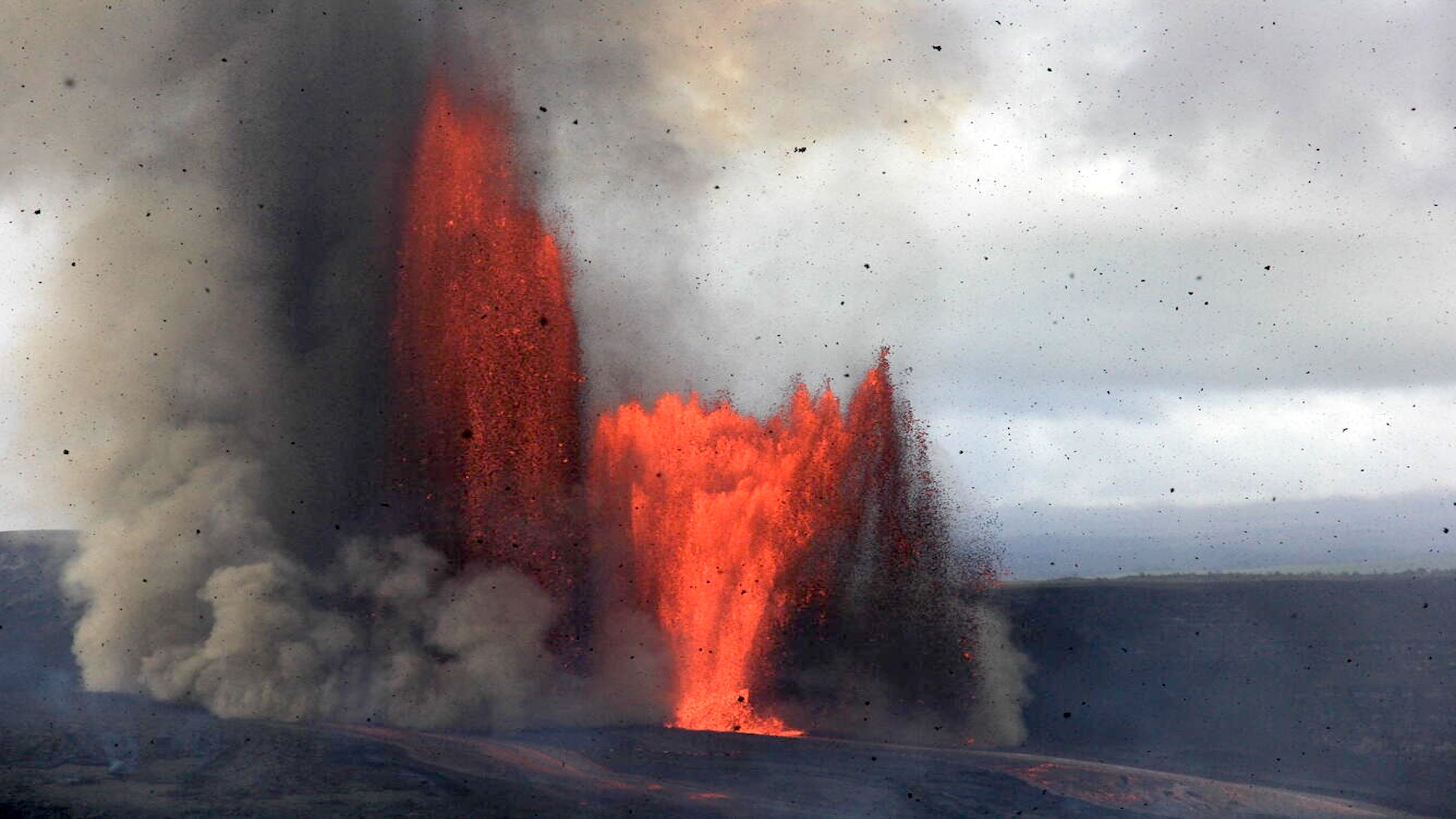
USGS Hawaiian Volcano Observatory scientists observed and documented a Kīlauea summit eruption in January 2026 (Photo: USGS/H. Winslow)
Kilauea, one of Hawaii’s most active volcanoes, just erupted, sending lava over 1,000 feet into the air and visitors to the state’s most famous national park scrambling for cover.
The 4,000-foot volcano inside Hawaiʻi Volcanoes National Park began erupting at 9:17 A.M. on Tuesday, March 10, the park wrote in a statement. In response to the latest eruption, park officials closed a highway entering the area, as well as the Kilauea summit. Visitors were also evacuated.
The volcano has been erupting intermittently since December 23, 2024, and just a few months ago, in December 2025, a camera monitoring it was struck by flying rocks and lava.
Don’t worry—there are plenty of other cameras pointed at the fiery volcano. The U.S. Geological Survey (USGS) operates no fewer than eight webcams capturing live video and snapshots of Kilauea, and all of them can be viewed in real time from the safety of your living room couch.
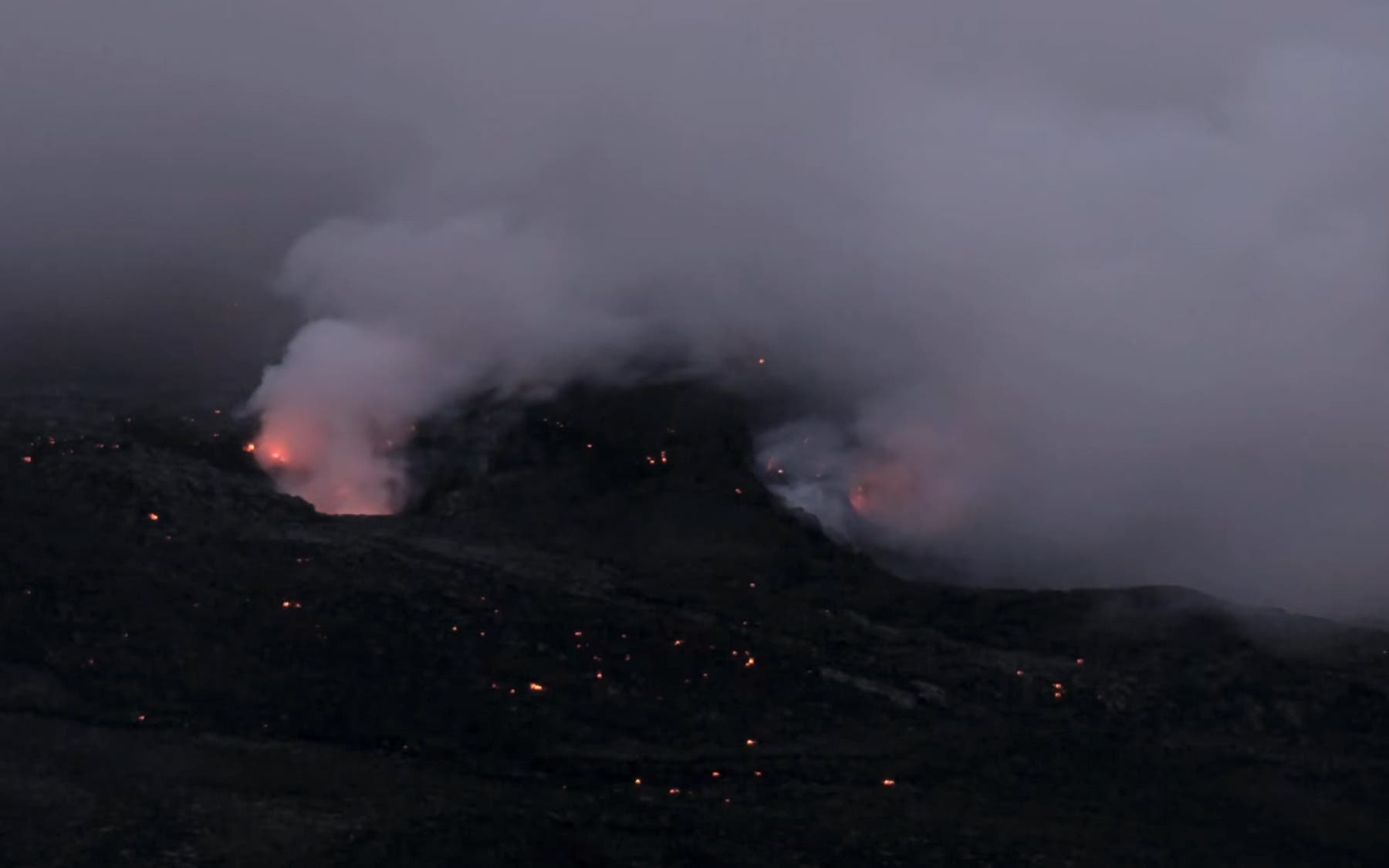
Curious viewers can drop in on the Halema’uma’u crater, the Kilauea caldera, the Kilauea Summit, and other areas of the volcano. There’s even a camera broadcasting thermal imagery of the caldera from the west rim of Kilauea’s summit. The glow of hot lava just below the surface is clearly visible in thermal imaging.
When Outside checked out the three Kilauea video livestreams on YouTube on March 11, fog and rain blocked our view of the lava. However, when we viewed the video earlier in the morning, we could clearly see molten lava and hot gas pouring from two volcanic vents.
The March 10 eruption, which the USGS posted a clip of on Instagram, shot lava more than 1,300 feet into the sky. The park said that these so-called lava fountains also produced large quantities of tephra—glassy volcanic fragments such as pumice and other debris—ejected during the eruption. This tephra fell not just over the volcano’s slopes, but over a nearby highway and residential areas.
Park officials began evacuating visitors from the park on March 10. They also closed all surrounding hiking trails and overlooks, as well as a portion of nearby Highway 11, due to road debris. Plumes of heat and ash from the volcano also reached over 30,000 feet into the air. That evening, the National Weather Service warned of ash measuring a quarter-inch in the area.
According to the USGS Hawaiian Volcano Observatory, some of the debris Kilauea blasted into the sky measured more than five inches across—roughly the size of footballs.
Although this tephra is light and airy, park officials say it’s still incredibly dangerous.
“Tephra fallout covers road markings and causes vehicles to skid and slide,” park staff said. The material is also dangerous to hikers and pedestrians as it can cause cuts and scrapes and irritate the eyes and lungs, making it difficult to breathe or see.
ADVERTISEMENT
According to the Hawaiian Volcano Observatory’s report, Kilauea eruption officially ended at 6:21 P.M. on March 10. Park officials announced the following morning that much of the surrounding area is now open to the public.
That doesn’t mean the volcano will stay quiet for good. Hopeful viewers should, of course, keep their distance from the hot lava and flying rocks. We recommend watching it from the safety of your couch.
