Published February 17, 2026 12:03PM
Want to Summit Everest? A New Law Would Require Mountaineers to First Climb Nepal’s Other 7000ers.
The Government of Nepal just took a step in approving sweeping legislation that would change who is allowed to climb the country’s highest mountains. If passed, a new bill would change requirements for expeditions, define how to declare a climber dead, and require trekking staff to be Nepali citizens.
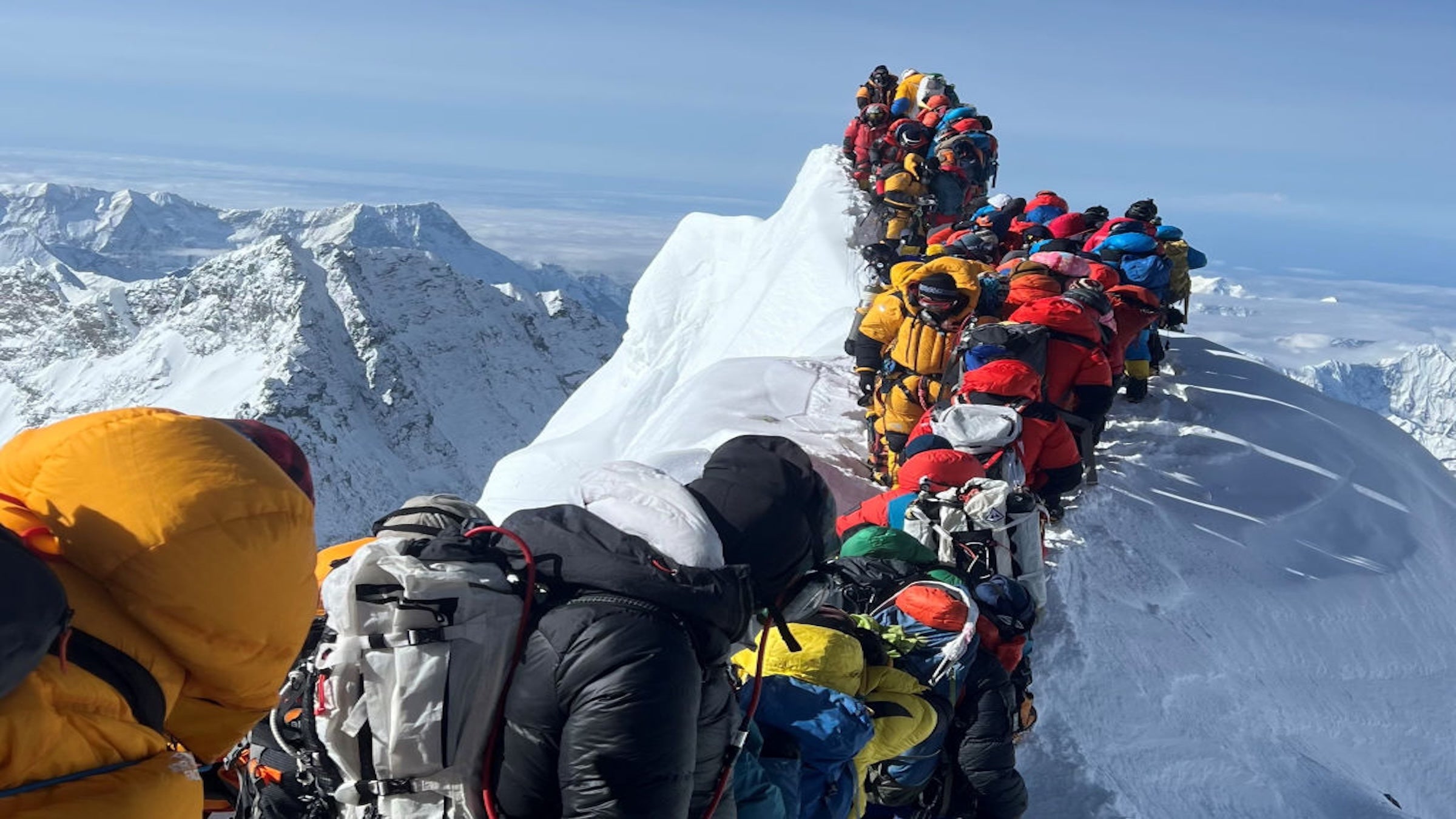
In 2024, climbers and mountain guides were stranded on Mount Everest after an ice collapse destroyed fixed ropes (Photo: Narendra Shahi Thakuri/picture alliance/Getty Images)
On February 9, Nepal’s government moved to restrict access to Mount Everest, introducing new rules that could change who is allowed to recreate in the mountaineering capital. Among other requirements, the tourism bill would require climbers to have previously summited a mountain of 7,000 meters (roughly 23,000 feet) in Nepal before they are allowed to attempt the 29,000-foot Everest.
The Kathmandu Post reported that the Tourism Bill represents one of the most comprehensive overhauls of the mountaineering industry in the country. It’s yet another attempt to introduce stricter mountaineering rules, but the legislation has been in the works for some time.
Supporters of the bill say these measures will update outdated regulations from 1978 and accommodate a growing tourism industry in one of the world’s most dangerous destinations.
Outside reviewed a translated version of the 63-page bill first introduced in 2008. Seven Summit Treks, a guide company in Nepal, also provided a breakdown of the bill on its website. Here’s what the bill aims to do.
ADVERTISEMENT
7000er Requirement
Under the proposed law, those hoping to climb Mount Everest would need to provide proof that they have previously summited to at least one mountain higher than 7,000 meters (roughly 23,000 feet) in Nepal. The nation has 72 peaks between 7,000 and 8,000 meters in elevation,
Would-be mountaineers must provide a verified summit certificate to be authenticated by the Department of Tourism.
ADVERTISEMENT
It’s a move the government says will help prevent inexperienced climbers from attempting a summit out of their wheelhouse. In 2025, five people died on Mount Everest, down three from the year prior.
Mandatory Health Certifications
All members of an expedition team would be required to submit a recent health certificate issued within the last month. Climbers would also need to include a detailed mountaineering plan to the Department of Tourism as part of their permit submission.
This new measure, officials say, is to reduce preventable deaths and medical emergencies at high altitudes.
Environmental Fund
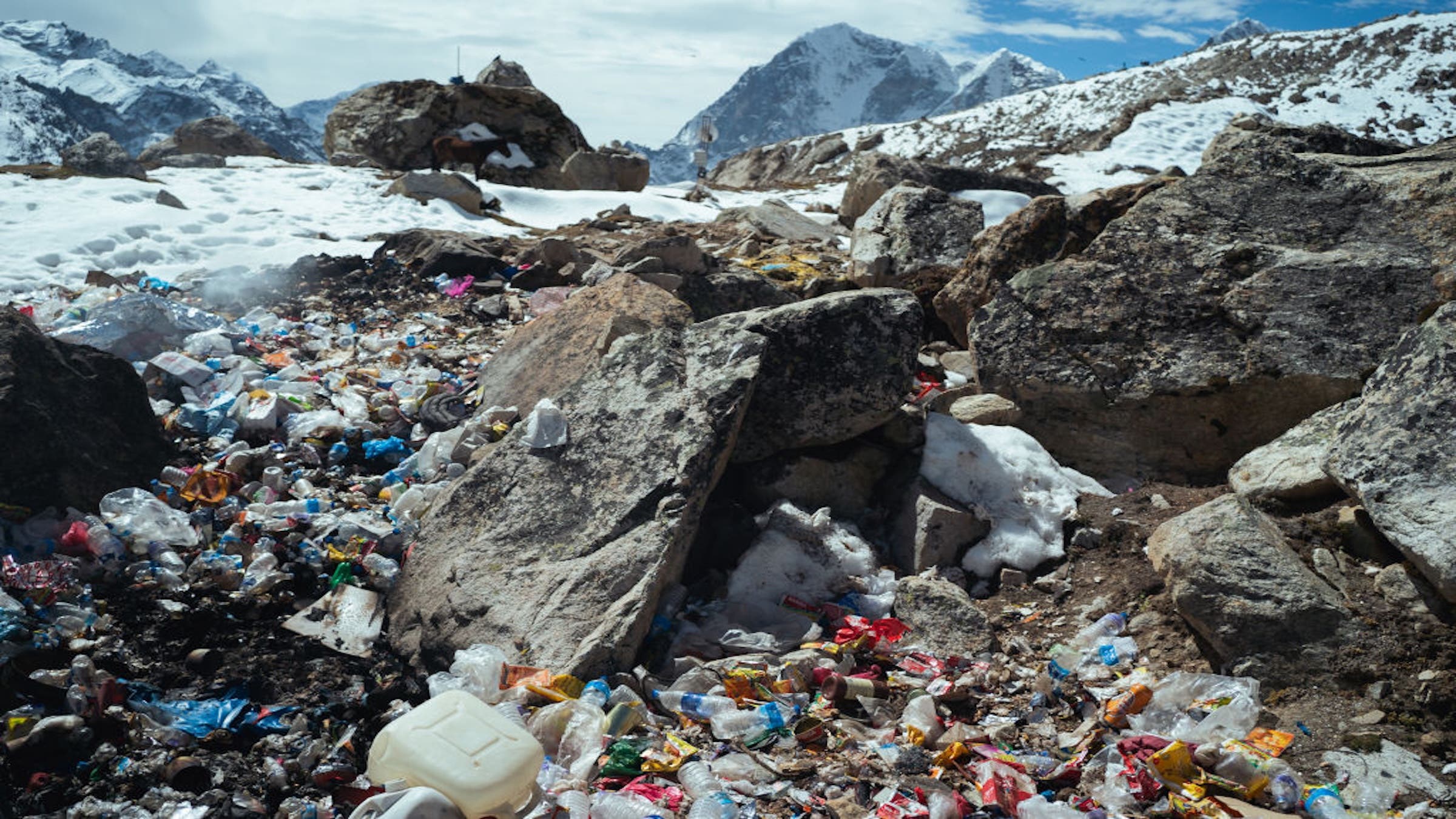
The legislation also introduced the Environment Protection and Mountaineers’ Welfare Fund, a program to help clean up Nepal’s high-altitude regions.
Since 2014, the government has required Everest climbers to carry back just under 18 pounds of waste, along with their own garbage, to help clean up the mountain. The mountain has a poop and trash problem, and to combat that, officials plan to deposit garbage management fees issued at the time of climbing permits into the fund.
This fund would also provide social security for climbers and support staff in mountaineering.
ADVERTISEMENT
Climbing Everest isn’t cheap: Foreigners are required to pay $15,000 in permit fees, though most climbers pay closer to $60,000 when factoring in trekking services.
Certifying Ascents
Another measure would aim to formalize climbing certifications. The Department of Tourism would verify a climb based on evidence provided. If a climber doesn’t apply for their certificate within a specific window, they forfeit their certification eligibility.
Those looking to set a specific record must also declare such intent when applying for the permit.
Declaring a Climber Dead
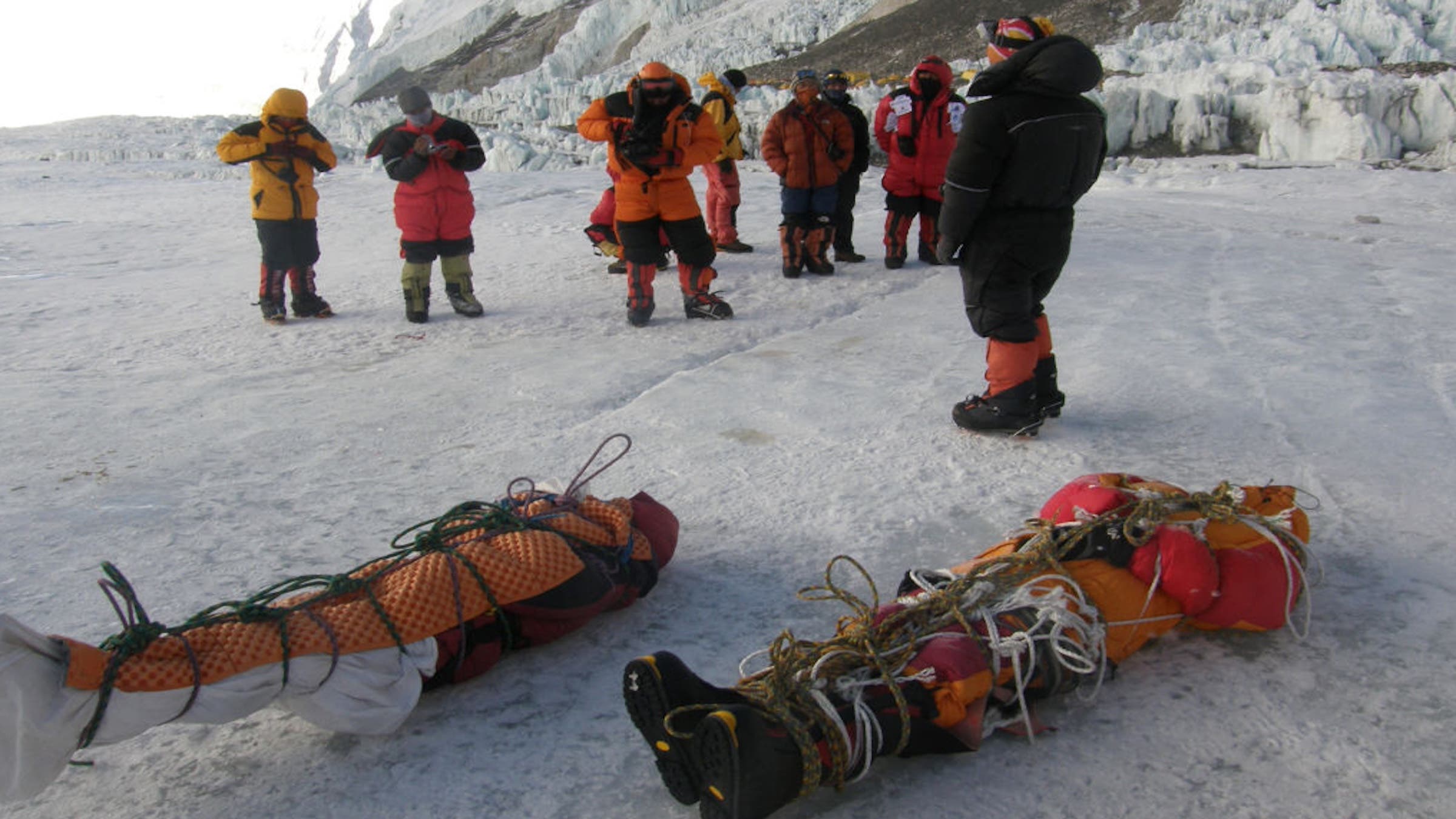
Estimates suggest that more than 200 corpses remain on Everest, but declaring a climber dead without their body is a complex endeavor. Under the proposed law, authorities can legally declare a mountaineer dead after one year of no contact.
ADVERTISEMENT
Mandatory Employment and Insurance Requirements
All expedition staff and support personnel must be Nepali citizens under the new bill. Trekking agencies would also be required to carry specific insurance policies, including that for the management of dead bodies.
What’s Next?
Unlike regulations set forth by tourism agencies or regional authorities, the proposed rules would become law if passed. But the bill still has to move through the House of Representatives for another vote before heading to the President’s desk, a process that The Kathmandu Post said could take several months.
And as Outside previously reported, how the rules will be enforced—and whether they will be—remains to be seen.
