Published December 15, 2025 03:58AM
The 2025 Outsiders of the Year
These trailblazers reshaped how we think about adventure, risk, and resilience in 2025.
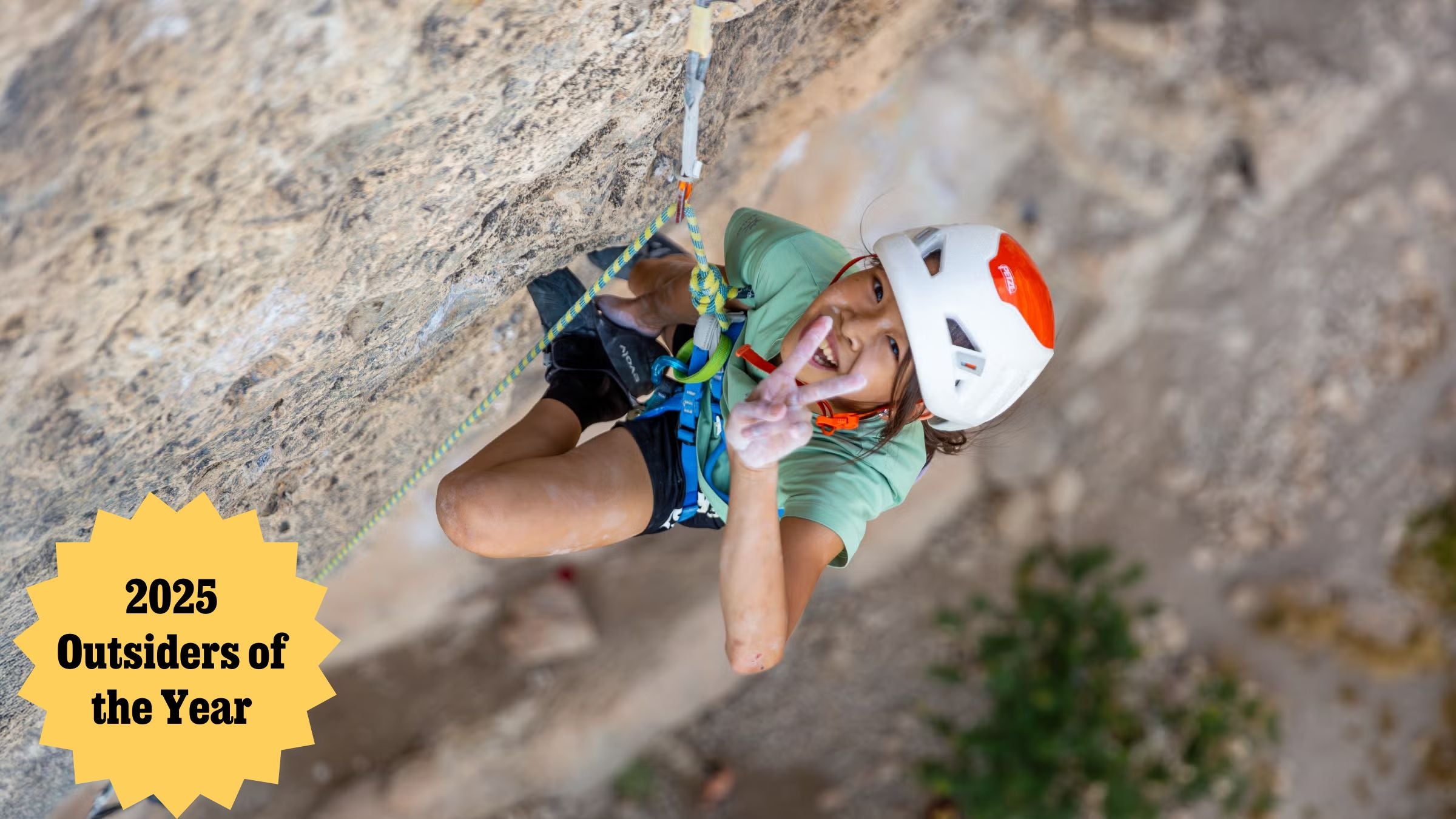
Veronica Aimee Chik, one of the 2025 Outsiders of the Year. (Photo: César Garcia Callariza)
Table of Contents
- •Lindsey Vonn•The Resistance Rangers•Faith Kipyegon•Climbers of the Year•The Indigenous Kayakers on the Klamath•Yoga Teachers of the Year•Everest's Helicopter Rescue Pilots•Skiers of the Year•Veronica Aimee Chik•SAR Workers of the Texas Flood•Cyclists of the Year•Rancho La Puerta•Xiye Bastida•Gear of the Year•The Gaza Sunbirds•Run Clubs
From record-breaking athletes to quiet heroes, their stories remind us that the outdoors isn’t just where we play—it’s where culture shifts. These are the 2025 Outsiders of the Year.
Lindsey Vonn

Freed from years of pain by a knee replacement—she’s back racing at 41, chasing Olympic glory in Cortina. Here’s how one of the world’s most dominant skiers is reclaiming what her legacy means beyond the podium.
ADVERTISEMENT
The Resistance Rangers
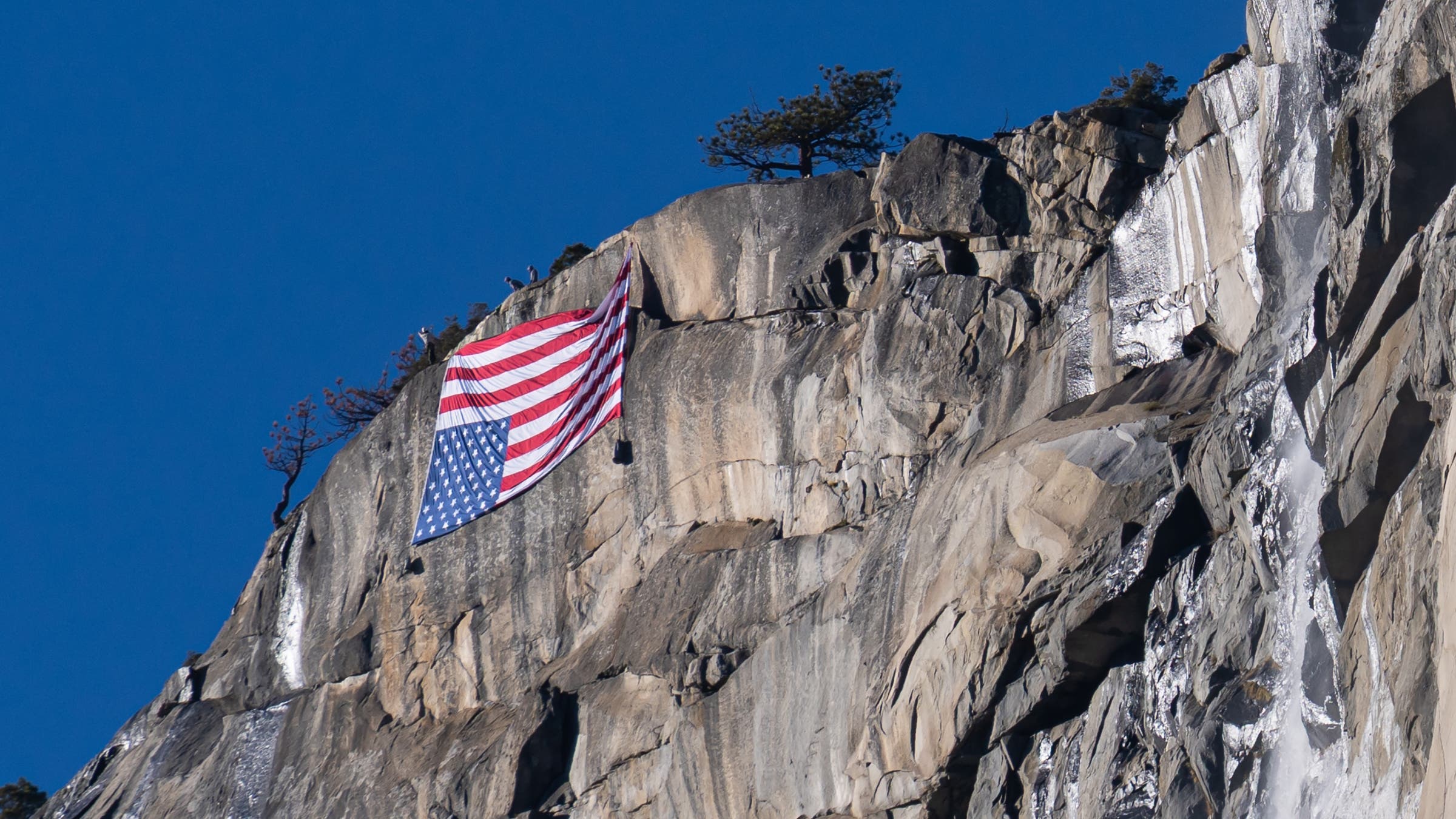
An anonymous band of off-duty park rangers has risen up to defend America’s public lands from budget cuts, firings, and political neglect.
ADVERTISEMENT
Faith Kipyegon
She didn’t crack the four-minute mile (yet), but Kipyegon proved she’s the rare athlete who can bend the limits of what’s possible.

Faith Kipyegon did not run the first sub-four-minute mile by a woman. For a few minutes, on a breezy June evening in Paris, it looked as though the 31-year-old Kenyan superstar might do it. Through three laps, she was within striking distance—but then someone turned gravity back on, and she faded in the final lap to a still-eye-popping finishing time of 4:06.42.
A failure? Hardly. Kipyegon’s effort came in a Nike-orchestrated exhibition race that it dubbed Breaking4, a follow-up to the Breaking2 race in 2017, where fellow Kenyan Eliud Kipchoge attempted to break two hours in the marathon.
That race introduced Kipchoge, with his gnomic wisdom and inscrutable smile, to a broader audience outside the running aficionados who already worshipped him. Kipyegon, the greatest middle-distance runner of her generation, was overdue for the same treatment. Her accolades and world records are too numerous to list here, but chief among them is the rare distinction of having won three consecutive Olympic titles in the same event, the 1,500 meters—a feat that notably eluded Kipchoge in the marathon in 2024.
ADVERTISEMENT
Track and field has been ahead of the curve in ensuring equal competitive opportunities and prize money for female athletes, but that doesn’t mean they receive the same attention as their male counterparts. Kipyegon’s moment in the Nike spotlight gave her an opportunity to share her personality with the world: soft-spoken, yes, but also unrelentingly ambitious.
Don’t forget: Kipchoge didn’t break two in Breaking2, but he succeeded two years later. Can Kipyegon break four? After the race, she didn’t equivocate: “I think I’ve shown the world it’s possible.”
ADVERTISEMENT
Climbing Magazine’s 14 Climbers of the Year
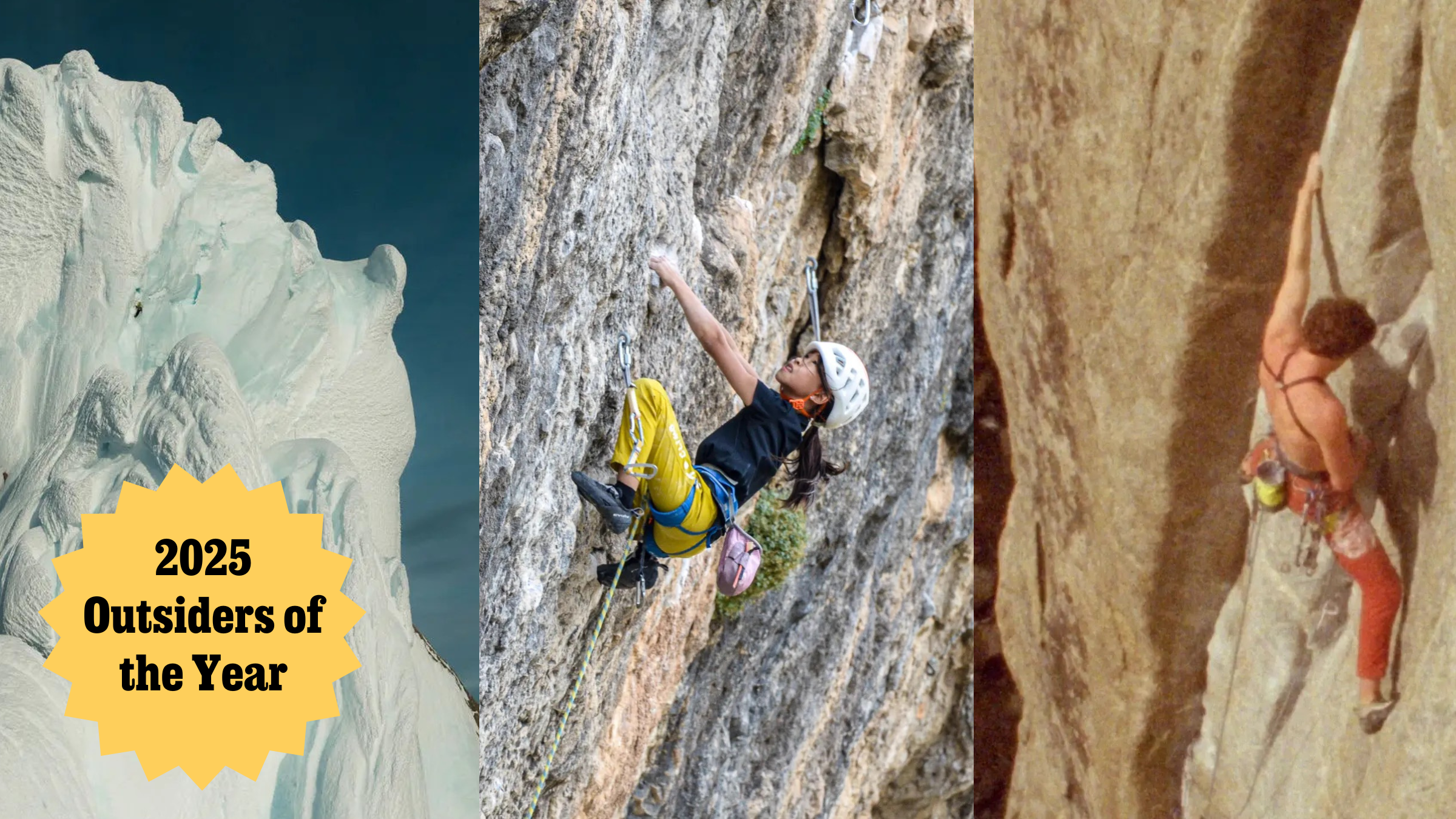
In 2025, climbing saw many historic records broken and set. Yosemite served as a hotspot—so did Italy. We saw a new grade in bouldering established. And we witnessed women shattering grade ceilings. Read about 14 climbers who broke historic records this year here.
ADVERTISEMENT
The Indigenous Kayakers on the Klamath
As the Klamath River was being freed from its dams, a group of teens paddled its full 300 miles—reclaiming a sacred waterway for their people.
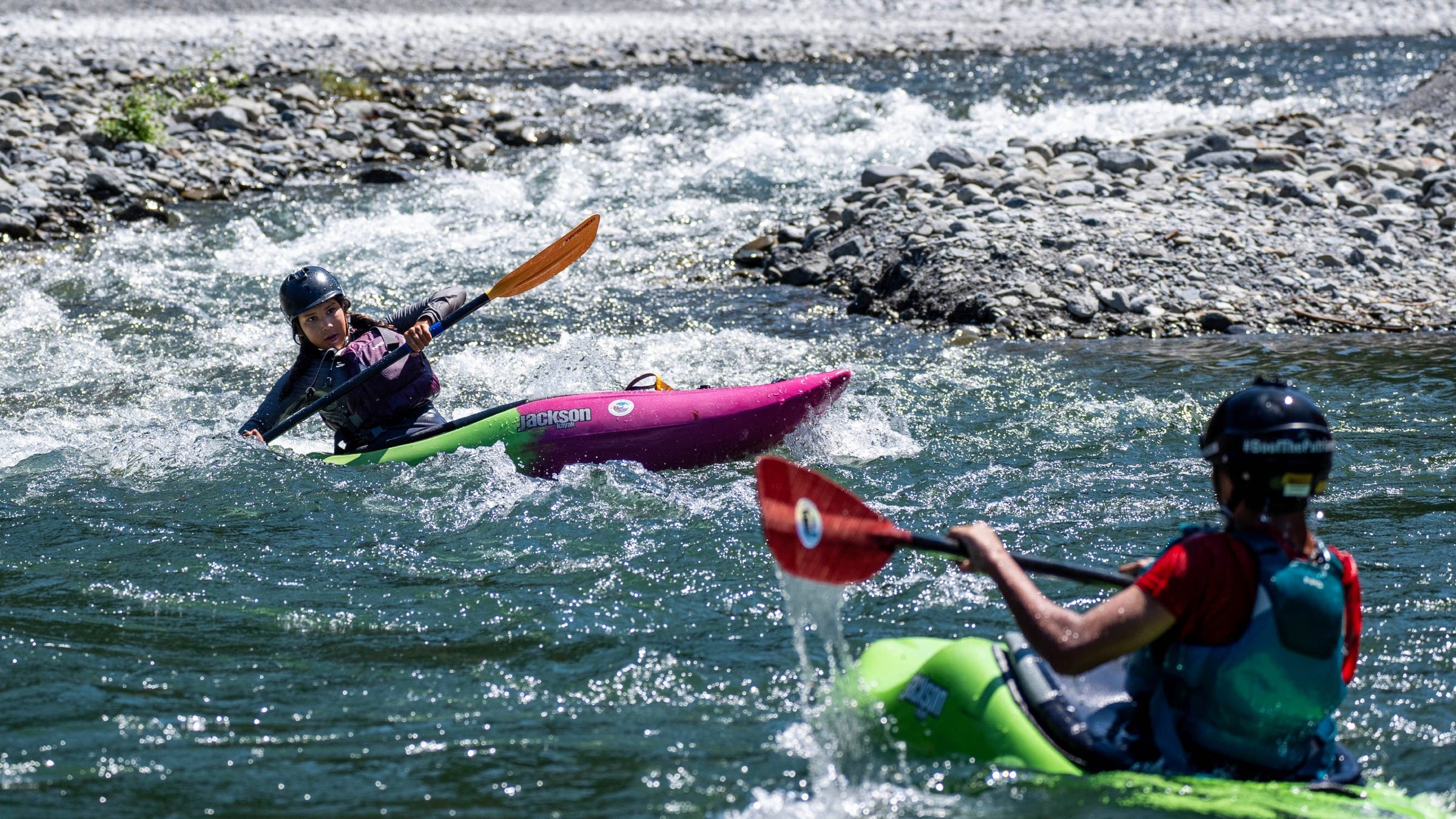
On the first morning of the first descent, Julian Rogers burned sage and prayed. At 16, the Hoopa Valley tribal member was about to kayak more than 300 miles down the Klamath River from its headwaters in southern Oregon. Not long ago, Julian had never heard of the sport of kayaking. On June 12, fourteen other Indigenous youths, ages 13 to 20, would join him for the 30-day journey.
ADVERTISEMENT
For decades, Native tribes in the basin—the Yurok, Karuk, and Hoopa—had pressed for the hydroelectric dams on the Klamath to come down and for the polluted river to be restored. To Indigenous people, the Klamath is a sacred being, inseparable from their way of life. In 2002, a huge salmon die-off, caused in part by the Iron Gate Dam, helped their quest. By 2024, most of the giant dams were gone. The Klamath was mostly running free.
In 2022, the global organization Ríos to Rivers created Paddle Tribal Waters to nurture the relationship between Native kids and the Klamath. The group’s leaders believed that Indigenous people should be the first to descend its length once the river was open. So for nearly three years, the teens learned to kayak, training in California, Oregon, and even Zambia.
Coley Miller, 14, who is Modoc and a citizen of the Klamath Tribes, was one of the youngest. “Once I joined this program, I learned so much about the river and other people’s tribes, and to speak up more about my tribe,” she said.
On the eighth day, while the others rested, Julian, his brother, and his cousin hiked to a section of the Klamath with Class IV rapids. Before setting off, they had a talk to be sure they were mentally ready. Four stretches of churning whitewater loomed ahead.
ADVERTISEMENT
“After feeling so nervous and scared about the rapids, we made it through them,” said Julian, who was on a kayaking trip in Quebec when Outside interviewed him. “And I was just so happy to have done it.”
For Julian, the hardest part of the monthlong journey was being away from his family. But then he remembered the reason he’d tackled this historic descent: for his people.
As the kayakers reached the end, dense fog shrouded the river. By now, dozens more paddlers from local tribes and river advocates from Bolivia, China, and New Zealand had joined the kids. With a mile to go, two traditional dugout canoes led them to the Klamath’s mouth in California, on the Pacific.
“And when we finally touched down on the beach, I remember feeling such a sense of accomplishment,” said Julian. “I was so proud that we had all done this. Another river was going to start healing.”
ADVERTISEMENT
8 Yoga Teachers Who Made a Difference in 2025, Selected by Yoga Journal
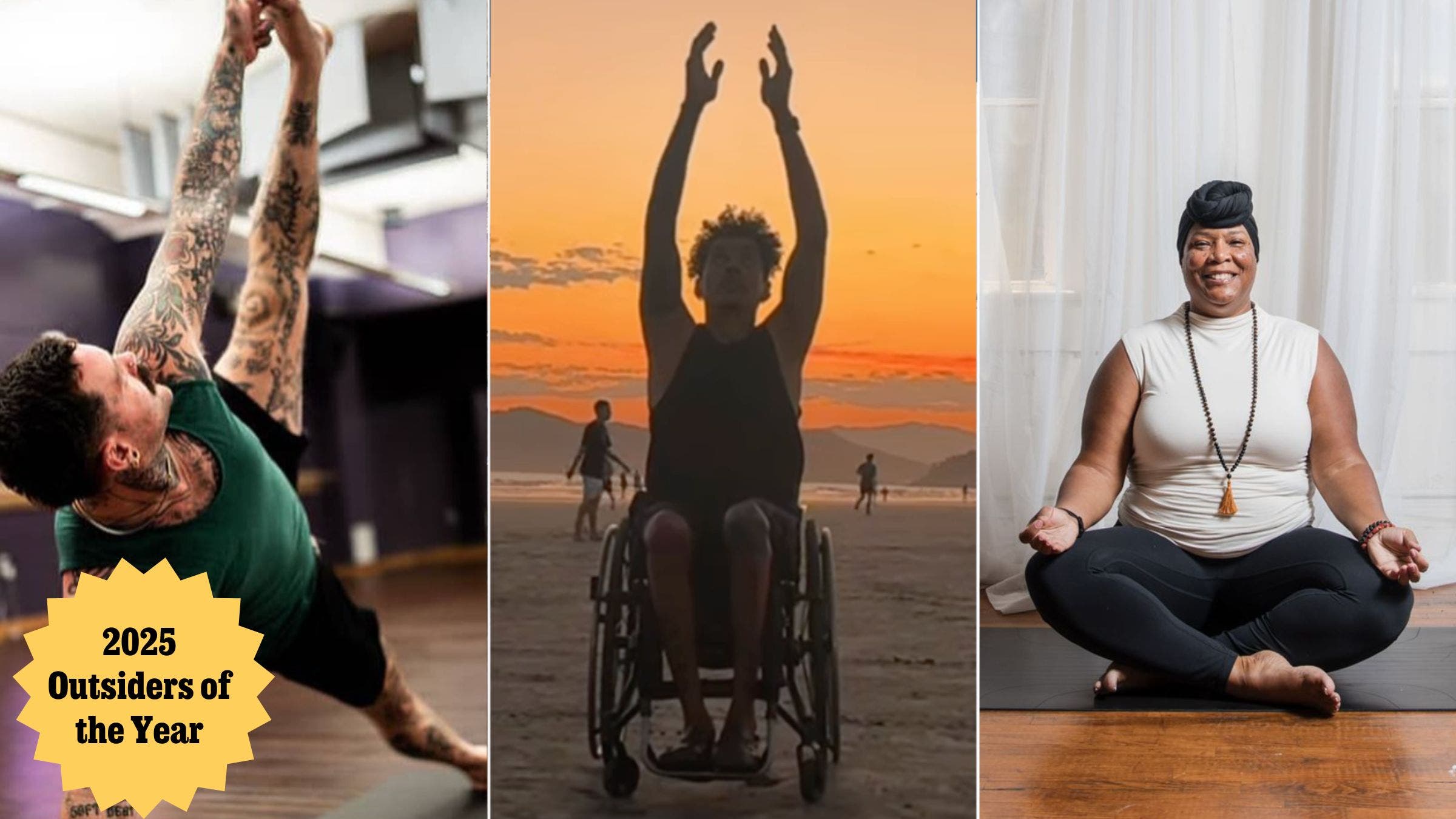
You know when you’ve had a transcendent yoga experience. Much of that is due to you moving and breathing on your mat. Although a part of that is entirely dependent on the person taking you through your practice. Meet the yoga teachers whose lessons reverberate through us long after class is over.
ADVERTISEMENT
Everest’s Helicopter Rescue Pilots
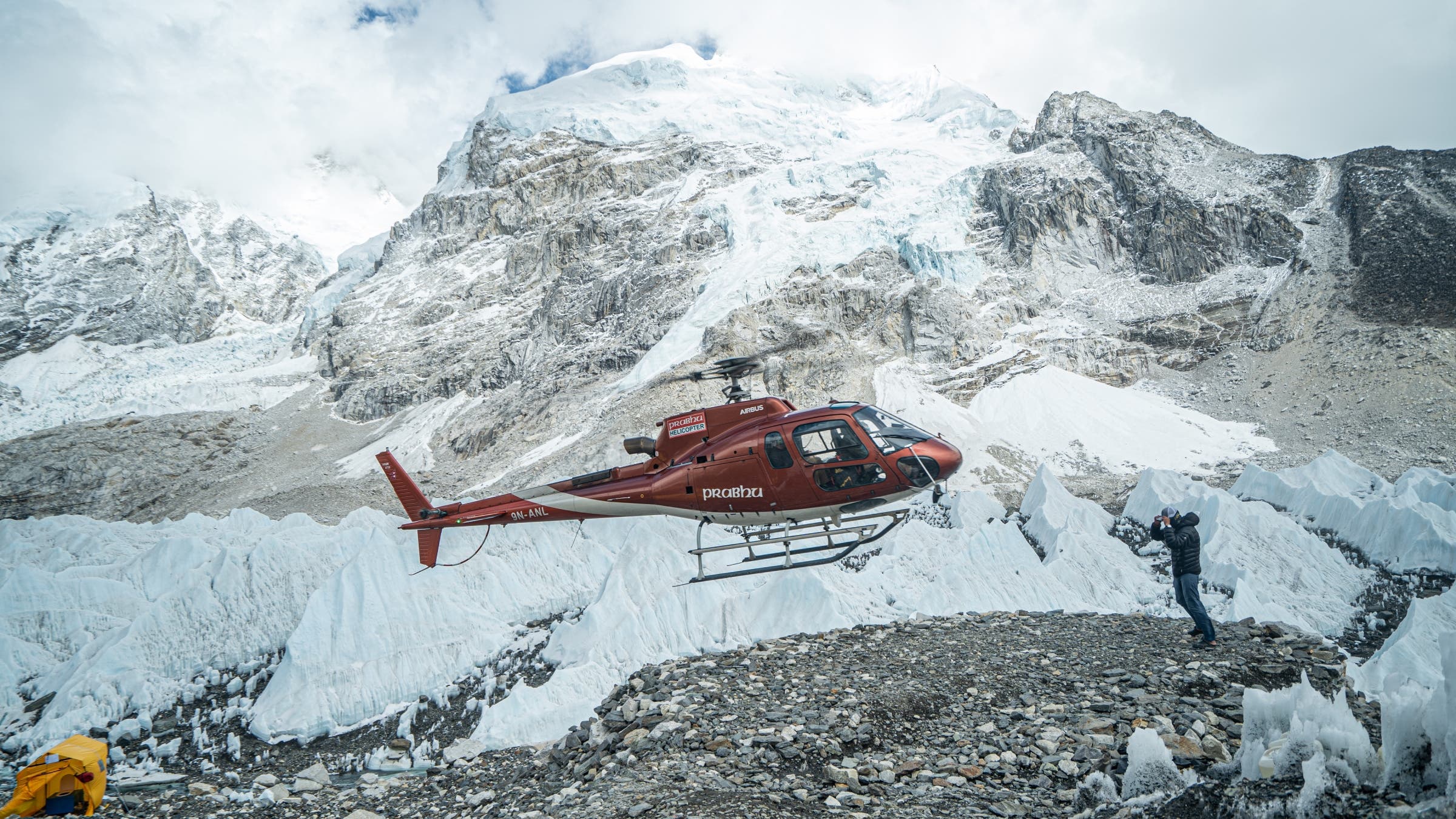
Daring aviators plucked stricken climbers from the flanks of Mount Everest throughout the 2025 season, saving many from certain death.
ADVERTISEMENT
10 Skiers Inspiring Positive Change on the Slopes in 2025, from SKI Magazine

In 2025, skiing is about more than speed and style—it’s about shaping culture, building community, and inspiring others. What it means to each of us is different, but at its heart, skiing brings people together in ways that spark joy and connection. Here are the people who left their unforgettable mark on the sport this year.
ADVERTISEMENT
Veronica Aimee Chik
At just ten years old, Hong Kong’s Chik became the youngest climber to send a 5.14b.
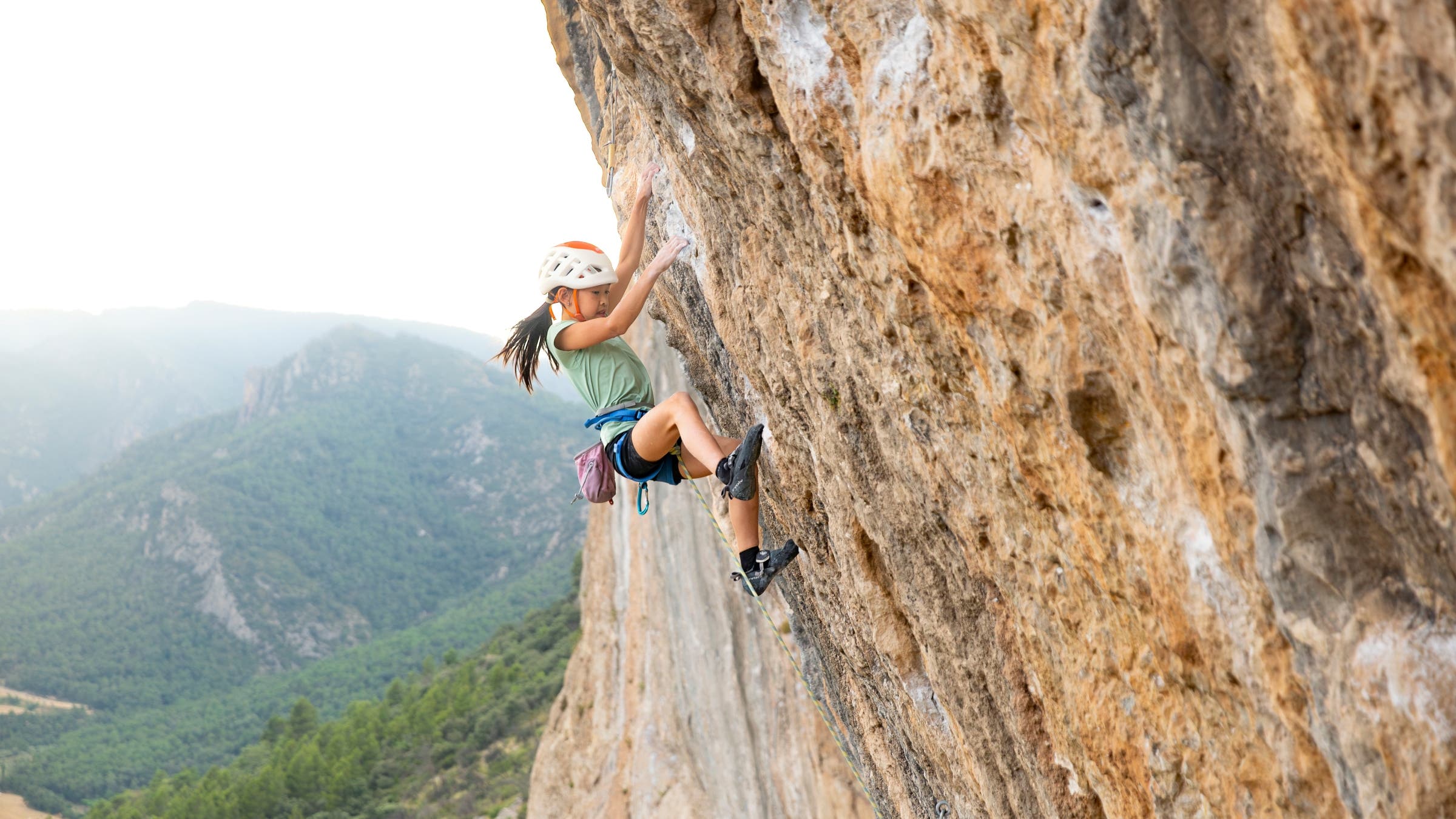
On July 8, 2025, Veronica Aimee Chik became the world’s youngest person to climb the grade 5.14b. The route in question? The 164-foot-tall, impossibly steep Fish Eye in Oliana, Spain—a line first climbed by climbing legend Chris Sharma and repeated by other pros, including Janja Garnbret and Hazel Findlay.
A week later, Chik turned ten. And a few weeks after that, she headed to Kentucky’s Red River Gorge to work on more steep 5.14 routes—all before starting school for the year near her home in Hong Kong. While many climbing phenoms might choose homeschooling, Chik says she’d miss her friends too much.
Chik first started climbing when she was five years old and immediately loved it. In 2024, she won the China National Competition for youth under nine years old. In 2026, she plans to return to Spain to climb 5.14c before she turns 11 on July 15. One day, she dreams of competing in the Olympics (she has her eye on the 2032 Games in Brisbane, Australia, when she’ll be freshly 17).
ADVERTISEMENT
After her record-breaking climb last year, she radiated the confidence and stoke of someone much older. “I fear no challenges, no heights, and no falls,” she said after sending Fish Eye.
The mantra that got her to the top of Fish Eye? “I believe in myself!”
ADVERTISEMENT
SAR Workers of the Texas Flood
Search and rescue crews, as well as recovery teams, scoured central Texas for survivors and victims after deadly floodwaters in the Guadalupe River killed hundreds.
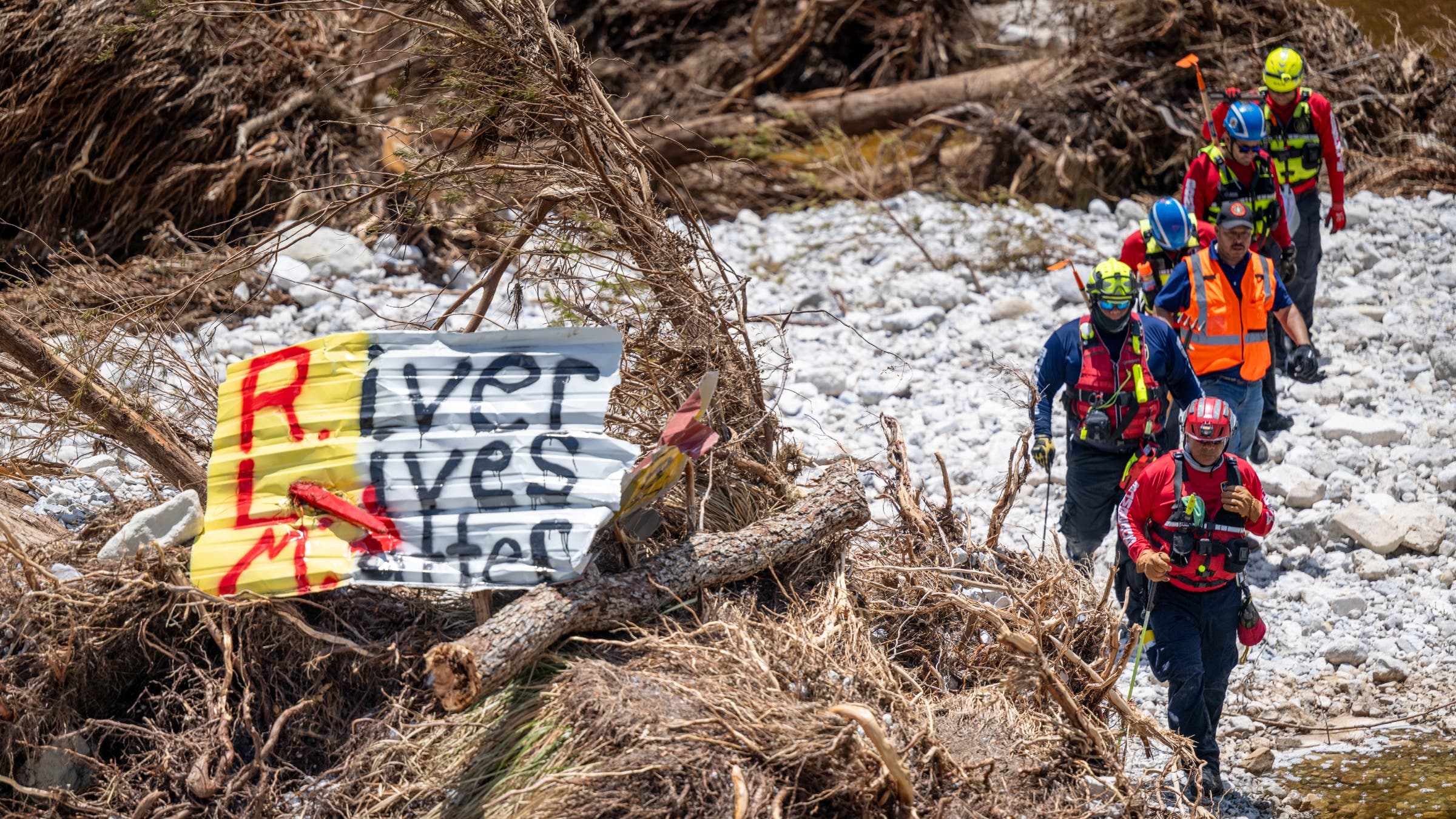
Search, rescue, and recovery teams from across the country—and beyond—were called to respond in Kerr County, Texas, on July 4, 2025, after a 30-foot-high wall of water swept down the upper reaches of the Guadalupe River. The flood decimated the dozen-plus youth summer camps situated along the Guadalupe River headwaters and washed away entire families who had gathered to celebrate during the Independence Day weekend.
ADVERTISEMENT
Flying into the center of the storm, the four-person helicopter crew of Coast Guard Rescue 6553 from Corpus Christi led evacuation efforts at Camp Mystic and in the town of Hunt, where residents escaped the rising river by climbing onto the roofs of houses. In his first-ever mission, Coast Guard swimmer Scott Ruskan helped shepherd 165 Mystic campers to safety.
As the Center Point fire department filled with flood water, the town’s volunteer fire firefighters evacuated residents from the rushing river and helped save a woman who clung to a tree after being carried 20 miles downriver. Once roads became passable, Kerrville school bus drivers loaded up hundreds of campers and shuttled them toward home.
In the following days, thousands of volunteers arrived to search the banks of the Guadalupe River for the flood’s 117 confirmed victims in Kerr County, including 37 children. Josh Gill, an incident commander with the nonprofit United Cajun Navy, arrived in Kerr County from his home near Baton Rouge, Louisiana, on July 6.
ADVERTISEMENT
“People need help, we provide hope,” Gill said of the closure his recovery team sought to give the families of flood victims. Lawrence Ervin of Team Texas K9s and his seven-year-old Malinois, Aurnia, continued searching for flood victims more than a month after the initial storm, accessing remote parts of the river in UTVs, amphibious tanks, canoes, and johnboats.
“There’s always more that can be done,” said Ervin. “But with the tools and training we were given, my dog and I did everything we possibly could.”
ADVERTISEMENT
Velo’s 10 Best Pro Cyclists of 2025

We’re living through a golden age of professional road cycling, with stronger riders are more entertaining racing than seemingly ever before. While many riders had standout performances in 2025, these are the ones who stood above the rest in the ridiculously talented pro peloton.
ADVERTISEMENT
North America’s Original Wellness Resort
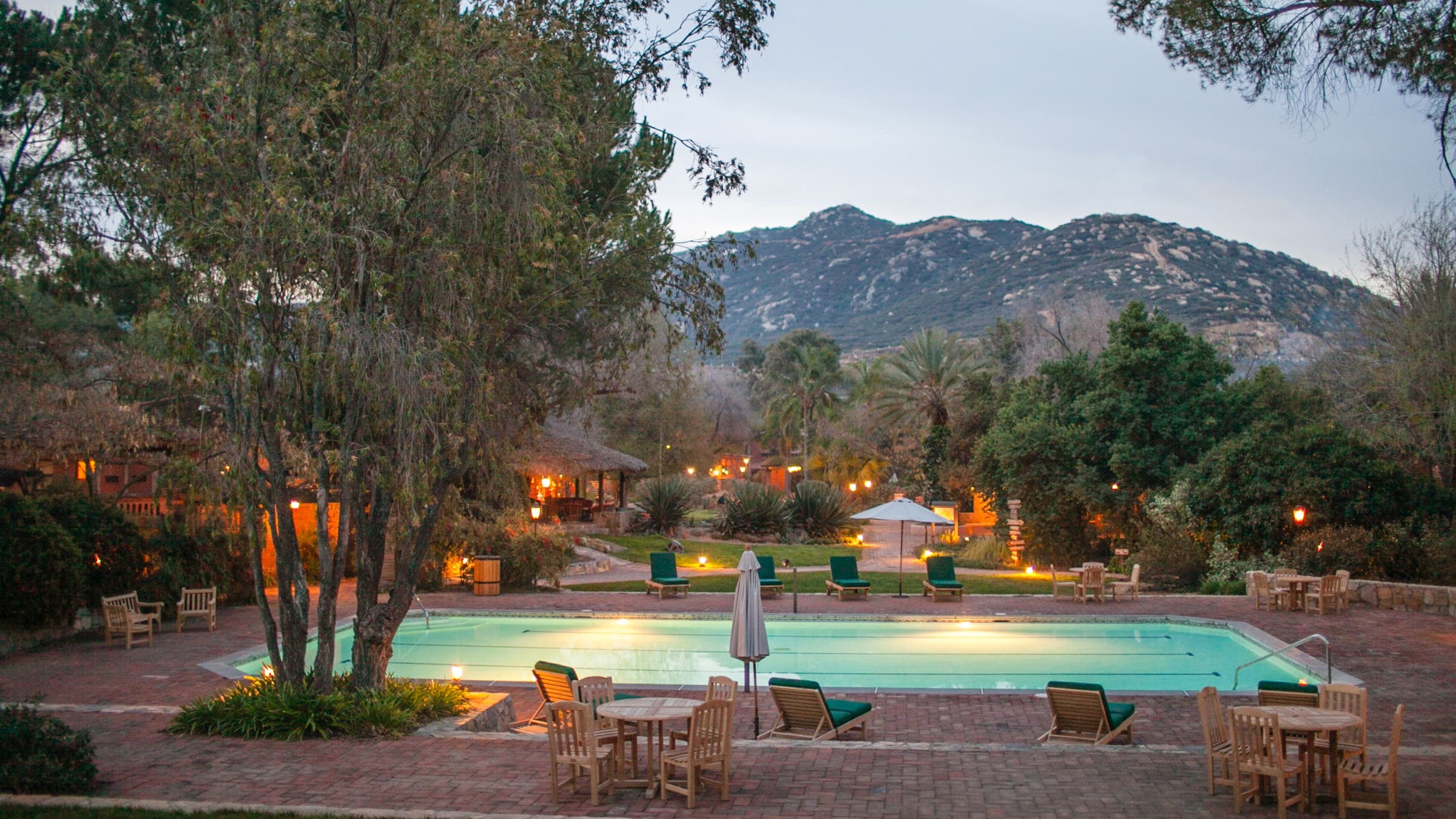
Rancho La Puerta, a health and fitness retreat in the foothills of Baja California, Mexico, helped pioneer the modern wellness movement. What began in 1940 as an experiment is now a world-renowned wellness resort committed to holistic health, fitness, and organic farming.
ADVERTISEMENT
Xiye Bastida
The 23-year-old climate activist believes the first step to saving the planet isn’t policy—it’s picturing a future worth fighting for.
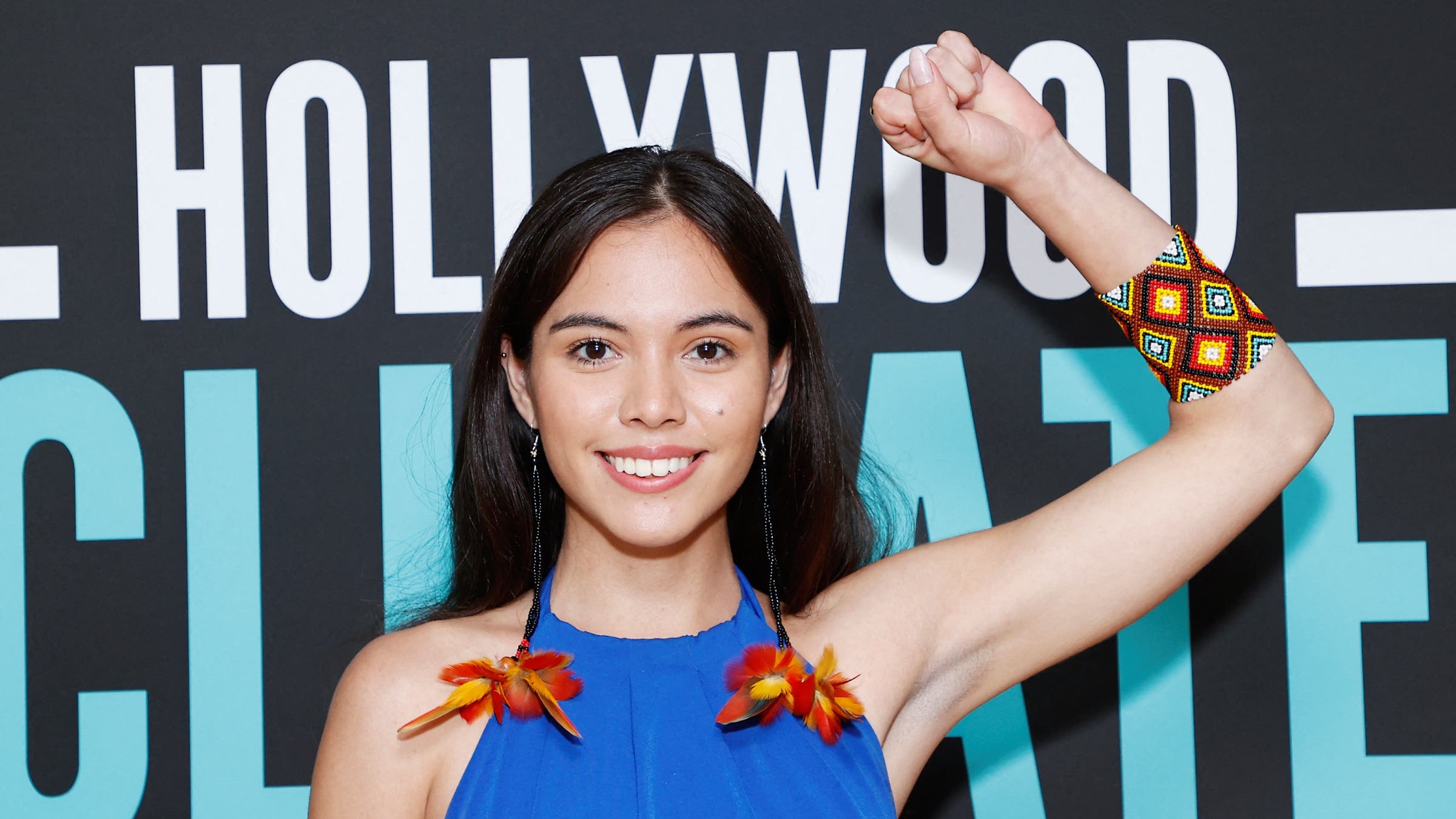
At 23, Xiye Bastida has done more to champion the environment than many world leaders have in a lifetime. The Gen Z Mexican climate activist spoke in front of the United Nations’ World Urban Forum for the first time at 15 years old. That same year, 2018, she won the UN Spirit Award for her youth leadership and promotion for Indigenous wisdom as a solution. Through her Otomi-Toltec roots, Bastida advocates for Indigenous principles such as reciprocity and intergenerational responsibility.
Climate activism runs in Bastida’s family: her parents met at the first Earth Summit in 1992. After a catastrophic flooding of her hometown in central Mexico, she moved to New York City and started her relentless activism.
ADVERTISEMENT
As a high school student, she was instrumental in organizing Fridays for Future climate strikes and helped mobilize as many as 250,000 people for the September 2019 youth-led march in New York, the largest of its kind in history. In 2020, she co-founded Re-Earth Initiative, a youth-led climate justice education organization spanning 26 countries. She has held the attention of world leaders on stage as UN High-Level Champions and at COP26.
“We’re still building, we’re still working, even if you don’t see it in the headlines or your feeds,” Bastida tells Outside about the youth climate movement.
Bastida co-produced and starred in a feature-length documentary, which premiered this year, called The Way of the Whale. The film traces the path of the gray whale’s migration from Baja California, Mexico, to the Arctic to document the challenges they face. Bastida connects the community-led conservation efforts that started 25 years ago to the climate crisis facing today’s generation.
A grassroots movement to “save the whales”—widely considered one of the greatest environmental success stories of our time—drew in world leaders, luminaries, celebrities, and the general public. What began as a plea from a small fishing community went global, resulting in a ban on Mitsubishi building a salt plant at the last pristine gray whale birthing lagoon in the world along Mexico’s Baja Peninsula.
ADVERTISEMENT
The film recounts this environmental success story as a way to remind current generations of the power of mobilizing communities.
What’s the one thing people can do right now to make a difference? It’s a question Bastida gets a lot. “It’s not about the one thing you can do. It’s about doing everything differently,” she says.
That starts with imagining a world in which we are more connected to nature. In her TED Talk, the Gen Z activist gave an emotional speech about the power of vivid visualizations of a future she sees: “I imagine my granddaughter seeing the reefs. I imagine taking my grandson to see the ice. I imagine a world where we don’t have to run from hurricanes or wildfires. I imagine a world where we are connected, and our kids get to experience the world that we are privileged to see.”
ADVERTISEMENT
Gear Gone Wild
Forget safe updates. This year’s standouts are over-engineered and sometimes a little unhinged—which is exactly why we love them.
—Kevin Sintumuang
Nike Vomero Premium

Why shouldn’t your daily trainer feel like you’re floating? Inspired by anti-gravity treadmills, this shoe attempts to replicate the sensation of reduced body weight through a maximalist sole that combines plush foam with responsive forefoot and heel Air Zoom units.
In a landscape cluttered with incremental cushion updates, the Vomero Premium is refreshingly unhinged—a declaration that sometimes, more is actually more. It makes other max-cushioned runners look timid, pushing the boundaries of what we expect from everyday training footwear.
Leatherman Blazer Knife

This lightweight-yet-durable folding knife is built for EDC—tough steel, clean design, and rugged readiness. The MagnaCut steel, G10 and stainless steel handles, and proven design put Leatherman knives in the top tier from day one.
Yet the Blazer represents something rare: a heritage tool brand refusing to rest on their multitool laurels, instead pushing into premium knife territory with the same obsessive engineering that made their pliers legendary. After decades of multitool mastery, Leatherman entering the standalone knife game feels inevitable and overdue.
Gozney Tread Portable Pizza Oven

Portable pizza ovens tend to be terrible compromises that make mediocre pizza while weighing as much as a small anvil. The Tread, however, is genuinely lightweight (28 pounds) while still hitting 950 degrees Fahrenheit, thanks to clever double-wall construction that traps heat efficiently without the bulk.
It’s steep for camp cooking, but consider the alternative: hauling a 60-pound “portable” oven to your campsite like a masochist. The Tread represents something rare in outdoor gear: a genuinely thoughtful solution to a problem that previously had only bad answers.
The Gaza Sunbirds
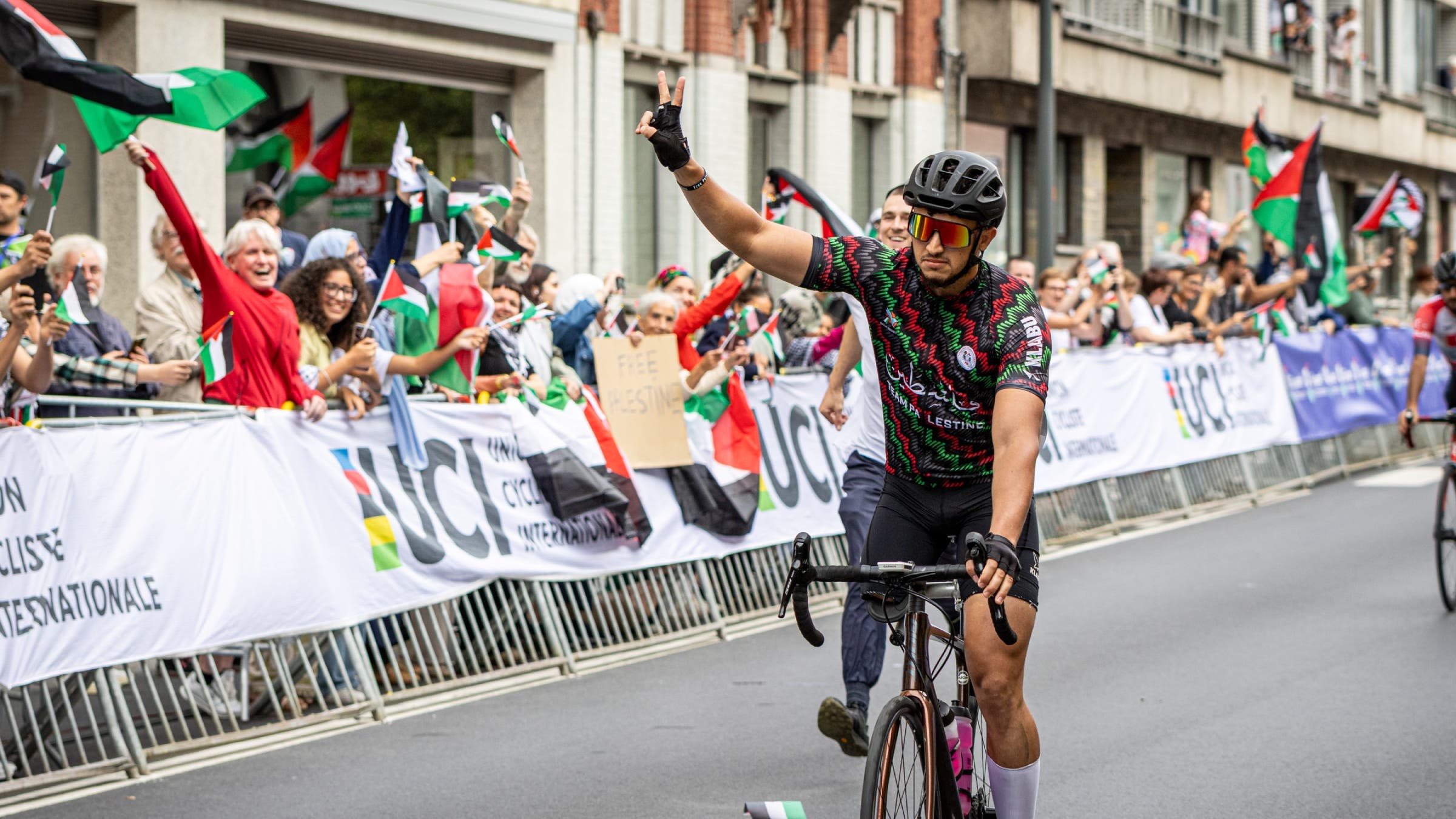
These Palestinian amputee cyclists race and deliver aid, turning loss into resilience on and off the road.
ADVERTISEMENT
The Rise of the Run Club
Once a niche pursuit, group running has exploded into a global movement—part fitness, part therapy, part community.
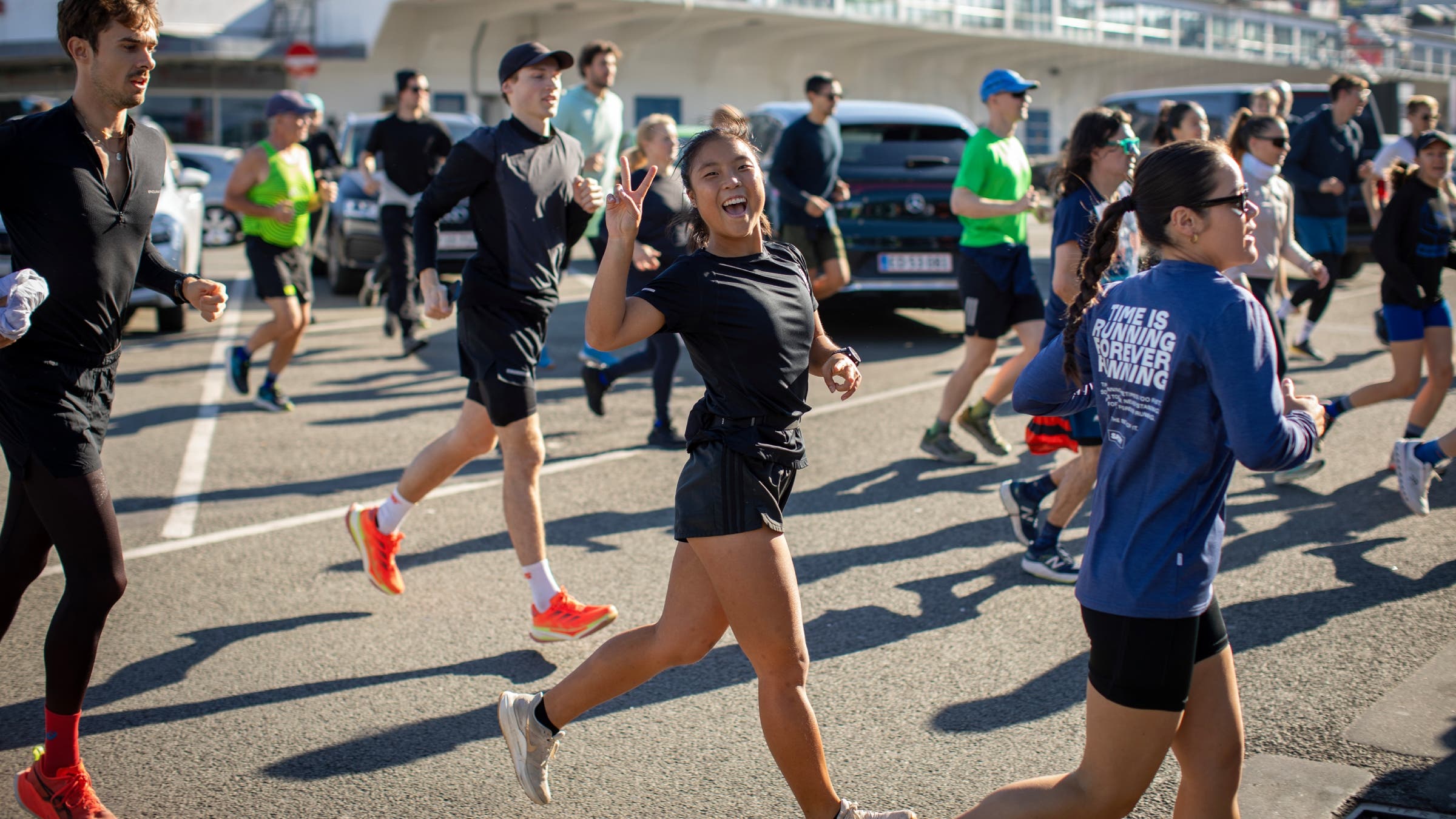
When gyms shut down during the pandemic, running took off. It’s free, you can do it outdoors, and it’s accessible to nearly everyone. In a 2023 survey, the shoe testing lab RunRepeat found that almost 29 percent of current runners started between 2020 and 2021, most drawn by the physical health benefits.
Run clubs offer soft accountability. There’s no pressure—just consistent meetups that keep runners coming back. They also build real connections. In 2025, the UK-based digital media platform LADbible analyzed running trends from 2024; their report found that 72 percent of Gen Z runners join clubs to meet new people, prioritizing community over competition.
Patrice Rollins, an aviation officer and avid run club participant for four years, is currently a member of the Boston, Massachusetts, Last Lap Run Club. She says her love for run clubs stems from three reasons: “Running clubs are therapy for me, they relieve my stress, and I get to meet new people from all over Boston.”
Plus, they create space for connection beyond fitness. One survey examined more than 900 college students about their dating habits. Fifty percent said they preferred meeting romantic partners offline—through in-person activities instead of dating apps.
ADVERTISEMENT
Run clubs like Midnight Runners and Mikkeller Running Club have exploded globally over the past five years, fueled by a post-pandemic hunger for movement, community, and meaning. Midnight Runners now operates in 18 cities worldwide with more than 10,000 members, turning city streets into mobile dance floors with music-fueled bootcamp runs.
Mikkeller—born out of a Copenhagen brewery—has expanded to 150-plus chapters in 37 countries, fusing urban running with craft beer and local culture. Black Girls Run, with nearly 260,000 members across the U.S., leads a movement to diversify running and empower women of color through local chapters, group runs, and national meetups, while Achilles International—with 60-plus chapters globally—continues to lead in adaptive running, creating space for athletes with disabilities to move alongside allies.
These clubs don’t just get people moving—they help them feel seen, supported, and connected. Whether you’re chasing pace, belonging, or purpose, the right crew might already be running near you.
