Published April 9, 2012 12:00AM
How to Treat Snakebites
Whiskey shots aren't the answer
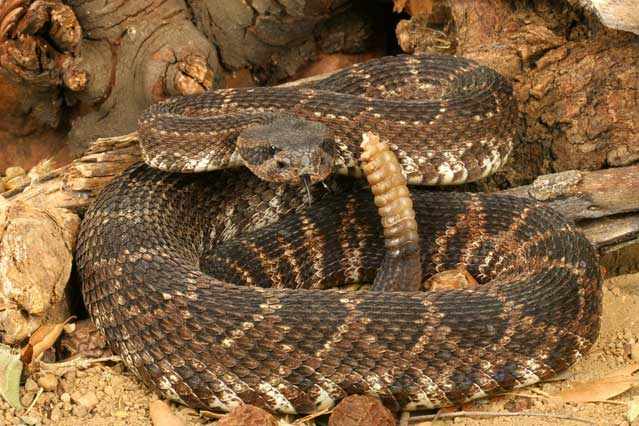
Rattlesnake, via <a target="_blank" href="http://www.shutterstock.com/cat.mhtml?lang=en&search_source=search_form&version=llv1&anyorall=all&safesearch=1&searchterm=rattlesnake&search_group=&orient=&search_cat=&searchtermx=&photographer_name=&people_gender=&people_age=&people_ethnicity=&people_number=&commercial_ok=&color=&show_color_wheel=1#id=3388331&src=e71e0039156fe5879abc562c9794dd7e-1-49" rel="noopener">Shutterstock</a> (Photo: Audrey Snider-Bell )
No topic in wilderness medicine is so laden with folklore remedies as the snakebite. Incision, suck-and-spit, mechanical suction devices, ice-water immersion, tourniquets… The truth is, none of those methods have been proven to work. Even worse, they waste precious time. The only real cure for a venomous bite is the appropriate antivenom from a medical facility.
The best steps to take if you’re bitten by a rattlesnake or coral snake, two of North America’s most common venomous snakes:
- Retreat out of striking range of the snake, which is at least its body length.
- Look for distinguishing traits that might help identify the species, like a rattle or facial pits, slight depressions between the eyes and nostrils that help detect infrared heat. If you have a digital camera or camera phone, consider taking a photo, ensuring you maintain a safe distance.
- Splint the bitten body part to limit unnecessary motion that might promote the spread of venom, making sure to allow room for swelling within the splint.
- Transport the victim to the nearest hospital immediately.