Published October 21, 2022 12:50PM
Originally posted onBackpacker
Two College Wrestlers Versus One Grizzly Bear
Northwest College teammates Brayden Lowry and Kendell Cummings suffered serious injuries after fighting off an aggressive bruin in Wyoming
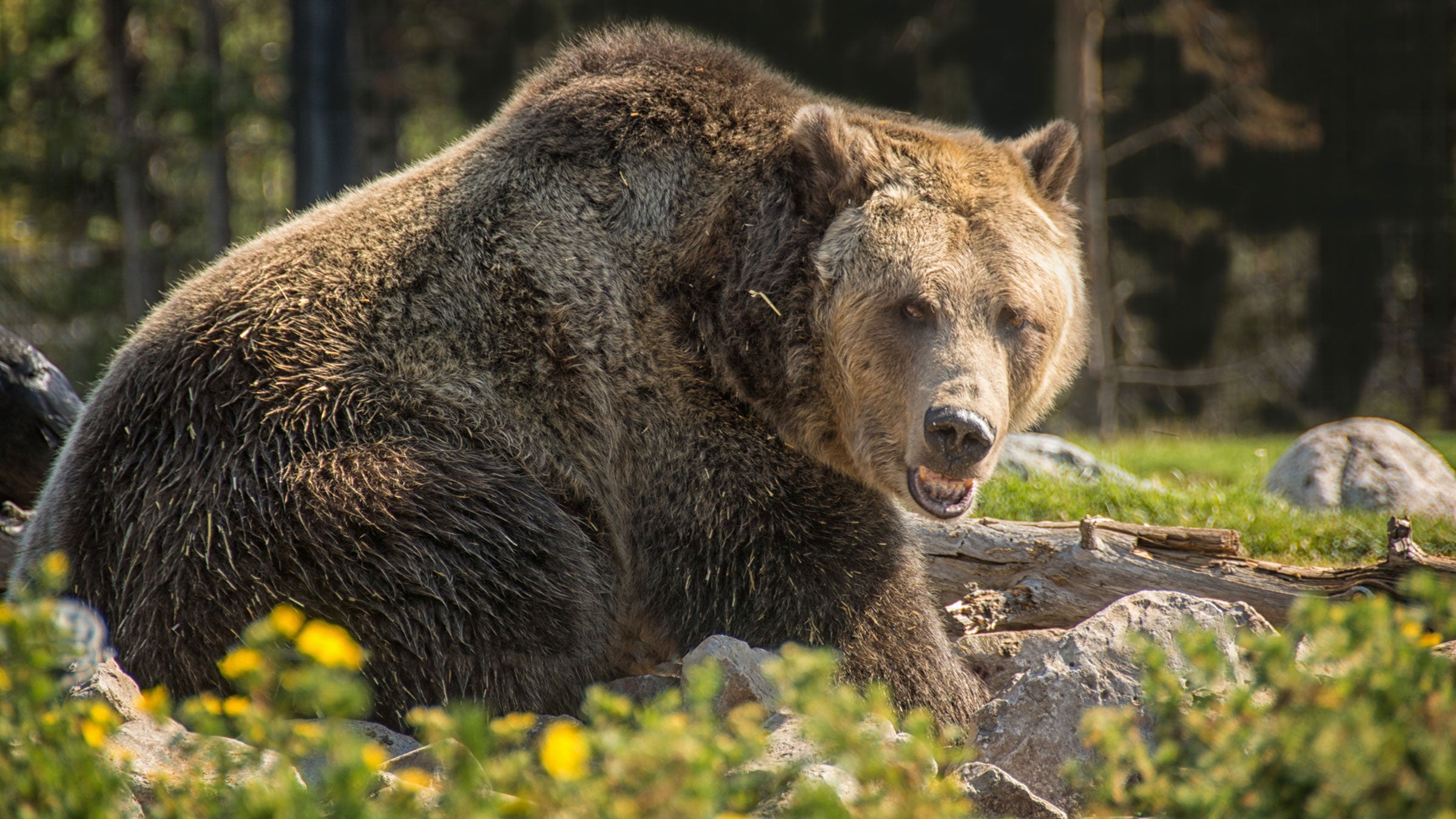
The two men were attacked in Wyoming. (Photo: MaryAnne Nelson/Getty Images)
Two college wrestlers are lucky to be alive after sparring with an aggressive grizzly bear in Wyoming’s Shoshone National Forest last weekend.
Northwest College wrestling teammates Brayden Lowry and Kendell Cummings were antler hunting when the bruin came running out from the trees.
“I didn’t even see it until it was right in front of me, but I heard the crashing,” Lowry told ABC News in an exclusive interview.
The grizzly tackled Lowry first, taking him by the left arm and whipping him around. Cummings, scared that he’d lose his teammate, punched and jumped on the bear to stop the attack, it turned its attention to him. At this point, the grizzly pinned Cummings against the trees and began attacking him from that position.
“I was putting my hands in its mouth, so it wouldn’t be chewing on my neck,” Cummings told ABC News.
ADVERTISEMENT
After the initial attack, the bear lost interest and walked away, but circled back as soon as Cummings called out to Lowry. The grizzly grabbed Cummings by the skull; even though he could hear the crunch of the animal’s teeth on his bones, he told the network that he had too much adrenaline to feel pain. After the bear lost interest again, it left, and the two students lay still until they were sure they were safe.
When Lowry and Cummings felt they could escape, Lowry called 9-11. According to a news release from the Wyoming Game and Fish Department (WGFD), this 9-11 call activated Park County Search and Rescue.
“For us to walk out of there alive, all four of us, it’s a miracle,” Lowry told ABC News.
ADVERTISEMENT
According to the WGFD, grizzlies have been more active than usual in the area this season, with up to 10 bears roaming between the low-elevation slopes and agricultural fields in the area. The department encouraged visitors of the South Fork and North Fork of the Shoshone River, Clark Fork, and Greybull River drainages to watch for bears.
In the WGFD news release, Cody Region Wildlife Supervisor Dan Smith said that the game and fish department would monitor local bear activity with the U.S. Fish and Wildlife Service.
