Published February 26, 2014 12:00AM
Food Fraud Is Real
Counterfeiting and mislabeling on the rise
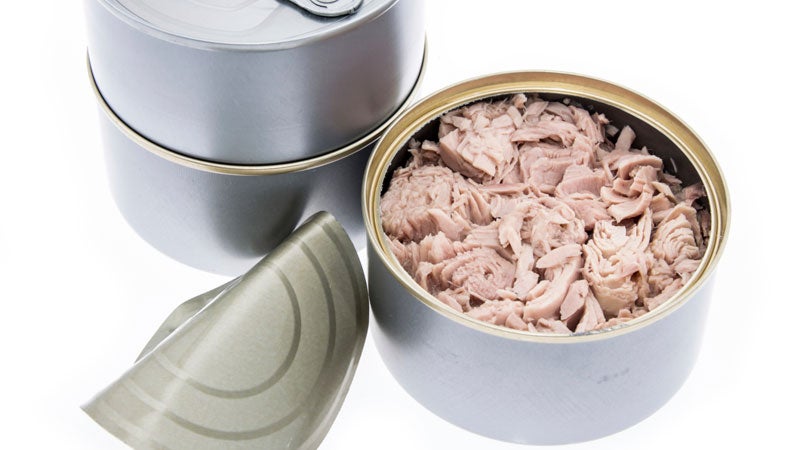
Tuna product is often cut with other fish and mislabeled
A new black market has emerged, and you may have already participated. Counterfeit foods are starting to become a very real and very scary business. Organized criminals are selling long-grain rice and calling it basmati. They’re bottling Spanish olive oil and labeling it Italian. They’re masking mixtures of industrial solvents and alcohol as vodka. And they’re making a lot of money.
The counterfeit food market has taken already cheap foods and made them cheaper. Much like a drug dealer, these fake-food operations are cutting costs by substituting lower-end ingredients and practices for fraudulently labeled final products.
Studies are finding herbal teas without herbs or tea and juices that contain brominated vegetable oil, which is often used as a flame retardant. Labeled tuna turns out to be an unidentifiable concoction of random meats, and some vodkas were found with isopropanol, a substance used in antifreeze and industrial solvents.
Although many of these stories have emerged from the UK and Europe, the fake-food problem has certainly hit the United States. According to Western Farm Press, “The National Center for Food Protection and Defense estimates that Americans pay $10 billion to $15 billion annually for fake food—often due to product laundering, dilution, and intentionally false labeling.”
