Published December 1, 2017 12:00AM
If you buy through our links, we may earn an affiliate commission. This supports our mission to get more people active and outside.Learn about Outside Online's affiliate link policy
The Best Gifts for Thru-Hikers
We asked a recent Appalachian Trail north-bounder to detail the most essential items during his 2,190-mile journey
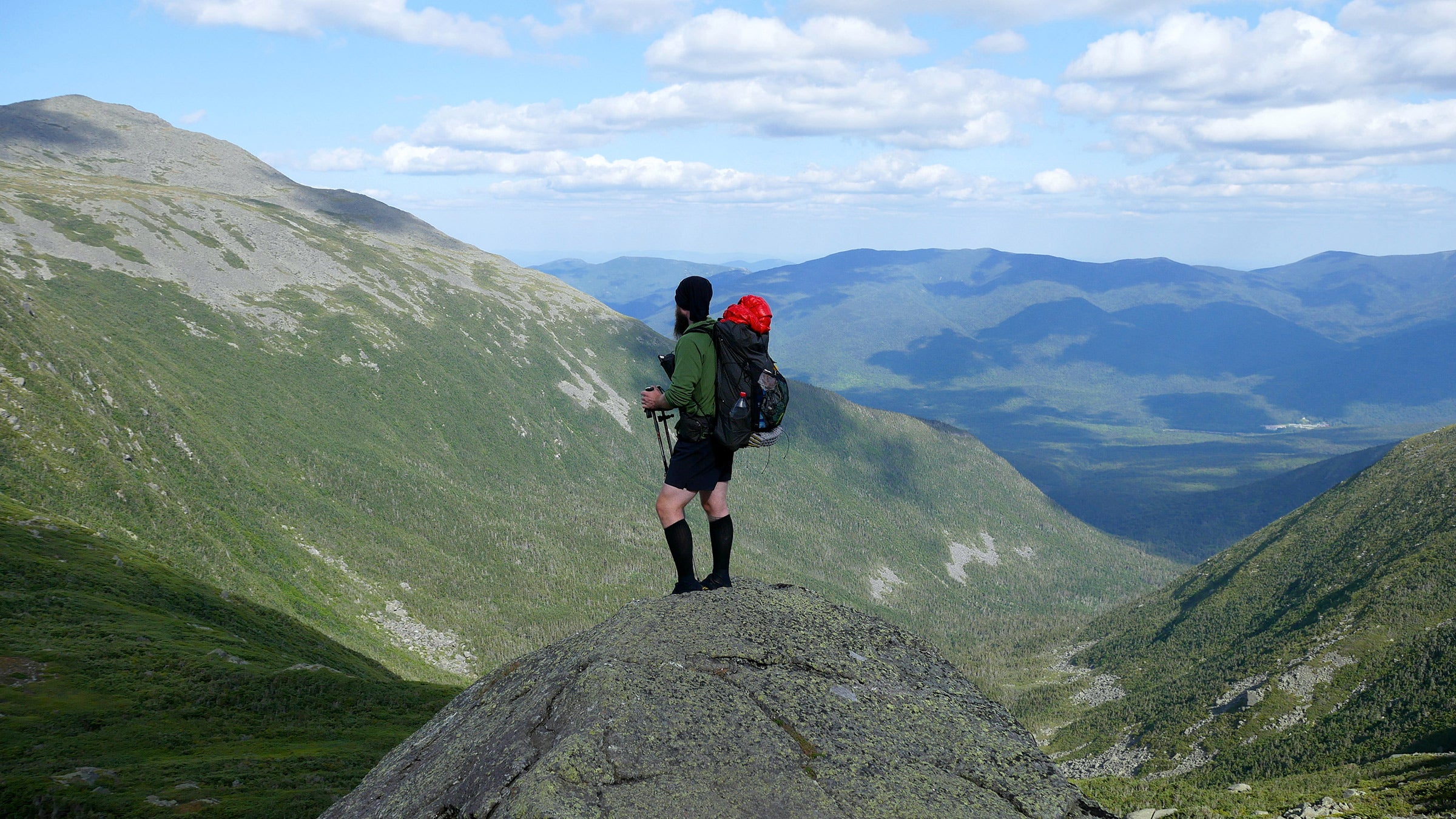
We asked Chris Walker to detail the items that proved to be most essential during his 2,190-mile journey.
So your nephew wants to drop out of law school and hike the whole Pacific Crest Trail next year. Awesome. Let his parents worry about responsible life choices—it’s your job to make sure he has the proper gear to get him through the long haul.
Not all backpacking gear is meant to handle the rigors of thru-hiking, so we asked Chris Walker, a recent Appalachian Trail north-bounder, to detail the items that proved most essential during his 2,190-mile journey. His advice for buying gear meant to last? Don’t skimp. “A lot of people I know went pretty cheap on some gear choices and ended up paying for replacements along the trail because the cheaper pieces weren’t performing well,” Walker says. “It’s best to invest up front.”
Zpacks Arc Haul Pack ($299)
It’s ultralight, exceptionally adjustable, and customizable, with all sorts of add-on options: shoulder pouches, lumbar pads, water bottle holders, and so on. It carried very well even when pushing its suggested weight limit of 40 pounds.
ADVERTISEMENT
Therm-a-Rest NeoAir Xlite Regular Sleeping Pad ($130)
ADVERTISEMENT
This is one of the lightest inflatable pads on the market—the regular version weighs just 12 ounces. It’s a little noisy at first but gets much quieter with frequent use. I found it very comfortable.
Enlightened Equipment 20 Revelation Down Quilt ($285)
This quilt is ultralight and can be used as a blanket or zipped up to serve as a sleeping bag.
ADVERTISEMENT
Zpacks Solplex Shelter ($555)
Like everything Zpacks makes, this shelter is ultralight (made of Dyneema Composite Fabrics), but it has a decent amount of room for a single person (seven feet long, three feet wide, and four feet high at its center). It’s extremely compact and easy to set up in tight spaces.
ADVERTISEMENT
Zpacks Rain Kilt ($59)
This ultralight rain gear keeps your lower half dry and makes you look extremely fashionable. I also used it sometimes as a tablecloth or a cover to sit on rocks and such, and I wrapped my backpack in it when it was raining at camp.
ADVERTISEMENT
Altra Lone Peak 3.0 NeoShell Low Shoes ($150)
ADVERTISEMENT
I tried three different pairs of shoes that didn’t work for my feet before I discovered Altra. The Lone Peak was perfect for me. A legit hike saver. You can go mid if you want more ankle support.
Sawyer Squeeze Filter ($40)
There are plenty of water filters out there, but the Sawyer Squeeze is easy to use and clean in the field, and it’s compatible with various bottle types.
ADVERTISEMENT
Body Glide Balm ($10)
This anti-chafe balm saved my hike during an incredibly hot stretch through Vermont.
ADVERTISEMENT
BRS 3000T Stove ($15)
This tiny butane stove is available for less than $20 and weighs less than an ounce. I used it before I got on the trail and for the entirety of the AT, and it’s still working flawlessly.
ADVERTISEMENT
Black UV Buff ($25)
As a man with no hair, I wanted to keep my head as protected as possible. I used my Buff every single day on the trail. It’s also useful for wiping down condensation from your tent in the morning.
