Published August 28, 2015 12:00AM
This Is Who's Fighting Fires in the West
Plus 3 more of the day's top stories
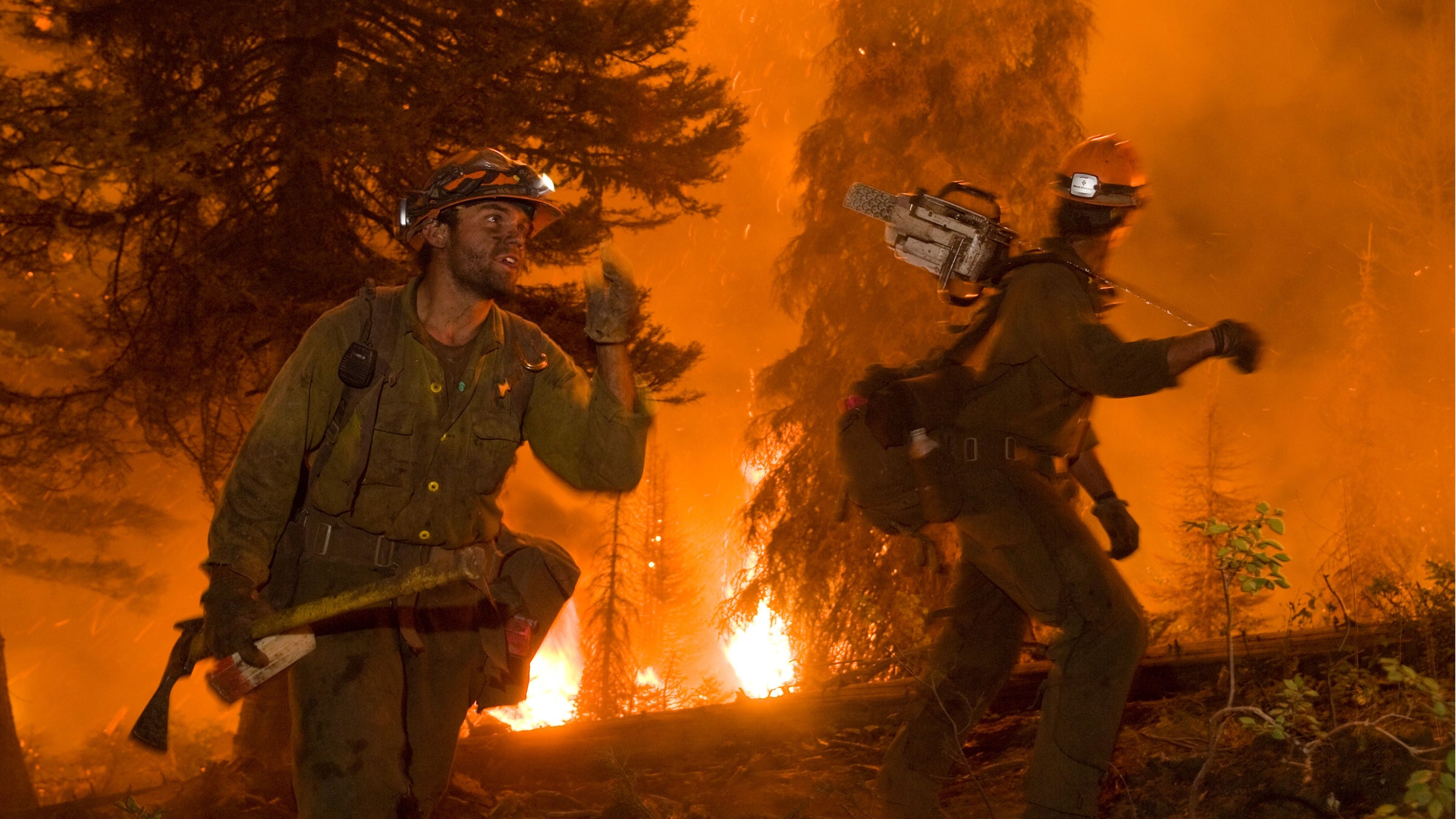
More than 7.1 million acres burned by U.S. wildfires so far this year, and a heatwave that hit California on Wednesday is likely to increase fire risk.
With record-breaking acres burned in states out west and a heat wave that hit California on Wednesday, which is likely to increase fire risk, according to the Los Angeles Times, firefighters are struggling to contain wildfires. Drought, the largest driver of wildfires, is responsible for the prime fire conditions that have consumed more than 7.1 million acres of the U.S. so far this year. Only 12 percent of the 472-square-mile Okanogan Complex wildfires in Washington are contained, according to the AP, and with wildfires blazing in many other western states, U.S. firefighters are turning to outside help:
U.S. Troops
The Department of Defense assigned more than 200 U.S. troops from Washington’s Joint Base Lewis-McChord to assist with the fires in the West, the Los Angeles Times reported last week. It is the first time since 2006 that soldiers have helped battle fires. The Okanogan Complex became the biggest fire in Washington's history on Monday, after covering more than 400 square miles.
“Typically when we have this number of fires, we can draw on folks around the nation,” Koshare Eagle, a spokeswoman at the Northwest Coordination Center in Portland, which monitors fire efforts in Oregon and Washington, told the Los Angeles Times. “[But] the other geographic regions are also trying to draw on folks around the nation.”
Firefighters From Australia and New Zealand
On Monday, over 70 firefighters from Australia and New Zealand arrived in Boise, Idaho, to help extinguish fires in the Pacific Northwest. Although it marks the first time in seven years that the U.S. has accepted firefighting help from the Southern Hemisphere, a help system has been in place for more than 50 years. (Fire seasons peak at opposite time in the U.S. and New Zealand and Australia, making firefighting help naturally available.)
Prison Inmates
State prison inmates make up between 30 and 40 percent of California's forest firefighters, Mother Jones reported earlier this month. They make $2 a day for participating in the program and $2 an hour while they're actually fighting fires, compared to the $1 an hour wage many other prison jobs pay. The inmate program saves the state an estimated $80 million per year.
Several states, including Wyoming and Nevada, also offer inmate firefighting programs, NPR reports, but California's program is the largest, according to Lynne Tolmachoff, spokesperson for Cal Fire, the California Department of Forestry and Fire Protection. The state currently has about 3,600 inmates fighting fires through the California Department of Corrections and Rehabilitation Road Camps program, which was established in 1915 and began fighting fires regularily with Cal Fire around the time of World War II. Although they spend summer months mainly fighting fires, inmates in the program have also helped with other natural disasters, including floods, earthquakes, and building water pipelines for towns during droughts.
“These guys go out and fight fires, helping the engines and airplanes, but they’re also doing other project work, helping counties, cities, and smaller towns,” Tolmachoff told Outside. “Everyone in California benefits from [the program] in one way or another.”
ADVERTISEMENT
In Other News
- A 6-year-old girl in Austria, who was part of a ski school, is being sued for 38,000 euros (the equivalent of more than $42,500) for causing a ski accident by making a sudden turn into the path of another skier. The accident injured an adult woman and left her unable to ski. An initial hearing took place this week.
- The U.S. consumed 7 percent more bottled water this year, and the Washington Post predicted on Thursday that it will outsell soda by 2017. The plastic used in the bottles raises environmental concerns (18 national parks have banned bottled water sales), and protestors demanded—unsuccessfully—that major water manufactures stop tapping drought-ridden California's water sources months ago.
- The richest man in China, Wang Jianlin, paid $650 million to buy the World Triathlon Corporation (WTC), the parent company of the Ironman triathlon, on Thursday. Jianlin's company, the Wanda Group, also owns AMC Entertainment and invests in luxury hotels, department stores, and commercial real estate.
