Updated August 23, 2024 09:17AM
If you buy through our links, we may earn an affiliate commission. This supports our mission to get more people active and outside.Learn about Outside Online's affiliate link policy
What Exactly Is “Outdated” Mountain-Bike Geometry?
Mountain bikes are constantly changing—what counts as outdated versus new-school mountain-bike geometry these days?
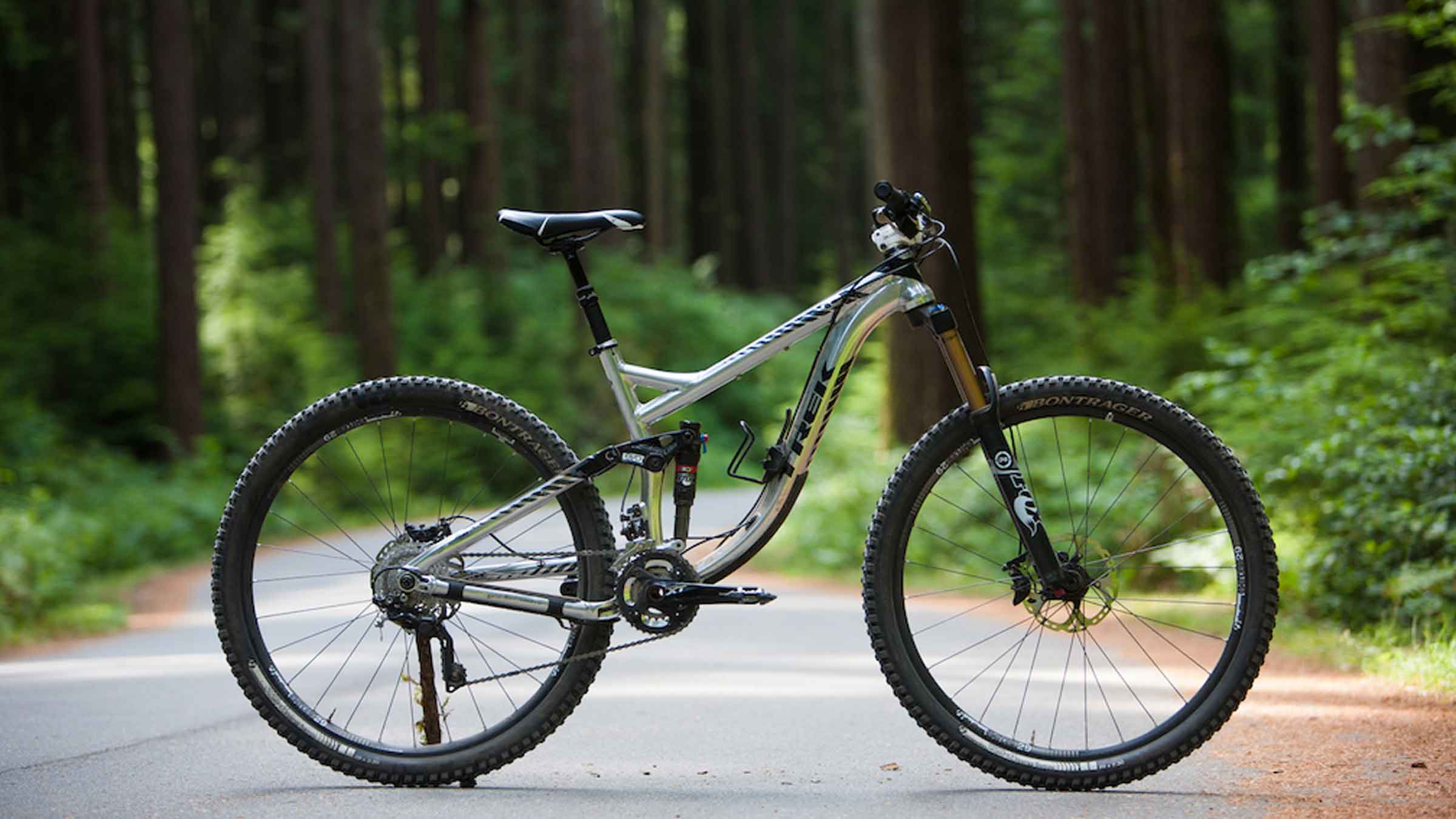
Is this 2015 Trek Remedy unrideable now? (Photo: Amy McDermid)
A version of this article, “What Exactly Is ‘Outdated’ Mountain Bike Geometry?” originally appeared on Pinkbike.
If you’re in the market for a secondhand bike that’s been around for a few years, you might ask yourself if a modern mountain bike really handles better than an older one. A mountain bike’s geometry (the shape, angles, and size of its frame) defines how it rides more fundamentally than any other aspect of its design, and mountain bike geometry has transformed over recent years. So what exactly counts as “outdated” versus “new-school” geometry these days? And do older mountain bikes necessarily ride worse than new ones?
First off, let’s be specific about the differences between modern and “old school” geometry. The reach, head angle (HA), wheelbase (WB), and effective seat angle (SA)—demonstrated below—are the key measurements that have changed over the years.
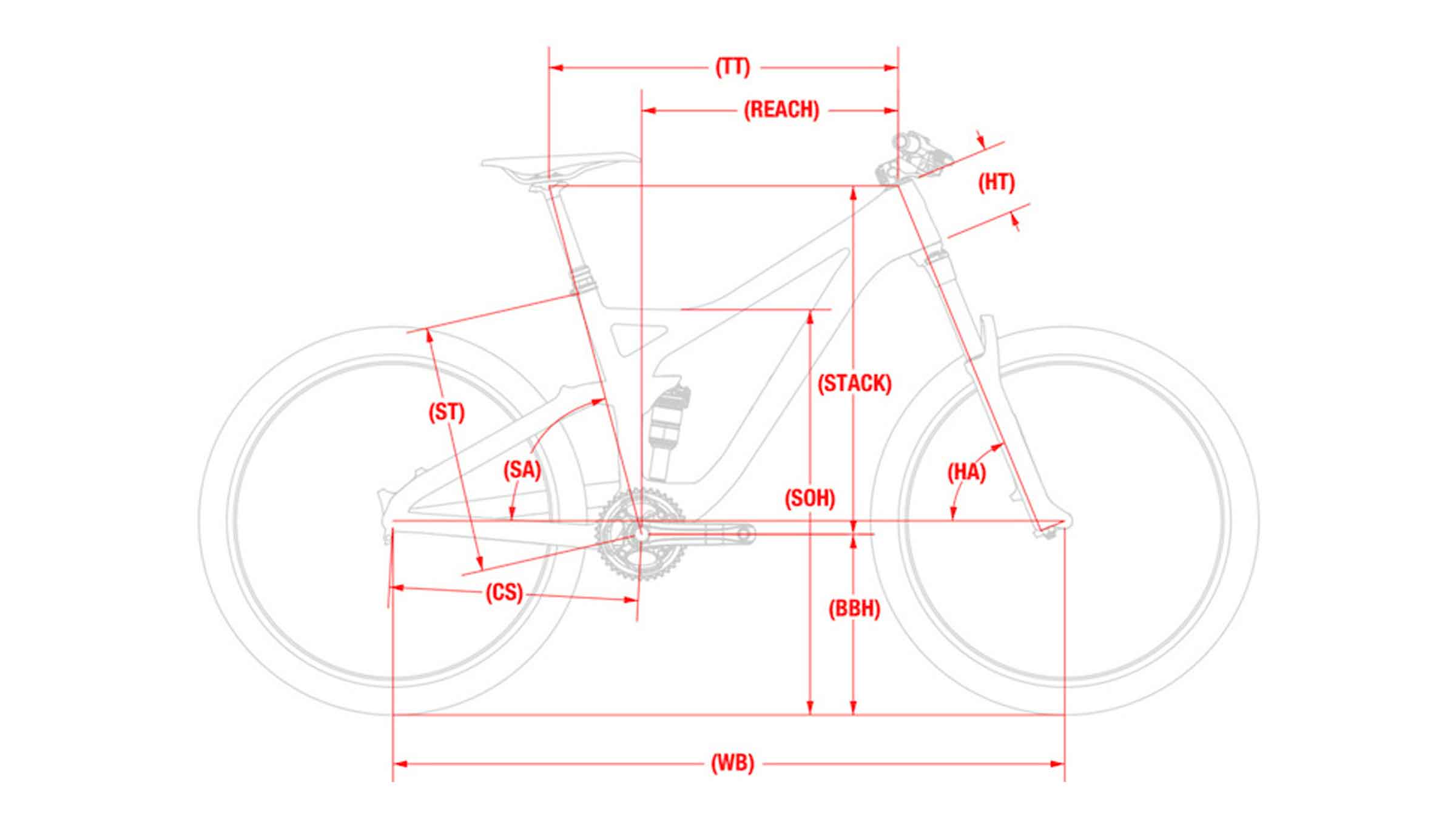
The reach, head angle (HA), wheelbase (WB) and effective seat angle (SA) are the key measurements that have changed over the years. (Photo: Devinci Django Geometry)
- Longer Reach: Modern bikes feature a longer reach (the horizontal distance between the bottom bracket and the top of the head tube), providing more room to maneuver and making the bike feel more stable at high speeds and in technical terrain. This is usually teamed with shorter stems (40-50 millimeters) that keep the cockpit from feeling too stretched out, while also making the steering more predictable and direct. Modern trail and enduro bikes typically have a reach figure of around 450-460 millimeters in a size medium and over 500 millimeters in the largest size. Ten years ago, typical reach numbers were around 30-50 millimeters shorter.
- Slacker Head Angle: The angle of the steering axis and fork has become much less steep. Modern trail and enduro bikes have head angles around 63-65 degrees. Ten years ago, it was more like 66-69 degrees. This makes the bike more stable on descents, as it positions the front wheel further out in front and makes the steering less twitchy, reducing the risk of the front wheel “jackknifing” (turning suddenly away from straight ahead) in technical sections. The downside is it’s lazier and heavier steering at low speeds.
- Longer Wheelbase: A longer wheelbase contributes to greater stability at high speeds and over rough terrain, making the bike more confidence-inspiring and less prone to pitching. The downside is more steering input is required to negotiate tight turns.
- Steeper (effective) Seat Angle: The effective seat tube angle (the slope of a line connecting the bottom bracket to the top of the seat post) is much steeper in modern bikes. Typical angles have gone from 73-75 degrees ten years ago to 76-80 degrees today. This positions the rider more forward, improving pedaling efficiency for climbing, while making it easier to keep enough weight on the front tire to steer and balance. Such seat angles were not practical when reach figures were shorter, because they would place the rider’s hips too close to the handlebar.
ADVERTISEMENT
How Modern Geometry Translates on the Trail
Modern bikes are designed to excel at higher speeds and on more demanding terrain than their predecessors. Their geometry makes them more stable and confidence-inspiring when tackling the kind of terrain usually reserved for downhill bikes back in the day: steep chutes, big rocks, and big air. This may come at the expense of maneuverability at slow speeds and shallow gradients, but thanks to steeper seat tube angles, modern trail bikes are more capable when pointed uphill as well as down. Overall, it’s not controversial to say that modern bikes ride better than those of ten years ago—mostly thanks to their geometry. But what about a bike from just four or five years ago?
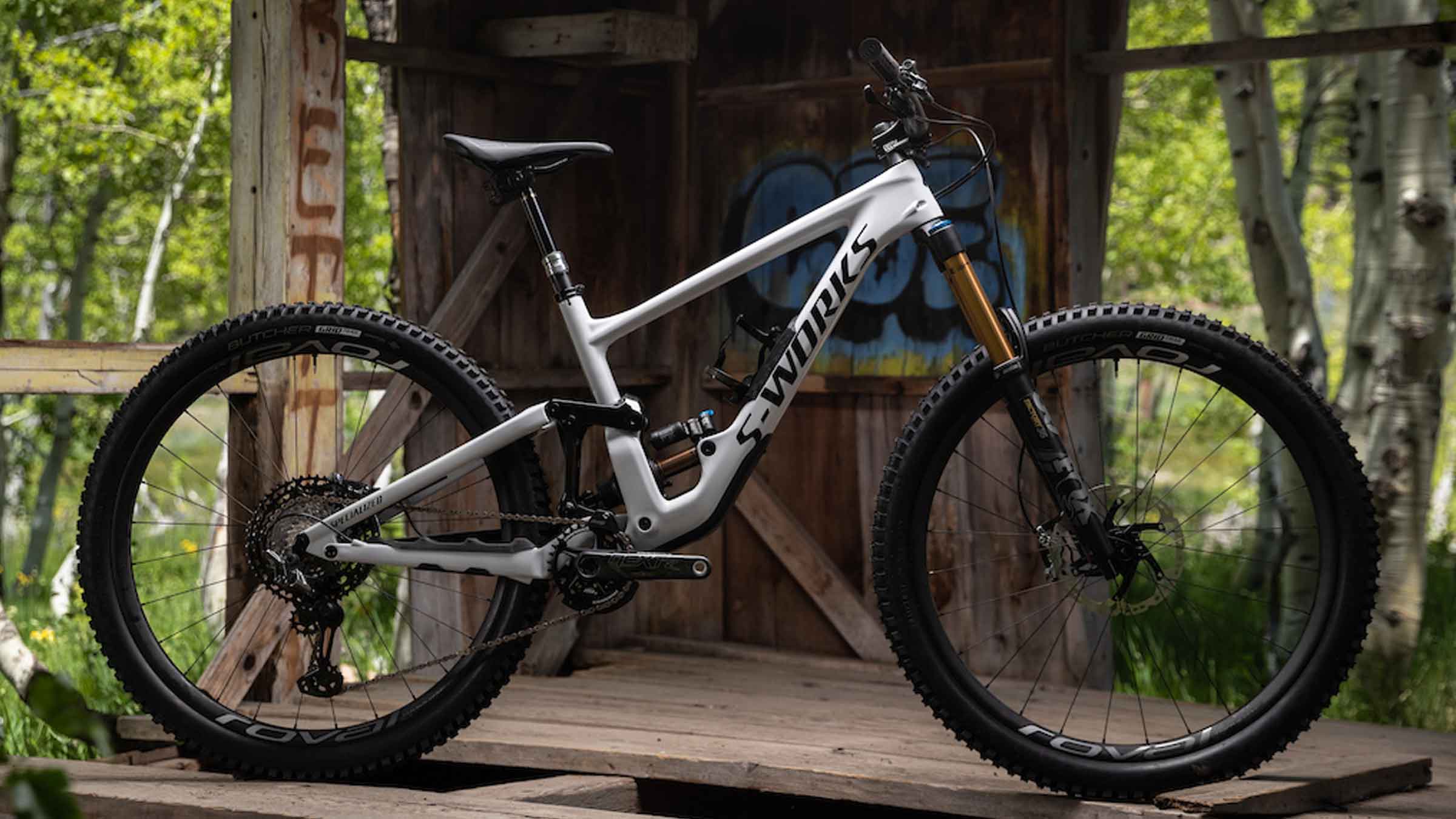
The truth is that mountain bike geometry is still evolving. There never will come a time when bike designers say, “Yep, that’s it—these are the numbers bikes should have from now on. Let’s all go home.” But geometry trends that were going gangbusters in the 2010s have certainly slowed down lately. The Specialized Enduro ($4,000) above hasn’t been updated in almost half a decade, but they don’t look out of place today.
If you’re in the market for a bike that’s much older than 2020, it will generally have noticeably different geometry and handling compared to a new equivalent, and the further back you go, the bigger the gap will be. There are exceptions, such as the Nicolai Geometron or Pole Evolink, which had similar geometry to today’s bikes (and in some ways more extreme) back in 2015. Mondraker was another pioneer, with modern reach numbers by 2014.
ADVERTISEMENT
Can You Modernize an Old Mountain Bike’s Geometry?
Just because a bike has been around a while, that doesn’t mean it needs to be replaced to experience up-to-date handling. Take my other half’s 2015 Mondraker Foxy. With a 160-millimeter fork (up from the 140-millimeter stock fork), a -2 degree headset and the saddle slammed fully forward on the seatpost, its key numbers (reach, head angle, wheelbase, effective seat angle) aren’t far off what you’d find new in 2024. Sure, it still has non-Boost axles, a pair of 27.5-inch wheels and abominable cable routing. But as far as handling goes, it’s solid. Throw in an upgraded shock, tires, and brakes, and it still very much does the business.
So if you’re sitting on an older bike or considering buying one, bear in mind that you can learn from the latest crop of bikes without having to fork out for a brand new one.