Published February 17, 2026 12:24PM
If you buy through our links, we may earn an affiliate commission. This supports our mission to get more people active and outside.Learn about Outside Online's affiliate link policy
The Best Travel Duffel Bags of 2026, Tested and Reviewed
From carry-on-friendly sizes to expedition haulers, these nine duffel bags are durable, weather-resistant, and easy to pack.
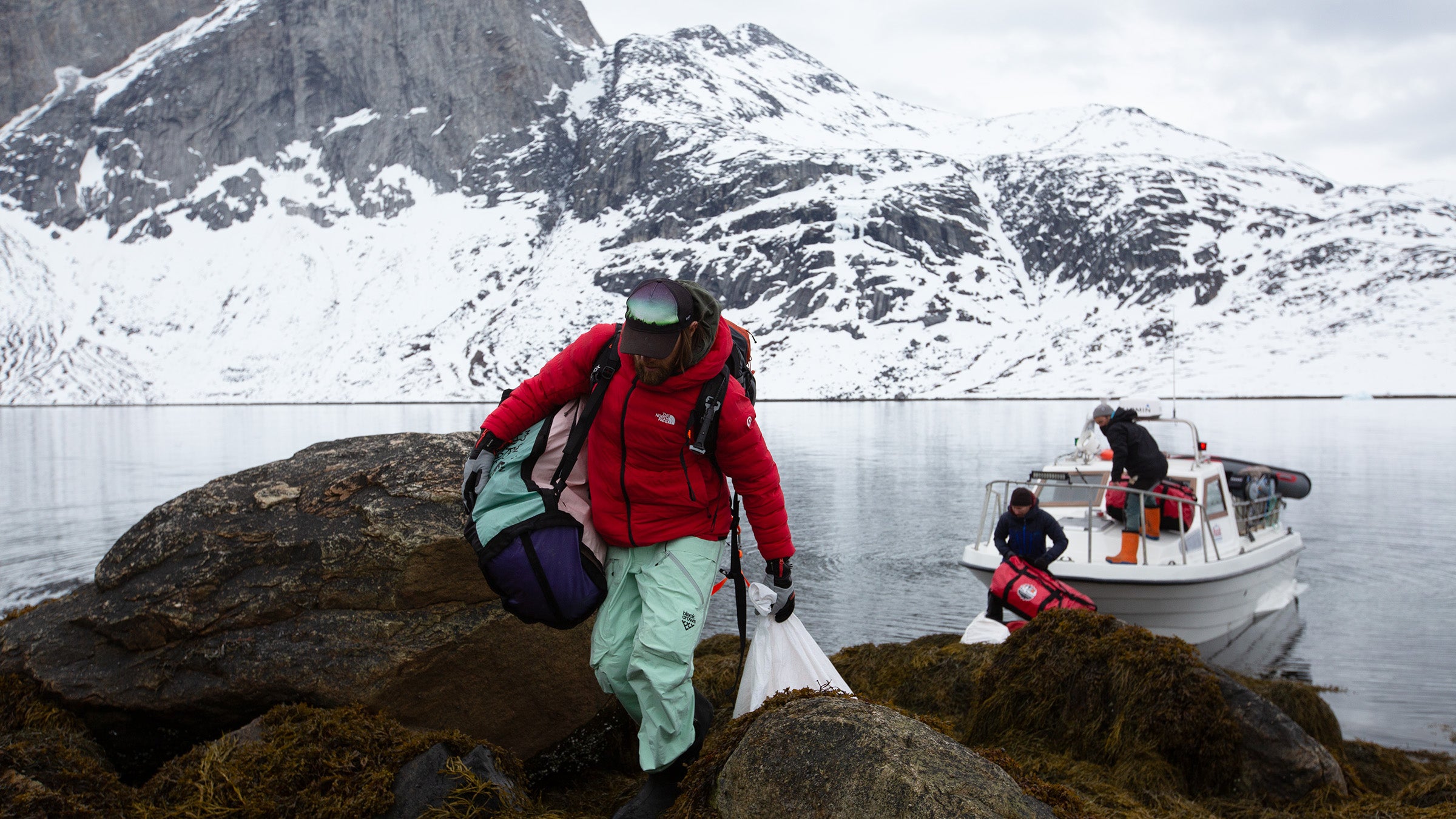
We hauled more than 25 duffels around the world to find the nine toughest, most versatile bags for adventure travel in 2026. (Photo: Brad Kaminski)
Table of Contents
Our globetrotting testers packed and schlepped more than 25 duffel bags across concourses and continents to find the best travel duffel bags for adventures. After months of testing, the Patagonia Black Hole remains the best duffel bag for everything from casual weekend trips to international expeditions. For budget-conscious travelers, we recommend the Eagle Creek Migrate duffel bag.
How we travel has changed immensely over the years. But the luggage? That hasn’t changed much. The duffel bag remains the ultimate adventure luggage, whether you’re catching bullet trains through Japan or trekking with mules through Mexican arroyos.
Why are we still so smitten with this tried-and-true brand of baggage? Born to take a beating, the best duffel bags can withstand heavy-handed baggage handlers, storm-kissed expeditions, and the wear and tear of international travel. Duffels are versatile, too. Not only are they capacious and easy to pack, but unlike boxy suitcases and rollers, they can cram easily into truck beds, taxi trunks, and helicopter luggage bays. You can lash duffels to sleds and roof racks—not to mention yaks, packhorses, camels, and other animals, depending on your destination and the temperament of the critter in question. Many duffel bags also feature multiple carry configurations that allow you to haul, chuck, or sling as needed. From spontaneous weekend trips to meticulously planned backcountry odysseys, the duffel does it all.
ADVERTISEMENT
We tested more than 25 duffel bags on everything from casual weekend camping trips to serious international expeditions. The nine winners listed here are the best travel duffel bags you can buy right now.
Best Travel Duffel Bags: At a Glance
- Best Travel Duffel Bag Overall: Patagonia Black Hole (from $169)
- Best Budget Duffel Bag: Eagle Creek Migrate (from $119)
- Best Weekender: Finisterre Nautilus ($225)
- Best Lightweight Duffel: Osprey Transporter (from $128)
- Most Versatile: Nemo Double Haul (From $127)
- Best For Parents: No Reception Club Hideaway ($295)
- Best Value: Eagle Creek Cargo Hauler (from $149)
- Best Organization: Osprey Transporter Squffel (from $225)
- Best Waterproof Duffel: Yeti Panga (from $300)
Best Travel Duffel Bag Overall
Patagonia Black Hole
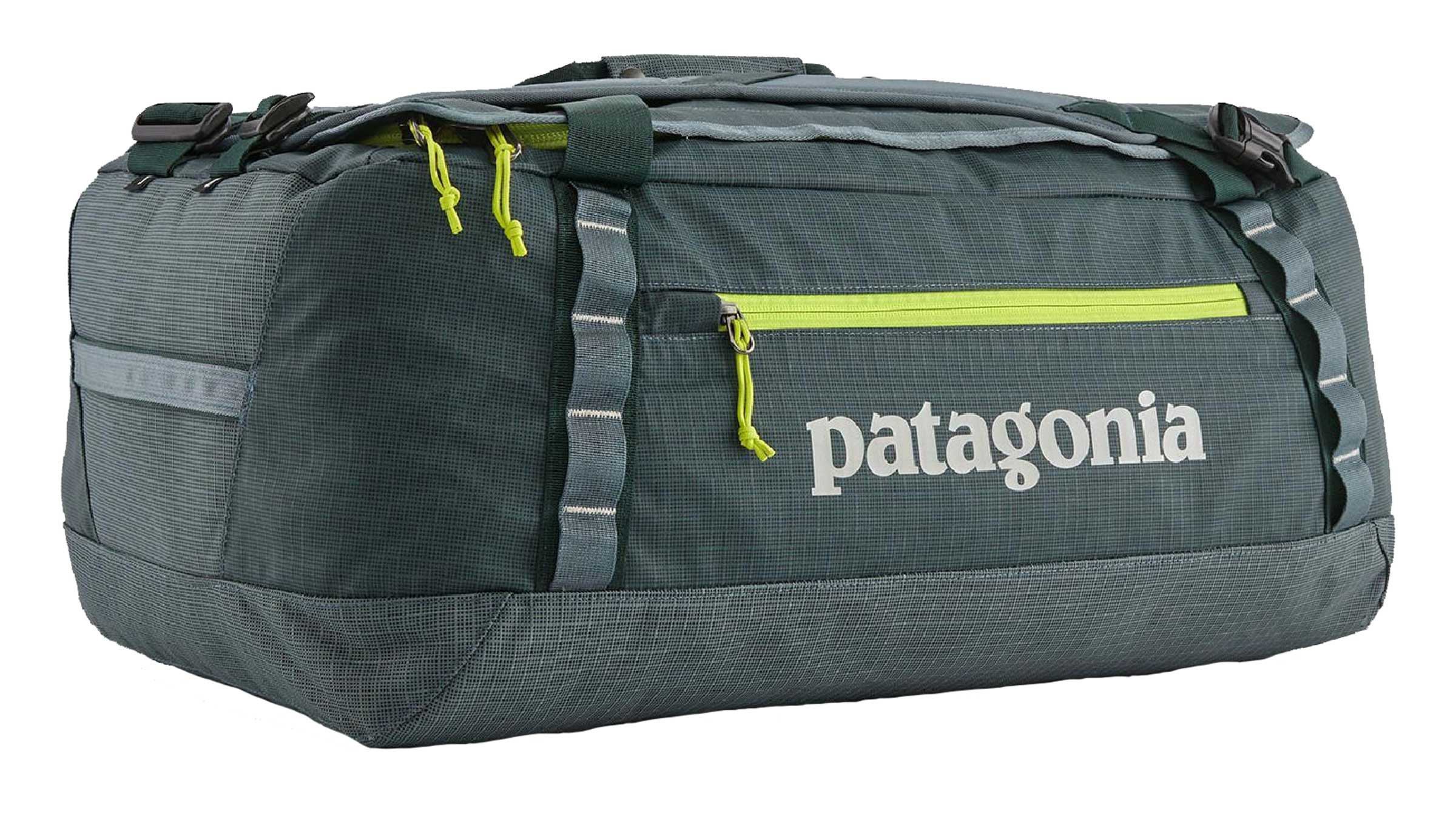
Available Sizes: 40 L, 55 L, 70 L, 100 L
Pros and Cons
+ Large opening
+ Lightweight
+ Stash pocket to separate shoes or laundry
+ Backpack carry options
– Lacks internal organization
Patagonia’s Black Hole, our pick for best travel duffel bag, has been the gold standard for adventure travel luggage for over two decades. The latest iteration, updated in 2023, features a revamped, 100-percent recycled body fabric, lining, and webbing, stepping up the Black Hole’s sustainability.
Our testers’ favorite aspect of this durable duffel was the cushy, removable shoulder straps, which convert the Black Hole to a backpack. “A godsend in lengthy customs lines when you can’t find a cart,” joked one international traveler. But the fabric itself is the main selling point, as the innovative, recycled TPU-film laminate makes the bag relatively lightweight and exceptionally abrasion- and weather-resistant.
“In the rain, water beaded right off the bag, and it proved durable for outdoor adventures,” said one tester after taking the 55-liter Black Hole on a canoe camping trip in the Adirondacks and a camping trip to Moab, Utah.
ADVERTISEMENT
The signature feature of the Black Hole, and the origin of its moniker, is its large main compartment that accommodates more gear than you’d think and makes finding said gear easy. If we have to nitpick, a downside of this cavernous main compartment is a lack of internal organization features. The 55-liter version sports one internal pocket on the zip-top lid (the 100-liter has two) to keep smaller items like toiletries organized. Both sizes also feature a surprisingly spacious external pocket that can be accessed from the inside of the bag, which doubles as a stuff sack that you can store the Black Hole in when not in use. Whether you’re embarking on a month-long epic or a quick trip home to see family, the Black Hole is hard to beat.
Best Budget Duffel Bag
Eagle Creek Migrate
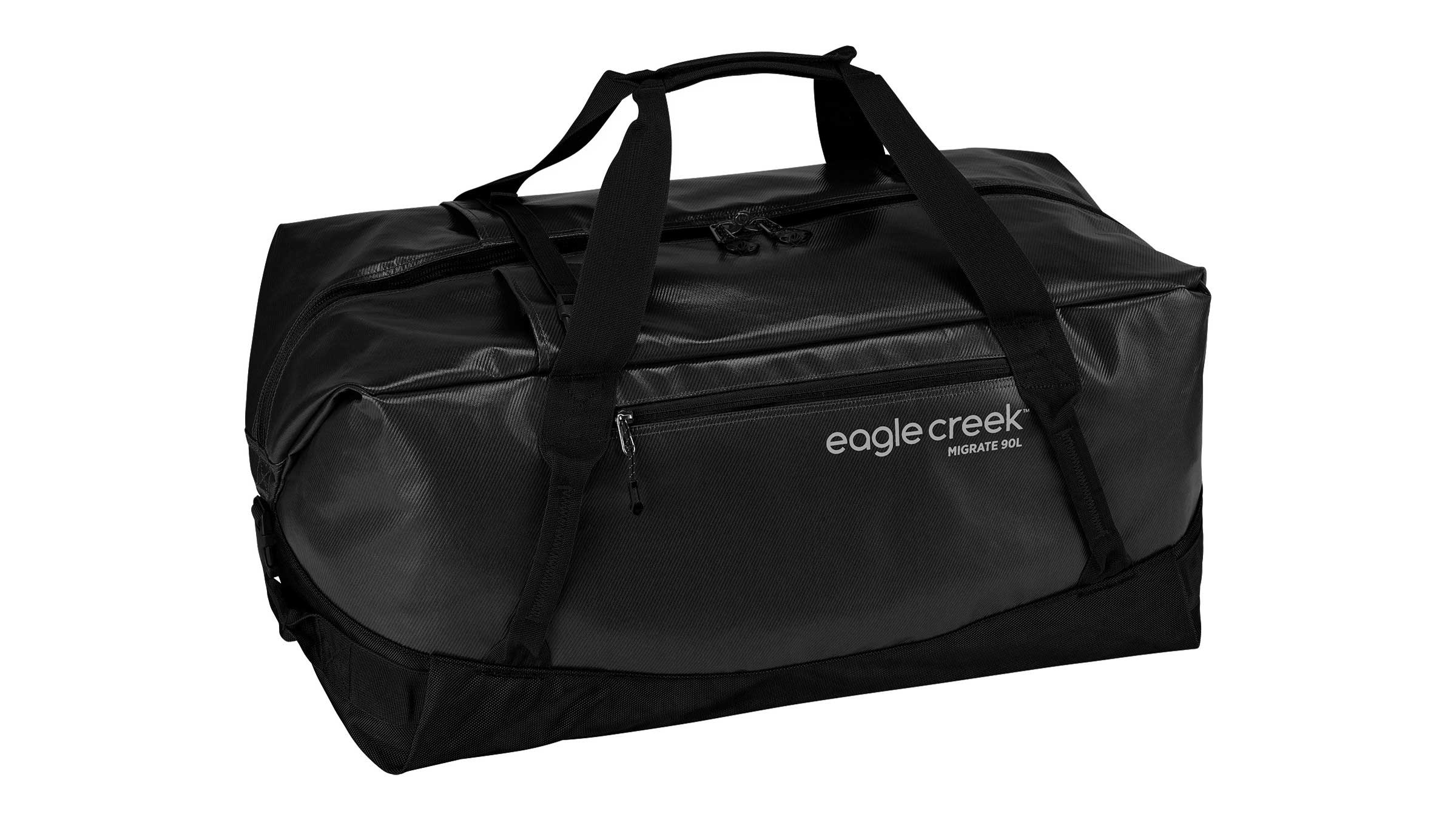
Available Sizes: 40 L, 60 L, 90 L
Pros and Cons
+ Wide-mouth opening for easy access to gear
+ Uses 100% recycled fabric
+ Good value
– Top zipper isn’t stiff enough
The Migrate duffel was a tester favorite for its holding capacity—you can fit a lot in here. The “doctor bag” style zip-top allows for easier access and full visibility of all your gear and an additional five liters of packing space.
Good news for those who tend to overpack and end up schlepping heavy duffels: Tuck-away backpack straps allow for multiple carry options. The added pockets—internal and front zippered pocket—set it apart from many other duffels in this category.
But perhaps the biggest pro of this durable duffel bag: it incorporates 100-percent recycled 900-denier Polyester TPU and fully recycled 1680-denier ballistic Polyester RPVB that reuses windshield plastics from landfills and makes the bag abrasion- and weather-resistant. Testers had just one complaint: the top zipper isn’t very stiff, so testers found the opening closing in on itself while they were packing the bag.
ADVERTISEMENT
Best Weekender
Finisterre Nautilus
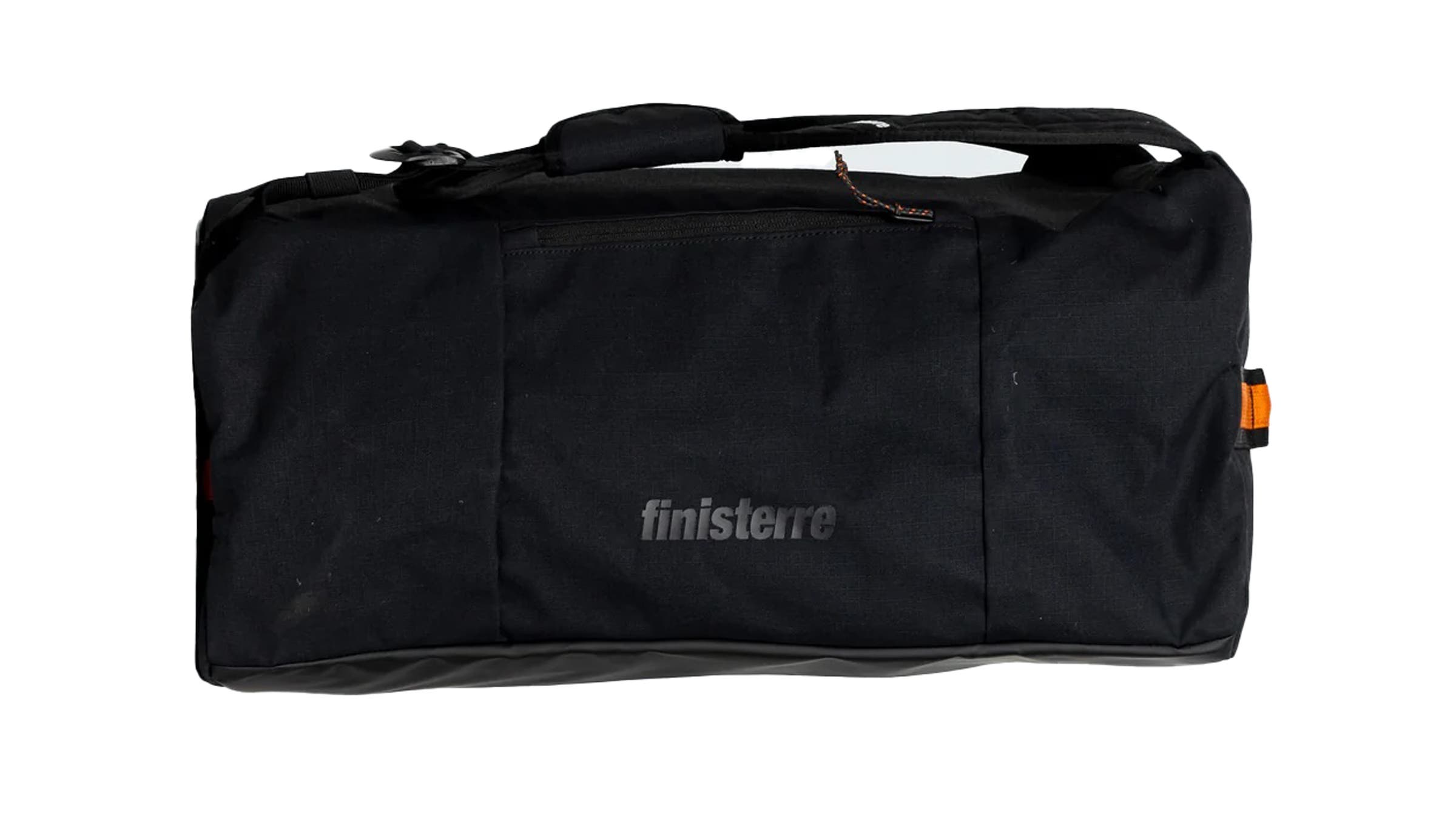
Available sizes: 45 L
Pros and Cons
+ Low-profile
+ Durable
+ Goldilocks organization
+ Backpack carry straps
– Expensive
– Laptop sleeve can’t fit bigger laptops
A British B Corp that’s been crafting gear for devotees of sea and surf for over two decades, Finisterre impressed our test team with the Nautilus 45. This dynamic travel duffel bag doubles as a backpack, meets most airline carry-on requirements, and has a simple, streamlined design.
One tester, a San Francisco-based surfer, called the Nautilus 45L the perfect weekend duffel. He loved that the velcro grip of the duffel-style handle unfurls to padded backpack straps. “They made carrying the bag a breeze, especially while also carrying a couple of surfboards,” he reported. He also commended the waxed, DWR-treated exterior fabric that proved reliably water-resistant.
All testers dug the cavernous main compartment, which features stretchy crisscrossing straps that helped lash clothes down, keeping contents organized on the road. They judged the array of pockets sufficient, not superfluous: The duffel features a pair of external zips, a single internal zip, and a padded laptop sleeve integrated into the opening flap.
ADVERTISEMENT
We had just two dings: The laptop sleeve accommodated a 13.1-inch Macbook, but it doesn’t easily fit 15-plus-inch machines. The Nautilus is also relatively pricey compared to other duffels on this list. But between the subtle style, simple yet efficient organization, and durability that suggests this weekender will last for eons of adventures to come, our testers say the price might be worth it.
Best Lightweight Duffel
Osprey Transporter
Available Sizes: 30L, 40L, 65L, 95L, 120L, 150L
Pros and Cons
+ Huge size range
+ Lightweight
+ Solid shoulder straps and handles
– Not as durable as some duffels in this guide
– No organizational features (for some testers, this was a plus)
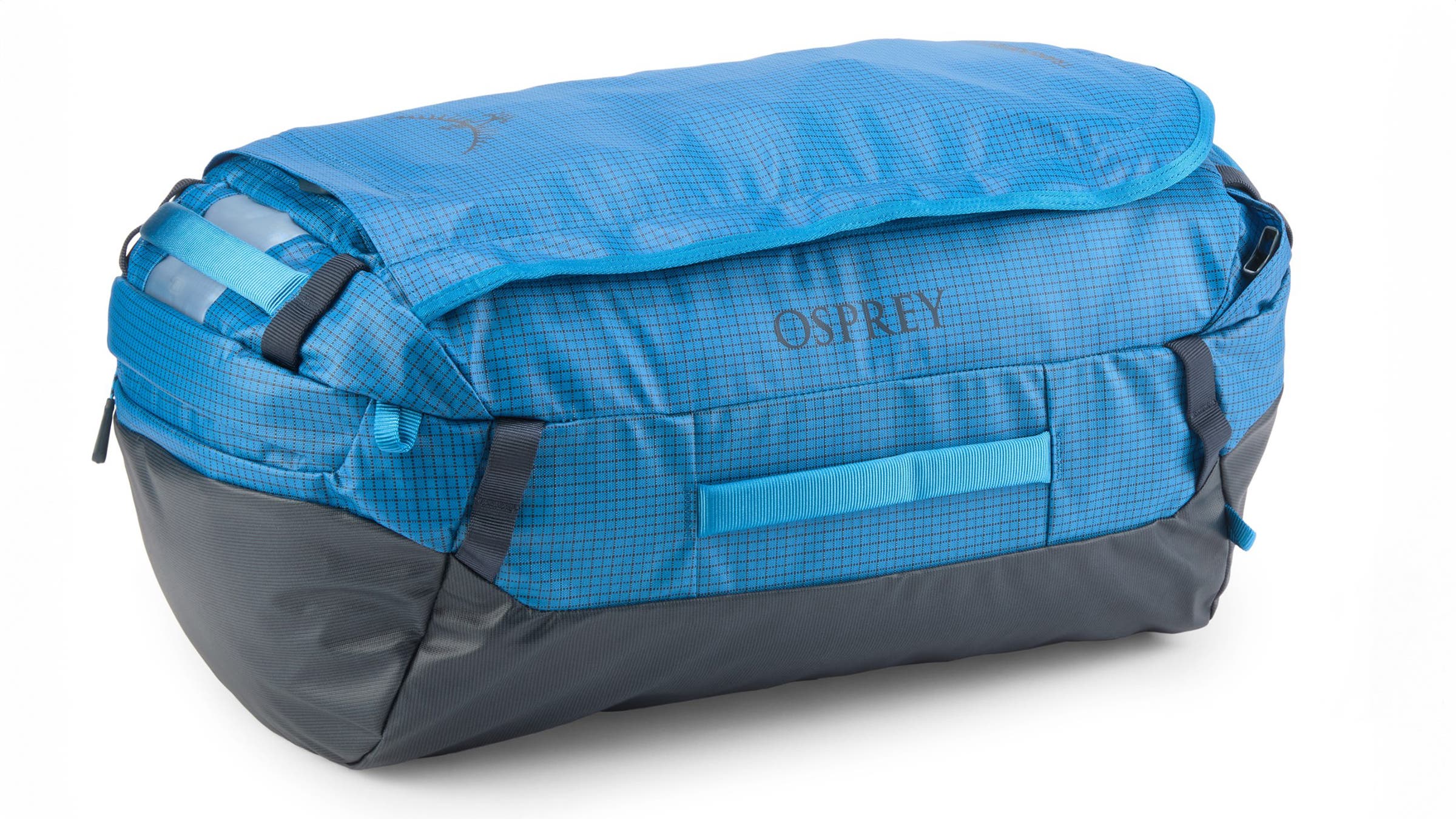
Osprey’s Transporter Duffel doesn’t overcomplicate things—and it’s ideal for travelers who overpack. First, let’s talk sizing. The Transporter is available in a huge range of sizes, from a 30-liter carry-on to the 150-liter behemoth we tested. Most models in this duffel bags guide max out at 100 L, while the Transporter has two sizes (150 L and 120 L) that are above that benchmark. If you value volume, the Transporter is an obvious pick.
Of course, volume alone doesn’t earn a duffel a slot in this guide. A 270-degree zipper provides easy access to the Transporter’s massive main compartment. “The top flap filets open so you can reach every nook and cranny,” commented one tester. Inside, there are no frills, just cargo capacity, aside from a trio of cinchable, buckle-secured retention straps and an unobtrusive mesh organizer pocket.
The padded backpack straps also impressed testers, most notably a design that retracts straps in a stash pocket when needed. Our crew did point out that the Transporter lacks traditional duffel handles, although they didn’t miss them much thanks to the backpack straps and heavy-duty grab handles on all four sides.
ADVERTISEMENT
The Transporter is primarily crafted from a 630-denier nylon, with a burlier 840-denier nylon bottom panel, both of which are treated with a carbonate coating for weatherproofing. The material sheds light rain and snow well, and we haven’t had any real durability concerns beyond the expected scuffs and scrapes. It might not be as rugged as the Patagonia Black Hole’s 900-denier nylon outer, but it’s much lighter: the 150 L Transporter we tested weighs 3.5 lbs, the same as the 100 L Patagonia Black Hole Duffel that offers 66 percent of the capacity. If you often tip the scales when checking a duffel bag, the weight of the Transporter isn’t to be overlooked.
Most Versatile
Nemo Double Haul
Available Sizes: 30 L, 55 L, 70 L, 100 L
Pros and Cons
+ Wide compartment opening
+ Many ways to carry and organize the bag
+ Folds up small into carrying case when not in use
– Material not as hardy as other bags on this list
– Too bulky and uncomfortable to carry for long distances
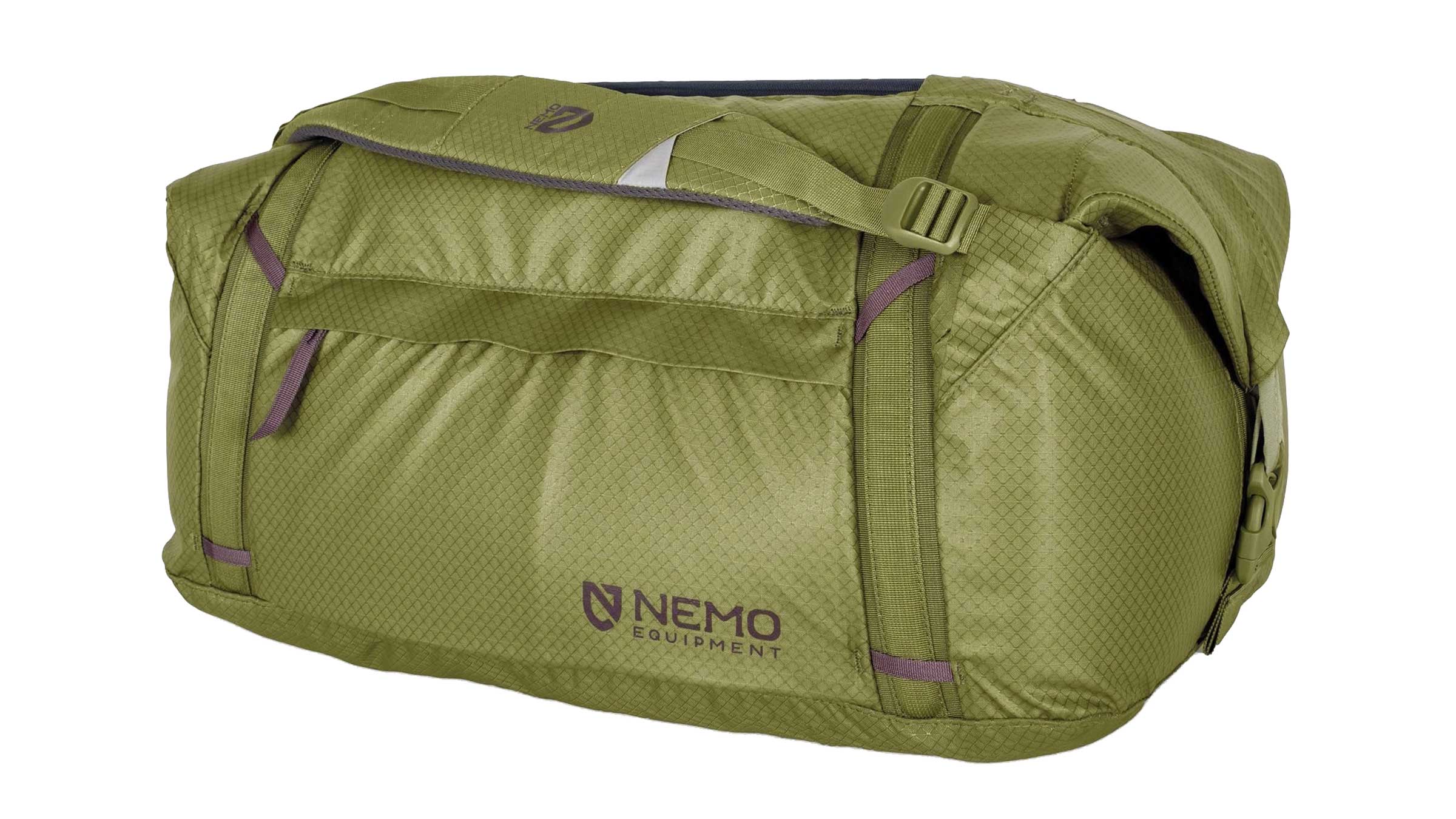
The Nemo Double Haul is an ingenious hybrid between a duffel and a tote, one that features multiple carry options. Among them: backpack-style shoulder straps, over-the-shoulder carry straps, and suitcase-style handles. But the Double Haul’s keystone feature is a wide-mouth design that stays open while you pack thanks to stiff, integrated trusses that give the bag structure.
The shell is crafted from a urethane-coated, bluesign-approved, 100-percent recycled 420-denier nylon. Our testers found the fabric stood up to dust, dirt, and drizzle well, and noted the inner liner was easy to clean and handles wet gear better than most. That Sierra tester happily left the Double Haul open in tote mode and used it for stashing dripping waders, wetsuits, and even snowboard boots—something he wouldn’t try with any of the other duffels in this guide.
ADVERTISEMENT
However, testers did point out that the Double Haul isn’t the most durable duffel in this guide, particularly when compared side by side to the Patagonia Black Hole and Yeti Panga. It’s also not as well suited to longer slogs or extended air travel. While the combination of straps, trusses, and tote handles increases the Double Haul’s versatility, they do make the backpack functionality less comfortable than other duffels in this guide, as those features can dig into the back in transit.
That said, all testers appreciated that the Double Haul bag folds down neatly into a carrying case, making it easy to travel with, store in your gear closet, or keep in your car.
Best Duffel Bag for Parents
No Reception Club Hideaway
Available sizes: 42 L
Pros and Cons
+ Smart organization
+ Multiple carry options
+ Thoughtful features
– Almost too many organizational options
Staying organized on the road is challenging enough when you’re traveling solo. Throw a kiddo (or more) into the mix, and difficulty skyrockets exponentially. No Reception Club’s Hideaway Duffel solves lots of problems for parents with its many thoughtful design features.
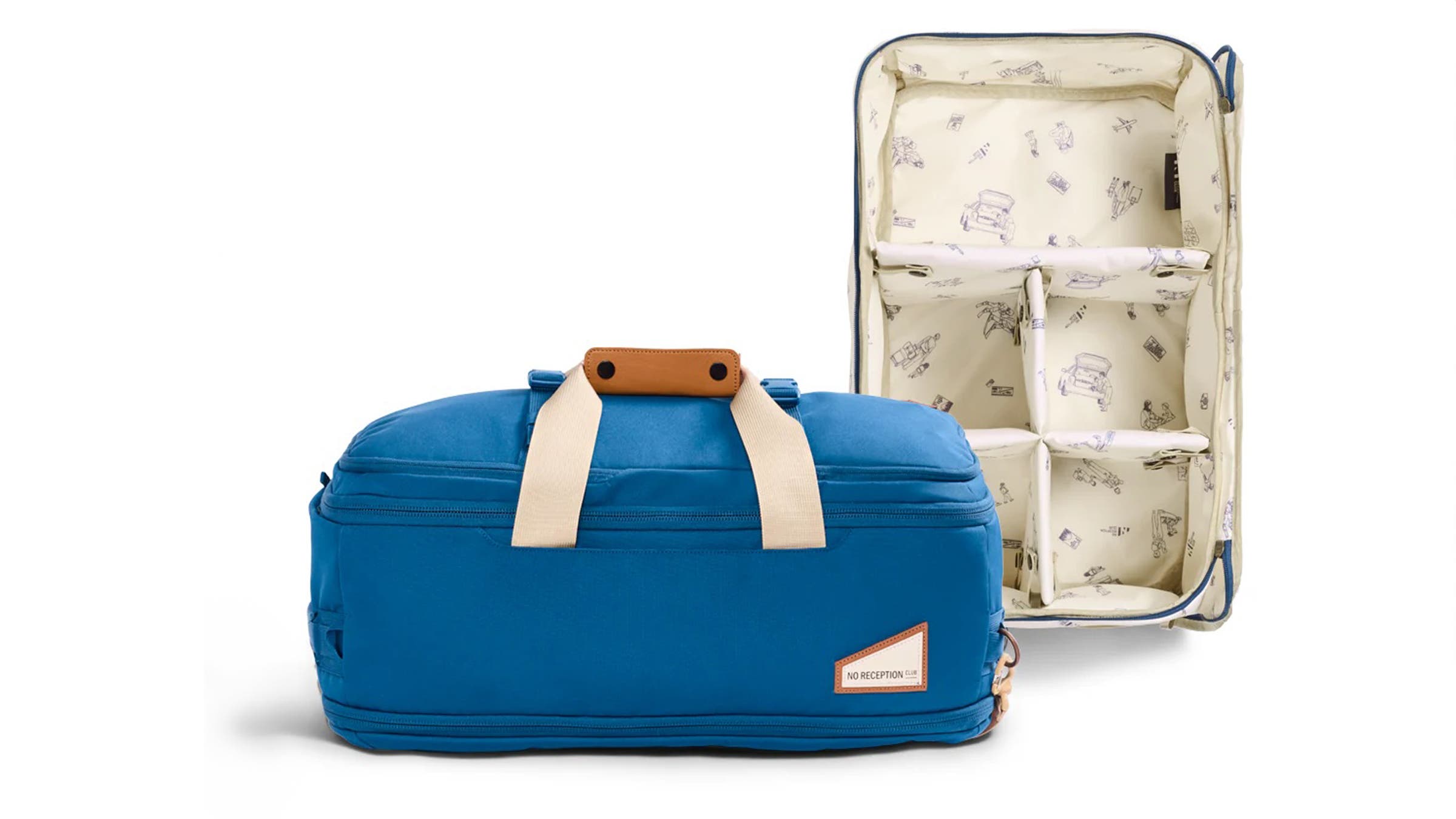
It includes a removable cubby (with adjustable dividers) that drops into the main compartment, a smattering of internal and external pockets, and an easy-to-clean, water and odor-resistant laundry compartment for quarantining dirty duds. It even has an insulated pocket purpose-built for safeguarding milk, formula, or other perishable baby food—a feature one tester traveling cross-country with his infant daughter especially appreciated.
The carry-on boasts a multitude of carry options, including removable backpack straps, grab handles, and a luggage pass-through sleeve. “It’s very versatile,” commented another tester, a frequent flyer and dad of two, who appreciated the ability to use the Hideaway as a backpack between airport gates or pop it on top of his roller bag for longer slogs.
ADVERTISEMENT
You can scoop the duffel solo for $295, but our testers recommend the adventure bundle ($320), which comes with a hangable toiletries case. The Dopp Kit ($45) has a hook for hanging and transparent windows that make it easy to keep stock of items.
Best Value Duffel Bag
Eagle Creek Cargo Hauler
Available Sizes: 40 L, 60 L, 90 L
Pros and Cons
+ Durable
+ Excellent backpack shoulder straps
+ Solid organization features
– Internal divider isn’t perfect
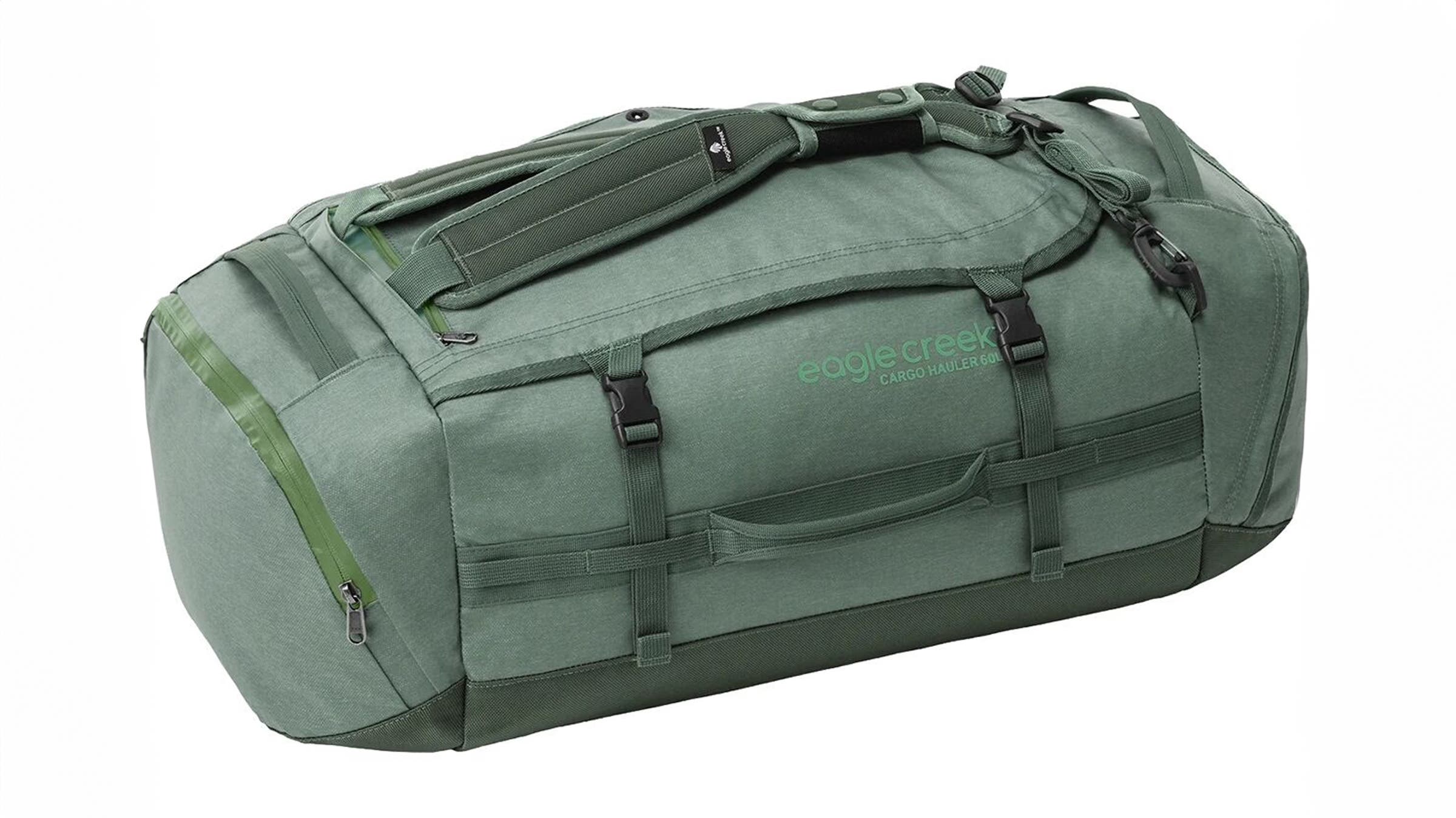
Eagle Creek’s Cargo 60 knocked one tester’s dirty socks off after a road trip to the Utah desert to photograph Redbull’s iconic Rampage mountain bike competition. The construction is certified bomber: the water-resistant exterior is a combination of an 800-denier nylon with even tougher 1680-denier ballistic polyester in high-friction zones. “It’s durable as hell,” she reported, noting the fabric was no worse for wear after her desert adventure and bike trips in Montana.
The hands-free, backpack-style shoulder straps that can be easily stowed away were appreciated by our test team, too. Eagle Creek also included a handle wrap that snaps around the backpack straps, making it easier to haul by hand when needed and increasing versatility on the road.
The Cargo Hauler scored fairly well in the organization department, too. The duffel features zippered compartments on both ends, a mesh internal organization pocket, and a removable divider that bisects the generous main compartment, which is easily accessible via a 270-degree-zippered flap. Our test team loved the idea of the divider, as it helped to keep stinky duds from clean ones on sweaty sojourns. Our one complaint was that the design left a small gap on either side of the divider that let smaller items (like dirty socks) cross-contaminate.
ADVERTISEMENT
Best Organization
Osprey Transporter Squffel
Available Sizes: 44 L, 70 L
Pros and Cons
+ Best-in-class organization features
+ Solid handles and straps
+ Relatively lightweight
– Harder to pack bigger, bulkier items
– Not as durable as some duffels in this guide
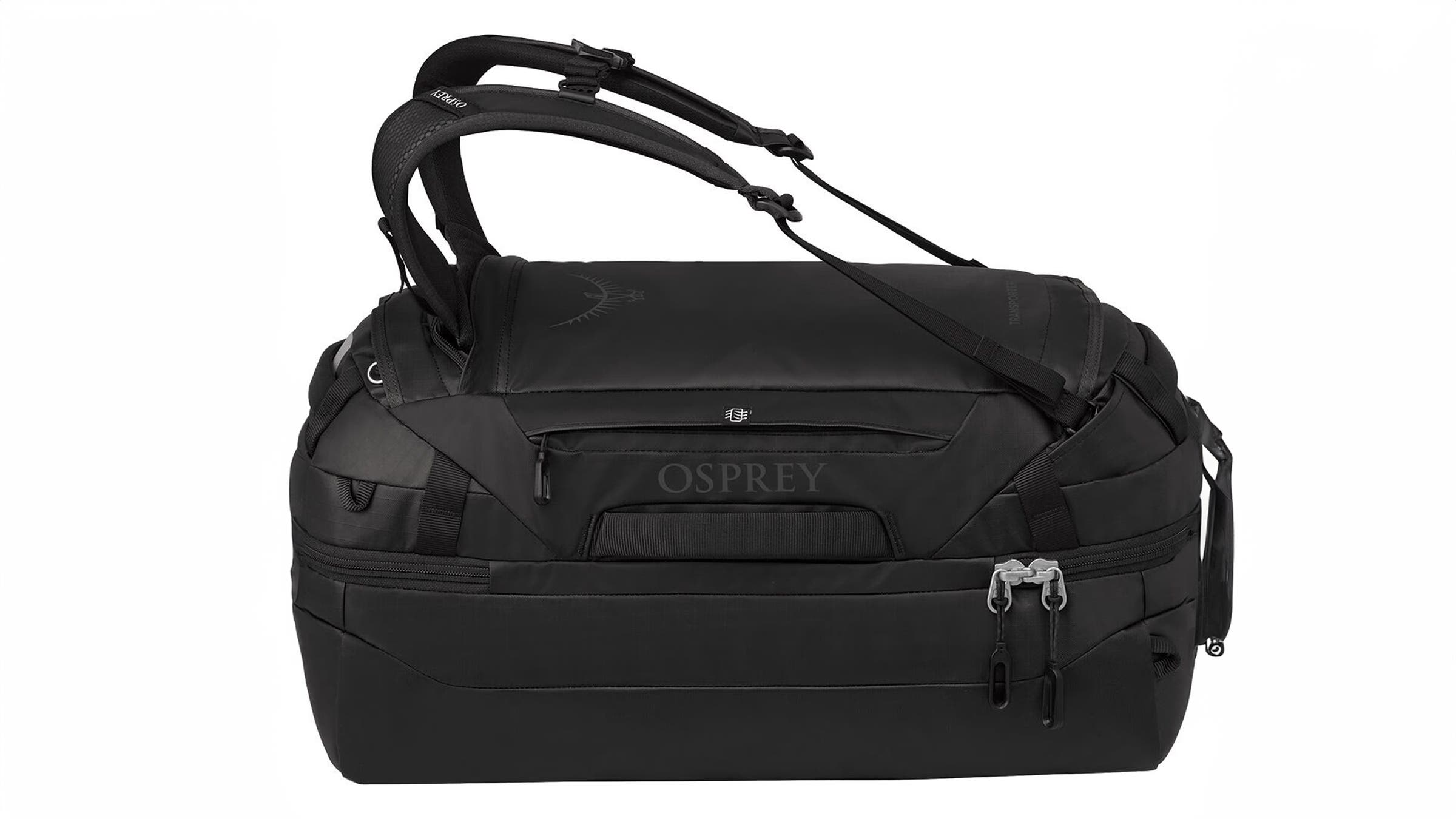
Osprey’s Transporter and Transporter Squffel share a few features, namely stowable backpack straps, heavy-duty grab handles, and materials that balance a lightweight construction with moderate weatherproofing and durability. Beyond that? These duffels are from different planets. While the original Transporter is a cavernous duffel devoid of frills and features, the Squffel is overflowing with organizational extras.
The Squffel can be opened via a zippered top flap, which features a built-in mesh organizer pocket on the underside that’s perfect for small items like chargers and toiletries. But the Squffel shines when you unfurl the clamshell zipper to reveal two main compartments. The bottom compartment sports cinchable retention straps and is closed off via a water-resistant divider that features a zippered mesh organizer pocket. The top compartment is separated by its own divider with yet another organizer pocket, although this divider is crafted from see-through mesh. This plethora of pockets allows travelers to achieve methodical pack jobs with ease.
A downside of all of these organizational features: They can make packing bigger pieces of gear, like ski helmets, more of a challenge, since you only have access to half of the bag’s depth if you’re using the dividers.
ADVERTISEMENT
Best Waterproof Duffel
Yeti Panga
Available Sizes: 50L, 75L, 100L
Pros and Cons
+ Waterproof
+ Extremely durable
+ Solid lash points and carry straps
– Heavy
– Waterproof zipper isn’t super user-friendly
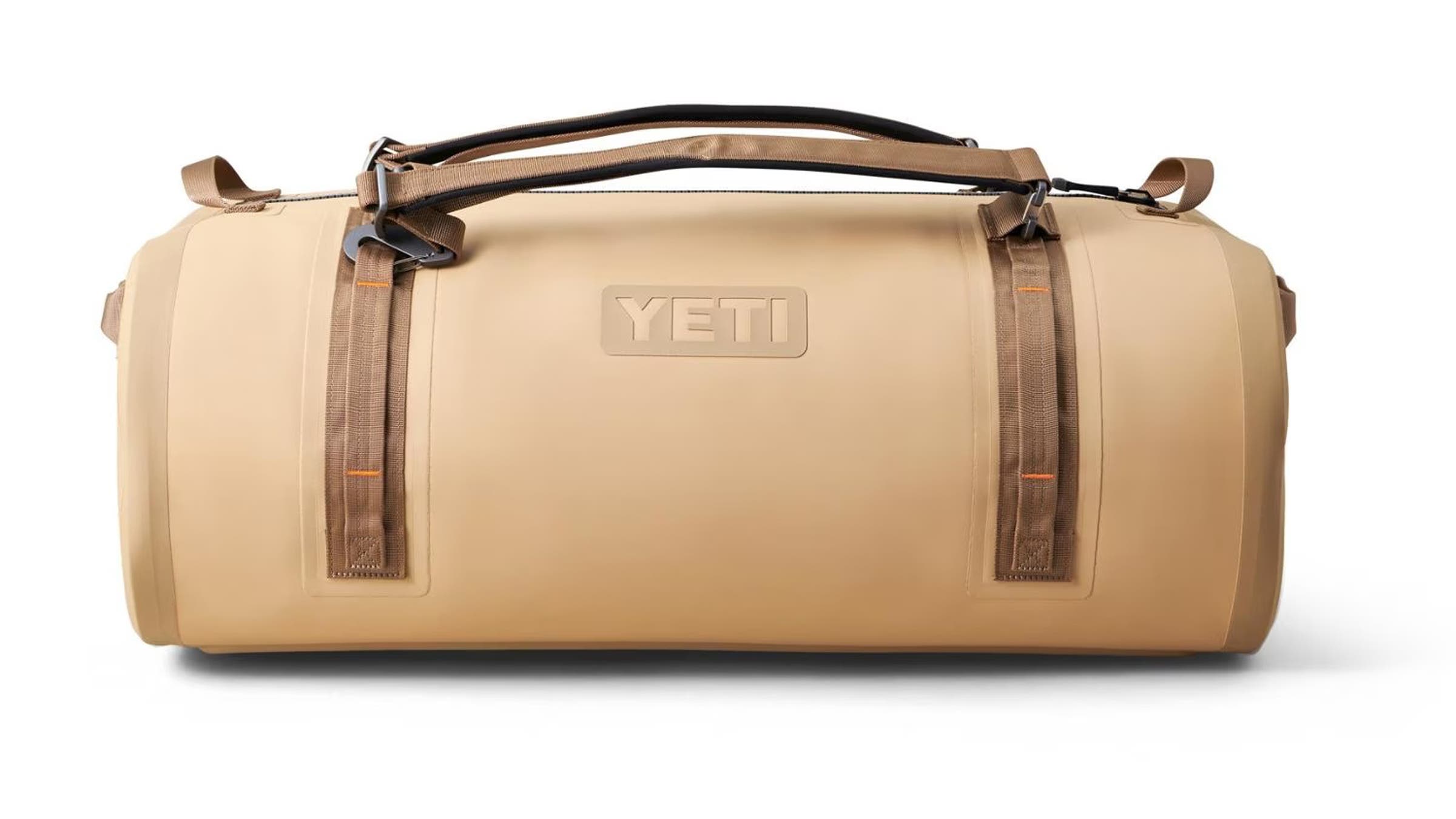
Yeti’s Panga duffel is as tough as it gets. The fabric isn’t much of a fabric at all, but rather a hardwearing, ultra-thick, high-density nylon armor that sheds water like frogskin. An EVA-molded bottom panel protects high-friction zones, supplying structure and longevity. “It’s an overused adjective in gear world, but the Panga wears ‘overbuilt’ like a badge of honor,” commented a Tahoe tester after years of testing multiple sizes of the Panga, including on winter camping trips, road trips, and river excursions. “The material doesn’t just keep out water, but it handles dirt and mud, too, and it’s easy to clean,” he added.
The exterior of the bag features ample lash points, adjustable and removable shoulder straps, and grab handles, increasing versatility and expedition functionality.
The Panga earns an IPX7 waterproof rating—meaning it can withstand full submersion at a depth of one meter for 30 minutes—thanks to a single oversized waterproof zipper down the gut of the bag. The zipper is the Panga’s main selling point, but it’s also our main frustration. You need to yank the zipper closed with some elbow grease to ensure a waterproof seal. Opening requires a tug, too. Furthermore, the zipper is dead straight, making it difficult to find smaller items in the corners of the bag when the Panga is packed to the brim.
ADVERTISEMENT
Between those zipper gripes and the significant weight of the Panga (6.8 lbs for the 100L), we’re not deploying this waterproof bag on most trips, and instead reserving it for river trips, snowy missions, and adventures that coincide with monsoon-like forecasts.
How We Test Travel Duffel Bags
- Number of Testers: 15
- Number of Products Tested: 25+
- Testers Who Traveled to Antarctica: 3
- Longest Trip: A 51-day road trip through California, Oregon, Washington, Nevada, Utah, Montana, Iowa, and Michigan
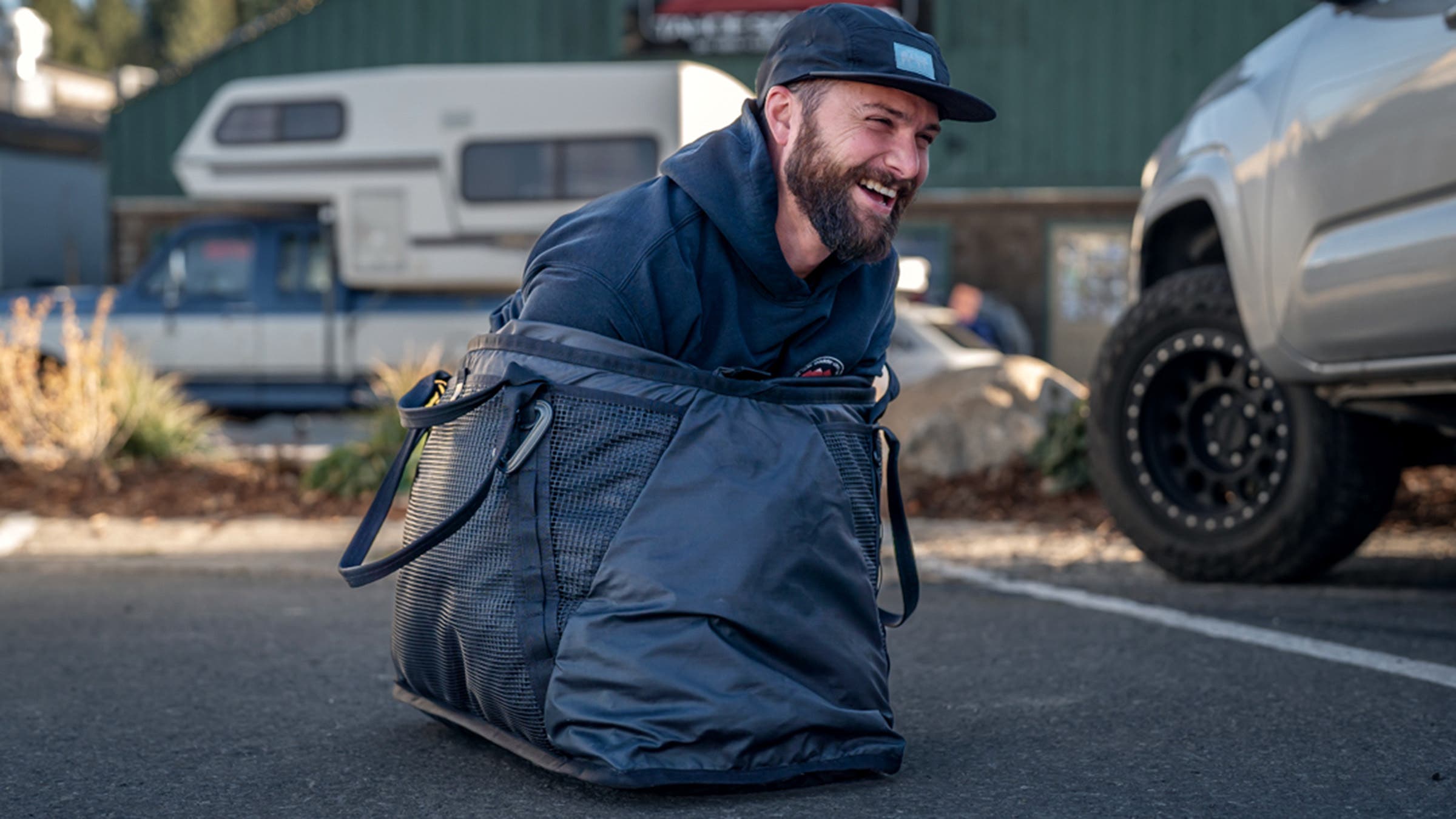
This guide to the best travel duffel bags of 2026 is the result of multiple years of testing across several continents. Our test team, a motley crew of experienced travelers who catch planes and trains for both business and pleasure, includes international ski guides, outdoor photographers, outdoor journalists, professional athletes, and a forest ranger.
These passport-wielding citizens of the globe have tested well over 25 duffels in the past five years, ranging from carry-ons to expedition-grade duffel bags. Some models have been longtime fixtures in our testers’ gear closets well before formal testing began, including stalwarts like the waterproof Yeti Panga (introduced in 2017) and the Patagonia Black Hole, a design that’s been around longer than some of our youngest testers.
ADVERTISEMENT
While we evaluated many of these duffels side by side—comparing fabric durability, weather resistance, carry systems, and organizational features—the bulk of our duffel bag testing happened in the field. International trips ranged from casual travel, like sightseeing in the Scottish Highlands, to more demanding objectives, including a 10-day point-to-point ski expedition in Northern Norway and a winter camping trip in Denali National Park. Domestic testing was just as varied, spanning fall mountain bike trips in Vermont to spring surf missions in the Pacific Northwest.
After each trip, testers completed detailed review forms, scoring duffel bags quantitatively on factors like durability, weatherproofing, and organization. They also provided qualitative feedback on strap comfort, compartment layout, real-world wear and tear, and overall pros and cons. We then synthesized those results to produce the reviews you’ll find in this guide.


