Published August 4, 2020 12:00AM
If you buy through our links, we may earn an affiliate commission. This supports our mission to get more people active and outside.Learn about Outside Online's affiliate link policy
How to Plan the Perfect Car-Camping Date
No more "Oops, I forgot to bring the stove!" scenarios
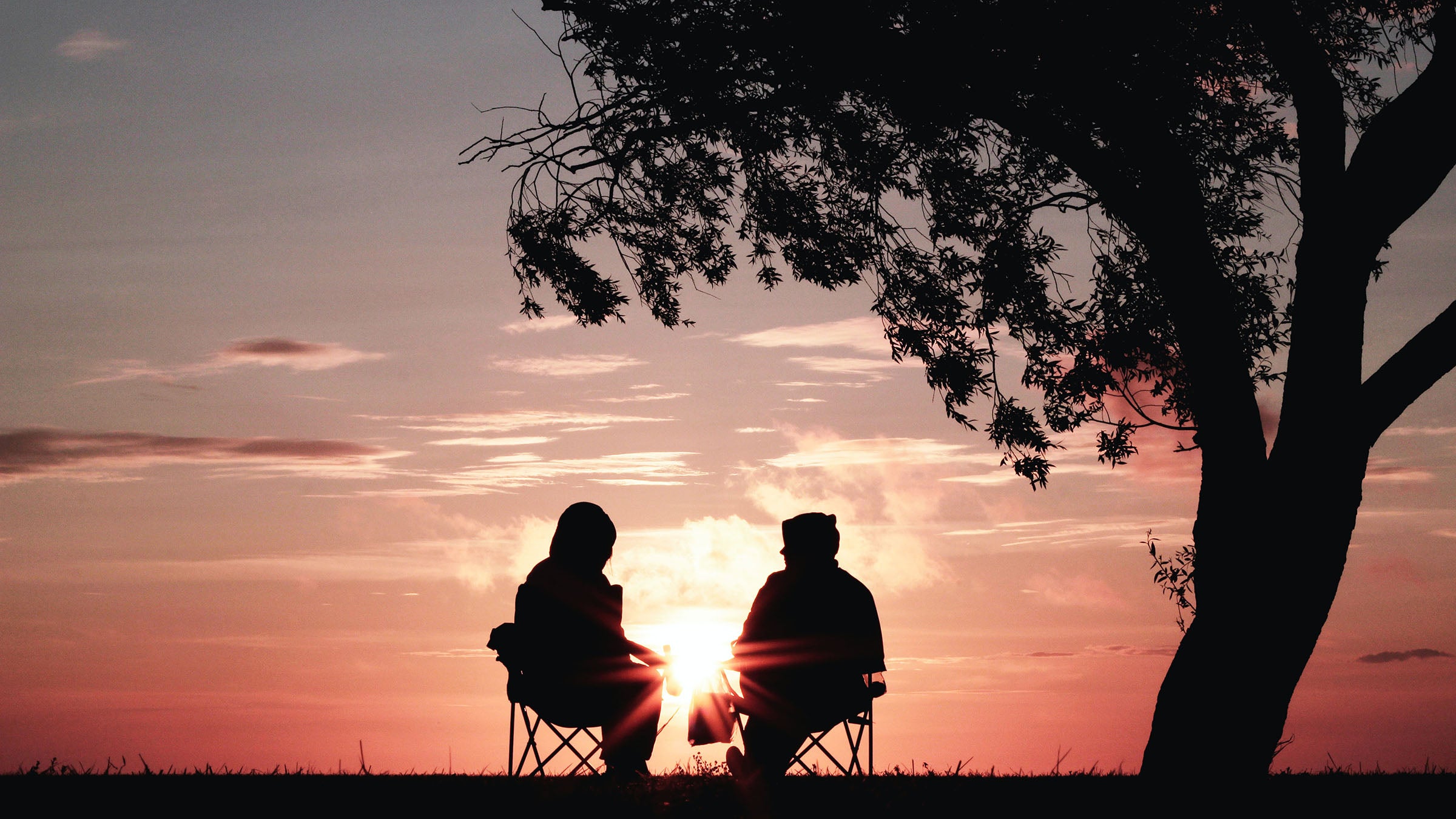
Having a great camping date takes the right gear and a lot of planning.
Camping can either be a romantic night out in nature or the worst date ever (think The Parent Trap or Backcountry). We all prefer the former, but that takes the right equipment and a lot of planning. Some gear is optional—a date can still be saved without a table or slippers—but lacking other necessities will make your experience less than ideal. Forgetting matches or having your only lighter break makes for a cold night and potentially no dinner.
My partner and I have gone on many different trips over the years, like nights at established sites and treks to backcountry huts. But car camping allows for a really romantic date. For years I focused on perfecting the kit in my trunk to create date-night-quality romance from the comfort of a tent in the Sierra. Here are step-by-step instructions for having the best time possible and equipping yourself with the tools you’ll need to make it happen.
Research Your Site
Nine times out of ten, the location I find on a national forest’s website will be beautiful and easy to get to. In the other scenario, the site might be closed for the winter or inaccessible without four-wheel drive. One time we took my two-wheel-drive Prius, drove eight miles down a rough dirt road through the snow, set up camp in the dark, and ate saltines for dinner. (I didn’t woo my partner with my amazing outdoor planning skills on that one.)
ADVERTISEMENT
For peace of mind, I recommend reserving a spot (if you can) and calling the campground to get current weather conditions. If you’re going the first-come, first-served or free route, find out if there’s a ranger station you can contact ahead of time to get more info, so you can come prepared. Also, check to see if you’ll be in bear country. If there are bears around, you’ll definitely want to do some extra research into bear-safety gear and learn how to deal with an encounter. Pro tip: don’t watch Backcountry before you go.
Pack the Car
I sort my gear into six categories: sleeping, kitchen and food supplies, general camping, personal essentials, clothing, and optional items. This makes packing the car—and keeping it organized—easier.
Bundling all the kitchen items and food together means that when I get to the campsite, I can put everything into the bear box (if needed) or make sure that items requiring refrigeration go into the cooler.
Set Up Camp
You want setup to be quick and seamless, so you can get on to more important things (like food, in my opinion). Decathlon’s 2 Second tent ($99) makes assembling your sleeping area a breeze. But if you’re planning on spending a few nights in a tent or need more space to lounge, I recommend going for a roomier shelter that you can stand up in.
Regardless of tent choice, make sure you know how to set it up beforehand, so you don’t have to fumble around wondering which pole fits into what.
ADVERTISEMENT
Once it’s up, chuck all your sleeping gear in the tent so you don’t have to go searching for it later. If you’re using self-inflating mats, you’ll want to unroll them and give them time to expand, too. Two Therm-a-Rest MondoKing 3D pads ($210) self-inflate (mostly) and are more comfortable than my mattress at home. They also have an R-value of seven, making them perfect for winter camping in below-freezing temperatures.
Finish organizing the rest of camp with simple chairs by the fire pit, a stove for dinner and hot drinks, and any cooking supplies you’ll need to make your meals. A small folding table positioned next to the fire pit is surprisingly useful as a perch for beer or wine glasses, dinner plates, and s’mores supplies later in the evening.
Finally, figure out your lighting system before it gets dark to avoid stopping midway through dinner to get the lantern. For a romantic touch, BioLite’s BaseLantern ($100) and SiteLite Mini string lights ($20) give a nice glow to the campsite. Both can connect to your phone via Bluetooth, and you can dim them to perfect the ambiance.
Food Considerations
Dinner: Choose something relatively simple that won’t take too long to cook. Bonus points if you can make it over the fire. Premade shrimp skewers are relatively affordable at the grocery store, a cinch to cook, and still feel fancy enough to be date material. I like to pair them with 20-minute risotto and sautéed veggies like spinach or mushrooms.
Dessert: You can’t go wrong with classic s’mores.
Breakfast: Even when I’m glamping, I tend to keep the first meal of the day basic with instant oatmeal. All it takes is boiling water, which I also use for coffee. You can mix in anything from peanut butter to sliced almonds to fresh fruit to give your oatmeal more flavor and sustenance.
Breakfast burritos with eggs, bacon, and cheese also make for a quick but tasty option. And if you’re willing to wait a bit longer, you can supercharge your most important meal of the day with one of these recipes using a cast-iron skillet or Dutch oven.
And of course there’s no forgetting that morning essential: coffee. I like the integrated French press ($25) that attaches to MSR’s WindBurner stove system or a basic pour-over.
ADVERTISEMENT
Quick and Dirty Tips
For time spent hanging out in the tent, I prefer using a sheet like Therm-a-Rest’s Synergy Coupler ($50), which helps keep your pads held together. A spread like Therm-a-Rest’s Vela Double quilt ($370) makes cuddling possible without restricting movement like traditional sleeping bags might.
For the ladies: if you happen to be on your period, I recommend using a menstrual cup like the Diva ($30). While you’d have to take it out for sex (if you’re one to have sex while on your period), you can keep it in for up to 12 hours, and it’s less likely to leak than a tampon and more comfortable than a pad. I use it with a liner as backup, just in case.
The Bottom Line
In the end, you’ll probably forget at least one thing, or something won’t go as planned. But that’s OK. Remember: You’re out in nature. If it was always predictable, it wouldn’t be as fun. Even if everything goes wrong, and the two of you are able to laugh about it and still enjoy each other’s company, at least you know your partner’s a keeper.
ADVERTISEMENT
The Checklist
Sleeping Gear
-
Sleeping pads (two of them, or a double)
-
Pillows (two)
-
Sleeping-bag liners (for colder nights)
Kitchen and Food Supplies
-
Matches or a lighter (I recommend taking both in case the lighter fails.)
-
Spatula
-
Bottle opener, can opener, corkscrew (as necessary)
-
Utensils (I go for a titanium spork.)
-
Plates and bowls (two of each)
-
Mugs (two)
-
Cutting board
-
Dish towel or paper towels
-
Water
-
Food (Don’t forget the little things, like seasoning, oil, and butter.)
-
Tinfoil
-
Roasting sticks (if you want s’mores)
-
Ice
-
Trash and recycling bags
-
Soap
-
Sponge
General Camping
-
Headlamps (two)
-
Camp chairs (two)
-
Firewood and kindling
-
Insect repellent
-
First aid kit
-
Poop kit (if the campsite doesn’t have bathrooms)
-
Plastic bags, like Ziploc
Personal Essentials
-
Toiletries (toothbrush, toothpaste, deodorant, hairbrush)
-
Menstrual products
-
Medications
-
Lip balm
-
Wet wipes
-
Toilet paper
Clothing
-
Long-sleeved shirt
-
Short-sleeved shirt (dependent on weather)
-
Pants
-
Pajamas (Long underwear or thermal base layers work well.)
-
Socks
-
Vest
-
Fleece
-
Warm jacket
-
Warm hat or beanie
-
Gloves
-
Underwear
-
Towel
Optional Items
-
Hammock
-
Cards
-
Camp shower
-
Blanket or rug (for stargazing)
-
Mallet
-
Hatchet or ax
