Published December 28, 2025 03:00AM
If you buy through our links, we may earn an affiliate commission. This supports our mission to get more people active and outside.Learn about Outside Online's affiliate link policy
Originally posted onBackpacker
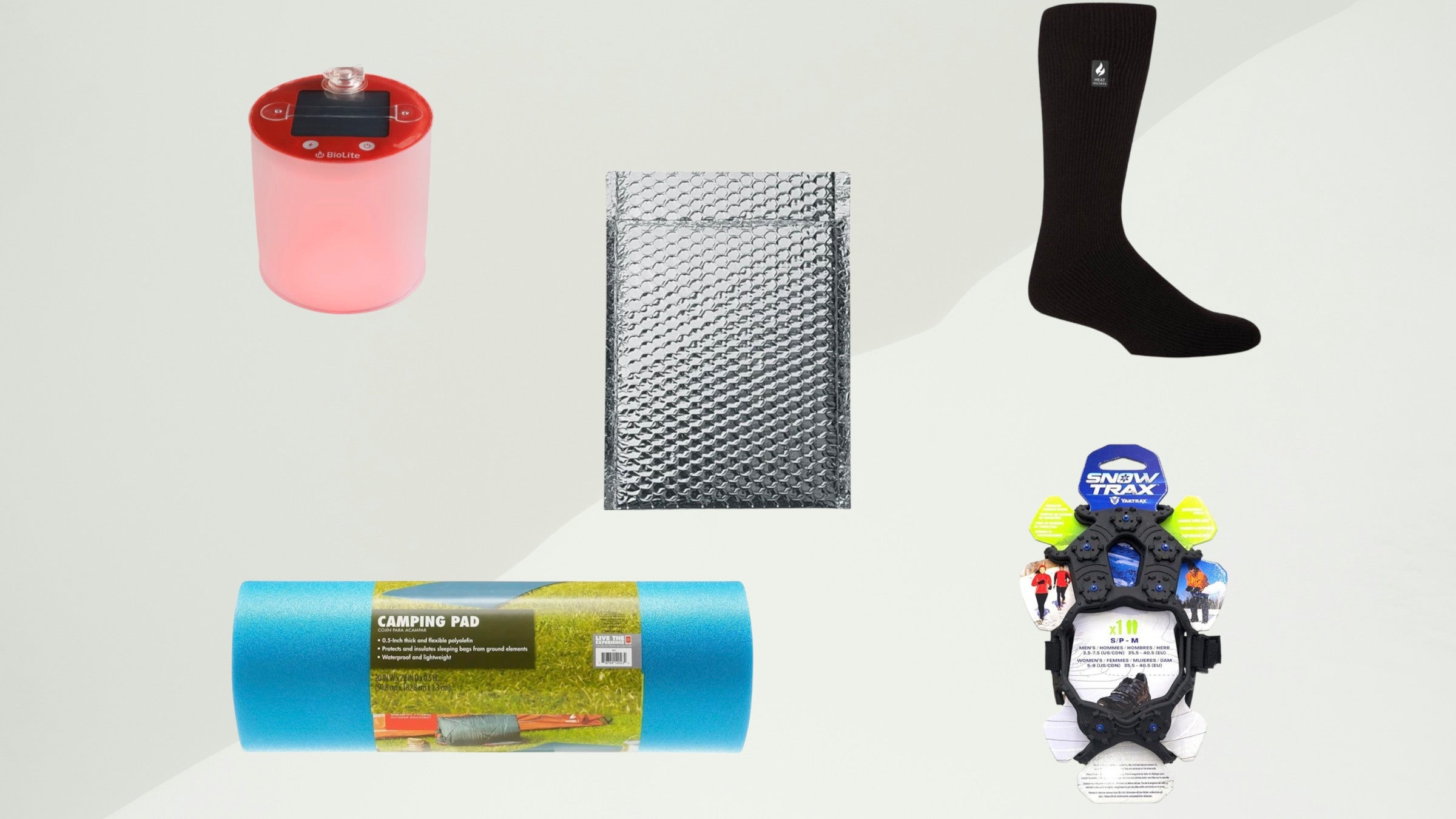
5 Cheap Pieces of Gear Guaranteed to Level up Your Winter Camping Experience
You don't have to be a masochist to enjoy the backcountry in January. These five expert-vetted accessories cost under $20 but make a massive difference in staying warm and dry.
(Photo: NN (background) / Courtesy (products))
You don’t need to be a masochist to go backpacking in winter. A little more tolerant of discomfort, maybe: However carefully you pack and watch the weather, there are going to be moments on a winter backcountry trip when you’re colder, damper, and generally more ornery than on a fair-weather excursion. But that doesn’t mean you need to resign yourself to a weekend of type-2 fun whenever you lace up your boots in the fourth season.
As with so many other aspects of life, it’s the small things that make the biggest difference in your comfort level on winter camping trips. A warm sleeping bag, a winter-ready tent, and appropriate footwear are all essentials, but these five cheap accessories, all of which cost $20 or less, won’t make your pack much heavier (or your wallet much lighter). What they will do is a big difference in how much you enjoy your experience tromping through the snow.
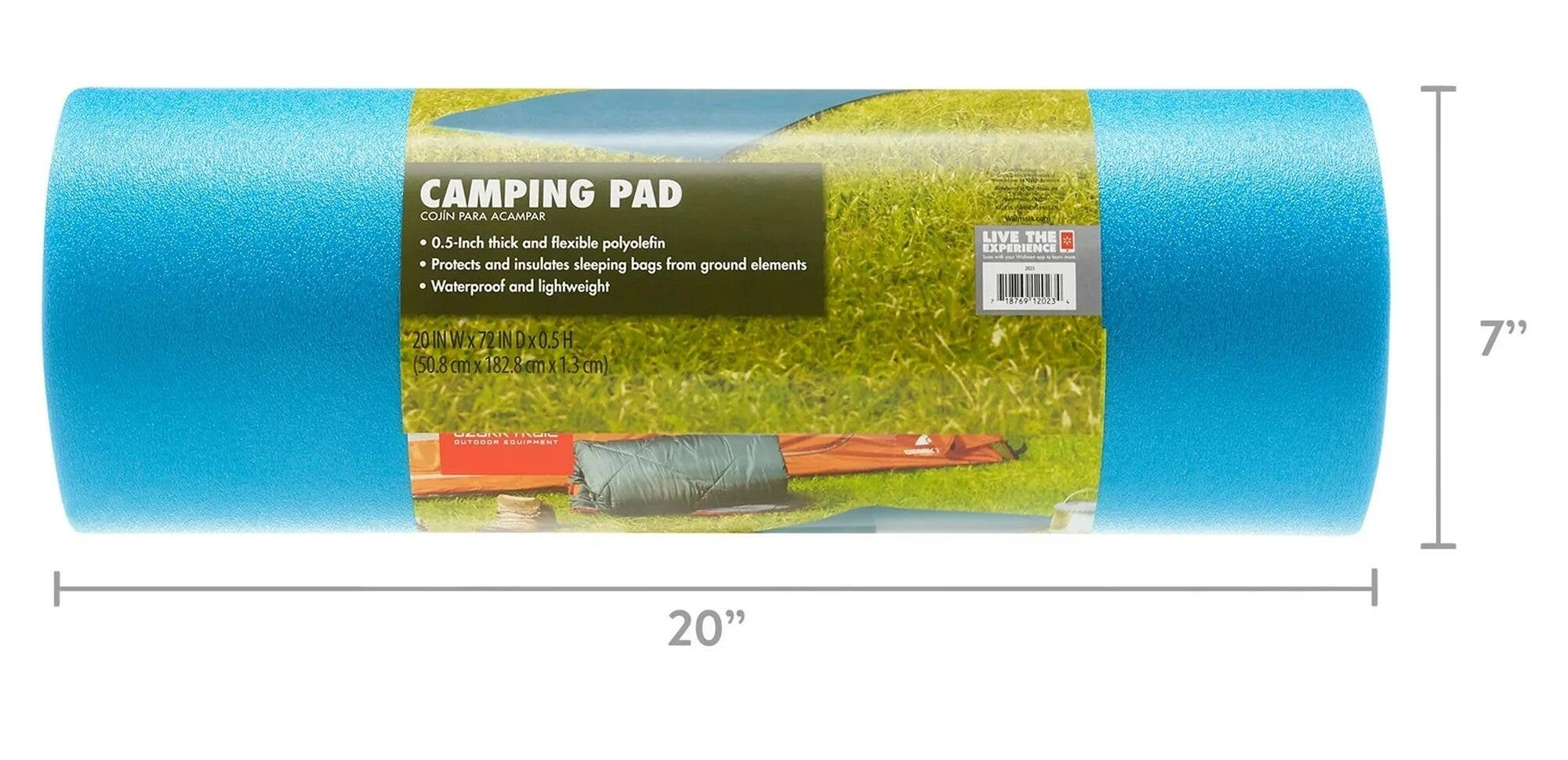
Ozark Trail Closed-Cell Foam Pad
A closed-cell foam pad won’t be comfortable enough for most winter campers, especially not those sleeping directly on snow. But layered with a normal inflatable sleeping pad, it can help you get better sleep. This one from Walmart’s in-house brand is lighter than the ubiquitous Z-Lite and about as warm (with the downside that it’s somewhat bulkier). With no dimples, it also doesn’t have any nooks or crannies for snow to stick to.
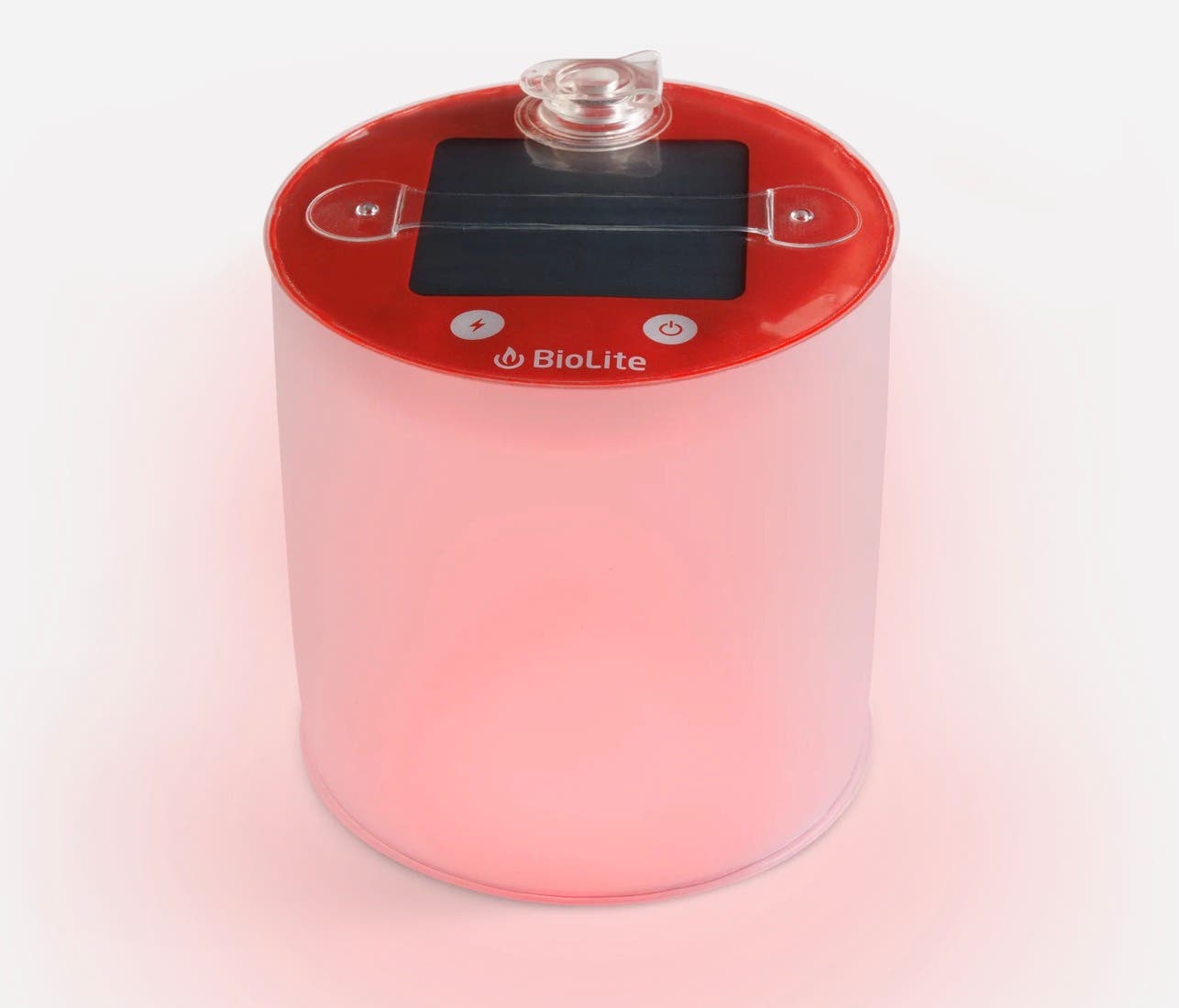
Luci EMRG Light
I rarely bring a lantern on summer camping trips, but in winter, it’s a must. It has less to do with practical concerns than with community: That glow is something for the group to rally around on long nights when we don’t want to make a fire, and nice to have for tentbound card games. More than lumens, the goal here is vibes. Marketed as an emergency light, Luci’s EMRG is a stripped-down version of its full-featured inflatable lantern, with low and high white modes and a red mode for when you don’t want to blow out your night vision. At 2.8 ounces, it’s all but weightless.
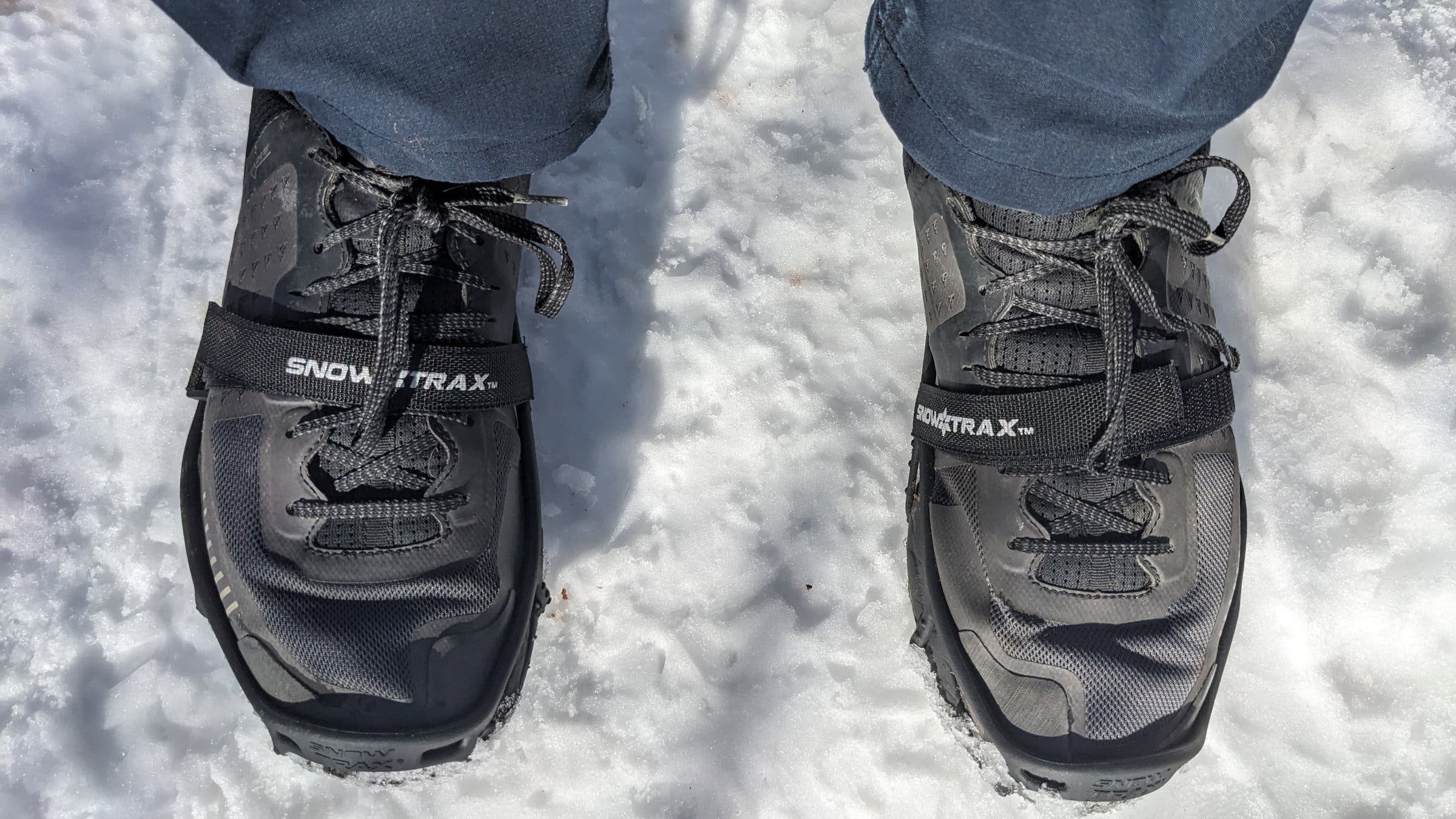
Yaktrax Snow Trax
We’ve written thousands of words about why traction is important on winter hikes. The most convincing argument for it, though? Trying to tackle a slippery, icy trail without it. Yaktrax’s Snow Trax are essentially a cheaper, slightly less aggressive version of their Spikes or Ultragrip traction devices, a rubber harness that cinches to your footwear with a hook-and-loop strap and features seven carbide cleats underfoot to bite into icy trails. While we probably wouldn’t trust these on intense terrain or over a high-consequence fall zone, they’ve performed well on moderate trails over ice and packed snow for a fraction of the price of more expensive models.
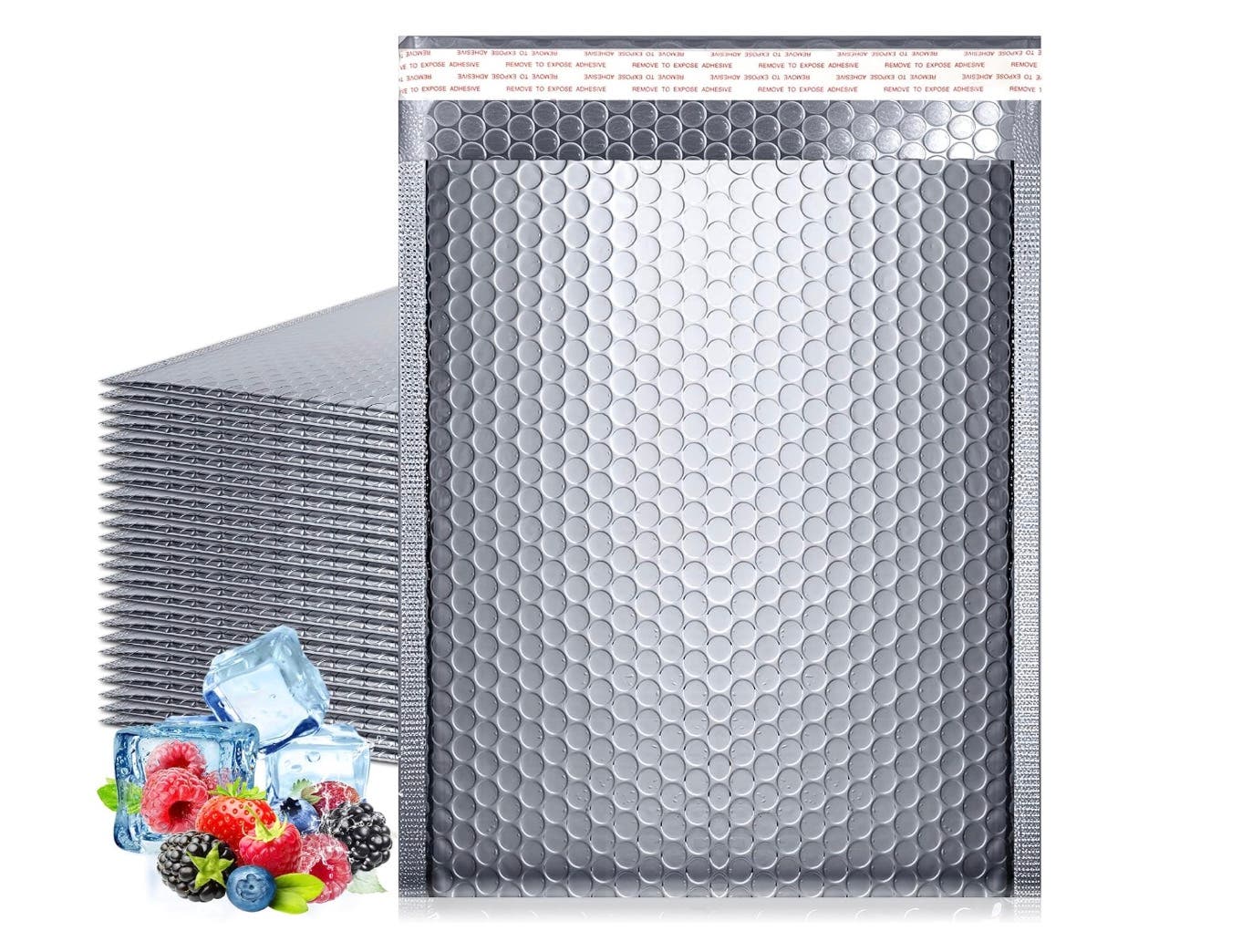
Insulated Mailers
A hot meal is a powerful motivator when you’re postholing through the snow, so having to choke down a lukewarm backpacking dinner is a letdown to say the least. The easiest way to avoid it: using a meal cozy, a sleeve that insulates your meal as it rehydrates, ensuring it’s still steaming when you finally dig in. DIY instructions on making one are easy to find, and Hyperlite Mountain Gear and other companies make their own versions; I’m still rocking a discontinued neoprene Alpineaire H(Eat) pouch. A cheaper hack is to repurpose an insulated mailer to hold your supper. This is the kind of “gear” that’s best scavenged or swiped from your workplace, but if that’s not an option they can be purchased in bulk. Grab a dozen and pass them out to your friends.
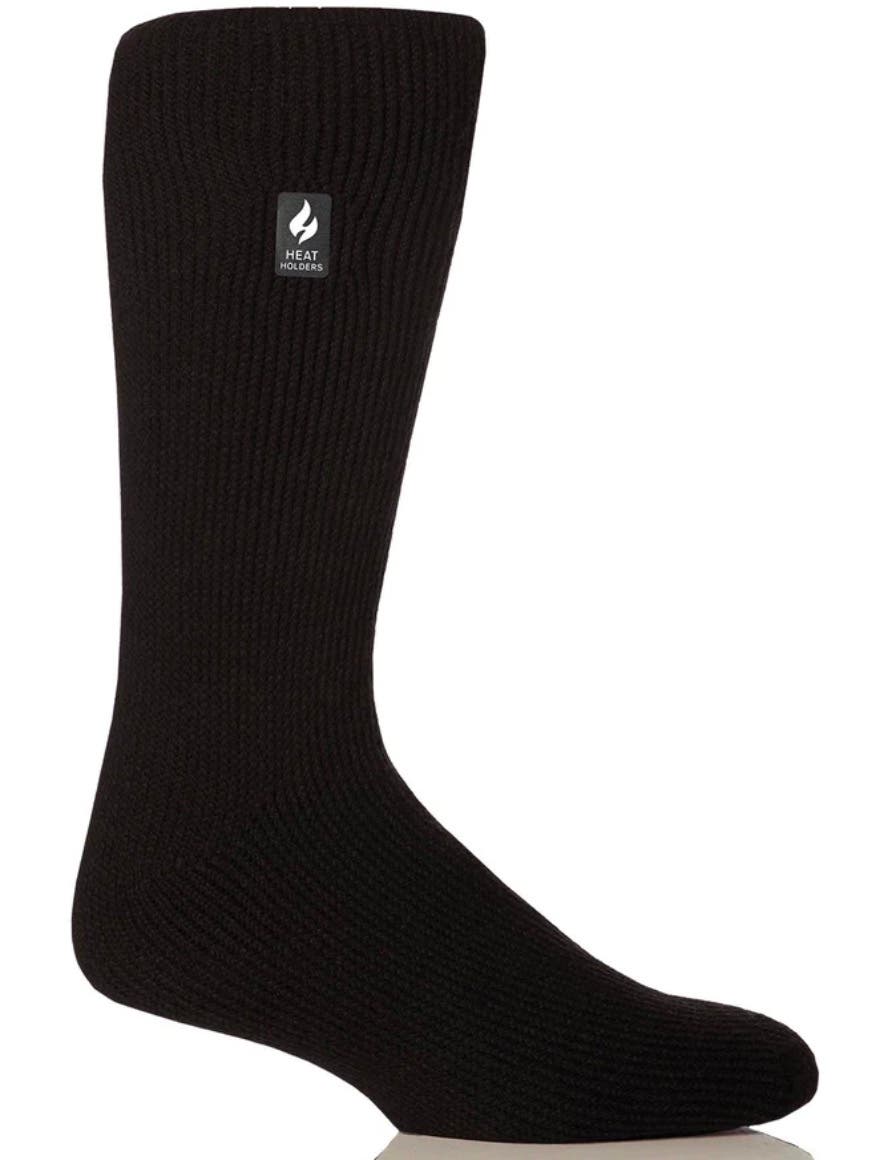
Heat Holders Joshua ORIGINAL Crew Socks
Heat Holders’ plush Classic socks are too bulky to work for hiking, even on the chilliest winter excursions. One thing we’ve found they’re great at, though, is keeping our feet toasty in camp. Made of an acrylic blend, the Joshua is pure cush underfoot and traps heat almost too well (prepare to get sweaty if you exert yourself in them). Keep them in reserve as a sleep sock to ward off icy toes and prevent sweat and skin oils from dirtying your down sleeping bag.
