Published August 29, 2025 12:57PM
How to Turn a 2WD Van Into an Off-Road Machine
You probably think you need a 4WD van. Chances are, you don’t.

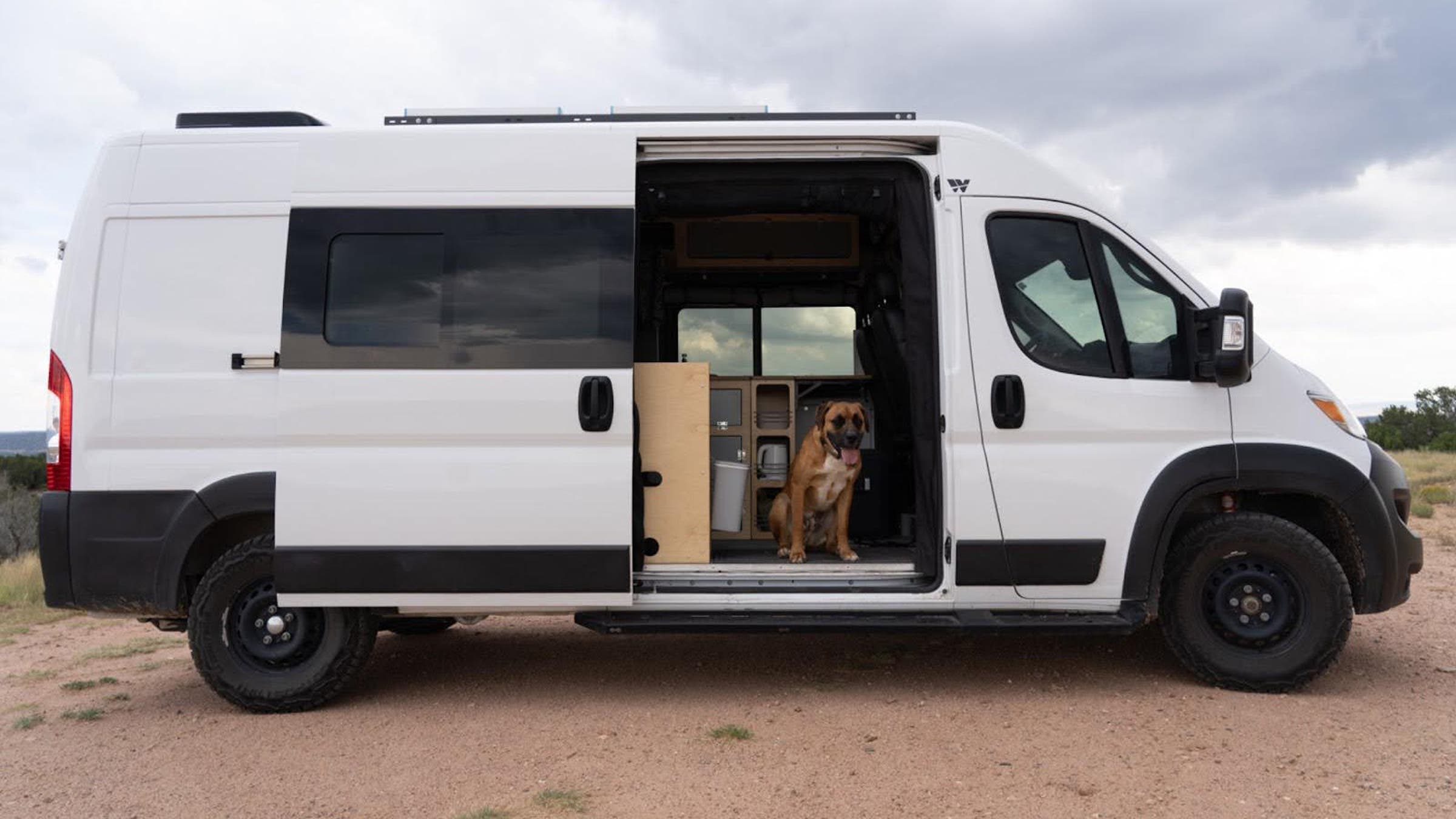
(Photo: Bryan Rogala)
For years, I thought a two-wheel-drive (2WD) van wasn’t capable of getting me to the places I like to camp the most: dispersed sites at the end of long, rough forest service roads somewhere in Northern New Mexico. But last summer, I spent a month driving one on backroads and was pleasantly surprised by where it could go. More importantly, I took a hard look at where I actually spend the most time traveling and realized that while yes, there are absolutely situations in which four-wheel drive (4WD) is necessary, most of the time I didn’t need it.
After my time in a Ram Promaster van last summer, I spent the fall hunting season playing “4WD or Not?”—a game I made up to estimate how many times I actually put my truck in 4WD during hunting trips (when I spend the most amount of time driving off pavement), and whether a 2WD vehicle would’ve sufficed. Between seven different trips, I threw the truck in 4WD only three times—once when I encountered wet and sloppy roads, once when unexpected snow storm moved in, and once when I drove up an incredibly steep section of road while scouting for mule deer. There was only one situation in which I’m certain a 2WD vehicle would not have made it.
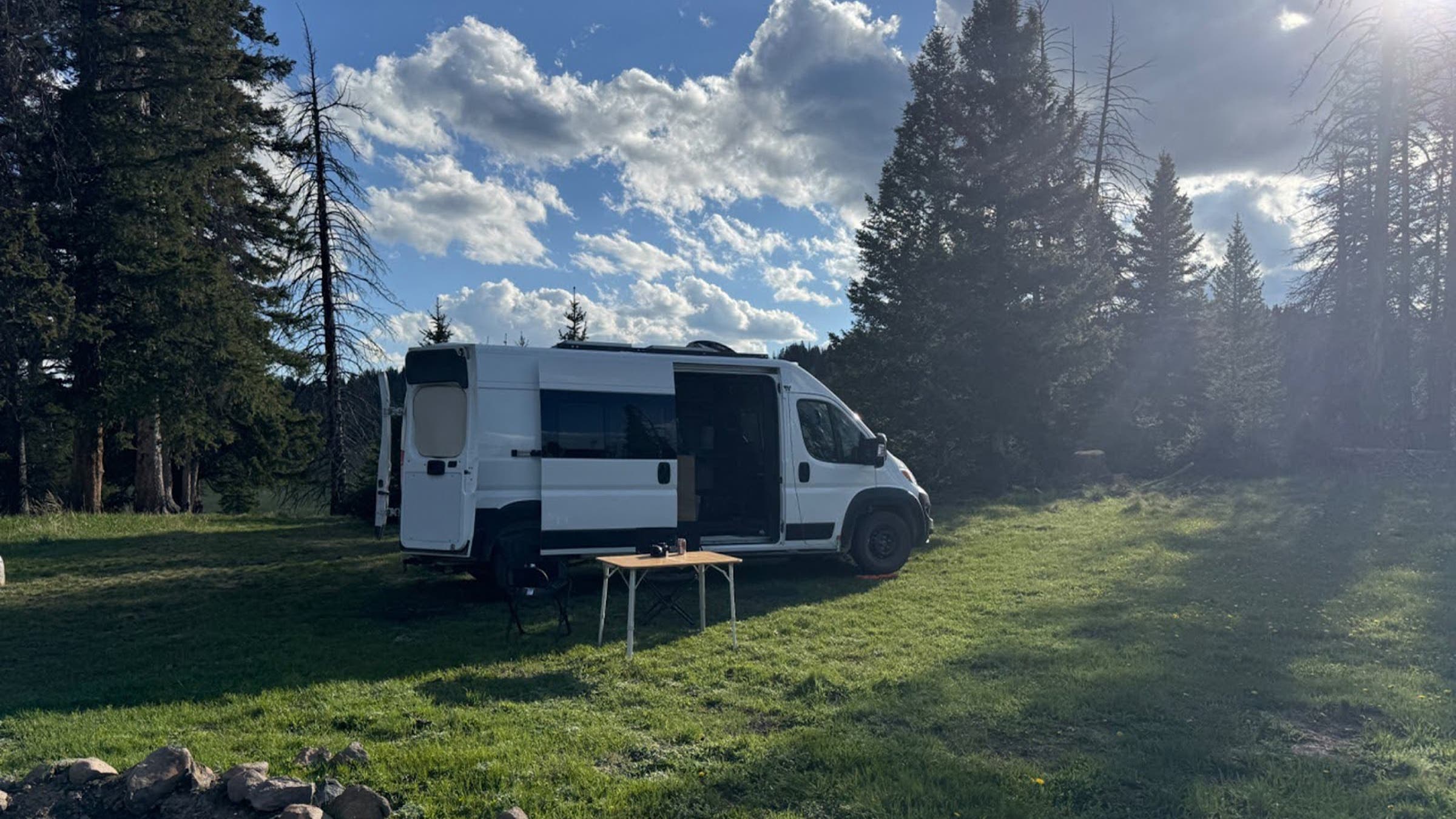
While a 2WD van can’t go everywhere a 4WD vehicle can (which has more to do with ground clearance, approach, breakover and departure angles, and suspension flex than it does with the vehicle’s drivetrain), it can get you most places. To make it better suited for off-road travel, I’ve made some modifications to the Promaster in the last six months while keeping a van’s inherent limitations in mind. If you own a 2WD van and are interested in making it more capable, here’s what I’d recommend.
Tires Make the Biggest Difference
No matter what vehicle you drive, tires will have a bigger impact on traction than anything else. Tires are, after all, the only part of your vehicle that touches the ground. With that in mind, the first modification I made was changing out the Promaster’s tires.
ADVERTISEMENT
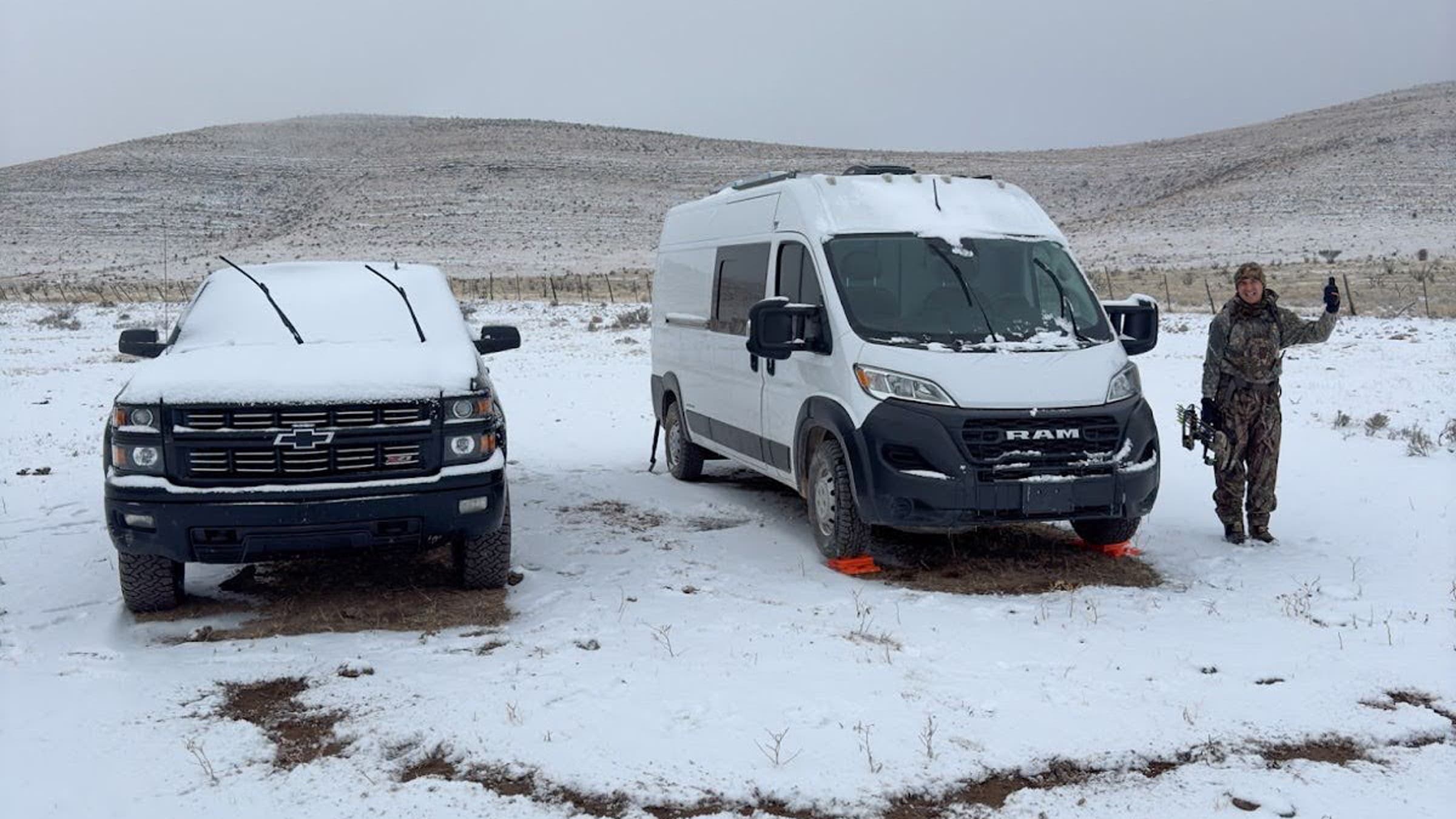
Given that it was winter when we had the van built out, I immediately put on a set of non-studded Nokian Hakkapeliitta LT3 winter tires. Since the Promaster is a front-wheel drive van, the weight of the engine is always over the tires, which gives it better traction in snow and ice than a lightly built out van with rear-wheel drive. Front-wheel drive also means the front tires are pulling the van through turns, versus being pushed through by rear-wheel drive, so they’re less likely to spin out, and the van is easier to manage. Once I added the Hakkapeliitas to the equation, the van became a phenomenal snow rig—these tires are truly awesome in snowy and icy conditions. We also own a 4WD Toyota Tundra and an AWD Toyota Rav4, and the van has become our go-to snow rig thanks to the Hakkapeliitas. Nokian invented the winter tire in 1934, and since they’re headquartered in Finland, they know a thing or two about driving in winter conditions. The Hakkapelittas consistently rank as one of the best winter/snow tires available, and after testing them this winter, I won’t run anything else.
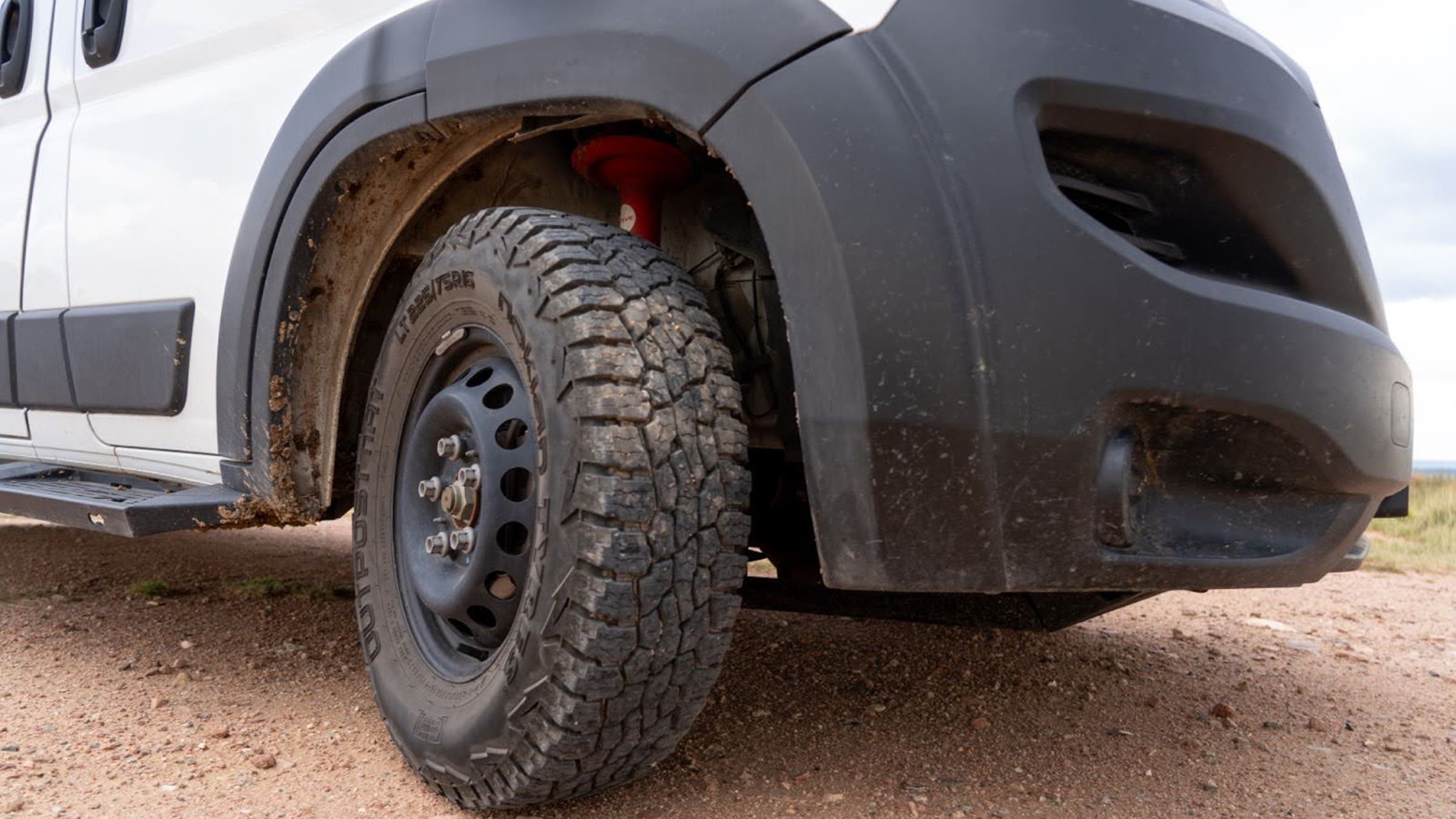
Since you shouldn’t use winter tires in the summer, I bought an extra set of cheap steel wheels for the van and threw Nokian’s Outpost NAT’s all-terrain tires on them since we do a lot of dirt road exploring. So far, the Outpost NATs have been excellent—the ride quality is fantastic, they’ve helped the van make it through deep mud and some snow, and have seen hundreds of miles of gravel roads and highways without issue. I have no complaints other than the van losing 1-2mpg, but that’s to be expected when you replace a stock highway tire with any all-terrain tire.
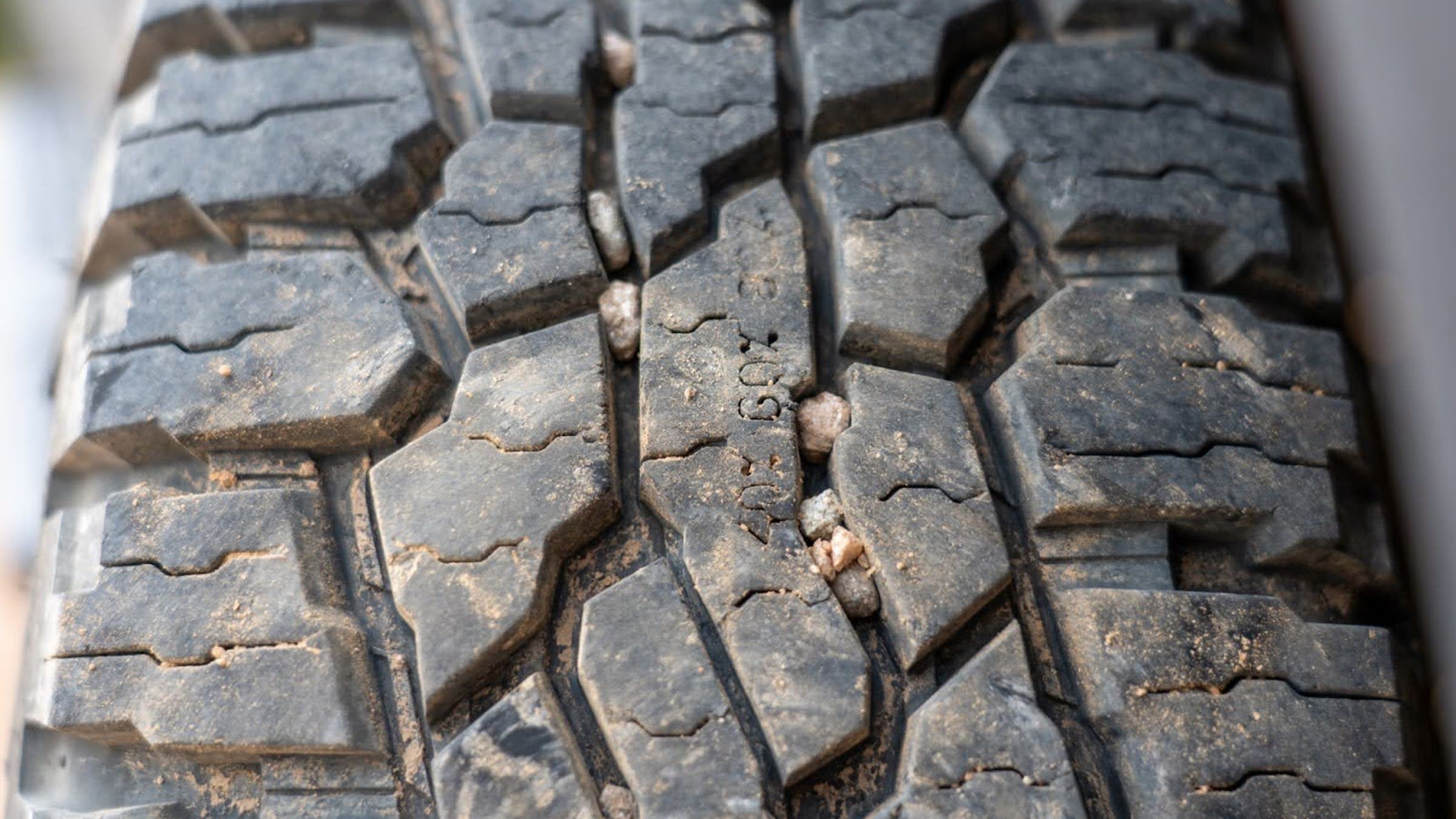
The capability and my confidence in off-road situations has been well worth the tradeoff, especially in a 2WD van—I’ve definitely driven it places that I probably had no business being, and that’s primarily because of the extra traction from the Outpost NATs. In fact, I’ve been so impressed with them that I plan to run them on my Tundra when it’s due for new tires, which should give me an even better opportunity to test the tire’s off-road capabilities.
ADVERTISEMENT
Driving on Washboard Isn’t Great, But You Can Make it Better
As I alluded to earlier, a cargo van is not meant for heavy off-road use. Suspension travel is limited, the ride is typically pretty stiff since it’s meant to carry heavy loads, and the tires are quite small, so they lack the extra dampening qualities that large tires provide. You can address some of these downsides to an extent if you own a Sprinter or Transit with high-end aftermarket suspension systems, but options for the Promaster are pretty limited.
ADVERTISEMENT
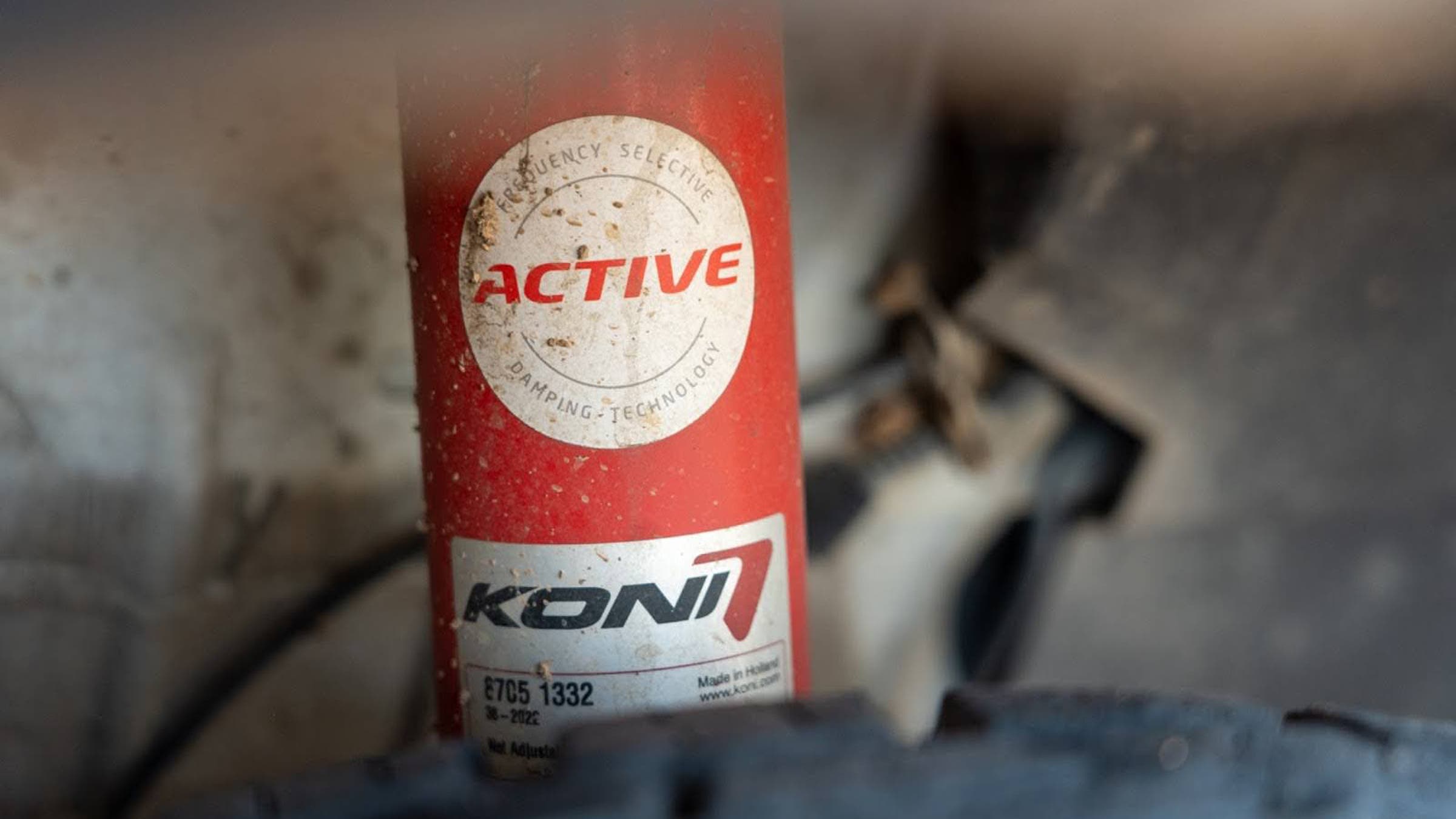
The best option out there if you own a Promaster is to install a set of Koni shocks, and the best place to order them from is EuroCampers. Koni has a long history of making shocks for everything from racecars to motorhomes. Their Special Active shocks feature Koni’s FSD, or Frequency Selective Damping technology—it sounds complicated, but basically the idea is these shocks are designed to control large body motions and cornering forces while still offering a smooth ride over rough roads and bumps. If you’ve driven a big cargo van on the highway, you know all about cornering forces and large body motions—especially if it’s windy.
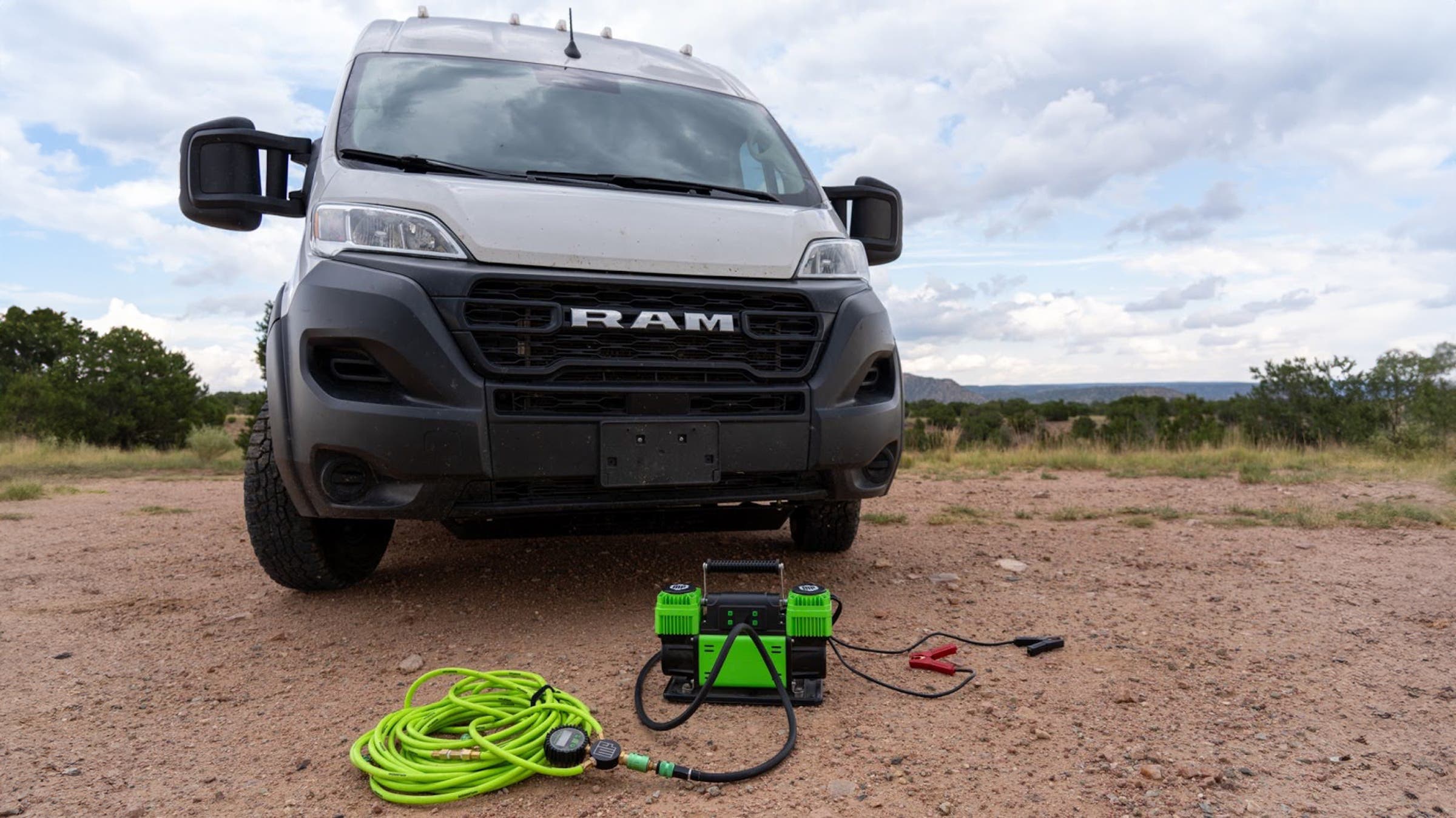
The Konis have made a noticeable difference in sway, and the ride on rough dirt roads is night and day better than the stock shocks, too. They haven’t turned our Promaster into a desert racing machine capable of winning the Baja 1000, but vibration on washboarded roads is significantly reduced, potholes and rough sections of dirt are far less jarring, and the van is much more comfortable to drive overall. If you want to improve your van’s ride, this is probably the single best upgrade you can make.
ADVERTISEMENT
Another absolute must is airing down the tires when we hit dirt. Ram suggests our van’s tires should be inflated to 65 PSI up front and 80 PSI in the rear, which works great on the highway but is akin to wearing trail runners made of concrete off road. We typically air the tires down to 35-40 PSI for normal dirt road driving, and have gone lower if we need more traction. Airing down is a very cheap and effective way to smoothen the ride on washboard. Between the Konis and lower tire pressure, the van is pretty darn comfortable on long stretches of dirt road.
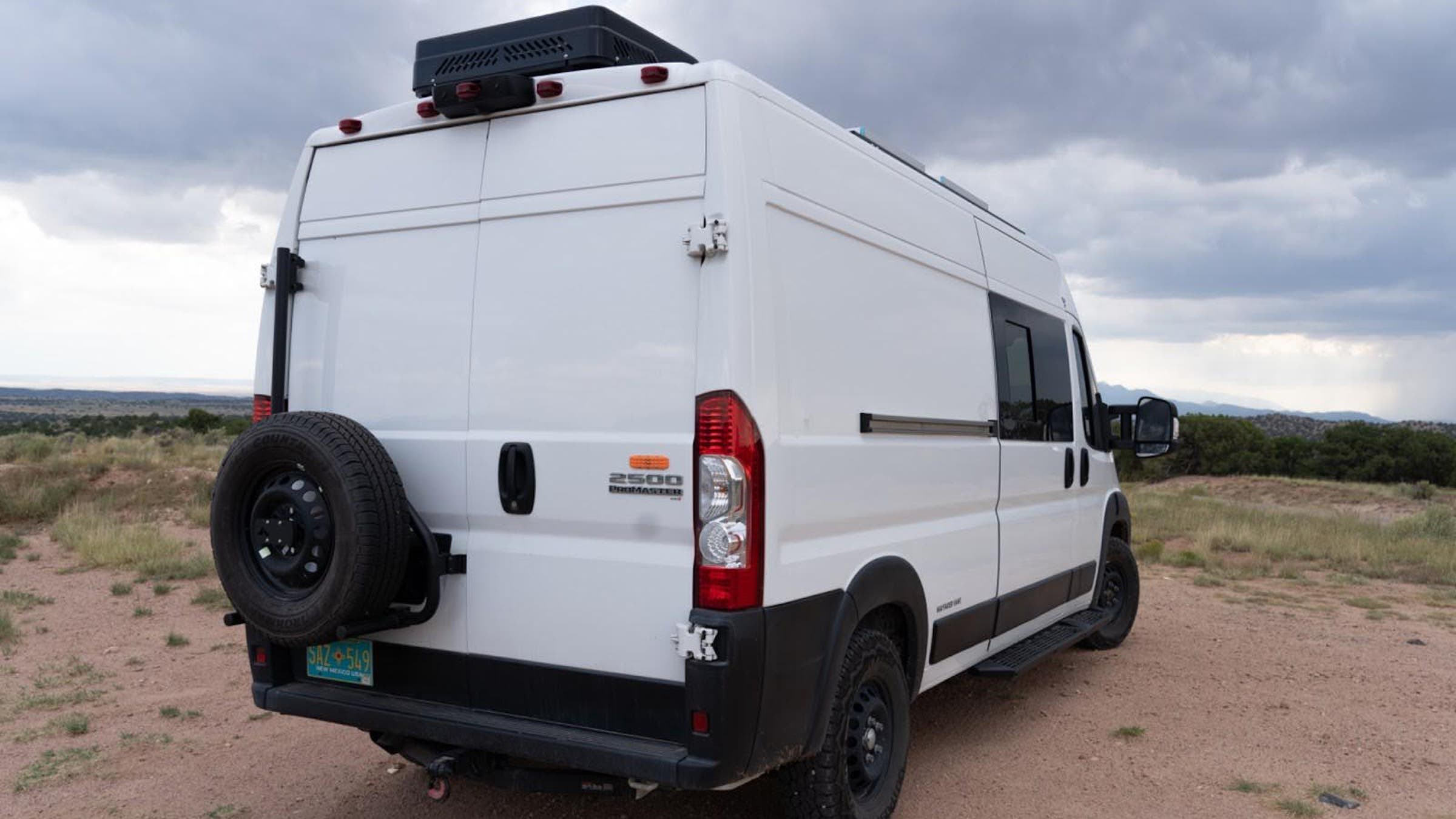
Don’t forget to air your tires back up once you get back on pavement. We carry a MORRFlate TenSix PSI Pro portable air compressor along with one of their Quad+ 4-tie hose kits. It’s wicked fast, and the best air compressor setup I’ve ever used. We use it to air up our truck’s tires, as well—it’s capable of bringing a set of 35-inch tires from 10 to 40 PSI in under five minutes.
Be Prepared to Get Stuck
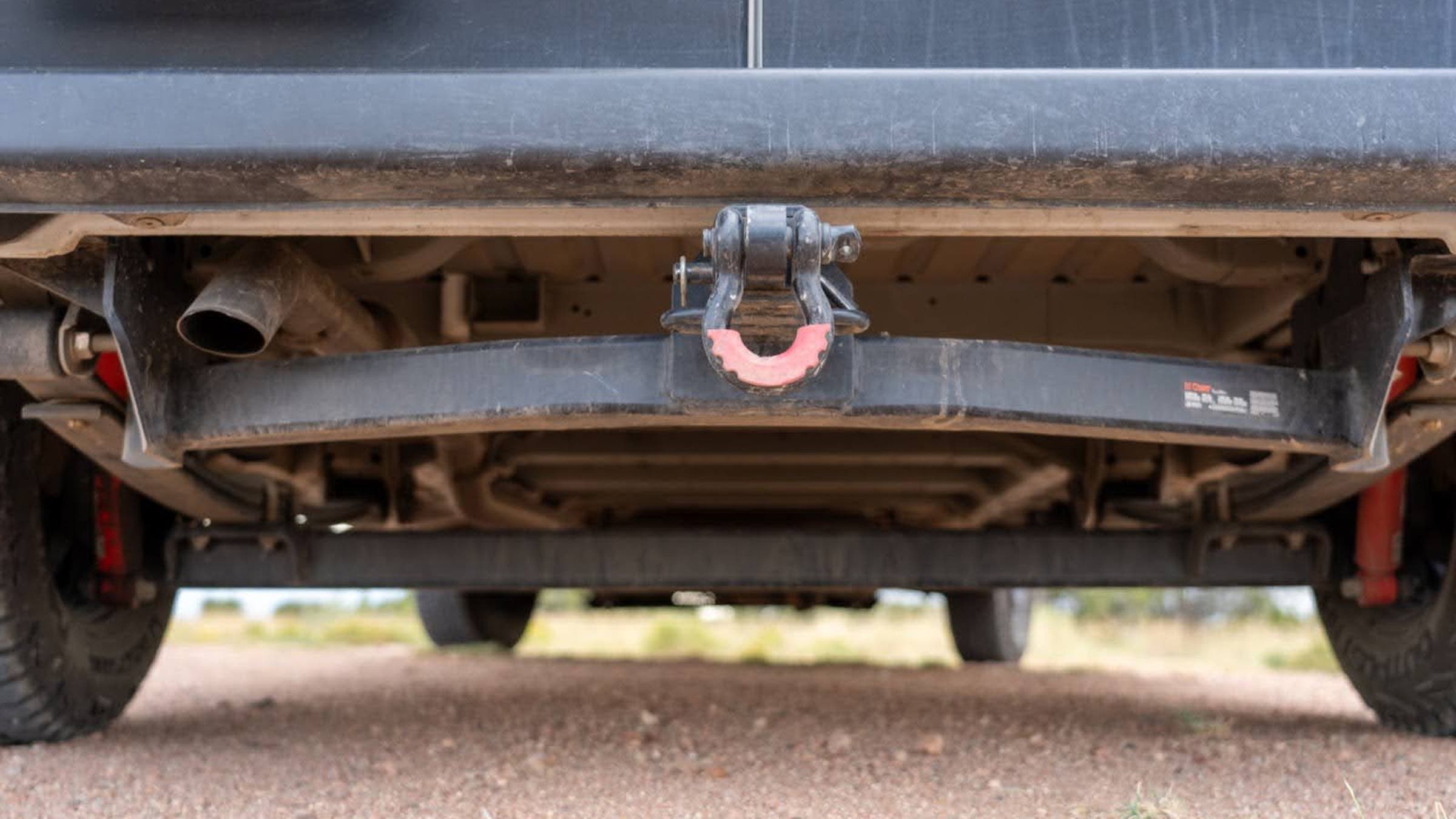
Since the van lacks the capability of a 4WD, I tend to be a little overprepared in the recovery gear department. We always travel with a set of MaxTrax in the van (which we haven’t used yet), a kinetic recovery strap, and a 2-inch Shackle Hitch Receiver in case someone needs to pull us out of a sticky situation. To that end, I added a receiver hitch to our van, and opted for the beefier Curt Class III hitch available from EuroCampers. The install took a bit longer than Curt’s standard offering, but I wanted the beefiest hitch available both for towing and for a little extra margin in a vehicle recovery situation. The hitch has a 6000lb tow rating and a 750lb tongue weight rating—the higher tongue weight rating is also nice if we ever want to bring heavy e-bikes along.
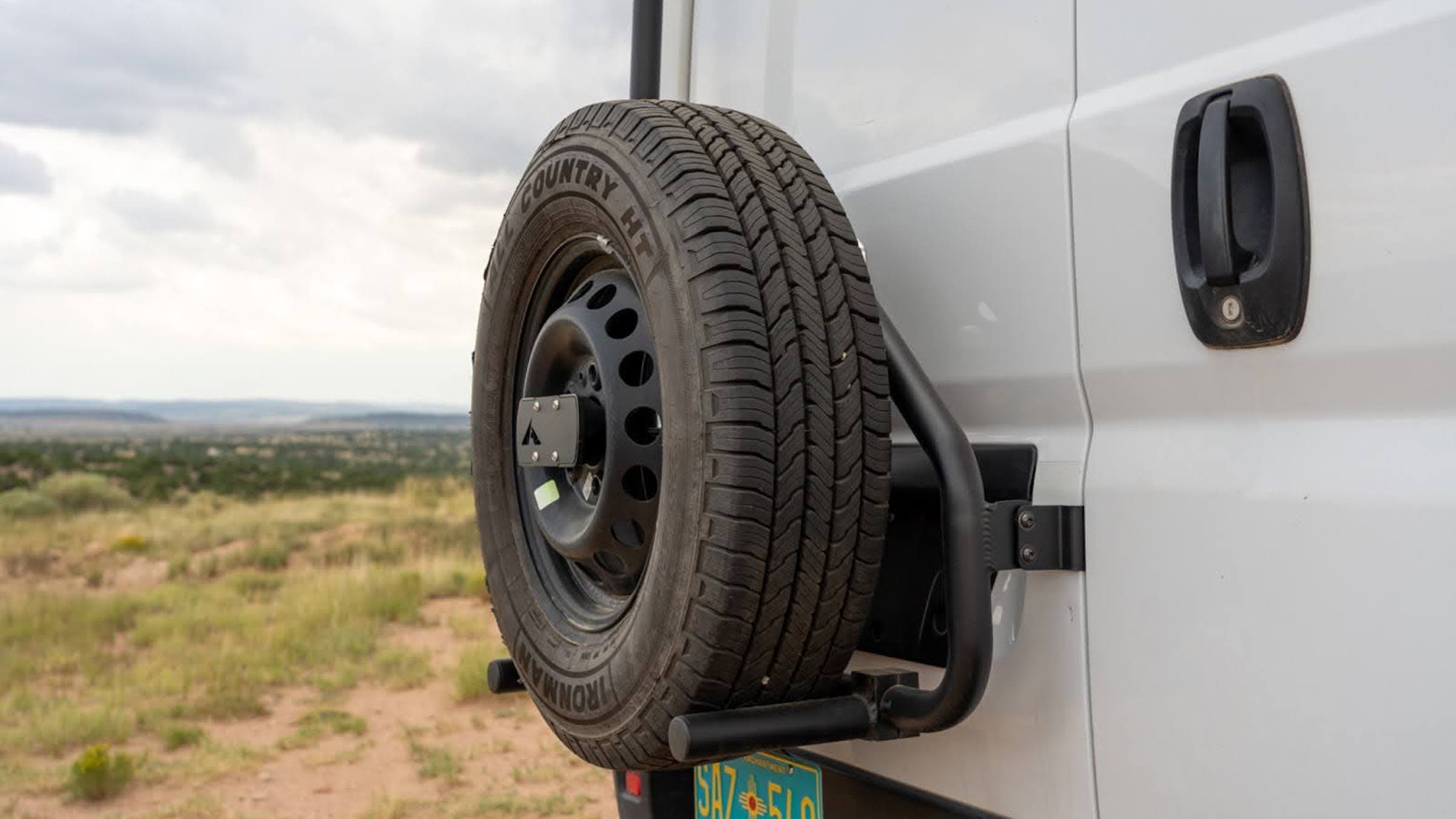
I was also pretty shocked to find out that our van, and many of these cargo vans, don’t come with a spare tire. To fix that, I installed an Aluminess Driver Side Rear Box/Tire Rack. Aluminess is a well regarded company that makes bumpers, racks and loads of aluminum accessories for every make and model of van, and one of the few companies who offer solutions for Promasters. The tire rack mounts to the rear door hinges without any drilling, and it includes extra items like a license plate relocation bracket and door limiting strap.I bought a fifth steel wheel and mounted one of my old tires to it for a spare, and the carrier is absolutely bombproof with the tire mounted to it—you literally cannot move the carrier, and there have been no rattles, squeaks, or movement since installing it.
The best part about the carrier is that it gets the spare tire out from underneath the van. These cargo vans have limited ground clearance already, so changing a tire off road could turn into a real pain in the ass if you can’t even get to the spare in the first place. I’ve been so happy with Aluminess’ tire carrier that I added some of their Recon Side Steps to the van (more on those in a later article) and plan to add one of their bike and box rack carriers to the passenger side door, which opens up a lot of storage and accessory mounting options.
ADVERTISEMENT
Consider a Suspension Lift, But Do So Carefully
I looked at lifting the van to gain a bit more ground clearance and potentially add one size larger tires but ultimately decided against it. There’s basically only one lift kit available for my model year Promaster—a 1.5in spacer lift from Agile Offroad—and I don’t think the benefits outweigh the potential negative consequences of lifting the van. First of all, unlike a truck, the CV axles in these vans don’t hold up well to the steeper angles that come from lifting them, meaning they’ll wear out faster and are more likely to break and need replacement than if you leave the van stock. There have also been numerous reports of the crosswind assist and electronic stability control systems in 2022 and newer Promasters being affected by lifting the vehicle, which was not something I wanted to risk. As for bigger tires? Well, adding larger tires to a vehicle usually has a big impact on power and fuel economy since you effectively change your gear ratio and add more unsprung weight. Part of the beauty of the Promaster is its fuel efficiency and turning radius, and I didn’t want to sacrifice that for a miniscule amount of added ground clearance.
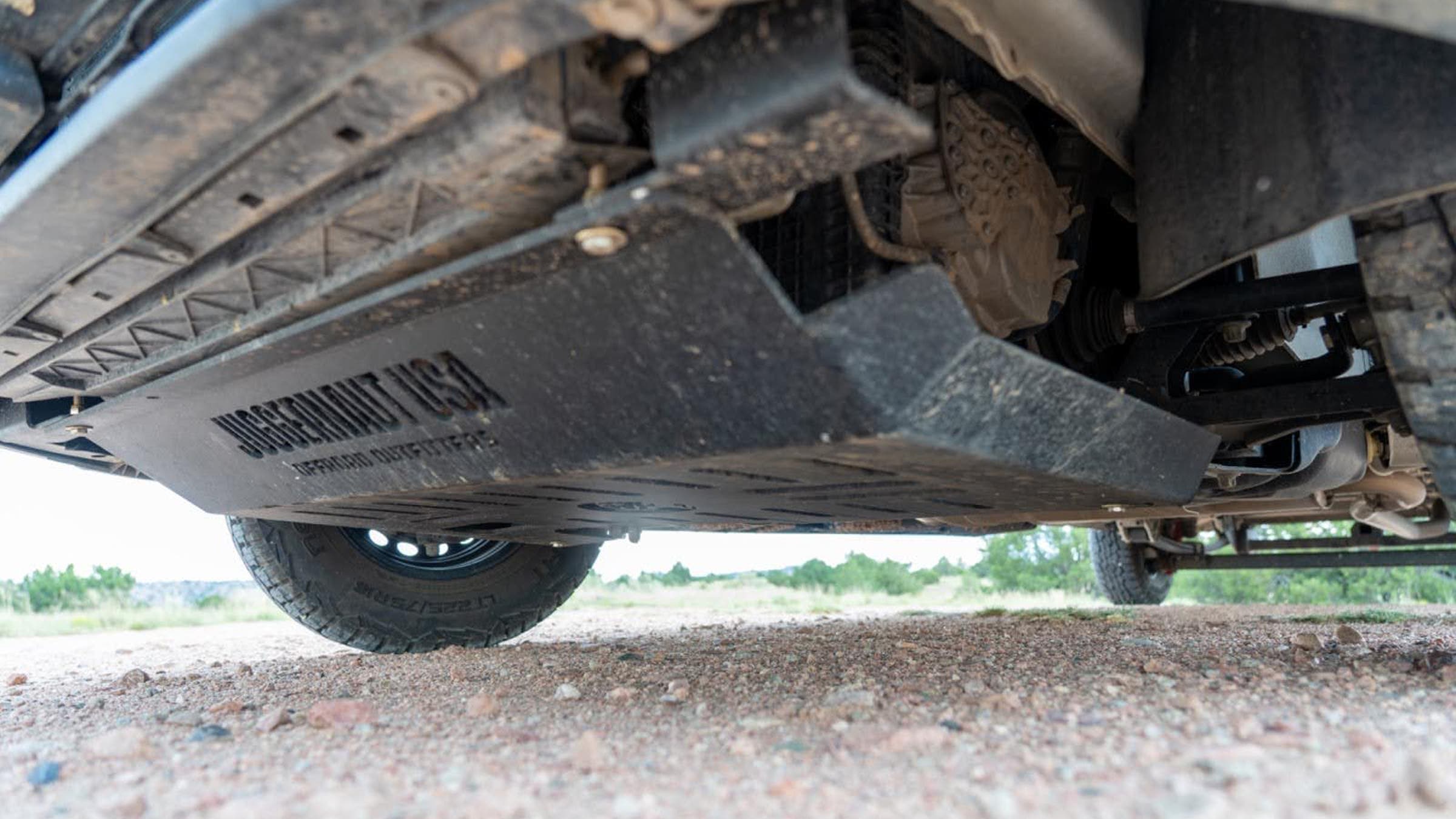
To address the ground clearance issue, I added a front skidplate from Juggernaut Offroad. It’s made from lightweight quarter-inch aluminum and bolted on easily. You technically lose a touch of ground clearance by adding the skid plate, but the added protection you get for the engine, transmission, and catalytic converter is worth it. All of those components hang down very low and are totally unprotected from the factory, which always worried me, but I’ve now bashed that skid plate several times (and it has the scars to prove it) and am very glad I installed it.
ADVERTISEMENT
Additional Off-Road Modifications to Consider
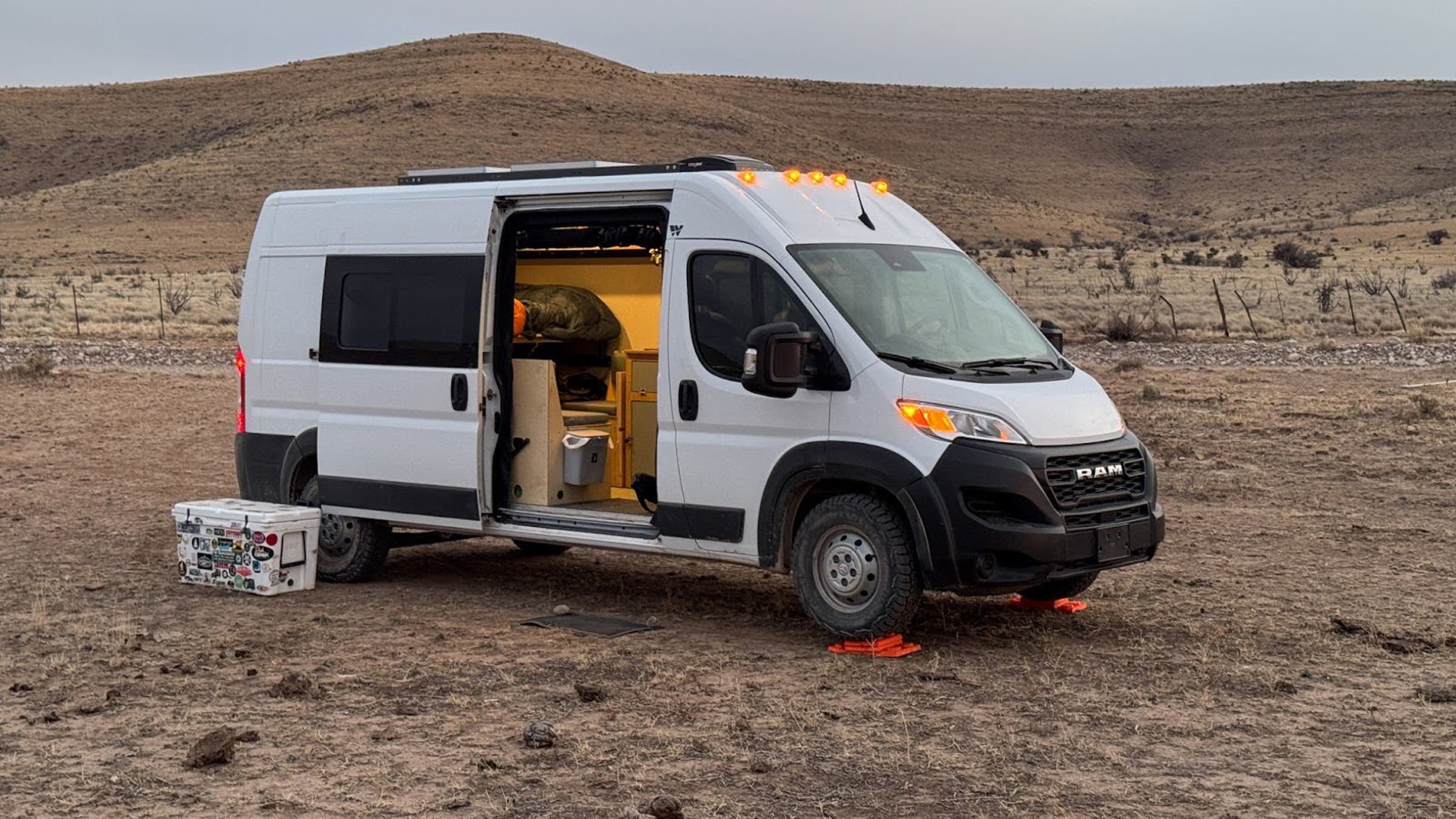
One thing I might do in the future if I continually find myself getting stuck is add a winch bumper. While it might sound crazy to bolt a winch onto a front-wheel drive delivery van (and probably is), here’s my thinking: We travel without another vehicle when we take van trips, and I could foresee a situation in which a big storm turns whatever New Mexican backroad we’re on into clay, leaving us stranded. Hopefully we could extract ourselves with a set of MaxTrax and a shovel, but a winch on the front would add a lot of peace of mind. Van Compass and CAtuned Off Road both make options for 2022+ Promasters, and if I ever decide to add a winch I’ll go that route. As cool as it would look on the van, I’ll probably just buy a set of chains and call it good.
Lastly, Modify Your Expectations
When your adventure rig is a 2WD van, the thing that really needs modifying is your expectation. Don’t expect to bomb down backroads like you would in a Ford Raptor or to fit everywhere a 4WD Tacoma could, but you should also expect to get way further than you think possible, and reach 90 percent of the places you want to visit without issue. Over the years I’ve found that it’s usually the driver who reaches their limits quicker than the vehicle—just ask the next driver of a beat up, old Camry at the end of a Jeep road if you need further proof.