Updated February 17, 2026 09:55AM
If you buy through our links, we may earn an affiliate commission. This supports our mission to get more people active and outside.Learn about Outside Online's affiliate link policy
The Best Women’s Fleece Jackets (2026)
We tested more than 25 fuzzy pullovers and jackets to find the very best for every cold-weather adventure.
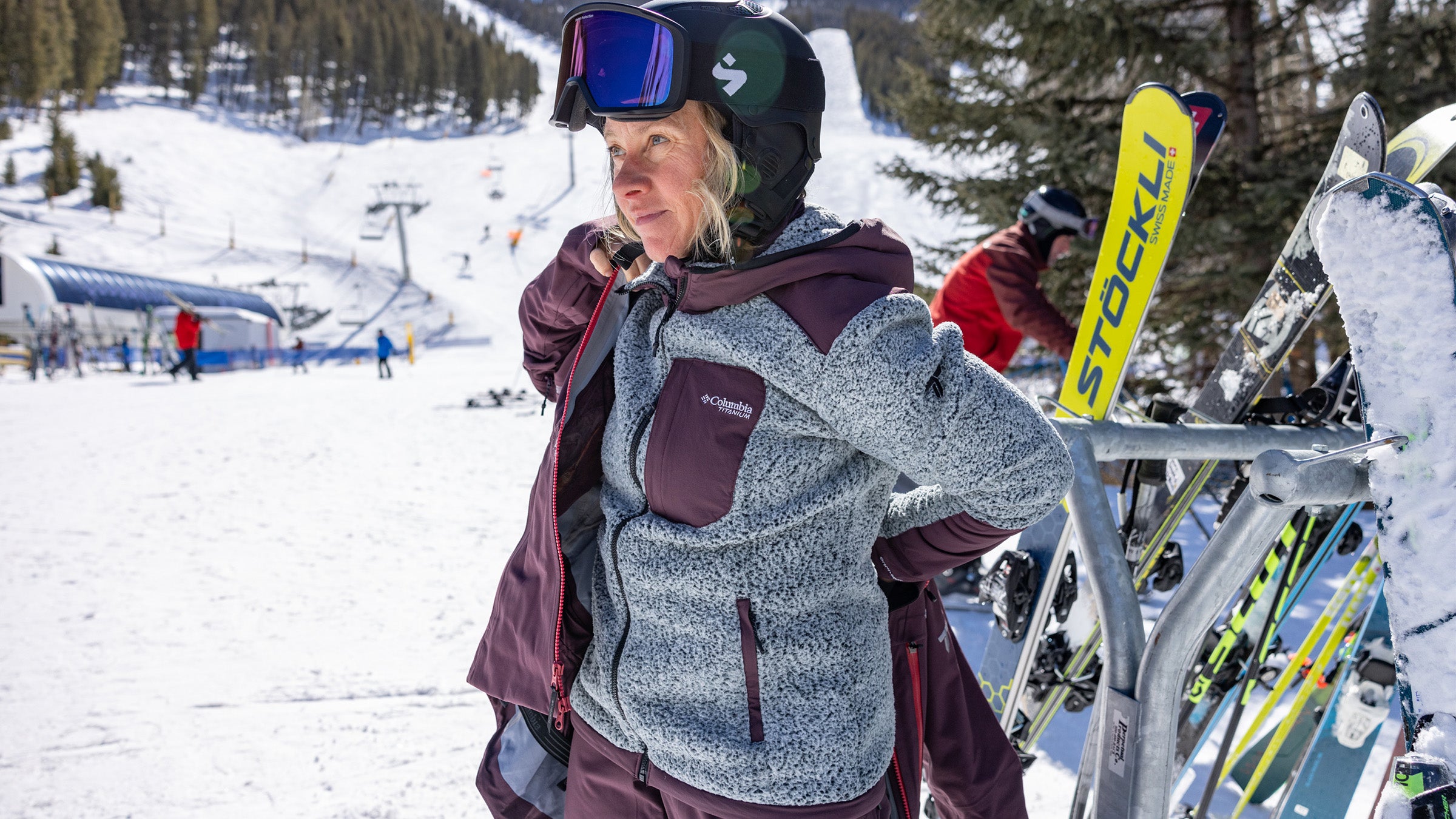
Whether you're hitting the slopes or heading out for a winter hike, our top picks for women's fleece jackets—including the Columbia Arctic Crest Sherpa—offer the perfect balance of breathability and essential warmth for any outdoor adventure. (Photo: Kelly Bastone)
Table of Contents
After testing 25 layers in conditions ranging from -11°F Minnesota mornings to high-output spring tours in the Sawtooths, the best fleece jacket for women is the Mountain Hardwear Airmesh Long Sleeve Hoody. We loved its incredible moisture management and “warmer-than-it-looks” hollow-fiber construction. For those seeking the absolute warmest high-pile option, the Columbia Arctic Crest Sherpa is our top pick, while the Outdoor Research Trail Mix XT stands out as a budget-friendly midlayer for resort skiers and hikers on a budget.
After four-plus decades since it was invented, the best fleece jackets for women are still the undisputed king of breathable midlayers, from fall and winter hiking and mountain biking to skiing and snowshoeing. The fluffy, airy synthetic structure delivers both warmth and ventilation, moving perspiration and excess heat away from your body. But not all fleeces are your dad’s burnhole-riddled Patagonia Synchilla. With more materials and construction styles than ever before, finding the right layer takes some work. We put more than 25 to the test last winter to narrow it down to these six best women’s fleece jackets.
Updated February 2026: We updated prices and removed any links to out-of-stock products.
Best Women’s Fleece Jackets: At A Glance
- Editor’s Choice: Mountain Hardwear Airmesh Long Sleeve Hoody (from $72)
- Best High-Pile Fleece Jacket: Columbia Women’s Arctic Crest Sherpa Full Zip Fleece Jacket ($120)
- Best Fleece Jacket for High-Intensity Activity: Backcountry Highliner PrimaLoft Air-Perm Fleece 1/4-Zip ($99)
- Best Wool: Smartwool Second Cut Hudson Trail Fleece ($105)
- Best Midweight Fleece Jacket: Outdoor Research Trail Mix XT Fleece Cowl (from $70)
- Most Versatile: Alpine Revival Granite Crew ($379)
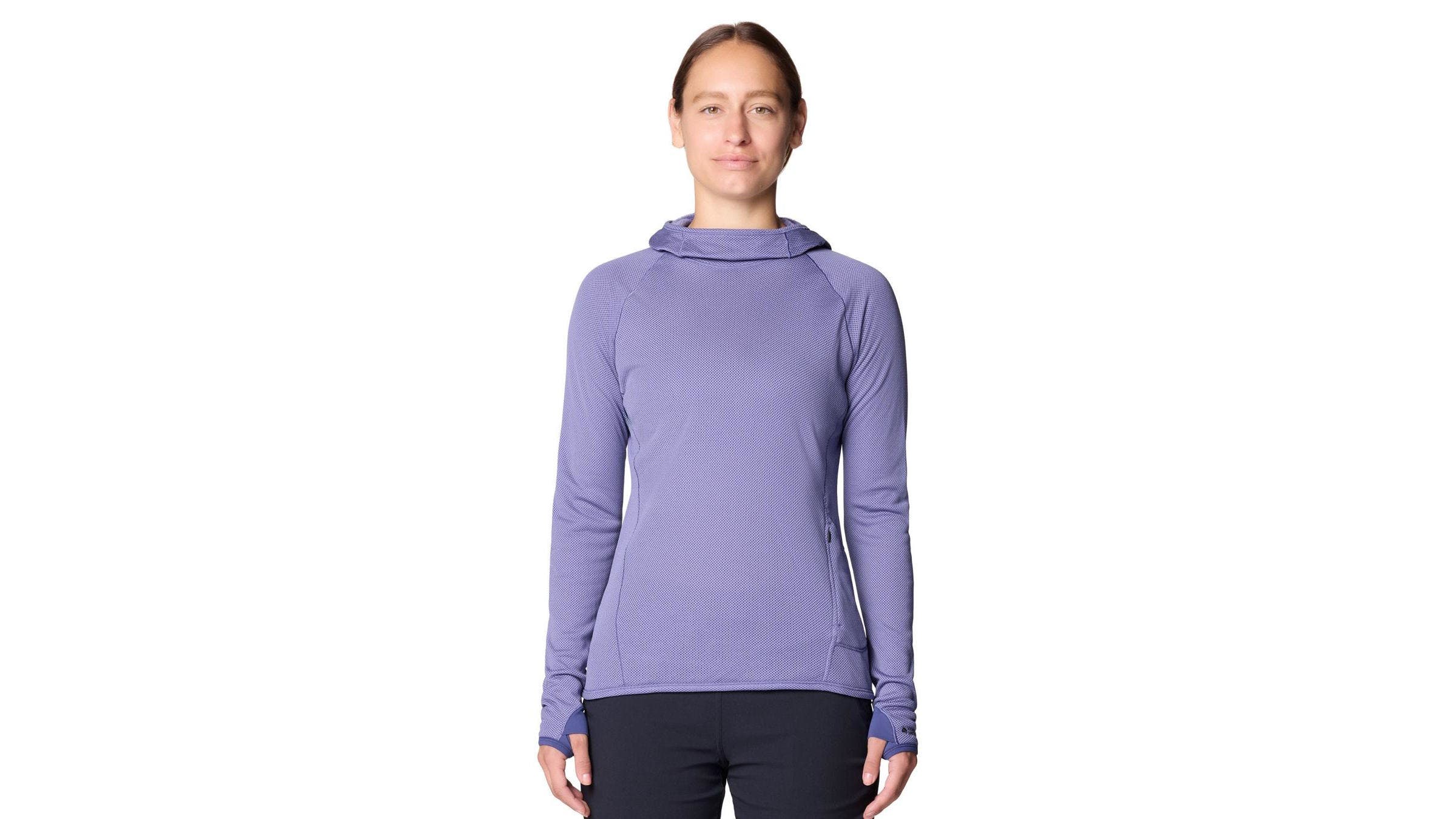
Editor’s Choice
Mountain Hardwear Airmesh Long Sleeve Hoody ($99)
Sizes: XS-XL
Pros and Cons
+ Very warm
+ Great moisture management
+ Low bulk
‒ No recycled content
After just one hour in this hooded pullover, I knew it would outperform most women’s fleeces. What sets it apart was its ability to wick sweat so effectively that I never felt clammy—truly never. Credit goes to the fabric’s 100 percent polyester Octa fibers, which are hollow in the center, with exterior ridges that mop up moisture as fast as wearers produce it. Hurrying up a skin track trying to keep pace with faster skiers, I got warm but not steamy. Despite the fabric’s relative thinness, its insulation value is impressive: The fibers’ hollow cores trap warmth more effectively than solid yarn.
Because it’s fuzzy on the inside and smooth knit-mesh on the outside, this piece also appeals to folks who don’t love fleece’s fluffy aesthetic. And though it lacks the durability of a true hardface fleece, the honeycombed exterior layers smoothly beneath other insulators and shells, and it stands up to abrasion from backpack straps, with no pilling after a season of use. The women’s fleece jacket is also reversible, and by wearing it mesh-side-in, the already-excellent breathability improves significantly. (The small, zippered hip pocket isn’t accessible when worn inside-out, sadly.) That lets it double as a midlayer or a standalone base layer, worn while ski-touring, running, hiking, fat-biking, or resort skiing.
The fleece’s hood includes a high collar that stands in for a neck gaiter in blustery conditions, and thumb holes extend the sleeves over the backs of the hands for extra warmth. There’s nothing to buffer wind and no DWR finish, though the material itself is hydrophobic enough to stay dry through a quick dunking (testers topped it with a shell when they needed protection from gusts or snow). Bonus: It’s less stinky than most women’s fleece jackets, thanks to an anti-odor finish that kept this hoody fresh-smelling for multiple days of wear. Downside: Sustainability suffers with all virgin materials.
ADVERTISEMENT
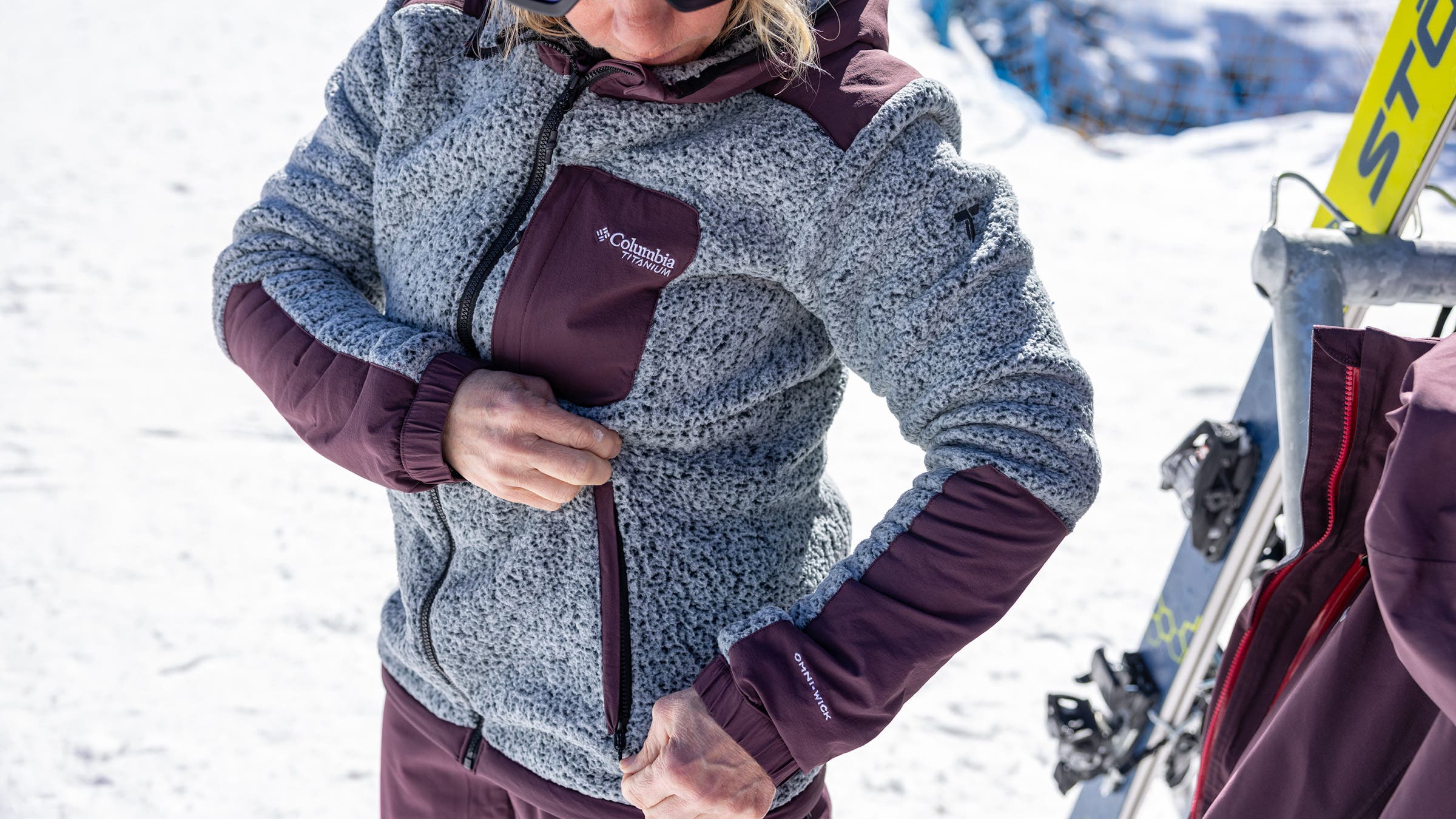
Best High-Pile Women’s Fleece Jacket
Columbia Women’s Arctic Crest Sherpa Full Zip Fleece Jacket
Sizes: XS-XXL
Pros and Cons
+ Warm and cozy
+ Reinforced high-wear panels
‒ Bulky when packed
This high-pile women’s fleece jacket bested the competition by pairing intense warmth with impressive durability. Made of a unique construction that backs 100 percent polyester fleece (which traps the sun’s warmth) with a thin, dark-colored layer (which captures and transfers that heat to the body), it feels cozier than many comparable women’s fleeces with no loss in breathability: I wore it beneath a shell while lapping a backcountry powderfield in Idaho’s Sawtooth Range and experienced no clamminess in 10-degree temperatures.
The hood, shoulders, upper back, and outer forearms are reinforced with rugged woven nylon (and 14 percent elastane) that shed light snow during an après-ski tailgating session. Those patches also provide abrasion resistance when shouldering skis or a backpack. The armoring makes this piece more versatile than most: Whereas many high-pile women’s fleece jackets aren’t robust enough to pinch-hit as outerwear, this one does—while still providing the breathability required of midlayer insulation.
The loft warmed testers immediately after cold-water swimming and high-intensity Nordic skiing. Testers liked plunging their chilly fingers into the two fleece-lined hand pockets, and the zippered chest pocket is roomy enough for a smartphone. Elastic cording around the hood snugs it in place, and the chin-height collar effectively seals in body heat during rest breaks.
ADVERTISEMENT
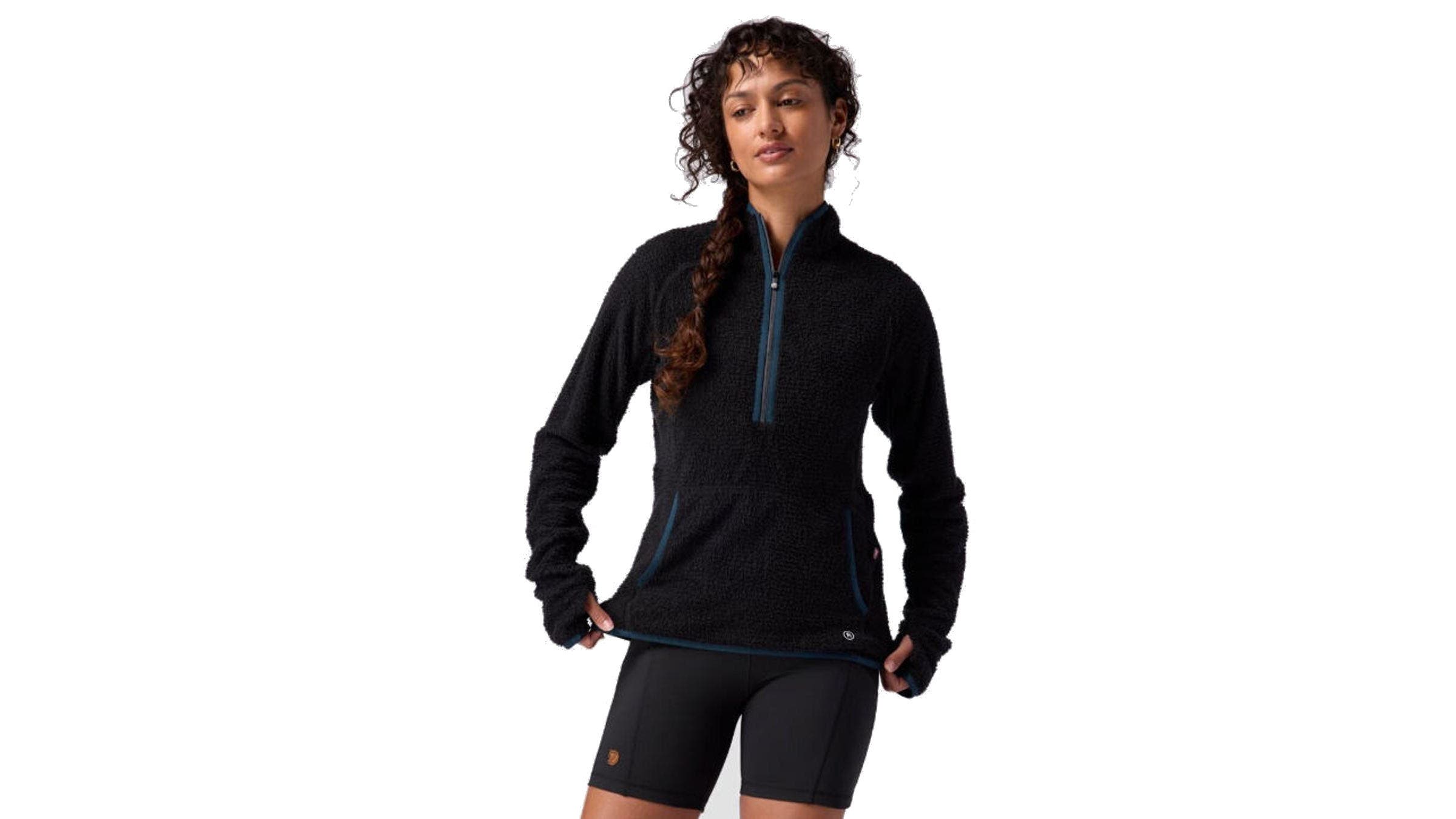
Best Women’s Fleece Jacket for High-Intensity Activity
Backcountry Highliner PrimaLoft Air-Perm Fleece 1/4-Zip
Sizes: XS-XL
Pros and Cons
+ Airy, breathable knit
+ Soft fibers feel cozy
‒ Lacks wind protection
When testers headed out for cold-weather runs or climbed snowy mountains on a fat bike, they reached for this gauzy women’s pullover. Made of fluffy, 100 percent recycled polyester PrimaLoft Active Evolve fleece, it provides a smidge of warmth—but not so much that wearers overheated. “I run hot, so I don’t need much insulation,” explained one tester. The highly-ventilated zip-neck kept her comfortable during speedwork and hill repeats in 20-degree weather.
As you’d expect from such a breezy material, wind protection suffers. For skiing and other stop-and-go activities, testers topped this fleece with a wind- and waterproof shell. Wearing it directly beneath a backpack resulted in no durability complaints. The stretch-knit construction feels unrestricted when layered beneath a jacket, and the tall collar earned props for feeling soft and cozy between layers. Hand-warming features include thumbholes on the sleeves and a front pouch. Another pouch at the back of the neck turns this women’s fleece jacket into a compact pillow that’s ideal for backpacking.
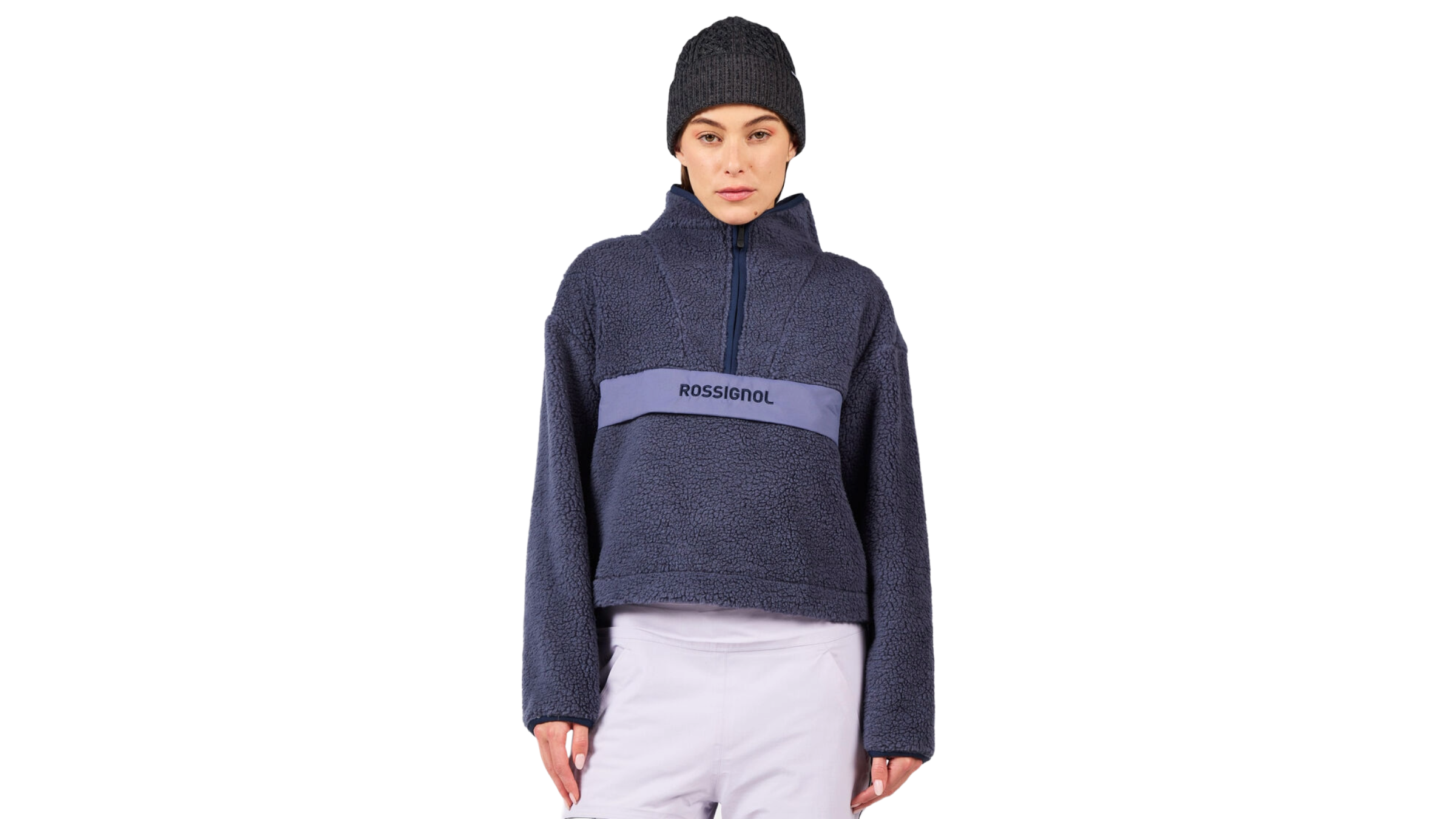
Paid Advertisement by Rossignol
Rossignol Women’s Alltrack Half-Zip Fleece
Layer up and charge through cold days with the extra warmth of the women’s Rossignol Alltrack Half-Zip Fleece, designed to keep you comfy whether you’re on the mountain or relaxing après ski. Made from thick, 100% recycled bonded sherpa fleece, it seals in heat under a shell and feels great on its own, while a hidden kangaroo pocket adds to its all-around versatility. The relaxed fit drapes from the body for a casual look with ample room for layering—size down if you prefer a closer-to-the-body fit.
Best Wool Fleece Jacket for Women
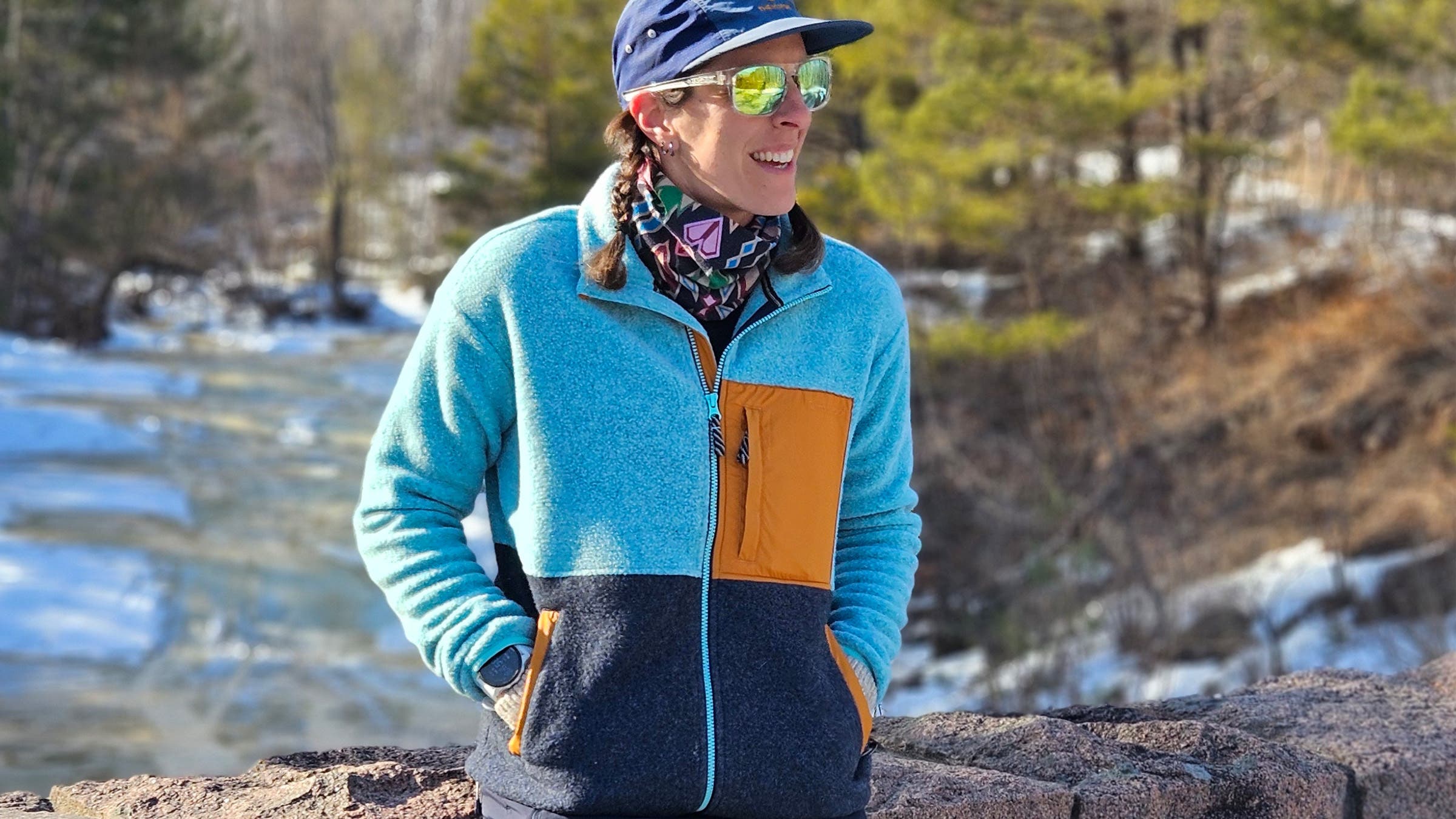
Smartwool Second Cut Fleece Jacket
Sizes: XS-XL
Pros and Cons
+ Extra tall collar
+ Good breathability
+ No stink
‒ Feels bulky
Half merino wool and half recycled polyester, this full-zip women’s fleece jacket provides more warmth than you’d expect given the midweight fabric. It kept our Minnesota-based tester cozy on a 30-degree afternoon of snowshoeing, even without an outer layer. The fleeced material is sourced from scraps of Smartwool’s Classic Thermal baselayers (making this a zero-waste product) to create a breathable, super-warm pile that’s airy enough for effective ventilation throughout low to moderate activity.
Our tester loved the pocket layout (two handwarmers and a chest pouch, all zippered) and praised the long-armed fit. Merino’s natural moisture-resistance makes this jacket impervious to snow flurries or a light drizzle, and wool’s ability to resist body odor limits the need for frequent launderings. The tall collar seals in warmth and feels cozy beneath the chin. “It’s my favorite feature,” gushed our tester. But because merino is less compressible than some synthetics, this women’s fleece jacket feels bulkier—especially when layered beneath a shell.
Best Midweight Fleece Jacket for Women
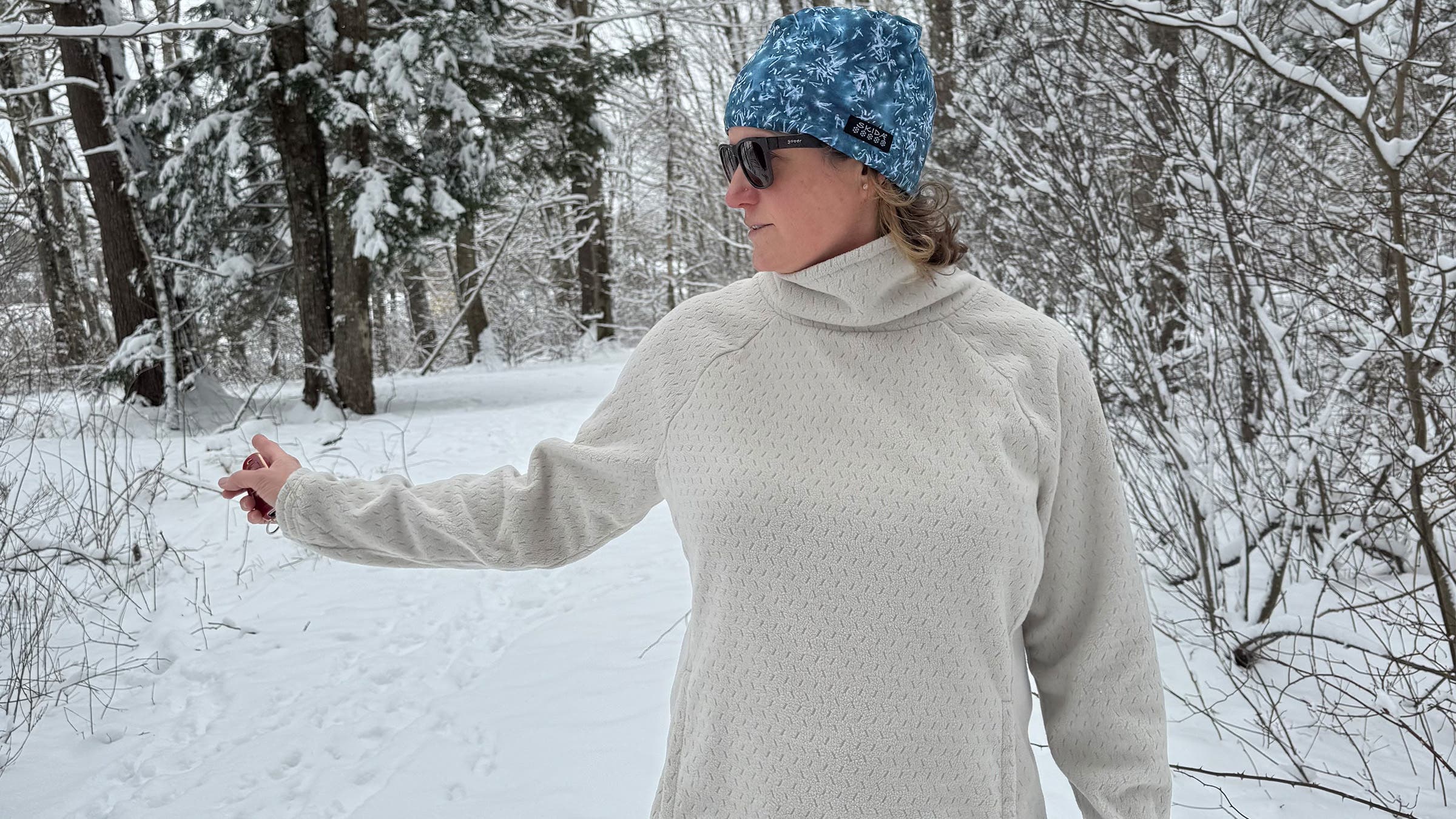
Outdoor Research Trail Mix XT Fleece Cowl Pullover
Sizes: XS-XXL
Pros and Cons
+ Ideal for stop/go movement
+ Attractive patterning
‒ Accumulates odor
Our testers preferred the Trail Mix XT women’s fleece pullover above all others for resort skiing, recovery runs, and other moderately aerobic activities that don’t call for a lot of layer changes. The midweight fabric proved better than most at keeping wearers regulated through a wide range of temperatures—from sweaty exertions to long chair-lift rides. Credit the vented herringbone pattern that covers the entire pullover in tiny dashes of fleece-free weave. Beyond that, the 100-percent recycled, Bluesign-approved polyester fleece jacket is treated with ActiveTemp polymers that feel cooler (and wick more moisture) as body temps rise: This pullover kept one tester from steaming up during a challenging bump run—but also kept her warm during low-effort groomer skiing.
The loose-fitting turtleneck feels soft beneath a ski jacket (the large collar doubles as a neck gaiter) and looks sharp at après. A kangaroo pocket keeps hands cozy. Although it’s not as stretchy as some fleeces, the fabric has enough give to layer comfortably over a base layer. But like many synthetics, this fleece accumulates body odor after several hours of wear.
Most Versatile Fleece Jacket for Women
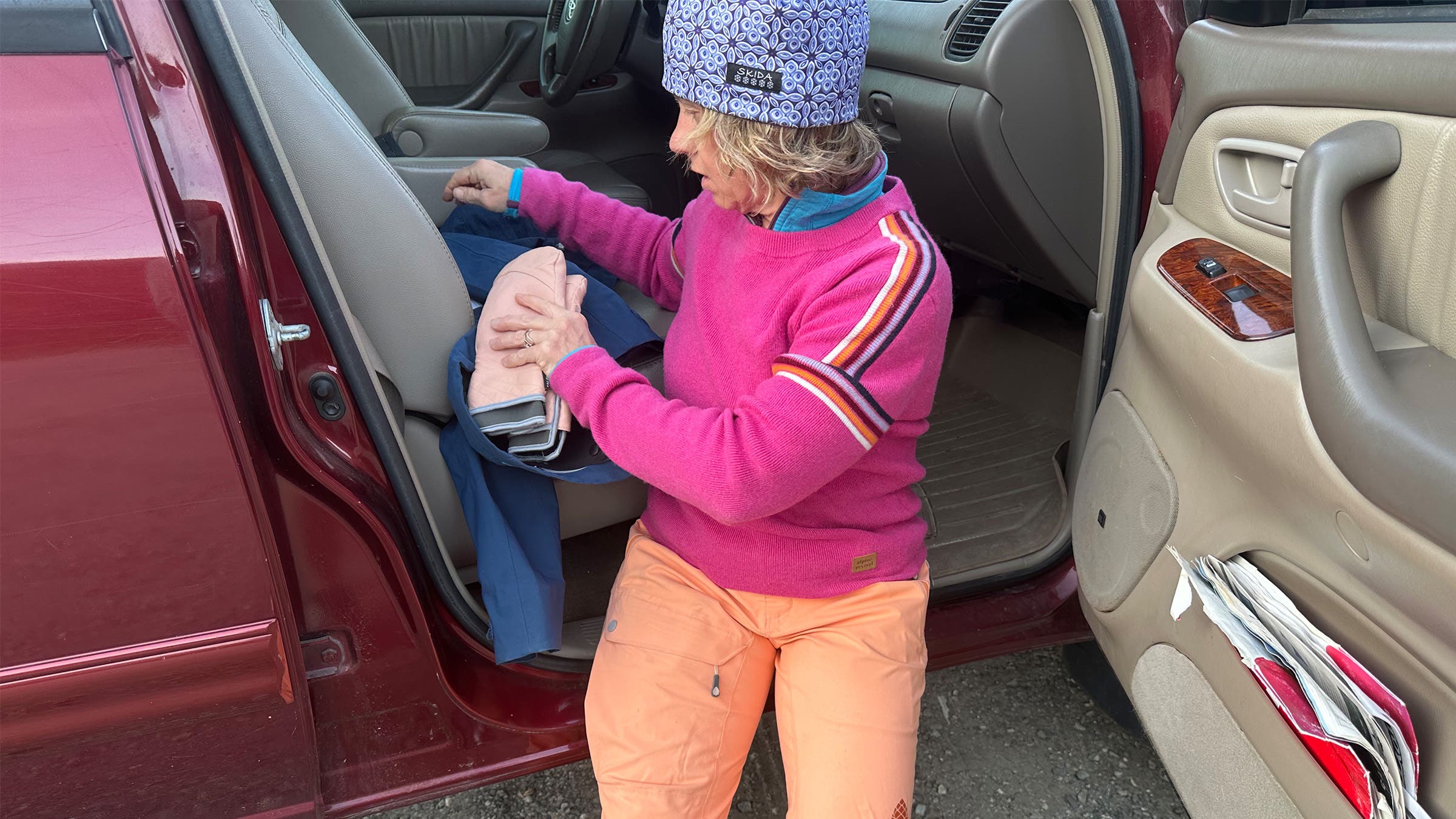
Alpine Revival Granite Crew
Sizes: S-L
Pros and Cons
+ Ultra-soft
+ Retro aesthetic
+ Low-bulk
‒ Expensive
Skiing’s original midlayer was a crewneck sweater, and this one pairs old-school aesthetics with modern technical performance: One strand of Lycra woven throughout contributes durability and stretch to the 100 percent cashmere fabric, delivering warmth without bulk. Testers reported that the midweight knit kept them cozy on 25-degree days when sandwiched between a base layer and shell (or sans shell when hiking in calm, dry weather).
“No odor accumulated over weeks of wear, making this an easy-care option for travel,” reports our lead tester, who wore it daily in Steamboat and during a weeklong tour among hüttes in Austria. Testers appreciated the simple, sleek look, completely uncluttered by pockets or zippers. While they did note that the cashmere began to show signs of wear beneath abrasive backpack straps, testers felt that the Granite Crew’s breathability proved adequate enough to qualify as a technical layer, albeit a pricey one.
Fleece Jackets to Avoid
Synthetic Fleece That Lacks Recycled Content or Biodegradability
You might think that touting recycled content is mere greenwashing—but as we near 2026, it should in fact be the standard among all apparel producers. Fabrics (including fleeces) made from recycled nylon and polyester are now so abundant that there’s virtually no excuse for manufacturers to roll out garments made from virgin materials. (One exception might be innovative fiber constructions that haven’t yet developed a recycled-content supply chain). Multiple independent studies have confirmed that recycled synthetics impose less environmental impact, and some fleeces are even addressing the problematic end-of-life issues associated with synthetic fabrics (which shed micro-fibers that commonly pollute our streams and drinking water sources). Look for fleeces that are largely made from“100-percent-recycled” materials, and opt for “post-consumer” rather than “post-industrial” recycled goods when possible. Post-consumer recycling means the brand is actively keeping material out of the landfill, while post-industrial recycling sometimes just means the brand grabbed a bunch of factory-floor scraps that it would have re-used anyway.
ADVERTISEMENT
How to Choose the Best Fleece Jacket for Women
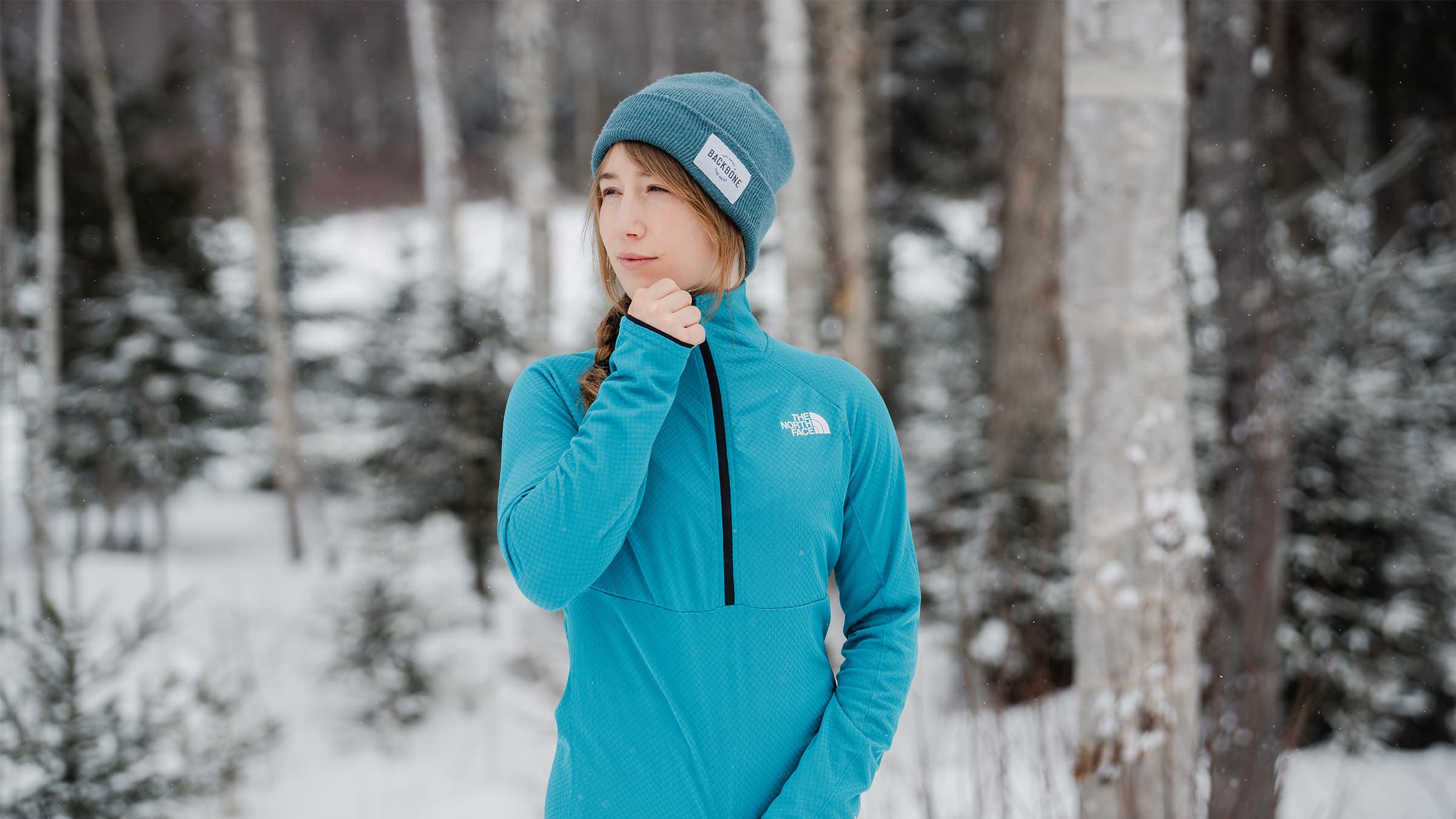
Women’s fleece jackets range widely in warmth, breathability, and weather protection. Materials also vary. Synthetic fleece is quick-drying, making it a smart choice for damp conditions, and abrasion-resistant. Unlike wool or even cotton, synthetic fibers can hold their own against friction from backpack straps. But fleece made from merino wool is particularly warm and temperature-regulating (wearers avoid clamminess through a broad spectrum of temperatures). Hybrid constructions—a trend that continues to gain momentum in this category—combine various fabrics in multi-paneled jackets that pair breathable fleece in the hot zones such as underarms with wind-resistant fleece in exposed areas like the shoulders.
Here’s how to judge the best fleece jacket for your needs.
ADVERTISEMENT
Will You Pack It?
As a rule, a fleece isn’t as compressible as, for example, a down jacket. So it takes up considerable space in luggage or backpacks. If you need heavyweight insulation but know it will remain packed most of the time, you might consider other, more space-saving insulated jackets.
How Much Will You Sweat in This Fleece?
Some women’s fleeces use a dense construction that traps body heat but limits breathability. If you’re cross-country skiing, running, or logging other high-output outdoor workouts, look for lightweight fleeces or hybrid constructions that use body mapped insulation and place breathable panels under the arms and in other hot spots.
ADVERTISEMENT
Will You Wear a Water- and Windproof Shell Over this Fleece?
Most fleece jackets for women offer some water-resistance, but that varies—and no fleece can be counted on to deliver waterproof protection against serious rain or sustained snowfall. Most fleeces are also porous enough to let breezes in, which is great for sweat mitigation but bad for comfort amid 30-mph winds. Consider whether you’ll wear a shell sometimes, always, or never: Ski-tourers might choose a fleece with some weather-resistant panels so they can skip a shell in milder conditions, while resort skiers are often better off with breathable fleece worn as a midlayer under a full shell jacket.
Do You Run Cold?
If you’ll wear the fleece in 0- to 10-degree temperatures, or if you’re always chilly no matter the conditions, choose a high-pile fleece with cozy insulation.
ADVERTISEMENT
How We Test Women’s Fleece Jackets
- Number of testers: 10
- Number of products tested: 25
- Coldest temp encountered: -11F
- Testers’ age range: 15 to 54
- States represented: 5 (Colorado, Wyoming, Minnesota, New Hampshire, Maine)
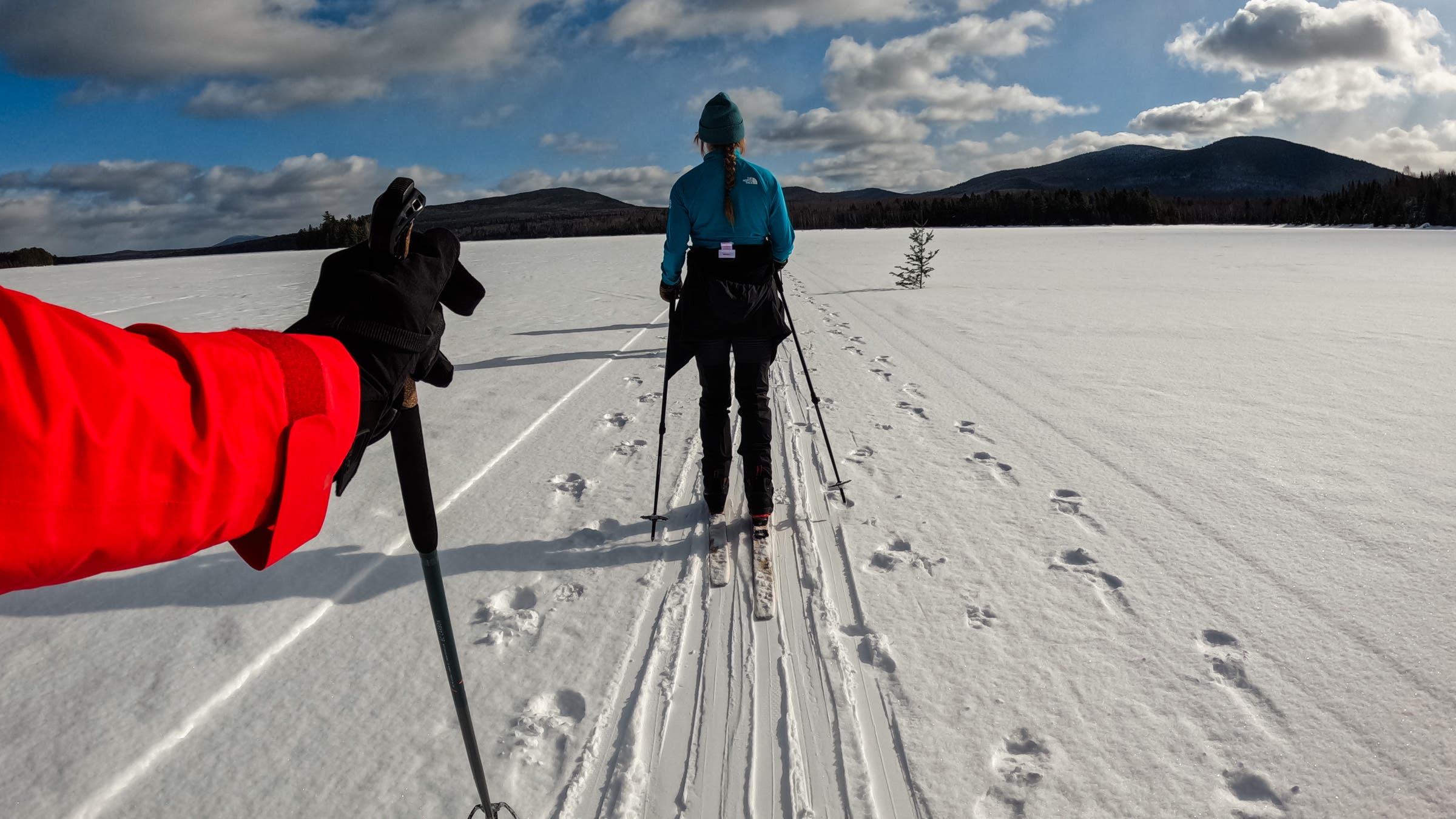
Our testers don’t just spend a lot of time outdoors. Yes, they are gifted skiers, mountaineers, ultrarunners, climbers, hikers, and view-admirers. But they also possess the gift of gab. Our testers must be able to say much more about a piece of gear than “It’s awesome” or “It sucks.” Instead, we choose industry professionals, lifelong athletes, and fellow gear reviewers who can both identify a product’s strengths and weaknesses and talk at length about the nitty-gritty details that make a jacket shine in some areas—and fall short in others. Over the course of each testing season, each tester keeps notes on their samples’ fit, how much wind protection each delivers, its ability to retain warmth, and whether it plays nice with a backpack. They geek out on the gear and its performance, and then deliver those notes to us for final analysis.
ADVERTISEMENT
For this test, we evaluated 25 of the most promising fleece jackets for women on the market, including full-zip and pullover styles. We pored over our testers’ notes to nail down each jacket’s best application: Is the women’s fleece best for dog-walking? Nordic skiing? Après at the resort? All of the above? Only the items that earned raves on both performance and livability earned coverage among these reviews.
Meet Our Lead Tester
Kelly Bastone ski-bummed in the Colorado Rockies from 2002 and has pursued outdoor sports ever since. A freelancer who writes about gear and other outdoor topics for publications such as Backpacker, AFAR, and The Red Bulletin, Bastone has contributed many gear reviews to Outside over the years. An avid skier (resort, Nordic and backcountry), fly-fisher, mountain biker and mushroom forager, she gets the news she needs from the weather report.
Bastone’s backing band of gear testers includes ski bums across resorts in Maine, New Hampshire, and Colorado: These women click into touring, downhill, or cross-country boards each and every day of the season. A wildlife researcher and ultrarunner punished jackets in Minnesota; another ultrarunner and backcountry rescuer tested insulation on all-weather runs and missions in northwest Colorado; a rancher wore test puffies while exercising her horses in Montana.
