Published February 27, 2026 04:00AM
If you buy through our links, we may earn an affiliate commission. This supports our mission to get more people active and outside.Learn about Outside Online's affiliate link policy
The Arc’teryx Cerium SV vs. The Decathlon Simond MT100: A Tale of Two Puffies
The jackets vary in fill and warmth, but function similarly despite their price differences.
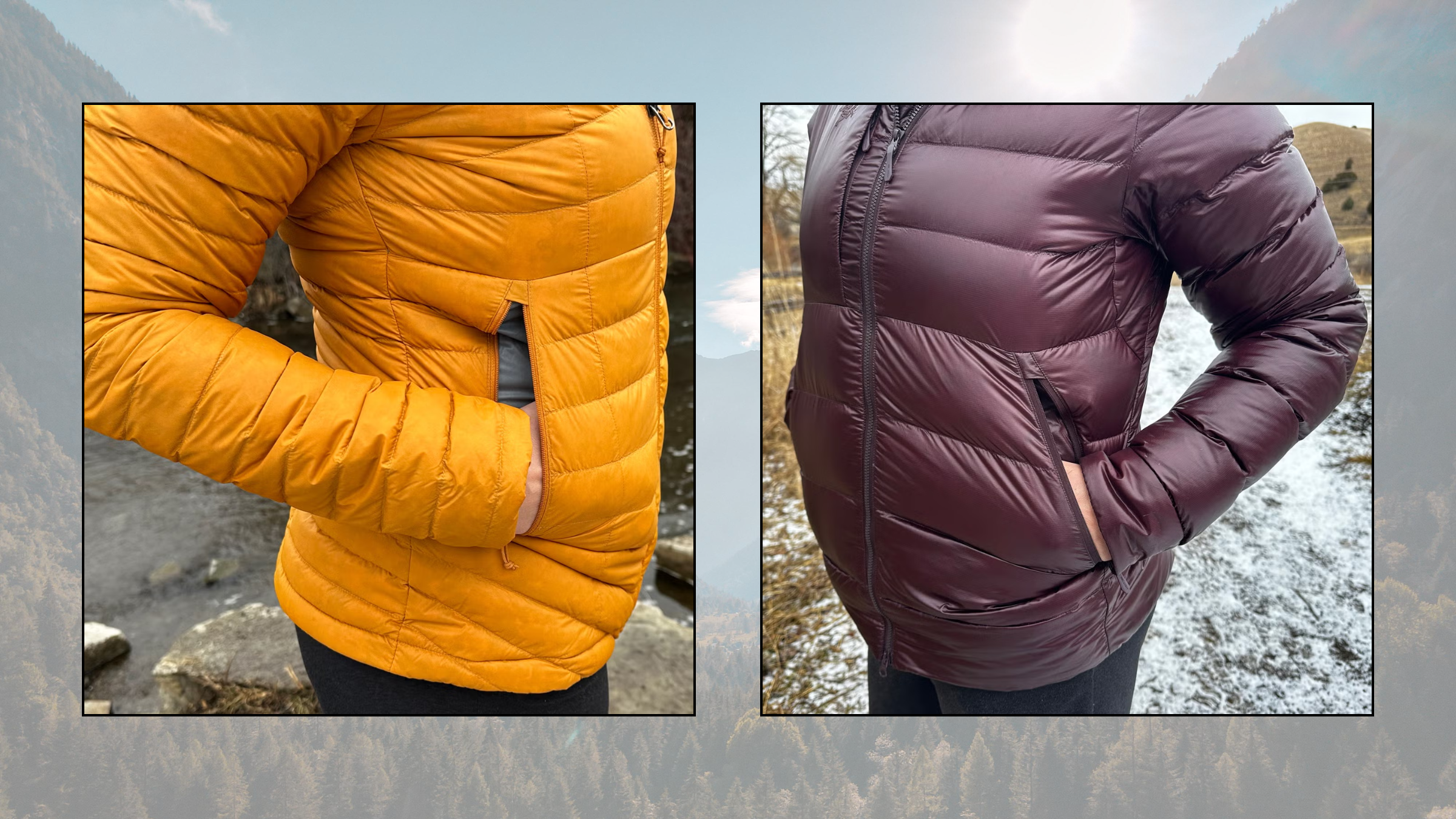
A side-by-side look at the budget-friendly Decathlon Simond MT100 and the premiuem Arc’teryx Cerium SV highlights the different approaches to design, materials, and fit in modern down insulation. (Photo: Maggie Slepian)
Cost varies widely across almost every category I test, and insulation layers have one of the widest ranges among standard consumer goods. A quick skim of women’s down jackets at REI shows a price difference of almost $600 amongst the offerings. So it’s not too extreme that I’d be testing both a $600 Arc’teryx Cerium SV alongside the $119 Decathlon Simond MT100 jacket this year. The price difference does raise a few questions: Both jackets are lightweight and packable, but what are you getting when you pay $600 for a jacket, and what are you missing out on when you pay $119?
Arc’teryx Cerium SV Hoody
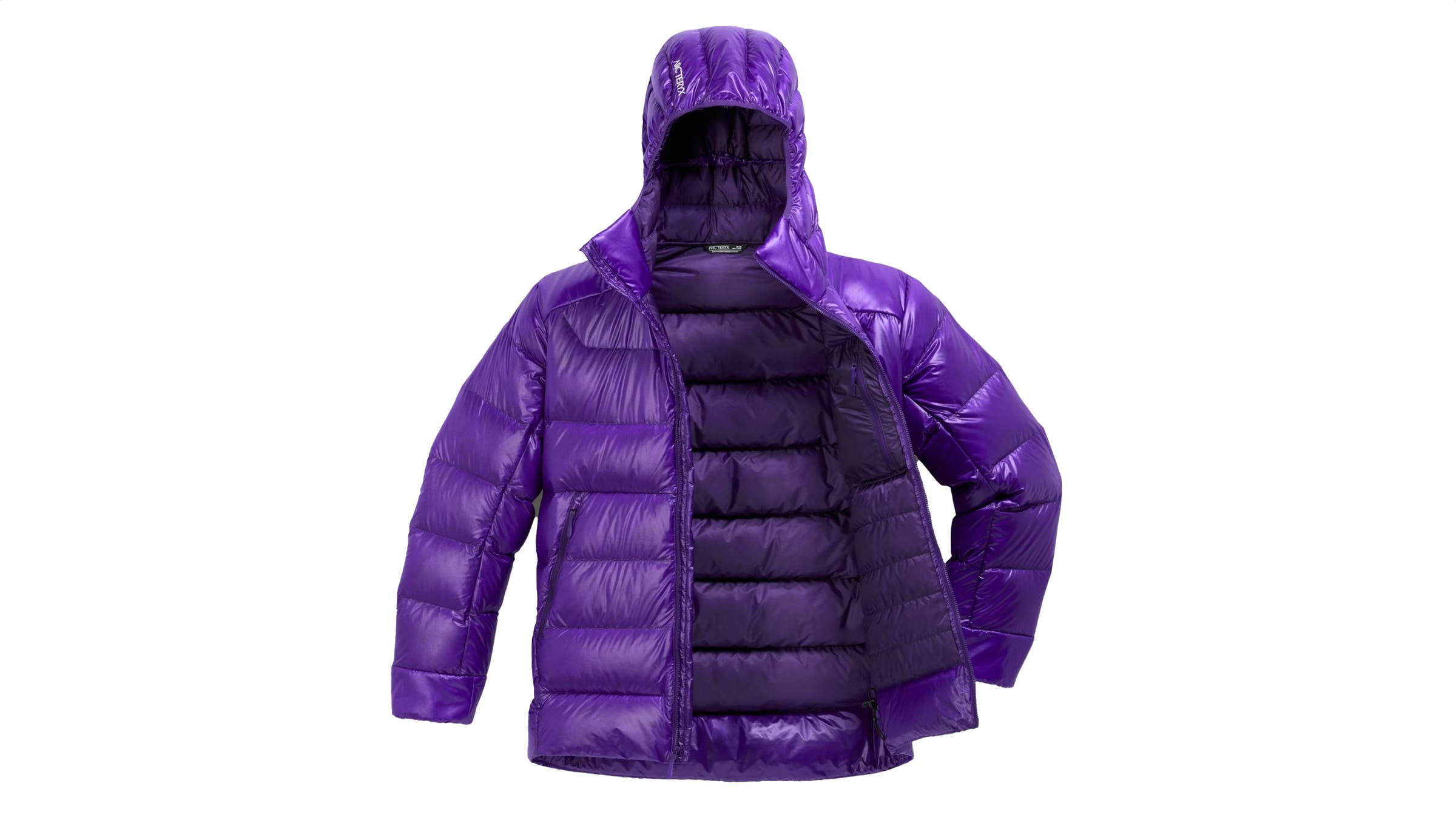
Cost: $600
Weight: 13.2 ounces
Fill power: 1,000-fill goose down (90/10)
Shell material: 20D Pertex Diamond Fuse mini-ripstop recycled nylon
Fit: Moderate
Pros and Cons
+ Incredible warmth-to-weight ratio
+ Streamlined features and precise fit
+ Durable face fabric is abrasion-and water-resistant
– Too lofty for layering under some shell jackets
– Very expensive
Arc’teryx Cerium SV Hoody Overview
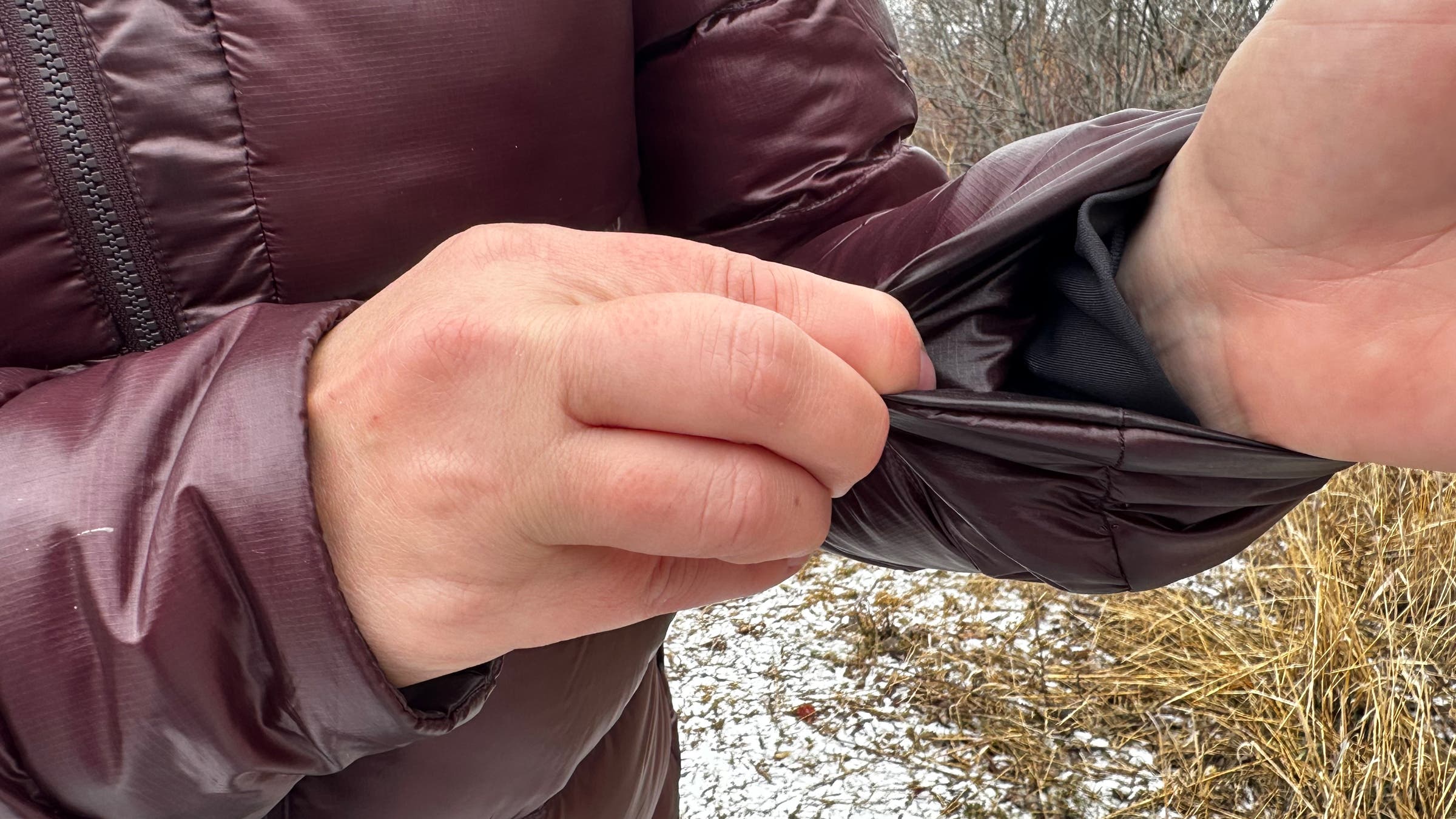
The Cerium SV has been my go-to down layer for the past two years. It is an extremely warm, lightweight jacket that works well over both a base layer and a fleece, with dedicated articulation that provides an excellent range of motion. It fits better than other down jackets I’ve tested, which can either feel too tight across the shoulders or bulky around the waist. The materials are also top-notch, with a tear-resistant, water-resistant ripstop shell that is so durable I have yet to put a hole in it despite extensive wear.
(Photo: Courtesy Maggie Slepian)
ADVERTISEMENT
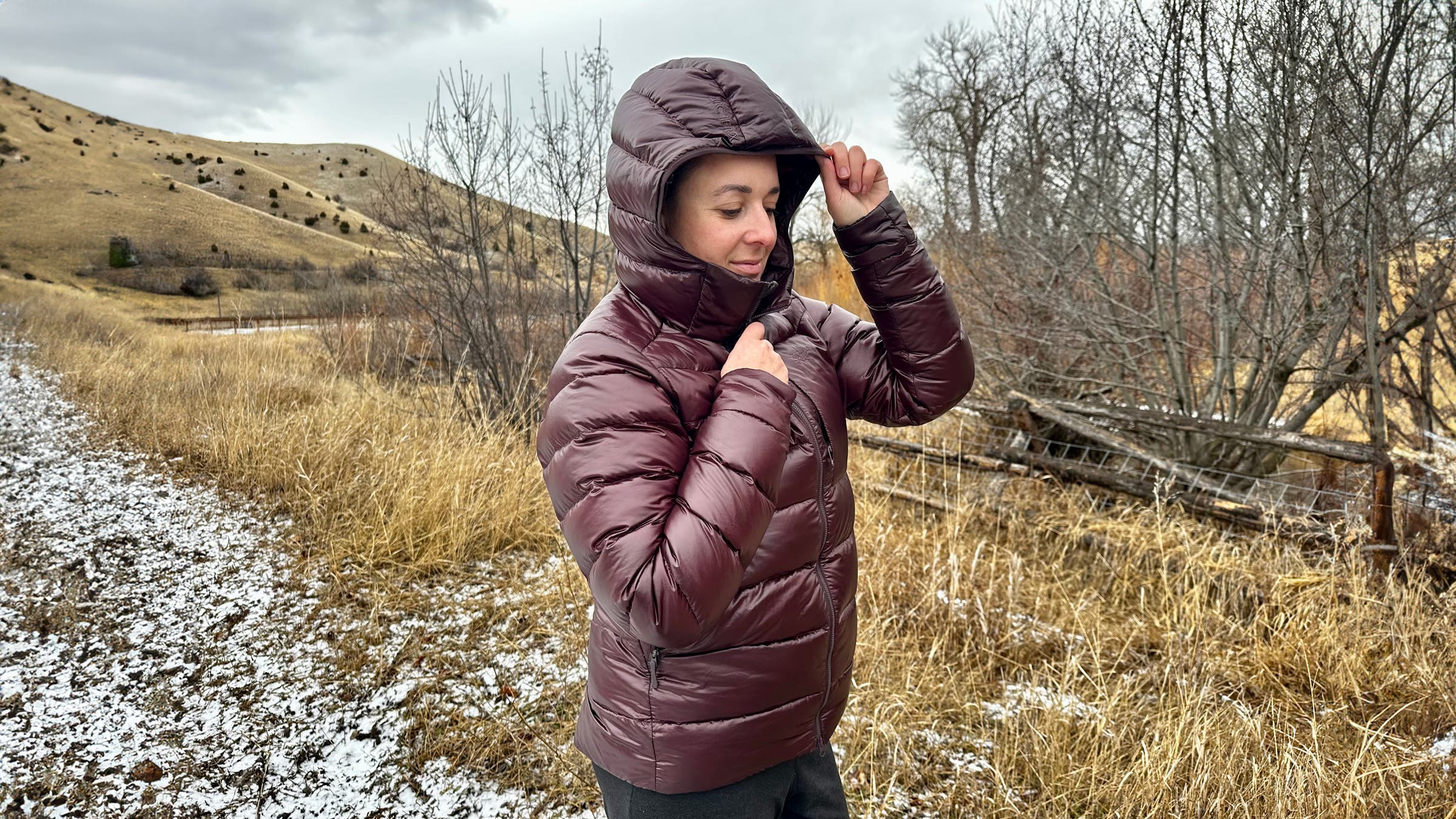
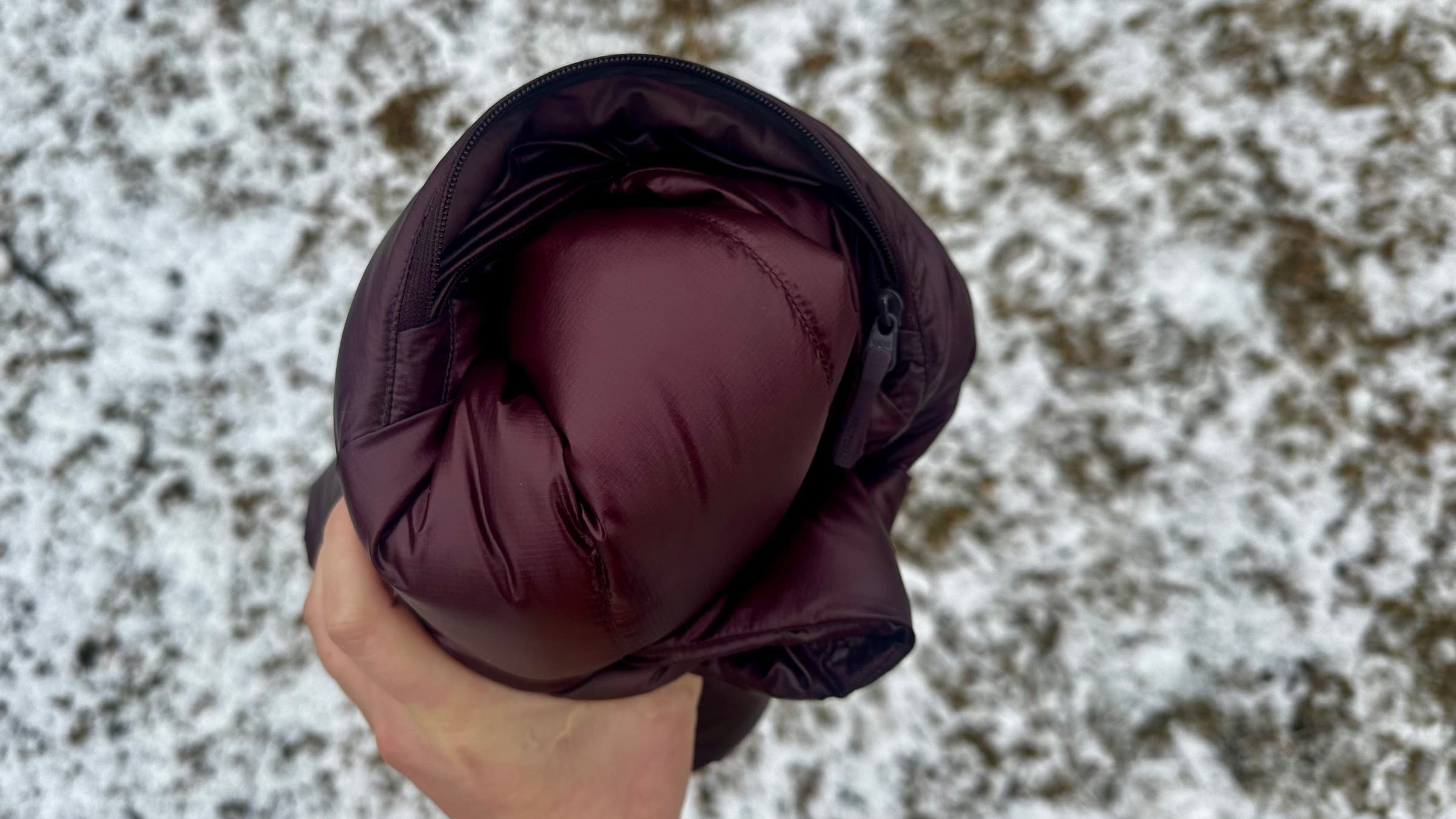
One of the calling cards of the Cerium SV is the 1,000-fill goose down insulation. This is one of the highest lofts on the market, providing incredible warmth for minimal weight. It compresses well for the loft, though it isn’t my smallest-packing jacket thanks to its higher fill. That’s the tradeoff for more warmth, but unless I need to stuff my coat into a tiny pack, it never feels like a burden.
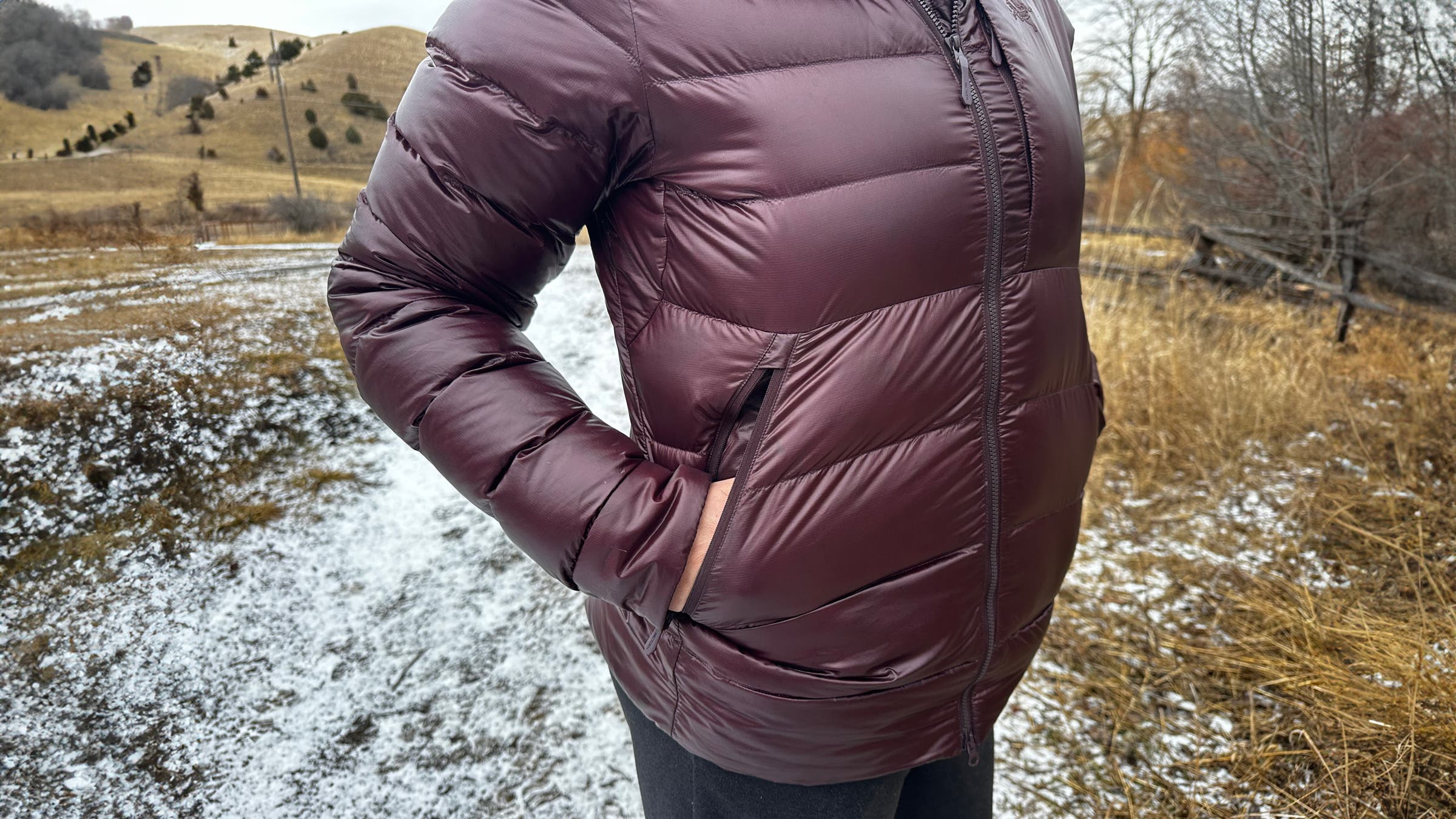
I love that Arc’teryx doesn’t overbuild their layers, and the features are streamlined and not too busy. The Cerium SV has internal gusset cuffs that form a warm seal without being too tight, and the zippered hand pockets fit my phone and wallet. It also has a handy zippered chest pocket, plus dual internal drop-in pockets.
(Photo: Courtesy Maggie Slepian)
Overall, this is a thoughtfully designed performance layer with a focus on high-end materials and warm, lightweight function for people willing to pay for quality construction, premium materials, and the brand name.
Decathlon Simond MT100 Down Puffer
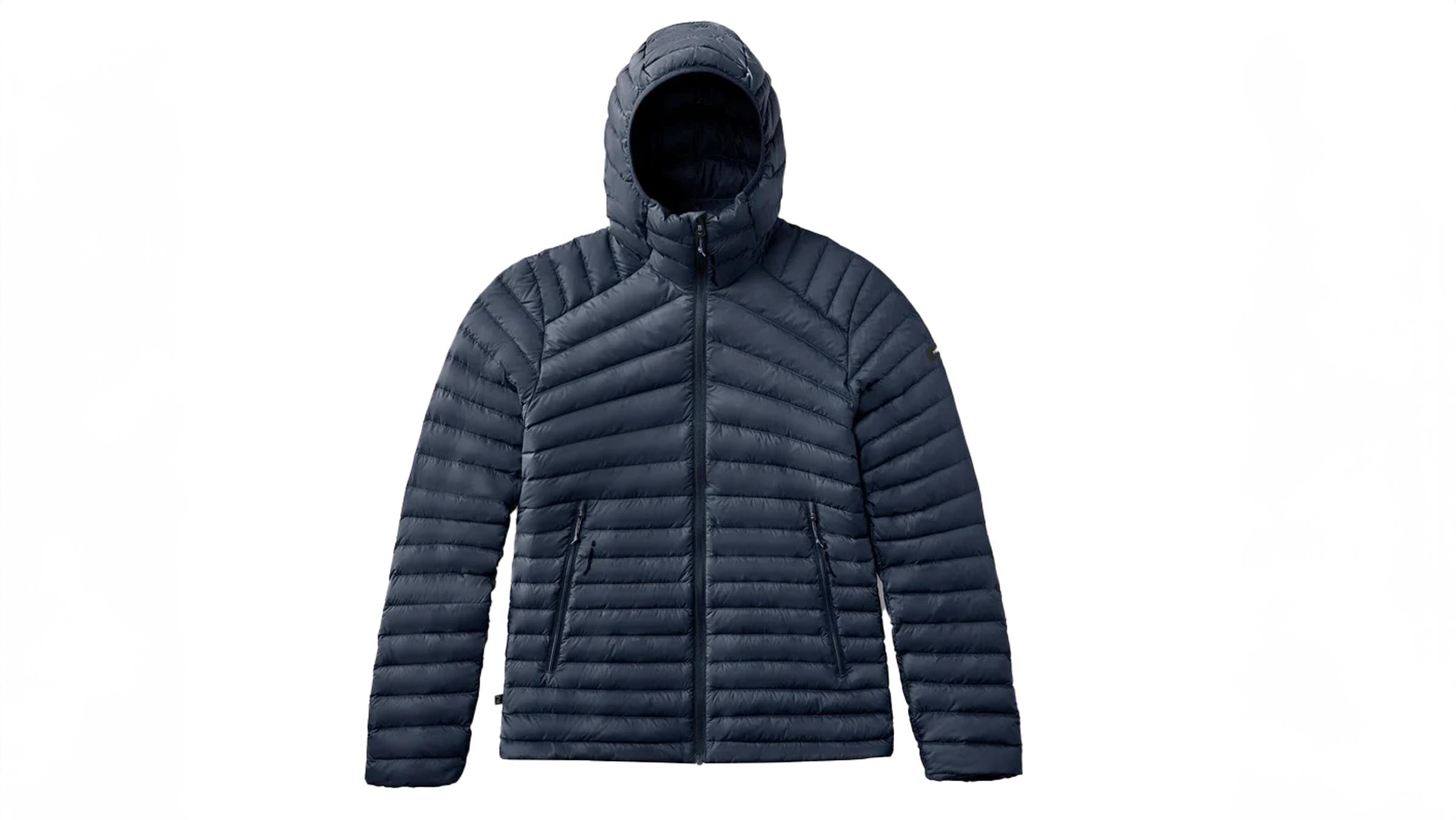
Cost: $119
Weight: 10.2 ounces
Fill power: 800-fill duck down (90/10)
Shell material: 15D Nylon
Fit: Slim
Pros and Cons
+ Very affordable for the quality and warmth
+ Narrow baffles and slim design are great for layering
+ Ultralight materials and build
– Might not be warm enough for truly cold conditions
– Less articulation in the shoulders
Decathlon Simond MT100 Down Puffer Overview
While less well-known in the U.S., Decathlon is a massive European outdoor retailer with an expansive line of house-branded gear and apparel. I’ve tested many of their products and have been impressed overall by the design, quality, and value. This jacket is no exception, and it’s been a solid addition to my layering system.
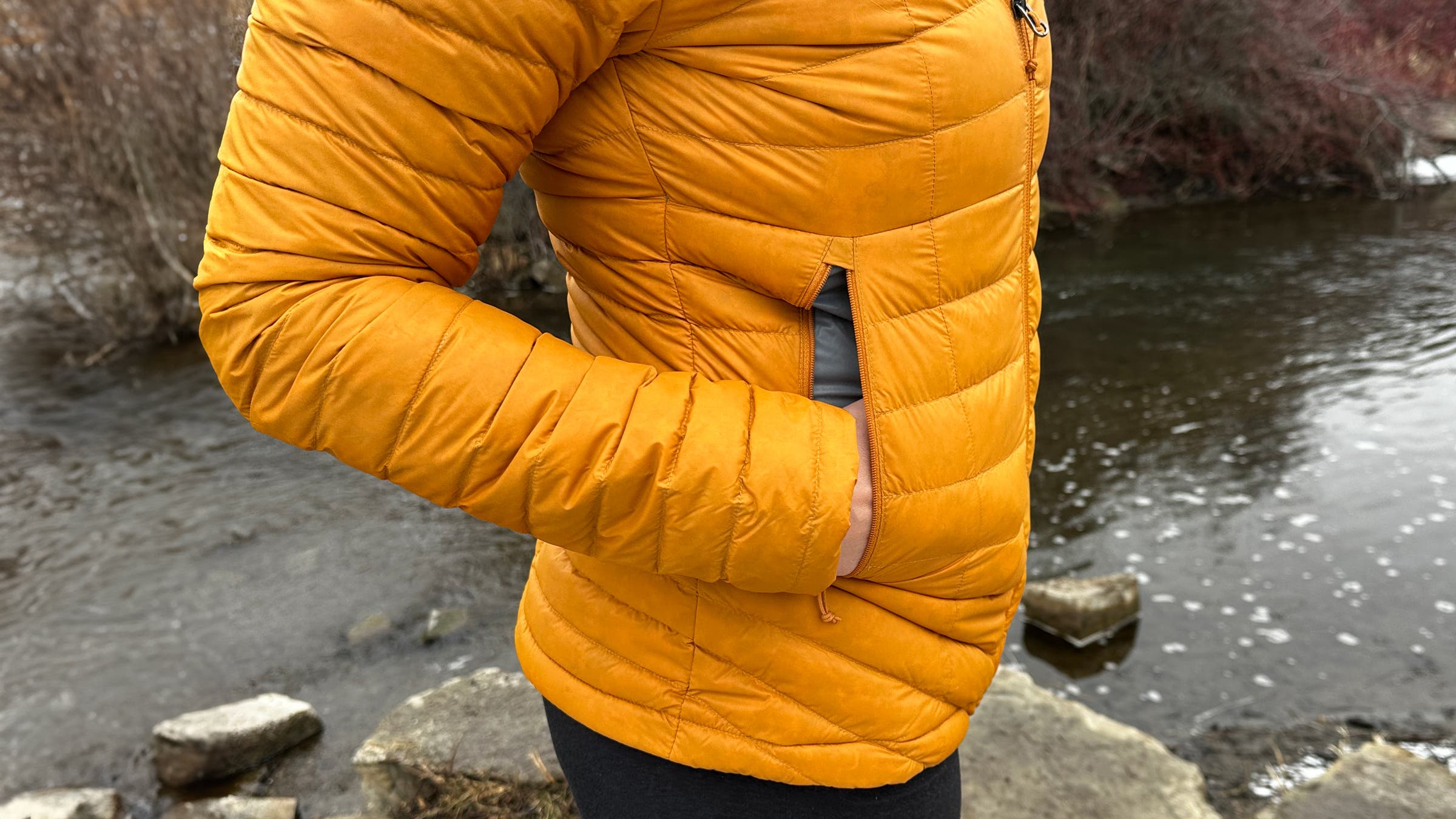
The slim fit is perfect under a ski jacket and as a backpacking layer, though I feel somewhat constricted in the shoulders compared to jackets with more articulation. It’s incredibly warm for its weight, and I was surprised to see 800-fill power in such an inexpensive layer. I’ve worn this on its own on blustery 25°F days with just a thin fleece underneath and felt perfectly comfortable.
(Photo: Courtesy Maggie Slepian)
ADVERTISEMENT
The longer hem length doesn’t bunch under a pack, and I love the enormous side pockets with durable, secure zippers. This is a simple jacket, but it has a few key details, like reinforced elastic an inch inside the cuffs, rather than at the end, which allows the glove cuffs to sit comfortably inside the sleeves. The MT100 is one of the most packable in my arsenal, weighing just over 10 ounces and rolling down to the size of a Nalgene. All in all, it’s a flattering, warm, ultralight jacket for a fraction of the cost of most name brands.

(Photo: Courtesy Maggie Slepian)
Intended Use
The two jackets are designed for different things, so I’m not pitting them head-to-head like in my mitten comparison. The Arc’teryx jacket’s loftier build and added insulation make it a better solo piece. The Decathlon is more of a layering jacket with narrower baffles and lower fill weight. I wear them differently for this reason—the Decathlon goes under a shell for skiing, and the Arc’teryx is worn on its own for camping or cold town days.
ADVERTISEMENT
Warmth
Arc’teryx uses 4.6 ounces of 1,000-fill down in the Cerium, which ends up being warmer than the 3.1 ounces of 800-fill down in the MT100. I’ve never felt cold in either, but when the temperature really drops, the Arc’teryx is the better option.
Weight and Packability
The 10.2-ounce MT100 packs down smaller than the loftier 13.2-ounce Cerium SV. Both jackets are incredibly light and packable for their warmth though, and can be stuffed between larger items in a backpack without much noticeable weight.
(Photo: Courtesy Maggie Slepian)
ADVERTISEMENT
Materials
Fill: The Cerium SV’s 1,000-fill goose down drives up the cost, and it has more complex insulation patterning with added synthetic in moisture-prone areas. The Decathlon’s 800-fill duck down is still high-loft, but costs less than the more expensive goose down. Both jackets use RDS-certified down, which I appreciate.
Shell: The 20D Pertex Diamond shell on the Cerium SV is windproof, DWR treated, and highly abrasion-resistant. It’s also built specifically for down jackets to keep the fill from poking through. The material is weirdly shiny though, which might be a turnoff. The 15D nylon on the Decathlon jacket is still protective against wind and has good water resistance, but doesn’t have the same ripstop crosshatching, so I’m more careful around that metal piece of my truck topper that always snags my sleeves.
(Photo: Courtesy Maggie Slepian)
ADVERTISEMENT
Fit and Layering
My women’s Cerium SV is generous through the chest and shoulders, built for athletic body types, and optimized for layering. It fits true to size, and is one of the reasons I wear it more than most of my other jackets. The Decathlon jacket feels marginally more constricting, lacking the detailed articulation of the Arc’teryx, but it fits better under a shell and works great as a midlayer. Both jackets have a nicely tailored feel without the winter marshmallow vibe.
Value
I love the Cerium SV, but I would absolutely recommend the Simond MT100 as a go-to insulation layer. It might not have the brand-name cache, but it’s a quality jacket with an excellent value, a flattering fit, and a minimal weight that makes it a great option for backpacking.

(Photo: Courtesy Maggie Slepian)
ADVERTISEMENT
TL;DR: Should You Invest in Premium Labels or Budget-Friendly Gear?
Brands at either end of the price spectrum serve important roles in the apparel world. Arc’teryx is a trusted high-end technical brand known for its careful attention to detail (especially with their jackets). They’re also largely out of reach for many people, which is why I’m glad that companies like Decathlon exist. I love recommending comfortable, functional, technical apparel at an approachable cost.
Buy the Arc’teryx jacket if you want the highest quality material and the best warmth-to-ratio, or if you plan to buy one jacket for the next three years and want high-loft fill, precise fit, and streamlined features. Otherwise, you’ll be very happy with the design, fit, and layering capabilities of the Decathlon.
