Published January 15, 2026 12:04PM
If you buy through our links, we may earn an affiliate commission. This supports our mission to get more people active and outside.Learn about Outside Online's affiliate link policy
How to Choose the Right Rod and Reel for Where You Fish
Finding the perfect setup is overwhelming. We talked to a professional guide to help you match your rod and reel to your water and your target species.
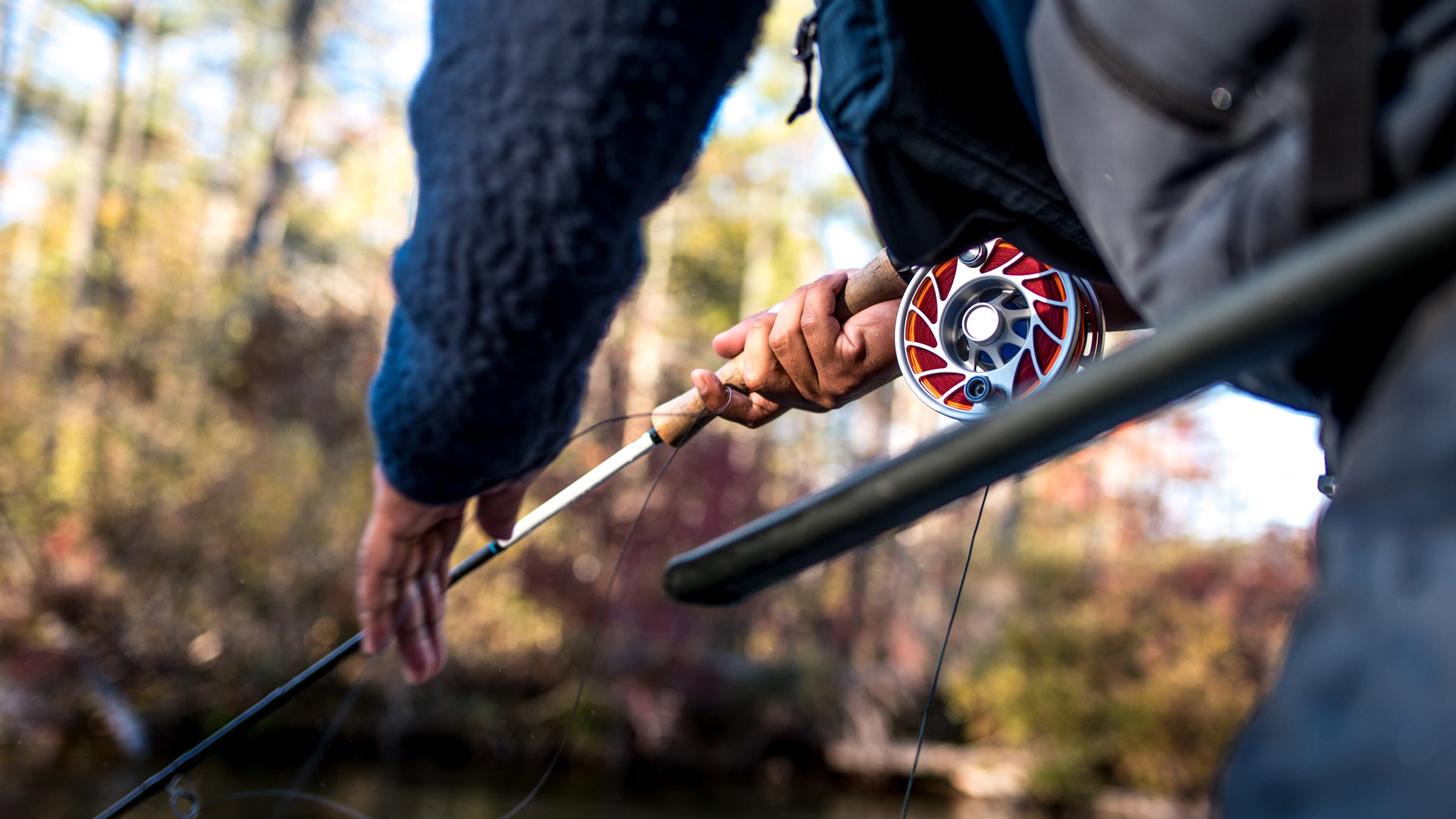
(Photo: Brent Doscher/Getty Images)
For beginners and amateur anglers, walking into a tackle shop can feel like walking into a labyrinth. Rows of spinning rods. Reels in every size imaginable. Fly rods with four-digit price tags mounted like art. The problem isn’t usually a lack of options—it’s too many of them.
“[Buying a rod and reel] feels so overwhelming because there are so many choices and price tags,” says Max Hogg, a fishing guide at the Hungry Trout Fly Shop in Wilmington, New York. The solution, he says, isn’t buying the “best” fishing gear—it’s buying the right fishing gear. And an easy place to start is by knowing the water you’re fishing in and species you’re chasing.
“Location can definitely play a big part of the rod you buy,” says Hogg. “The second decision you must make is the size of the fish you are targeting—this might force you to buy a specialized setup. In the mountains chasing four-inch brook trout, you will need a tiny spin or fly rod to catch those little gems. If you are targeting bull redfish that are 40 inches long, you will need a heavy set-up.”
ADVERTISEMENT
Of course, the type of fishing you’re doing—spin fishing versus fly fishing—will impact your choice of gear, too. But once you’ve figured out the technique you want to try, you can match your equipment to the water and the class of fish you’re chasing. More on how to do all of that below.
Rod and Reel Recommendations: At a Glance
For Lakes:
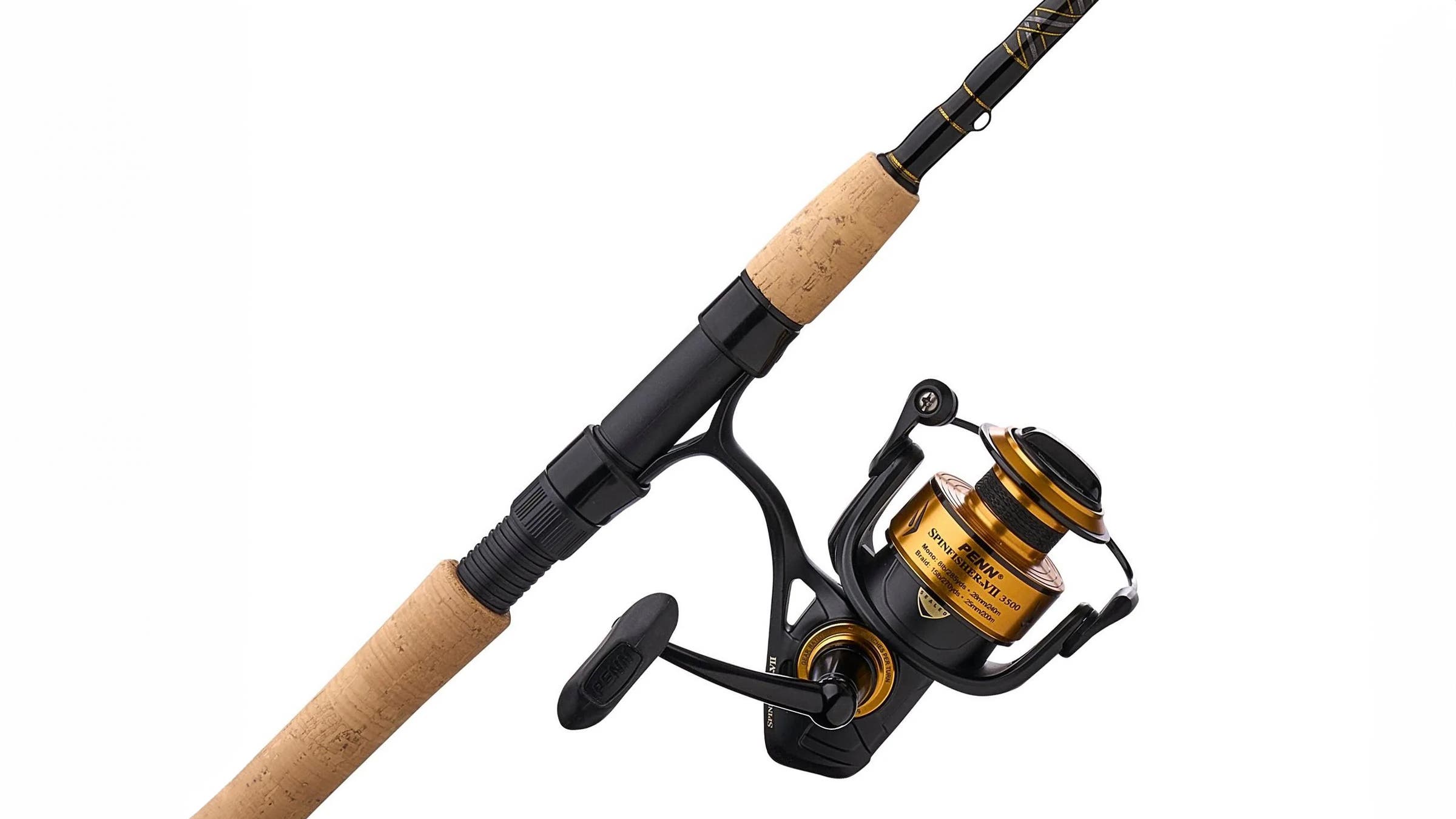
- Spin: PENN Spinfisher VII Inshore Spinning Combo – 3500 ($280)
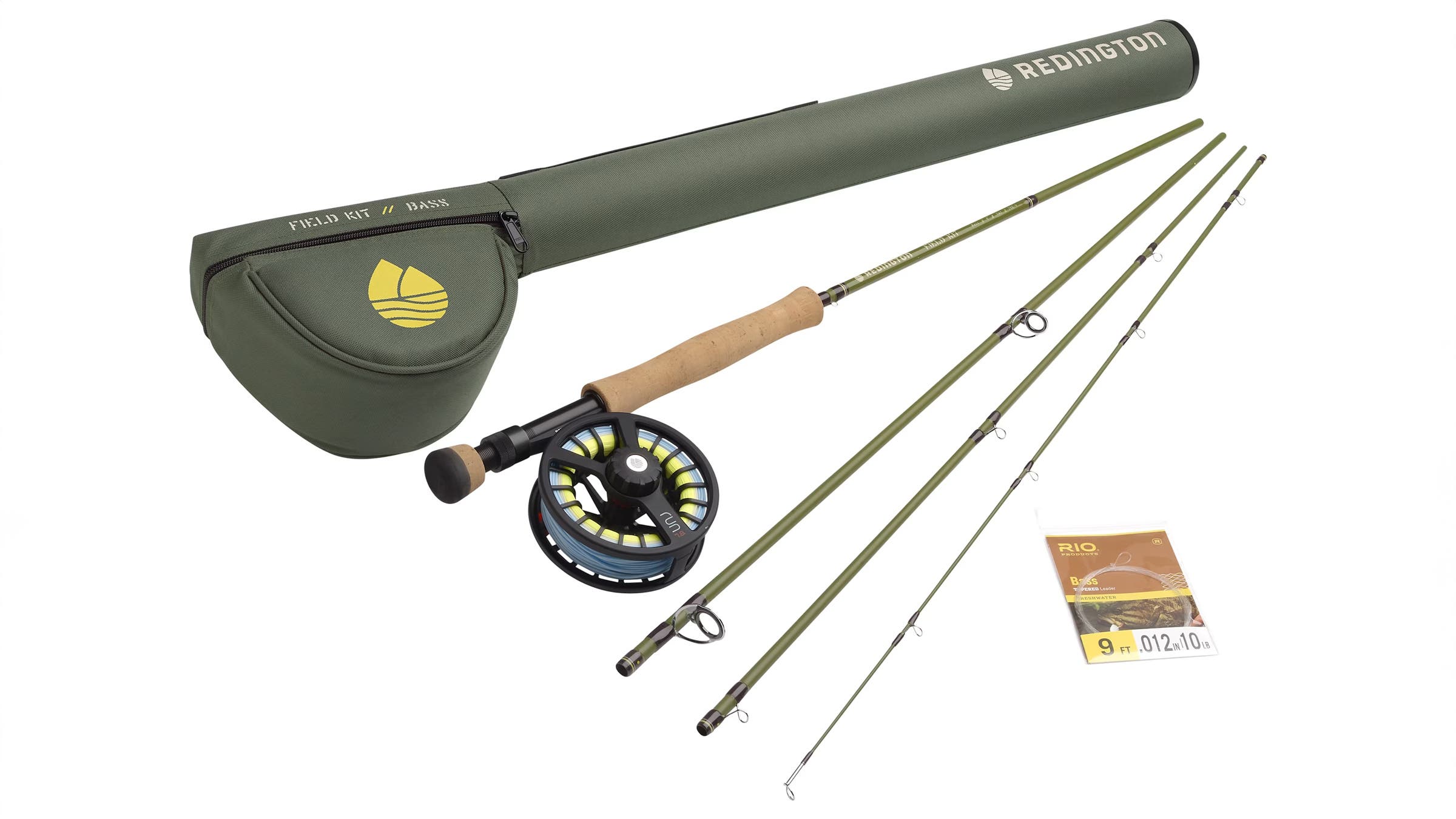
- Fly: Redington Field Kit – Bass 790-4 ($500)
For Rivers and Streams:
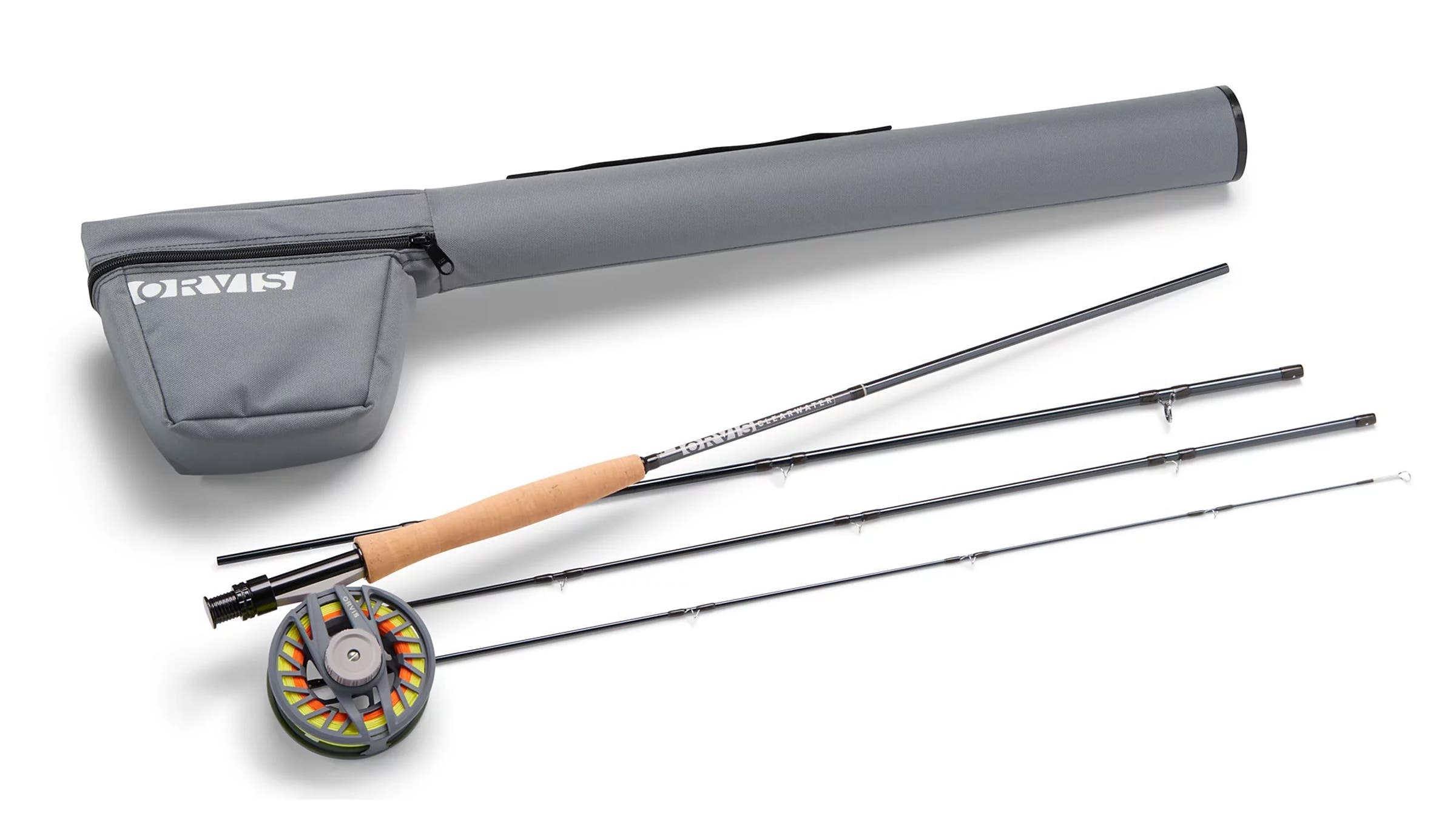
- Fly: Clearwater Fly Outfit – 5-weight, 9’ ($479)
For Coastlines:
First Choose Your Rod: Fly vs. Spin
Choosing between fly and spinning gear ultimately comes down to what you want out of fishing.
In spin fishing, the weight of the lure carries the line out to the water. This type of fishing is typically most beginner-friendly and lets anglers focus on finding fish, not mechanics. Fly fishing, on the other hand, relies on the weight and speed of the line to cast the fly out, which demands attention to technique, drift, and presentation.
ADVERTISEMENT
But fly fishing also opens doors—especially for picky trout. “Trout mostly feed on small bugs, a food source you can’t imitate with a spin rod but you can with a fly rod,” Hogg says. And whichever you go with, you don’t need to spend a fortune to get out there. “Fly shops and rod manufacturers usually have cheaper rods and setups to get started or expand your quiver… but rarely is there a rod that is only specific to one species or technique,” he adds.
Lakes and Stillwater
Lakes often bring two consistent challenges: wind and distance. When fishing from shore especially, open water means longer casts, and gusts can quickly expose underpowered setups.
For spinning gear, Hogg recommends a simple, versatile option: a 7-foot, medium-light rod. “[It’s] light enough to cast small lures to trout and panfish but heavy enough to throw most bass lures and small pike lures,” he says. It’s the kind of rod that won’t feel specialized—but won’t hold you back either.
Fly anglers should think a little heavier with their setup. “Usually on a lake you will experience more wind and longer casts,” Hogg says, which is why he favors a 9-foot, 7-weight fly rod. The extra mass helps cut through wind and carry line farther, while still allowing anglers to cast smaller trout flies. As a bonus, a 7-weight can transition well to rivers and even light saltwater.
Spin: PENN Spinfisher VII Inshore Spinning Combo – 3500
Fly: Redington Field Kit – Bass 790-4
Rivers and Streams
Moving water doesn’t radically change spinning setups, but it can significantly influence fly gear. The biggest variable isn’t current speed—it’s fish size and food source.
On trout rivers, Hogg calls the 5-weight fly rod “the true do-it-all trout rod.” It can handle dries, nymphs, and streamers without forcing anglers into specialized rigs. But when rivers hold larger predators—smallmouth bass or pike, for example—he reaches back for a 7-weight.
Rod length also matters more in rivers than many anglers realize. Tight, brushy mountain streams reward shorter rods that can sneak casts under branches. Bigger rivers and wading scenarios benefit from longer rods, which help keep line and lures higher above the water when you’re standing below the surface.
“In small streams the shorter rod is a must,” Hogg says. “In the mountains chasing four-inch brook trout, you will need a tiny spin or fly rod to catch those little gems.”
Fly: Clearwater Fly Outfit – 5-weight, 9’
Coastlines
Saltwater is where gear mistakes are exposed quickly—and often violently. Bigger fish, longer runs, corrosive salt, and constant wind all demand sturdier equipment.
“Buy a quality reel with a sealed drag,” Hogg says. This is non-negotiable. “Cheap reels with a basic drag don’t cut it.” Unsealed drags collect sand and debris, leading to sticking or failure at the exact moment a fish makes its run.
ADVERTISEMENT
Rod choice, by contrast, is more forgiving. “Most heavier action spin and fly rods will do the job,” he says. Saltwater fish don’t usually require delicate presentations, and wind often makes finesse impossible anyway. If you’re surf fishing from the shore, longer 10- and 11-foot surf rods will give you more casting power. As for spin rods, you’ll need to up your line rating to a 9- or 10-weight rod and reel. The biggest mistake Hogg sees? Anglers using freshwater reels into the salt. “You hook that bonefish or jack—you must have a good drag to control that fish,” he says.
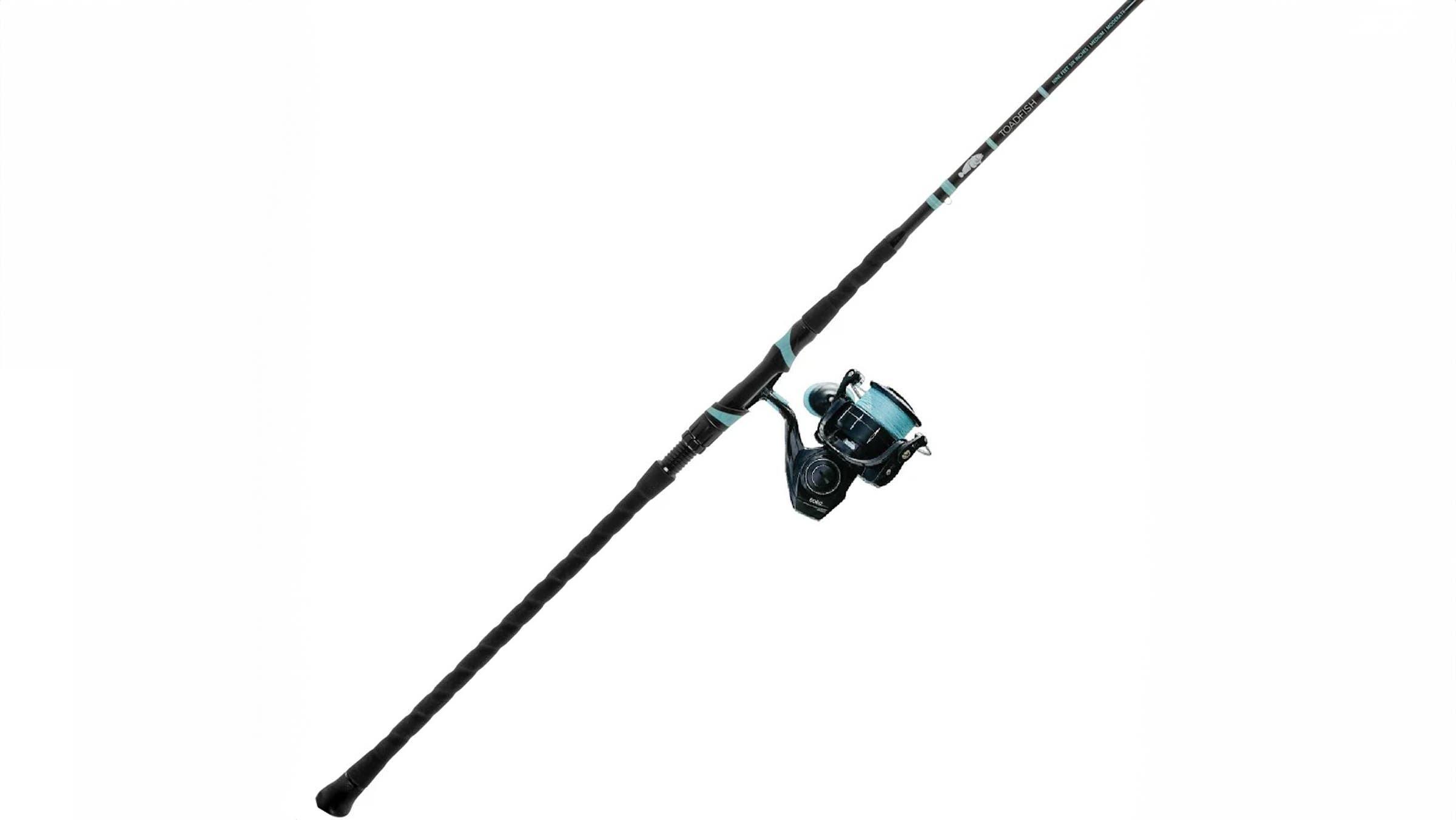
Spin: Toadfish Carbon Elite Surf Combo – 10’6” Medium Heavy Surf Rod – 6000
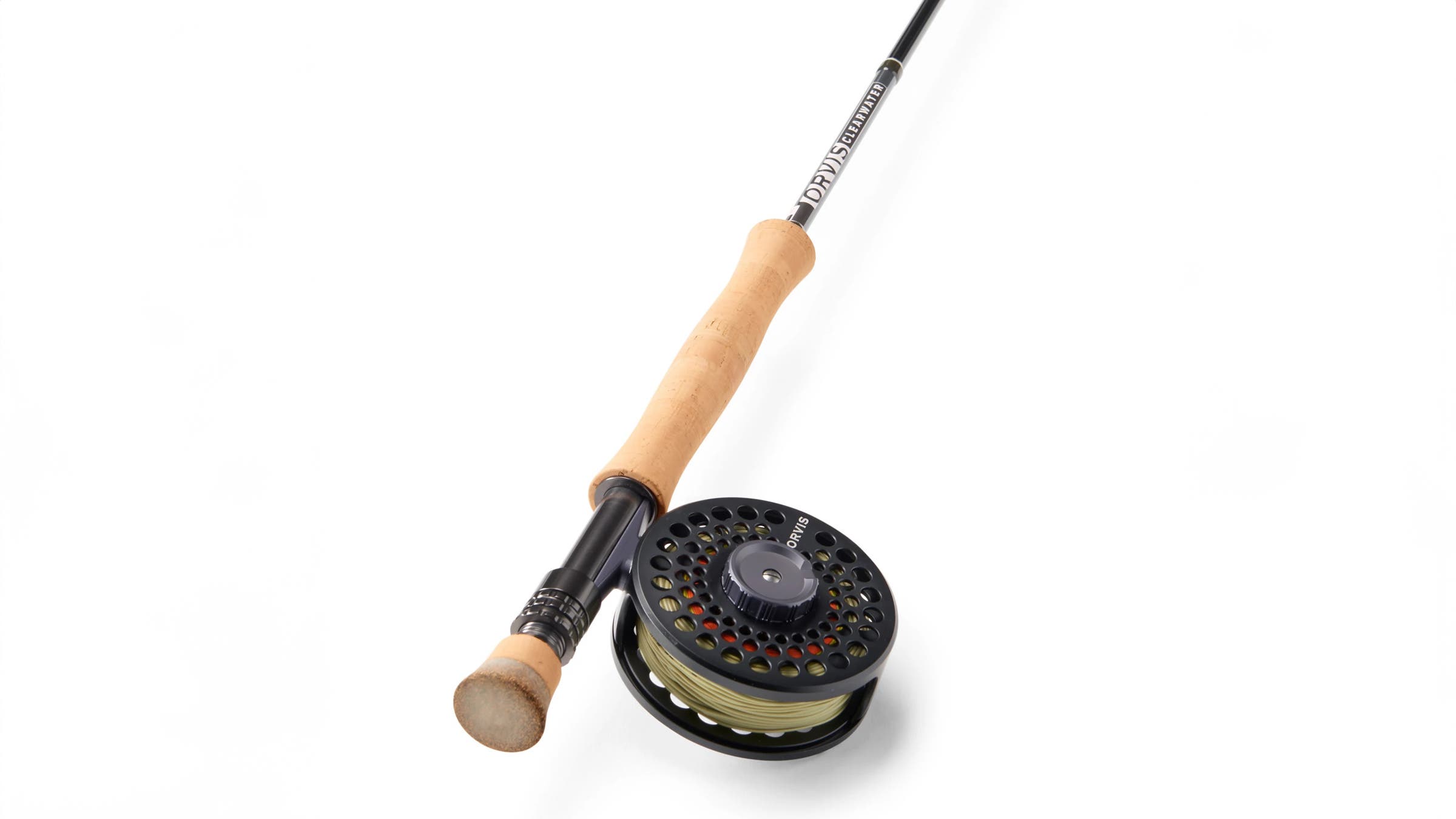
Fly: Clearwater 8-Weight 9’ Fly Rod Saltwater Outfit
Final Thoughts
Is there one rod that can truly do everything? “Yes and no,” Hogg says. “If you like to target different species, then buy an all-around rod for everything, like a medium spin rod or a 5- or 6- weight fly rod.” Specialization still has its place, though. So if you only chase panfish, don’t buy a massive surf rod made for plugging over sandbars. And if you’re only fishing for striped bass in the surf, don’t buy a 3-weigh designed for presenting tiny dry flies in an alpine creek.
“My biggest rule of thumb is just to match your rod and reel to your target species,” he says. Start there, and the rest—lakes, rivers, or coast—falls into place.
