Published March 13, 2026 11:07AM
If you buy through our links, we may earn an affiliate commission. This supports our mission to get more people active and outside.Learn about Outside Online's affiliate link policy
I Tested a Moka Pot for 6 Months. I'm Never Going Back.
This old-school brewer is perfect for coffee lovers on the go.
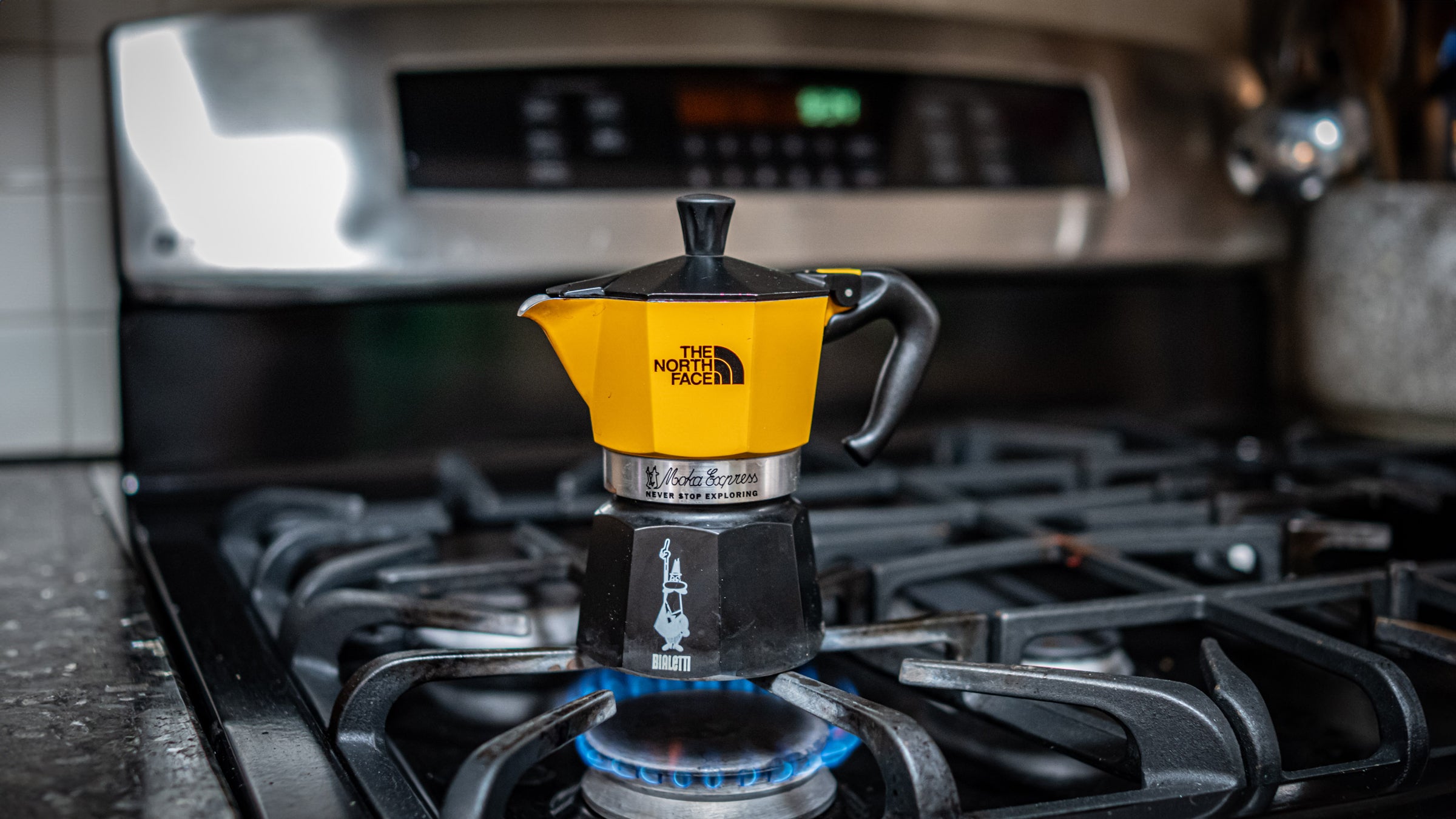
(Photo: Jakob Schiller)
I’ll admit—I didn’t know what a moka pot was until last year. I’d seen them in movies and during a college trip to Europe, but wrote them off as antiquated and complex, so I never investigated further. Then the North Face sent me a three-cup moka pot kit, and everything changed. After six months of use, I’ve made about 500 cups of coffee, and I go to bed every night excited to make more in the morning.
Bialetti Moka Express 3-Cup Stovetop Pot
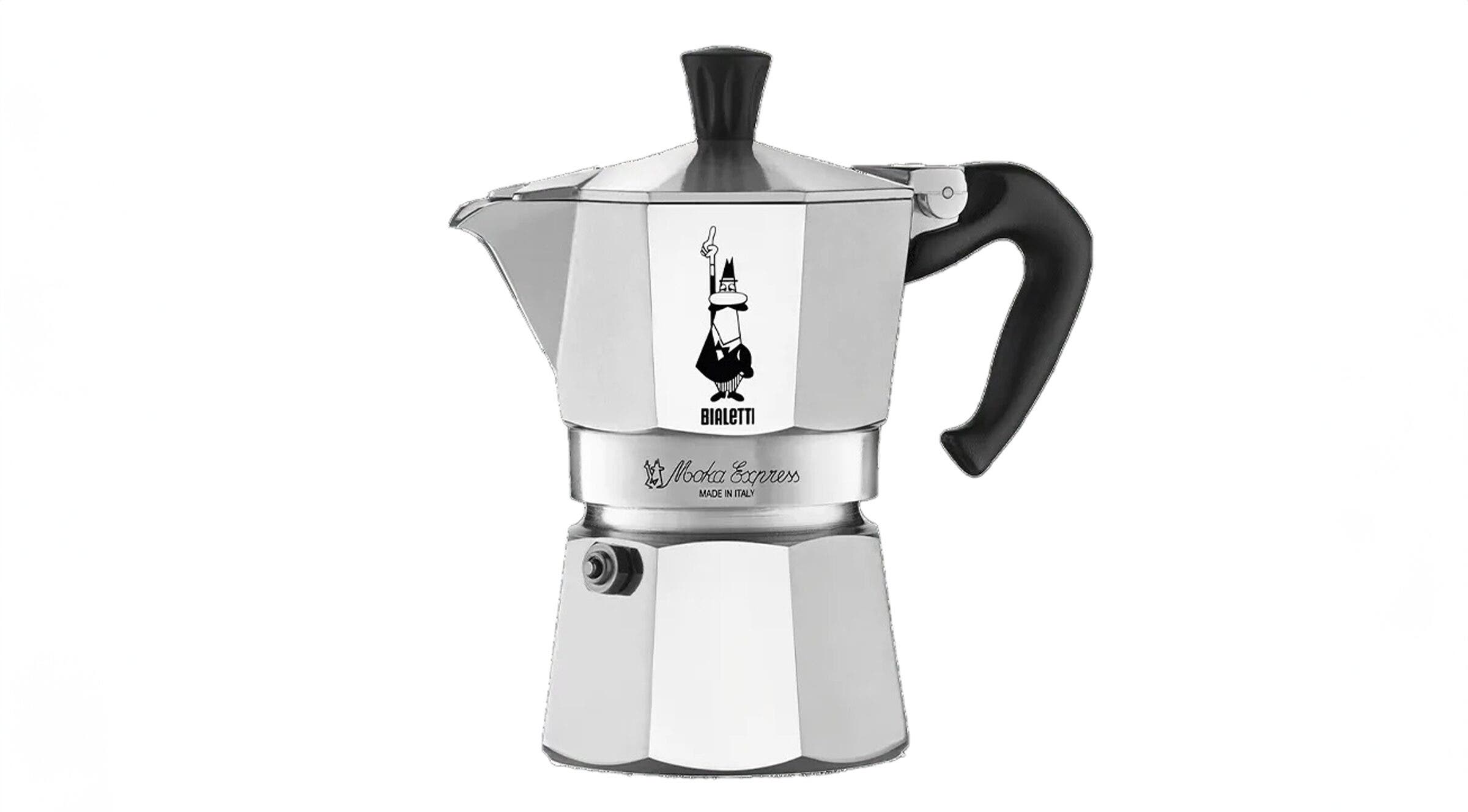
Invented in 1933 by Alfonso Bialetti of Italy, the name doesn’t have anything to do with chocolate-blended mocha but refers to the city of Mokha in Yemen, which is credited as the birthplace of the coffee trade and known for its rich coffee. Today, Bialetti is still the most well-known brand—you can find their pots at Walmart and likely have seen their cute, iconic logo that features a well-dressed man with a pronounced mustache.
Gourmet Flavor, Low-Maintenance Pot
My obsession starts with the taste. Moka pot coffee is stronger than pour-over, but not quite as powerful as espresso, occupying a Goldilocks “just right” middle ground. My “three-cup” version makes about the same amount as a double espresso shot, and if you’re up for a jolt, it’s smooth enough to drink black. If you want to cut the kick, a dash of cream helps and doesn’t ruin the taste.
ADVERTISEMENT
I also love how simple a moka pot is to use—despite my earlier uninformed assumptions. You fill the bottom with water, add coffee grinds to the metal basket, and screw on the top. Then heat on a burner until coffee shoots into the top reservoir. I’ve heard that some people boil their water in a kettle before adding it to the bottom chamber, which speeds up brewing and reportedly cuts down on bitterness. I’ve done it both ways and found the coffee similar, so I see no reason to complicate the process.
There are no filters to stock and dispose of, and clean-up is simple, whether in your kitchen or out in the boonies. You’re never supposed to wash a moka pot with soap because it could damage the metal. Instead, you just rinse the grounds off and wipe down the basket and reservoir with a towel. The only real maintenance is replacing the rubber gasget every few years.
I use a darker roast, but if you scour the internet, you’ll find people use light or medium roasts, and the moka pot brews them nicely as well. People also differ on what grind is optimal; a coarser grind seems to work best for me.
Delicious Coffee on the Go
Most importantly, for me, the moka pot is perfect for travel. Made from a durable aluminum, it could roll around the back of your truck bed for years and survive just fine. To brew a good cup of coffee, all you need is the moka pot, coffee, water, and any heating element. After discovering the beauty of the moka pot, I immediately bought a second three-cup version and threw it in my truck with an old Jetboil stove. Now, it lives there full-time so I can brew a pot whenever I want.
ADVERTISEMENT
Anyone who’s road-tripped knows that sometimes you want good coffee, but all you can find is gas station schlock. The moka pot has changed how I travel. Instead of chasing coffee in strip malls, I can pull off as a scenic spot, throw down the tailgate, brew a cup, and enjoy my coffee and my surroundings significantly more.
For car camping, I bring a six-cup version that’s big enough so that I can share with friends each morning. If you really want to spread the love, you can find nine- or 10-cup moka pots as well. I use a camp stove, but you could easily put the pot on a bed of coals and get the same result.
I haven’t taken my moka pot backpacking, but I certainly will. A three-cup version weighs just over a pound, which for me isn’t much because I’m not trying to fast-pack the Continental Divide trail. I’m already carrying a small stove, and don’t need anything additional for cleanup.
Because they’re such simple, low-tech tools, I was surprised to discover that moka pots aren’t cheap. The small version is around $50 and the six-cupper is $60. But for a device that you could use for the rest of your life, that’s a bargain. If you want to keep the price down, you can find old moka pots at thrift stores, garage sales, or eBay, each one fully functional, with its own uniquely caffeinated story.
