Updated November 17, 2025 07:16AM
If you buy through our links, we may earn an affiliate commission. This supports our mission to get more people active and outside.Learn about Outside Online's affiliate link policy
The Best Men’s Hats and Gloves for Winter Running
Don’t let frozen ears and fingers ruin running in a winter wonderland
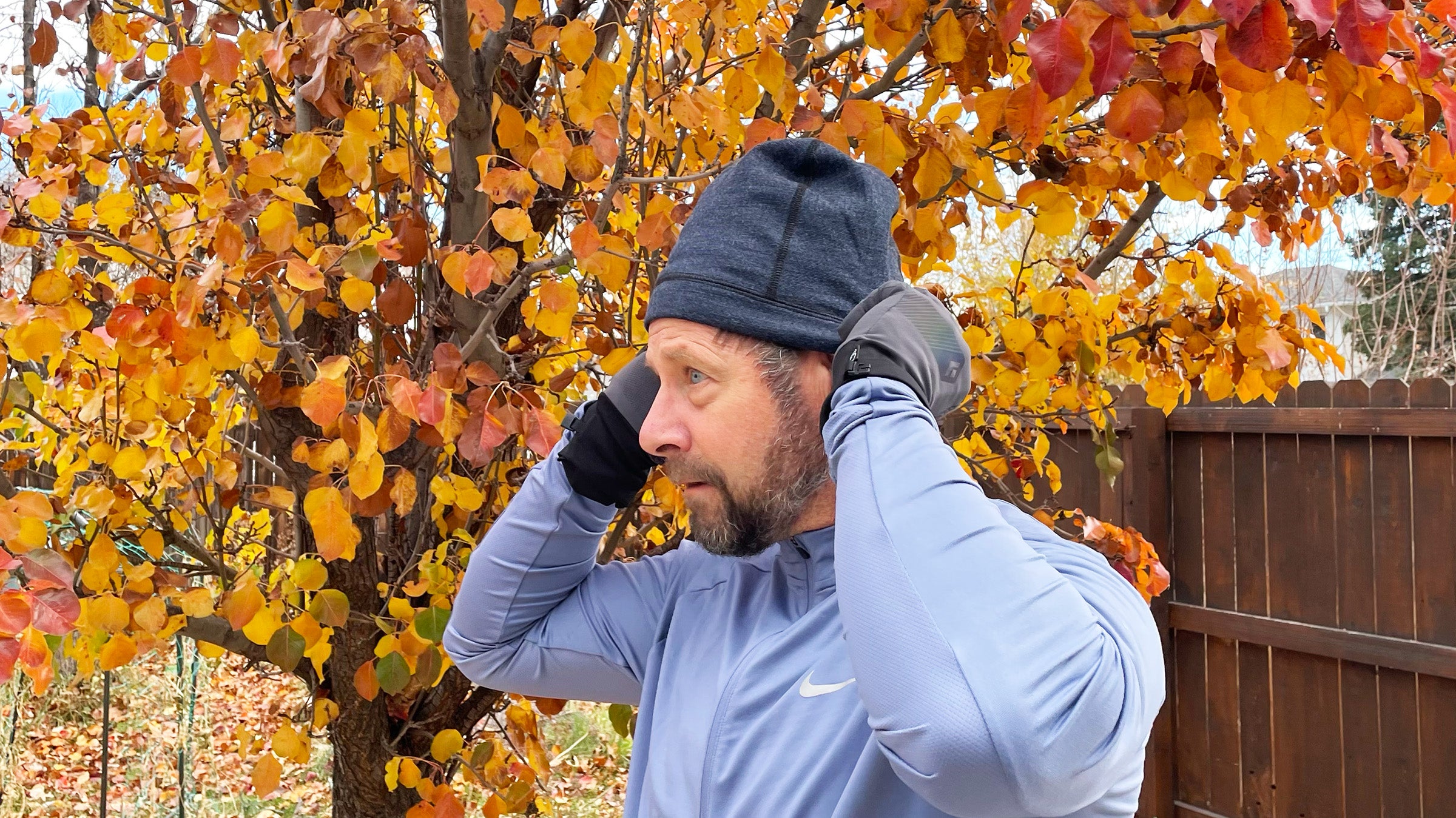
You're not outfitted for a winter run without warm and breathable hat and gloves. (Photo: Lisa Jhung)
Table of Contents
You’ve probably heard some variation of the truism, “Half of your body heat gets lost through your scalp.” While that’s an overhyped statistic based on a discredited 1950s Army experiment, there’s no denying that a well-covered noggin’ makes running in frigid temperatures more bearable. Similarly, gloves that provide comforting warmth, preferably without leaving your hands sweaty, make cold runs safe and pleasant. We tested the best winter hats and gloves for running in conditions ranging from merely chilly to far below zero, and arrived at a selection capable of handling any winter running scenario.
Best Winter Running Hats and Gloves: At a Glance
- Best All-Around Hat: Ibex Woolies Protech Beanie ($40)
- Best All-Around Gloves: Arc’teryx Venta Glove ($80)
- Best Value: The North Face Dipsea Neck Gaiter ($22)
- Most Versatile Gloves: Black Diamond Deploy Gloves ($45)
- Best Gloves for Snow and Cold: Janji Vortex Windblocker Glove ($48)
- Best Gloves for Milder Temps: REI Flash Power Stretch Glove ($40)
- Best Hat for Snow and Cold: Voormi Thermal Beanie ($40)
- Best Hat for High-Output Running: Skida Pursuit Performance Headband ($26)
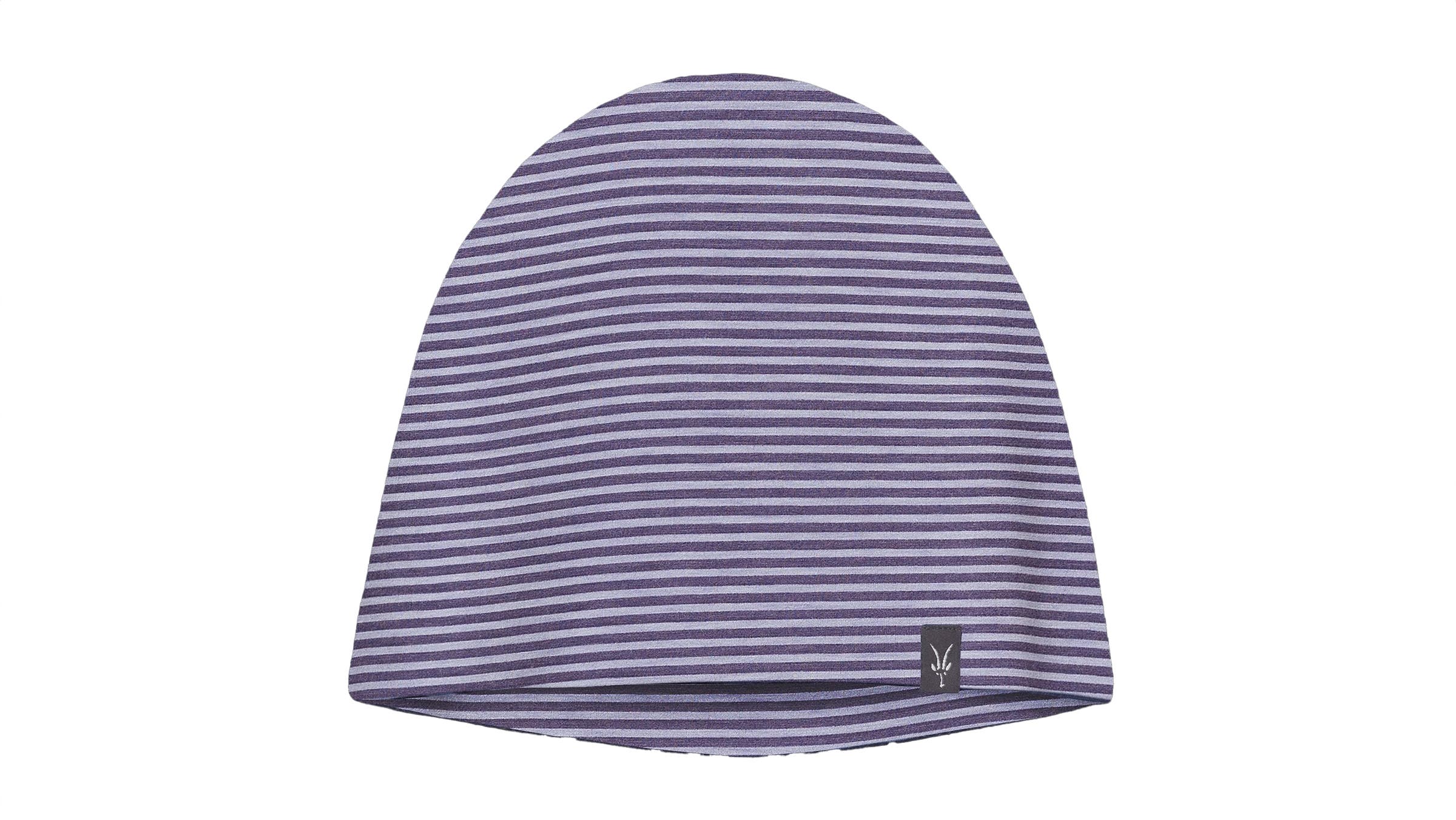
Best All-Around Winter Running Hat
Ibex Woolies Protech Beanie
Materials: Nuyarn Performance Wool blend 85% Merino wool /15% nylon
Sizing: One size
Pros and Cons
+ Surprising warmth in a lightweight build
+ Soft touch
– Not wind resistant but can be layered under a hood
This simple, versatile winter running hat proved its worth on frigid pre-dawn outings, but it was just as comfortable on sunny midday runs. The Nuyarn fabric blends merino wool (85%) and high-stretch nylon (15%), for a soft feel, high breathability, and impressive warmth. “Most running hats make me overheat quickly, but this thin wool beanie felt comfortable at a wide range of temperatures and effort levels. I wore it every day until it became so stiff with sweat I had to wash it, and quickly retrieved it from the laundry to wear again,” one tester reported. It matched thicker beanies for insulation, but worked much better as a layer under a running jacket hood in any wind. One size proved adequate for most testers, but one would have preferred a larger option.
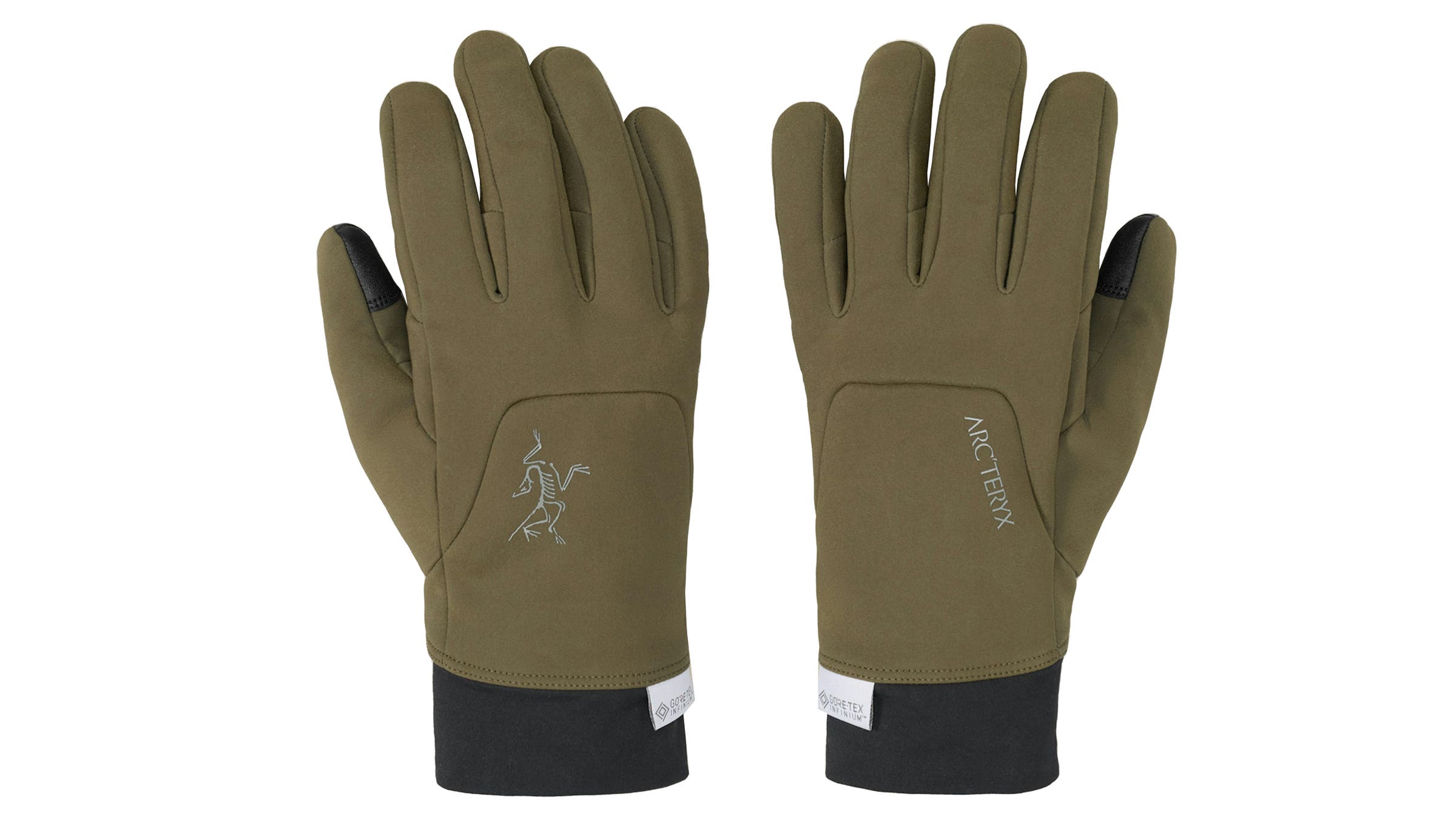
Best All-Around Gloves
Arc’teryx Venta Glove
Materials: Gore-Tex Infinium exterior, lightweight polyester fleece lining
Sizing: XS–XXL
Pros and Cons
+ Warm and breathable
+ Low-bulk fit, good grip
– Too warm for mild temperatures
When cold, wet weather threatens to force you indoors, these winter running gloves offer the assurance of comfort and warmth to help brave the storm. We used the Venta gloves for up to 90-minute trail running adventures above 10,000 feet in the Colorado mountains and found our hands stayed warm without overheating. The snug fit and grip-enhancing TPU palm reinforcements made it easy to securely grab items like a water bottle or smartphone in the cold. Thanks to their water- and wind-resistant, breathable softshell exterior, they easily repelled heavy snow and freezing temperatures. However, despite a relatively thin profile, testers felt the Venta gloves were too hot for runs in mild temperatures, roughly above 30 degrees Fahrenheit.
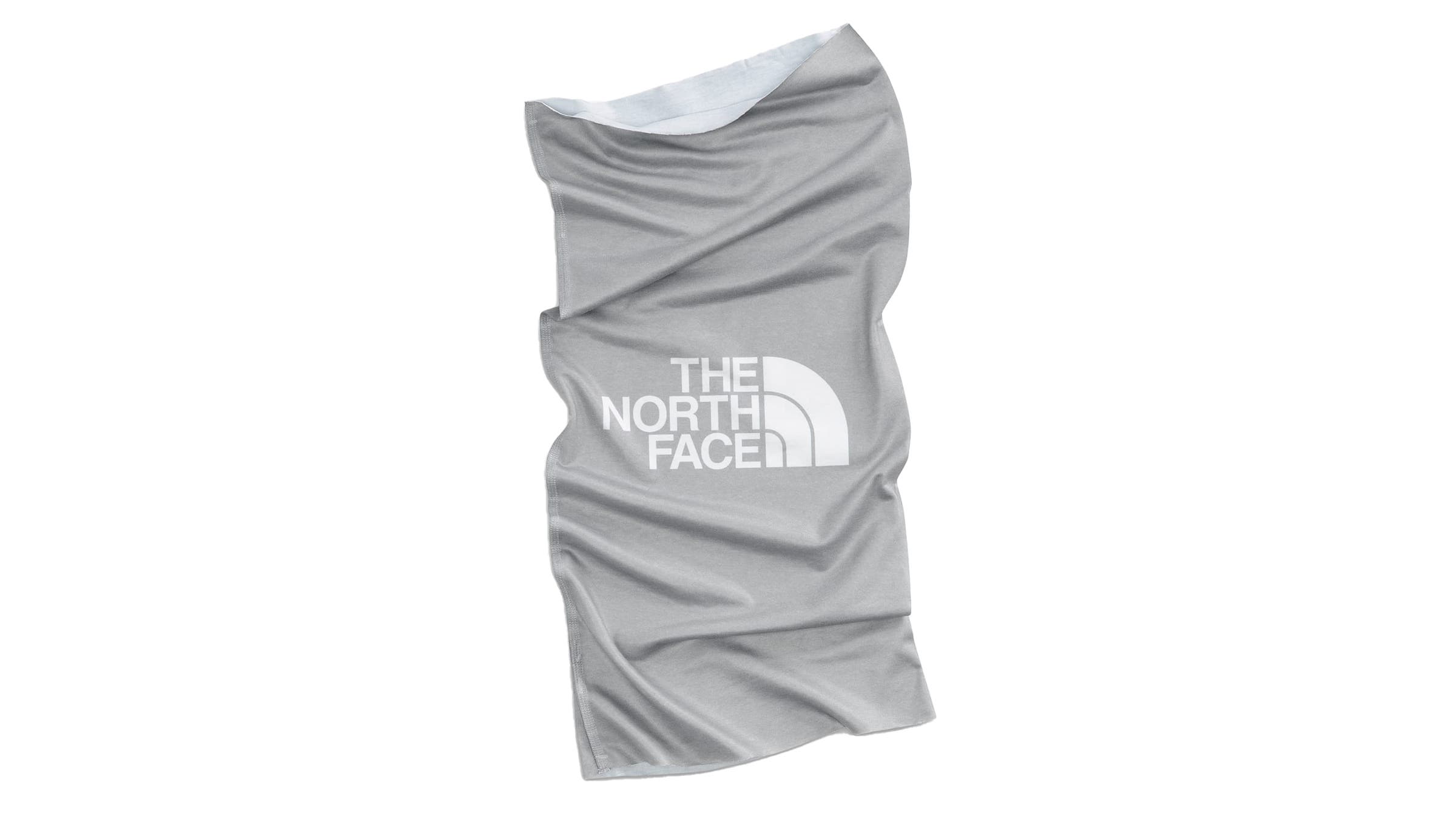
Best Value
The North Face Dipsea Neck Gaiter
Materials: 88% recycled polyester, 12% elastane
Sizing: One size
Pros and Cons
+ Inexpensive
+ Versatile design and adaptable, stretchy fabric
– Thin fabric provided fairly minimal insulation
This lightweight face and neck covering takes the sting out of cold weather while offering UPF 40+ sun protection. We took advantage of the stretchy fabric by pulling the neck covering up and over the mouth and ears, where it channeled body heat upwards in frigid conditions, and scrunching it low on the neck in warm temps. Using it as a face shield in super dry mountain air also helped prevent lung scorch. For the cost of a bottle of wine, you get comfort and protection across a broad range of temperatures.
Most Versatile Gloves
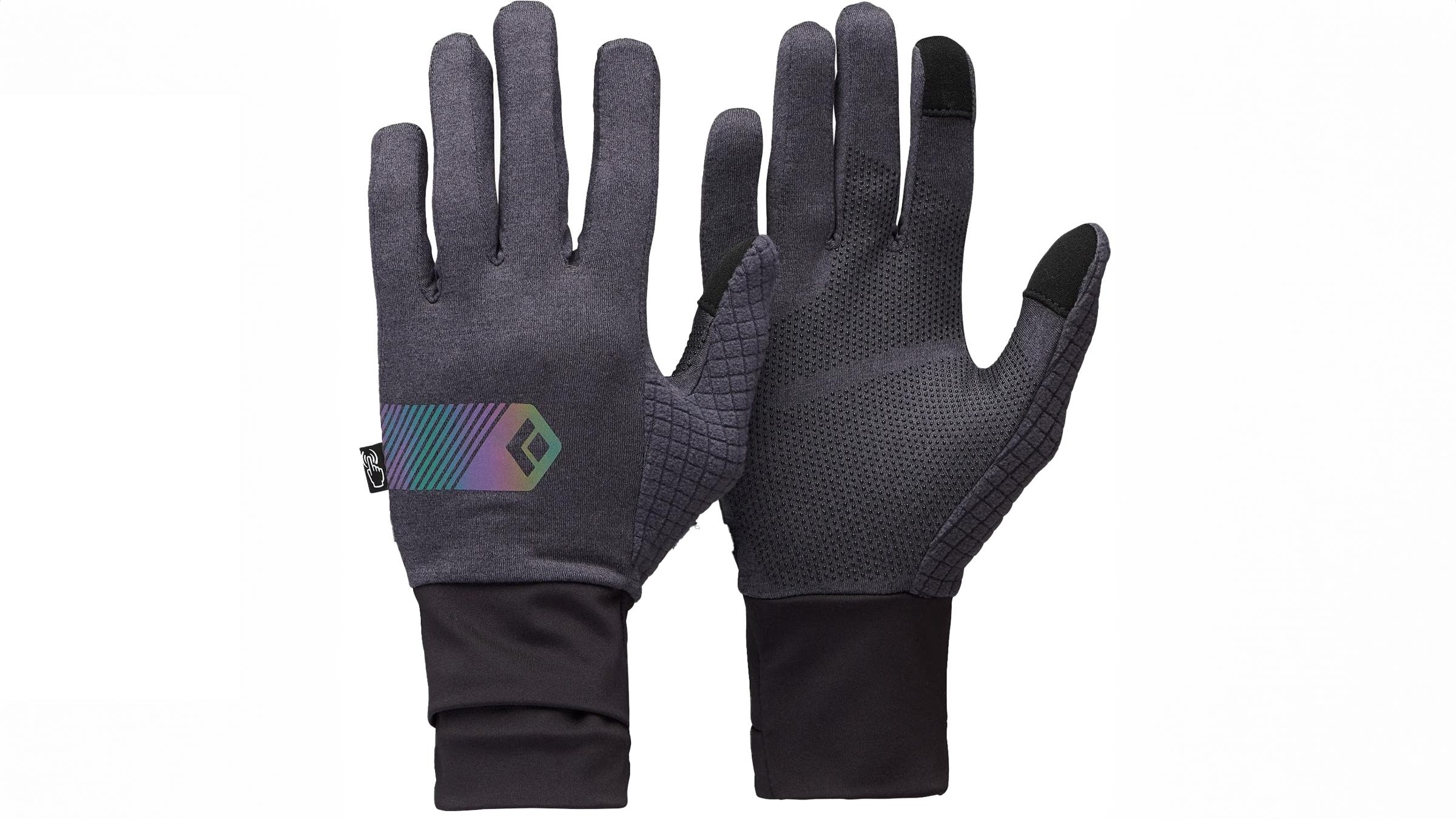
Black Diamond Deploy Gloves
Materials: 88% Recycled Polyester, 12% Elastane
Sizing: XS-XL
Pros and Cons
+ Lightweight and high-stretch
+ Tech-compatible for touchscreens
– Lacks windproofing
These lightweight running gloves provided a soft feel overall, and the much-appreciated waffled nosewipe patch proved softer still. Other functional features include touchscreen-compatible fingertips and a wristcuff cutout that allows you to see your watch face while running, without letting in drafts. The insulation factor is pretty minimal, making the Deploy glove a good choice for temps from the 30s up to about 50 degrees, or for use as a base layer under a mitten shell in frigid weather. “I kept these in the chest pocket of my favorite windbreaker all winter—they were light enough that I barely noticed them when not in use, and warm enough when I needed them,” said a tester.
Best Winter Running Gloves for Snow and Cold
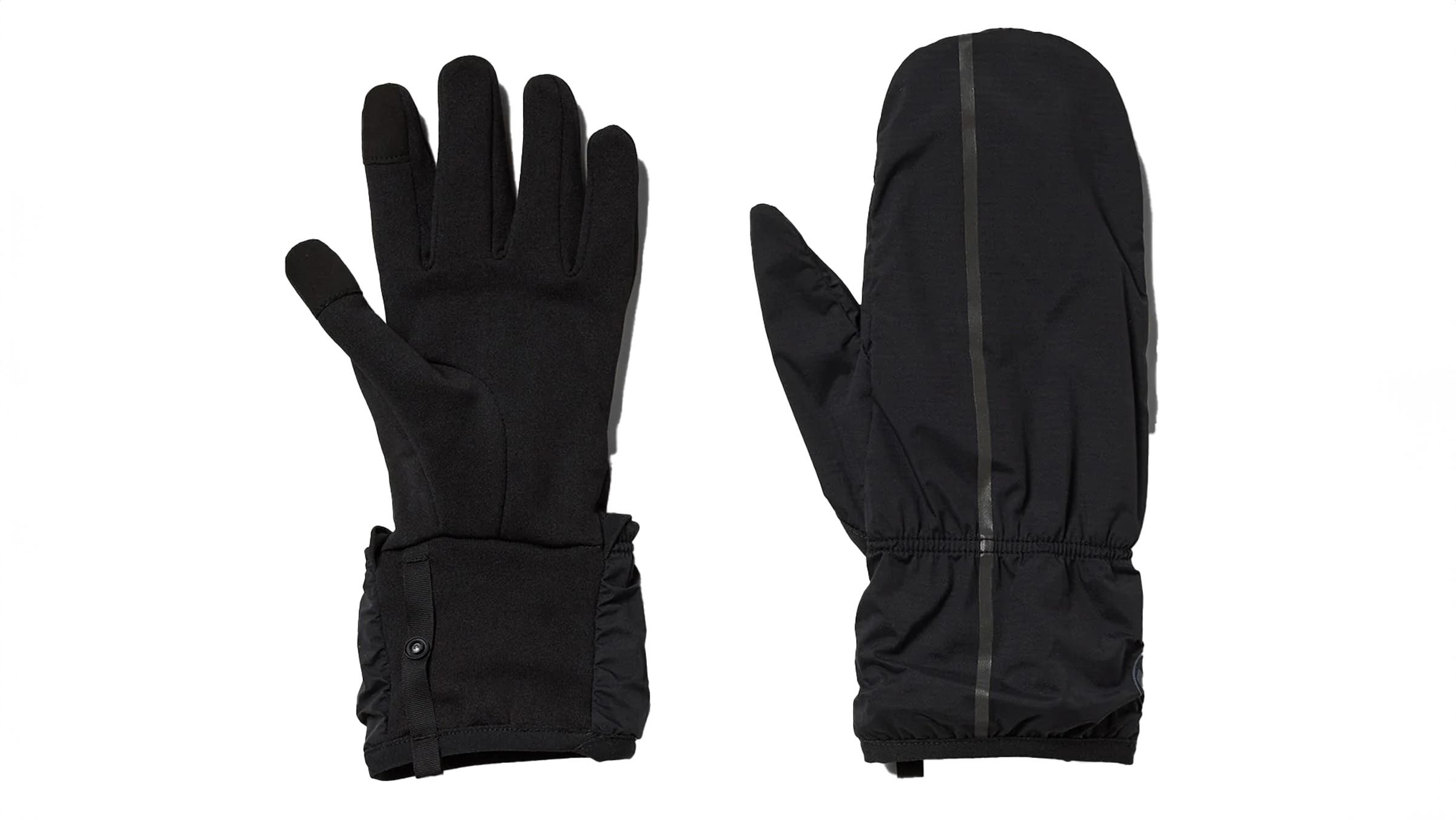
Janji Vortex Windblocker Glove
Materials: Coated polyester outer shell, polyester/elastic fleece liner
Sizing: S, M, L
Pros and Cons
+ Weatherproof mitten shell ensures warm fingers
+ Shell stores easily and securely when not needed
– Glove liner bunches
The mitten shell provides bombproof weatherproof protection and stows easily when less insulation is needed. “These were a great choice for running in the mountains, and I also used them for an afternoon of ski touring with good results,” said one tester. The flexibility and warmth of this winter running glove, augmented by a reflective stripe on the outer layer, also make it a go-to choice for running in dark, cold conditions, but they’re too thick for temperatures above freezing. On the downside, the relatively thick fleece inner layer was somewhat prone to bunching and made the gloves difficult to put on when sweaty. However, we appreciated the unobtrusive clip that keeps the pair matched in your glove drawer.
Paid Advertisement by LifeStraw
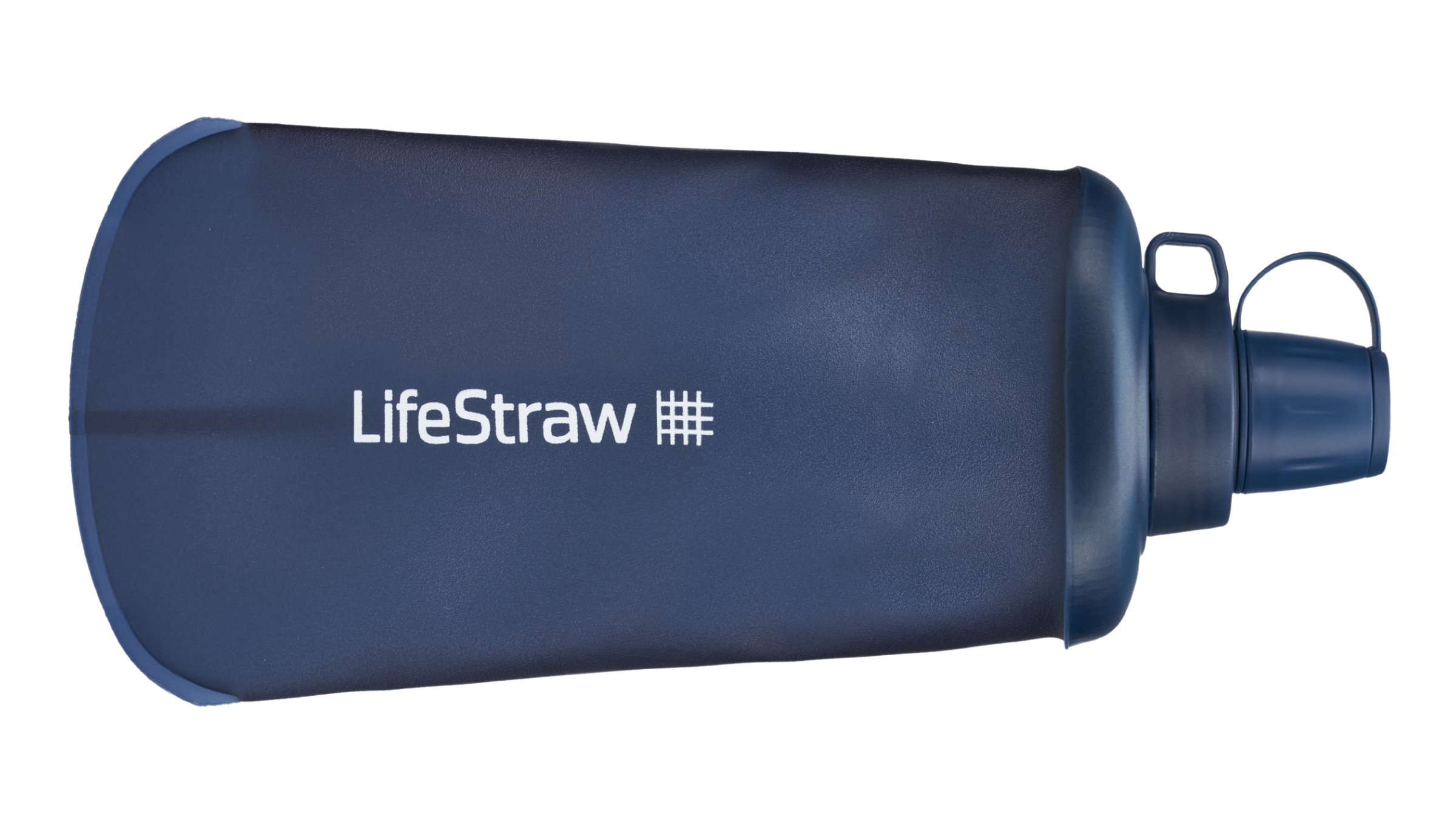
LifeStraw Peak Series Squeeze Bottle
The LifeStraw Peak Series Squeeze Bottle is the perfect companion for running. Its filter removes bacteria, parasites, microplastics, silt, sand, and cloudiness, so you can drink safely on the trail. Designed to be compact, tough, and ultra-leakproof, this bottle is made with versatility in mind. Use it as a bottle, squeeze water through it to fill up other drinkware, or remove the filter to use it as a storage system.
Best Running Gloves for Milder Temps
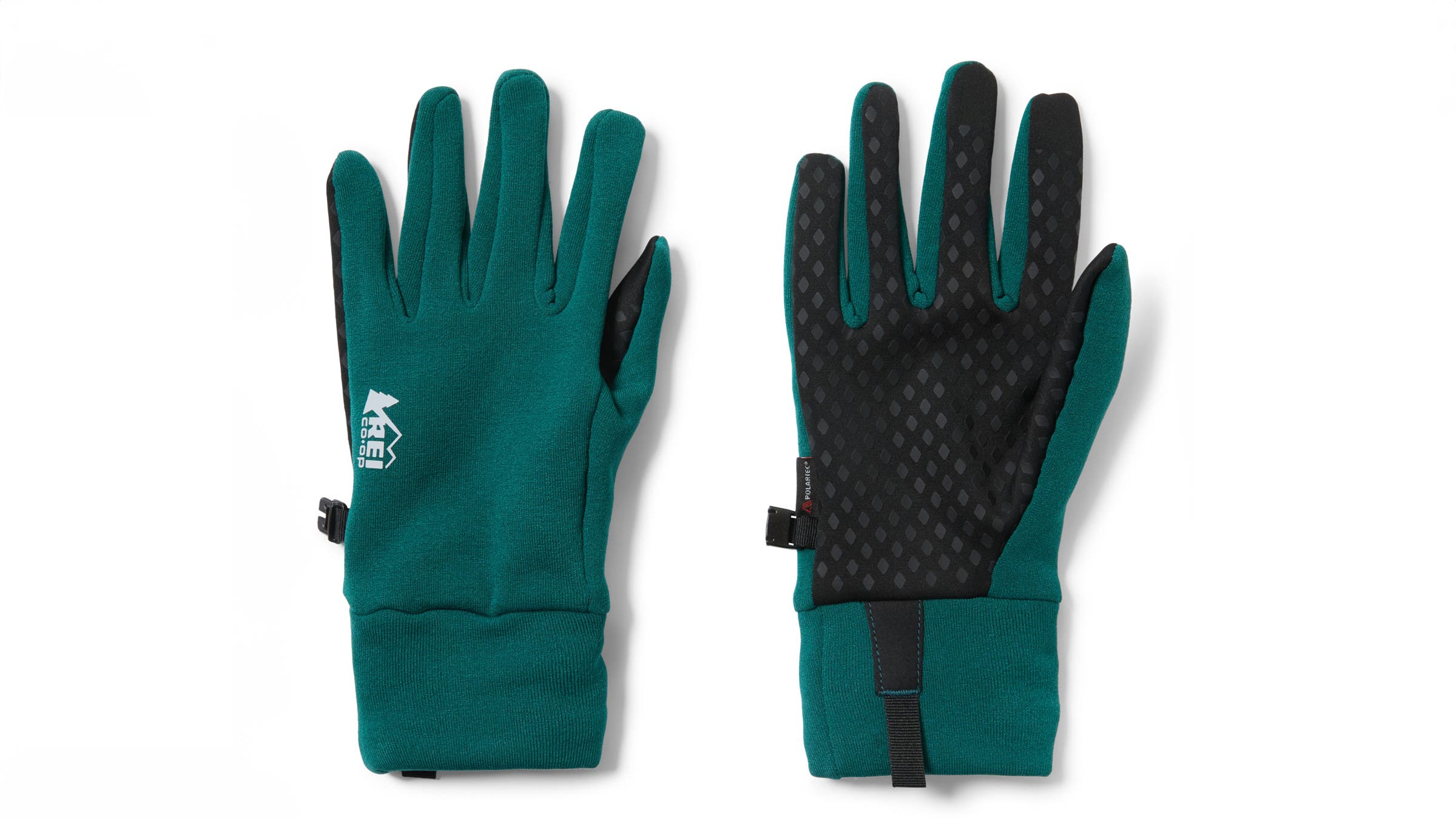
REI Flash Power Stretch Glove
Materials: Polyester and spandex
Sizing: XS-XXL
Pros and Cons
+ Close fit combined with a high-grip surface for dexterity
+ Wear alone above freezing or as a liner in frigid temps
– Touchscreen use was iffy
The REI Co-op Flash Power Stretch gloves provided the light insulation needed to keep fingers toasty during high-intensity activity, and proved popular among testers for most outings—from road running to on-trail adventures—as long as the temperatures stayed above or near freezing. In extreme cold, these versatile running gloves performed nicely as liners inside a heavier mitt or weatherproof shell. We appreciated the soft fabric, stretchy fit, and the small clips that kept them paired in the glove drawer and the wash. Conductive palm-side material enabled dexterous phone use, although touchscreens didn’t always respond in frigid weather. A Bluesign approval added to the glove’s appeal.
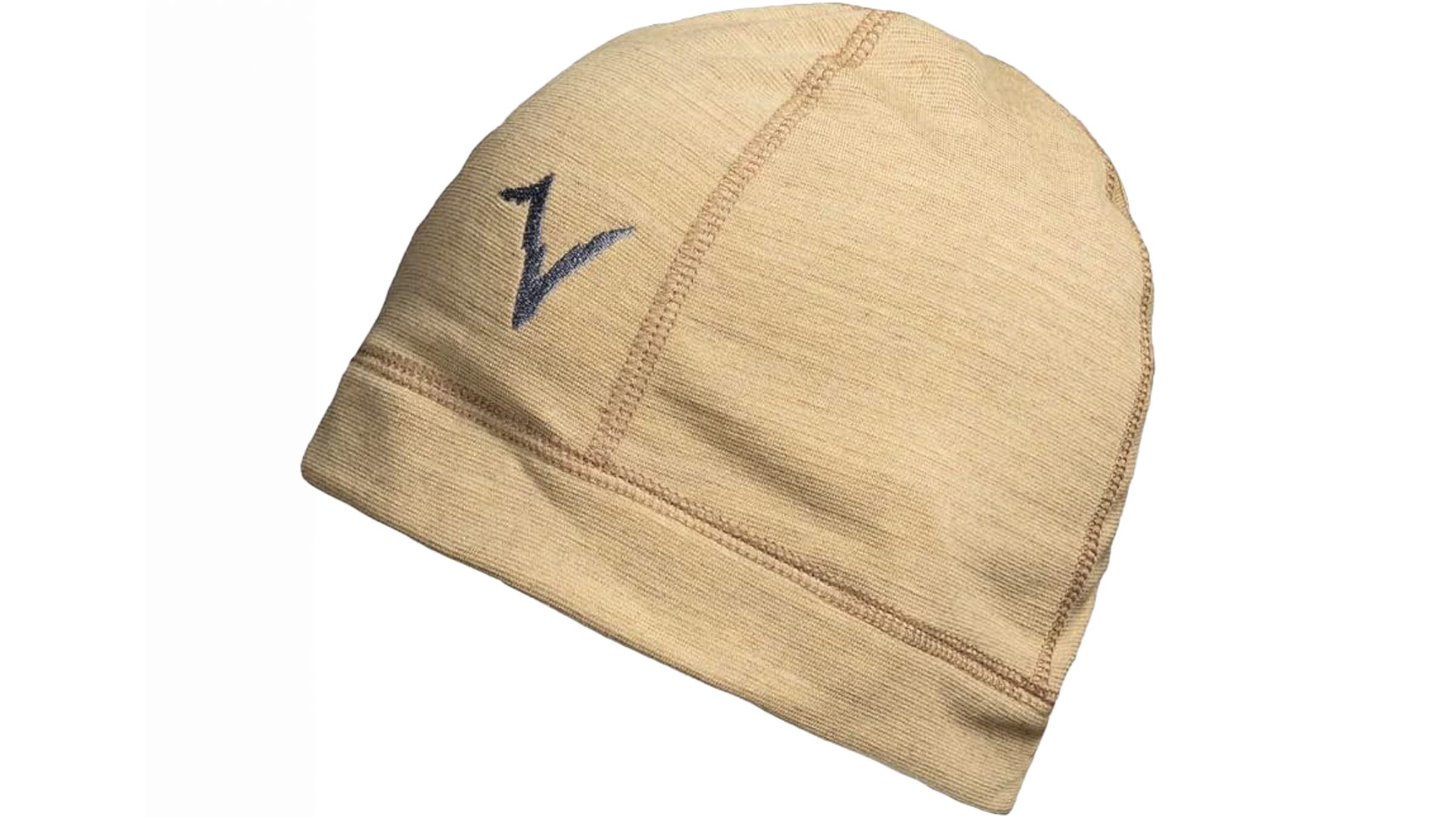
Best Winter Running Hat for Snow and Cold
Voormi Thermal Beanie
Materials: Wool/polyester blend (85% /15%)
Sizing: One size
Pros and Cons
+ Durable, protective outer material
+ Comfortable liner
– Close fit, lacks stretch
This good-looking beanie features a close-knit outer layer for protection and just enough soft fleece lining for comfort. Wet snow melted off the surface of the beanie before penetrating, and the wool blend stood out for its breathability, odor resistance, and hard-wearing qualities. “I reached for this on windy, below-zero days and it always kept me toasty without being bulky or getting stuffy inside,” said one tester. Flat stitching added to overall comfort in this winter running hat, but the close fit left some testers wishing for more sizing options.
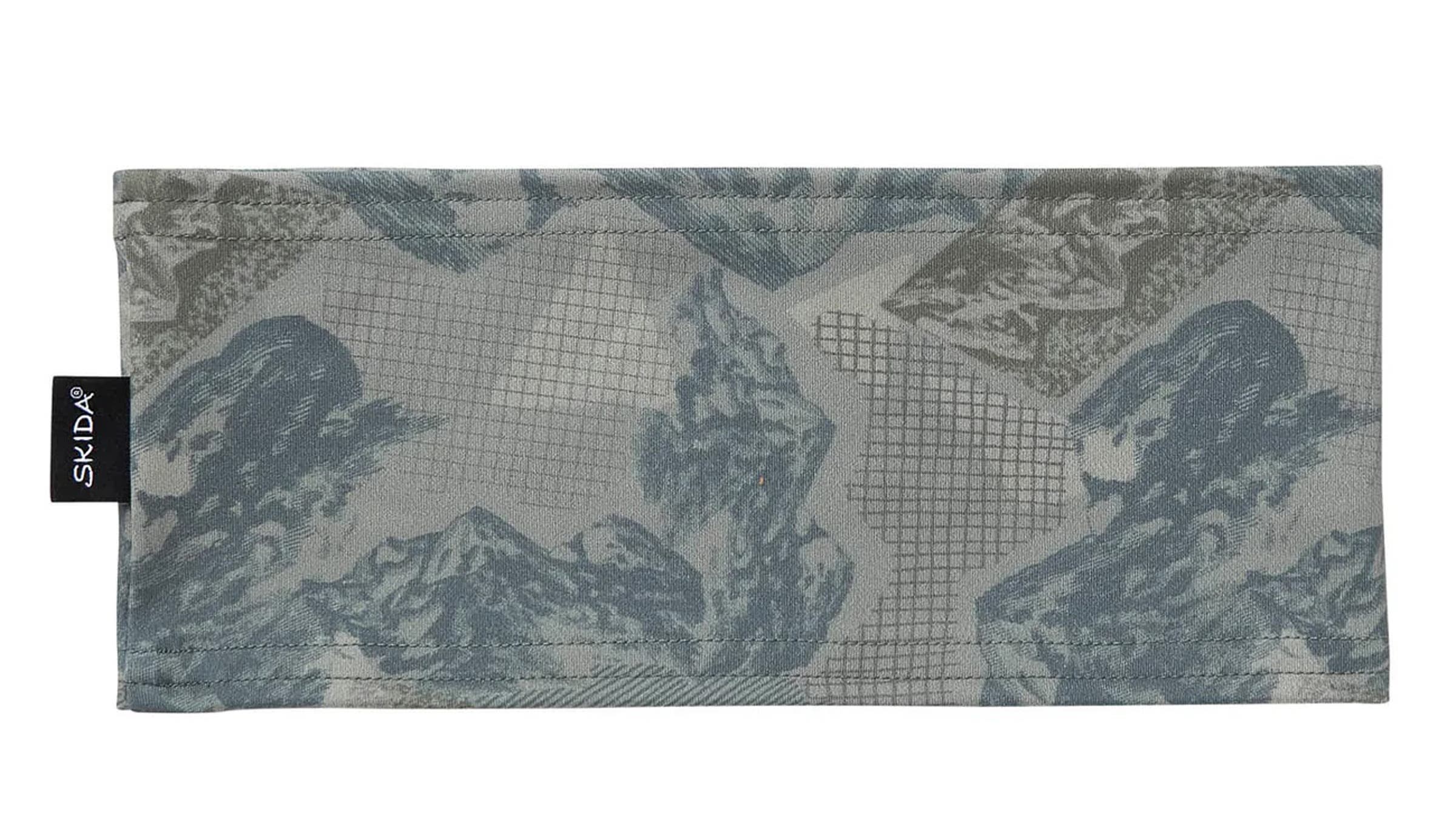
Best Winter Running Headband for High-Output Running
Skida Pursuit Performance Headband
Materials: 79% Recycled Polyester, 21% Spandex
Sizing: One size
Pros and Cons
+ Effectively sheds heat
+ Blocks sweat
– Scant protection in frigid weather
Running in cold weather isn’t limited to slogging through snowdrifts—you can open your stride and drop the hammer when conditions allow it and you’re appropriately dressed. This running headband for winter proved to be a great choice for up-tempo winter runs due to its quick-drying fabric, heat-shedding design, and just enough insulation to keep our ears and foreheads from getting chilled. Plus, Skida consistently produces eye-catching prints, so you’ll look good while you’re running fast.
How To Choose Winter Running Hats and Gloves
When shopping for items to keep your hands and head comfortable—not too hot, not too cold—during the winter months, first consider the conditions you’re most likely to face. Do temperatures drop below zero? Does it snow, rain, or sleet where you live? (And if so, do you enjoy running in those conditions?) From there, consider if you generally run hot or cold. And from there, peruse our guide to find options that might work best for your needs.
Also consider if packability is important to you; if you travel often during the winter months to other cold climates, or want the ability to stash your hat or gloves once you warm up during your run, choose items that compress easily. And remember that what feels cozy at the start can quickly turn clammy, so look for breathability to let out internal heat in addition to protection from external elements.
ADVERTISEMENT
How We Test Winter Running Accessories
Mark Eller led the test crew for this review. Based in Boulder, Colorado, he pursues running, cross-country skiing, snowshoeing, and other outdoor activities that keep him away from treadmills when the snow flies. He coordinated getting dozens of winter running items to additional testers in the Rocky Mountains and other locations who wore the gear in this review in a variety of cold conditions for many months before making their picks and writing their comments.
Meet Our Testers
Lead reviewer Mark Eller trains through the winter on the roads and trails near his hometown of Boulder, Colorado. He’s a three-time Boston Marathon veteran, a hack Nordic skier, and a competitive racer in on-water rowing events.
Brian Metzler is a freelance writer and the founding editor of Trail Runner. A former walk-on Division I track athlete, he mostly runs on mountainous trails nowadays in Boulder and Leadville, Colorado.
Kurt Actenhagen enjoys trail running, mountain biking, and exploring mountain ranges from the High Sierra to Colorado’s most remote peaks. He’s set Fastest Known Times and achieved ultra-distance milestones, but he also enjoys a leisurely hike.
Jonathan Beverly is no stranger to winter weather. He began running in high school on the Maine coast, trained for marathons for years in New York, and now can be found chasing windmills in the western Nebraska Sandhills, accompanied by his two dogs. He is the senior running gear editor for Outside.
