Published February 16, 2026 04:00AM
If you buy through our links, we may earn an affiliate commission. This supports our mission to get more people active and outside.Learn about Outside Online's affiliate link policy
Originally posted onSKI
The Surprising Truth About Affordable Ski Helmets
Two helmets, two prices, one safety rating. We break down what skiers actually get when they spend more.
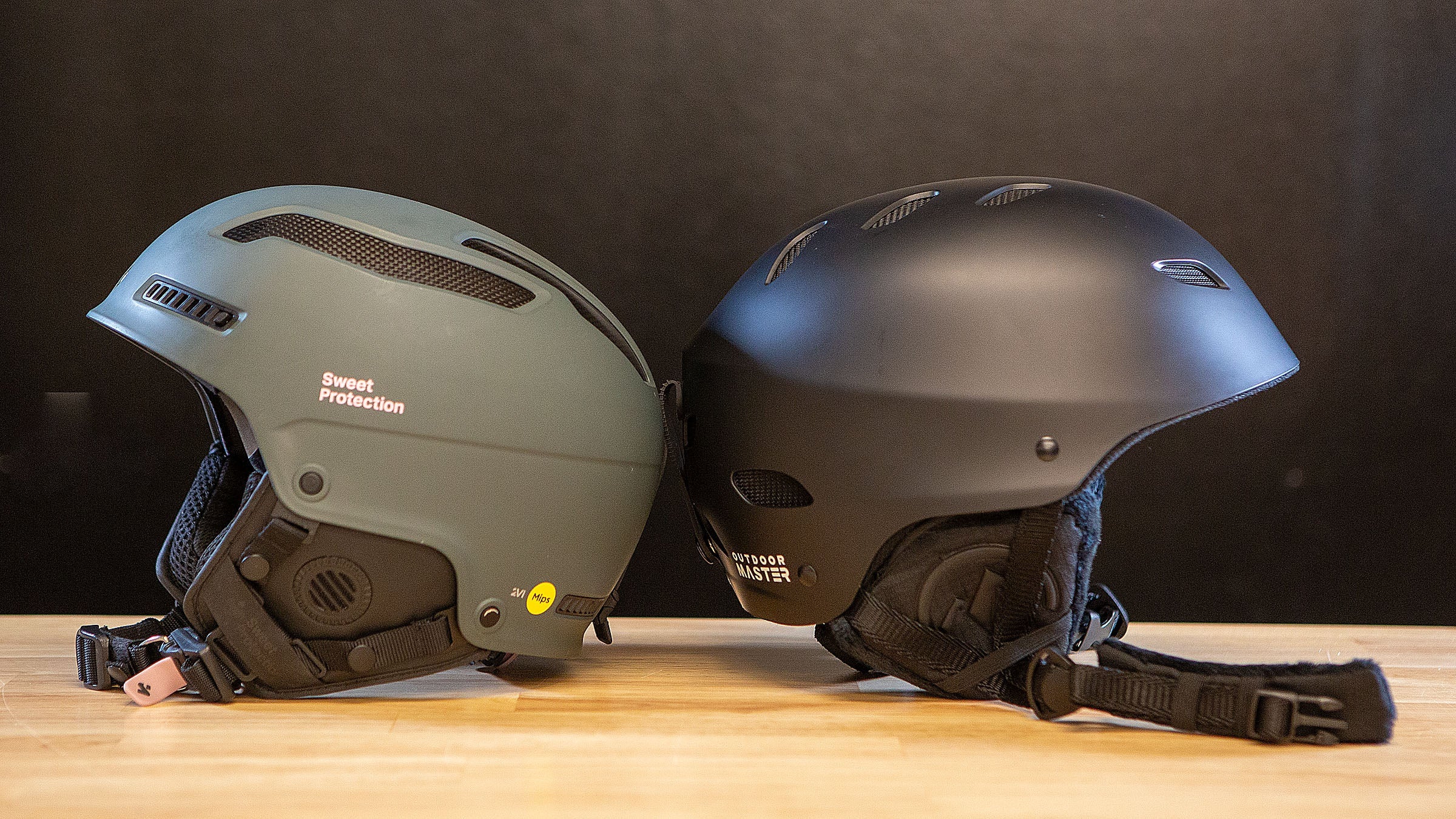
We compare an affordable $50 ski helmet with a premium $360 helmet to see how they stack up in safety, features, and comfort. (Photo: Brad Kaminski)
Helmets have become an essential part of most skiers’ and snowboarders’ gear. But with prices ranging from $50 to $400-plus, it’s easy to wonder: does spending more mean better protection? Surprisingly, the answer is not straightforward.
Take the Outdoor Master Kelvin, an affordable ski helmet that retails for $50 and earned a 4-STAR safety rating from Virginia Tech, a leading independent tester. Meanwhile, the Sweet Protection Trooper 2VI MIPS, a $300 helmet, has the same rating. How can a budget helmet perform so closely to a premium model? To understand, we need to look at what drives price, and what really matters for safety.
I worked in helmet development before joining the Outside Lab, so I’ve spent years examining materials, construction, and impact performance. Here’s what I found when comparing these two ski helmets side by side.
How Ski Helmets Are Tested
All helmets have to pass standardized impact tests before they can be sold. In these tests, helmets are dropped from a set height onto flat and round surfaces at different temperatures (from cold to hot) to mimic real-world crash scenarios. There’s even a test to make sure sharp objects don’t puncture the helmet and reach your head. The tests are all “pass/fail”—beyond that, manufacturers don’t have to disclose how well a helmet performs.
Standard tests, however, don’t account for rotational impacts, when your head hits at an angle, which is more common than a straight-line impact during a wipeout. That’s why Virginia Tech created its own testing protocol. They drop helmets at multiple speeds onto a slanted, slick plate to better mimic realistic ski and snowboard crash scenarios. They then assign a STAR rating from 1 to 5 (5 being the best) and rank helmets by performance.
ADVERTISEMENT
Virginia Tech’s lab testing confirms that both the Outdoor Master Kelvin and the Sweet Protection Trooper 2VI protect your head in typical crashes. But the numbers don’t tell the whole story—they don’t capture comfort, fit, or extra features, and they don’t explain why one helmet costs six times more than the other. That’s where design, materials, and features start to matter.
Affordable Ski Helmet: Outdoor Master Kelvin
Premium Ski Helmet: Sweet Protection Trooper 2VI MIPS
Outdoor Master Kelvin vs. Sweet Protection Trooper 2VI MIPS
| Outdoor Master Kelvin | Sweet Protection Trooper 2VI | |
| Price | $50 | $340 |
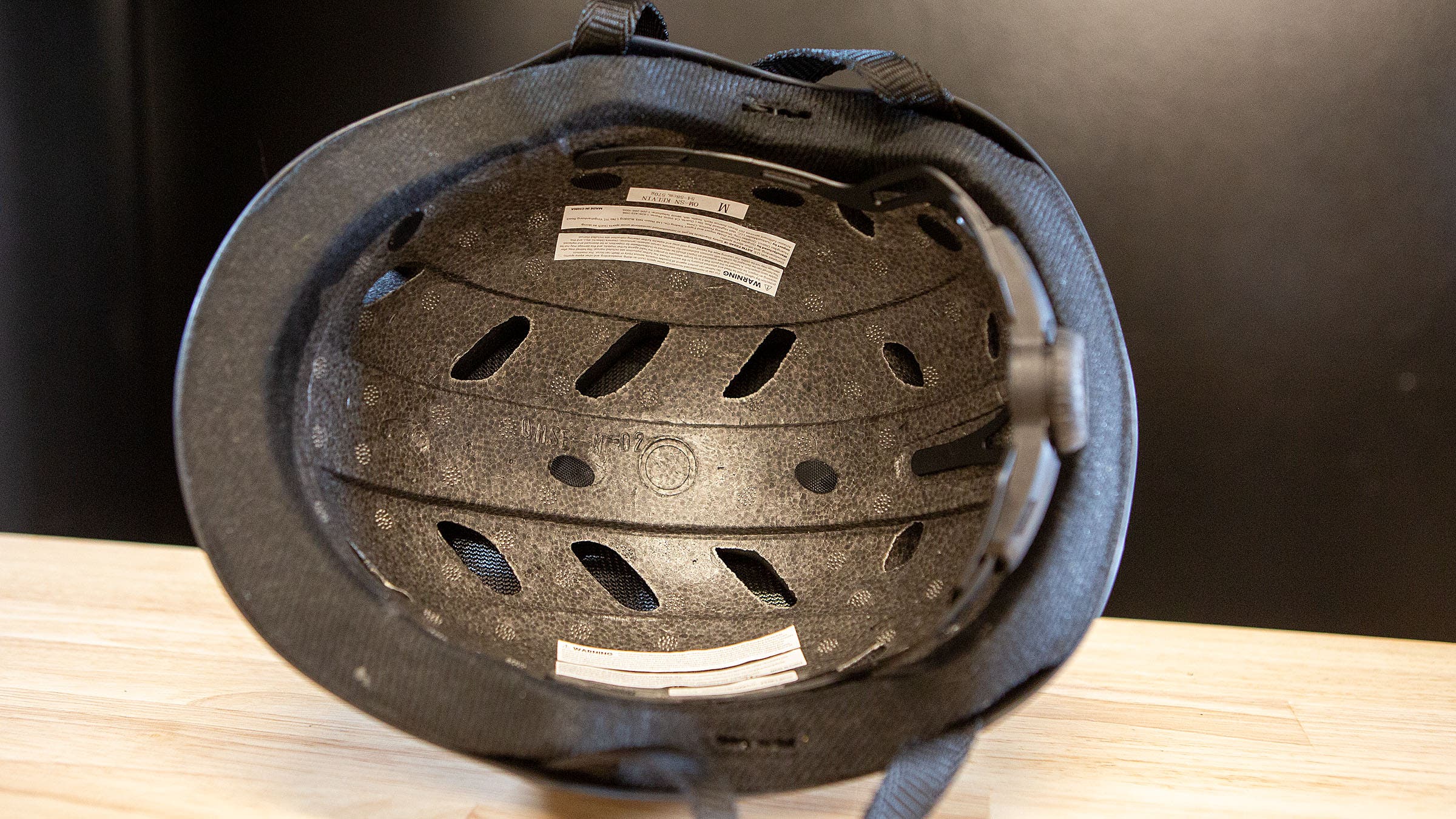
| Shell | Reinforced ABS (single thickness) | ABS (variable thickness) w/ Thermoplastic Laminated Carbon |
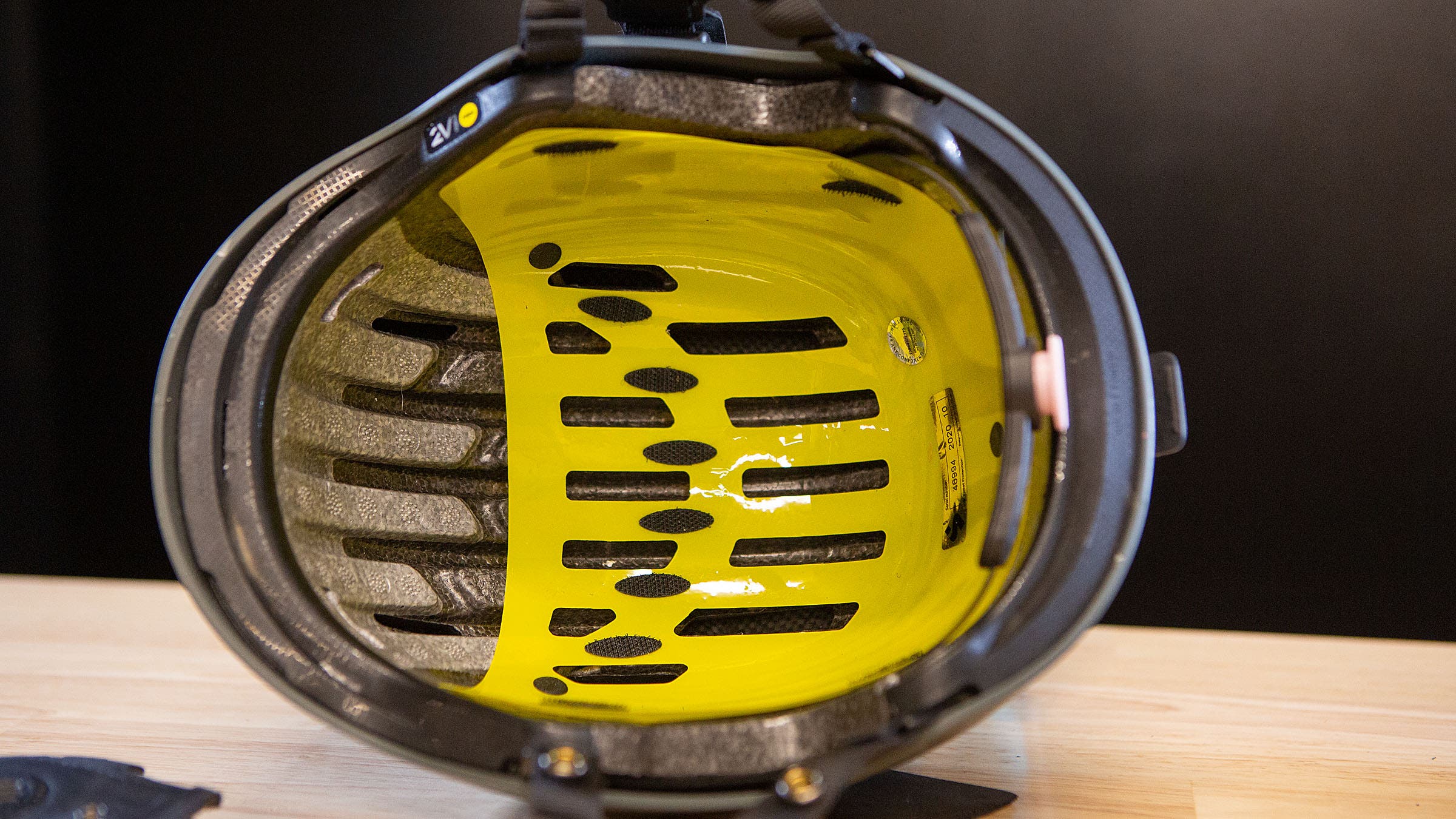
| Foam | EPS (single density) | EPS (multiple density) w/ “Complex geometry” impact zones |
| Rotational Impact | No | 2-layer MIPS |
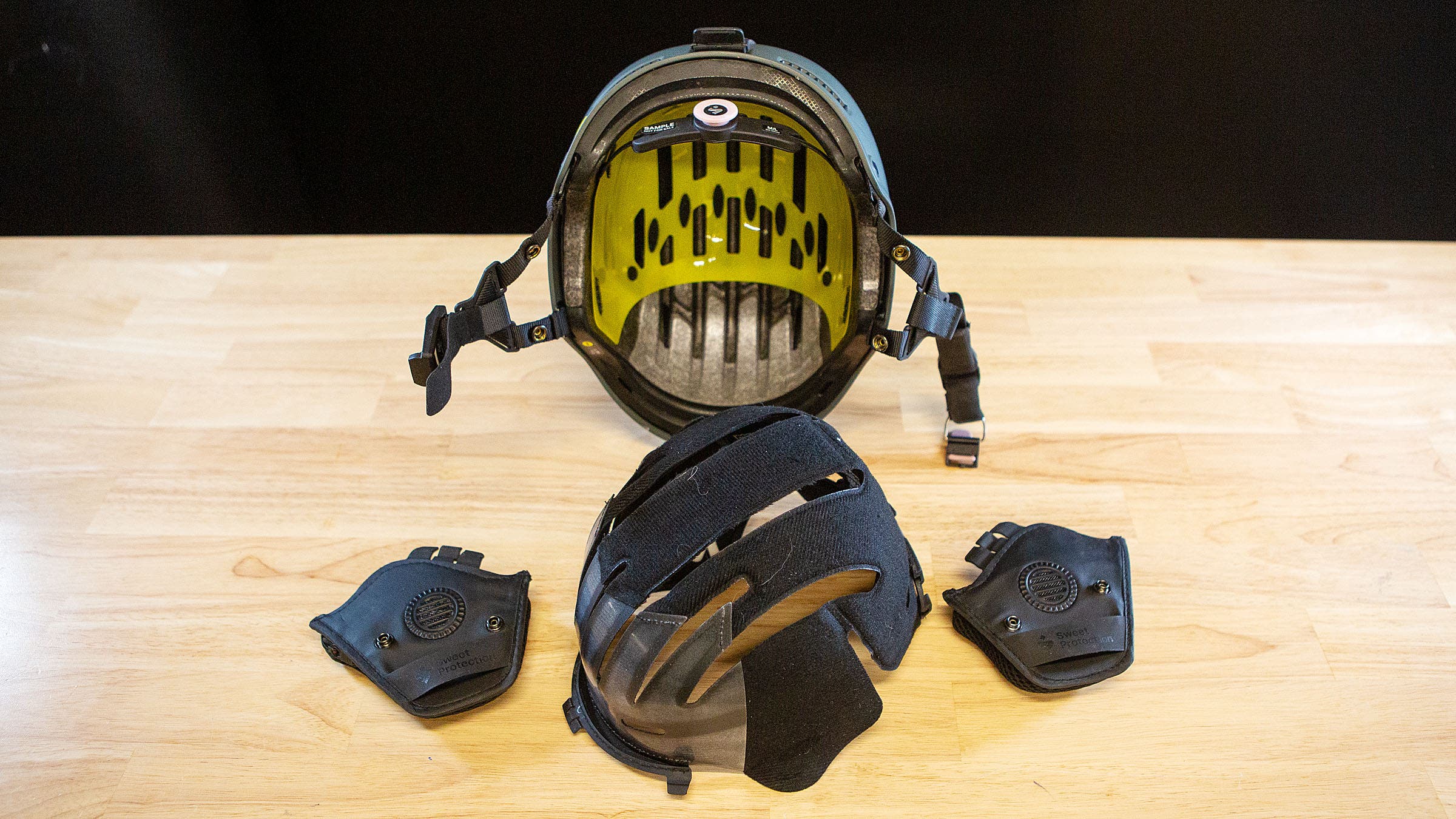
| Liner | Removable Fleece (hook and loop stickers) | Removable (snaps) |
| Removable Ear Pads | Yes | Yes |
| Ear Pads | Single thickness foam w/ fleece | Box construction foam border for added comfort |
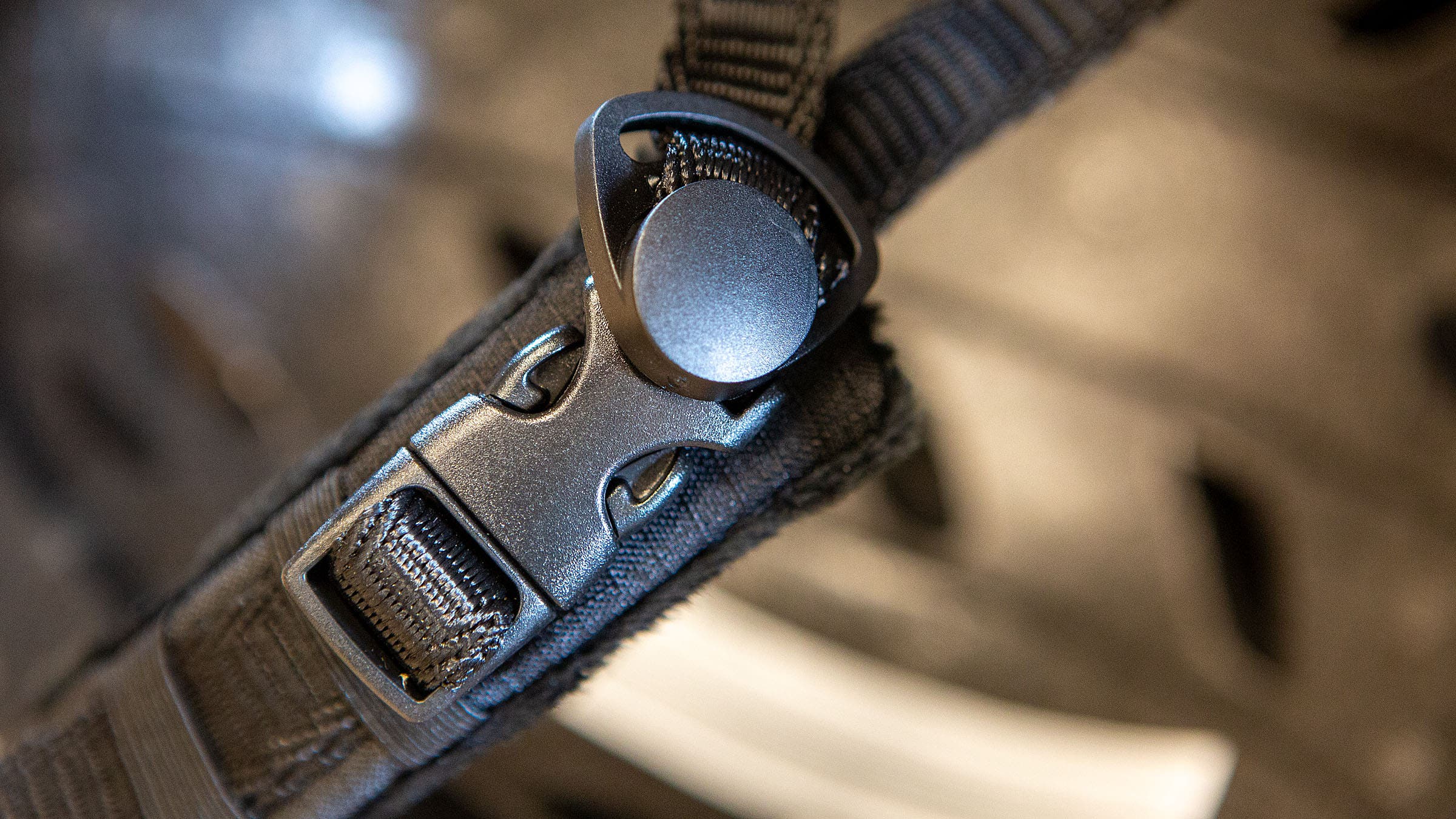
| Chinstrap | Standard buckle | Fidlock magnetic buckle (easy to use with gloves/mittens) |
| Vents | 14 (always open) | 4 (2 controllable open/close) |
| Fit | Adjustable Dial | Occigrip adjustable dial (vertically adjustable for optimized fit) |
| Extras | n/a | “Goggle Garage” (Integrated goggle fit to eliminate gap and reduce goggle fog) |
Ski Helmet Accessory Features
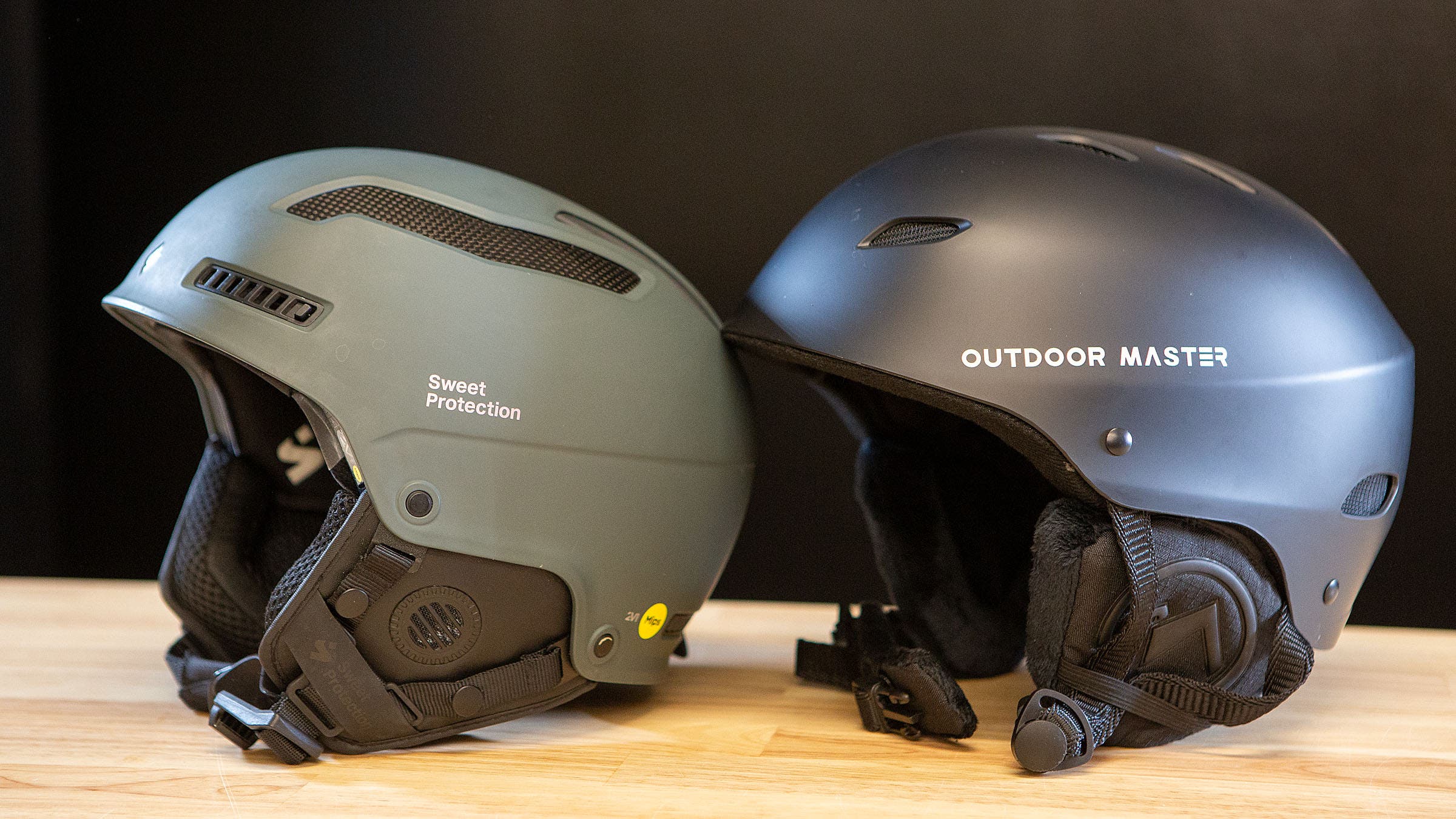
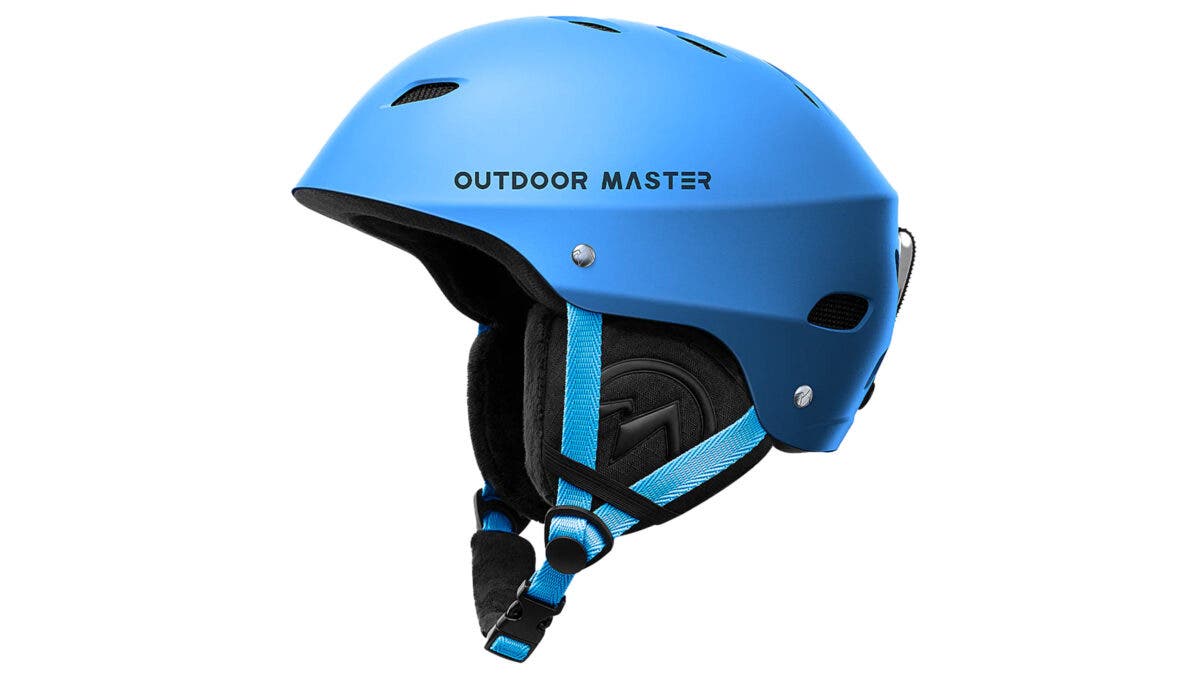
The Kelvin keeps things simple to stay budget-friendly: open vents, removable ear pads, a removable fleece liner attached with velcro stickers, and a standard buckle with a fleece cover for comfort.
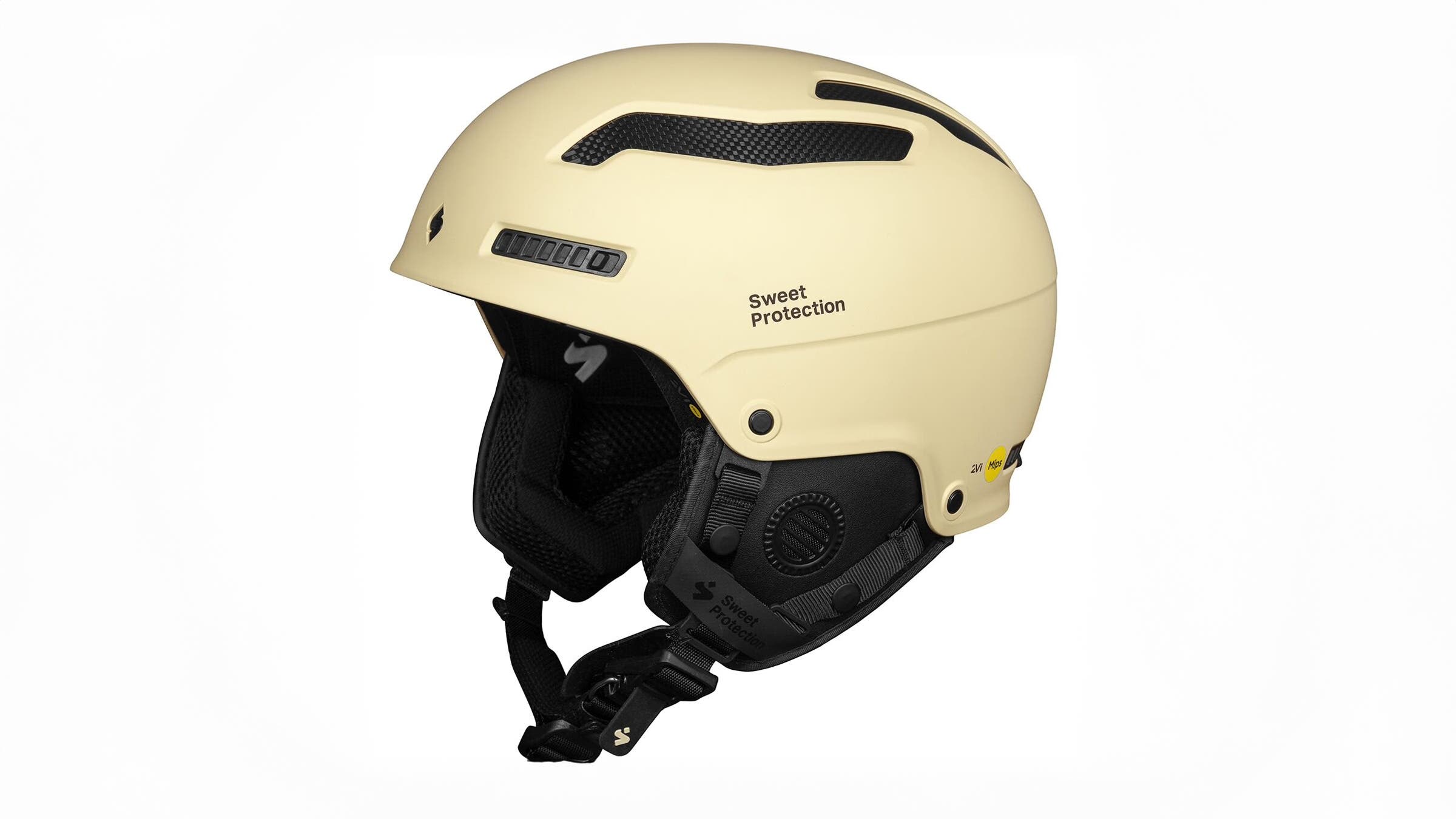
The Trooper 2VI adds convenience upgrades. The liner and ear pads attach with snaps for durability, the ear pads have padded borders for comfort, and adjustable goggle vents help reduce fog. The chin strap uses a magnetic Fidlock buckle that’s easy to operate with gloves on.
ADVERTISEMENT
Safety Features
The Kelvin doesn’t include rotational-impact protection like MIPS (the new $60 Kelvin 2 does), but it does have a standard dial-fit system. Fit is critical: a properly fitting helmet ensures that the foam absorbs impact forces as designed.
The Trooper 2VI MIPS adds a two-layer MIPS liner and a dial fit system—called Occigrip—that is also vertically adjustable. This design reduces rotational forces during angled impacts and gives you an extra measure of fit adjustability, letting you fine-tune how the helmet sits on your head.
ADVERTISEMENT
Construction
The Kelvin uses single-density EPS foam and a reinforced ABS shell. EPS foam compresses to absorb impact energy, spreading forces across the helmet to protect your skull. Single-density foam works well for standard impacts and keeps the helmet lightweight and affordable. The single piece ABS shell adds a strong, durable exterior that aids protection by shrugging off light impacts (like small tree branch strikes).
The Trooper 2VI is more complex: Sweet Protection employs a multi-density foam liner, designed based on the geometry of the human head to improve impact force dissipation—plus a carbon fiber–reinforced shell with variable thickness. This engineered construction is designed for optimal impact performance while keeping the helmet low-profile, contributing to both safety and premium feel.
What This Means for Buyers
Both helmets protect well, but they approach design differently. The Kelvin is lightweight, functional, and extremely affordable—ideal for anyone on a budget who wants solid safety. The Trooper 2VI adds advanced materials, rotational-impact protection, and comfort features—but the real-world difference in protection is modest based on lab testing. What drives the price up is premium materials and engineering.
Bottom Line: Budget vs. Premium Snow Helmets
Price doesn’t guarantee protection, but it can buy increased comfort, advanced construction, and convenient extra features. Affordable ski helmets like the Outdoor Master Kelvin perform surprisingly well in lab tests, matching premium helmets like the Sweet Protection Trooper 2VI, which offer enhanced fit, rotational impact protection, and materials engineered for durability in multiple crash scenarios. More than price, fit is the most important consideration in a helmet: a properly fitted helmet protects the head during an impact as designed.The best safeguard against head injuries: Wearing a helmet—budget or premium—and replacing it after any significant crashes.