Updated February 17, 2026 12:27PM
From Skater Sequins to Skier Speed Suits, the Evolution of Winter Olympics Gear
We dive into the high-stakes history of the "illegal" gear and design breakthroughs that shaped a century of winter sports.
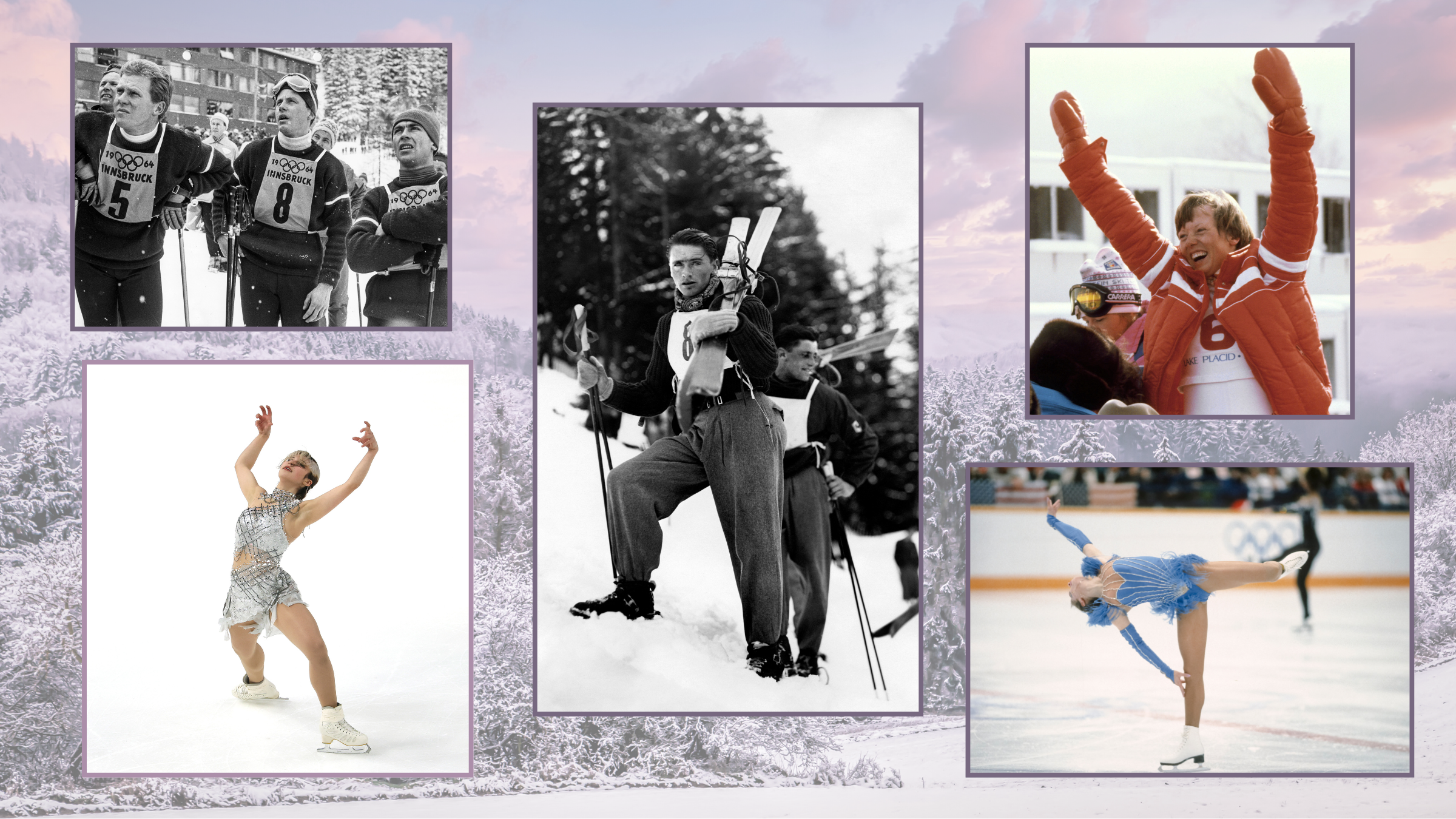
From heavy wool sweaters and pleated skirts to high-performance aerodynamic suits, Winter Olympics gear has transformed over the years. (Photo: Getty Images, Canva)
Table of Contents
The morning of the women’s free skate at the 1924 Chamonix Olympics dawned cold and blustery. Accompanied by an orchestra, eight skaters took to the outdoor rink in full flapper style. Austria’s Herma Szabo, wearing a belted cardigan, calf-length pleated skirt, and cloche hat, secured the gold medal thanks to her spread eagle jumps, spins and figures, which the U.S. Olympic Committee Report on the VIII Olympiad deemed “nearly as good as the best men.”
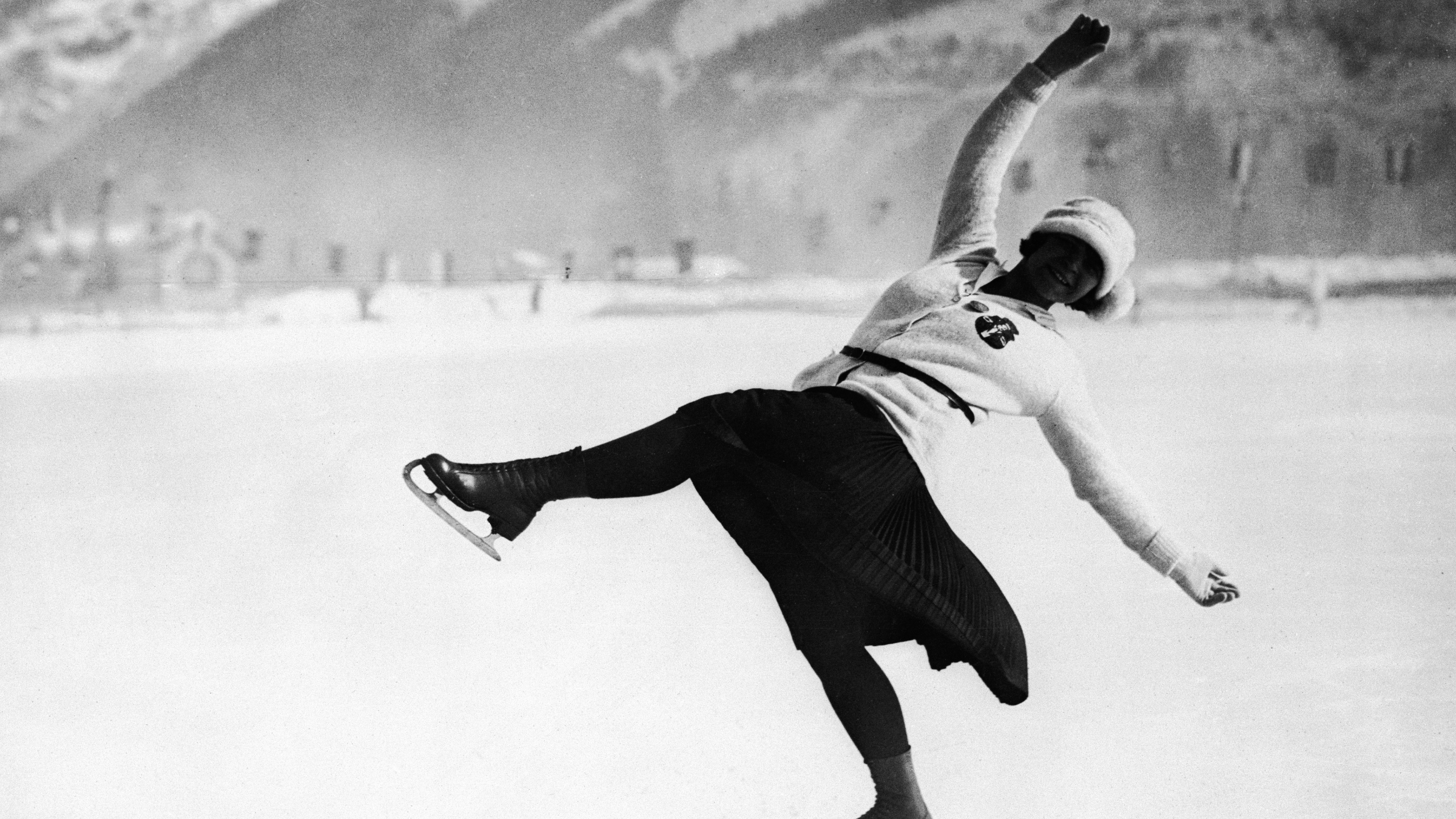
But the crowd favorite was a spunky eleven-year-old from Norway. The daughter of a furrier, Sonja Henie spiraled across the rutted ice in a kicky skirt, striped sweater, and oversized fur beret. While she came in last, her spirited, athletic routine and shorter costume foretold the sport’s future.
Over a hundred years later and 150 miles south and east of Chamonix, Team USA’s Amber Glenn will glide onto the ice at the Milano Arena for the first round of this year’s Olympic competition. Skating to Madonna’s “Like a Prayer,” she’ll wear a burgundy lace corset dress with a seven-strand gold sequined necklace. Skating costumes have come a long way from spread eagles in wool skirts.

But skating isn’t the only Olympic sport that’s undergone major gear transformations over the last century. From aerodynamic speed suits to protective helmets, sporting apparel and accessories have evolved to help athletes ski faster, jump higher, and stay warmer, longer. As the curtain rises on Milan-Cortina, here are some of the essential design evolutions marking the last century of Olympic gear.
Ice Skating, Where Modesty & Sequins Mix
“Over the decades, skating costumes have taken many forms,” says skating historian Ryan Stevens. “Wool and fur dresses, knickerbockers, modest speed-skating style body suits, intricate sequined masterpieces, couture and more.” While style has always been a consideration, until the 1960 Olympics, skaters competed outside. Warmth and practicality trumped elaborate fashion statements.
In 2026, skaters may no longer contend with freezing conditions, but they must consider aerodynamics, visibility, and a few idiosyncratic rules. For example, clothing should be “modest, dignified, and appropriate” for competition, according to the International Skating Union’s current regulations.
ADVERTISEMENT
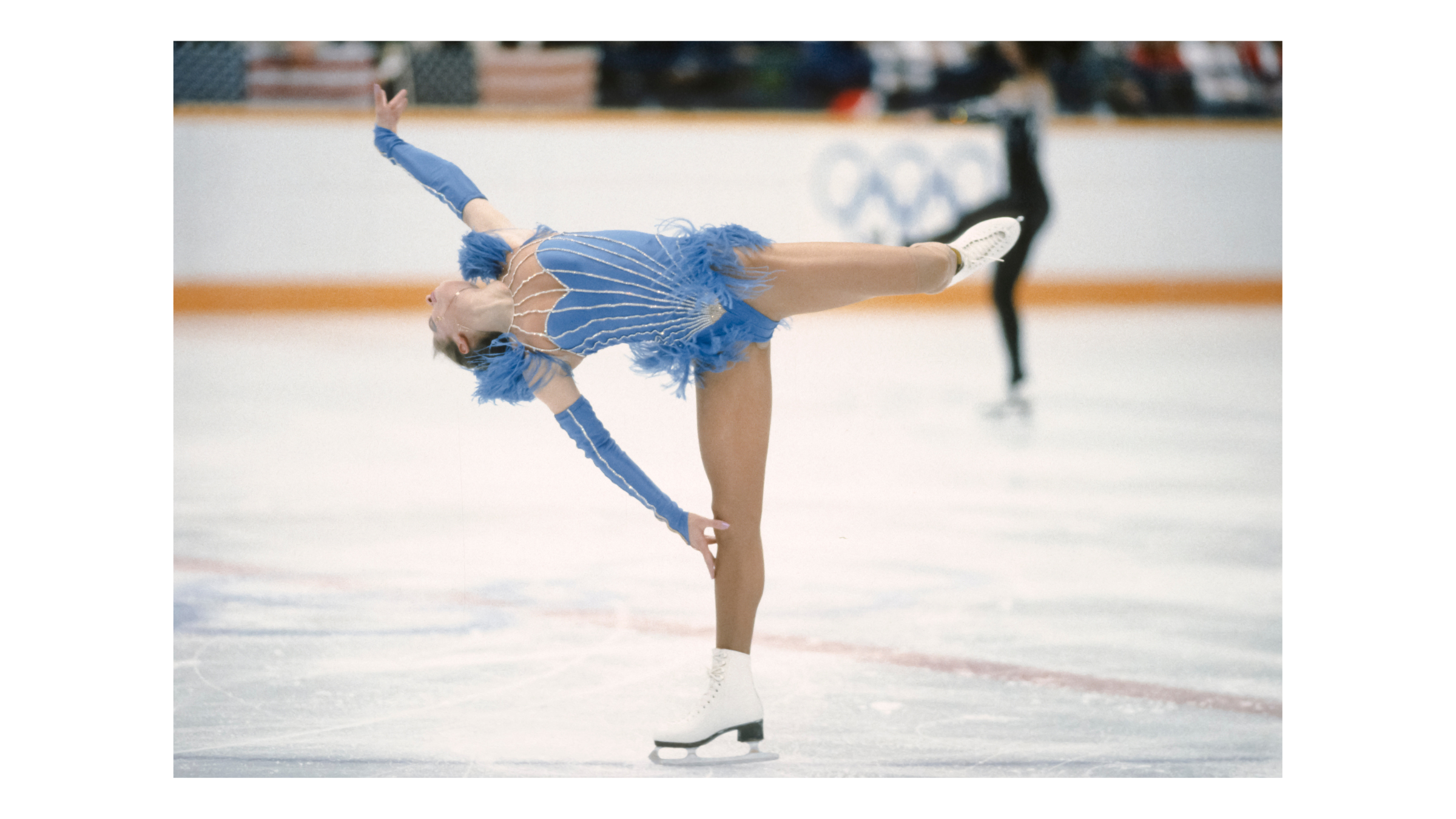
Changing definitions of modesty have long been an issue for skaters. “When skating first appeared at the Olympic Games in 1908, a few leading women pushed against convention — leaving their fancy Edwardian hats and corsets behind and daring to show an ankle,” says Stevens. Three-time gold medalist Sonja Henie’s career followed her hemlines, as she raised her skirts and her athleticism in more complex routines. Costumes kept getting shorter until 1988, when gold medal winner Katarina Witt wore a high-cut blue feathered dress considered so scandalous that the ISU instituted the so-called “Katarina Rule,” requiring costumes to avoid excessive exposure of hips, midriffs, and posteriors.
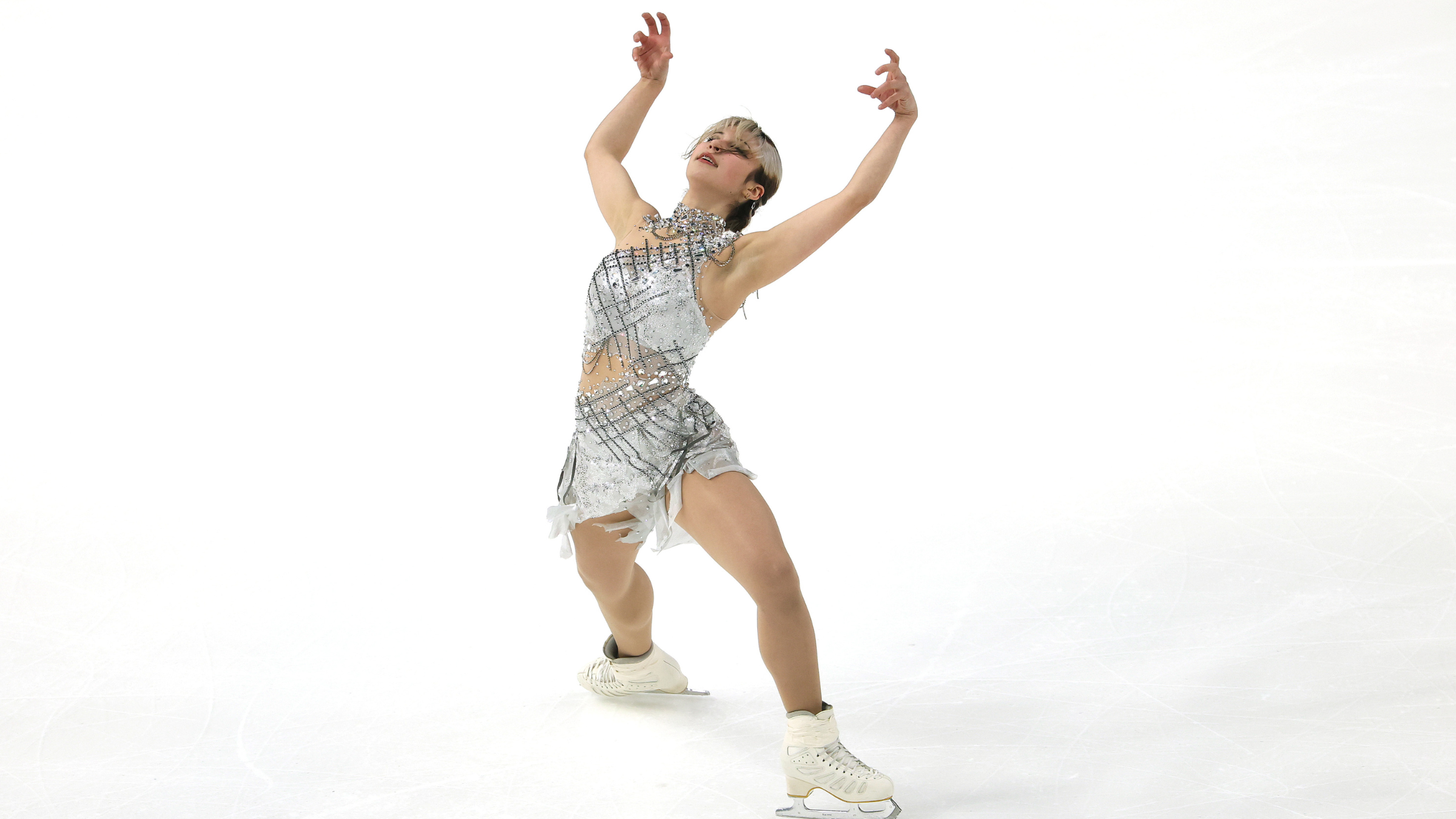
As the sport moved indoors and routines became more aerobically taxing, costumes transitioned from thick wool to high-stretch performance fabrics like lycra. The advent of television accelerated demand for eye-catching ornamentation, but skaters beware: Losing a crystal incurs a painful 1.0 deduction. That’s why American Alysa Liu’s costume, inspired by Lady Gaga’s 2009 VMA performance, is engineered to ensure not a single diamond goes flying during her triple lutz-triple toe combination.
The Evolution of the Ski Suit
Where skating looks have evolved to dazzle, skiwear’s evolution has been all about speed.
On February 9th, 1936, France’s Emile Allais charged out of the starting gates at Gudiberg in Germany for the slalom race of the Alpine Combined, the first time downhill skiing was contested at the Winter Olympics. While most skiers donned sweaters and loose woolen Norwegian trousers, Allais wore tighter-fitting pantalons en fuseau. His innovative parallel turns and streamlined attire helped him leapfrog from fourth to third place, foiling Team Germany’s plans for a full podium sweep.
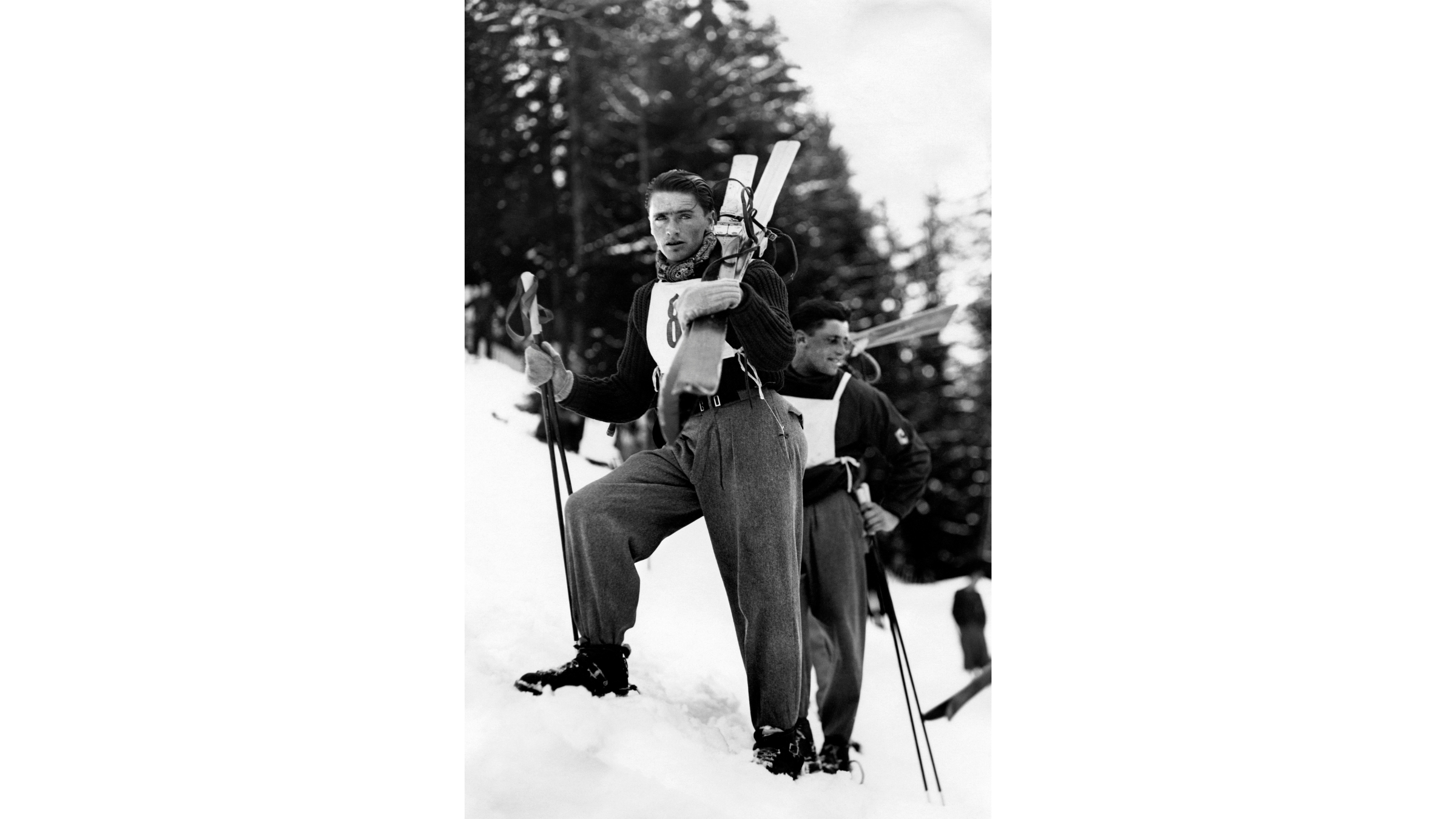
Allais’s pants were a sign of skiwear’s technical evolution, which would accelerate after WWII as the sport boomed in popularity. In 1948, designer Emilio Pucci introduced the one-piece Streamliner suit, made by seamstresses in Florence. Then, in the early 1950s, German designer Maria Bogner developed the first water-repellent stirrup pant, using a modified nylon and wool blend. The sleek-fitting look helped establish BOGNER as a global name and effectively created the market for ski fashion.
Still, as late as the 1964 Innsbruck Olympics, skiers could be seen speeding down the Patscherkofel, wearing pants and wool sweaters. The idea of a more aerodynamic speed suit began to gain momentum four years later, thanks to athletes like America’s Suzy Chaffee, who raced the downhill at Grenoble wearing a sleek silver suit by Dick Burton. A waxing mistake dashed her medal hopes, but the eye-catching look made her famous. “I still got the second-most publicity after Peggy Flemming,” Chaffee told Sports Illustrated in 2001. “Fashion saved my butt!”
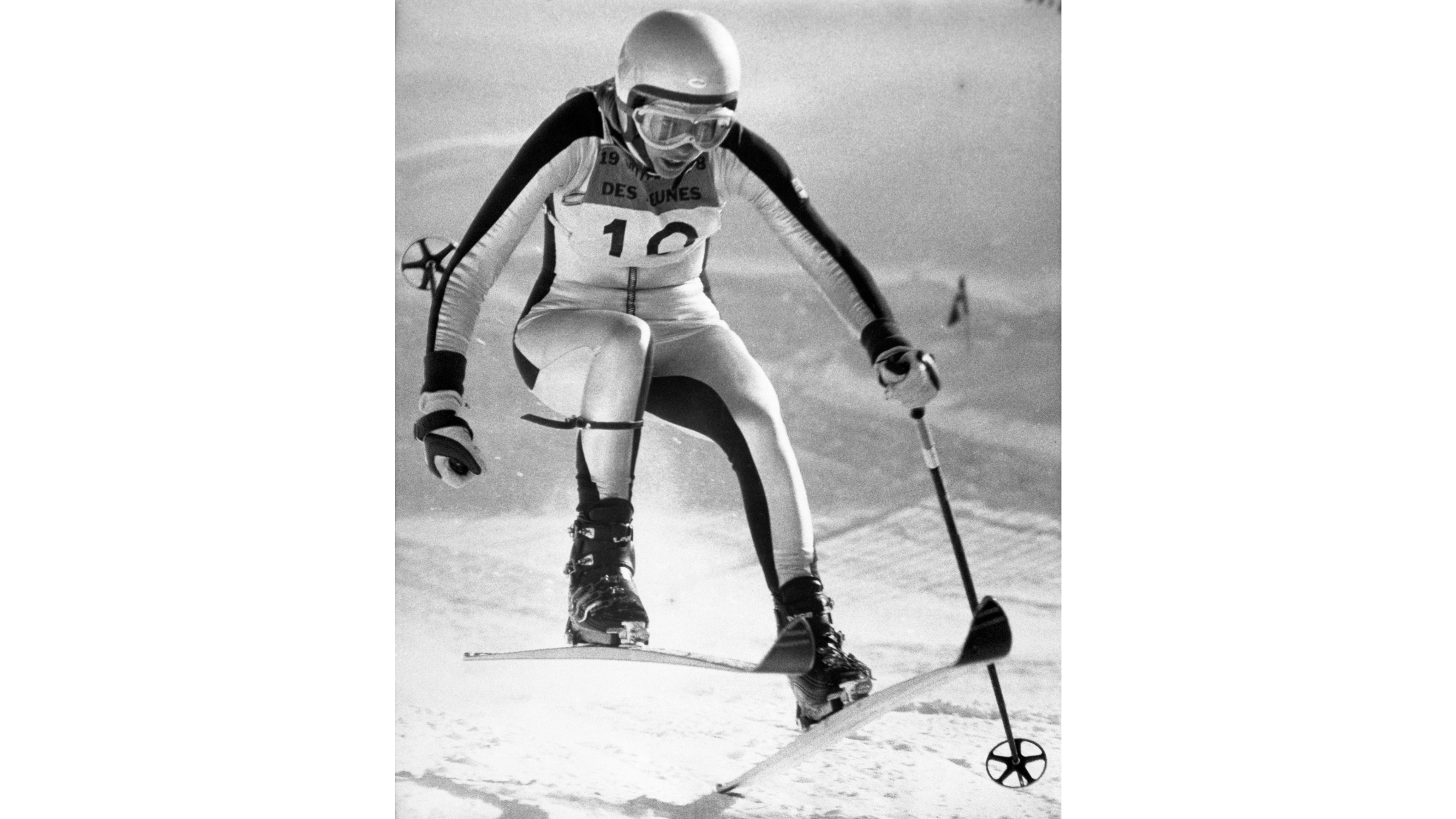
From Grenoble on, athletes have sought out new and exciting ways to reduce drag and shave milliseconds off their times. This quest led to the creation of the rubber speed suit, which was eventually deemed illegal by the International Ski and Snowboard Federation. In the 1990s, SPYDER built the SpeedWyre suit, using raised seams they called “tripwires” to create turbulent airflow. With claims it reduced drag by 40 percent, it too was banned. Today, all suits must meet non-porosity standards, measured by air permeability in liters per square meter per second.
ADVERTISEMENT
In Milan-Cortina, Team USA skiers will compete in windproof and water-resistant Kappa speed suits, wind-tunnel-tested and custom-tailored for the athletes.
Safety Second? The Rise of Hockey Headgear
While skiers have shaved seconds off their time by adopting more aerodynamic attire, for hockey players, an emphasis on safety has evolved alongside the sport.
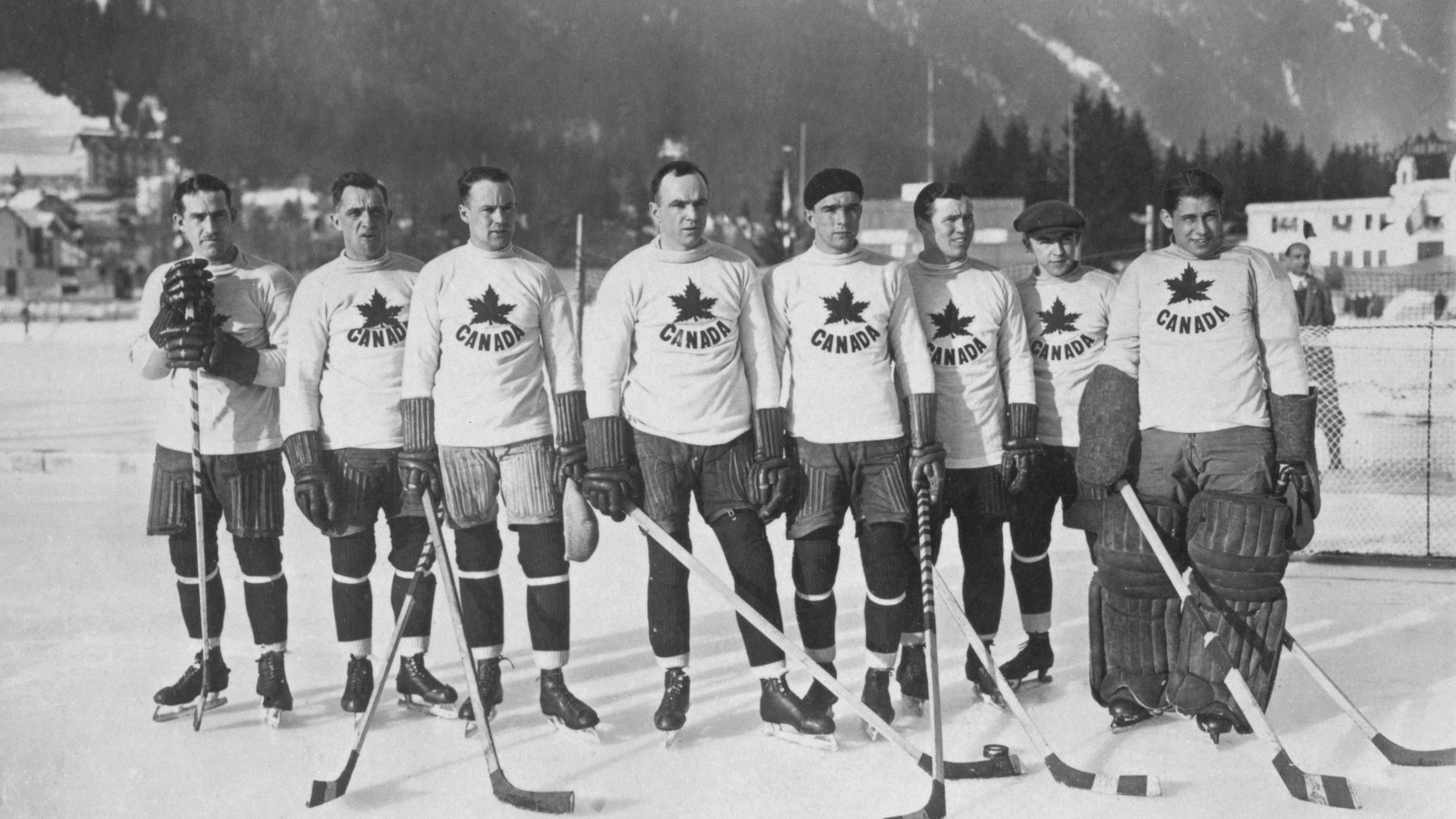
In January 1924, the Toronto Granites arrived in Chamonix to represent Team Canada in hockey. A thaw wreaked havoc on the outdoor rink, an oversized 200- by 200-foot surface with knee-high boards. Still, the team, dressed in wool hockey sweaters, persevered—winning the gold medal and outscoring their opponents 88-0. Playing in 20-degree weather, the Canadians covered their heads with toques, flat caps, and berets. There were no helmets to be found.
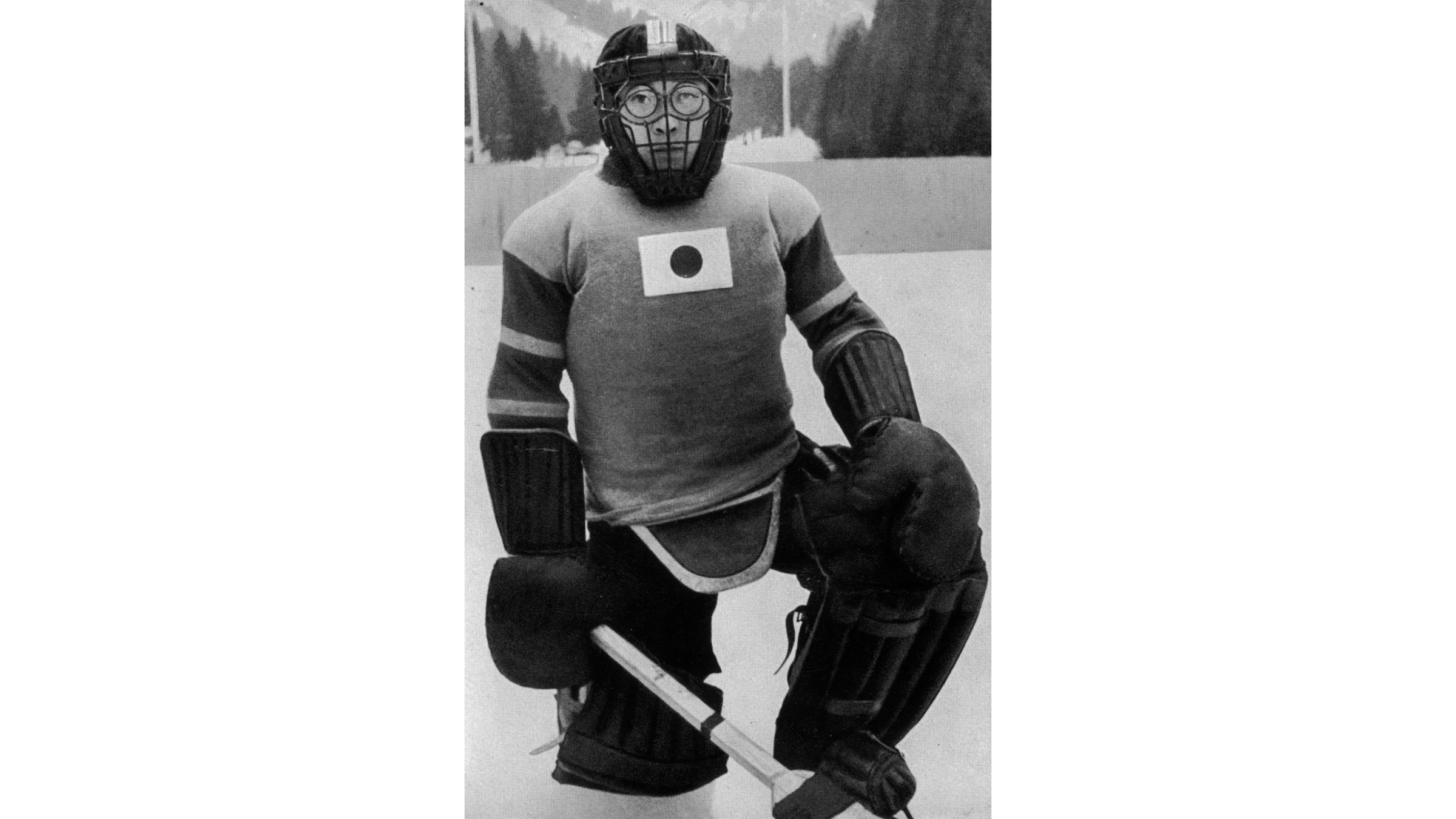
It wasn’t until the 1930s that any Olympic hockey players adopted headgear. In 1932, American goalie Franklin Farrell wore a leather half-mask to protect his glasses from stray pucks. Another bespectacled goalie, Japan’s Teiji Honma, wore a full mask at the 1936 Garmisch-Partenkirchen Games. Due to the sport’s cultural stigma against headgear, helmets remained rare into the 1950s until a few NHL players, like Montreal Canadien goalie Jacques Plante, refused to play without them. By the 1964 Olympics, more players, especially on Team Russia, donned helmets.
The slow drift toward safety accelerated when, in 1970, Olympic players were required to play in helmets. Goaltender masks became mandatory in 1972. By then, homemade helmets were outdated, while molded plastics and foam padding replaced leather. In Milan-Cortina, Team USA will don state-of-the-art CCM helmets made from impact-resistant plastics and energy-absorbing smart foams. They’ll also, for the first time, be required to wear neck guards.
From Down Feathers to Air
Perhaps one of the most interesting evolutions in Olympic gear has happened on the sidelines, as athletes have adopted new technology for staying warm in frigid conditions.
In January 1935, Eddie Bauer, the owner of a Seattle sporting goods store, and a friend went fishing for steelheads in the Olympic Peninsula. Lugging their 100-pound catch out of a steep canyon, they stripped down to their wool undergarments for the climb. Bauer, wet and exhausted, fell behind and almost passed out. Surviving the harrowing experience inspired him to develop a light, breathable jacket that could keep him warm while working hard in the cold.
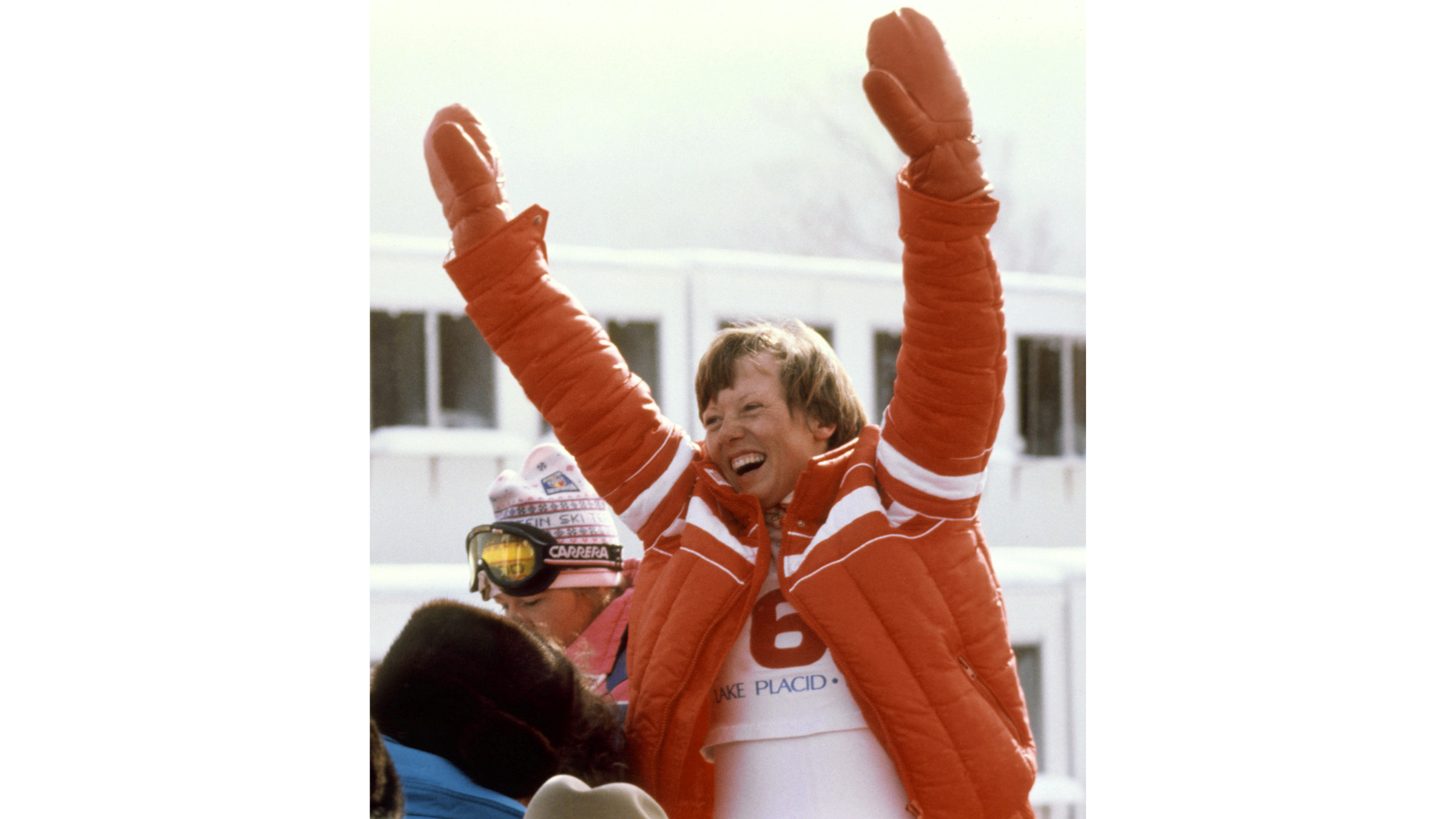
Inspired by tales of Russian soldiers wearing feather-stuffed coats, Bauer experimented with distributing goose feathers in a diamond-shaped quilting pattern, creating the first patented down jacket. Since Bauer’s innovation, down jackets have become a winter staple, often seen on the sidelines and podium of the Olympic Games, like the bright red puffer Austrian skier Annemarie Moser-Proell donned after winning the women’s downhill in 1980.
This year, Team USA athletes will step onto the podium wearing Nike’s newest innovation, the Therma-FIT Air Milano. This lightweight jacket uses air rather than goose feathers to regulate temperature. Inflating the jacket’s baffles makes it warmer; deflating makes it cooler. “Designed for tunable warmth, this jacket blends innovation with a sculptural form that feels alive, redefining the sensory experience of outerwear,” said Drea Staub, Nike Director of Innovation Apparel Product Design in the brand’s press release.
Compared to today’s techy, jargon-laden products, the humble wool sweaters donned by Olympians in 1924 may seem positively quaint. While this year’s competitors will wear wind-tunnel-tested fabrics, impact-absorbing foams, and responsive, engineered garments, the end goal is the same. Whether in Chamonix or Milan-Cortina, Olympic athletes rely on gear that keeps them comfortable, safe, and focused on competing at the highest levels of their sport.