Published May 31, 2017 12:00AM
If you buy through our links, we may earn an affiliate commission. This supports our mission to get more people active and outside.Learn about Outside Online's affiliate link policy
The Best Chemical-Free Sunscreens and After-Sun Skin Treatments
These potions nourish skin without toxic chemicals
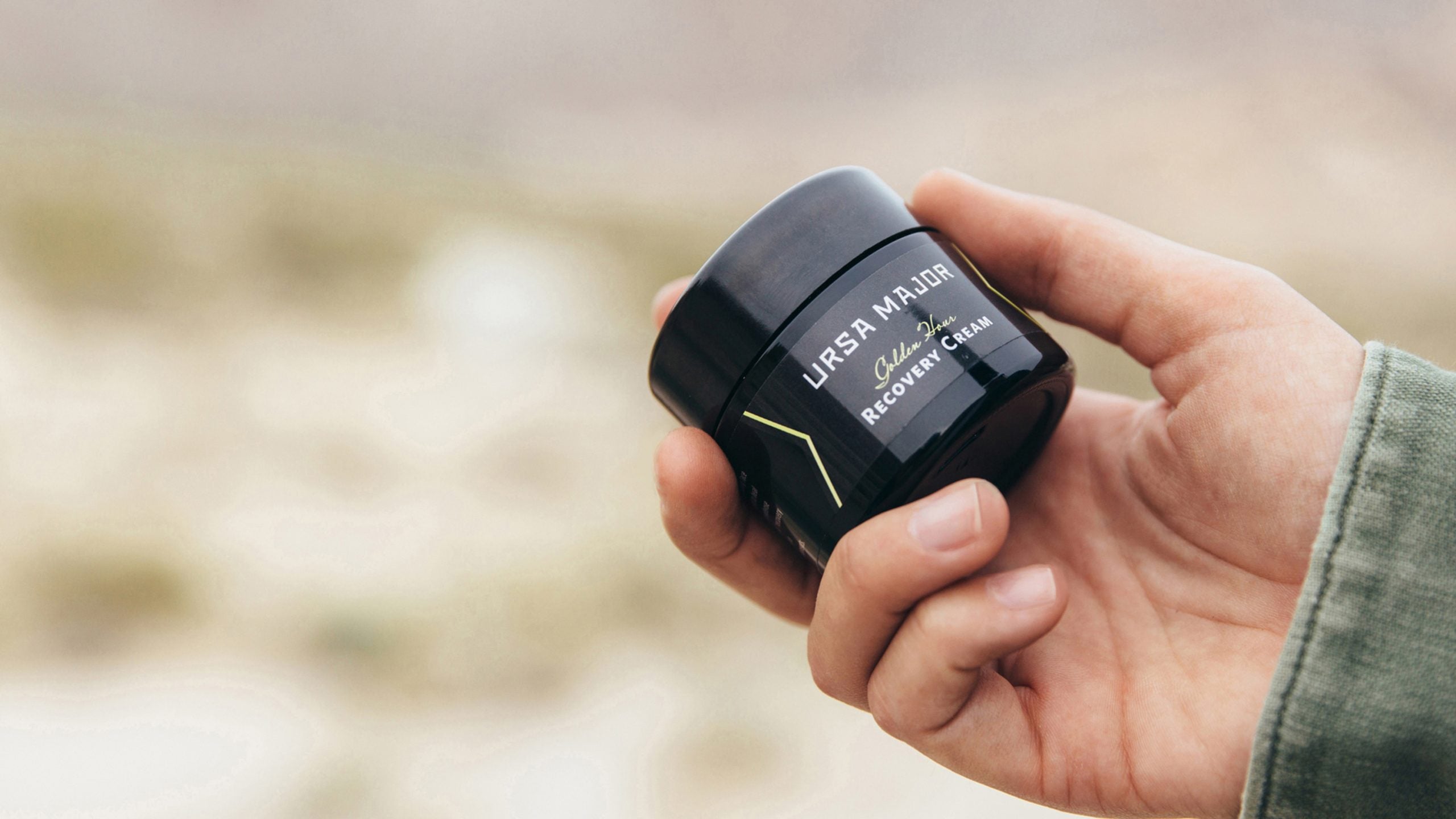
The Ursa Major Golden Hour Recovery Cream helps soothe irritated skin.
Scan the shelves at your local Walgreen’s, and you’ll find just two kinds of sunscreens: those that feel great but are full of hard-to-pronounce chemicals, and natural options that are as thick and pasty as wall spackle. No wonder most of us typically wear less sunscreen than we ought to.
Fortunately, a number of smaller, conscience-driven companies are starting to create a third category: healthy sun protection that’s wearable enough for sport. You might not find these products in every Walmart, but they’re worth the extra effort to track them down. They feel good enough that you’ll actually reapply them as directed, which, researchers have found, keeps your skin from developing wrinkles and other signs of aging.
And when sunburn happens despite your vigilant efforts, you can mitigate the damage with these healing creams that soothe burns and rehydrate parched skin.
SUNSCREENS
Thinksport Sunscreen SPF 50+ ($13 for 3 Ounces)
ADVERTISEMENT
Mineral-based sunscreens are great at blocking UVA rays (associated with skin cancer and accelerated signs of aging), but they form a physical barrier that sweat can’t penetrate. This chemical-free formula takes a novel approach: It uses zinc oxide (20%) blended with pine resin, which makes it unusually waterproof, yet it spreads on easily and feels surprisingly breathable. In my experience, it’s almost as comfortable as chemical sunscreens.
Supergoop! Sunscreen Mousse SPF 50 ($19 for 3.4 Ounces)
Sunscreen haters, here’s your panacea: This whipped cream feels weightless but delivers bona fide protection from the sun. One application kept me burn-free after three sunny hours at 8,000 feet.
ADVERTISEMENT
All Good Sport Sunscreen Spray SPF 30 ($22 for 6 Ounces)
Yes, aerosol sunscreens are bad for you, because they use toxic chemicals as propellants, which get broadcast into the air and onto your skin. But All Good figured out a way to make a genuinely healthy spray. It uses nitrogen (a gas that’s already in the atmosphere) to force out sunscreen made from non-nano zinc particles (nanoparticles spread on easily but can harm the lungs when inhaled). Translation: a chemical-free spray that’s safe for you and the environment. It doesn’t even feel goopy—I never noticed it during a 20-minute bike sprint in 85-degree weather.
ADVERTISEMENT
Sun Bum Signature Sunscreen SPF 30 ($18 for 3 Ounces)
ADVERTISEMENT
This zinc-based formula felt light and unobtrusive enough for my face. Once on, it stays put—even on sweaty days, it didn’t seep into my eyes, and the nongreasy feel prevented my hands from sliming up.
Beyond Coastal Active Face Stick SPF 30 ($7 for .5 Ounces)
Some earth-friendly formulas have failed me in intense high-altitude or equatorial sun, but this lemony stick warded off sunburn in extreme conditions while keeping my hands goop-free.
ADVERTISEMENT
Surface Rhythm Lip Balm SPF 50 ($3 for .15 Ounces)
This company makes several excellent sunscreen lotions, but I haven’t found anything that beats its lip balm. The sun protection factor is higher than most, yet it’s wonderfully emollient, with none of the chalky texture typical among zinc-based lip treatments.
ADVERTISEMENT
AFTER-SUN TREATMENTS
Mountain Mel’s The After Burn ($9 for 2.5 Ounces)
Peppermint and aloe snuff sunburn’s fire, while jojoba and almond oil moisturize sun-parched skin.
ADVERTISEMENT
Maui Babe After Browning Lotion ($15 for 4 Ounces)
Maybe this lotion does turn sunburn into a healthy tan, as the company claims. What I can vouch for is its ultrahydrating effect, which minimizes peeling and makes taut, brittle-feeling skin feel more supple.
ADVERTISEMENT
Ursa Major Golden Hour Recovery Cream ($48 for 1.7 Ounces)
ADVERTISEMENT
You could use this rich cream as an everyday moisturizer, but it comes into its own when applied to red, stressed-out skin. Instead of stinging, it soothes with calendula, sandalwood, and sea buckthorn.
Life Elements Healing Honey Stick ($18 for 2 Ounces)
Honey has long been used to treat burns. This stick blends the bees’ cure-all with olive and almond oils to create a healing ointment that’s effective at healing sunburn, as well as road rash and climbing scrapes.
