Updated March 9, 2026 09:54AM
If you buy through our links, we may earn an affiliate commission. This supports our mission to get more people active and outside.Learn about Outside Online's affiliate link policy
The Best Hunting Accessories of 2026
From an all-rounder bow to a portable archery target, these accessories made preparing for hunting season more productive.
(Photo: Matthew Linker/Stocksy)
Table of Contents
The best hunting gear can make your hunts more efficient and productive by giving you an edge in addition to keeping you comfortable and safe. For instance, packing out meat shouldn’t end in back pain because you brought the wrong pack. A trail camera that constantly freezes is useless. A good pair of binoculars will help you make the correct call when judging whether an animal is legal and desirable to take. And a warm sleeping bag could keep you well-rested for a tough climb the following day. Innovations in hunting accessories give us the ability to hunt longer, smarter, and harder.
To help you figure out the best hunting gear for your needs, terrain, and game, testers tried over 30 hunting accessories this fall and winter in Nebraska, Iowa, Alaska, New Mexico, Wisconsin, and South Africa. They collectively hunted brown bear, white-tailed deer, mule deer, waterfowl, pheasant, grouse, wildebeest, and trapped furbearing species, including coyote, raccoon, skunk, and opossum. Testers hunted in a wide range of conditions fall through winter, including on warm, mild days to sub-zero temperatures. This was the gear that they relied on the most and wanted to keep using after the test was over.
March 2026: This article was updated to add an archery setup to the mix, as well as a spotting scope, hunting pack, and travel duffel. These pieces were chosen for their performance, price, and value.
Best Hunting Gear: At a Glance
- Best Compound Bow: Bowtech Proven 34 ($1,449)
- Best Hunting Day Pack: Kifaru Shape Charge ($475)
- Best Tavel Duffel: Kifaru Rondy Duffel ($327)
- Best Sleeping Bag: Sitka HyperDown ($880)
- Best Chest Pack: Kuiu Pro ($179)
- Best Hunting Knife: Benchmade 15505 Meatcrafter 4” ($175)
- Best Binoculars: Leupold BX-4 Pro Guide Binoculars ($600)
- Best Spotting Scope: Hawke Optics Nature-Trek 13-39×56 Spotting Scope ($359)
- Best Pack for Saddle Hunting: Mystery Ranch Treehouse 38 ($325)
- Best Trail Camera: Tactacam Reveal X-Pro ($150)
- Best Lightweight First-Aid Kit: Uncharted Supply Co. Triage Kit ($59)
- Best Archery Target: Rhinehart Target 18-1 ($190)
More Hunting Accessories We Recommend
- Nocs Long View Spotting Scope 20-60x, 85mm ($600)
- Gunner Dog Bowl ($60)
- Maven RFZ.1 – 6-12×21 Range Finder ($650)
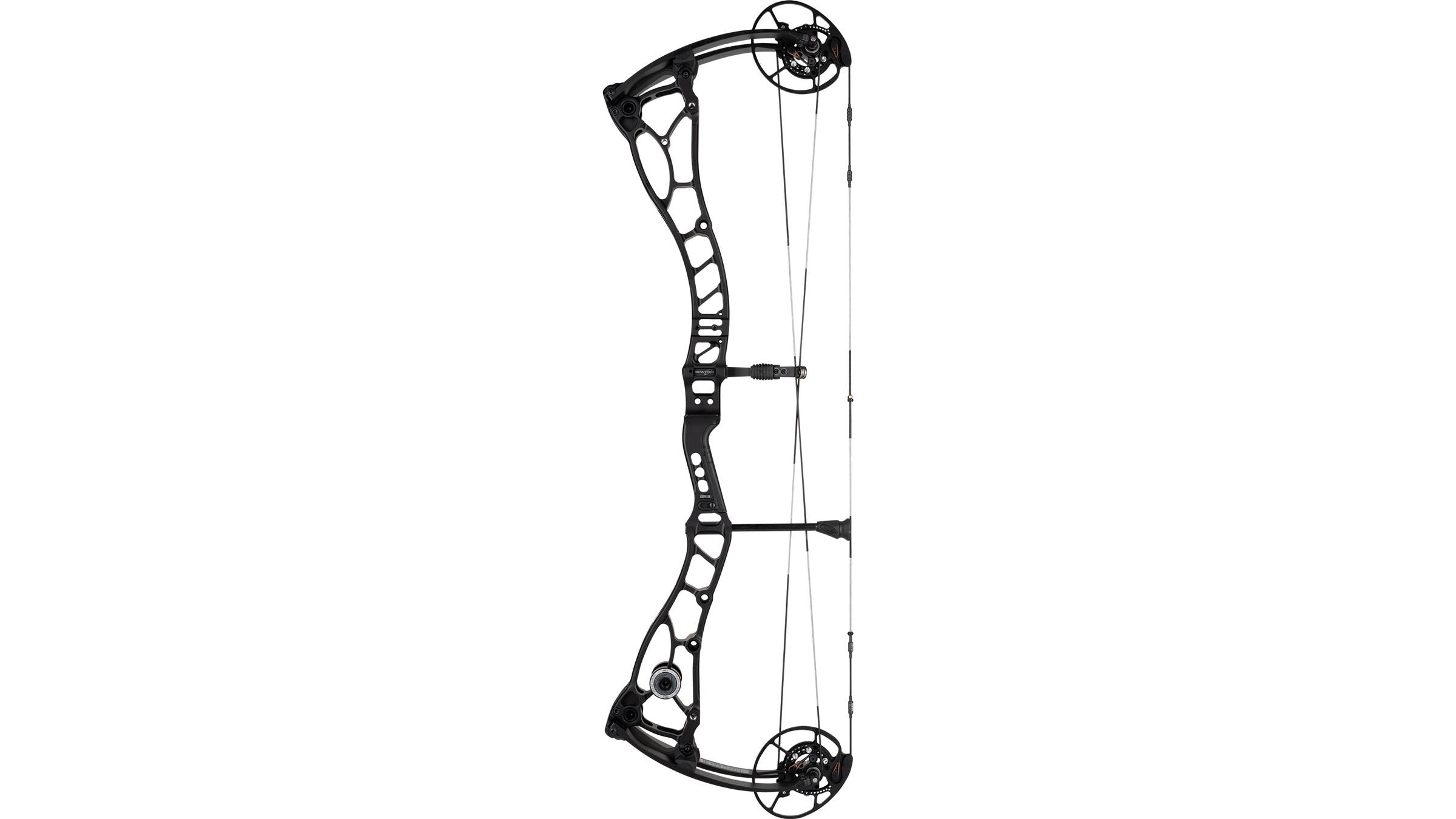
Best Compound Bow: Bowtech Proven
Axel-to-axel length: 34-inch
Brace height: 7-inch cam
Draw length: 27.5-inch – 33-inch cam
Pros and Cons
+ Suitable for beginners to skilled shooters
+ Made in the U.S.A.
+ Easily adjustable
– Noisy when releasing bow at lower draw weights
Bowtech’s Proven 34 is a well-built, no frills, well-engineered bow designed for hunting in the mountains. It’s affordable, American-made, and a bow that anyone, from a beginner to an expert, will enjoy shooting both at the range in town and in the field. Our tester liked it best among those he tested, including the Matthews and more expensive Hoyt bows.
The 34 refers to the length of the bow in inches from the axle on the top cam to the axle on the bottom cam, which is considered long in the modern compound bow world, but we liked the speed and sight picture that comes with the length. The long design also makes it more stable and forgiving when shooting at longer ranges.
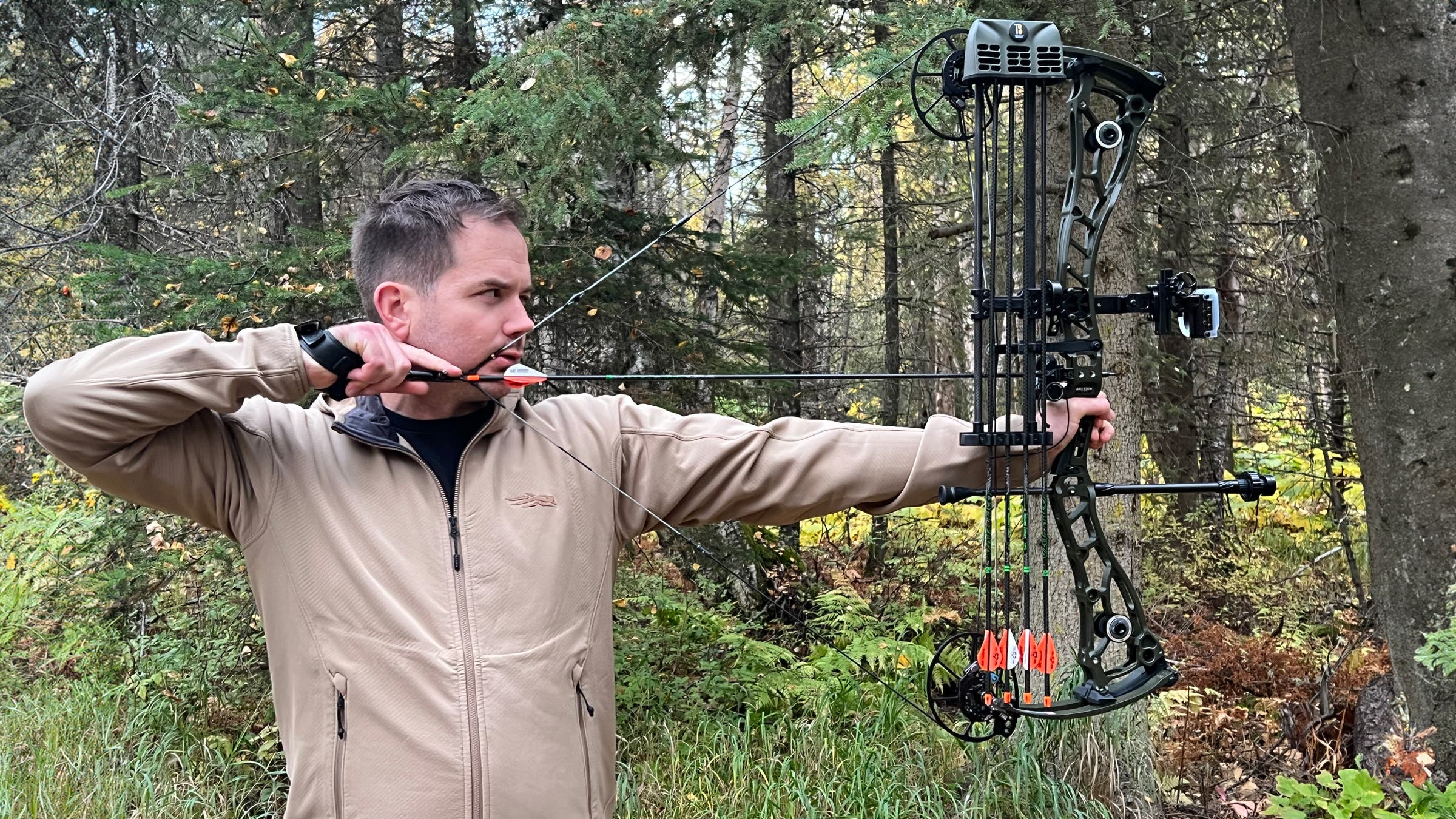
Off the shelf, the Proven 34 made little noise and needed little tuning. With the help of a pro shop to increase the draw weight to 65 pounds, any noise our tester heard from the bow disappeared. He appreciated the smooth draw and minimal hand shock when releasing an arrow, inspiring confidence that the bow can be used to hunt any big game in North America. Even when shooting at below freezing temperatures—down to 15 degrees and colder—there were no noticeable performance issues.
ADVERTISEMENT
As for the bow’s versatility, our tester says he would feel as comfortable hunting with the Proven 34 as he would competing with a local league or just shooting for fun. Also, the FlipDisc system that’s specific to Bowtech allows shooters to switch the draw cycle between smoother and easier or faster and more aggressive settings.
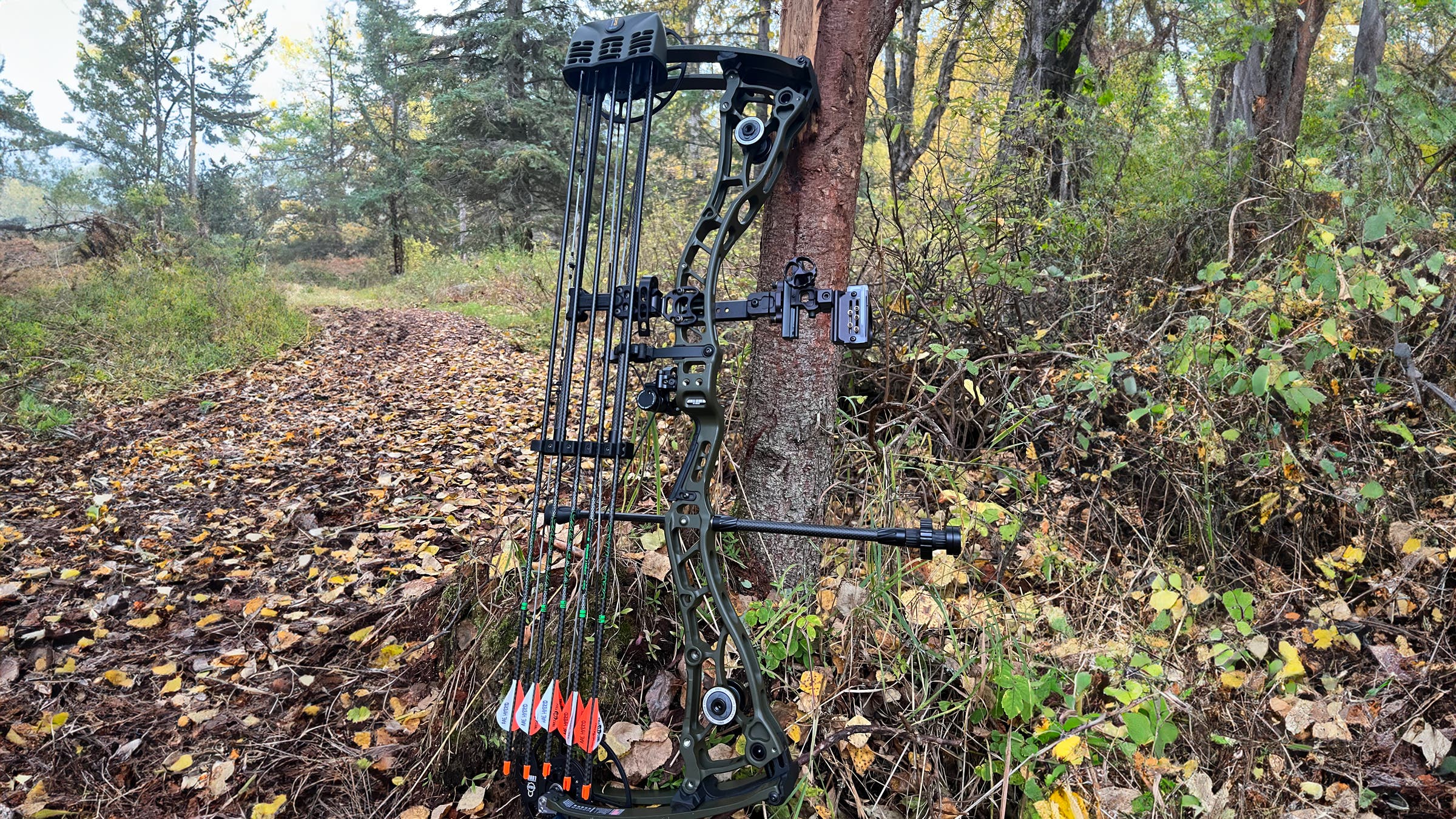
This bow is designed for traveling: A three-minute video tutorial makes any necessary adjustments easy to do on the fly with an Allen wrench, and if we needed to pack the bow and go to another state to hunt, we could find any bow shop in the nearest town to work on it.
Our tester liked the Proven 34 so much he anticipates using it for the next five to seven years. He’s already planning to take it on mule deer and elk hunts. The only criticism he had was that the arrow rest is a bit narrow.
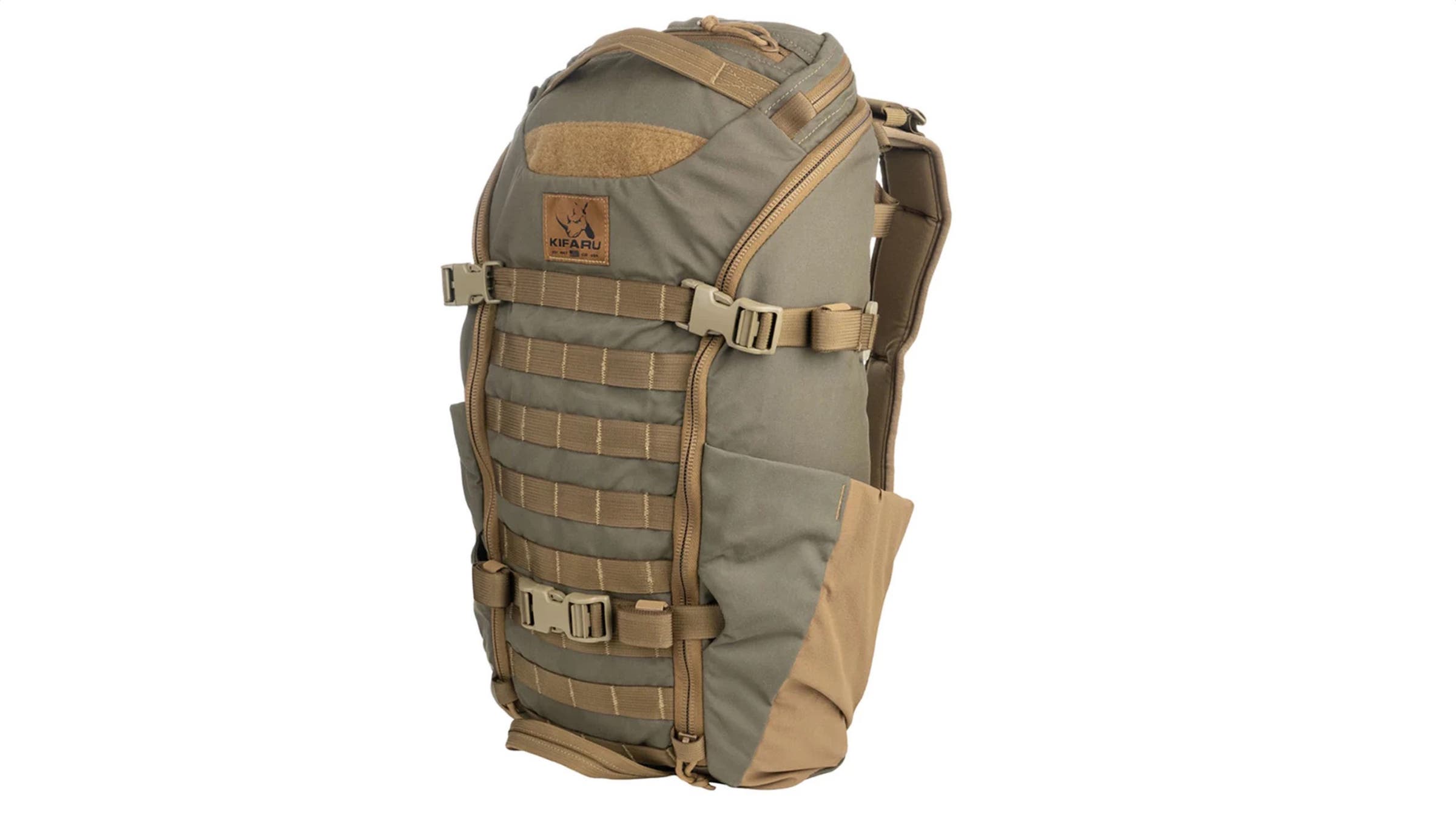
Best Hunting Day Pack: Kifaru Shape Charge Pack
Weight: 3 lbs 15 oz (bag only); 4 lbs 9 oz (with medium belt)
Sizes: S-L
Pros and Cons
+ Lightweight
+ Customizable belt
+ Thoughtfully-placed pockets and organization
+ Made in the U.S.A.
– No grab handle or hydration bladder port
– Expensive
We chose the Kifaru Shape Charge Pack as the best hunting day pack because it was comfortable to wear, lightweight, and thoughtfully designed. Tester Angie Kokes used the pack to train for an upcoming elk hunt, hiking with it over several outings in the Oak Canyons of central Nebraska fall through winter. The big game hunter appreciated the pack’s durable construction: 500D Cordura resists abrasion, heavy-duty #10 YKK zippers, and Bartack reinforcements in high-stress areas.
At 19 inches long, the Shape Charge is on the bigger side for a day pack, but its low-bulk and comfortable fit made size a non-issue. The back-panel’s stretch material and non-skid lumbar pad felt comfortable, even when loaded down and on the move. The pack itself weighs only 3 pounds 15 ounces and is ideal for a variety of hunting situations, whether sitting in a deer blind or spending a day spotting and stalking.
ADVERTISEMENT
The zippers and pockets are thoughtfully placed—right where Kokes needed them. On other packs she has owned and tested, Kokes said that water bottle pockets are typically an afterthought and flimsy; the pockets on the Shape Charge are heavy duty and won’t collapse as you reach to get a water bottle in and out. The full-zip clamshell design provides easy access to gear in the main compartment, which is built with two internal mesh pockets for organizing smaller items. At the top of the bag, two external lid pockets offer quick access to essentials, such as a headlamp, knife, and snacks. External military-grade webbing and compression straps keep a tripod and rifle secure.
A couple small details that would’ve made this pack better: We wished there was a grab handle at the top of the pack. And although the pack has a hydration bladder sleeve, there is no dedicated port for threading the tube through to the outside of the bag.
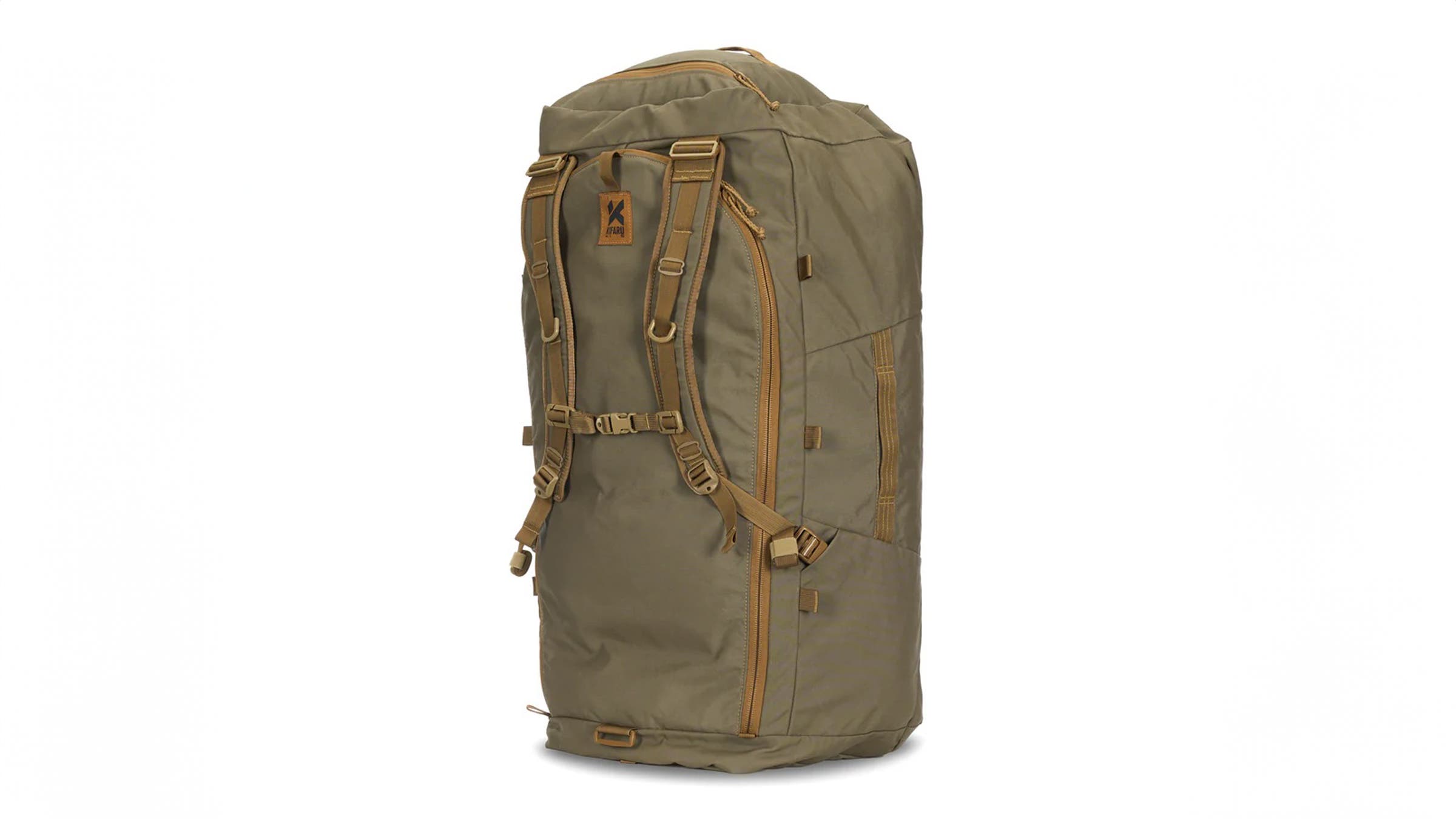
Best Travel Duffel: Kifaru Rondy Duffel
Capacity: 7,850 in³/128.63 L
Material: 1000D Cordura shell
Zippers: Heavy duty #10 YKK main zipper, #8 YKK pocket zippers
Pros and Cons
+ Large capacity
+ Tough outer shell and padded structure
+ Reinforced handles
– Expensive
– Not water resistant
– Too bulky for smaller hunters
The Kifaru Rondy Duffel is made for the big game hunter who travels in and out of airports, bush planes, shuttles, boat docks, and remote cabins. This duffel holds nearly 130 liters (difficult for smaller hunters to handle) and is designed to neatly carry a frame pack, clothes, and hunting essentials, with internal mesh pockets to keep smaller items secure and organized.
The 1000-denier Cordura shell with padded structure is tough, ensuring your hunting gear stays safe during transport even with the roughest of baggage handlers. Reinforced grab handles make it easy to haul, and testers never had an issue with the heavy-duty YKK zippers sticking or splitting.
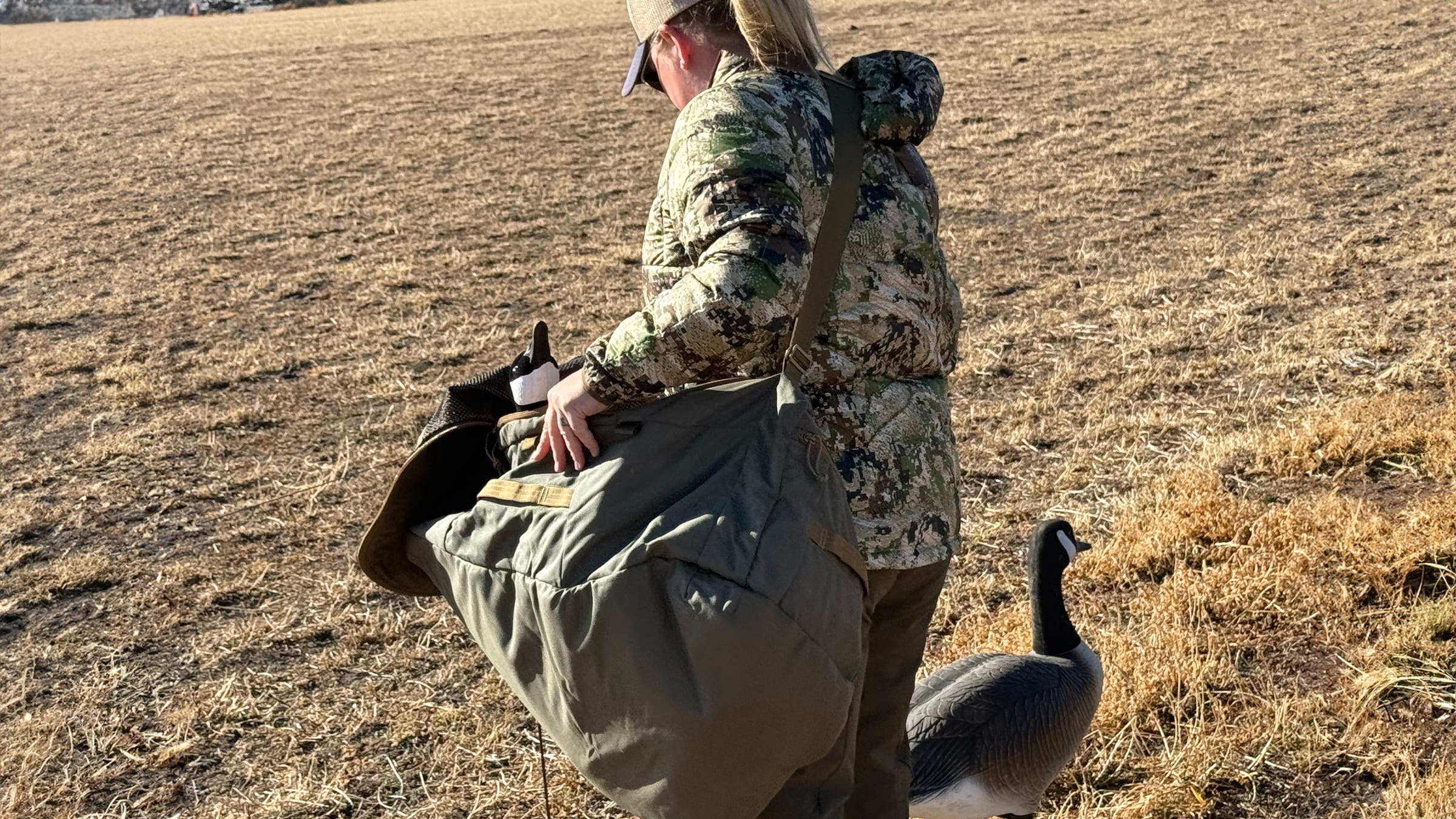
Our tester didn’t get to travel with the Rondy Duffel, but she did test its durability through a season of hunting geese. She used the large pack to haul goose decoys across corn and alfalfa fields, and the duffel held up nicely, showing minimal wear.
One ding: The pack is not water resistant. Water soaked through when our tester set down the loaded pack on snow, but this will rarely be an issue for most normal transportation scenarios.
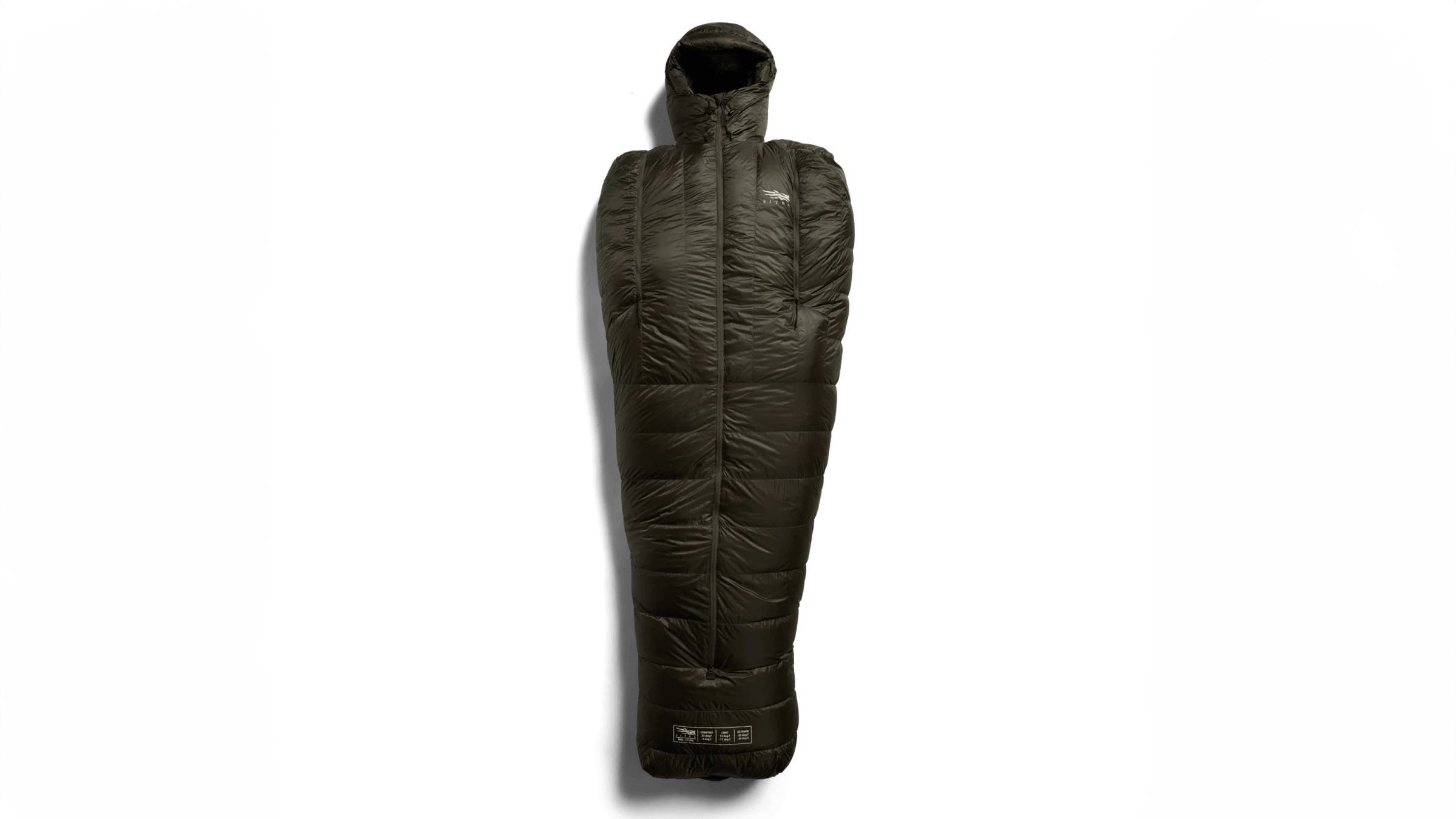
Best Sleeping Bag: Sitka HyperDown Sleeping Bag
Weight: 2 lb 3 oz (regular)
Sizes: Regular, Long
Pros and Cons
+ Durable construction
+ Packs down small
+ Lightweight
+ Comfortable and roomy
– Pricey
– Confusing temperature rating
The Sitka HyperDown Sleeping Bag is lightweight at 2 pounds 3 ounces, roomy even for taller hunters, and made for sleeping and glassing. Inside an unheated shack in Interior Alaska when temps dropped below zero degrees outside, one tester was chilly the first night but slept comfortably after adding a blanket the second night. Pretty impressive considering the bag is rated to 25 degrees with a lower limit of 13 degrees. The slight chill didn’t deter him from taking the bag on a December hog hunt in Texas or passing it on to his wife to keep as a winter emergency bag in her car.
We liked the bag for its high-quality feel and durability: The zippers are heavy-duty, and the ripstop nylon shell is tough—the bag doesn’t need to be babied. We appreciated that the baffles were horizontal, which meant the 580 grams of 900-fill down won’t bunch at the feet area over time. Plus, the water-resistant membrane shed frost that fell on the top of the bag the first night our tester slept in the Interior Alaska shack.
At 6’4’’, he is one of our tallest testers. Although he tested the regular-size sleeping bag, it was still comfortable and roomy. He thought the zipper configuration was ingenious, allowing the user to keep their arms out and also walk, useful for glassing and emergency situations.
ADVERTISEMENT
When hunting in 20-degree and above conditions, we would not hesitate to trust the HyperDown Sleeping Bag on future hunting trips in the backcountry; it’s now an essential in our kit of best cold weather hunting gear.
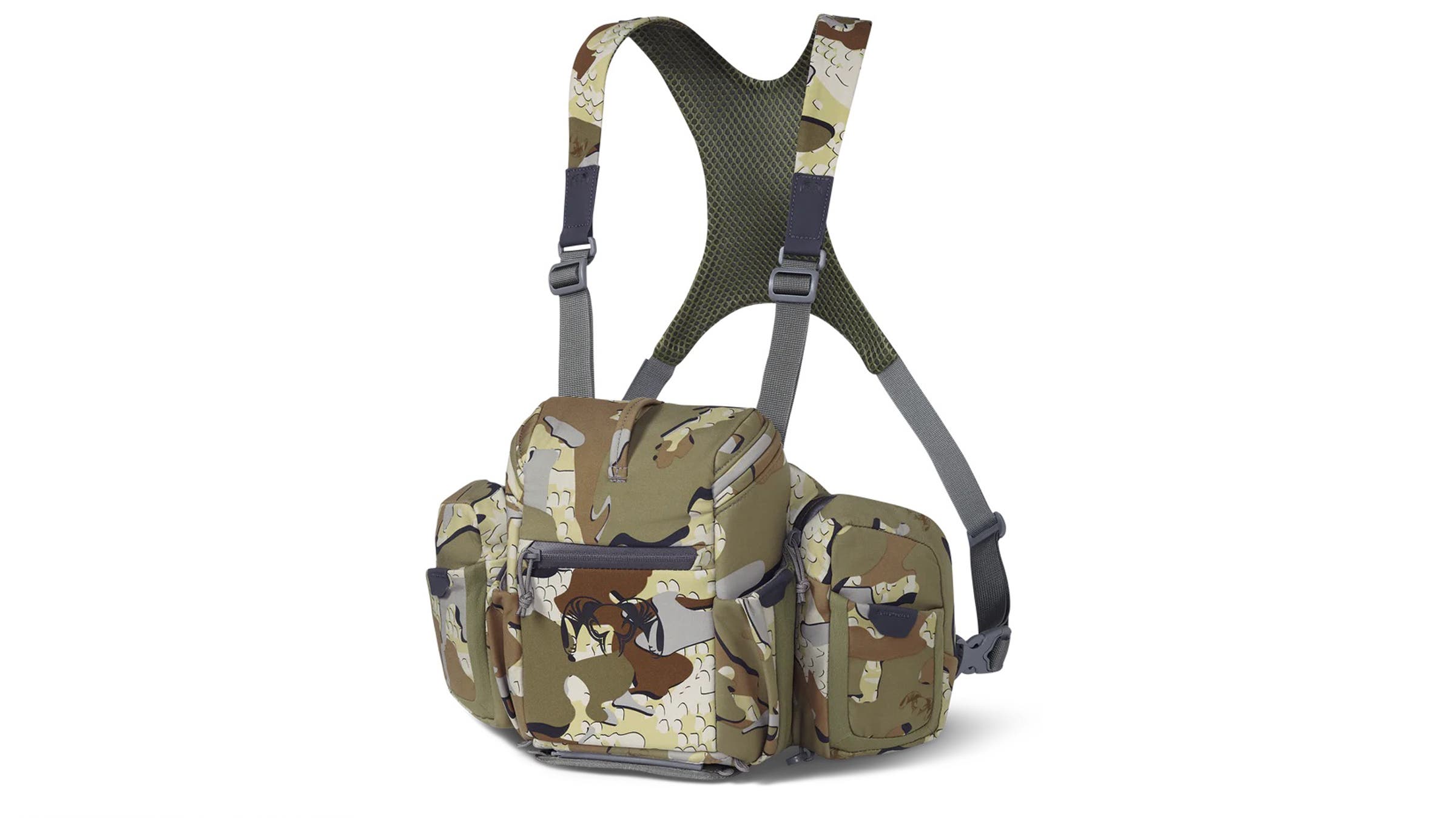
Best Chest Pack: Kuiu Pro Chest Pack
Weight: 20.2 oz
Binocular Compatibility: Fits height of 5-8 in
Pros and Cons
+ Two-in-one use as bino harness and day pack
+ Ample storage
+ Accommodates different binocular sizes
+ Waterproof
+ Fairly priced
– Bulky
We tested three chest packs this year, and the Kuiu Pro Chest Pack came out on top. Part bino harness and part accessory pack, Kuiu’s model was the most hunter-focused of the three. Our tester wore the Pro Chest Pack hiking and glassing in the Sandhills of Nebraska, and the pack’s adjustable load-bearing harness system made it comfortable to wear over flats, rolling hills, and steep canyon terrain.
The Pro Chest Pack is designed to protect your binoculars, rangefinder, and other hunting gear from the elements. Although testers didn’t experience any hard downpours, they met several days of moderate rain, and the Toray Primeflex Waterproof Nylon shell and YKK Aquaguard zippers kept water out.
A rail-lock mounted ammo holder is removable from the underside of the pack; an additional harness accessory pocket (sold separately) can also attach. Two external side pockets hold a rangefinder and other gear. Our tester appreciated the connection lanyards that are sewn into the main compartment and the rangefinder pocket, which she used for tethering valuables to prevent accidental dropping and loss. In addition to the main pockets, the pack has ample internal mesh pockets, side pockets, a front zippered pocket, and a next-to-chest drop pocket for a phone.
ADVERTISEMENT
A compartment at the top carried Kokes’ Zeiss Conquest 10×42 binoculars, which she was able to quickly and quietly access by flipping the magnetic lid. “No clanking buckles, Velcro, or noisy zippers,” our tester said, vetting the pack as ideal for spot-and-stalk hunts. One downside: Even though the removable bino block shim is customizable, she said that her binoculars were still swimming in the roomy pocket. If a smaller model was available, she’d trade down in a heartbeat.
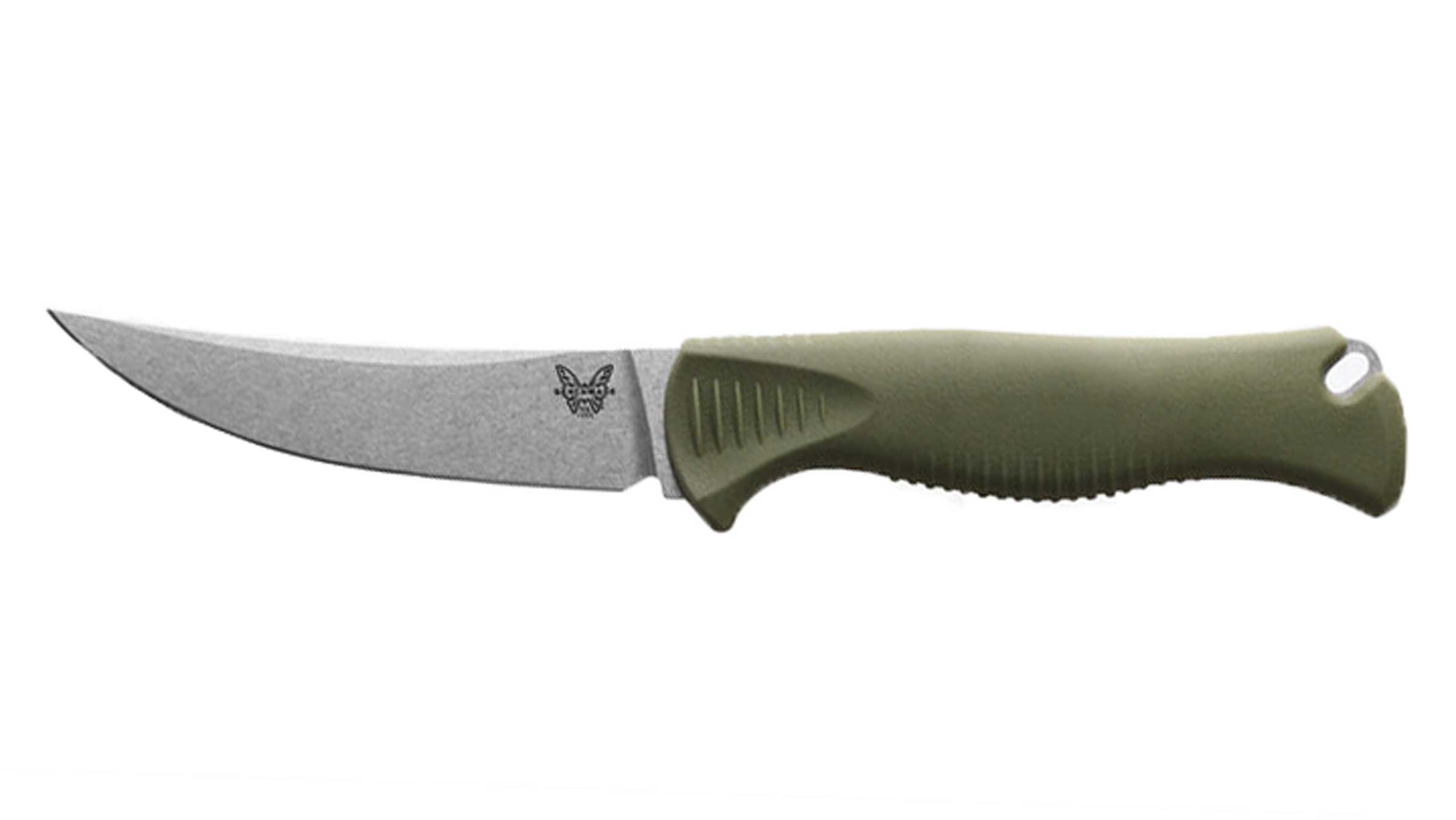
Best Hunting Knife: Benchmade 15505 Meatcrafter 4” Trailing Point Knife
Weight: 2.7 oz
Pros and Cons
+ Keeps its edge
+ Well balanced
+ Compact
+ Versatile
– Expensive
Benchmade’s fixed blade, Meatcrafter knife ($200) has been a mainstay in my kitchen for years, whether I’m slicing up prime rib steaks for a dinner party or using it to break down a whole deer in the garage. As much as we love the sharpness and feel of the six-inch trailing point knife, we hesitate to bring it in the field given its larger size.
Benchmade’s answer to this problem is the new Meatcrafter 4” knife, which offers the same performance and similar ergonomics of its flagship meat knife, but in a smaller, more mobile package—perfect for camp kitchens or tasks in the field.
This knife is more than enough to field dress a huge, wild tom turkey. It cut through skin and meat with little resistance and made quick work of separating tough joints and tendons. Thanks to the CPM-154 stainless steel blade, it remained sharp throughout the task, while other cheaper knives became dull. Testers also appreciated the vulcanized EPDM rubber, and thermoplastic composite handle, which felt comfortable in-hand and provided excellent grip even when wet, making it ideal for outdoor use in the rain or snow.
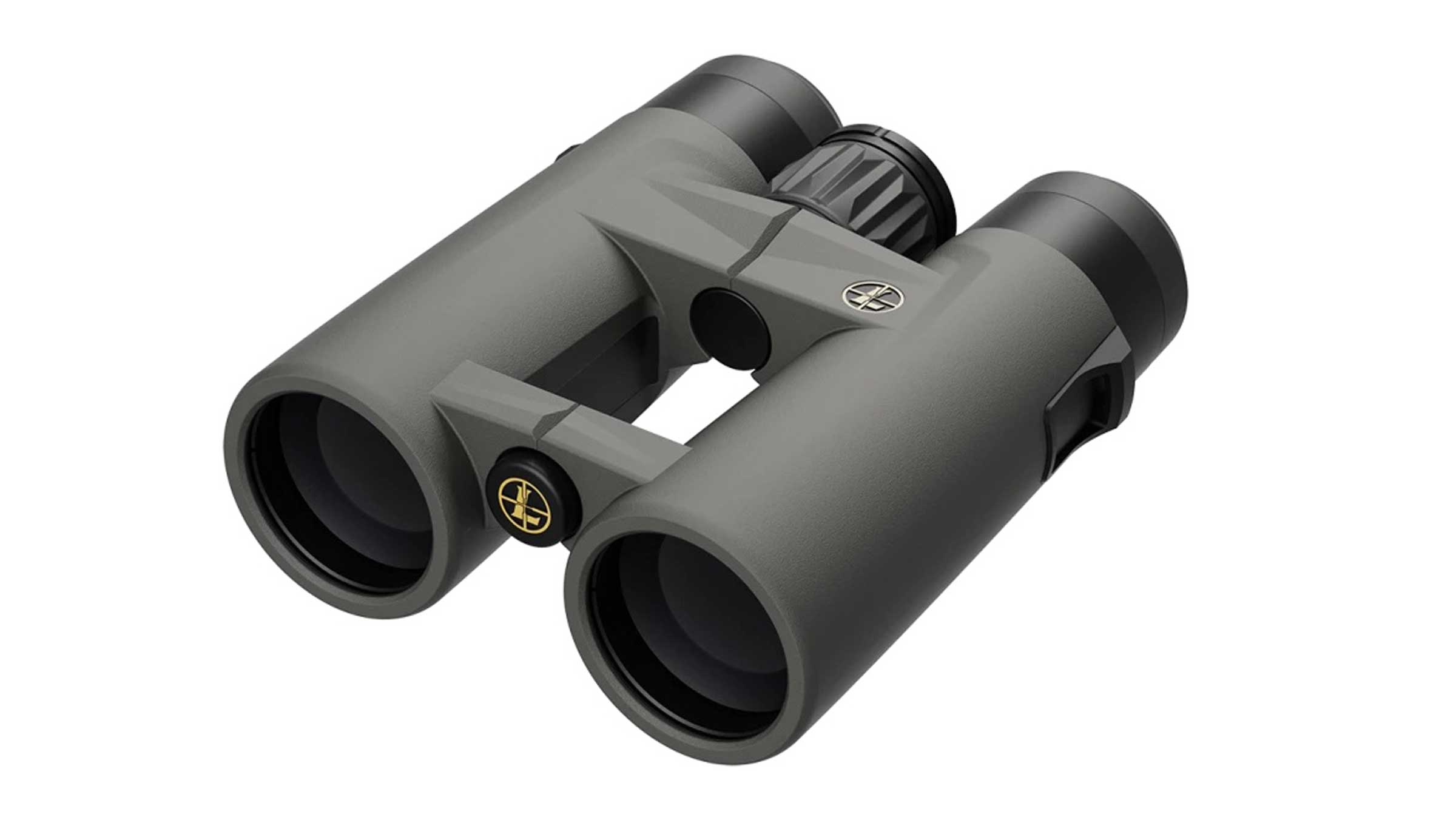
Best Binoculars: Leupold BX-4 Pro Guide HD Gen 2 Binoculars 10x42mm
Weight: 25 oz
Pros and Cons
+ Great in low-light
+ Superior image clarity at distance
+ Relatively affordable
+ Comfortable in hand
– Included harness is poor quality
– Rear lens cap fits too loosely
The BX-4 Pro Guide Gen 2 Binoculars are a solid choice for hunters looking for quality glass without paying a premium price. One Nebraska hunter used the binoculars for spot-and-stalk deer hunting in the Sandhills of central Nebraska and while sighting in his rifle at the gun range. He found the rubberized exterior comfortable in-hand, and the included form-fit eyecups were a nice addition. The interchangeable winged eyecups helped block out stray light and the low eyecups were comfortable over glasses.
Image quality was clear and provided nice detail at longer distances, thanks to Leupold’s fully-coated lens system that enables higher light transmission, clarity, and definition.
Our tester did not notice chromatic aberration (blurry fringes of color that can appear along the edges of an image) at distances of 600 yards, which should cover most hunting scenarios. He also appreciated the locking diopter that prevents accidental bumping and changing of the lens.
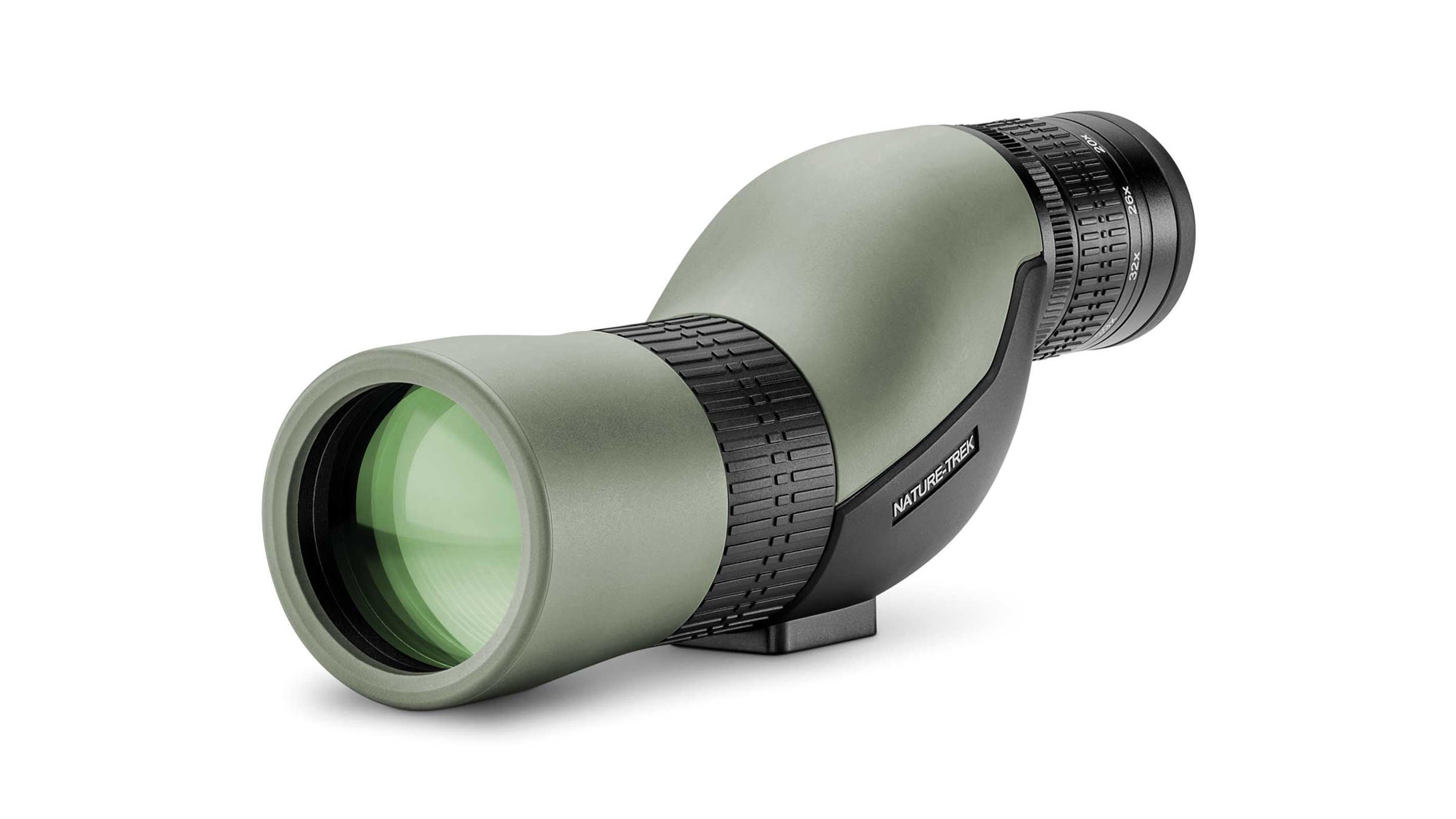
Best Spotting Scope: Hawke Optics Nature-Trek 13-39×56 Spotting Scope
Weight: 33.3 oz
Length: 9.6 in long
Lens: 13-39x magnification, 56mm objective lens
Pros and Cons
+ Compact
+ Lightweight
+ Sharp, clear image inside 750 yards
+ Price
– Grainy image beyond 750 yards
Nebraska testers used this Nature-Trek Spotting Scope to watch wildlife from a distance on the long sight lines of the plains. Weighing just over 2 pounds and measuring 9 inches long, the scope amazed testers with its performance, ultra-compact size, and lightweight construction.
At 39X magnification, testers expected a smaller scope like this to give cloudy images, but Hawke Optic’s offering was just as sharp and clear as a larger scope. The BAK-4 Porro prism delivered intense color and contrast, and the clarity was impressive up to 750 yards. Anything farther away was grainy, but that covers most hunting scenarios. The smooth barrel focus allowed for quick zooming and focusing.
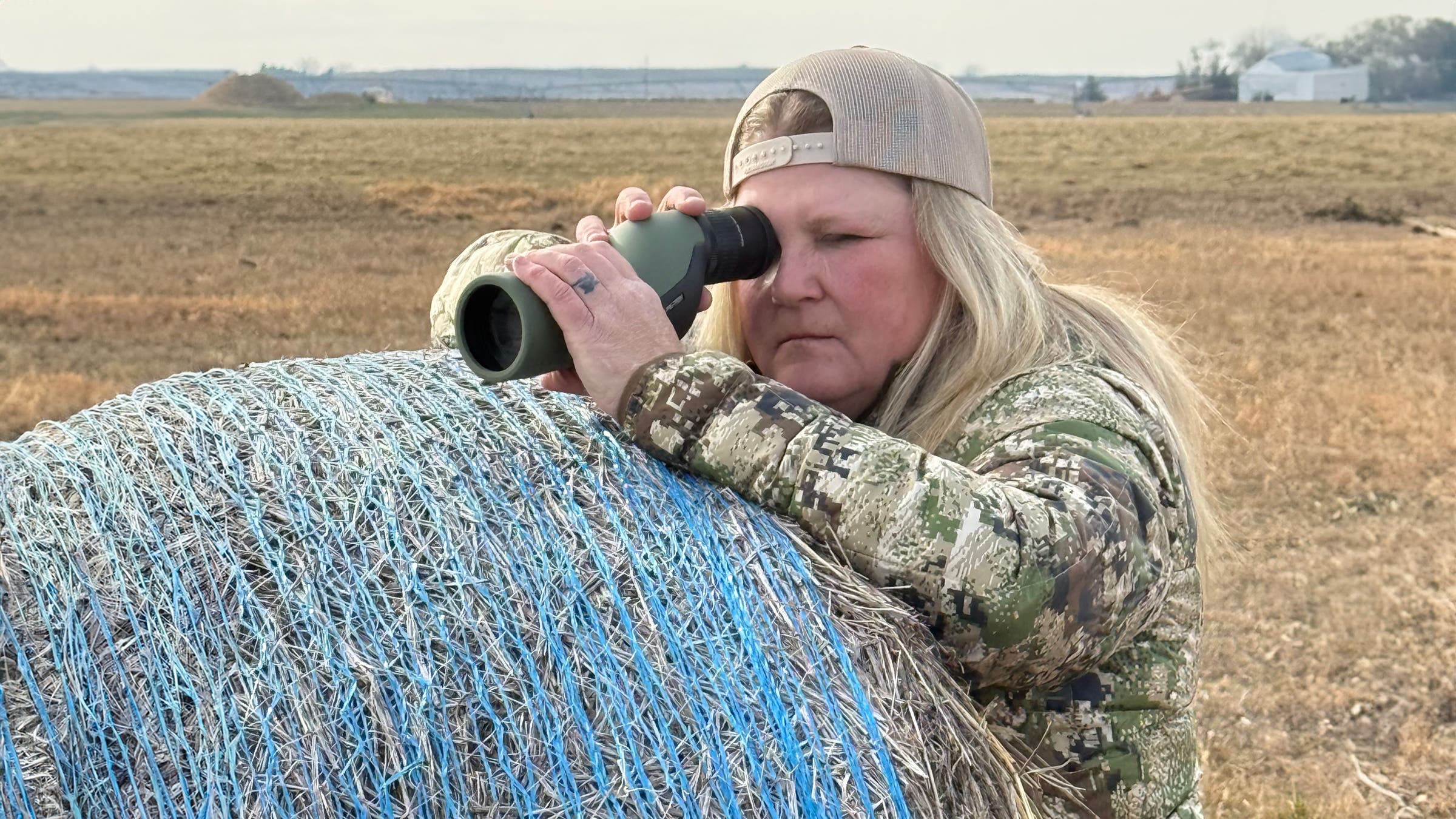
One tester threw the scope into a full stock tank to test for waterproofness, and the scope emerged undamaged.
Priced fairly at $350, the Hawke Optics Nature-Trek 13-39×56 Spotting Scope offers an exceptional balance between performance, size and weight. The scope will become a staple in our testers’ kits, whether throwing it in a backpack for scouting and hunting, or securing to a vehicle with a window mount, sold separately, for general wildlife viewing.
Best Pack for Hunting: Mystery Ranch Treehouse 38
Weight: 4.5 lb
Capacity: 2370 cu-ins
Size: 23.25″x13″x12.25″
Pros and Cons
+ Quiet, durable face material
+ Water resistant
+ Attaches to tree without hook
+ Internal organization
– Noisy Velcro
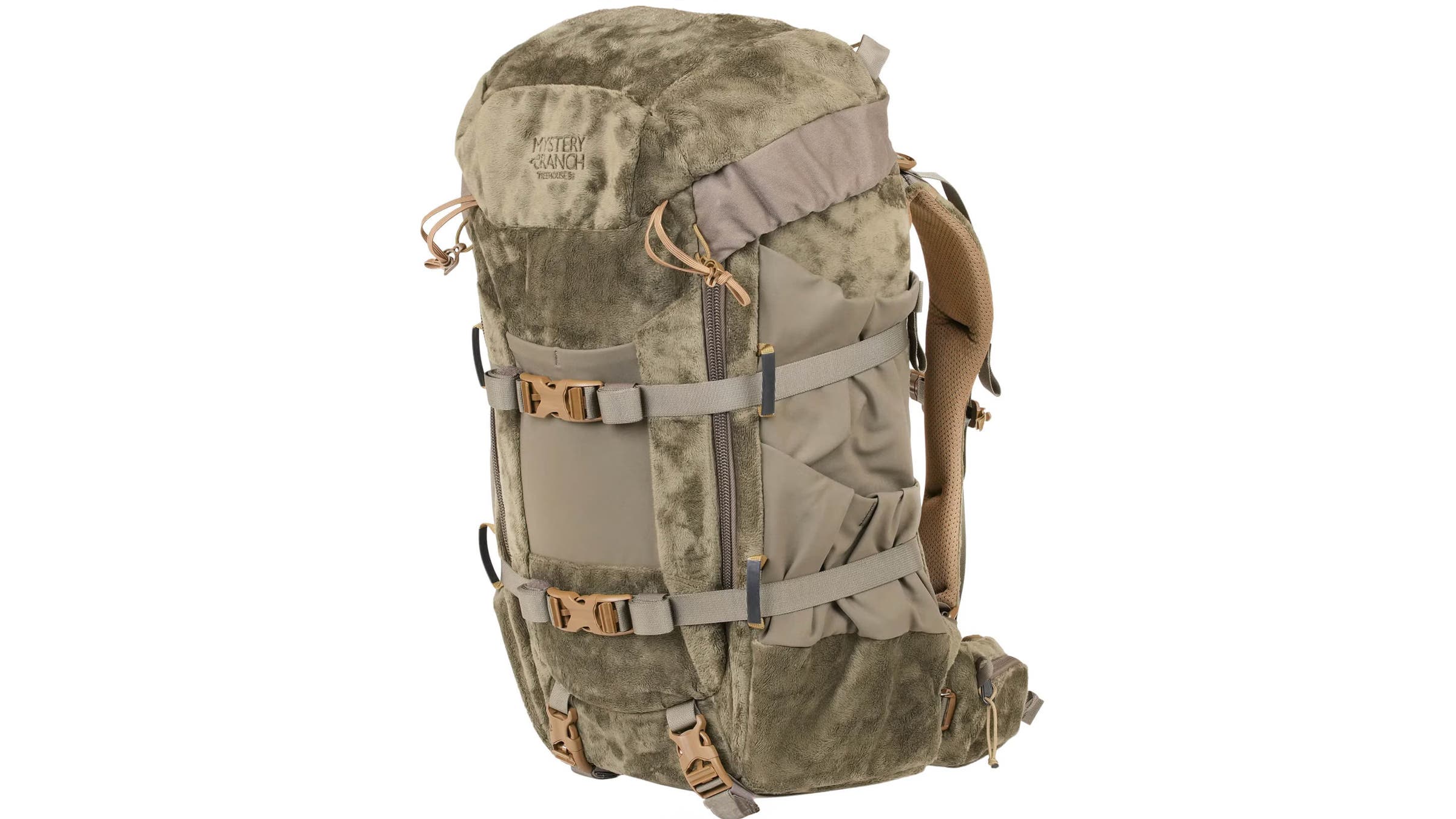
One tester used the Treehouse 38 while spear hunting wildebeest in the Limpopo region of South Africa and while checking her trapline near home in central Nebraska. In Limpopo, she hiked on flat ground and wore the pack while crawling into a tree to sit. Near home, she traveled over river bottom terrain carrying spare traps, baits, and lures in the pack. Despite being advertised as a pack for saddle hunting—hunting while strapped in a tree—she found the Treehouse 38 suitable for both tree and ground use.
Our tester says Mystery Ranch knocked it out of the park with the pack’s face material. The fuzzy polyester backed with Nylon 210D laminate fabric is extremely quiet, durable, and water-resistant. The company also nailed the removable tree strap and top haul loop system that keeps the pack attached to a tree and accessible, without the need for a hook. She also appreciated the internal organization compartment pockets, which made it easier for her to find gear.
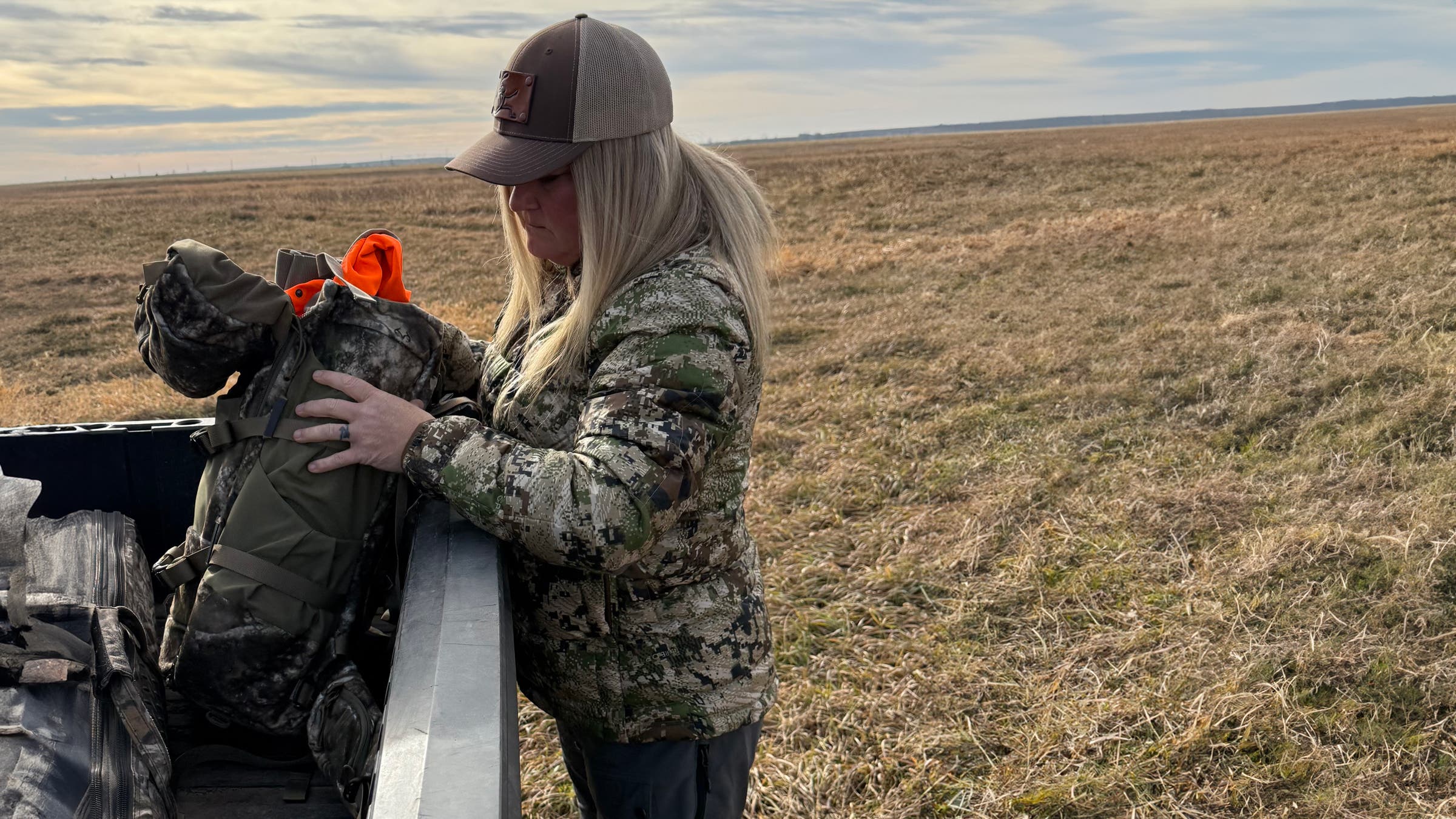
Full side and bottom compression straps are specifically made to secure a bow and treestand, but also allowed her to carry a rifle and extra layers when she was covering ground. She prefers the Treehouse 38 over the Treehouse 20 because of its belt, which takes weight off her shoulders, making the 38 more suitable for hiking.
ADVERTISEMENT
A few dings: Our tester wasn’t super impressed by the external shock cord that’s supposed to keep trophy from moving around on the hike out, but she couldn’t tighten enough to secure the load. Also, the Velcro attachments made unwanted noise.
Best Trail Camera: Tactacam Reveal X-Pro Camera
Weight: 0.95 lbs
Pros and Cons
+ Reasonably priced
+ Durable and weatherproof
+ Easy setup and use
+ Excellent customer service
– Image capture might not be 100 percent reliable based on one mishap
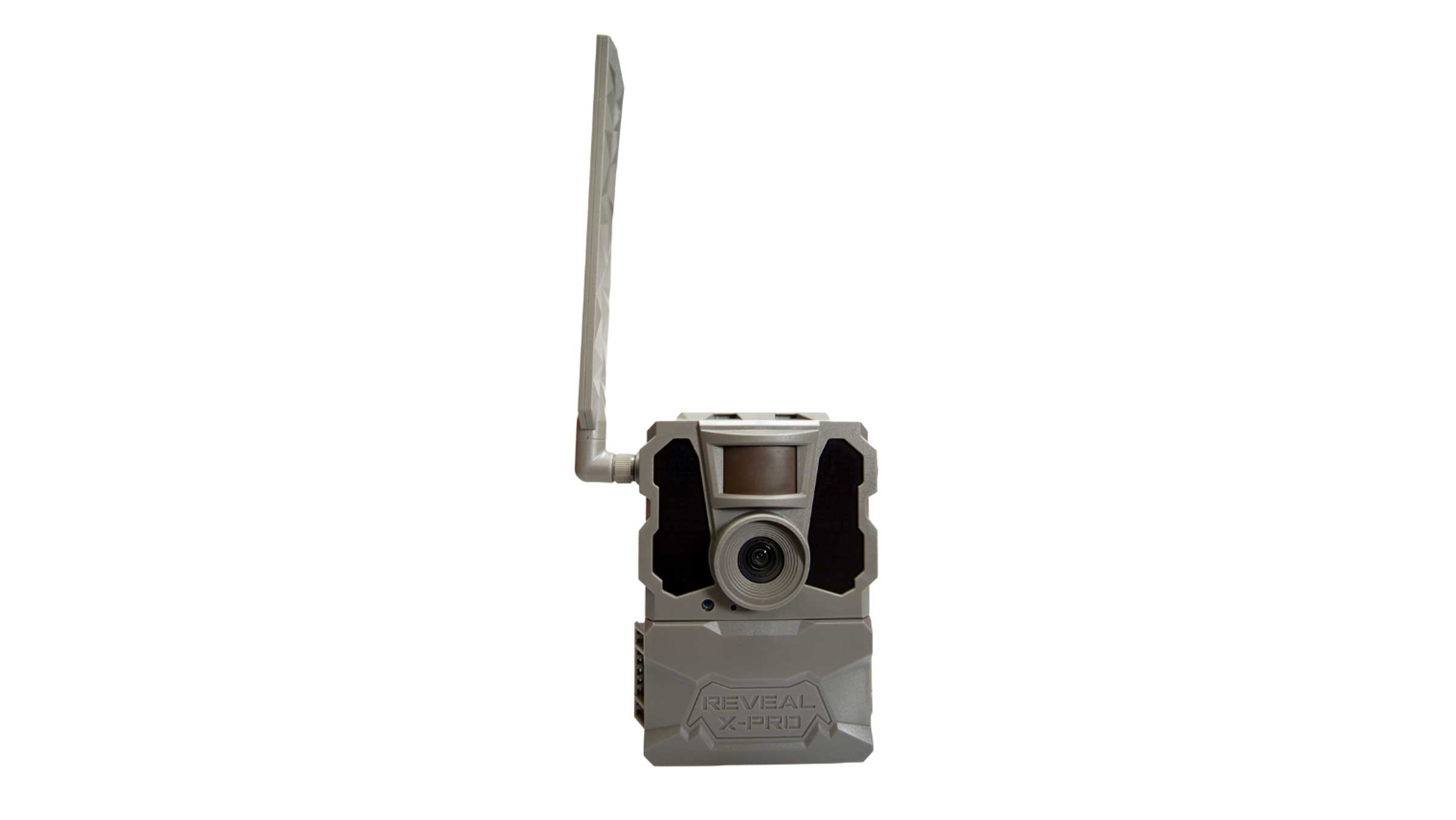
The Tactacam Reveal X-Pro is a reliable, easy-to-use, and reasonably priced cellular trail camera. Testers set up the Reveal X-Pro in the woods of eastern Nebraska where deer, turkey, and other game animals are abundant. It didn’t leak or crack through extreme heat, cold, snow, rain, and curious animals, including turkeys and deer, that rubbed up against it. Setup was easy and quick—one tester was able to pull up images on his phone within minutes. (LTE data plans through Verizon or AT&T start at $5 per month.)
We didn’t experience any common technical glitches, like poor battery life, corrupted SIM cards, or images not appearing on his phone. At 16 megapixels, the image quality of the Reveal X-Pro is stellar, even in the dark.
Tactacam’s customer service is also top-notch, quickly resolving a billing question one of our testers had. “Tactacam’s technicians made me feel that if and when I do have issues, they will always be there to help me solve them,” he said.
An update: The Tactacam Reveal X-Pro remains solid after two seasons of continuous use. Our tester still relies on the trail cam to help him keep updated with what’s happening in the woods.
Best Lightweight First-Aid Kit: Uncharted Supply Co. Triage Kit
Weight: 5.29 oz
Pros and Cons
+ Lightweight
+ Water-resistant
+ Includes all essentials
– Expensive for a triage kit
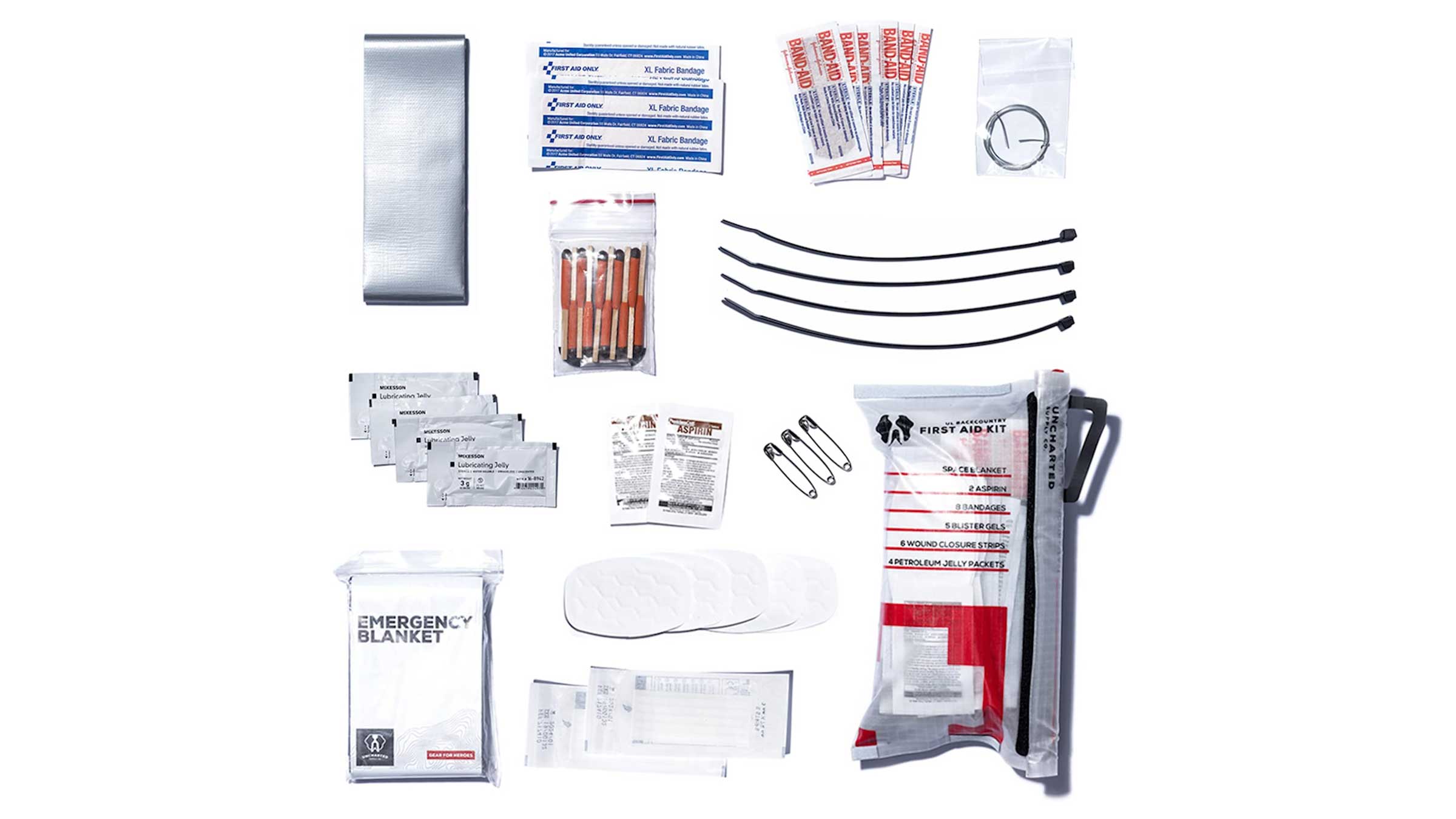
Uncharted Supply Co.’s R&D process for this ultralight first aid kit involved interviewing over 100 outdoor experts. The result? A mere 5.29-ounce kit that’s comprehensive enough to take deep into the wilderness, no matter if you’re hunting, fishing, or backpacking.
Advertised as “half gear repair, half first aid,” the Uncharted Supply Co. Triage kit consists of matches, bandaids, blister bandages, zip ties, safety pins, aspirin packs, duct tape, baling wire, an emergency Mylar blanket, and a few other essentials. One hunter first took the Triage Kit to a drop-off camp in southeastern Alaska in early November. Rain, sleet, and snow pounded down for seven days, and on day five, two inches of water had seeped into his tent (He reported that he had to stow a lighter inside his long underwear to keep it dry). Although the rest of his belongings got wet, the Triage Kit’s contents remained “bone dry” thanks to its tough, 30-denier nylon exterior.
ADVERTISEMENT
“The kit has traveled with me everywhere since I got it. It’s just about perfect for someone who wants to travel farther while hunting. It’s the product that I was most enamored by this season,” one tester said.
The first-aid kit continues to be an essential part of our packing list. When we caught up with a tester over a year later, he shared that he was currently packing for a hunting trip in South America, and the Triage Kit was coming with him.
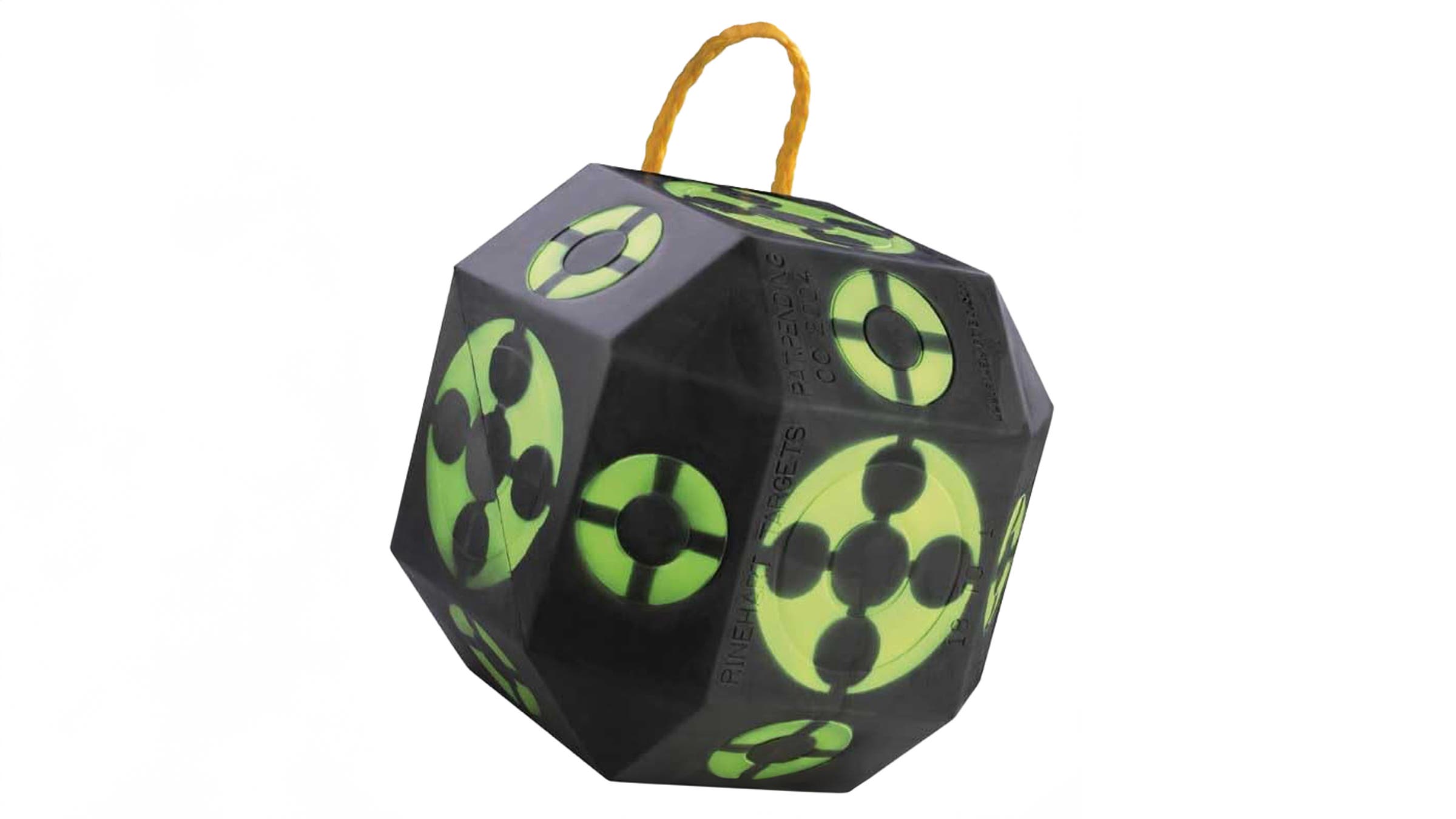
Best Portable Archery Target: Rhinehart Target 18-1
Size: Height 15″ x Width 15″ x Depth 15″
Targets: 18 vivid target zones
Pros and Cons
+ Portable and compact
+ Durable, self-healing foam that works
+ Does not damage hard-hitting crossbow bolts
– Only one color option
Testers used this archery target while practicing at home, on the archery range, and in the field. They appreciated the target’s portability and relative lightness. Unlike bulkier options, it fits perfectly on a car seat or truck floorboard—making it a practical tool for the die-hard archery hunter who likes to squeeze in practice whenever possible.
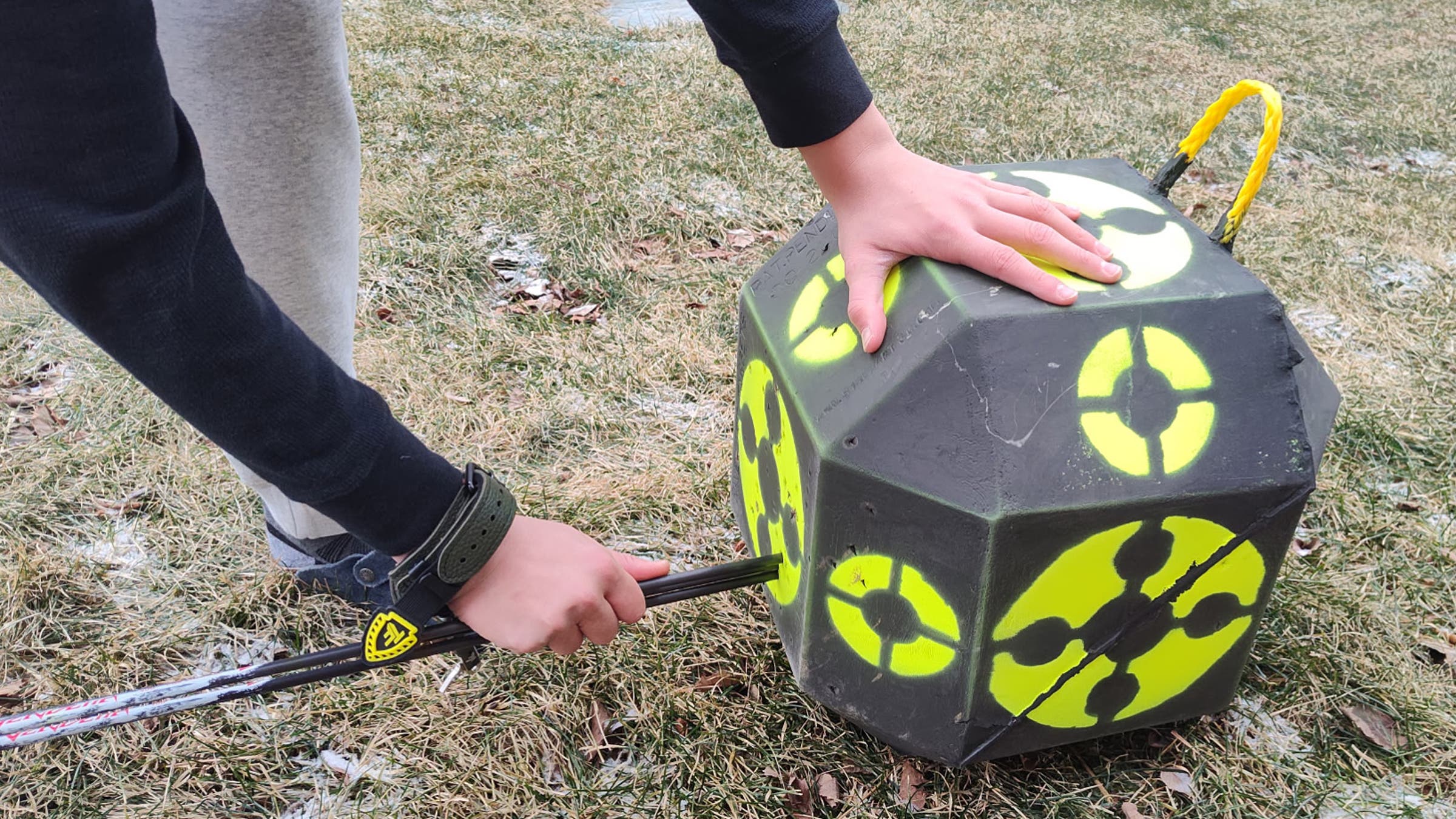
Testers shot hundreds of arrows from a compound bow and bolts from a crossbow into the 18-1. Arrow removal was easy, and the target had no problem receiving hard-hitting crossbow bolts without tearing the fletching. After a full season of use, the target shows little sign of wear, thanks to Rhinehart’s “self-healing” foam. We didn’t need it but appreciate the warranty: If you end up wearing out the target within a year, Rhinehart will replace it—guaranteed hassle-free.
If forced to come up with an ask, it would be more color options to add some fun.
More Hunting Accessories We Recommend
- Nocs Long View Spotting Scope 20-60x, 85mm ($600) – An incredible buy that offers the clarity found in scopes that cost thousands of dollars. At 16.26 inches long and 6.26 inches tall, testers found it too big to carry “anywhere.” Still, weighing only 3.86 pounds, one could certainly try. This is a great scope for general wildlife viewing if space wasn’t an issue.
- Gunner Dog Bowl ($60) – A must-have item for hunters who travel with dogs, the Gunner Dog Bowl offers a spill-proof lid that works for both water and feed. The bowl is rust proof, slip proof and impact resistant, and it’s made in the U.S.A. Gunner also offers personalization.
- Maven RFZ.1 – 6-12×21 Range Finder ($650) – Testers appreciated the range finder’s easy and intuitive interface that did not require flipping through a manual to operate. However, at $650, testers expected the objective lens to gather more light. Testers who wore glasses also found the eye relief lacking, as they couldn’t get close enough to the lens without seeing vignetting.
How to Choose Hunting Accessories
There’s a dizzying amount of hunting gadgets and gizmos available, and while it might be tempting to pick up the latest and greatest gear with some celebrity hunter’s face slapped all over the packaging, spending more money won’t necessarily make you a better hunter. With that said, there are some accessories we can’t live without. We reach for them because they give us a slight edge. Or make our time in the field more comfortable, safe and enjoyable. Or help make a dirty job less so.
I’ve also found that it can be personal. I remember the first time I saw the Butt Out in action – a nifty, $10 tool that allows deer hunters to quickly release the anal canal of a deer before gutting it. While some hunters swear by the Butt Out, others, like me, prefer the old standby – a very sharp knife.
ADVERTISEMENT
I also remember when knives with replaceable, scalpel-sharp blades became a big thing. Beause eventually, while breaking down a large animal, most knives will dull – and there are few things more vexing than a crappy knife holding up the job after a long day, and it’s growing dark and cold and you still have to pack out.
Hunting can be as simple or as complicated as you want it to be. My advice is to get a couple hunting seasons under the belt first, with the help of a mentor or more experienced friend or family member, before charging your credit card with things you thought you needed.
Plenty of hunters and anglers have fallen into the trap of purchasing gimmicks that end up in the garage to gather dust. There are also a lot of cheap, poorly-made gear out there. Find out what others are using, how they are liking it and read reviews. The best accessories are the ones that become a part of your process. They are the ones that stay in your kit.
How We Test
- Number of testers: 8
- Number of products tested: 30 for fall and winter 2026
- Number of miles/vertical feet: 1,115 miles
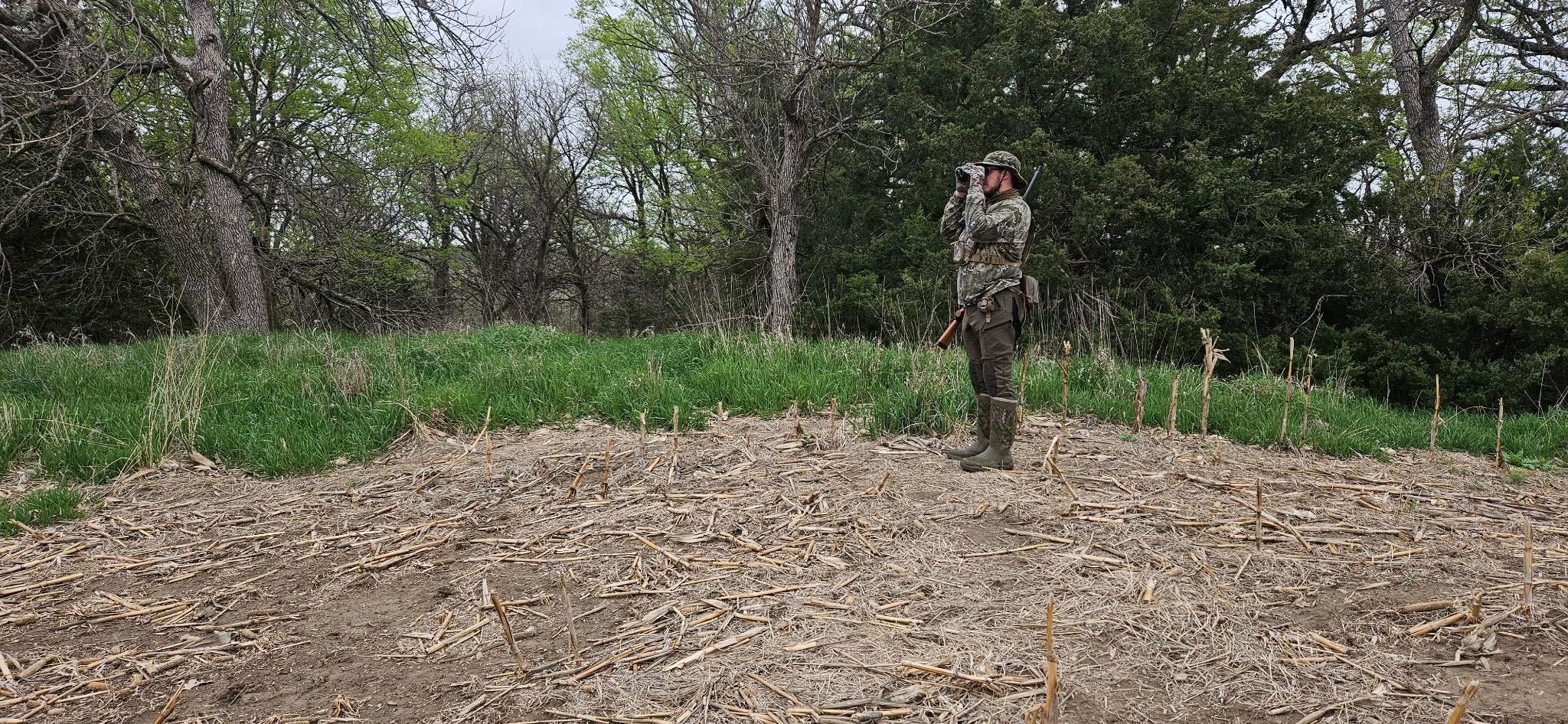
To find the best hunting gear, eight testers put 62 pieces of gear—25 accessories and 37 pieces of apparel—up against the elements this season: from warm early-season archery deer in the Midwest to the extreme limits of winter in Interior Alaska. Testers encountered subzero temps, ice, mud and extreme wind. They hunted across a variety of terrain, including the rolling sandhills and steep canyons of central Nebraska, in the dramatic wilderness of Alaska, mule-deer habitat in New Mexico, and in turkey country in the rocky hillsides and prairies of Wisconsin and Illinois.
Meet Our Testers
Lead tester and category manager Jenny Nguyen-Wheatley spent her teenage years camping and backpacking in California. She began hunting in her early 20s and currently resides in Nebraska as an outdoor writer, photographer and wild game cook.
Nolan Dahlberg runs Dahlberg Digital out of Wisconsin, where he spends a considerable amount of time hunting white-tailed deer on his family farm. He also travels to hunt grouse, elk and mule deer.
Angie Kokes shot her first shotgun at 3 years old and grew up hunting with her dad to pursue upland birds in Nebraska. After teaching herself how to rifle and archery hunt for deer, Kokes learned how to spear hunt. She also has hunted big game with her spear in Africa and New Zealand.
