Published April 3, 2026 02:11PM
If you buy through our links, we may earn an affiliate commission. This supports our mission to get more people active and outside.Learn about Outside Online's affiliate link policy
Are You Ultralight Curious? These Are the 9 Essentials You Need.
Altogether, these nine ultralight backpacking items weigh just over nine pounds—perfect for the ultralight-curious.
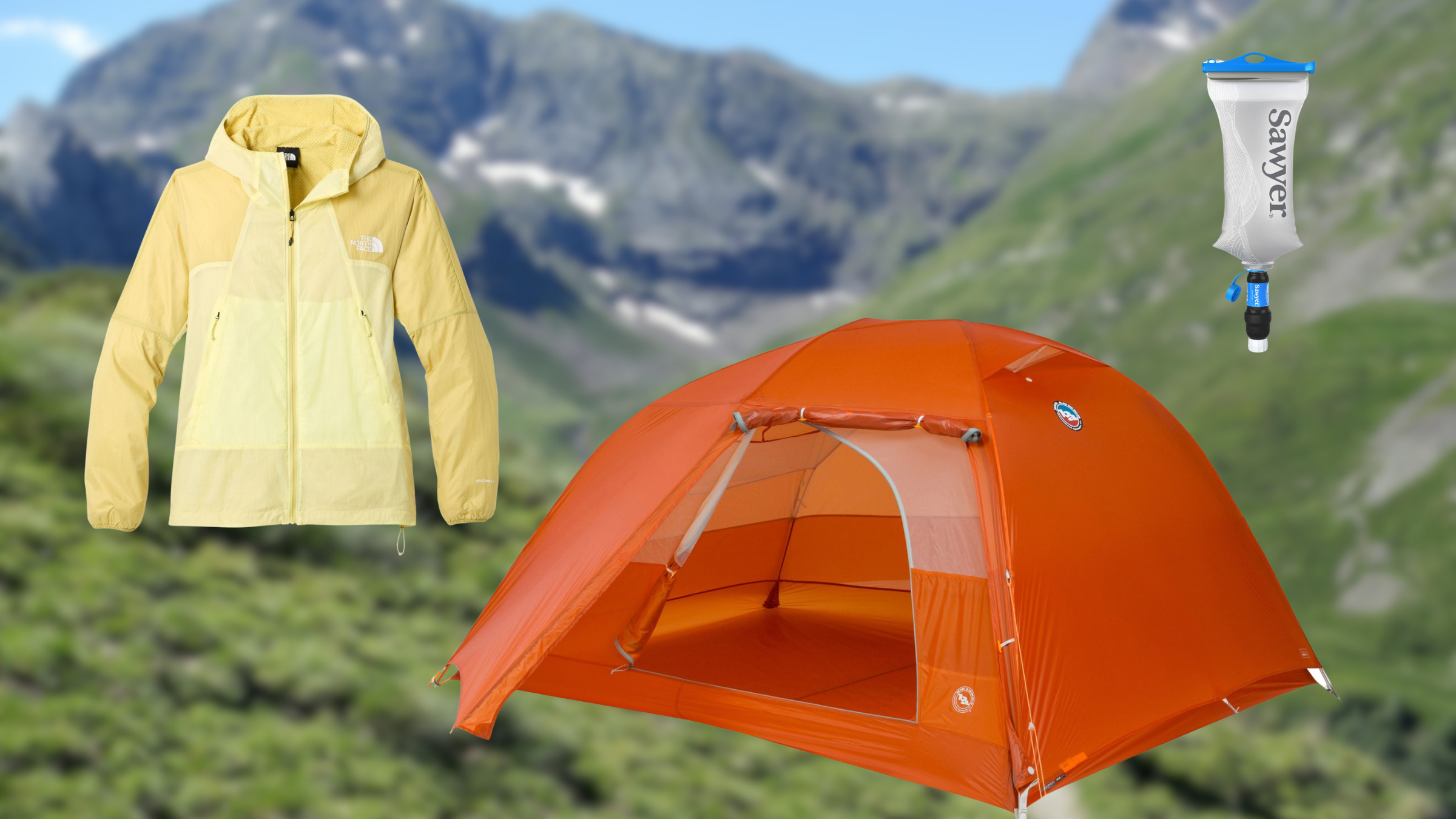
Our editor-recommended "ultralight curious" kit features the Big Agnes Copper Spur UL3 tent, The North Face Ridgelite wind jacket, and the Sawyer Squeeze filtration system. (Photo: Canva, REI)
By mile two of a backpacking trek, I often start rethinking my packing habits. Maybe I didn’t need the camp shoes. Or those rolls of Oreos. Or the book I swore I’d read by the lake. I used to think that a heavy pack was just part of the deal, the price of being prepared for every condition and version of myself: the diva, the snacker, the reader.
However, as materials and designs improve, outdoor gear brands are shaving ounces without stripping away the creature comforts that used to justify a heavier pack. While I’m not about to become the kind of hiker who sleeps on pine needles and snaps my toothbrush in half, there’s no longer an excuse to haul my old school, overweight rucksack around in 2026. As we head into prime backpacking season, I want to challenge myself to lighten my load a little.
Based on recommendations from friends and ultralight aficionados, I’ve created an “ultralight curious” wishlist of gear that trims base weight without fully committing to the ounce-counting ethos. Altogether, these ultralight backpacking gear essentials weigh a skosh over nine pounds—a good 12 pounds lighter than my old baseweight and enough to bring me into the modern era of backpacking without compromise. (Ultralight is typically under ten pounds, while lightweight is under 20, excluding food, water, and fuel.)
Gossamer Gear Gorilla 50 Ultralight Pack
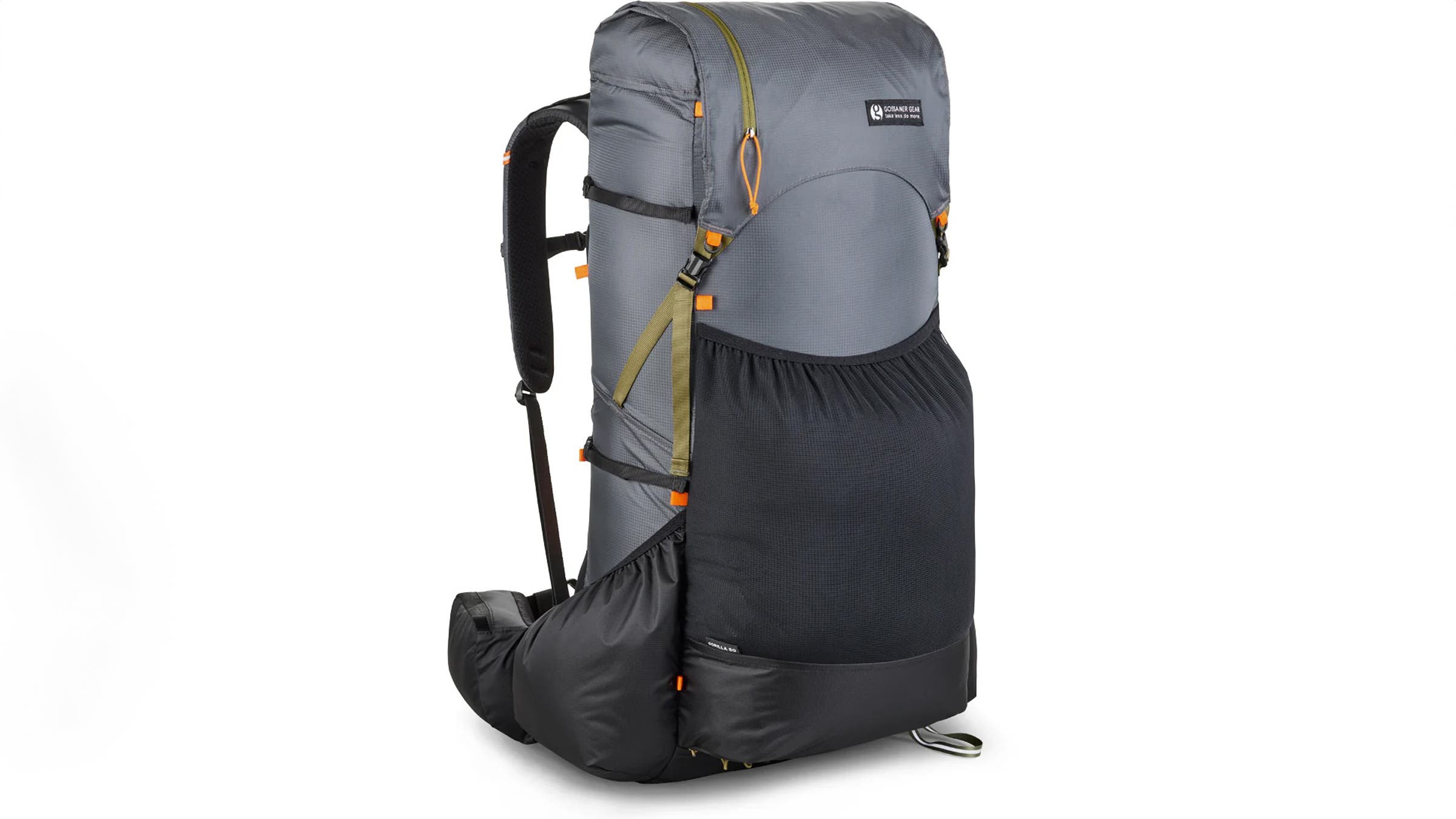
Weight: 31.2 oz
Let’s start with the piece of gear that holds everything else. My current 50-liter pack is $45 more expensive and weighs about four pounds, while this one weighs roughly two pounds. The main difference: The Gorilla comes in a lighter denier nylon (100D vs. 210D). That makes it slightly more delicate than the heavy-duty fabrics on traditional frame packs (but fear not, it won’t immediately tear if you put it on the ground). The aluminum frame is also lighter, and overall, the pack has fewer features but maintains the essentials like load lifters, external pockets, and plenty of loops. Bonus: The belt is removable for those counting grams or using it for day trips.
Zenbivy Ultralight Quilt
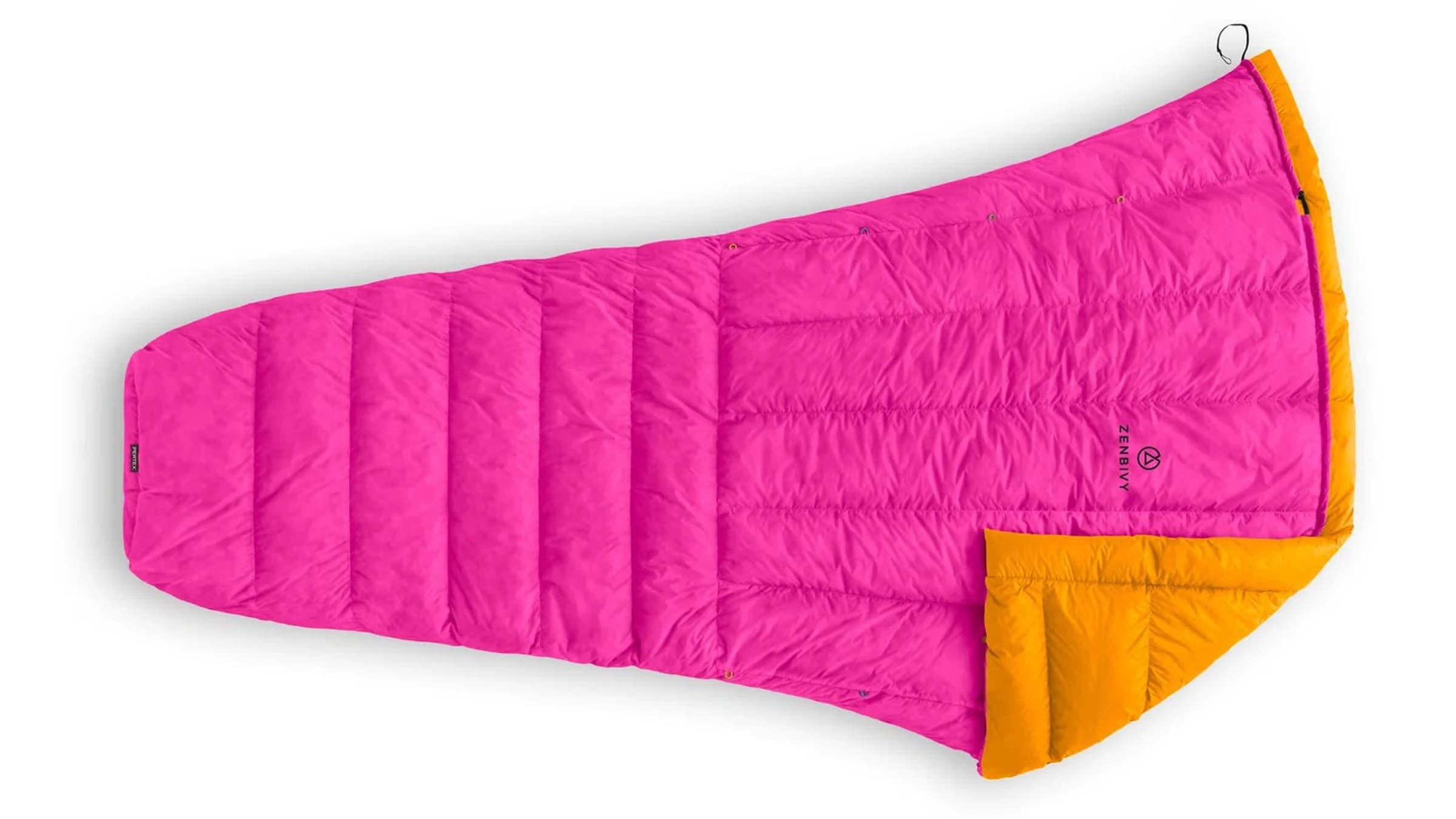
Weight: 16 oz (regular, 25-degree Down, 950+ fill power) to 33 oz (XL, 10-degree Down, 900+ fill power)
I’m internet friends with a long-distance hiker who is an evangelist for this sleeping quilt from Zenbivy. My IRL friend just bought one at her recommendation. Usually I prefer a mummy bag, but the quilt clips together to keep you cozy and enveloped all night. And better yet, rather than taking up the whole bottom third of your pack, this lofty quilt compresses down to the size of a sourdough loaf. It comes in several different temp ratings—25 or 10 degrees—and insulation materials—synthetic PrimaLoft gold, muscovy down, or goose down—depending on where you’re camping most. Add the ultralight sheet (5.4 to 8.6 ounces) for an integrated sleep system.
Exped Ultra 6.5R Sleeping Pad
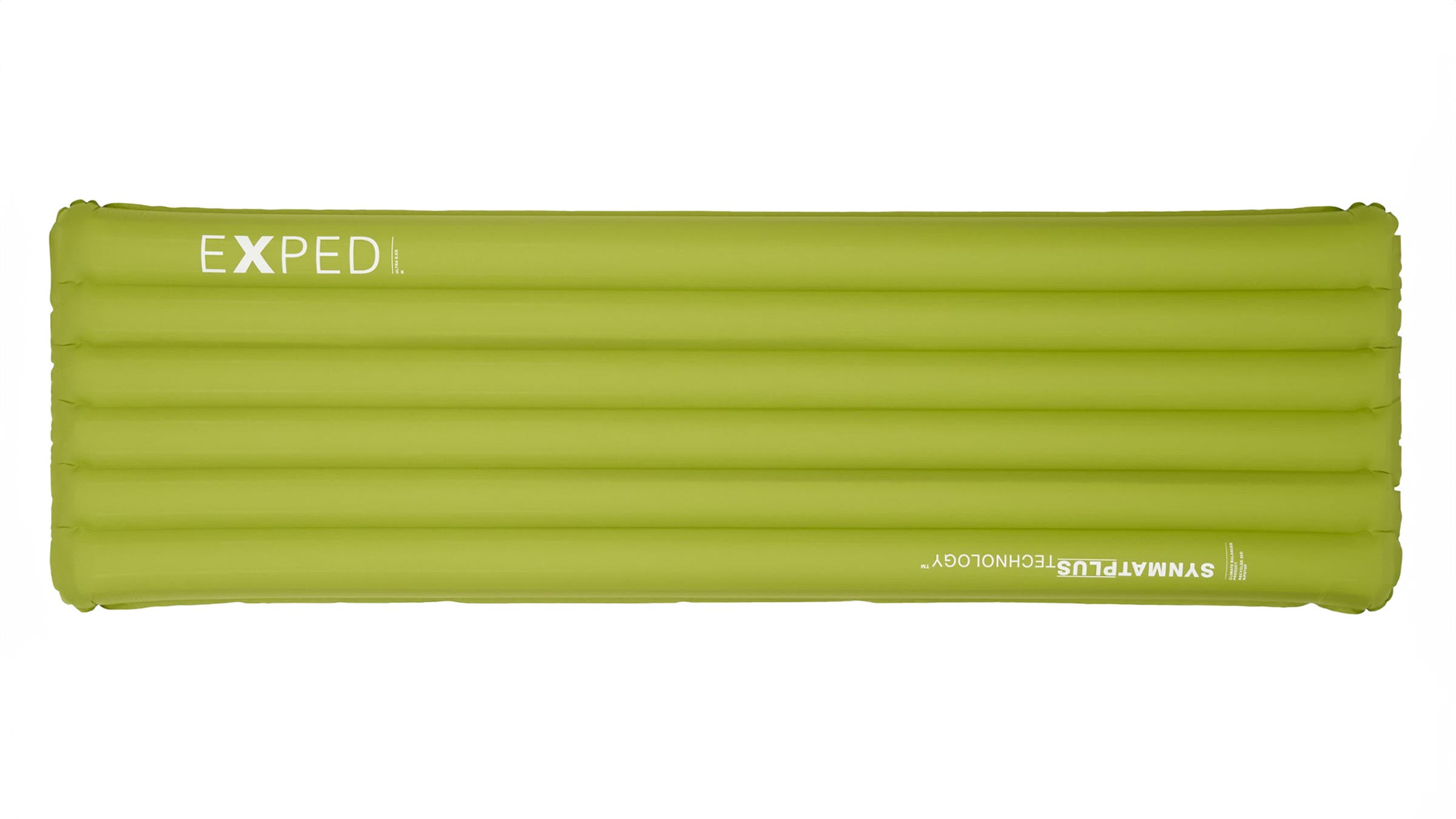
Weight: 16 oz (medium rectangle)
When I met with them recently at a gear expo, Exped told me that they’re pushing into the “ultralight curious” category this year as well. And it shows. In February, the brand launched their lightest—and warmest—sleeping pad to date. It packs down to the size of a liter water bottle and comes in three sizes, in either mummy or rectangular shapes. The listed R-value (how well it insulates from the cold) is an impressive 6.9—3R warmer and 9 ounces lighter than my Exped Dura 3R.
Big Agnes Copper Spur UL3 Tent
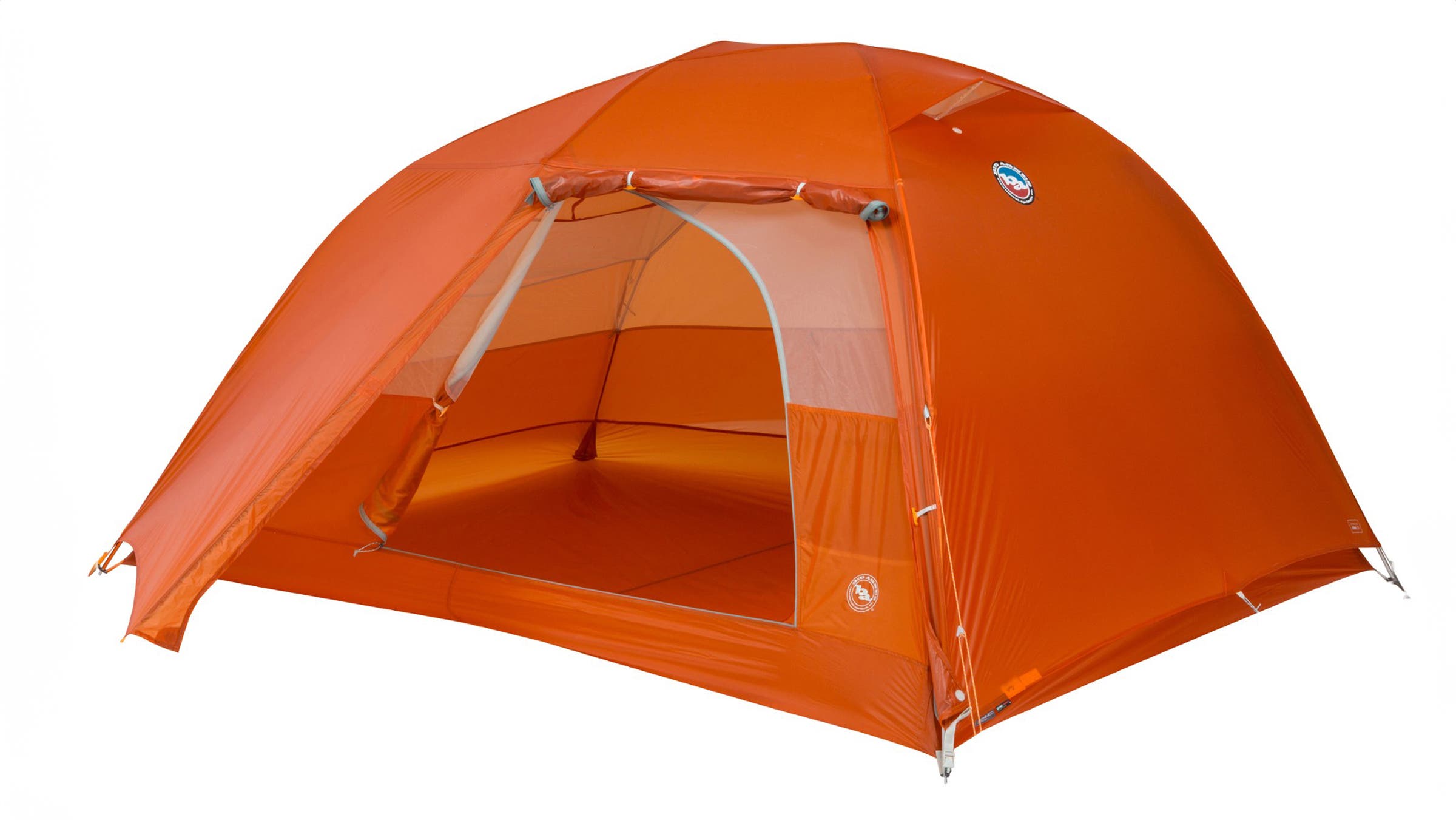
Weight: 3 lbs 6 oz
I usually backpack with my husband or a friend, so I’m not in the market for a one-person tent. Splitting the weight between my old 4-pound shelter wasn’t a big deal. But splitting the lightweight Copper Spur UL3 amongst two backpackers makes it hardly noticeable in my pack. This tent strikes an ideal balance of light weight, durability, and weatherproofing for the conditions I’m likely to encounter as a fairweather backpacker. The result is less weight on my back and ample legroom and storage space for two hikers.
Jetboil Stash Cooking System
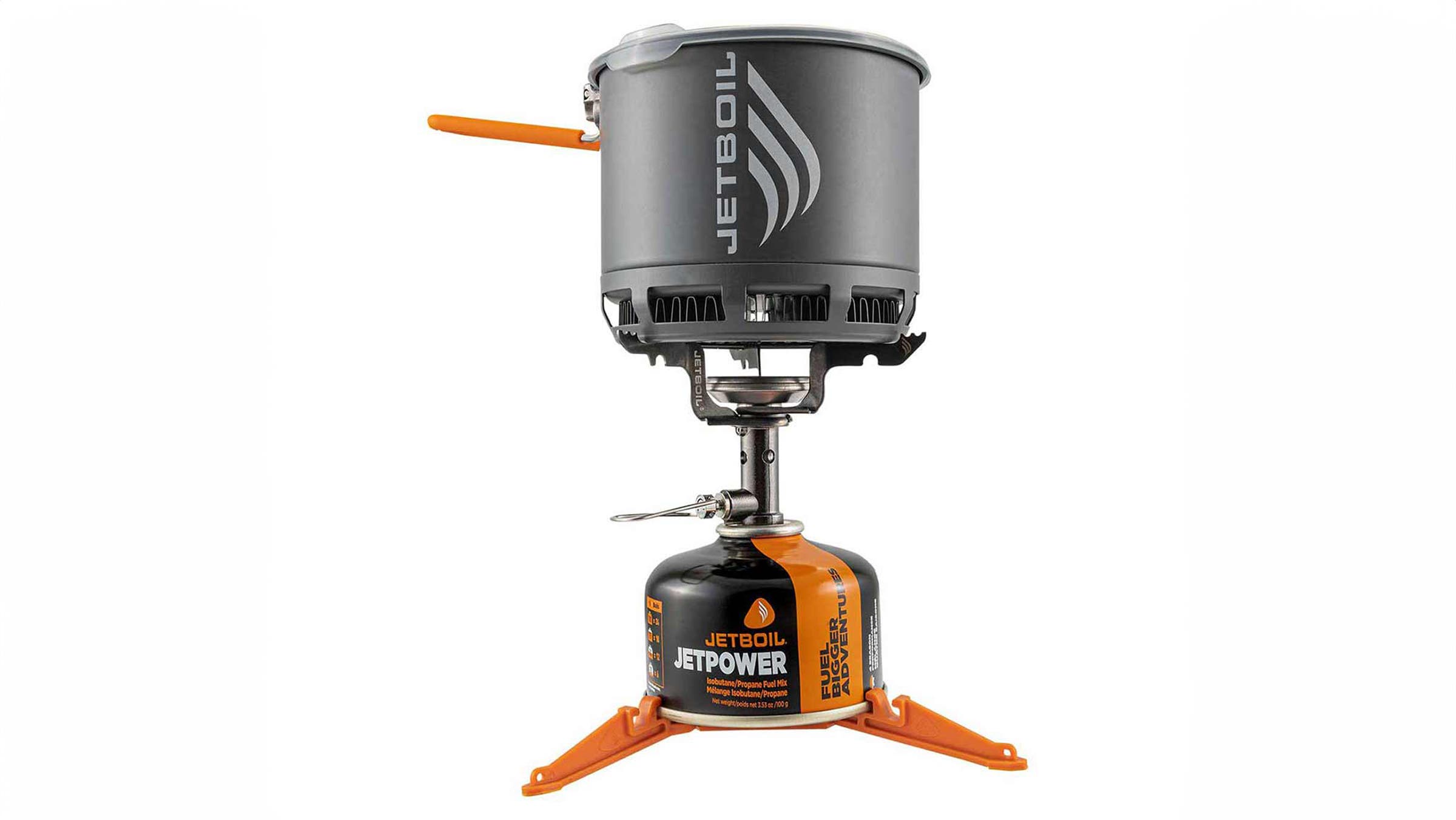
Weight: 7.1 oz
One ultralight hiker I talked to swears by this nifty little cooking system. Sure, it’s not an ultralight canister stove but, he says, it’s “way better in wind and really fuel-efficient.” In addition to the stove, you get a stabilizer tripod and an 0.8-liter aluminum pot that boils a half-liter of water in under three minutes. It’s compact too: a 4-oz fuel canister nestles perfectly inside the pot.
Black Diamond Distance Z Trekking Poles
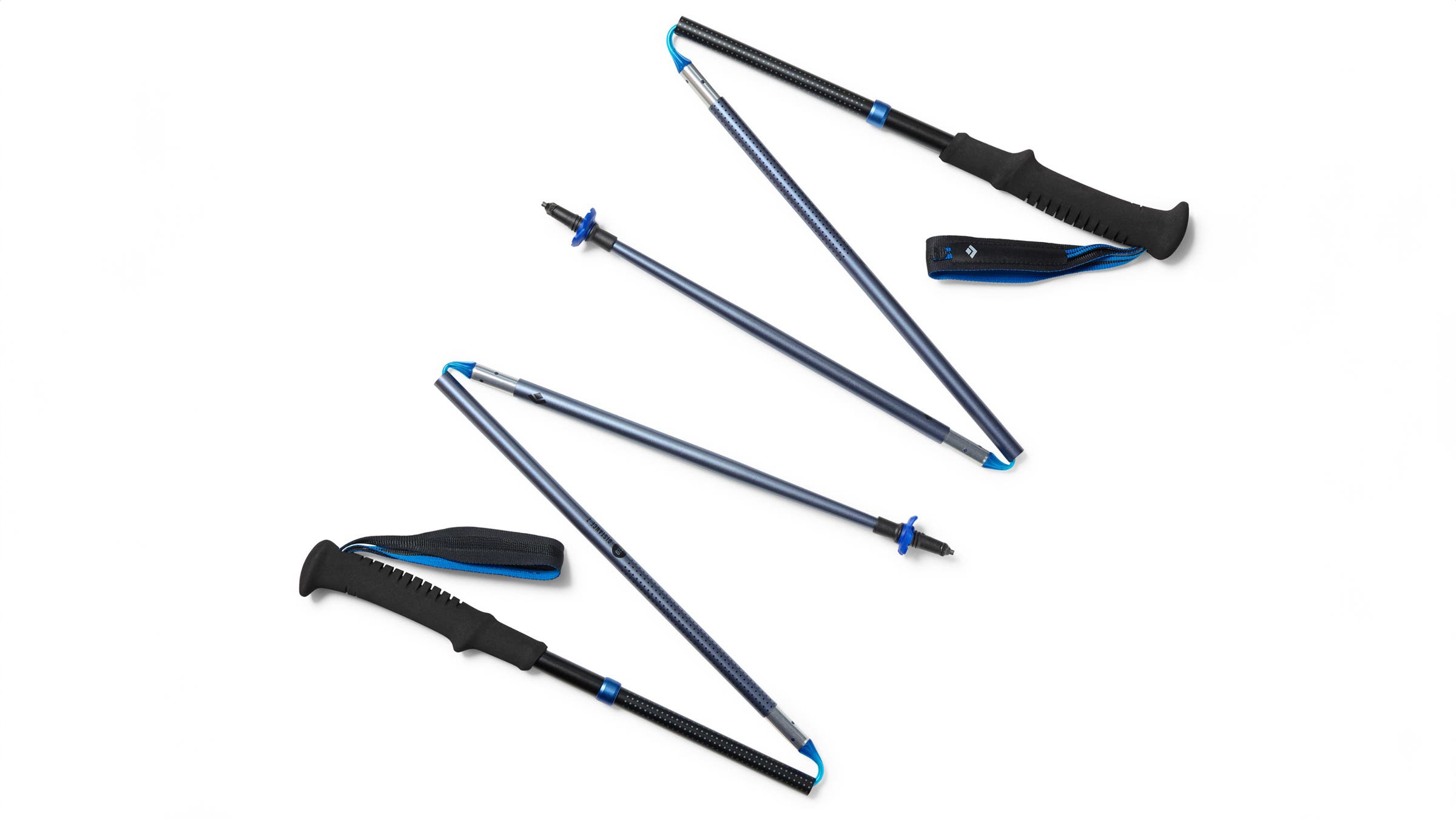
Weight: 11.6 oz (per pair, 110 cm)
I’ve started bringing trekking poles on every backpacking trip to save my creaky knees, and the Black Diamond Distance Z Trekking Poles check all the boxes, largely because they’re so minimal I won’t have to think twice about packing them. They come in four different lengths (100, 110, 120, and 130 cm), and collapse and fold in a Z shape to tuck neatly into a pack pocket or pole straps. Even on trips when they stay stowed, I never regret having them along.
Sawyer Squeeze Filtration System
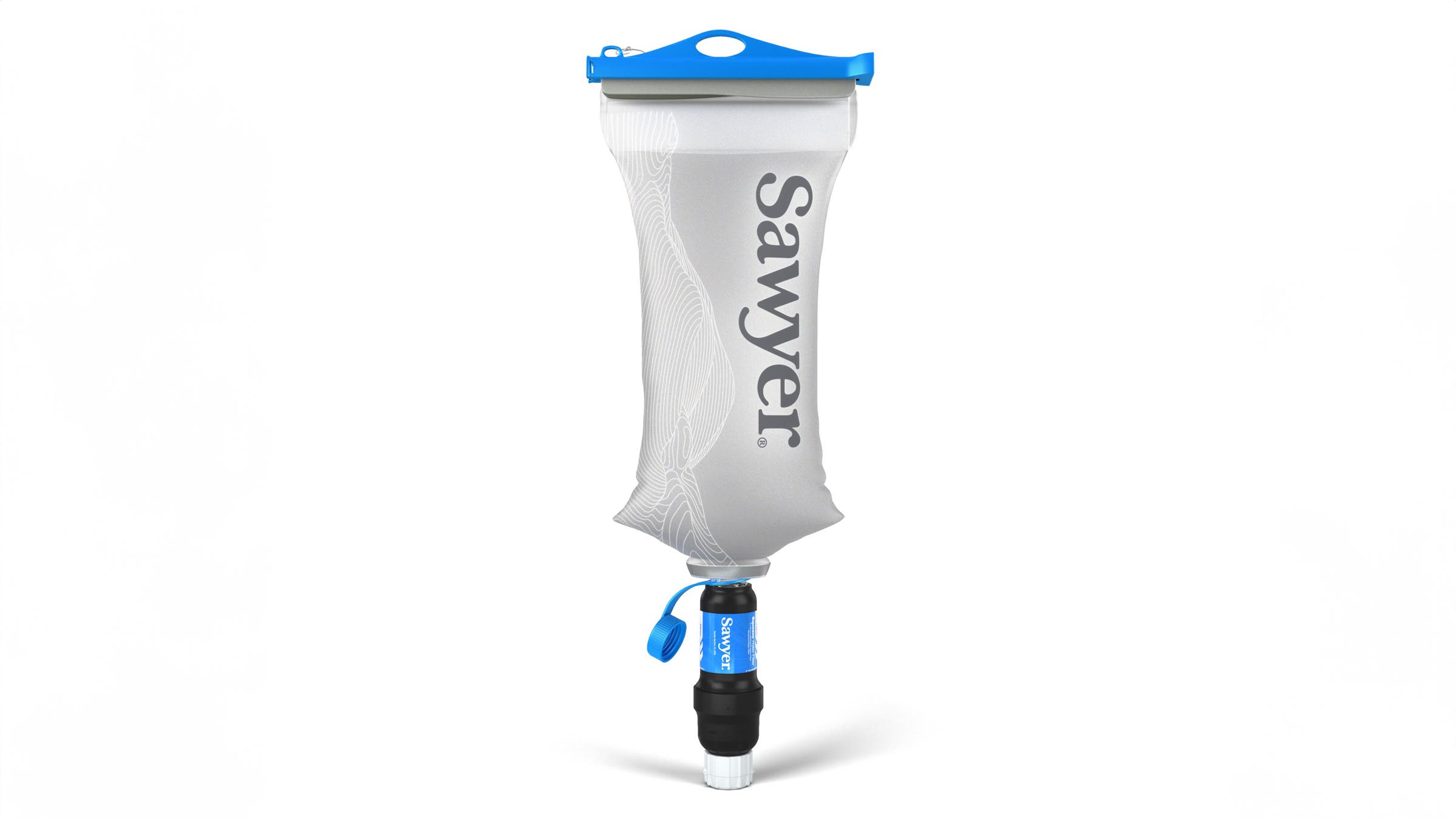
Weight: 5.8 oz
Filtration systems are already pretty lightweight, but many UL thru-hikers recommend the Sawyer Squeeze filter with the Cnoc 2-liter bladder for its reliability, compactness, durability. The Sawyer Squeeze also fits on thru-hiker-beloved Smart Water bottles—an essential part of many backpackers’ hydration systems. As for the bladder, backpackers say it’s easy to fill thanks to a large zip-top opening, and fairly puncture resistant.
Zpacks Camp Shoes
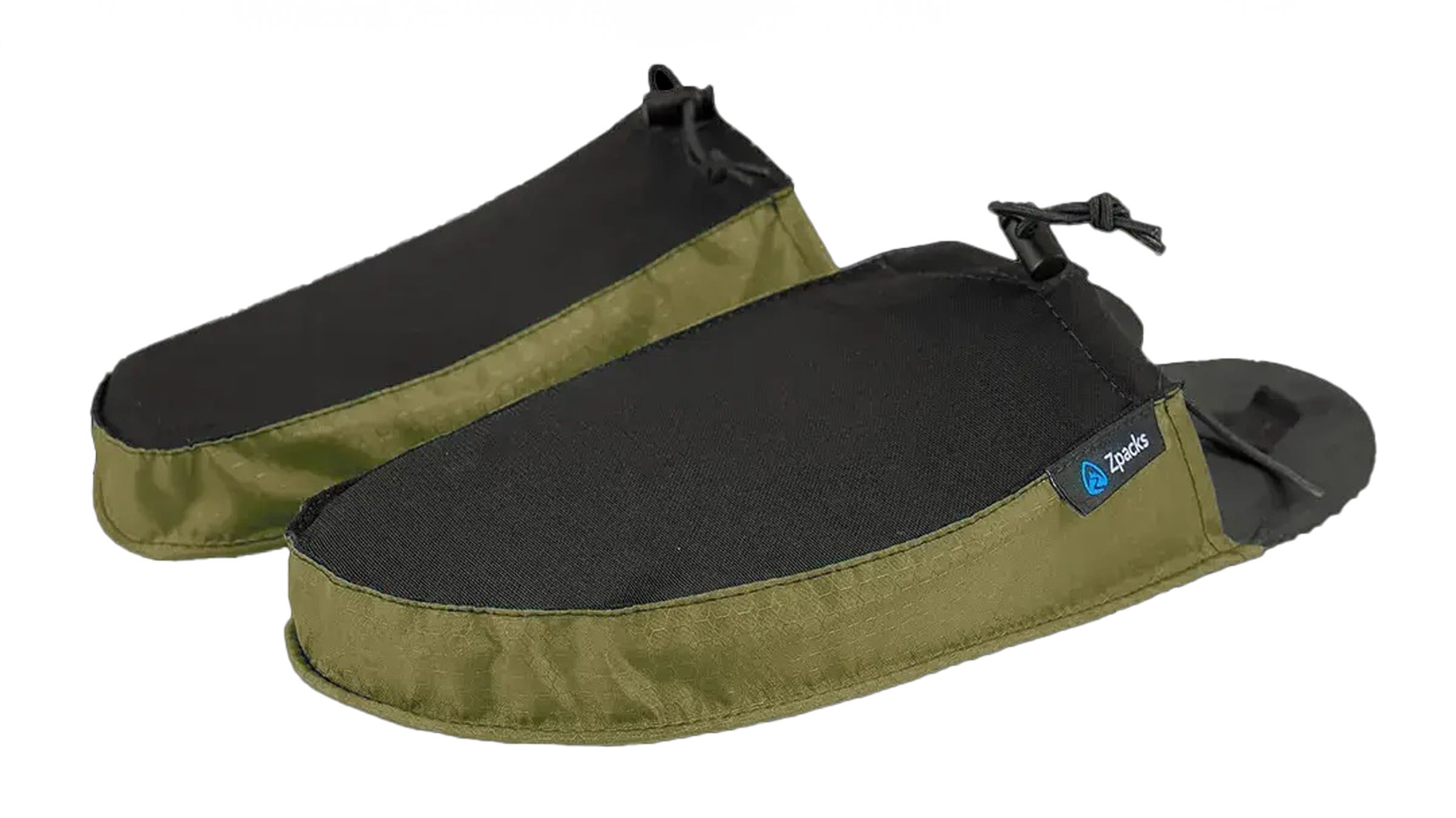
Weight: 2.8 oz per pair (size XXL)
Camp shoes are a necessary luxury for many avid and casual backpackers, including myself. I like to slide in and out of shoes around camp, whether I’m swimming in a lake or entering my tent. It’s also nice to ditch the shoes you’ve been hiking in all day for something more plush. The ultralight columnist at Backpacker recommends these slides for their foam sole, nylon and mesh clog-style upper, and cinchable cord around the ankle. They stayed on and offered protection during river crossings, and looked the most conventional as a town shoe. Plus, they weigh less than a standard deck of cards (that you better leave behind because you’re in your UL era now).
The North Face Ridgelite FUTUREFLEECE Wind Jacket
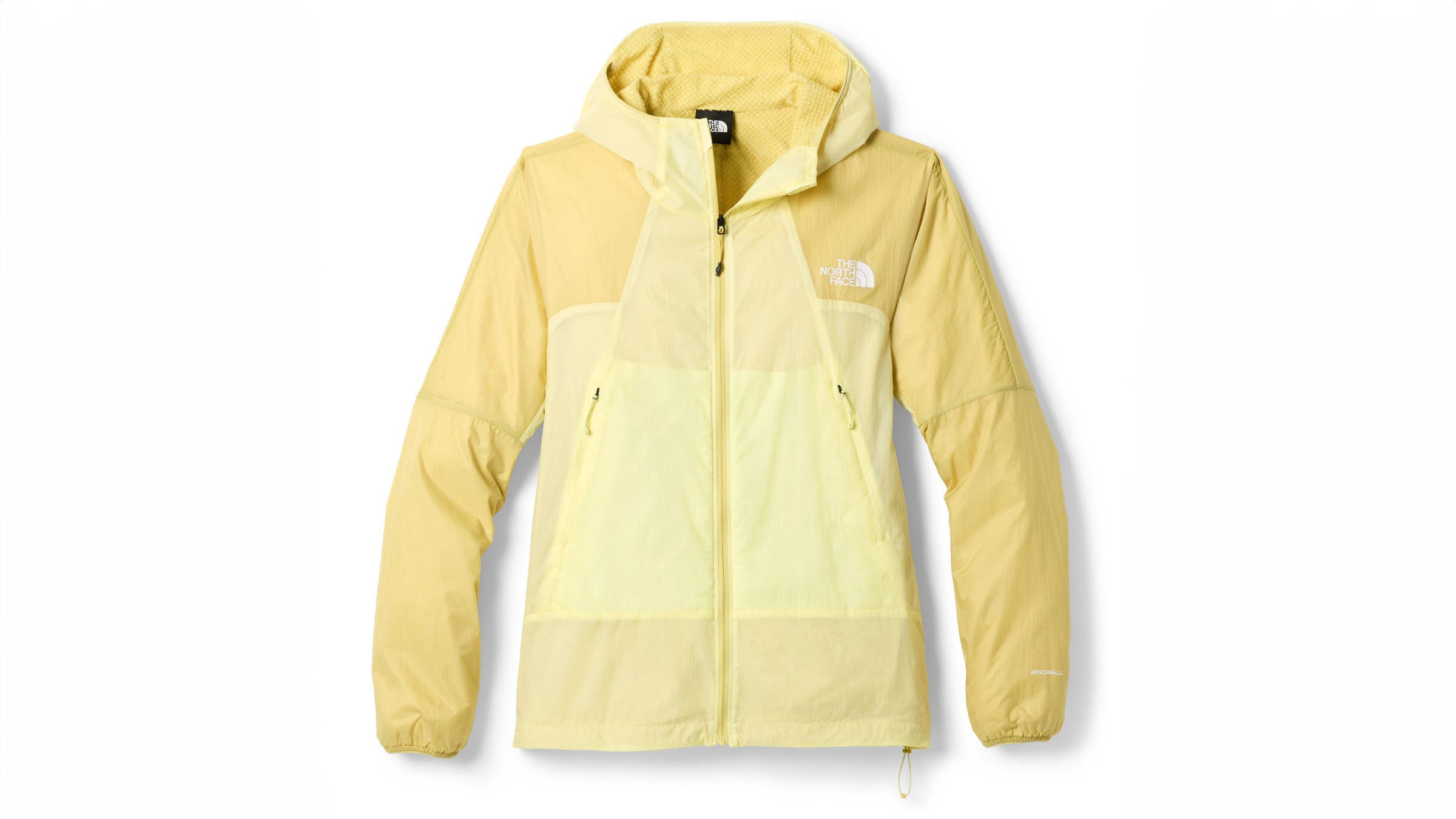
Weight: 7.2 oz
A core principle of ultralight is choosing gear with multiple purposes. TNF’s featherweight midlayer is a windbreaker and fleece in one: The inside is lined with a cozy gridded fleece, while the outer nylon shell is coated with a PFC-free DWR. The whole jacket packs down and cinches into the hood for easy stowability. Not only will I bring this light layer on backpacking trips this summer, I can also wear it for runs, day hikes, and around the city.
