Published December 23, 2025 03:00AM
If you buy through our links, we may earn an affiliate commission. This supports our mission to get more people active and outside.Learn about Outside Online's affiliate link policy
The First Timer’s Guide to Fly Fishing: The Budget-Friendly Gear You Need to Get on the Water
You don’t need a garage full of expensive toys to land your first trout. Our fly fishing expert breaks down the essential, affordable kit.
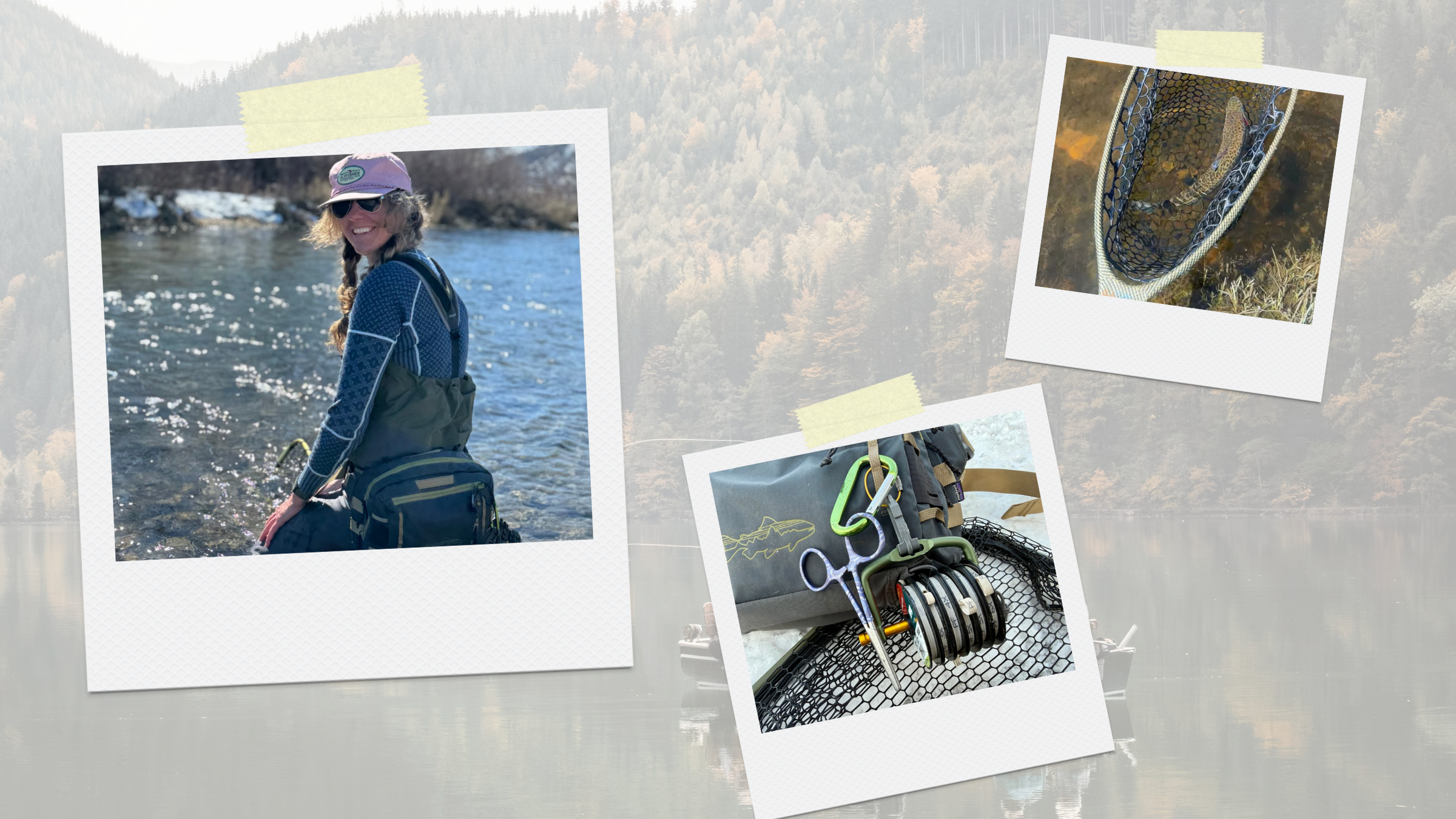
Fly fishing enthusiast Francesca Krempa shares nine essential pieces of fly fishing gear for beginners, including what to invest in and what to save on. (Photo: Francesca Krempa/Canva)
Table of Contents
The first time I wandered into a fly shop on my own, I had no idea where to begin. I had been fly fishing before, but always on a boat and with the help of a partner or friends. Being alone—and starting from scratch—was an intimidating, gear-intensive ballgame. Even the most basic questions—what do I need, what do I wear?!—were almost enough to discourage me from getting out on the water at all.
What I eventually learned is that you don’t need a garage full of expensive toys to start fly fishing—you just need a few well-chosen basics that work in most situations. The sheer volume of fly fishing rods, reels, waders and gadgets lining a fly-shop wall can make you feel like you need one of everything before you even wet your line. But you don’t (seriously). You can absolutely get on the water, learn the fundamentals, and have a great time doing it without draining your bank account. Below, I’ve rounded up the best gear that makes fly fishing for beginners approachable and accessible. Scroll to find the exact budget-friendly apparel, gear, and accessories I rely on (and wish I had when I first started) to make getting into this pastime as simple and welcoming as possible.
Best Fly Fishing Gear for Beginners: At a Glance
- Budget-Friendly Waders: Frogg Toggs Hellbender Breathable Waterproof Stockingfoot Waders ($199)
- Rubber Wading Boots: White River Fly Shop Riseform Lug Sole Wading Boots ($90)
- A Goldilocks Kit: Orvis Encounter Fly Rod Outfit 9’ 5 wt. ($298)
- A Lightweight, Ultra-Comfortable Pack: Patagonia Stealth Fishing Pack 3L ($59)
- High-Quality Net with Rubber Basket: Fishpond Mid-Length Nomad Net ($170)
- Amazon Nippers: Loon Nippers ($9)
- Non-Corrosive Stainless Steel Tools: Loon Forceps or Hemostats ($20)
- Easily Organized Tippet and Holder: Fishpond Rio Headgate Tippet Holder + Tippet ($45)
- Mid-Priced Polarized Sunglasses: Suncloud Polarized Sunglasses ($55)
Frogg Toggs Hellbender Breathable Waterproof Stockingfoot Waders
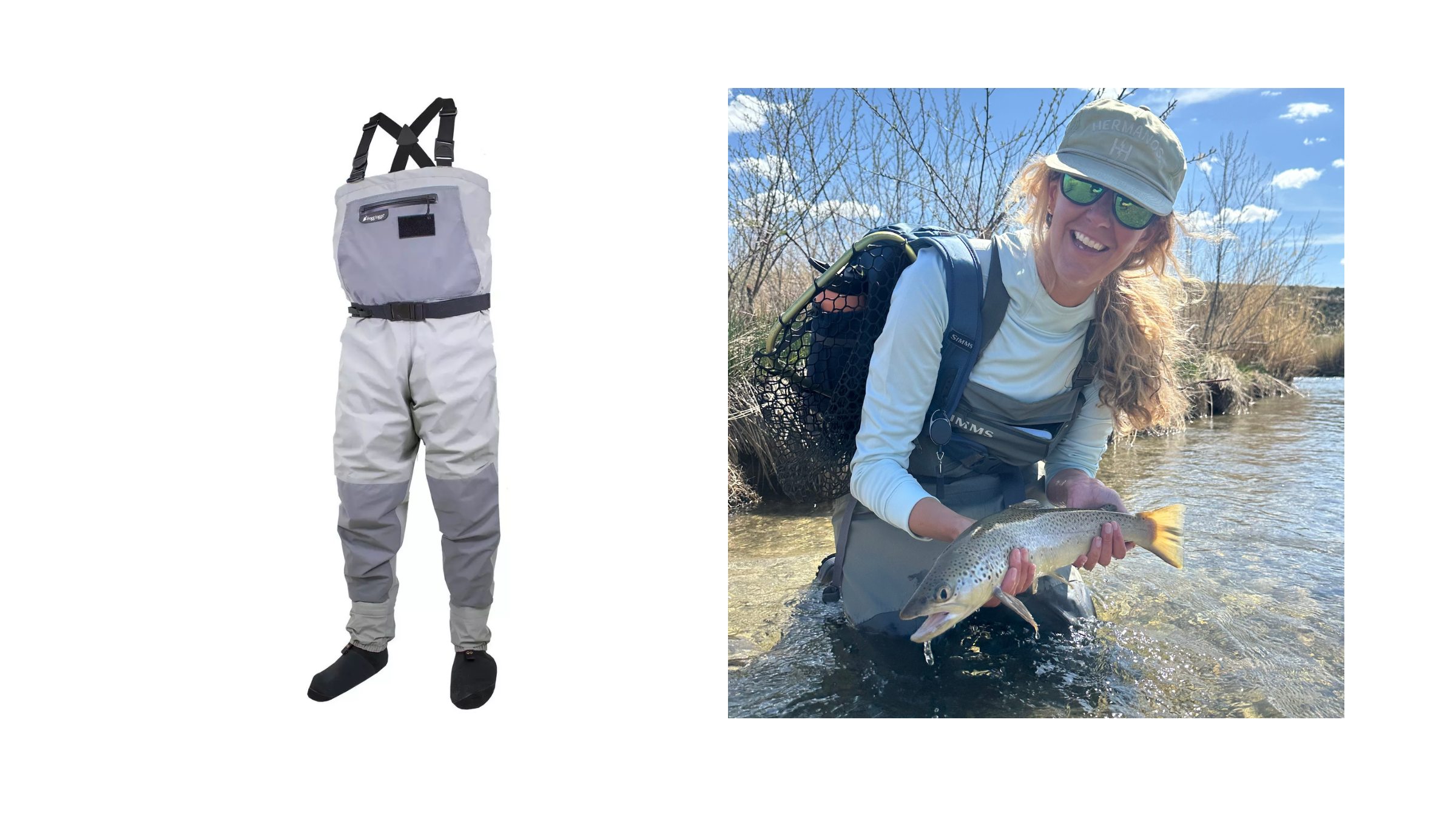
If you’re wading, waders are arguably one of the most important pieces of fly fishing gear to get you out on the water—especially in fly fishing for beginners, when being comfortable can make or break your experience. They keep you dry and safe, allowing you to spend all day getting wet without actually getting wet. Like any other piece of outdoor equipment, the price of fly fishing waders varies; a premium pair of guide-quality waders (like Patagonia’s Swiftcurrent Expeditions or Simms’ G3s) can cost upwards of $800.
I’m here to tell you don’t need the $800 waders—Frogg Toggs work great, and will typically run you between $100-$150 depending on what style you buy. If you eventually want to upgrade to a fancy pair of fly fishing waders, so be it. But I’ve seen seasoned anglers reach for Frogg Toggs year after year because they are waterproof and cost way less than competitors. Opt for a pair that is medium weight and roomy enough to layer underneath (tight waders are uncomfortable).
ADVERTISEMENT
And whatever you do, don’t forget your wading belt, a safety accessory that prevents your bibs from quickly flooding with water if you fall in. Most waders come with a wading belt, which cinches around your waist and creates a seal. It’s not entirely waterproof, but if you slip into the river and flood your waders (which happens!) it can prevent you from drowning. Leave it on your waders at all times, even when they’re drying, so you don’t forget it—a wading belt can save your life! And if you do lose your belt (which also happens), you can always get an extra, like this one from Patagonia.
White River Fly Shop Riseform Lug Sole Wading Boots
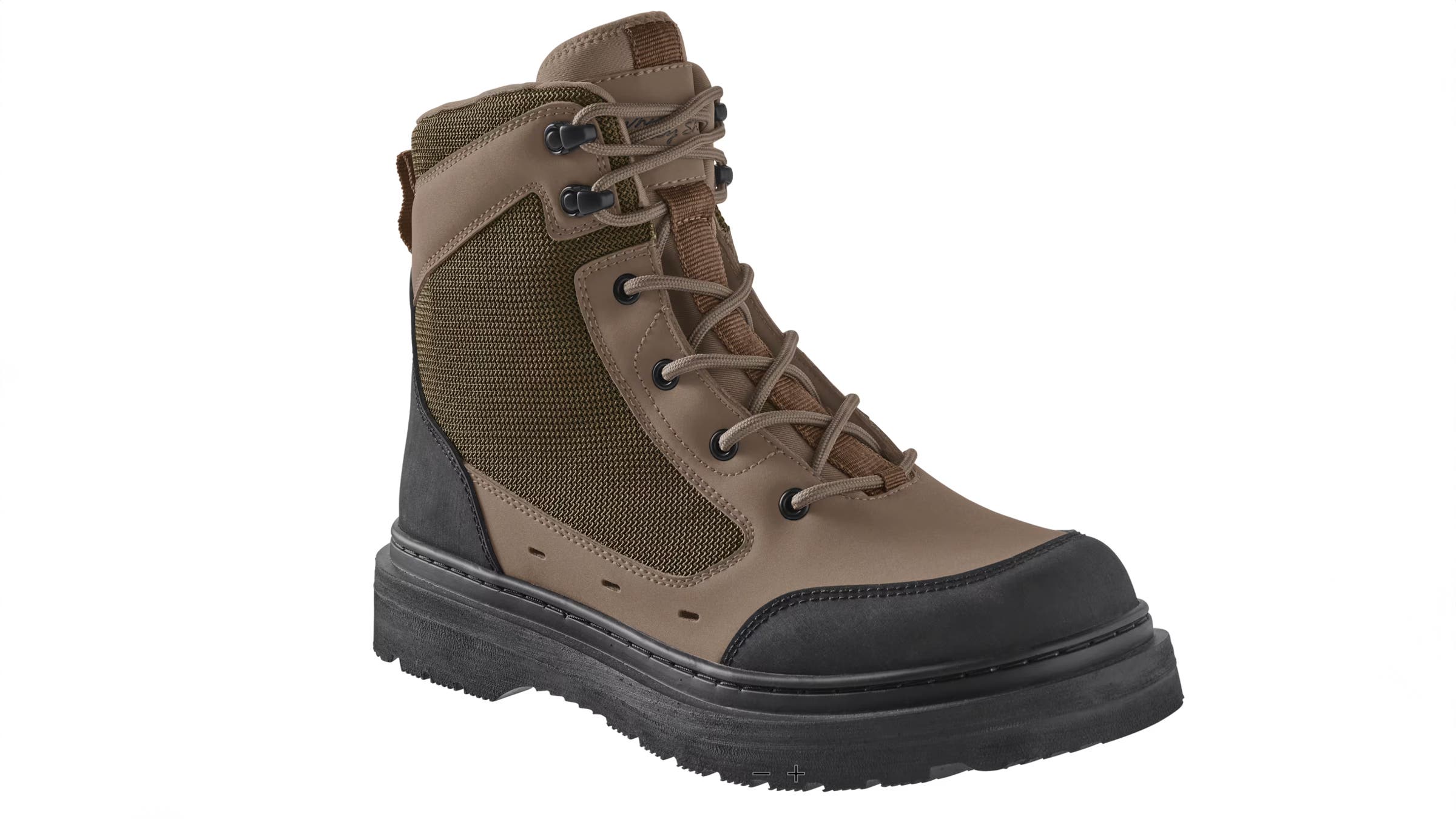
Fishing wading boots typically come in two types of bottoms: felt and lug. Traditionally, felt bottoms have been worn in rocky streams to help anglers grip onto slippery stones, but they can be super slippery in mud and have been linked to the transport of invasive aquatic species when not cleaned properly. So, go for the rubber—I’ve fished my lug soles just as well in freestone rivers as I have on gravelly lake shores and the surf. They’re clunkier, but you still get great traction and are easier to clean after a day out.
Orvis Encounter Fly Rod Outfit – 9’ 5 wt.
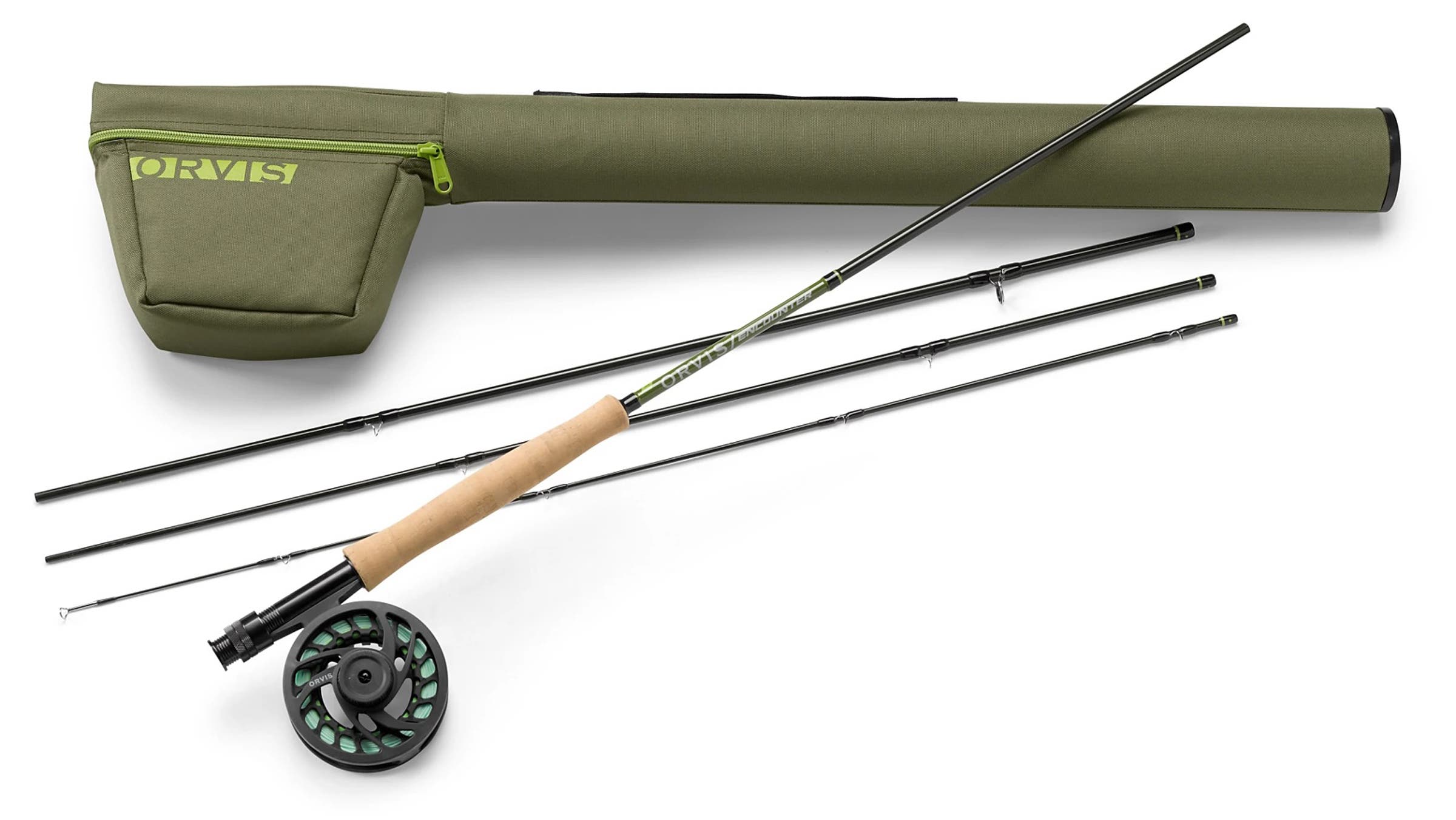
Picking out a fly fishing rod and reel for your first time out on the water can be incredibly intimidating. There’s so much to learn about the gear: rod weights, line classes, drag types, rod lengths—it’s overwhelming and can be enough to dissuade new anglers from learning the sport.
So, if you’re curious about learning how to fly fish and don’t know where to start, pick yourself up a 5-weight Orvis Encounter Fly Rod outfit. It comes with a 5-weight rod (a Goldilocks, do-it-all rod every angler should have in their quiver for freshwater fly fishing), an Orvis Encounter reel rigged and ready to fish, and a convenient carrying case. There are currently two rod lengths available: 9 feet and 8-foot-6-inch. Get the 9-foot rod. Longer rods allow for more reach.
This fly rod outfit is basically a one-and-done kit for getting out on the water fast and takes the guesswork out of learning all the ins and outs of fly fishing gear. It’s also incredibly budget friendly, is super fun to fish with, and comes with a 5-year guarantee, which comes in handy in case you accidentally break it. (You probably will—we all do.)
ADVERTISEMENT
Patagonia Stealth Fishing Pack 3L
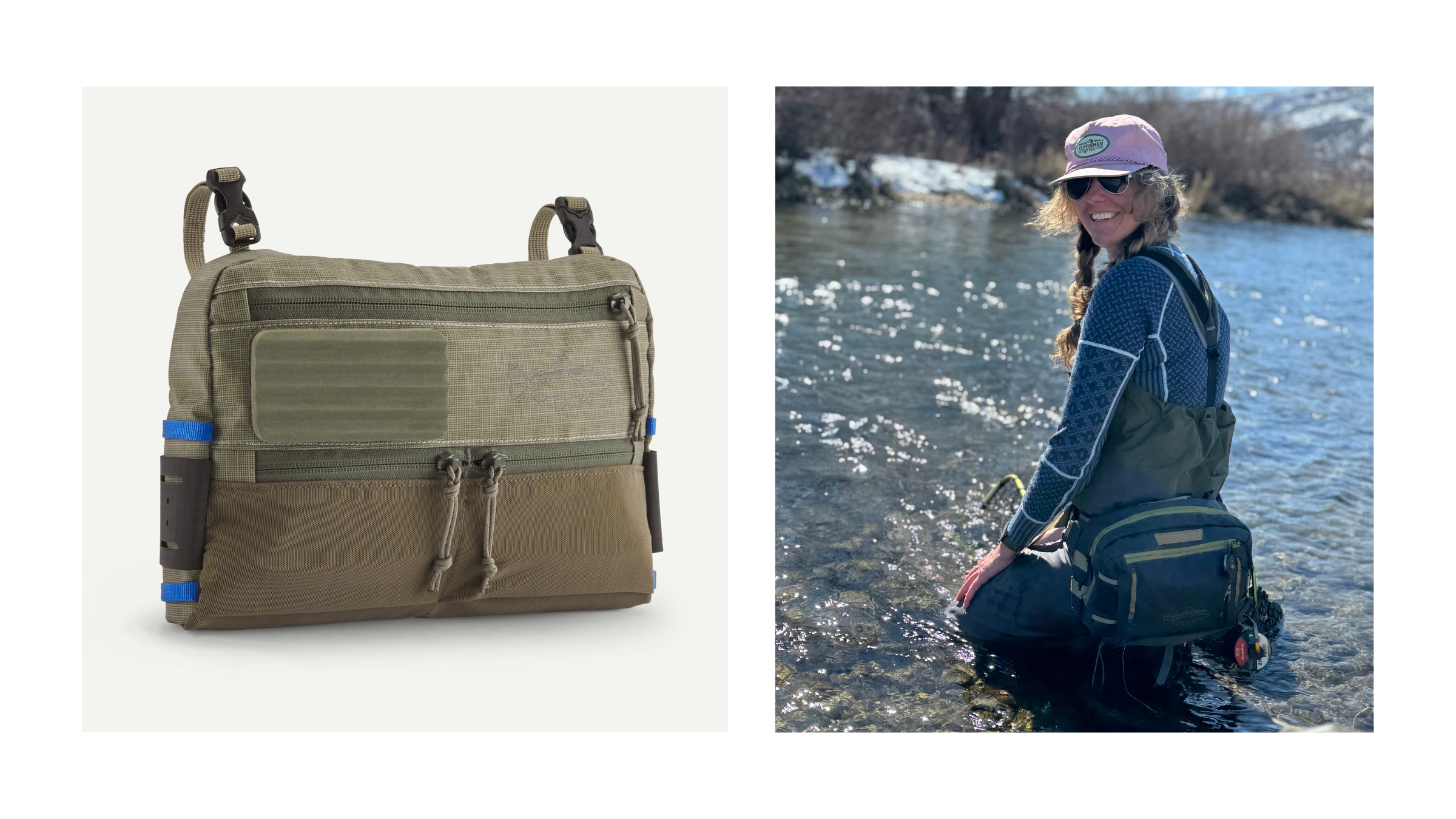
Some anglers love to carry a massive sling or backpack with them so they have every piece of fly fishing gear handy when they’re wading. I personally don’t like feeling bogged down, and when I was first learning how to cast and rig up, I found it distracting to have a heavy pack in my way.
Now, I almost exclusively fish with this 3-liter pack, whether I’m in salt or freshwater. It holds the true essentials—tippet, forceps, a fly puck or two, and a snack—without tempting me to overpack. The low-profile design stays out of the way when I’m casting or stripping line, and the water-resistant fabric has survived plenty of unexpected dunks. Traveling light makes the whole sport feel less chaotic at any level, and this tiny pack strikes that perfect balance between minimal and fully prepared.
Fishpond Mid-Length Nomad Net
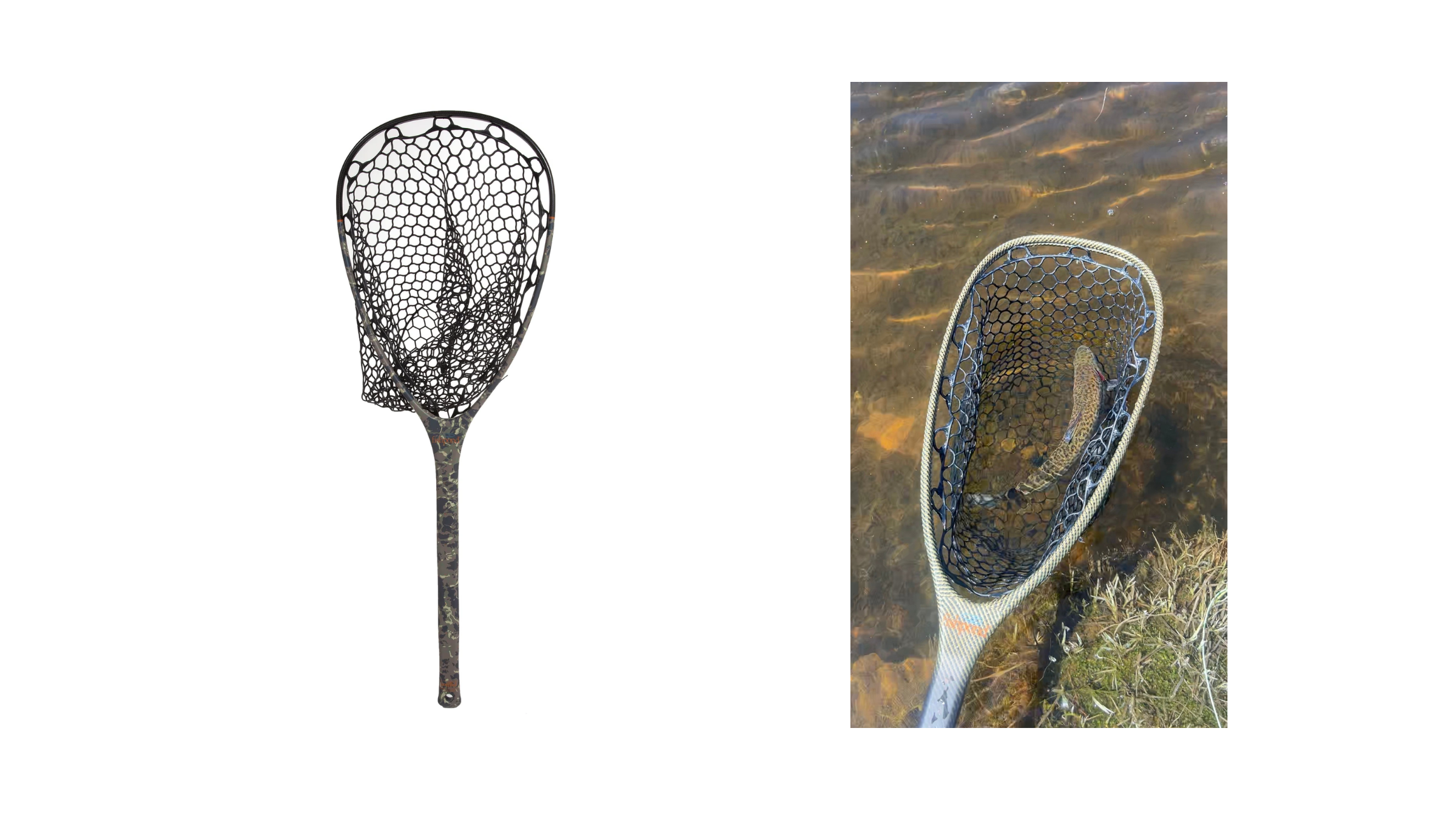
A high-quality net is the one piece of fly fishing gear I suggest you do spend money on, solely for the health and safety of the fish. Proper fish handling is vital across all species, but trout are especially sensitive, delicate creatures. Investing in a net with a longer handle and rubber basket can help you land them quicker and keep them wet when you’re unhooking them.
I love my Fishpond Nomad net for a number of reasons. First, the handle is the perfect length for landing a fish solo—it’s not too long that it’s in the way, and not too short that you’re fighting them longer than you need to be. Second, the basket is spacious and made from rubber that won’t scrape the slime off fish, which is vital for keeping them healthy. And third, it’s lightweight, so I can stick it in between my wading belt and waders and forget it’s there.
Yes, it’s expensive, but it’s worth the peace of mind knowing the fish I release go back healthy. If you do want to get a cheaper net, just be sure to get one with a rubber basket for the fish (like this one).
ADVERTISEMENT
Loon Nippers
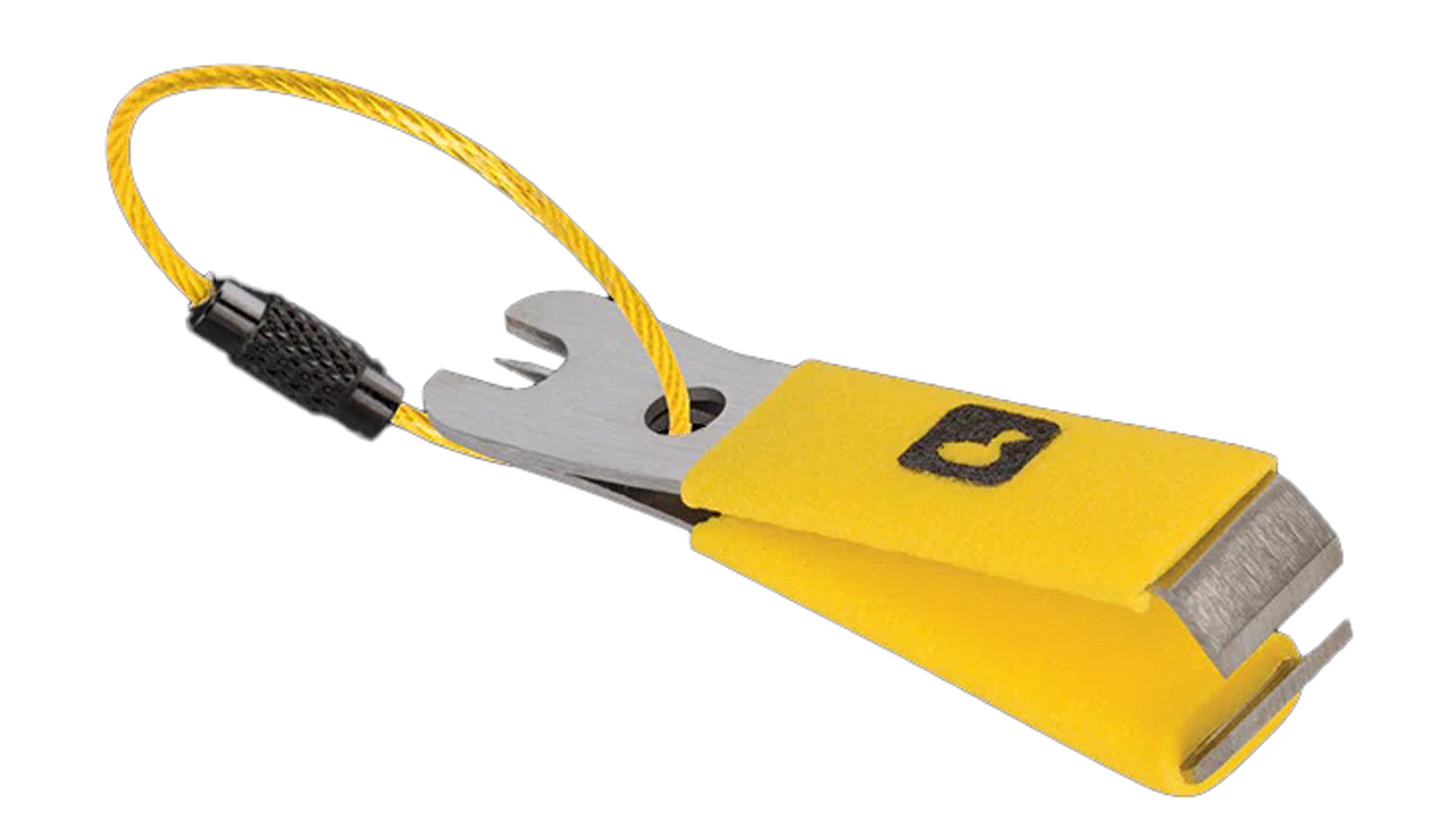
Your nippers will quickly become your best fishing buddy. When you’re tying on new tippet, having nippers (which are basically nail clippers) handy is so convenient for cutting lines. The slim eye-clearing needle on the other end is helpful for clearing hook eyes of resin and glue, too. I keep my Loon nippers on a retractor on a lanyard every time I fish. Nerdy? Maybe. Convenient? Incredibly so.
Loon Forceps or Hemostats
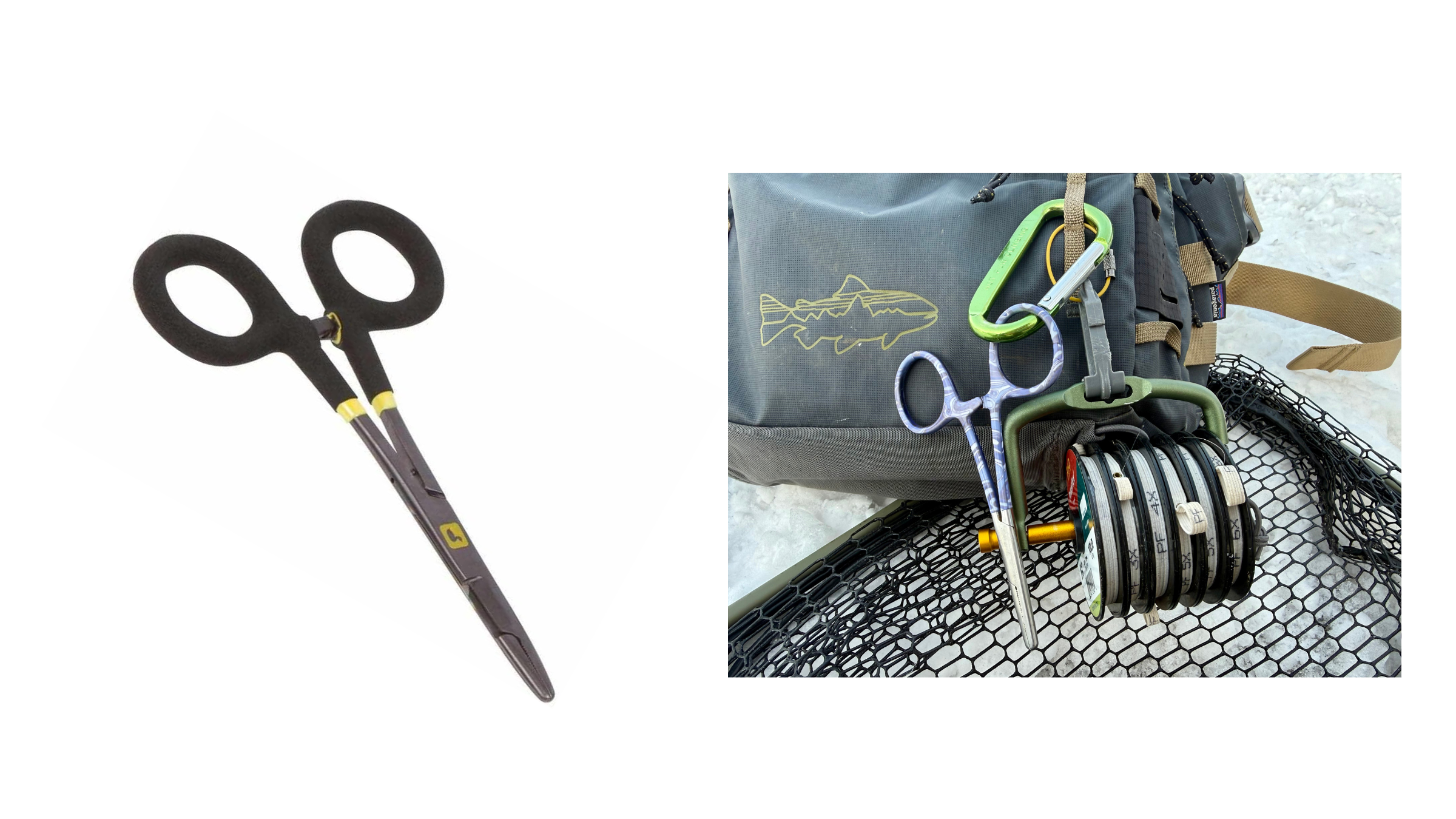
Forceps and hemostats are essentially the same tool—both are small, clamp-style pliers you use to remove hooks safely—but forceps usually have slimmer jaws while hemostats tend to be slightly thicker. In fly fishing, they’re indispensable. You’ll use them to pinch barbs, remove flies from a fish’s mouth, and even clinch down a knot when your fingers are cold or wet.
Look for a pair made from high-quality, non-corrosive stainless steel. Cheaper metals will rust instantly, especially if you’re fishing in saltwater. Loon’s tools are durable, ergonomic, and come in finishes that hold up to both freshwater dunkings and surf spray. I keep mine clipped to the front of my pack and reach for them constantly.
Fishpond Rio Headgate Tippet Holder + Tippet
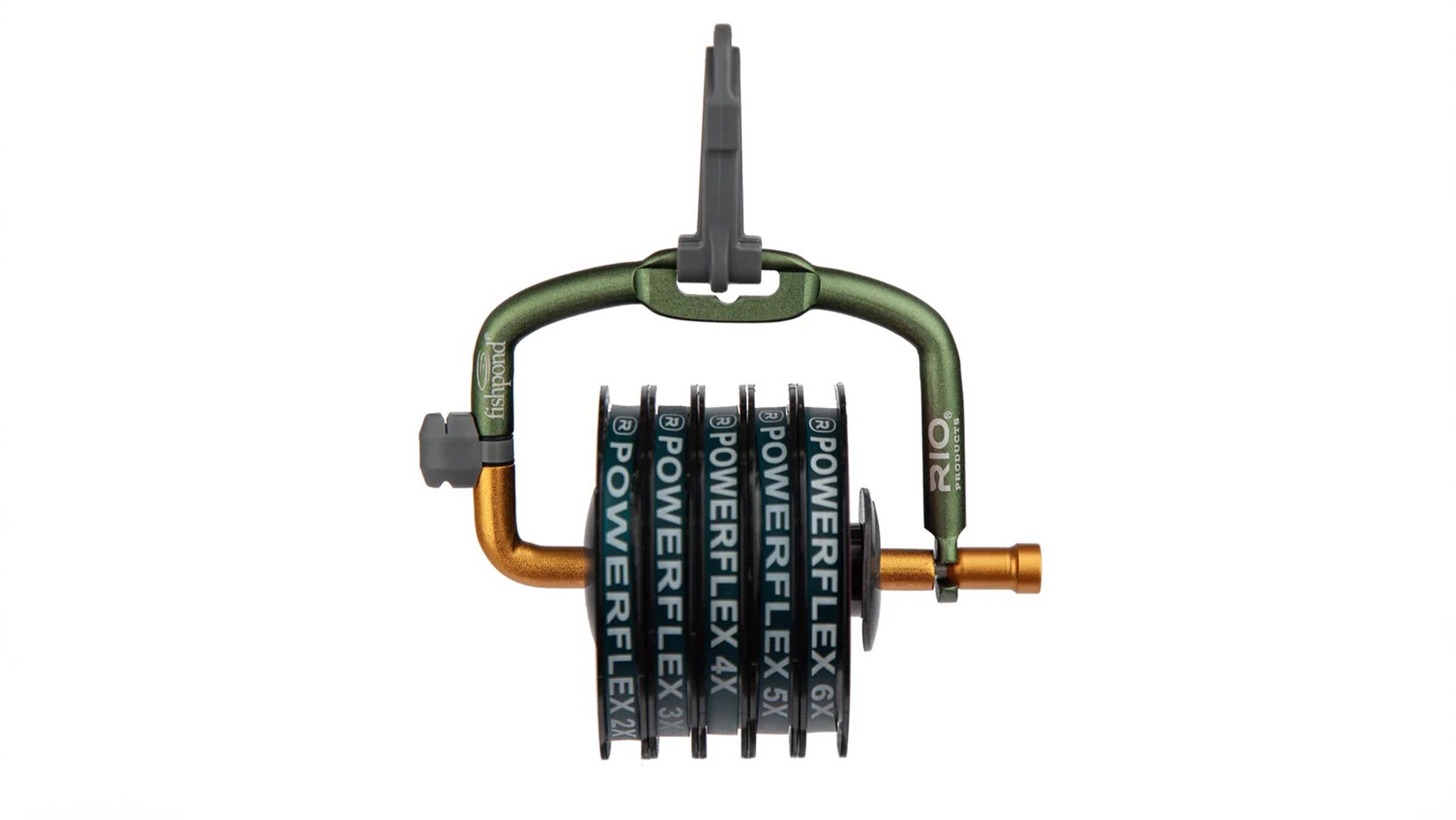
Tippet is the thin, clear monofilament that connects your thicker fly line to the fly itself—basically the “invisible” end of your setup that helps your fly look delicious. Unlike fly line, which is heavier and colored to help you cast, tippet is lightweight, delicate, and designed to disappear in the water.
Understanding tippet weight and learning knots can be overwhelming. In trout fishing, you’ll typically carry a few different sizes—like 1X through 6X—to match the size of your fly and the clarity of the water. Having those spools loose in your pack, though, is a nightmare. They tangle, unravel, and somehow always disappear exactly when you need them.
A tippet holder keeps everything tidy and instantly accessible on the outside of your pack. The Fishpond Rio Headgate comes with the holder itself plus five spools of Rio tippet in sizes 2X-6X, taking the guesswork out of having to go buy separate spools at the fly shop. The holder clips right to your pack or waders and keeps everything in a neat, easy-to-dispense stack. It’s easy to add or take off spools as well and comes with a built-in line cutter for quick snips.
ADVERTISEMENT
Suncloud Polarized Sunglasses
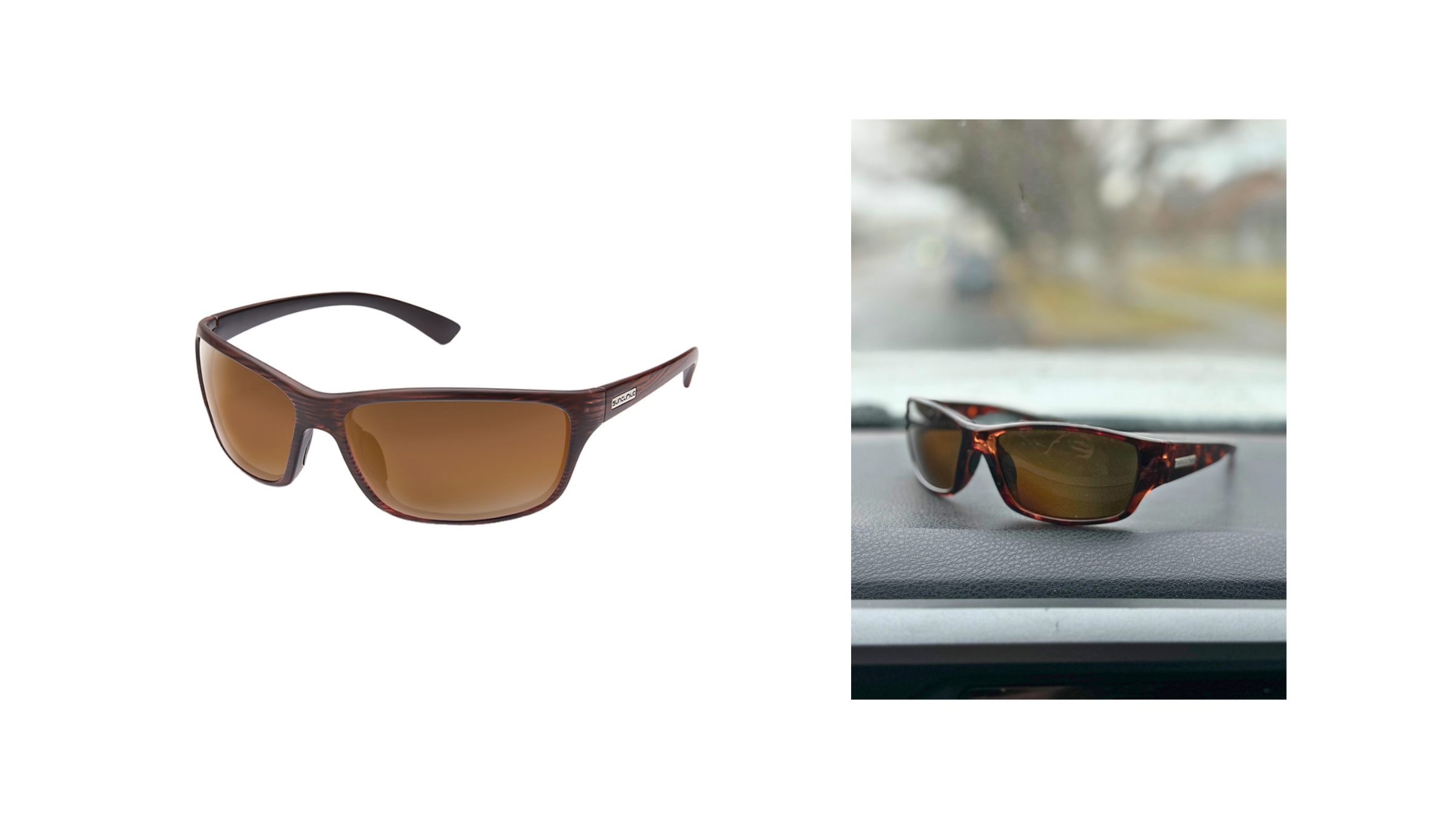
Polarized sunglasses make such a difference on the water, and don’t listen to anyone who tries to tell you otherwise. You can drop hundreds of dollars on a fancy pair, but you don’t have to—I know anglers who fish with shades they picked up at the gas station on their way to the river or their remote lodge in a pinch.
I recommend finding the sweet spot between luxe and cheap and getting a pair of mid-priced shades ($30-$60) that are lightweight, comfortable, and cut glare. Suncloud makes excellent, budget-friendly lenses in a variety of frames and colors. I personally like to keep two pairs of shades with me handy: one for low-light conditions (typically a yellow lens) and one for bright conditions (brown or rose).
