Published January 29, 2020 08:47PM
Running A Marathon or Half? Get Fast First
Speed is not to be underestimated, even for marathoners. Doing speed training first will make you more efficient, so race pace is easier. Here's how:
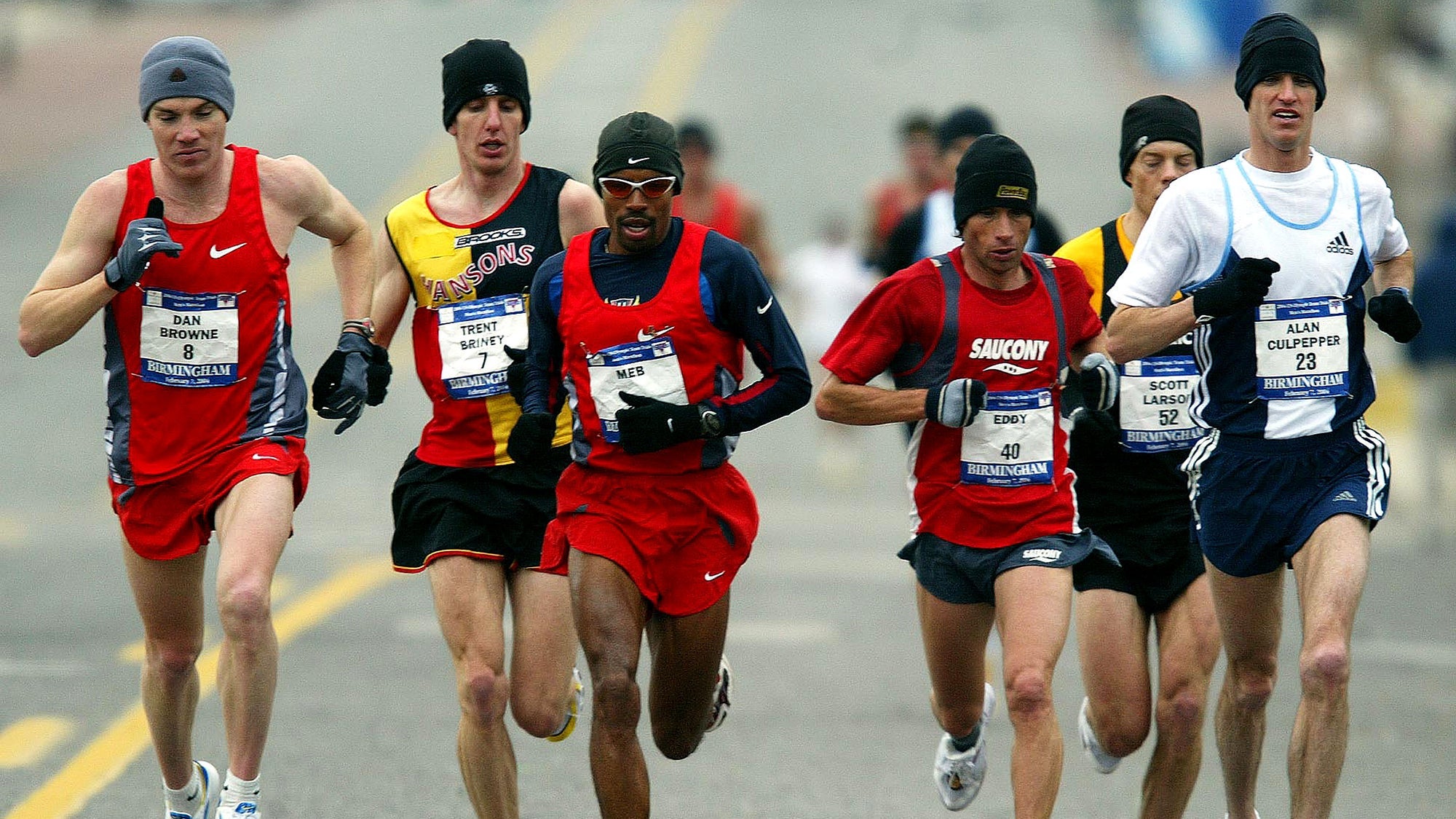
Alan Culpepper (far right) during the 2004 U.S. Olympic Marathon Trials / Photo by Andy Lyons/Getty Images
There is a general misconception that the need for speed is reserved for shorter distance races such as 5K and 10K, but never for a half- or full marathon. Speed work is often overlooked or neglected altogether because endurance and aerobic strength take precedent when laying out the critical elements necessary to execute a solid half- or full marathon.
An extended marathon buildup, longer long runs and higher weekly mileage totals are almost always the first training elements considered when approaching longer distances. Overall aerobic strength is certainly critical, but speed is still required and has many positive benefits as it relates to preparation for these races. Whether you’re making your first attempt at longer race distances or have been running half- and full marathons for decades, speed is not to be underestimated. Getting fast first is an effective way to ensure a comprehensive approach.
ADVERTISEMENT
The History of Marathon Speed
During the past two decades, we saw a shift in the demographics of those who are participating in the marathon and half marathon, and with that shift, training principles have been altered as well to include a more generalized approach. Unfortunately, the emphasis on speed workouts has been minimized as a result of this newfound, oversimplified methodology.
Speed training has always been present in the training programs of those competing at the world-class level and there are learnings in that for runners of all abilities. Racing legends like Bill Rodgers and Steve Jones—and without question all the greats from east Africa—included generous amounts of speed work in their marathon preparation. Prior to the last 20 years, the predominant marathon training program was a modified version of 10K training, where the focus was on speed endurance and running economy with a little more weekly mileage and longer long runs on weekends.
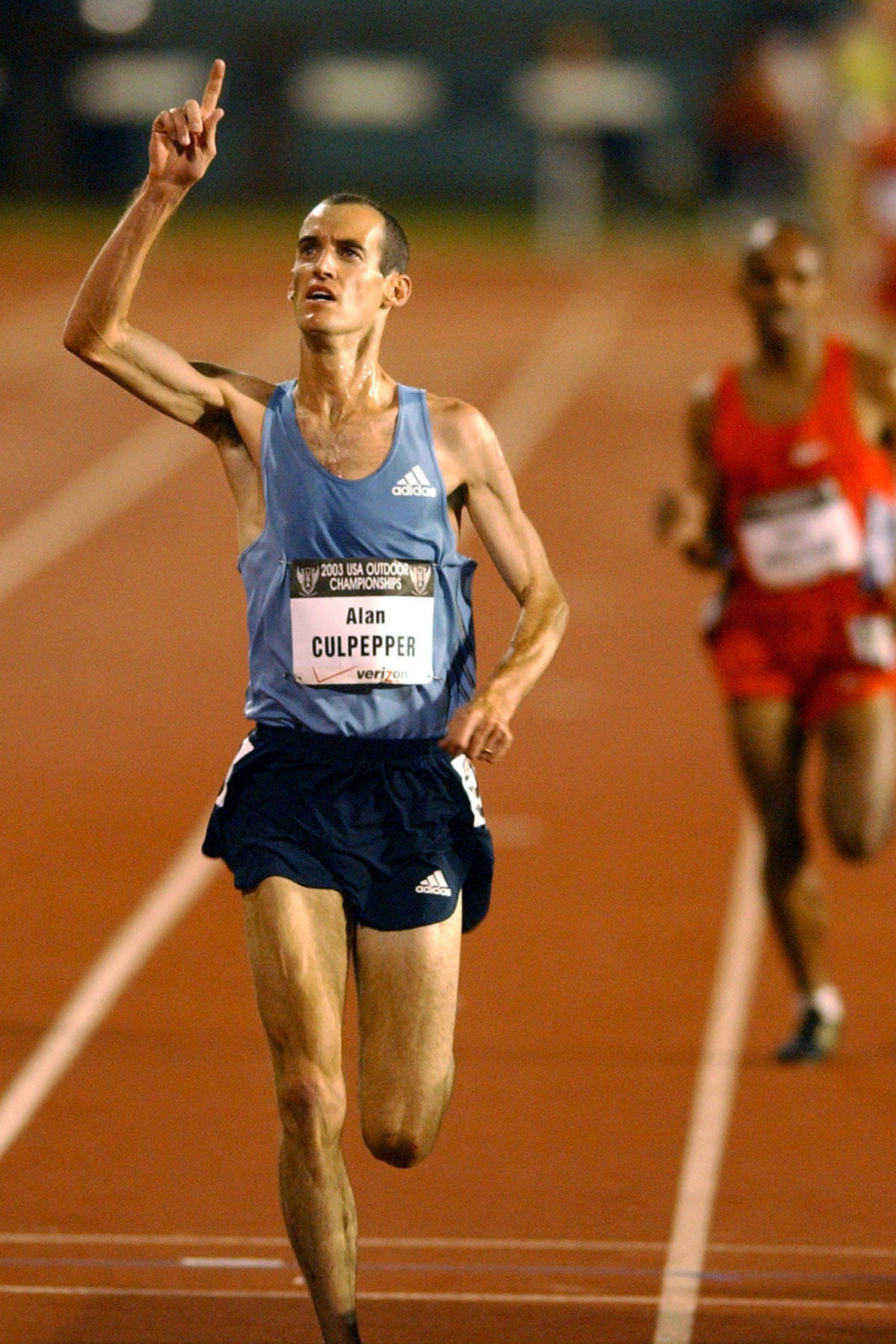
Another widely-adopted approach was to get in good 5K/10K racing shape first and then transition to more marathon-specific training. My fastest marathon of 2:09:41 came four months after winning the national championship in the 5K and running under 27:50 in the 10K. I was able to take the overall accumulation of speed endurance and transition that to my marathon preparation.
It is safe to say that every world record ever set in the marathon was achieved by an athlete who included speed work as one of his or her essential training elements. With the understanding that most of you reading this are not trying to be world beaters and simply desire to get the most out of your half-marathon or marathon experience, what does this need for speed really look like, and why is it important?
ADVERTISEMENT
Benefits of Speed Workouts
Speed work leads to better running economy. As your body adapts to the increased pace, your overall mechanics adjust to become more efficient at foot strike and toe off. Also, speed work allows you to improve your overall efficiency when running at race pace.
- Adaptation to quicker paces leads to less energy expended at half- or full marathon race pace.
- Along with improved speed comes a greater margin of error on race day as it relates to race pace. Without the inclusion of speed work in your training schedule, you will not have much flexibility in terms of your race pace because you will have only trained your body to work within a small range.
- We all have a unique muscle makeup, which includes a combination of slow- and fast-twitch muscle fibers. Speed training works the full complement of your muscle makeup, which is important because come race day you will need every available fiber to be fully developed. As slow-twitch fibers fatigue in longer races, fast-twitch muscles are called into action in the later miles of the event.

How Do I “Get Fast First”?
- A “Get Fast First” approach should include training for a 5K or 10K during a 2-month period prior to starting the 3- to 4-month buildup for your half- or full marathon. During this initial two-month period of 5K/10K training, faster repetitions under a half mile long should be included weekly and complemented with another key workout such as a tempo run or intervals in the range of 3 to 6 minutes.
- The goal of this focused speed training is to get your body adapted to the quicker pace and harder effort level that comes with a solid 5K or 10K effort.
- Be careful during this period. Although speed comes around much quicker than any other aspect of training, it still takes time for your connective tissue, tendons and muscles to adapt to the new requirements being placed upon them.
- Another great element to include among your speed workouts are hill repeats in the range of 30 seconds to a minute in length. Hills tax the muscular system nicely without the stress of running as fast as on flat ground.
- Once the transition to half- or full marathon prep has occurred, then speed workouts should be included in the training schedule once every 10–14 days. During this time, these workouts should be considered more of a maintenance session versus trying to get faster. The 2-month period prior to half-marathon or marathon training was the time to get faster. Now it is more about keeping those fast-twitch muscles active and your nervous system firing.
Getting fast first is the most effective way to take time off your half-marathon or marathon personal best, help you hit that treasured Boston qualifying time or simply set yourself up for the best experience possible in your first serious attempt at a longer event.
ADVERTISEMENT
Updated from an article first published December 2018