Published April 21, 2021 03:34PM
Runners and the COVID-19 Vaccine: What to Expect and How to Deal With It
How top runners are experiencing COVID-19 vaccine symptoms and adapting their training. Plus six doctor's guidelines.
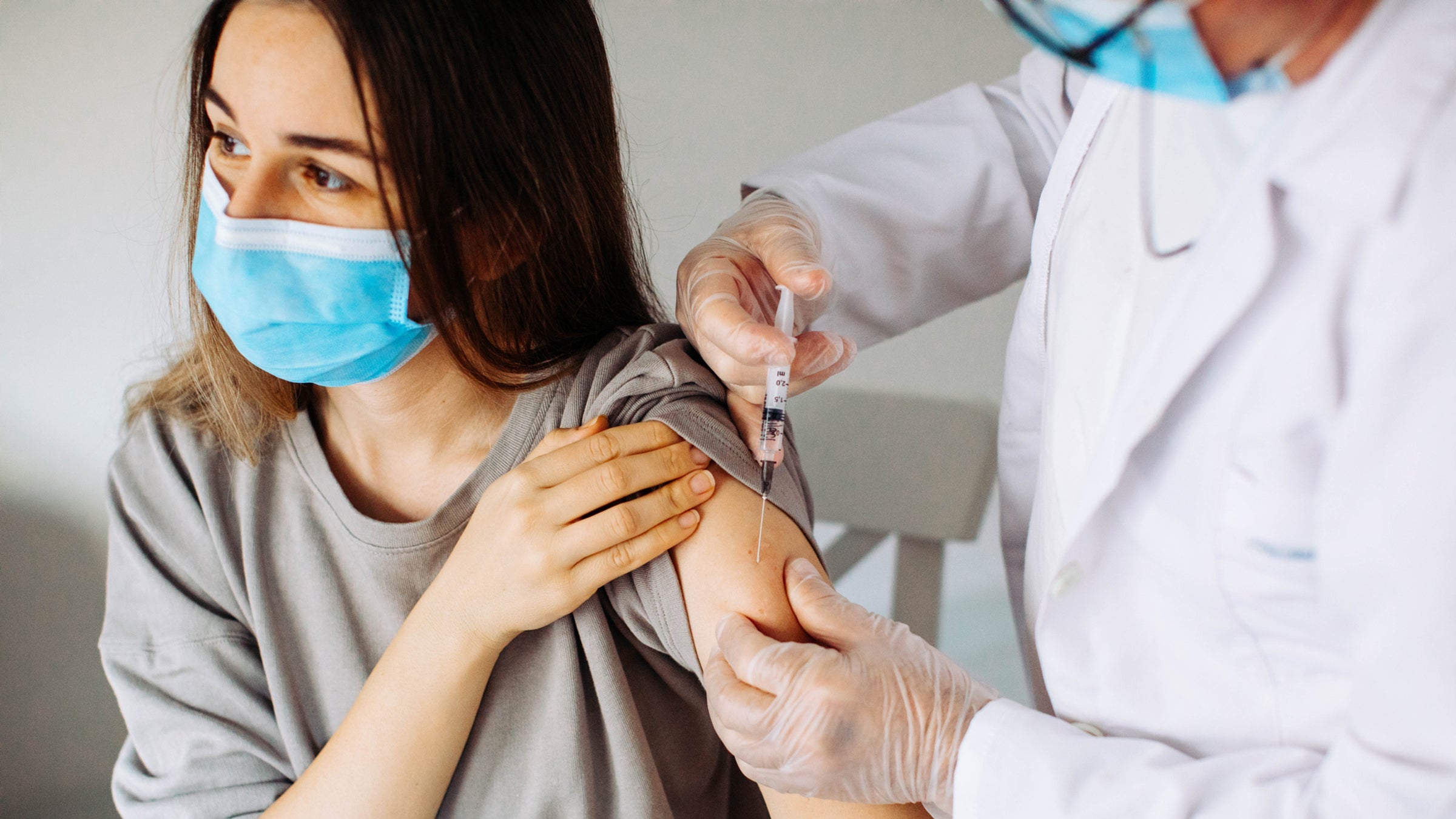
(Photo: Getty Images)
As a runners you expect more from your body every day than the general population does. More and more runners are booking their appointments for a COVID-19 vaccination in the coming days and weeks, and it’s fair to wonder how the shots will make you feel while running and how you might want to adjust your training. While there are few hard-and-fast answers — the coronavirus and these vaccines make for an unprecedented and evolving situation — two good starting points are the experiences of runners who have taken the vaccine, and, most importantly, the advice of healthcare professional who understand runners.
What Runners Can Expect After the COVID-19 Vaccine
One thing we do know is that side effects from the vaccine are highly individual and vary widely. Here are four of myriad ways that runners report reacting to post-shot symptoms:
Chills, fever, soreness, and slight headache.
High fever, nausea, and chills.
Rochelle Sceats Basil, who has represented New Zealand in cross-country, mountain running, and the marathon and who coaches with Lift.Run.Perform., experienced a similar timeline to Praught Leer, adding nausea to the mix. From hours 12–18 after her second Pfizer vaccine, she ran a fever over 102° Fahrenheit, along with nausea and chills. Sceats Basil laid low the weekend after, and 24 hours later, felt fine. She echoes Praught Leer’s sentiment too, calling her symptoms a “small sacrifice.”
ADVERTISEMENT
Extreme fatigue, body aches, and extended waves of flu-like symptoms.
Marathoner Tyler McCandless, who has a 2:12 personal best, had a different onset of side effects. He got the single-shot Johnson & Johnson vaccine one evening, slept great that night, and woke up feeling good — or so he thought. “As soon as I started running,” he says, “I felt absolutely terrible… like a sleeping giant that came out when I started running.” The rest of the day came with flu-like symptoms and fatigue so deep that McCandless fell asleep on the couch before 7:00 p.m. He slept through the night but woke up feverish, with a stiff and aching body. The first four days post-vaccine, he was adrift on waves of symptoms, with moments of near normalcy giving way to chills and intense body aches an hour later. Like Praught Leer, his last thing to go was a light headache.
Lingering chest tightness, shortness of breath, and high heart rate.
Training Adjustments for Runners Getting the COVID-19 Vaccine
For runners who are used to having a plan and executing it come hell or high water, the vaccine necessitates a more flexible approach than normal. Here’s some advice from coaches and athletes who have already racked up vaccine experiences of their own:
ADVERTISEMENT
Expect a Reaction. Plan Ahead.
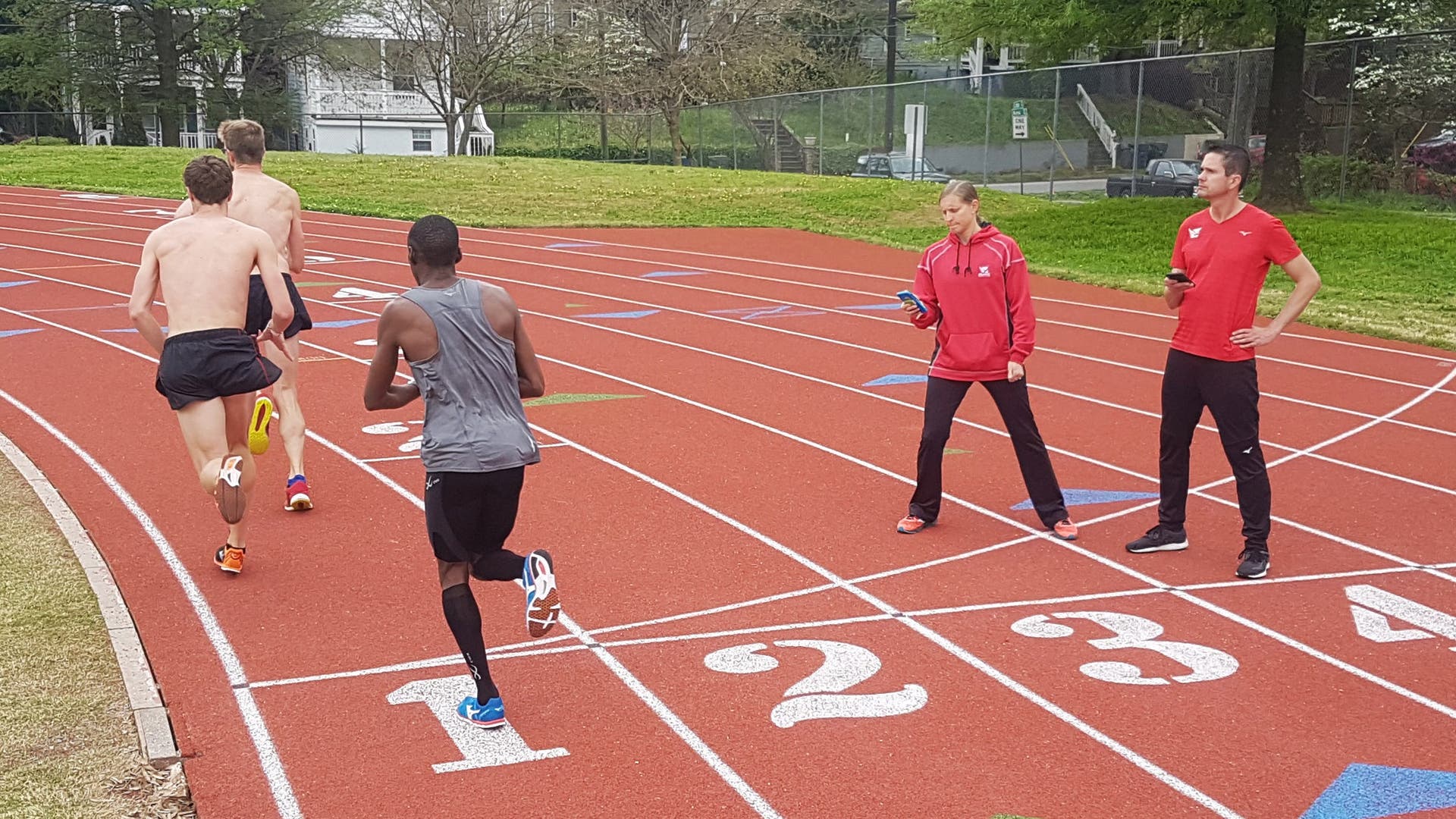
2008 Olympian and Atlanta Track Club coach Amy Yoder Begley started planning for her athletes’ vaccinations as soon as they became eligible to receive them. She spoke with older athletes and healthcare workers she coaches to set her expectations, since they were vaccinated first, and determined that her elite group would likely need at least 5 to 7 days between the shot and a race.
Hydrate and Fuel Well.
Being extra kind to your body before your vaccine may not get you out symptom-free, but it certainly won’t hurt your chances of a smooth recovery. Yoder Begley encourages hydrating well with electrolytes the day before, while Sceats Basil suggests limiting alcohol for 1 to 2 days prior and pounding the anti-inflammatories. “While there’s a huge amount of variability in people’s immune responses,” Sceats Basil says, “it makes sense to approach it from your best foot.”
Frontload Your Week.
Assuming you’ll need at least a few rest days after your second dose, you may want to consider frontloading your week of training, as Praught Leer’s coach Joe Bosshard did. “We were aware we were going to have a hard five days to be able to take quite a few easy days over the weekend,” she says. So they consolidated their workouts a bit more than usual so they could rest easy once they received their vaccines.
ADVERTISEMENT
Be Attuned. Be Honest. Communicate.
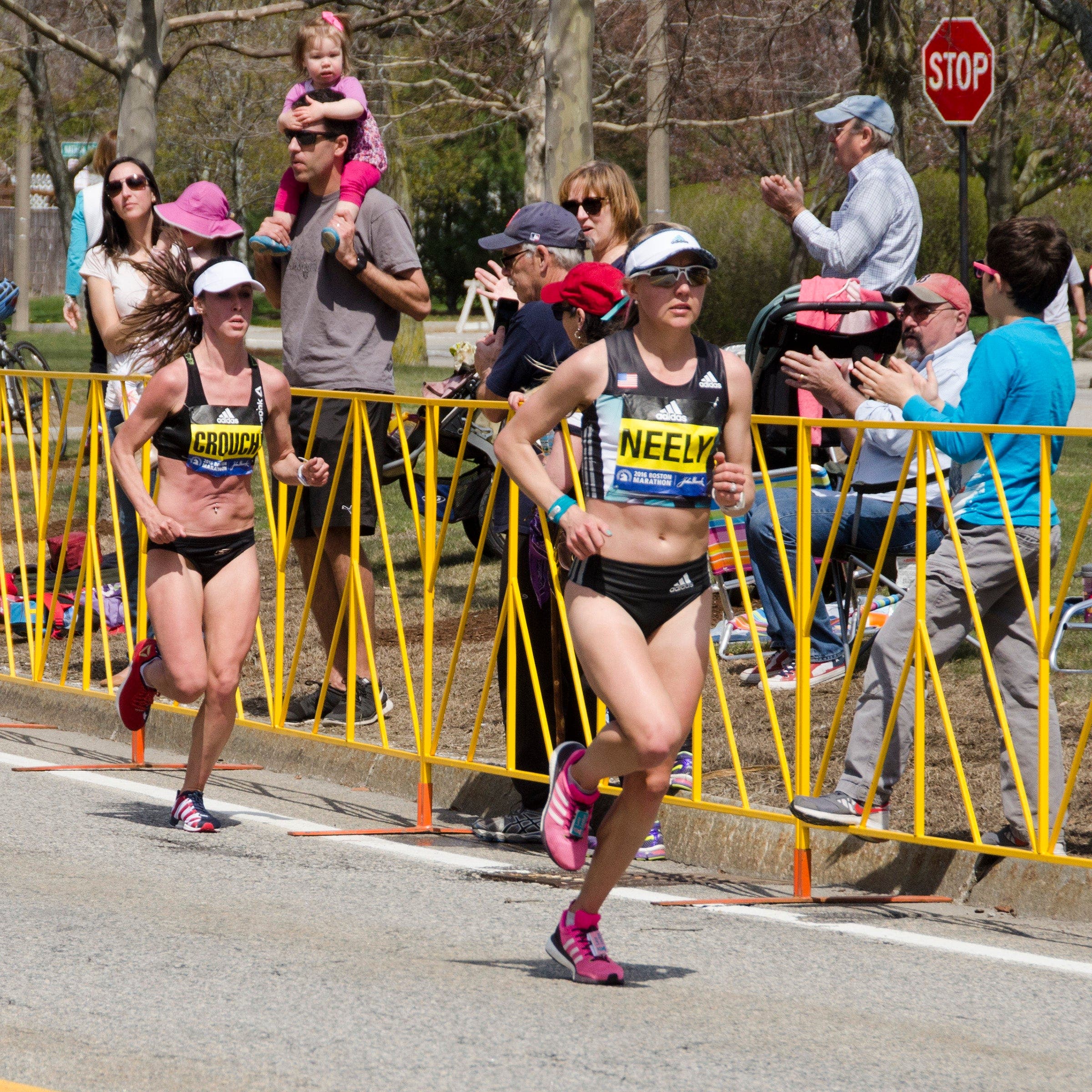
Neely Gracey, a 2:34 marathoner and the founder of Get Running Coaching Services, emphasizes the importance of coach-athlete communication. Reactions to the vaccine are all over the place — she and fellow coach Katie Spratford are seeing this with the 120 athletes they coach — but an open line of communication allows the coaches to plan around the shots and pencil in a few off or easy days. In addition, Gracey asks her runners for daily updates after the vaccine, including useful data such as resting heartrate.
Rest Hard.
Whenever you tax your body — whether through rigorous training or a powerful vaccine — it’s important to hit it with as much rest as it needs to make a full recovery. Several coaches recommend complete rest the day after the shot no matter how you feel. Yoder Begley says the Atlanta Track Club athletes “stretched, slept, and let the body do its thing,” which ranged from a short nap for some to a day of mostly sleep for others.
Recover Right.
However you can nudge your recovery forward in the days after your second dose, do it. A gentle yoga session and a bowl of soup may do the trick for some, while others — like Praught Leer — might feel good off of things like Vitamin D, kombucha, and turmeric wellness shots. Along with her teammates, she also drank tons of electrolytes, watched movies, took naps, and slept hard. “Who knows if any of that did anything,” Praught Leer says, “but it made me feel like I was helping myself!”
ADVERTISEMENT
Spare Yourself the Misery.
Respect Your Body: Less is More
When in doubt, it’s wise to take a less is more approach in the wake of a vaccine. Gracey suggests paying close attention to your body and remembering that any adverse reaction means that your body is producing the antibodies it needs to protect you and others. But until you’re fully recovered, she says, “Pushing through training seems very counterproductive.” Yoder Begley agrees, adding that “this is not a normal training fatigue” and fighting it may only make it last longer.
Doctor’s Advice for Runners Getting the COVID-19 Vaccine
Dr. Riva Rahl, a former collegiate runner and a preventive medicine physician at Cooper Clinic in Dallas, offers the following six guidelines for runners who are gearing up for their second shots:
ADVERTISEMENT
1) Taper and Recover.
Dial down your training significantly before going into your second dose and in the days after, almost as if you were tapering for and recovering from a race.
2) Bank Sleep.
Get plenty of sleep beforehand so you’re well rested if/when your symptoms surface.
3) Manage Expectation.
Expect to have some combination of sore muscles, flu-like symptoms, and extreme fatigue for roughly 3 to 7 days after your shot.
ADVERTISEMENT
4) Don’t Assume.
Even if you don’t feel bad right after your shot, side effects may appear a day or two later. Rahl didn’t start feeling bad until 22 hours post-shot, when she was overtaken by chills and fatigue.
5) Back Off. More.
The biggest risk is overdoing training too close to the vaccine, which may compromise your immune response and lengthen your recovery.
6) Treat Yourself.
There’s no secret, but taking care of yourself in the days surrounding both doses is the best thing you can do.
