Published May 31, 2016 12:00AM
The Latest Fuel Trend: Get Watered by Plants
Is it time for a hydration upgrade?
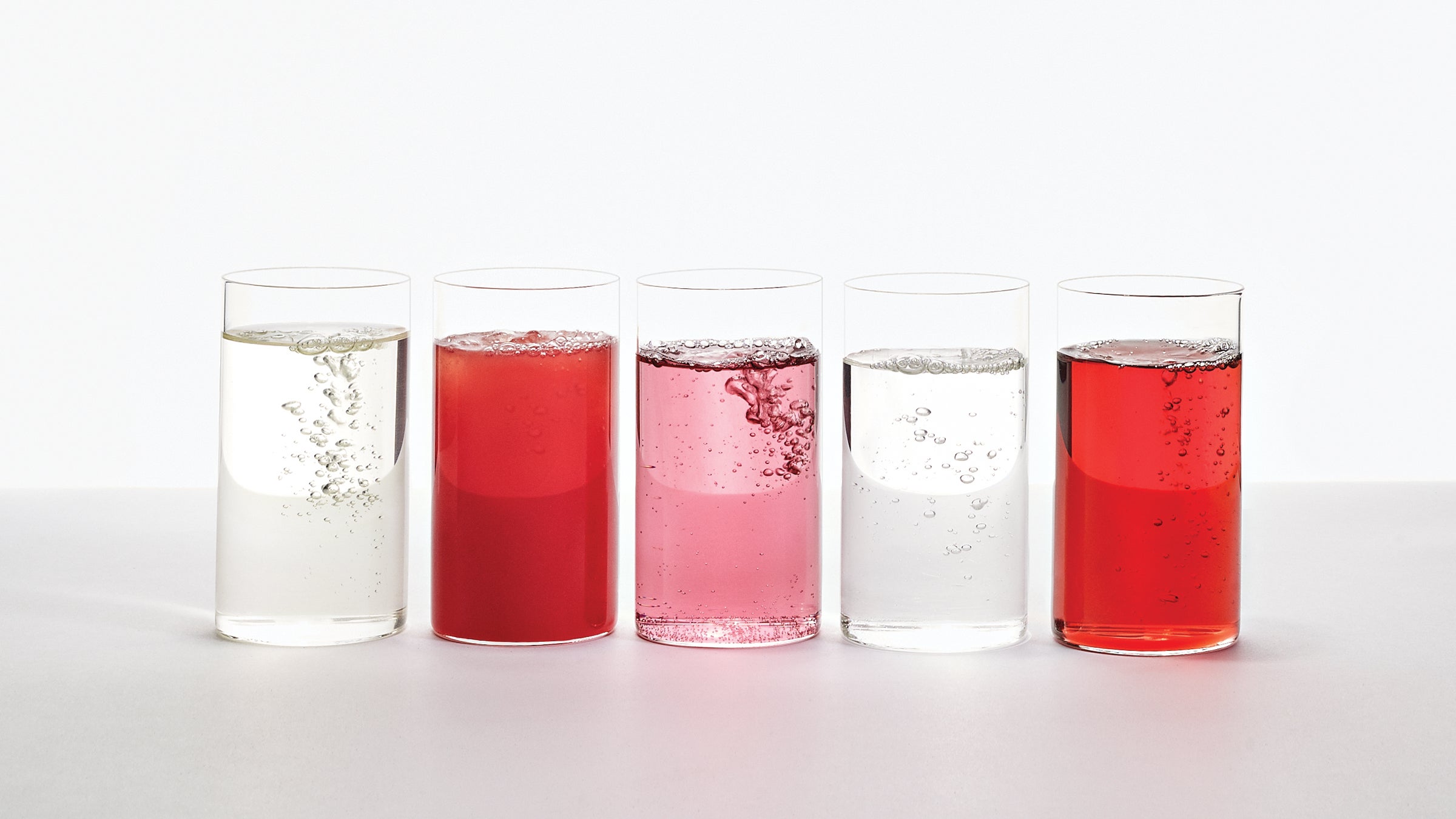
Which super-plant waters are actually worth a try? (Photo: Hannah McCaughey)
Walk into any Whole Foods and it’s easy to see: coconut water has taken over the beverage industry, becoming a billion-dollar business in the process. No surprise, then, that companies are peddling other waters derived from so-called super-plants, promising performance benefits and improved hydration. A few are suspect (we’re looking at you, artichoke water), but some are worth a try. Just don’t expect miracles yet: the market is young, and there isn’t a lot of science to back up some of the bolder claims.
Drink Maple Water ($3)
What It Is: Water tapped from maple trees.
Purported Benefits: Reduces muscle soreness and fatigue, thanks to manganese and malic acid.
Our Take: The science is scarce on maple water, but research shows that the syrup is loaded with antioxidants that boost the immune system.
ADVERTISEMENT
WtrmlnWtr ($4)
What It Is: Cold-pressed juice from a whole watermelon.
Purported Benefits: Aids muscle recovery and delivers twice the potassium of a banana.
Our Take: It’s cold pressed, so it retains all the vitamins and nutrients of the fruit. But watch those calories—60 per serving.
ADVERTISEMENT
Harmless Harvest Coconut Water ($3)
What It Is: Naturally occurring water from green Thai coconuts.
Purported Benefits: Replenishes fluids as effectively as popular sports drinks do.
Our Take: It has less sugar and sodium than Gatorade and is higher in magnesium, potassium, and phosphorous. Small studies have shown it to be a good replacement for a sports drink.
ADVERTISEMENT
Aloe Gloe Aloe Water ($2.50)
ADVERTISEMENT
What It Is: A filtered version of aloe juice, taken from the pulp, with cane sugar and water added.
Purported Benefits: Promotes digestive balance and strengthens the immune system via an abundance of amino acids.
Our Take: Research is mixed. Some studies have shown that aloe juice can aid digestion and help circulation. But given the addition of sugar and other flavors (grape, lemon, coconut), we’ll stick to putting aloe on our sunburns.
True Nopal Cactus Water ($6)
What It Is: Juice from the pulp of prickly pear cactus.
Purported Benefits: Fights inflammation, due to high levels of the antioxidant betalin.
Our Take: It has half the calories and sugar of coconut water. Some research suggests it could ease hangover symptoms.
