Published May 31, 2018 12:00AM
Costco Is a Performance Athlete's Dream
It's the one-stop shop for healthy fuel. Here's a grocery list, plus meal ideas for how to best use the store's cheap, high-quality ingredients.
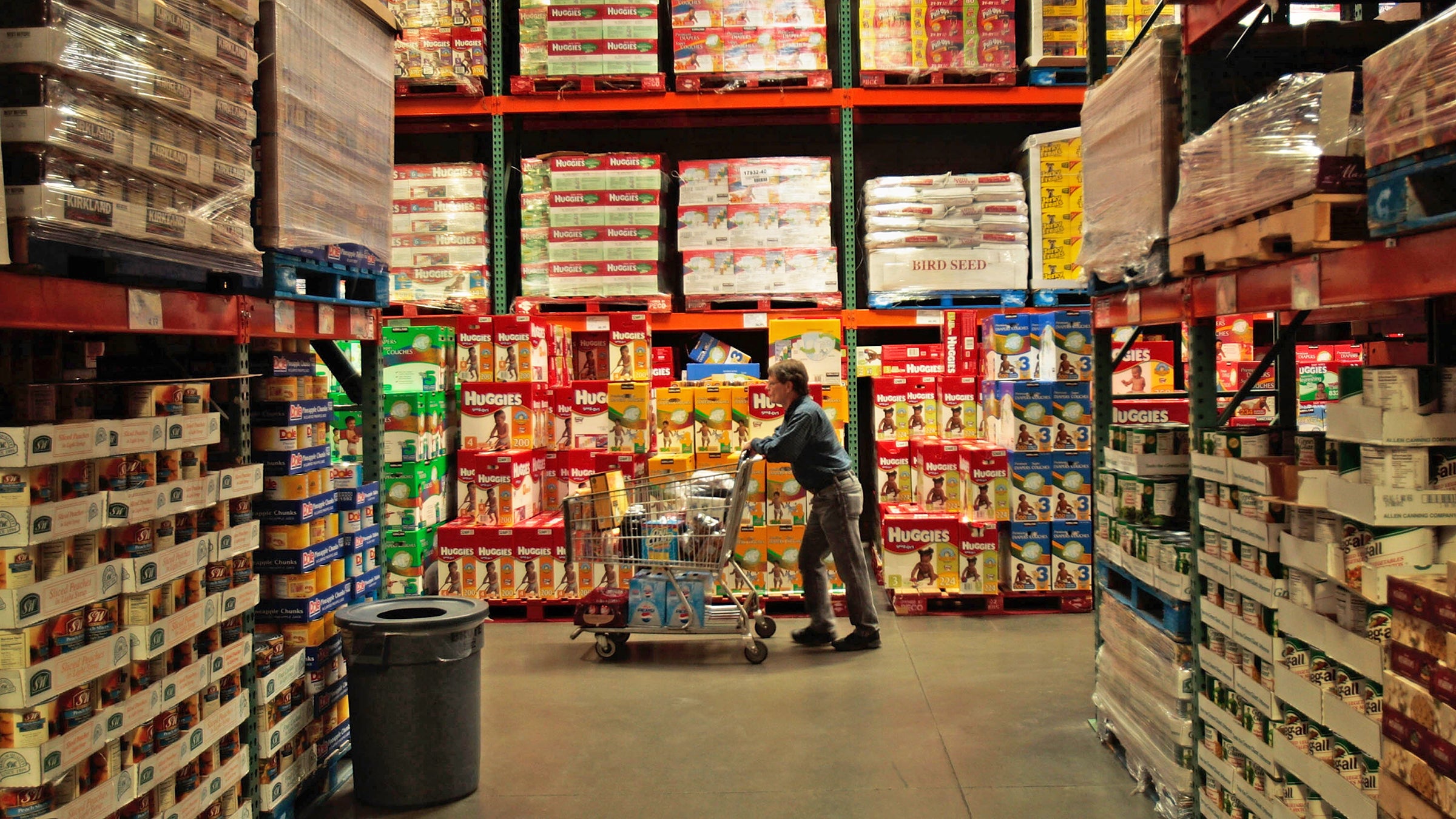
Rather than shop at pricey specialty markets or natural food stores, make this warehouse your go-to grocery and you’ll save time, energy, and money.
Costco. A place where you can buy things like gasoline, durable goods, and—most important—healthy calories, all in bulk yet without sacrificing quality. That last item is exactly what outdoor athletes, who burn through energy at rapid-fire pace, need to fuel all those runs, rides, and ascents. The best part? Everything is outrageously cheap, debunking the idea that you have to spend a pretty penny to eat well or boost your performance. Rather than shop at pricey specialty markets or natural food stores, make this warehouse your go-to grocery and you’ll save time, energy, and money.
“I actually give my clients a Costco shopping list,” says Rachele Beck, a Wasatch Front–based nutritionist who works with clients ranging from tech execs to professional outdoor athletes. “There are so many healthy, economical options. It just makes it easy and affordable for people to eat healthy.”
For first-timers, a trip to a Costco warehouse can be utterly overwhelming. The aisles aren’t marked—a major departure from the organized, easy-to-follow Whole Foods model. While it is at first frustrating, you’ll soon realize that this chaos affords you the opportunity to explore and discover nutritional gems that you either haven’t heard of or wouldn’t buy in your regular market due to price. Costco’s shelves hold the best Saigon cinnamon you’ll ever taste (11 ounces, $2.50), mass quantities of organic chia seeds (two pounds, $7.50), and gigantic jugs of pure, organic maple syrup (one liter, $11)—all for a fraction of what you’d pay at a typical grocery store. Consider the syrup, which the average organic grocer sells for anywhere from $0.75 to $1.25 an ounce. Costco’s? Less than $0.33 an ounce.
ADVERTISEMENT
You’ll leave the warehouse feeling like you get more than you paid for. Costco is bullish on organics, and the majority of its in-house brands, labeled Kirkland, are produced by some of the country’s most well-known food makers. For example, Starbucks roasts Kirkland coffee (two pounds, $10), Bumble Bee produces the albacore tuna (eight cans, $13), and Adams reportedly does Costco’s organic peanut butter (56 ounces, $10).
The place will save you time in two ways. First, when you buy in bulk, you come home with more, meaning you make fewer trips to the store. Second, Costco usually features just one or two versions of a given food. For example, instead of offering you, say, 11 different types of almond milks, eggs, or energy bars, the buyers pick what they consider to be one to three of the best takes on the product and offer only those at a competitive price. This also helps cut down on decision fatigue. (I repeatedly reached out to Costco for comment regarding how the team selects the items that make it to store shelves. They declined to divulge.)
A standard annual Costco membership runs $60. If you do most of your shopping there, you’ll make that up in no time. In fact, Beck’s husband is a certified financial planner and and swears by the value of Costco. “For example, even though you have to buy a massive three-pound bag of organic spinach,” Beck says, “it’s only $5. That’s way more economical than buying the one-pound bag for $4 at the regular grocery store.” Single and worried you won’t eat bulk items in time? Freeze them.
Another benefit: “Costco’s food is usually much fresher than the grocery store’s,” Beck says. “They have so much traffic that they have to turn their food supply over much quicker.”
ADVERTISEMENT
If you’re a new (or soon to be) Costco membership holder, Beck’s expansive food list below will help you get your bearings. It focuses primarily on single-ingredient foods, which a recent study found can help you lose weight no matter how you approach your diet.
Here are the list’s highlights—don’t worry, you don’t have to buy them all at once—and a sample meal plan showing how you could put them together:
Fruits and Vegetables
- Organic spinach
- Baby kale
- Baby carrots
- Frozen mango chunks
- Organic lemons
- Sugar snap peas
- Frozen berry mix
- Romaine lettuce
- Cauliflower rice
- Yams
- Avocados
- Dried figs
- Bananas
- Broccoli
Meats
- Ground turkey
- Wild-caught frozen salmon burgers
- Boneless skinless frozen chicken breast
- Rotisserie chicken
Dairy
- Almond or coconut milk—unsweetened
- Kirkland 0% fat plain Greek yogurt
Carbs
- Quinoa
- Brown rice noodle ramen
- Organic raw-corn tortillas
- Lentils
Snacks, etc.
- Raw almonds
- Hummus
- RX Bars
- Nuttzo nut butter
- Harvest Stone organic quinoa crackers
- Kirkland protein bar—great protein and a treat
- Hemp seeds
- Organic protein powder
Breakfast
Blend the following:
- Spinach (frozen)
- Bananas (frozen)
- One scoop protein powder
- Unsweetened almond milk
- Kirkland 0% Fat Greek Yogurt
- Kirkland frozen berry mix
- Raw almonds
- Hemp seeds
Lunch
Make a salad that includes the following:
- Baby kale or spinach
- Carrots
- Snap peas
- Broccoli
- Chopped wild-caught salmon burger
- Lentils
ADVERTISEMENT
Dinner
Make a one-pan meal featuring:
- Quinoa, riced cauliflower, or sautéed yams
- Chicken breast or rotisserie chicken
- As many vegetables on the list as you like
Snacks
- Dried figs and protein shake
- Nut butter with a banana
- RX or protein bar
- Crackers and hummus and/or rotisserie chicken
