Published March 4, 2013 12:00AM
Mark Bittman's Favorite Recipes for Athletes
From paleo to gluten-free, fueling an active day is more confusing than ever. Until now. Simplify your options with long-time food columnist and bestselling author Mark Bittman’s delicious new plan.
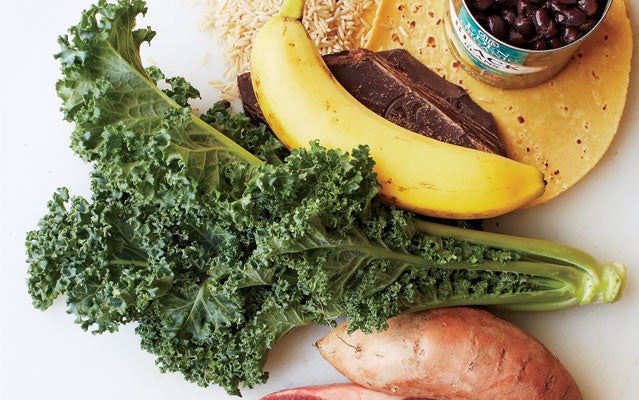
(Photo: Marcus Nilsson)
A routine physical turns into a wake-up call for lots of people. Six years ago it was my turn. The numbers were in, and they were bad. Weight, cholesterol, and glucose were all up, and there were other symptoms—apnea, bad knees, and a couple of things I won’t talk about—that were equally discouraging. But my doctor opted for something more radical than pills: he told me to become a vegan.
No way, I thought. My job, which I happen to love, takes me to home kitchens and great restaurants all over the world. What? I’m supposed to say goodbye to carnitas, cheddar cheese, and chicken biryani? More like say goodbye to my career. Instead, I struck a deal, with him and with myself. I’d be vegan until dinnertime. After that, all bets were off.
That’s how VB6—or Vegan Before 6:00, the title of my upcoming book—began. When I first started with this admittedly self-serving compromise, I had already been exploring the food we eat and how it’s produced. There is no denying it: the standard American diet (SAD), with its dependence on artery-clogging fat, hyperprocessed sugar, and resource-sucking animal protein, is literally killing us and taking the planet down with it.
But the solution is more complicated. How do you get people to turn the way they eat upside down, so that the majority of daily calories come from fruits and vegetables? How do we return to the notion that meat, fish, poultry, cheese, and dairy should be designated as occasional treats, not staples?
ADVERTISEMENT
Because that’s how you should think of them, and there are two imposing reasons for that. One is your health: while very small amounts of meat on occasion may be good for us, large amounts are implicated in heart disease, cancer, and other chronic ailments. The second, of course, is the welfare not only of the animals themselves (who are treated, essentially, like factory widgets) but of the planet: industrially produced livestock is a leading generator of greenhouse gases and a disproportionately large consumer of resources—energy, land, and water—that are critically needed to raise food more efficiently for the world’s population. If we all sign up to eat less meat and animal products, our health, and that of our planet, will improve.
Besides which, I’ve chosen an approach that is easy to adopt. For one thing, the philosophy isn’t dogma. If you want to have milk in your coffee or the occasional morning egg, that’s fine. But I’ve found that structuring a new way of eating around time increased my awareness of the choices I’m making and helped me balance those choices. And at some point my preferences changed, and I really understood—on a gut level—that animal products should be occasional.
I hesitate to call VB6 a diet, but that’s exactly what it is: a regimen that fosters good eating habits that will help you lose or maintain your weight and give you more energy. I had been in a running slump for nearly a dozen years before I started eating this way, but I’ve returned to my routine with gusto—and finished three marathons in the past five years. Instead of a quick fix, VB6 is utterly sustainable. Really, you give up nothing; you just eat and feel better.
ADVERTISEMENT
Still not sold? Try one day—I’ve mapped out a complete day of meals on the following pages—and see what you think. Then try another.
Pilaf
A whole-grain breakfast gets your day started with plenty of fiber and protein, especially if you add fruit or vegetables to it. For even more fiber, you can make this recipe with quinoa or steel-cut oats instead of the rice. If you make double (or triple) batches, you can reheat servings all week.
Servings: 4
Time: 45 to 60 minutes
Ingredients
- 1 tablespoonolive oil
- 1 1/3 cups long- or short-grain brown rice
- 1/2 teaspoon salt
- 1/4 teaspoon each cinnamon, nutmeg, and ground ginger
- 2 tablespoons maple syrup
- 3 cups chopped fruit, like mangoes or apples and pears, skin on
- 1/2 cup chopped fresh mint for garnish (optional)
Directions
- Put the oil in a large, deep skillet or medium saucepan over medium heat. When it’s hot, add the rice. Cook, stirring, until the grains appear glossy, are coated with oil, and start to color, three to five minutes.
- Add a pinch of salt and the spices and cook, stirring, until fragrant, about one minute. Add 1 3/4 cups water, the syrup, and half of the fruit, stir once or twice, and bring to a boil. Lower the heat so the mixture bubbles gently and cover the pan.
- Cook until most of the liquid is absorbed and the rice is just tender, 20 to 40 minutes, depending on the rice. Uncover, stir in the remaining fruit and half the mint, if you’re using it. Replace the lid and remove from the heat. Let the pilaf rest for at least five or up to 20 minutes. Taste and adjust the seasoning. Fluff the mixture with a fork and serve, topped with the remaining mint.
Nutritional Information: Calories: 343; cholesterol: 0mg; fat: 6.1g; saturated fat: 1g; protein: 6.3g; carbohydrates: 67.6g; sodium: 255mg; fiber: 6.7g; trans fat: 0g; sugars: 13.2g
ADVERTISEMENT
Frozen Banana Bonbons
One serving of these frozen banana bonbons delivers almost half your daily potassium and all the anti-inflammation benefits of chocolate—its antioxidants, monounsaturated fat, and flavonoids. Be sure to choose a good dark chocolate with at least 70 percent cacao. Bananas are my favorite here, but any fresh fruit or nuts will work equally well.
Servings: 4
Time: 30 minutes, plus time to chill
Ingredients
- 8 ounces good-quality dark chocolate, chopped into small pieces
- 4 bananas peeled and sliced into chunks
Directions
- Line a baking sheet with parchment paper. Melt six ounces of the chocolate in a double boiler or in a small, clean metal or glass bowl set over simmering water. When the chocolate reaches between 110 and 115 degrees on a candy thermometer, remove it from the heat.
- Add the remaining chocolate to the bowl, stirring continuously with a rubber spatula, until it reaches 82 to 84 degrees. Return bowl to heat and bring the temperature up to between 88 and 91 degrees. Remove from heat and start dipping the bananas: use a fork to coat each chunk halfway, then give it a twirl and turn it upside down, so the banana is almost entirely covered in chocolate. Put each bonbon on the prepared baking sheet to set the coating.
- Repeat with the remaining chocolate and banana chunks, keeping the thermometer close so you can check the temperature of the chocolate. If it drops below 88 degrees (it probably will once or twice), return to heat until it reaches the 88-to-91-degree range again, then continue dipping.
- Let the bananas cool until the chocolate has hardened, then freeze them on the pan. When they’re hard, transfer them to an airtight container and store in the freezer for up to two months.
Nutritional Information: calories: 216.6; cholesterol: 1.7mg; fat: 11.1g; saturated fat: 6.3g; protein: 2.4g; carbohydrates: 28.3g; sodium: 3.4mg; fiber: 3.8g; trans fat: 0.02g; sugars: 17.6g
ADVERTISEMENT
Black Bean Tacos
The texture of lightly mashed, roasted beans mimics that of meat and is just as satisfying and hearty. Plus, black beans are rich in iron and contain a lot of protein, including all nine of the so-called indispensable amino acids. Cook your own beans instead of using canned to get even more nutritional benefits. Cabbage adds more fiber to this meal, along with vitamins A and C, and more protein. The corn tortillas help keep you full longer with fiber and traces of 17 amino acids.
ADVERTISEMENT
Servings: 4
Time: 30 to 45 minutes
Ingredients
- 3 tablespoons olive oil
- 8 six-inch corn or whole-wheat tortillas
- 2 cups cooked or canned black beans, drained
- 1 tablespoon minced garlic
- 1 tablespoon chili powder
- 1/2 teaspoon ground cumin
- 1 teaspoon salt, plus more to taste
- Black pepper to taste
- 4 cups shredded green cabbage
- 1 chopped red bell pepper
- 1 fresh hot green chile (like jalapeño or serrano), minced
- 1/4 cup chopped scallions
- Juice of two limes
- 1/2 cup chopped fresh cilantro
Directions
- Heat the oven to 400 degrees. Coat a rimmed baking sheet with one tablespoon of the oil. Stack the tortillas and wrap them in aluminum foil. Combine the beans, garlic, chili powder, cumin, half the salt, and some pepper in a bowl. Mash the mixture with a fork or potato masher; it should still be chunky.
- Spread the bean mixture out on the prepared pan, drizzle with another tablespoon of oil, and roast, stirring a few times, until the beans are crumbly and crisp in places, 15 to 20 minutes. Transfer the tortillas to the oven with the beans for their last five minutes of cooking.
- Meanwhile, put the cabbage, bell pepper, chile, scallions, lime juice, cilantro, remaining oil and salt, and some pepper in a large bowl and toss to combine. Taste and adjust the seasoning. Divide the beans among the warm tortillas; top with the cabbage mixture and serve.
Nutritional Information: Calories: 407.5; cholesterol: 0mg; fat: 14.1g; saturated fat: 2g; protein: 14.6g; carbohydrates: 61.5g; sodium: 588mg; fiber: 17.9g; trans fat: 0g; sugars: 2.8g
ADVERTISEMENT
Kale Chips
A crunchy portion of oven-crisped kale is full of calcium and vitamin A. Lacinato (also known as black kale or cavolo nero) is best for this recipe, but any kind of sturdy greens, like collards or red kale, will work.
Servings: 4
Time: About an hour, largely unattended
Ingredients
- 1 large bunch kale (about one pound), like lacinato
- 1 tablespoon olive oil
- 1/2 teaspoon salt
Directions
- Heat the oven to 225 degrees. Trim the ends of the stems from the kale and cut the leaves into three-inch pieces. Toss them with the olive oil and salt, then put them on two baking sheets in a single layer.
- Cook until slightly shriveled, dehydrated, and sweet but still soft and chewy. You might have to move them or the pan around to ensure they don’t burn or get too crisp. Start testing after about 30 minutes, and remove from the oven when as chewy or crisp as you like, another 10 to 20 minutes. Cool thoroughly before storing in an airtight container.
Nutritional Information: Calories: 58; cholesterol: 0mg; fat: 3.9g; saturated fat: 0.5g; protein: 0.6g; carbohydrates: 5.8g; sodium: 284mg; fiber: 1.7g; trans fat: 0g; sugars: 2.9g
ADVERTISEMENT
Skillet Sweet Potatoes with Sliced Steak
This meal demonstrates the power packed in just four ounces of beef, which delivers a ton of protein, traces of key minerals, a fair amount of niacin, and a little bit of HDL cholesterol, which your body actually needs. Sweet potatoes are great for long-term energy (and satiety), and they’re a good source of vitamin A and fiber. The olive oil makes sure you enjoy all the good flavors and seasoning while providing healthy monounsaturated fat, and it helps keep you feeling full until bedtime.
ADVERTISEMENT
Makes: 4 servings
Time: About 30 minutes
Ingredients
- 3 tablespoons olive oil
- 2 1/2 pounds sweet potatoes, peeled and grated (about five cups)
- 1 teaspoon salt, plus more to taste
- 2 tablespoons minced garlic
- Black pepper to taste
- 1 pound beef sirloin, flank, strip, or other steak (about one inch thick)
- 3/4 cup red wine
- 1 tablespoon fresh chopped sage, marjoram, or oregano (optional)
Directions
- Heat the oven to 200 degrees. Put one tablespoon of the oil in a large nonstick or cast-iron skillet over medium-high heat. When it’s hot, add half the sweet potatoes, sprinkle with 1/2 teaspoon salt, and cook, stirring occasionally, until browned in places and almost tender, three to five minutes. Add one tablespoon of the garlic and cook, stirring occasionally, until fragrant, just a minute or two more. Add half the herbs, if using, and stir. Put the potatoes in an ovenproof serving dish and transfer to the oven. Add another tablespoon of oil to the skillet and repeat with the remaining potatoes. Add them to the first batch.
- Put the remaining tablespoon of oil in the skillet to heat. Sprinkle the remaining 1/2 teaspoon of salt and lots of black pepper into the hot oil and immediately put the steak (or steaks) on top. Cook, undisturbed, until the meat develops a brown crust on the bottom and releases easily, three to five minutes. Turn and cook until the other side browns a little, no more than a couple minutes. (The best way to know if a steak is done is to nick it with a sharp knife and peek inside.)
- Transfer the steak to a cutting board, and add the wine to the skillet. Cook, stirring to loosen any browned bits, and let the liquid reduce to a little less than half a cup. Cut the steak across the grain into half-inch slices and arrange them on top of the potatoes. Pour the pan juices over all and serve.
Note: The fastest way to cook root vegetables is to grate and stir-fry them. They get tender in a hurry, retaining the slightest crunch while caramelizing in the process. The trick is to stir them just enough to prevent burning, but not enough to completely mash them.
Nutritional Information: Calories: 551; cholesterol: 67mg; fat: 16.7g; saturated fat: 3.6g; protein: 29.6g; carbohydrates: 63.1g; sodium: 703.5mg; fiber: 10.2g; trans fat: 0g; sugars: 12g