Updated February 26, 2026 01:58PM
If you buy through our links, we may earn an affiliate commission. This supports our mission to get more people active and outside.Learn about Outside Online's affiliate link policy
My Favorite Road-to-Trail and Gravel Running Shoes (and Yes, There Is a Difference)
These seven shoes are dialed in for venturing off the asphalt.
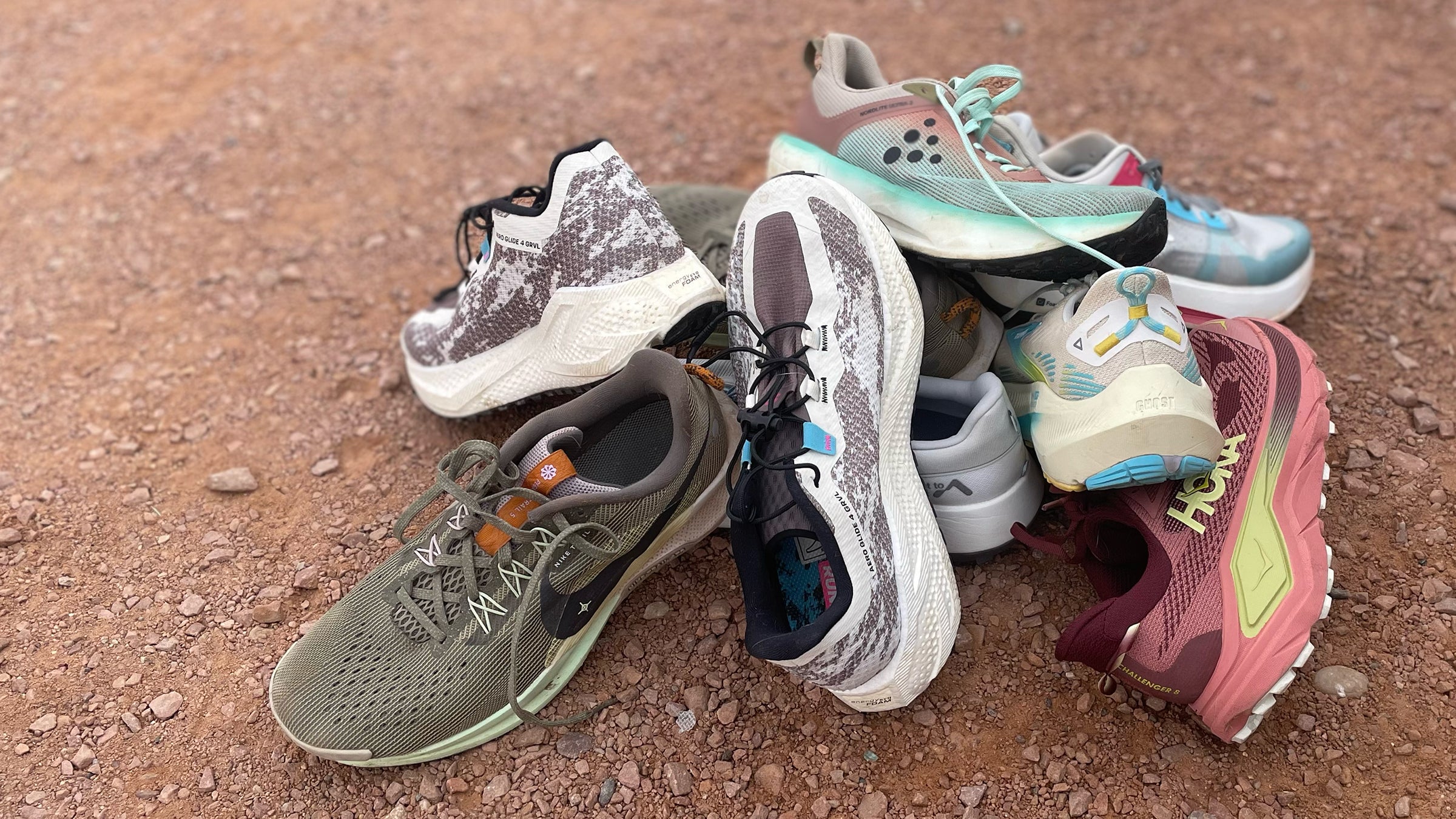
My favorite loop transitions to a different terrain—road to path to rocky single-track—multiple times, making selecting a running shoe difficult, until now. (Photo: Lisa Jhung)
As an increasing number of brands introduce running shoes in the “Gravel” category, piggybacking on the success of gravel cycling, I think some differentiation is in order. There have long been shoes that bridge characteristics of road running shoes and trail running shoes, referred to as “hybrid,” “cross-over,” or “road-to-trail”—is “gravel” just a new name for them? I think not.
Gravel running shoes are different from road-to-trail shoes. Gravel shoes excel on just that: gravel roads and paths, or any non-technical, hard-packed dirt. Road-to-trail shoes transition seamlessly from roads to trails…even rugged trails. Both have a place in the market, and in my rotation of shoes.
As I’ve tested the season’s road-to-trail and gravel running shoes, I’ve become even more attuned to the differences between the two categories. A few standouts have risen to the top. Here are my picks for this season’s best road-to-trail and gravel running shoes.
At a Glance: Best Road-to-Trail Running Shoes
- Nike Pegasus Trail 5 ($155 at REI)
- Mount to Coast H1 ($160 at Mount to Coast)
- Brooks Ghost Trail ($150 at REI)
- Craft Nordlite Ultra Pro ($200 at Craft)
At a Glance: Best Gravel Running Shoes
- Craft Nordlite Ultra 2.0 ($180 at Craft)
- Salomon AeroGlide 4 GRVL ($160 at Salomon)
- Hoka Challenger 8 ($155 at REI)
Best Road-to-Trail Running Shoes
Nike Pegasus Trail 5
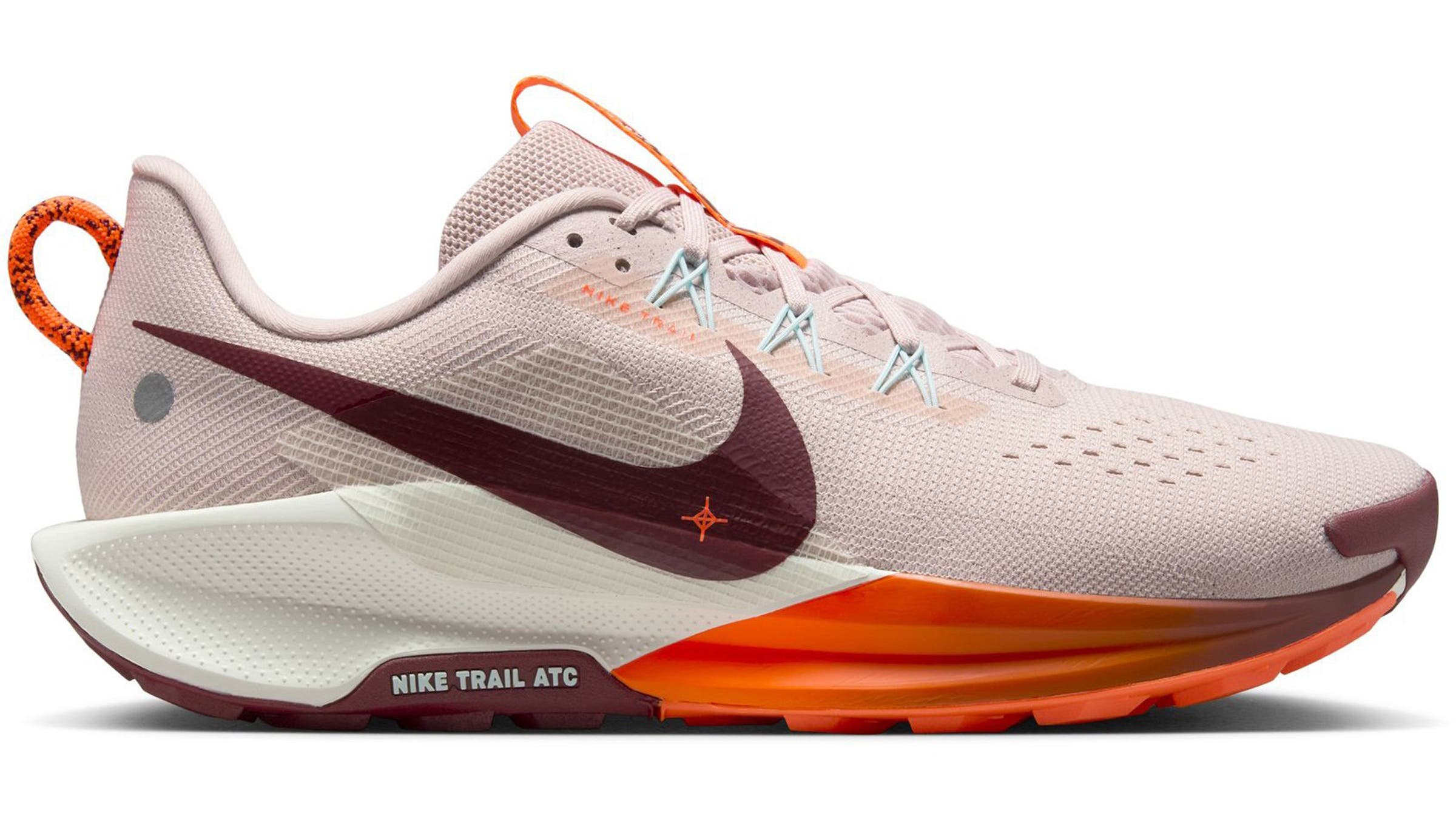
Weight: 9.5 oz (men’s), 8.5 oz (women’s)
Stack Height: 37-27.5 mm
Drop: 9.5 mm
This shoe has become my favorite road-to-trail running shoe, mostly because the midfoot hold feels secure enough to give me confidence on rugged trails, not just flat, gravel roads. I credit the Flywire technology—thin, lightweight but strong thread—connecting the laces to the strobel board (underneath the insole) for that secure feel. Nike’s ReactX midsole foam feels lively on roads without being too thick or bouncy on trails. The outsole rubber—Nike’s All Terrain Compound (ATC)—isn’t as grippy as the Vibram Megagrip on Nike’s Ultrafly trail shoe, but the low-profile (3.5mm lugs) do a decent job on technical trails and run fairly smooth on roads. I also like how the rubber wraps around the front of the shoe to protect my toes if (when) kicking rocks and roots.
Mount to Coast H1
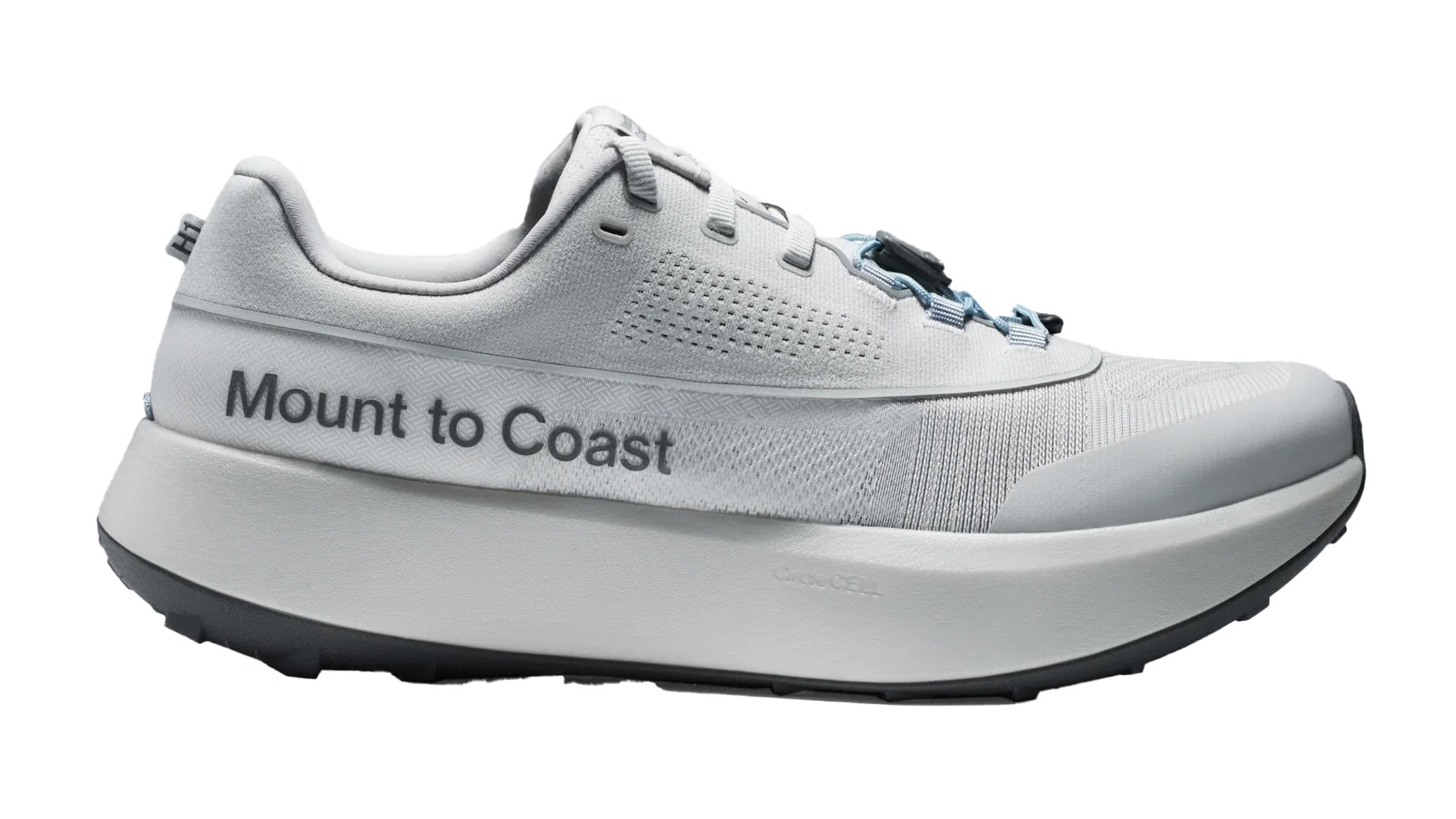
Weight: 8.5 oz (men’s), 7.9 oz (women’s)
Stack Height: 35-29mm
Drop: 6 mm
One of my main criteria for a shoe that transitions smoothly from road to trail is a secure-fitting upper, which is why the H1, with its dual lacing system, ranks high on my list. The ability to dial in a customized fit in the forefoot separately from the mid/upper foot is unique and effective: My foot stays in place while my toes have room to splay, adding comfort and stability. The CircleCELL midsole compound feels responsive underfoot while providing strong groundfeel for agile footplants, and I love that it’s made out of organic waste and residual biomass. The outsole of the H1 is patterned into two-millimeter-deep, widely spaced, chevron-shaped lugs that grab rocky surfaces and run smoothly on roads.
Brooks Ghost Trail Running Shoe
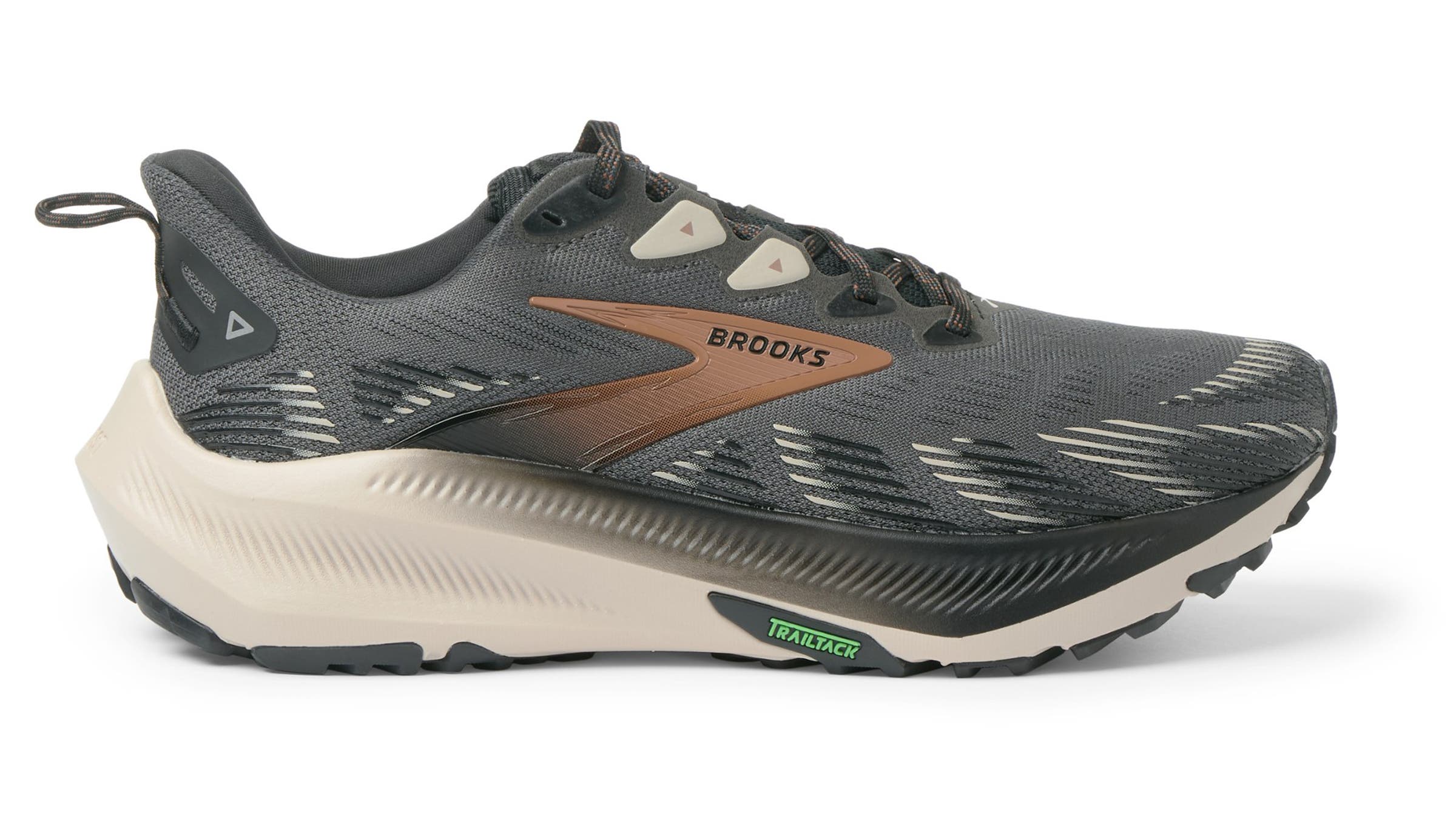
Weight: 10.6 oz (men’s), 9.6 oz (women’s)
Stack Height: 36.5-28.5 mm
Drop: 8 mm
The Brooks Ghost Trail takes the reliably comfortable, cushy Brooks Ghost fit and feel, and arms it with a TrailTack Green rubber outsole. Three-millimeter-deep lugs cover nearly the full surface of the sole, delivering a secure grip off-road. (They also work great on sloppy winter roads.) This shoe makes it into my road-to-trail picks because the soft, flexible upper pulls securely around the foot for a locked-in feel on trails. A 3D-printed rubber toe cap and paneling around the perimeter just above the midsole add some protection from roots and rocks. Otherwise, the uppper isn’t the most rugged, but provides a great blend of road shoe comfort with moderate trail capability.
Craft Nordlite Ultra Pro
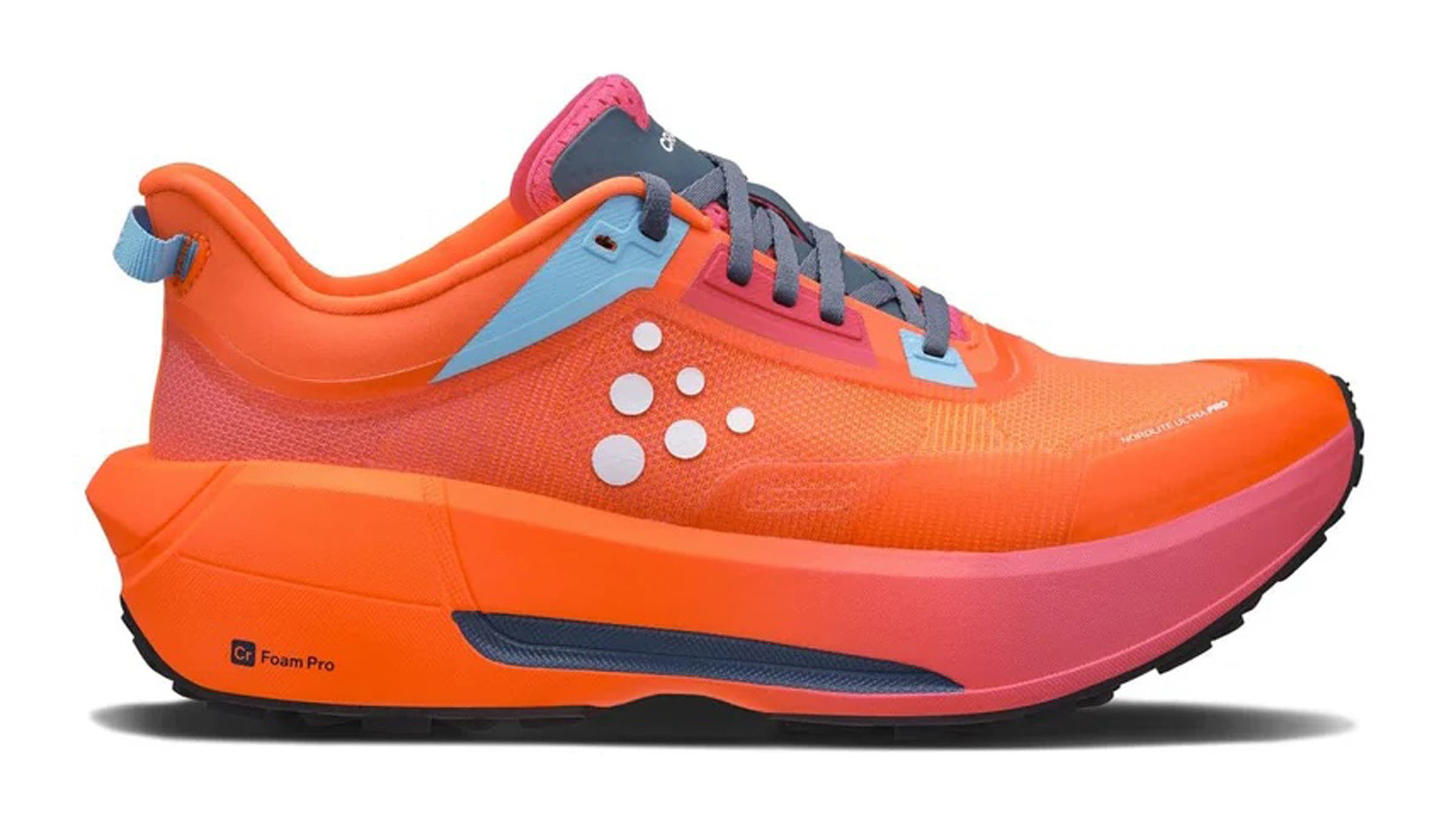
Weight: 10.6 oz (men’s), 9.6 oz (women’s)
Stack Height: 40.5–34.5 mm
Drop: 6 mm
Thanks to a decoupled construction that allows the heel and forefoot to move somewhat independently, the Nordlite Ultra Pro feels confidently stable. Combined with a secure midfoot hold and TPU reinforcements, I feel in control on rugged terrain. The ample midsole made of a gas-infused, 25% PEBA foam blend provides deep cushioning while effortlessly morphing around rocks and trail imperfections. The 3-3.5-mm Vittoria rubber lugs—the same rubber used on gravel bike tires—feel a touch sticky on pavement, but the flexibility of the Nordlite Ultra Pro makes up for that to keep these running smoothly on roads.
Best Gravel Running Shoes
Gravel running shoes are great for those who run dirt roads or crushed gravel paths—terrain that isn’t technical but calls for slightly more traction, stability, and durability than a road shoe. Gravel shoes aim to draw in runners who want to get off-road, but find technical trails—and the trail shoes they require—intimidating. They also appeal to runners who do lots of training on smooth dirt and find shoes designed for more rugged terrain overbuilt.
ADVERTISEMENT
Gravel running shoes have lightweight, comfortable uppers like road shoes, with some extra midfoot hold and off-road protection, but not as much as my road-to-trail shoe picks. Gravel shoes are well-cushioned with a stable base—they’re built to absorb the impact of hard surfaces. Running shoes for gravel generally have low-profile lugs made of durable rubber that keep me from spinning out on gravel surfaces, but have me craving more security, control, and protection on singletrack trails. They run fairly smoothly on roads but are most at home on groomed gravel and hard-packed dirt without much pitch or camber.
Here are my current favorite gravel running shoes.
Craft Nordlite Ultra 2.0
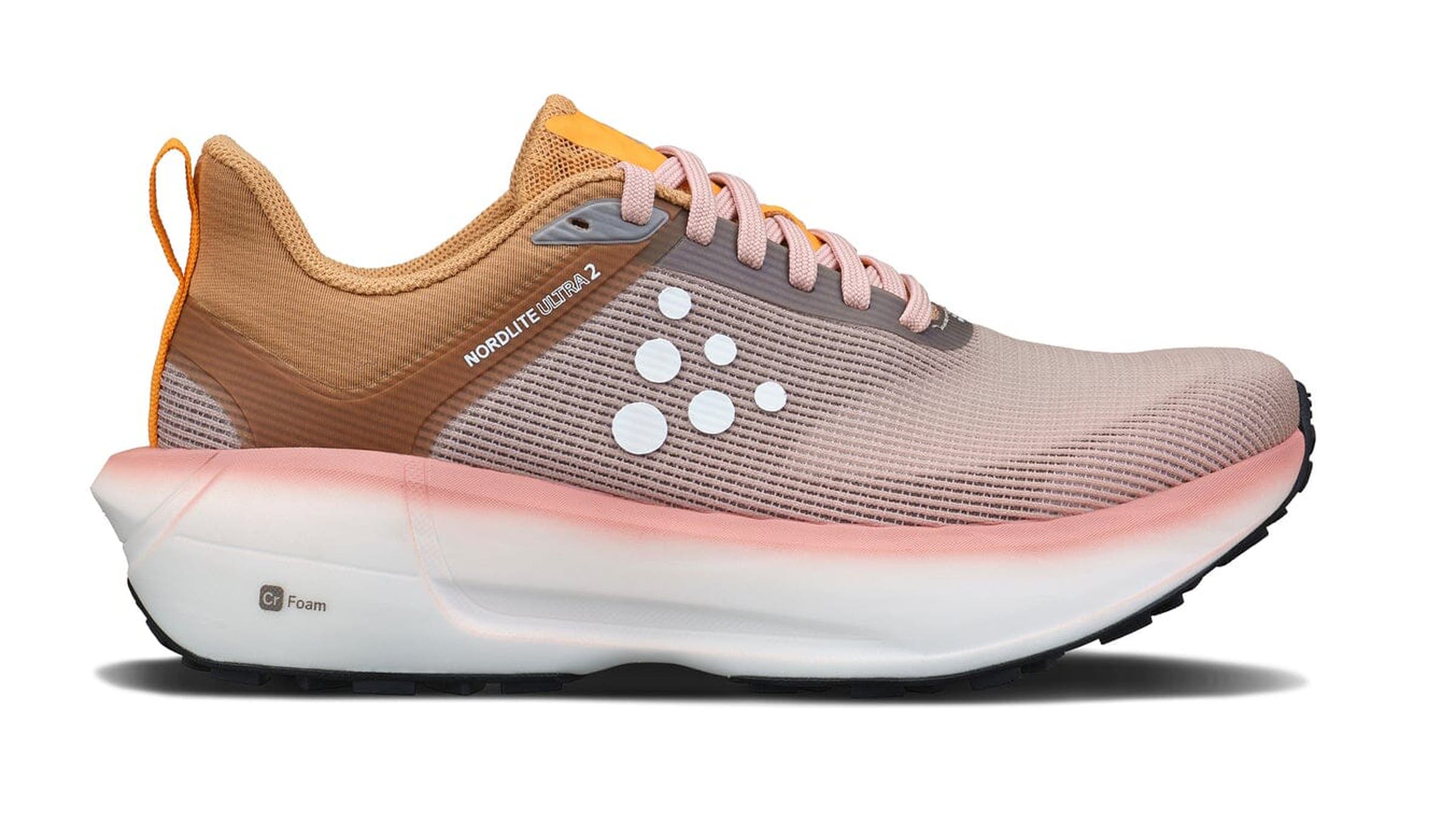
Weight: 10.6 oz (men’s), 8.9 oz (women’s)
Stack Height: 40–34 mm
Drop: 6 mm
The original version of this shoe has been one of my favorites for road-to-trail runs the past two years, but this season, I’m moving it to the “Gravel” shoe category. While I love its decoupled heel and forefoot design that allows natural foot articulation (read: less foot movement inside the shoe for better control on trails), the upper isn’t as secure-fitting as my road-to-trail picks like the Craft Nordlite Ultra Pro. But for gravel, hard Colorado dirt, road sections, and very mild trails, the ample amount of responsive cushioning feels great on long runs. I also like the Craft Xplor 2 and Craft Xplor Pro for gravel, but the Nordlite Ultra 2.0 and Nordlite Ultra Pro have my heart among the Craft shoes because of their decoupled configuration.
Salomon AeroGlide 4 GRVL
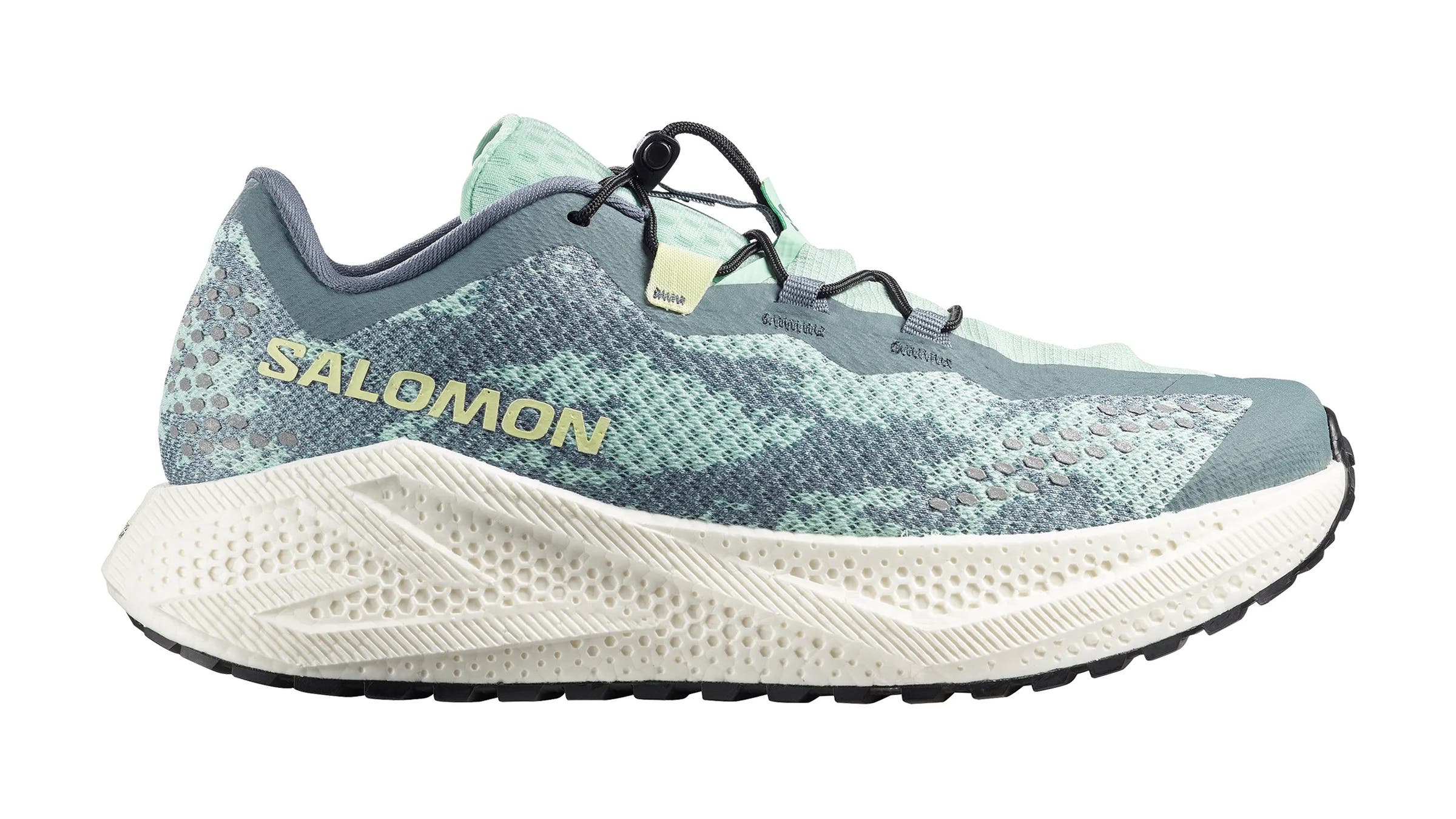
Weight: 9.6 oz (men’s), 8.1 oz (women’s)
Stack Height: 41-33mm
Drop: 8 mm
With its super comfortable upper and one-pull laces, the Salomon AeroGlide 4 feels like a slipper or casual-wear slide. It seems well-positioned as a beginner-friendly, gateway-to-trails gravel shoe, and also excels for the runner wanting a dirt version of a smooth road shoe ride. The slightly flared forefoot and negative space underfoot work as an impact-dampening, stable base that excels on gravel surfaces. Due to its high stack height and lack of secure midfoot hold, I keep this thing on flat to rolling terrain, despite its capable Contagrip traction. On anything steep or rugged, I crave more precise footing. For its intended gravel surface, this is an extremely comfortable shoe that’s fun to run in, and great for around-town errands or ski hill commutes.
Hoka Challenger 8
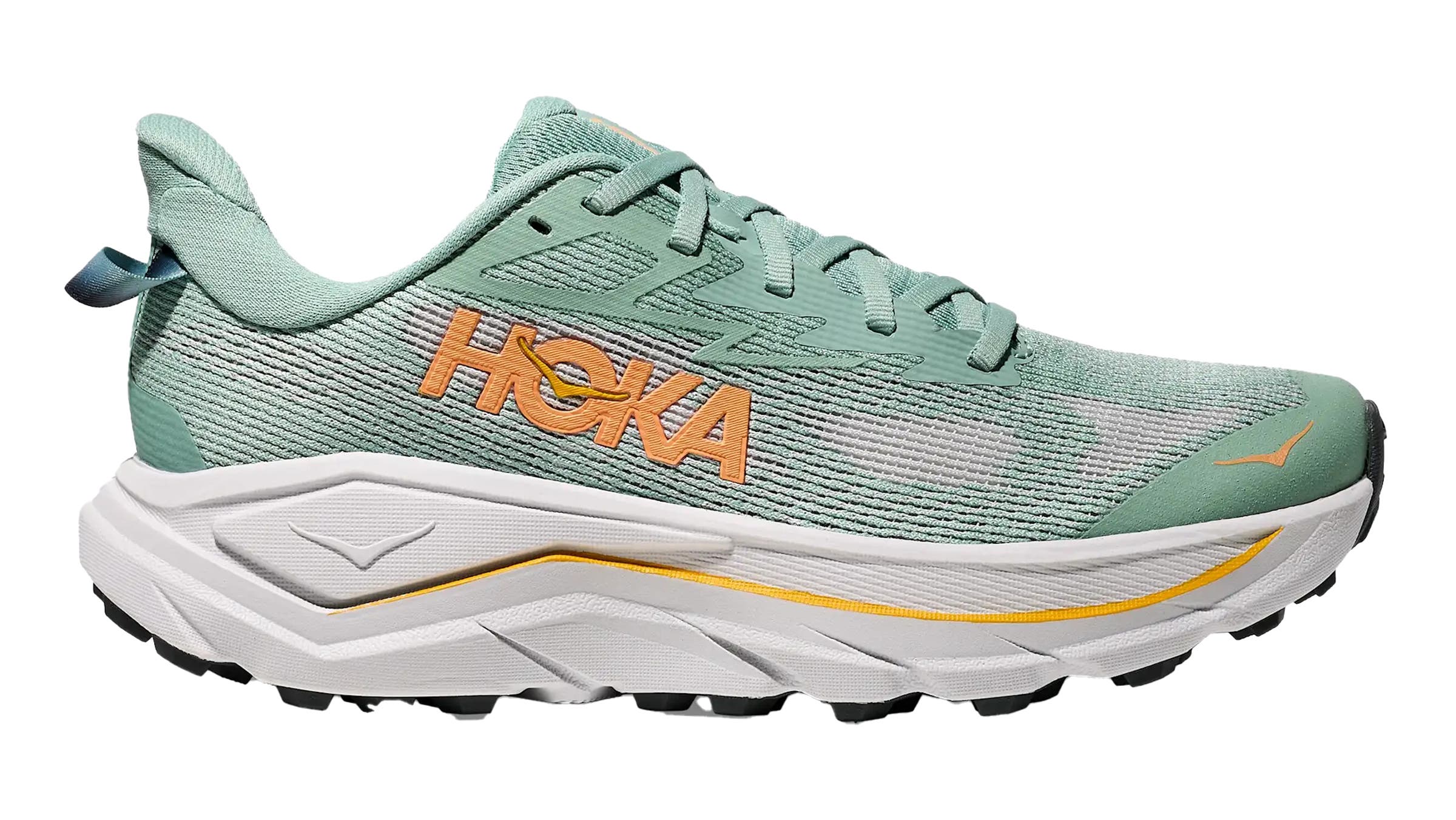
Weight: 9.7 oz (men’s), 8.7 oz (women’s)
Stack Height: 42–34 mm (men’s), 39–31 (women’s)
Drop: 8 mm
The Hoka Challenger 8 gets a little more off-road rugged this season, with a protective 3D printed toecap and improved fit. Its thick cushioning rolls over technical terrain like a dual-suspension mountain bike, and its four-millimeter lugs provide traction so well that I almost put this one in the road-to-trail category. But my narrow foot moves around inside the soft upper just a little too much to give me the control I like on the trail. While a versatile, highly cushioned, comfortable shoe for a range of surfaces, the Hoka Challenger 8 excels on moderate off-road terrain like gravel and dirt roads.
