Published November 17, 2023 08:01AM
The Alpine Run Project Teaches Kids They’re Not a Prisoner of Their Past
Criminal-turned-athlete John McAvoy is harnessing the transformative power of sport to put young people on a better path
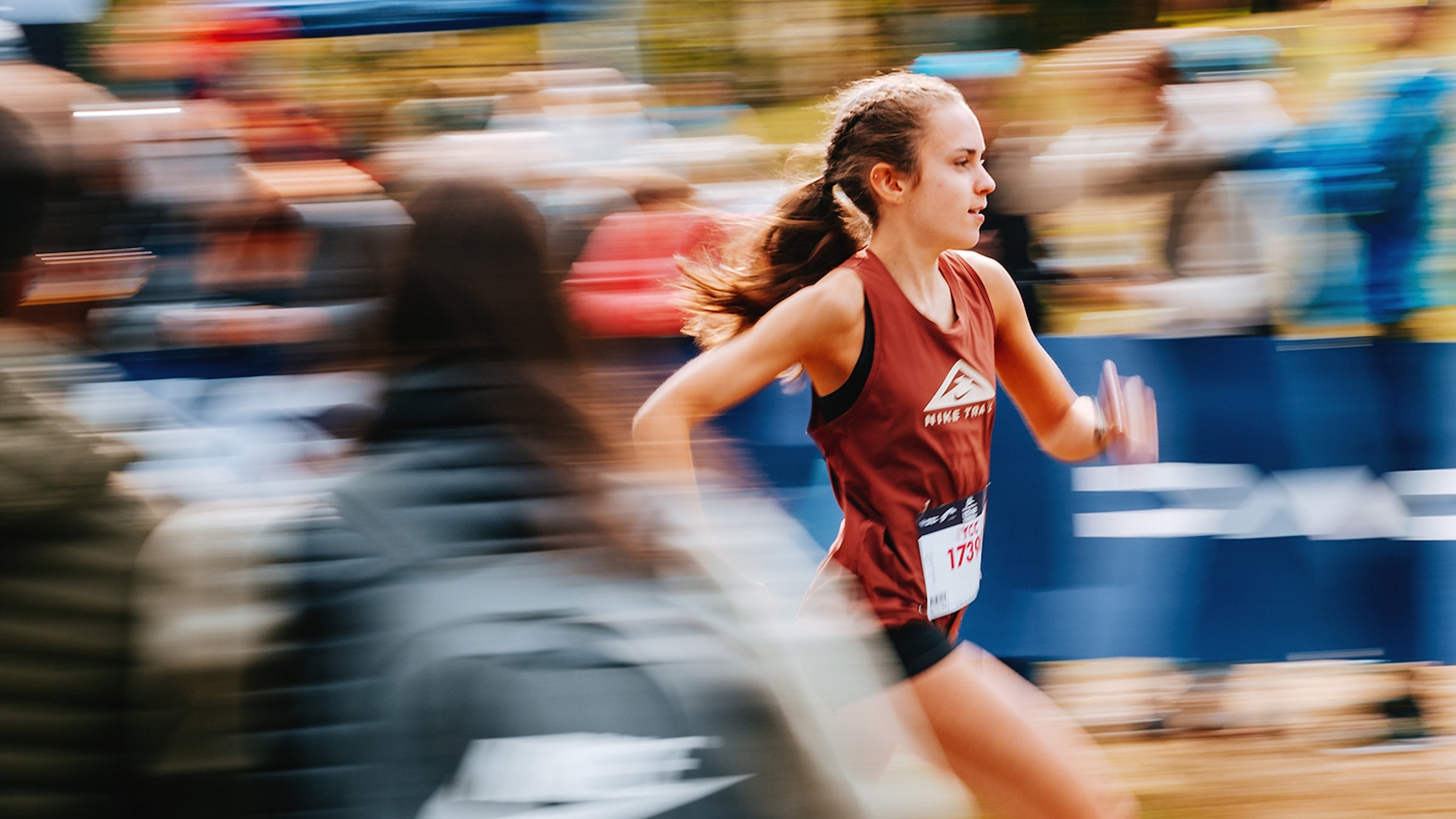
Eleana Matos. (Photo: Jered Gruber)
In a previous life, John McAvoy would have only envisioned running from the law.
Once a hardened thief immersed in a world of crime, the 41-year-old British convict-turned-elite-athlete has a wild life story that would be best told in a feature-length film. He’s used the transformative power of sport to become a record-setting cyclist, successful age-group triathlete, and passionate mountain runner. And now he’s paying it forward.
Working with Youth Beyond Borders and with Nike’s support, McAvoy launched The Alpine Run Project in early 2023, a program to help disadvantaged adolescents and young adults around the UK engage in trail running for meaningful change and a positive outlook of their future. And, McAvoy said, keeping them from veering down dark paths that led to his own nefarious ways as a young man.
RELATED: His First Marathon Was in Prison. His Second Will Be in New York City.
ADVERTISEMENT
Sharing the Power of Mountains
Born from the learnings of McAvoy’s own life experiences—including recent forays trail running in the Alps—the intent of the program was to give 12 young people from a wide range of social, economic, and cultural backgrounds the opportunity to engage in regular exercise and immerse themselves in nature for what he believed would be a life-changing journey while training for a trail running race in Chamonix, France.
“I love the sensation when you use your own power and endurance to propel yourself up a mountain. It’s so incredible, and so addictive,” McAvoy said. “But I realized how unfair it was that not many people get to experience the beauty and power of the mountains, especially young people.”
ADVERTISEMENT
The pilot program—which included regular training and a springtime training camp in England’s Peak District National Park—was a smashing success, not solely because the participants had a good experience running the YCC 20K race during the week of the Ultra-Trail du Mont-Blanc in late August. The triumph of the project has been more readily marked by the emotional development and social metamorphosis in each of their lives, McAvoy said.
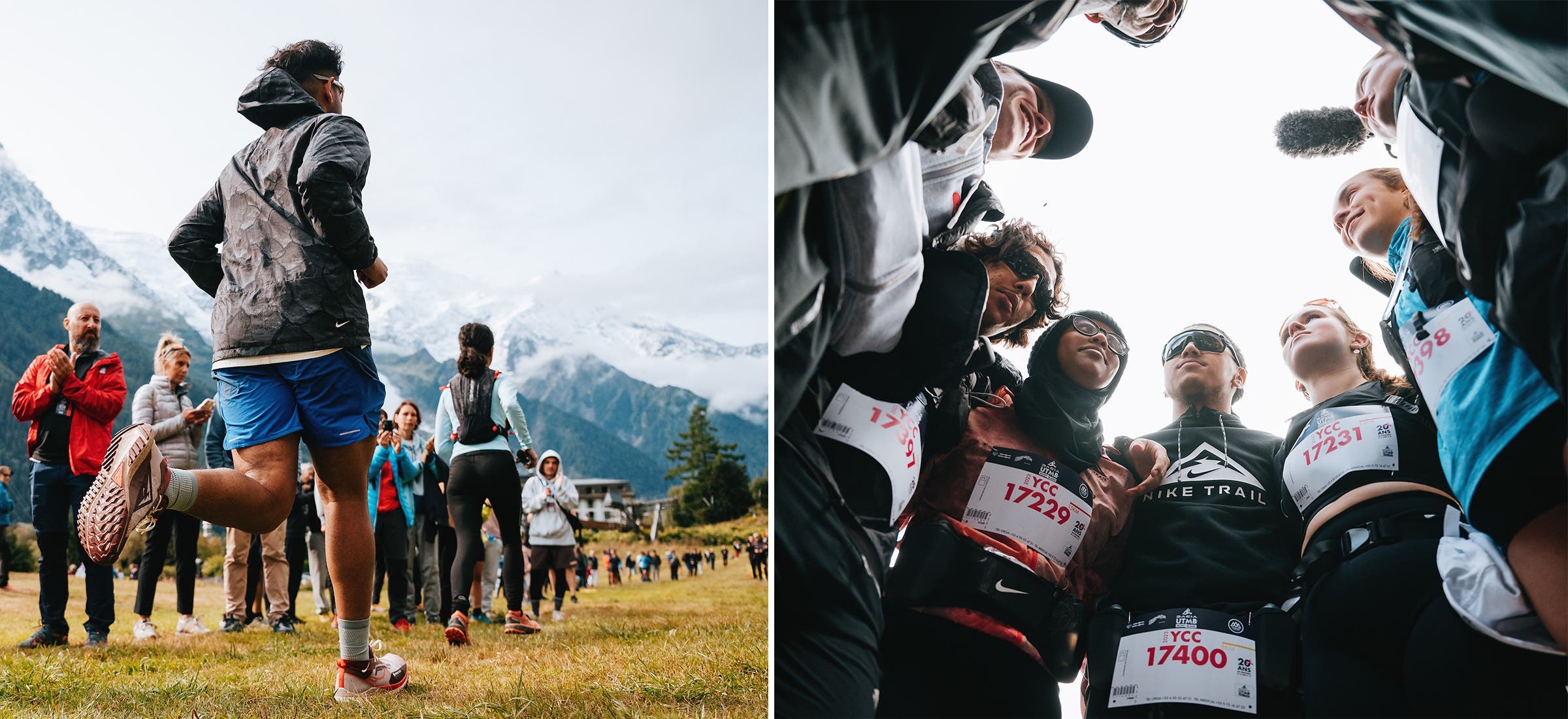
Cut Media and JD Sports chronicled the program in a 30-minute documentary called “Streets To The Peaks” that debuted at a theater in London this week. Next up, it will be one of the key films in the Kendal Mountain Festival from November 16-19, in the Lake District, then it will eventually become available for viewing via broad-based distribution.
David Ervine, a 20-year-old Alpine Run Project participant from Manchester who grew up in foster care and bounced around between 14 families by the time he was 15, said it was a life-changing experience. He said the immersion into trail running and the trip to Chamonix were a shock to his system, but he says it was the most meaningful thing he’s ever done.
ADVERTISEMENT
“I think I underestimated how steep the hills are and how tough it is to run in the environment of the mountains, but once I did, it turned into an amazing memory that will stay with me forever,” he said. “When I was growing up, I hated sports, but I think if you can just get kids into sport, you can show them that ‘you’re not a prisoner of your past’ and that ‘you can make the first step to live a better and healthier life.’ After this experience, I really believe that.”
Consistency in Confinement
McAvoy grew up in southeast London in a family immersed in crime and eventually got sucked into the business himself. By the time he was 22, he had been to prison twice for armed robbery. The second time, in 2005, he was initially locked up in a maximum security adult prison, but eventually took a plea bargain and wound up at a high-security institution for young offenders. His career criminal stepfather and uncle taught him to hate the system and was unwilling to be controlled or broken by it. When McAvoy balked at harsh treatments handed down by the prison boss, he found himself in solitary confinement—first for a week, then for a full year.
That’s where his journey and transformation really began.
ADVERTISEMENT
While in solitary confinement, McAvoy remembers aching for human connection and, to some extent, the proper guidance he never had. With nothing to look forward to, and excess amounts of time on his hands, he turned to himself and began reading books and also doing a few basic strength exercises like burpees, sit-ups, and push-ups. Then a few more.
As weeks turned to months, he was consistent with his routine, developing considerable physical strength and a glimmer of personal freedom. Even though it was motivated by anger, he continued to the point where he was doing 1,000 reps of each exercise every single day.
“It wasn’t about becoming an athlete,” he recalls. “I wasn’t doing it for aesthetics to get a six pack. I was purely fueled by my hatred towards the system. When prison officers would come around and see me doing burpees in the cell and sweating, all I thought was ‘You can take everything away from me, but you can’t control my body. You can put me in this tiny little cage, but you can’t stop me from doing this.’ That was my motivation.”
Simple Exercises, Big Changes
That desperate commitment to regular exercise brought purpose. Once back in normal prison life, he realized that the power to turn his whole life around, was inside him the whole time—even after so many bad decisions. He just never had anyone to encourage him in the right direction.
ADVERTISEMENT
At some point, a prison officer gave him Lance Armstrong’s autobiography, It’s Not About The Bike, and, combined with watching the Tour de France and the Ironman World Championship on TV, McAvoy developed an obsession for cycling and later to rowing in the prison’s gym. And that’s when he began to harness his dark energy and turn it into something brighter.
A prison gym manager named Darren Davis took note of his athleticism on the rowing machine one day and began to encourage and coach him. McAvoy credits that mentorship and the friendship that developed as prime catalysts that led him to breaking eight British indoor rowing records and three worlds—while still in prison.
McAvoy spent 10 hard years in jail, but his transformation through sport eventually led to him being paroled from prison in 2012 at the age of 29. Once on the outside, he continued his pursuit of athletics by working as a personal trainer, learning to swim from YouTube videos, and buying a bike off eBay so he could train for triathlons.
ADVERTISEMENT
He still wasn’t allowed to travel outside of the country, so he entered Ironman UK in 2013 after six weeks of training and then continued to race triathlons for several more years. His life story was captured in the 2017 book, Redemption, published the same year he earned a sponsorship from Nike.
It wasn’t until Sajid Javid, then the Secretary of State for the UK’s Home Department, repealed McAvoy’s life sentence in 2019, that McAvoy truly gained the freedom to live for the first time. On his initial international trip to Annecy, France, for a triathlon training camp, he was introduced to Alpe d’Huez, the famous hill climb in the French Alps that he’d watched cyclists grind up during the Tour de France while he was behind bars, and something about the mountains moved him.
“In my whole life, even when I was a little kid, I never felt settled and I never went to a place where I felt at home,” said McAvoy, who moved to Alpe d’Huez in 2020, just before the Covid-19 pandemic struck. “I never felt I belonged anywhere. I felt like I was always searching for something. I’d never experienced the high mountains before, but it felt truly special and I immediately fell in love with it.”
Running for Good
After going through all he did in the first half of his life, McAvoy says he wants to spend the second half giving back. Specifically, he wants to be a beacon for kids who need guidance so they don’t find themselves aimless or hopeless as they become adults.
ADVERTISEMENT
Last year, after running the 42K Martigny-Combe to Chamonix (MCC) trail race in Chamonix, France, McAvoy watched teens and young adults compete in the Youth Chamonix Courmayeur (YCC) race and a lightbulb went on in his head.
Knowing the metamorphic power that endurance sports had on him, he knew it could benefit kids in need, too. Over the next several months, the Alpine Run Project took root and selected 12 British youths ranging in age from 16 to 20 to participate in the program based on a range of socioeconomic criteria.
RELATED: Mountain Running 101: Training for Hilly Races
“I think for every person that comes to the mountains, it profoundly changes them and they always want to come back,” he said. “I think it’s because within our DNA. Throughout human history, we have traveled thousands of kilometers by foot into nature. So when you come to these places, you are actually coming home. You are coming to a place where humans belong.
ADVERTISEMENT
“That’s something that I want to open up again with these young people, to show them, when you look after your body and you are able to come to environments like this and reconnect back to nature where you belong, where we’ve all come from, that’s why it feels so good.”
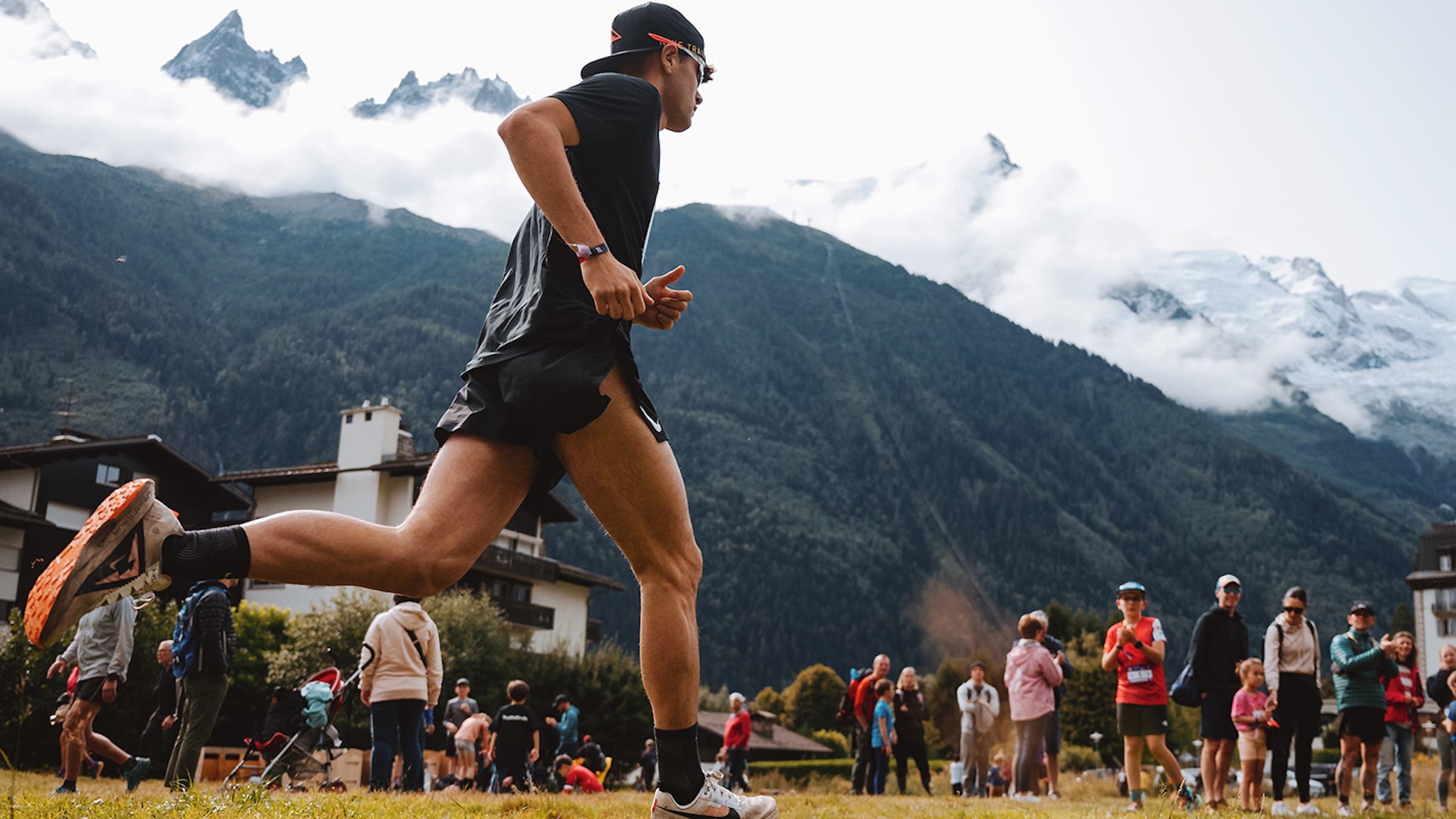
And while the runners in the program achieved success in the YCC race—Eleana Matos, a 17-year-old runner from Stockport, England, won the 4.9-mile 18-and-under women’s division, while Ervine was 20th overall in 9.3-mile 20-34 men’s age group—the social interaction among the participants was cathartic, too, McAvoy said.
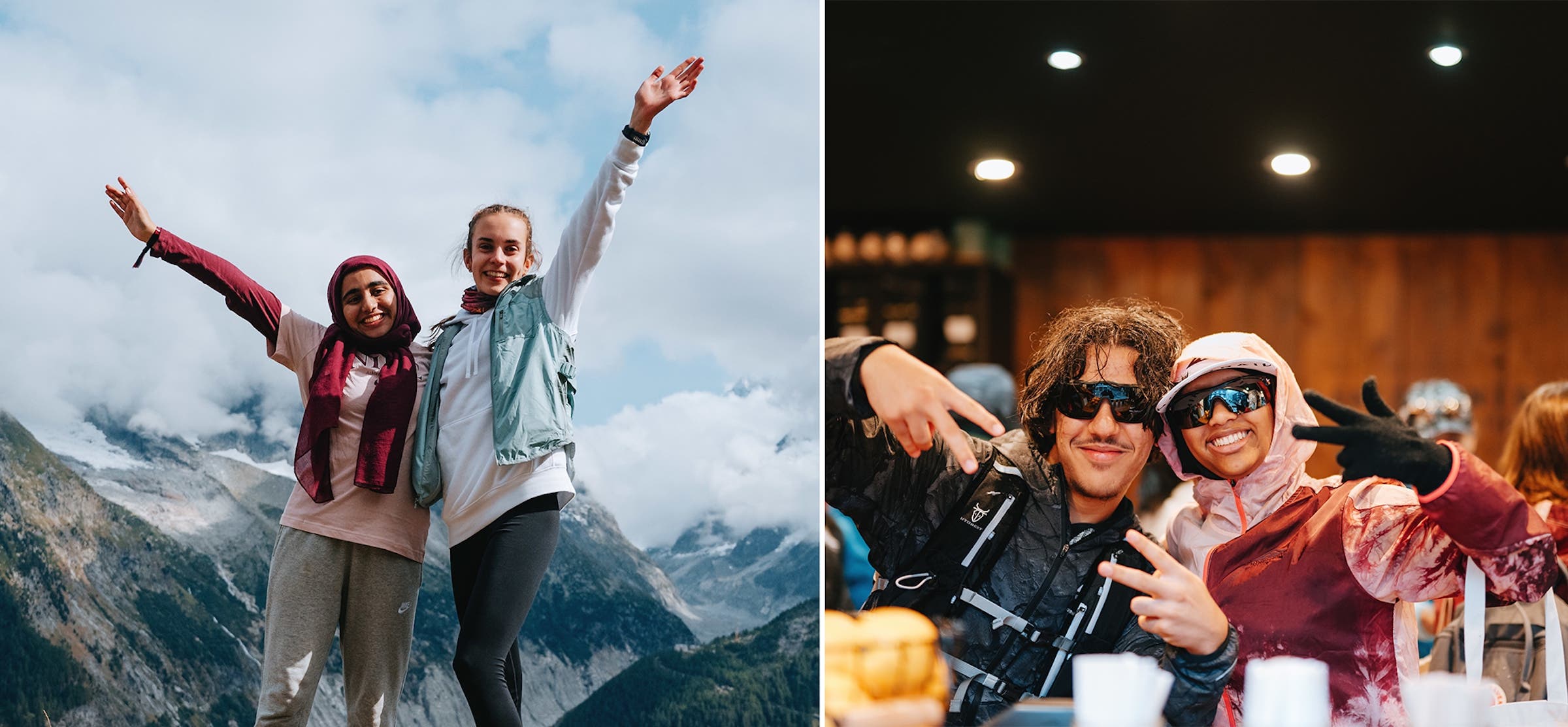
The kids hailed from challenging backgrounds, different family circumstances, and a variety of religious and cultural backgrounds. They began as strangers who were well out of their comfort zones in an activity that was new to them, but their individual and collective journeys through the challenges and unknowns of trail running developed connective bonds, raised self-esteem, and creative positive outlooks for the future, McAvoy said. Even before race day, they forged fast friendships on high-mountain training runs by sharing meals, laughter, and music.
“This Is Just the Beginning”
Although the program’s first year concluded three months ago, it has continued to pay dividends in each of their lives.
ADVERTISEMENT
Ervine is a strong road runner, but his trail running experiences have inspired him to think outside the box as he pursues the life of a professional endurance athlete. As for Matos, she’s been keen on studying veterinary medicine since she was a young girl, but now she’s interested in finding a way to mix that with her newfound passion for running and living in the mountains.
“I don’t know how that will materialize, but I definitely think the experience of running in the Alps has changed my outlook on life,” she said. “I always thought about visiting a place like that, but it was just a bit out of reach in my mind. But I think now that I’ve done it, I know it’s possible. I want to go back again, and when I’m old enough I would like to do some of the longer races and some of the UTMB races in other countries. I definitely want to keep my running going and see where it will take me in life.”
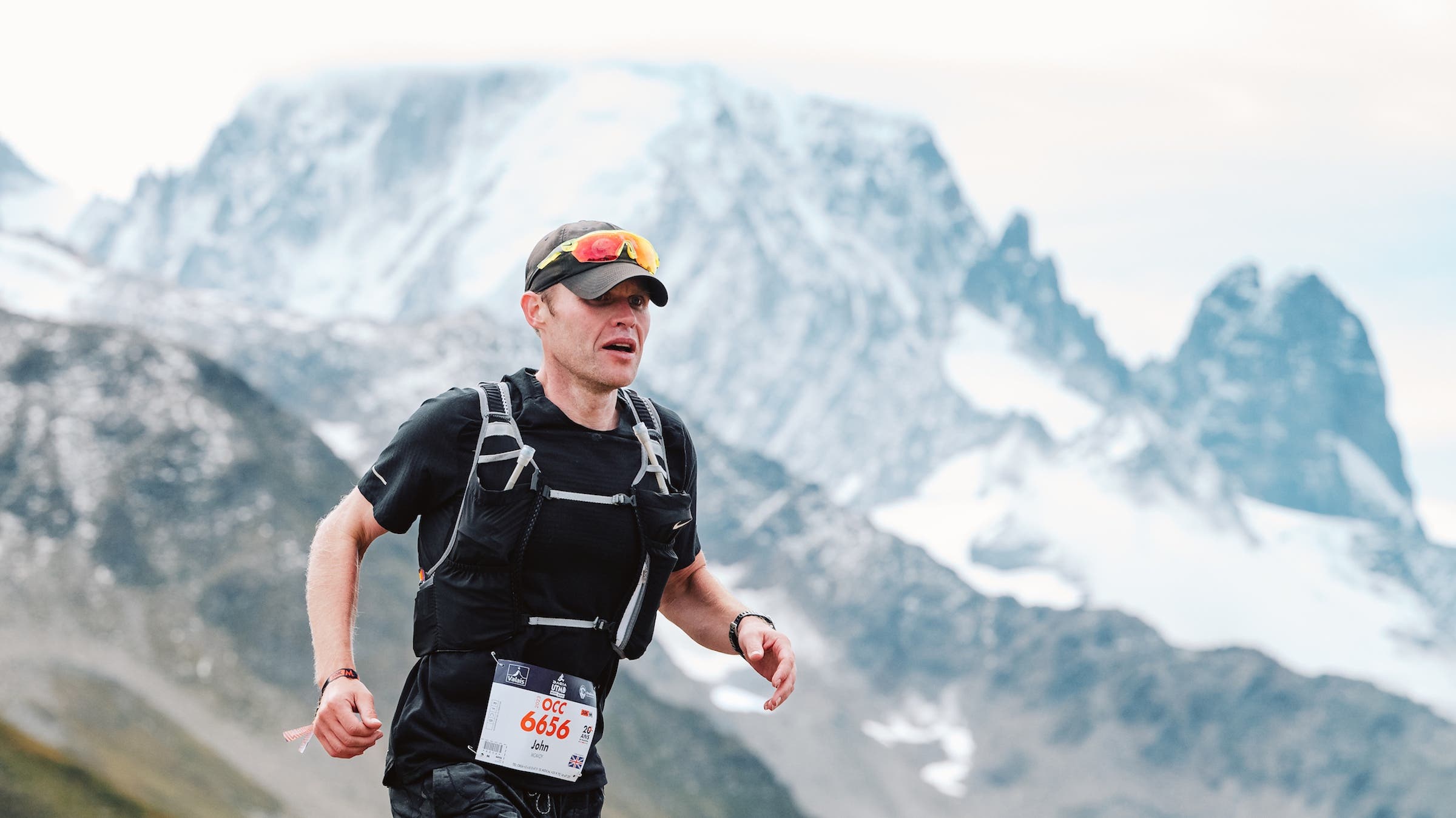
McAvoy admits he has to pinch himself sometimes knowing the journey he has been on. He said witnessing the life-changing moments of the inaugural Alpine Run Project gave him an invigorating jolt of inspiration for his own endurance pursuits. He competed in the OCC 50K in Chamonix in August and, in early November, ran the Kullamannen Seventh Seal 50K in Norway.
ADVERTISEMENT
“This is just the beginning. It’s not the end, but all of us will be part of these young people’s lives forever,” McAvoy said. “To me, the real mark of success is how these young people have developed and what they will then go on to do with the rest of their lives based on this experience. My performance criteria for the program wasn’t about finding someone who could win the YCC, but it was giving them the opportunity to come and experience the mountains and see how it could positively change their lives.”
