Published September 27, 2023 06:00AM
If you buy through our links, we may earn an affiliate commission. This supports our mission to get more people active and outside.Learn about Outside Online's affiliate link policy
First Run: The On Cloudboom Echo 3, Reviewed
On Running’s updated supershoe provides firm, snappy propulsion for long-distance racing.
(Photo: On Running)
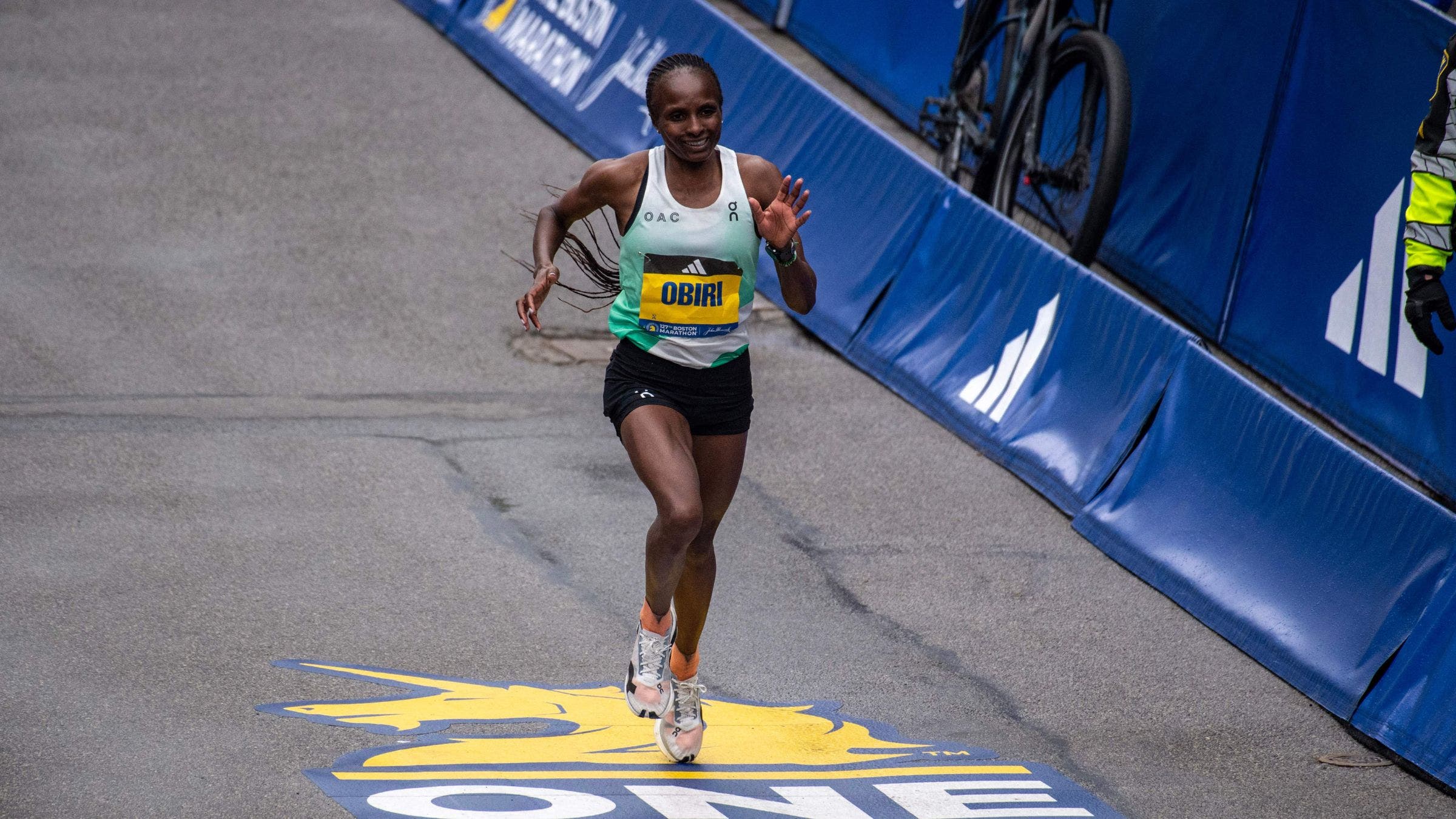
After seeing On Athletics Club pro runner Hellen Obiri win the Boston Marathon last April in a pair of On Cloudboom Echo 3, the hype was officially raised around the brand’s new supershoe.
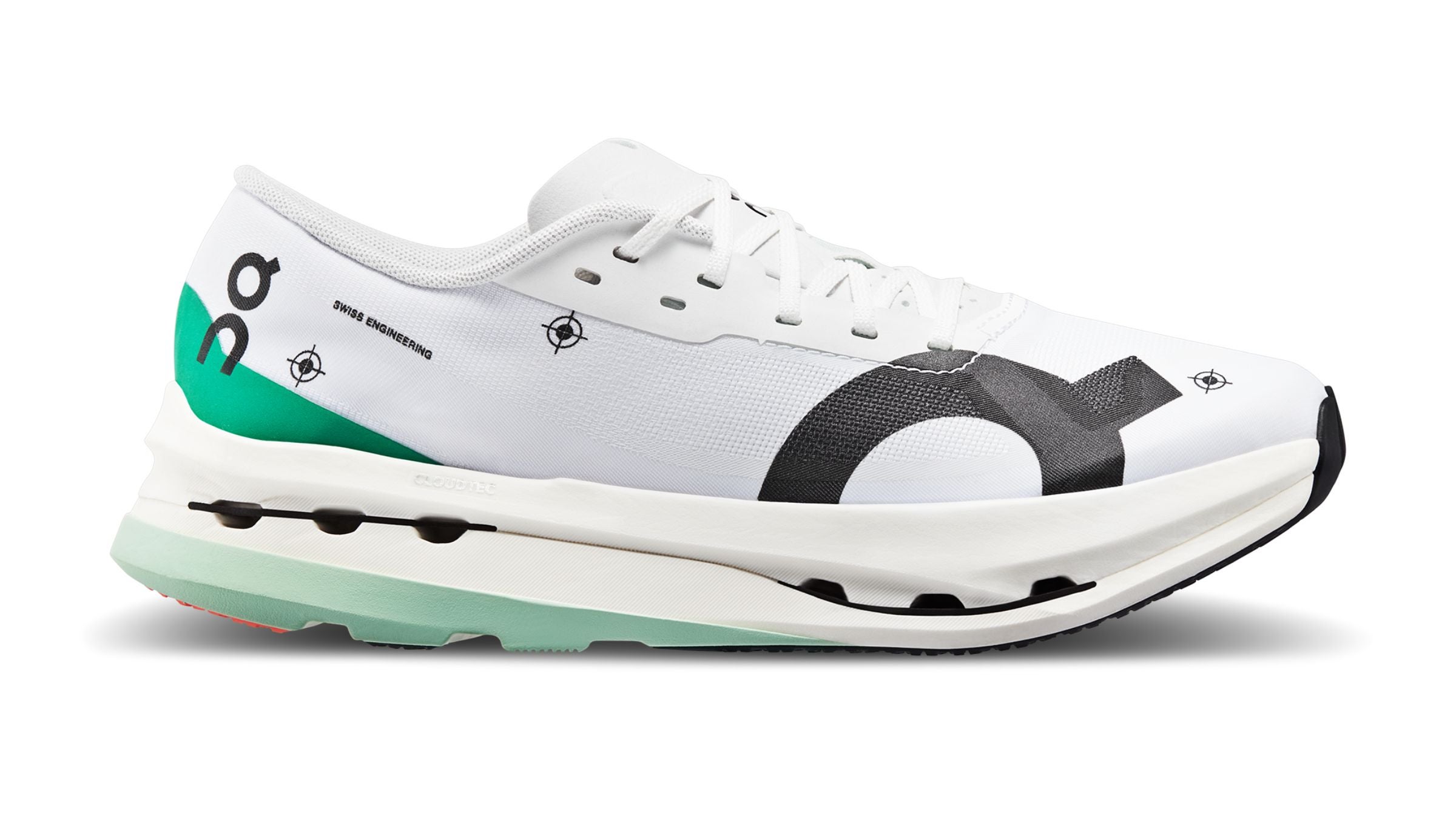
On had created racing shoes and extremely cushioned shoes before, but the updated version of its top-tier long-distance road racing shoe has been vastly overhauled. The Cloudboom Echo 3 has a much-improved Pebax midsole foam package and a more aggressive carbon-fiber propulsion plate embedded in the middle, plus a new reinforced, lightweight microfiber upper that helps provide a more locked-down fit.
On Cloudboom Echo 3 and the Supershoes
On markets the Cloudboom Echo 3 as a marathon shoe, but it can be used for any distance of road racing, from an all-out mile race to a well-paced half-marathon.
ADVERTISEMENT
The Cloudboom Echo 3 was released in July, touting a barely-there upper, a proprietary “Speedboard” carbon rocker plate, and Pebax foam midsole. The price checks in at a whopping $290, topping the lofty price tags of the Saucony Endorphin Elite ($275), Hoka Rocket X 2 ($250), Nike ZoomX Vaporfly Next% 3 ($250), ASICS Metaspeed Sky+ ($250), and Adidas Adizero Adios Adizero Pro 3 ($250).
But how does the Cloudboom Echo 3 stack up to other current supershoes on performance? We put it to the test.
RELATED: Still the King? Nike Vaporfly 3
On Cloudboom Echo 3: First Impressions
Taking the Cloudboom Echo 3 out of the box will quickly make you realize two things: the shoes feel very light and airy, and they look quite narrow. Both of which are true: The Cloudboom Echo 3 weighs in at 7.5 ounces (men’s size 8.5), which is close in weight to the ASICS Metaspeed Edge+ (7.7 ounces) and the Adidas Adizero Adios Pro 3 (7.5 ounces), but not quite as light as the Nike ZoomX Vaporfly NEXT% 3 (6.5 ounces).
ADVERTISEMENT
The Cloudboom Echo 3’s hydrophobic microfiber uppers have been talked about favorably, and for good reason. They are so thin they’re nearly transparent, but still feel durable. The stitching on the upper has tiny holes in between each stitch, too, to ensure that moisture has a way to evaporate—no sweaty feet mid-marathon. Plus, there’s enough structure in the upper to keep my feet secured to the footbed.
The biggest update to the Cloudboom Echo 3 is centered around the new midsole chassis. It features On’s updated proprietary Helion HF superfoam, a fully recyclable material made from responsive Pebax and 46 percent bio-based materials derived from castor beans.
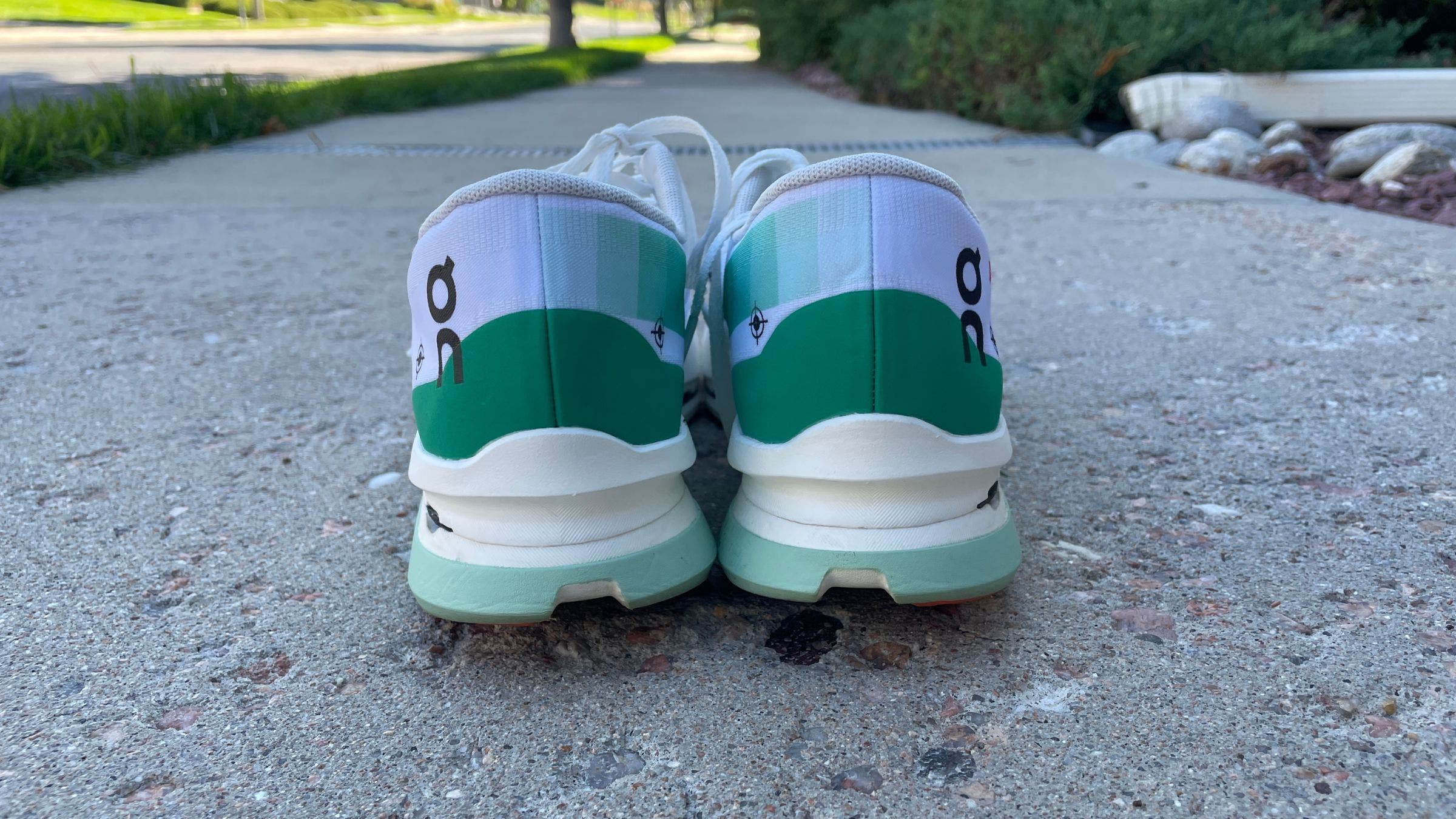
Putting on the shoes made me say, “Wow,” for two reasons: the shoes are incredibly narrow and make you feel like you’re standing on a very thin balance beam, and they feel lively with potential rocket speed waiting to be activated.
First Run
The Cloudboom Echo 3 has an above-average 9.5mm heel-toe drop (37mm in the heel, 27.5mm in the forefoot), which, in addition to a sole that is designed to help roll you forward off the tip of each stride, produces an exceptionally snappy sensation as you transition from midfoot to toe-off. For comparison, the Nike Alphafly Next% 2 has an 8mm drop and Asics Metaspeed Edge+ has a drop of 8mm.
ADVERTISEMENT
From the first step in the Cloudboom Echo 3, I felt like I was being rolled forward thanks to the high drop and forward-rocking design of the outsole. It seemed as though every step I took provided maximal forward propulsion because of this rocking motion. It’s as if no energy generated by my stride was left on the ground—it all went toward propelling me forward, but only at high speeds. Shuffling for an easy 400 meters in between intervals felt awkward in this shoe, which is clearly designed to only go one speed: fast.
The semi-soft midsole foam is compliant, but not as plush as the midsoles of some other brands I’ve worn like Asics or Nike. I see this model more as a half-marathon shoe, but I also like a lot of cushioning in my shoes for a marathon.
Speaking of the midsole, it is cushy but narrow. I had knee surgery a few years ago and am cautious of narrow supershoes as my knee can still become irritated by too much bounce on too small of a platform, and that was the case with the Cloudboom Echo 3.
ADVERTISEMENT
The upper is the real winner of this shoe.. The fabric feels like cloth mixed with a bit of plastic reinforcement. The stitching is tight and barely pliable, but it’s breathable, hydrophobic, and it contributes to a secure fit. I wear-tested this shoe in dry conditions, but had no issues with moisture buildup in the shoes, thanks to the ample wiggle room in the toe box. I would imagine, though, that on a wet day (like the day Obiri won Boston), water would seep into the toe box due to the thin uppers, but that’s not unique to the Cloudboom Echo 3—most supershoes have perforations in the uppers that take on water in the rain.
The tongue of the shoe is thin and sort of intentionally sits off to the inner side of the foot thanks to a one-sided gusset on the inside of the shoe. The tongue stayed in place off to the side and did not irritate my foot in any way. Although the upper has a clean and simple design that On has become known for, TPU overlaps on the medial side of the saddle and a moderately reinforced heel up provides a touch of structure to keep the foot in place.
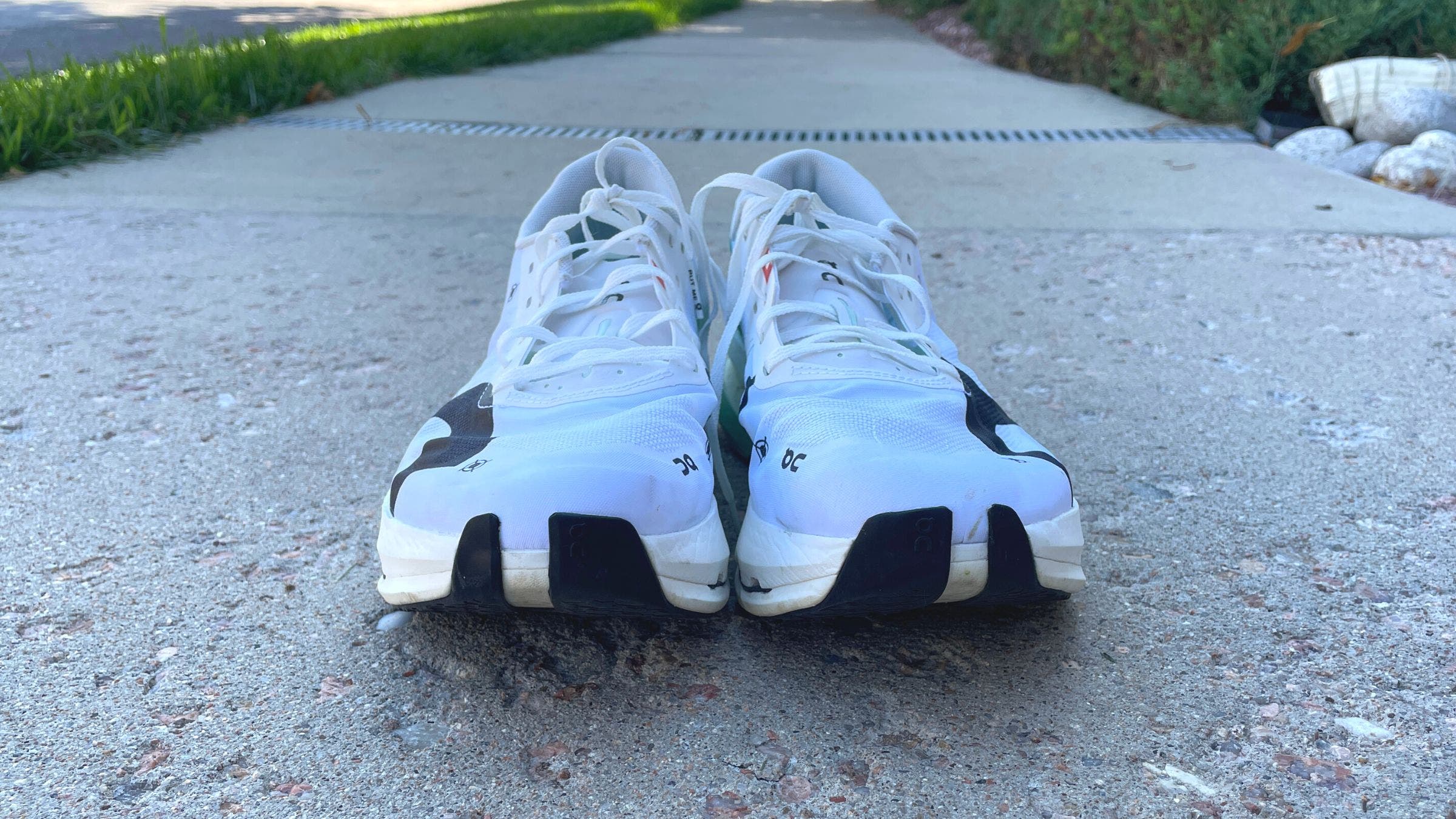
The forefoot and heel of the outsole are nicely reinforced with black and orange textured rubber that provided solid grip on my run—I had no issues with cornering, stopping, or changing direction. However, the midfoot of the outsole has less-durable exposed midsole foam that showed signs of peeling after just one 90-minute run. This is not exactly what you want from a $290 pair of shoes.
Who Is This Best For
The Cloudboom Echo 3 would be good for those with a narrow foot and quick cadence who are training for a half-marathon or shorter-distance race. Those who are forefoot runners will enjoy the forward-rocking shape of the outsole, as well. Runners who prefer some cushion, but not the mega-marshmallow foam of some supershoes will appreciate the lively but moderate cushioning of the Cloudboom Echo 3 – making it perfect for short-to-middle-distance running.
ADVERTISEMENT
Final Thoughts
On has created a competitive supershoe that works well for forefoot runners with narrow feet and a forward-leaning posture and stride.
For $290, I’m not sure these shoes pack enough of a “wow factor” in this iteration for me to recommend them above other supershoes, but as On has shown time and time again, they are masters of continuous improvement—their shoes today look totally different from their big-lugged pairs of even five years ago.
On Cloudboom Echo 3 Specs
- Weight (size 43): 215g per shoe
- Stack: 37mm in the heel, 27.5mm in the forefoot
- Heel-Toe Drop: 9.5mm
- Plate: Full-length “Speedboard” carbon plate
- Midsole: Pebax-based Helion HFmidsole
- Lifespan: 105 miles or 4 marathons, according to On
